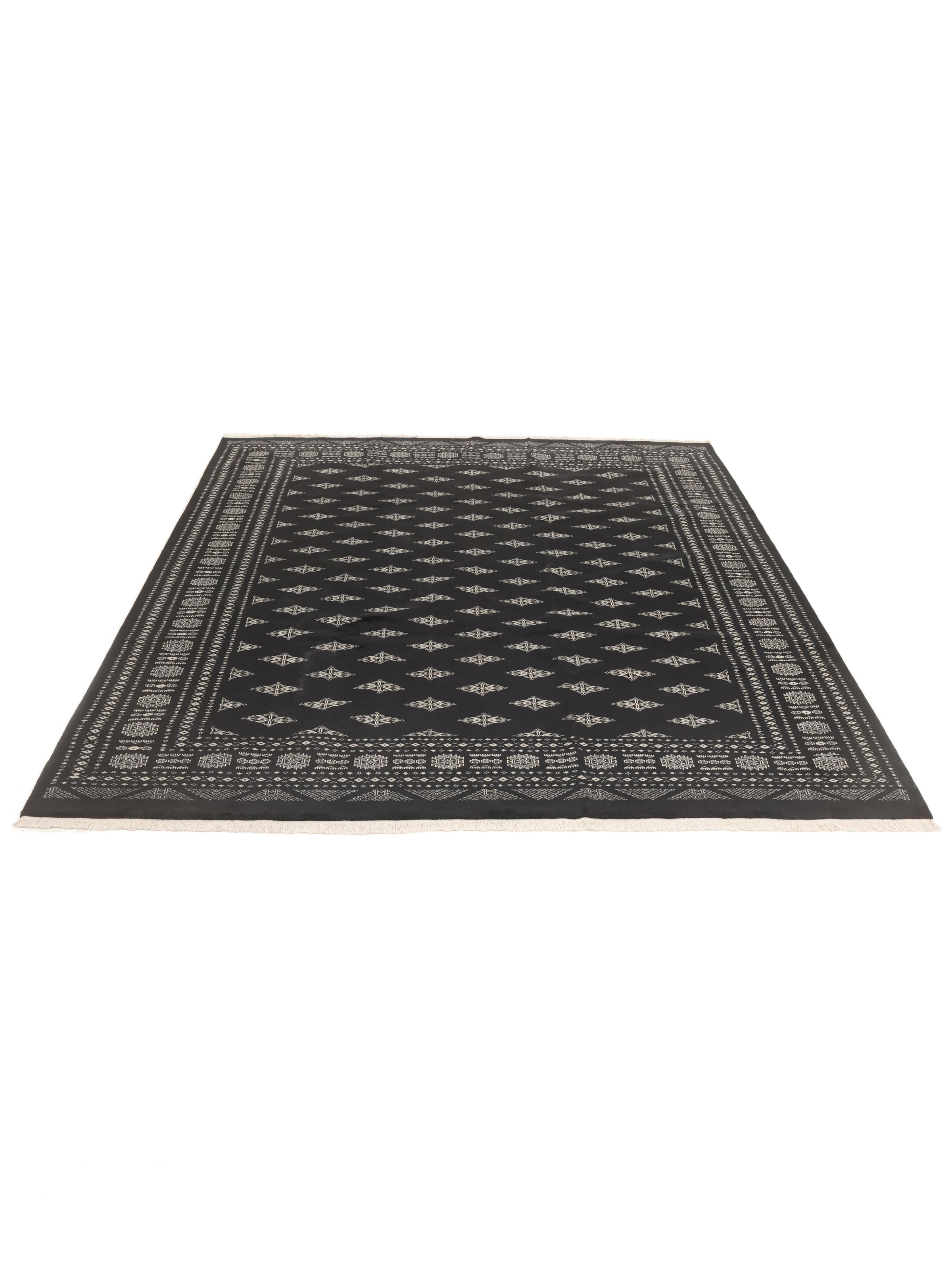
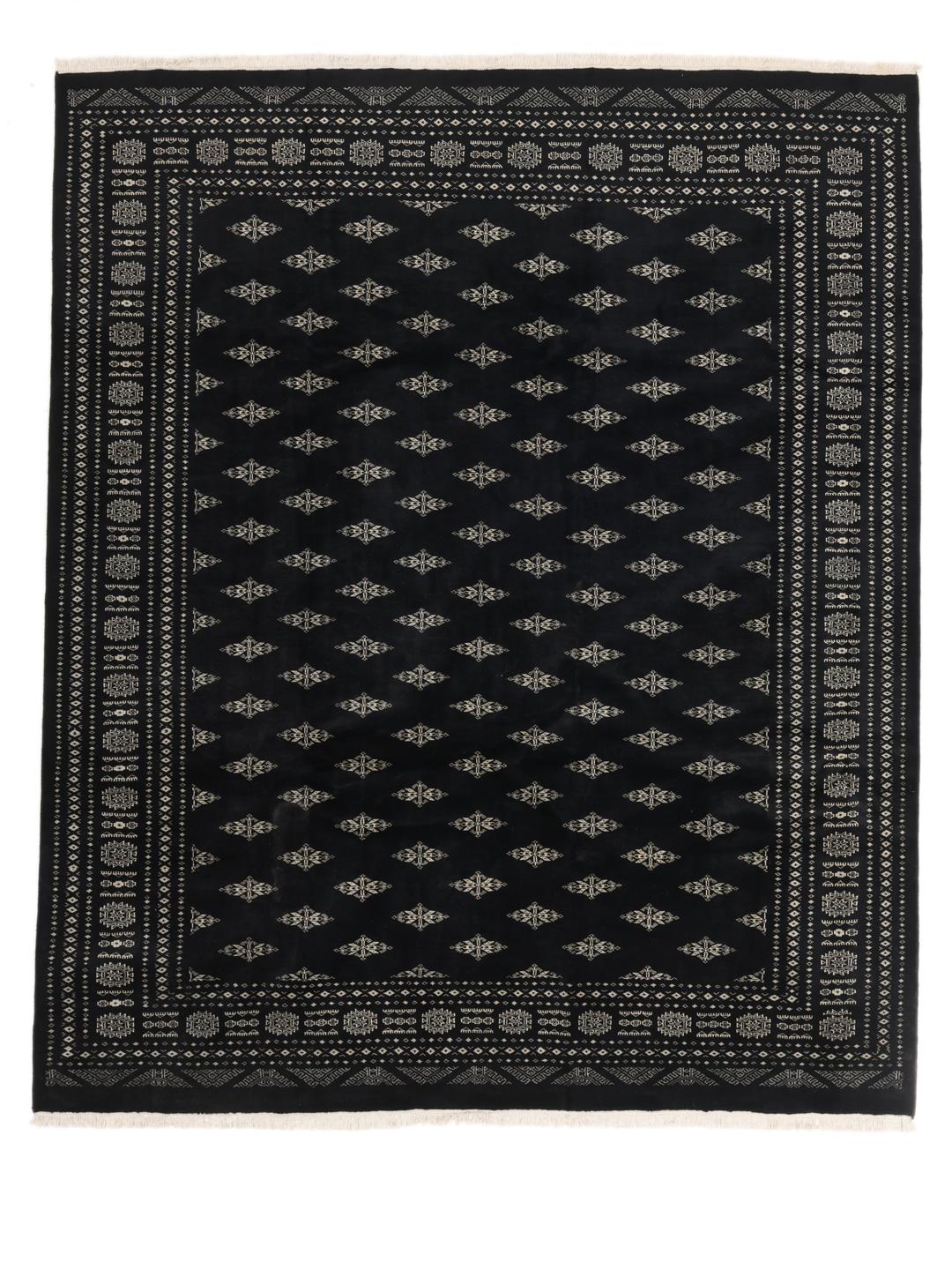
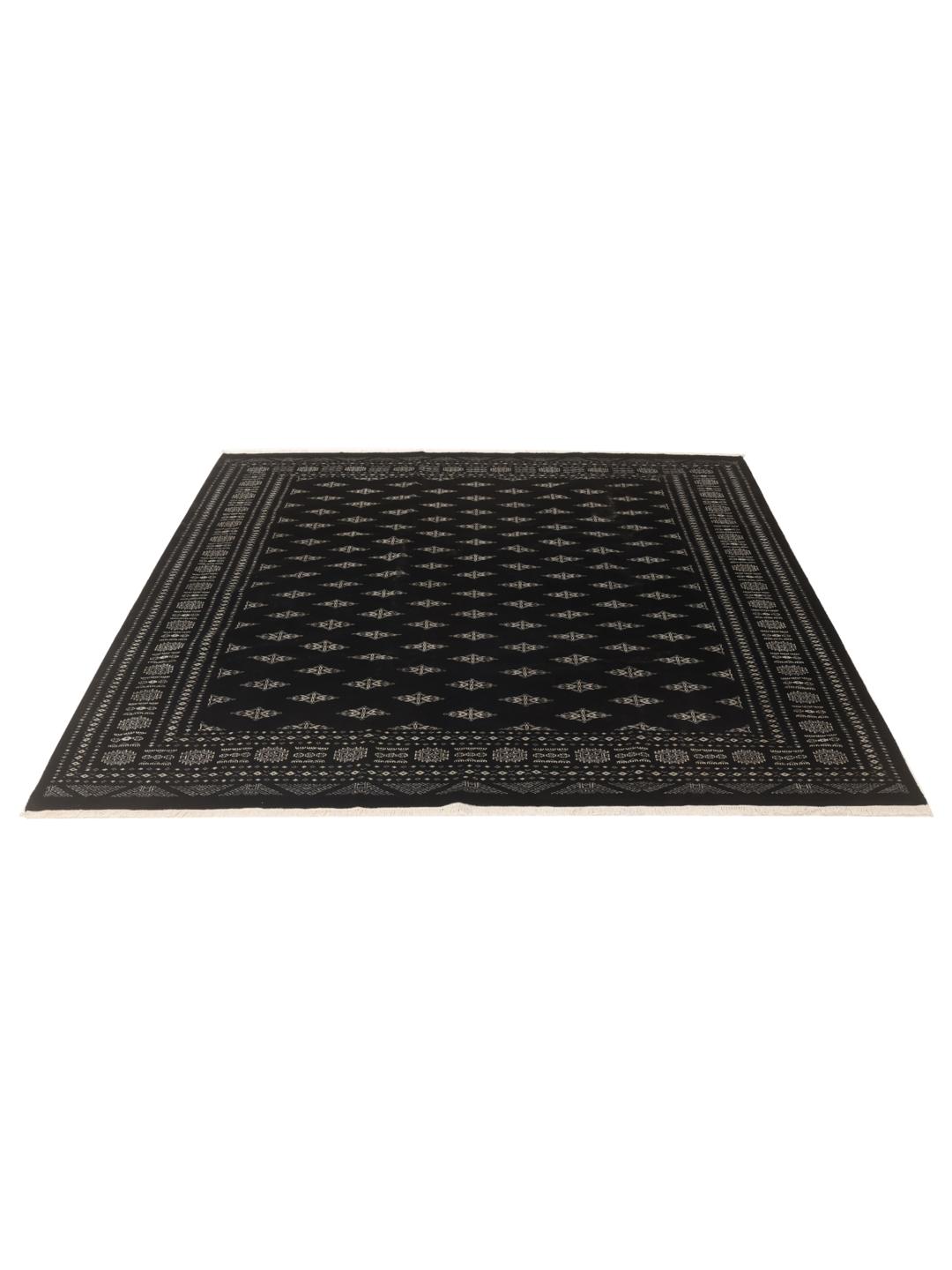
The tradition of Bokhara rugs is deeply rooted in the history of the Silk Road, tracing its origins to the ancient city of Bukhara in Central Asia. Over generations, these weaving techniques migrated and evolved, with Pakistan emerging as a premier centre for producing the finest contemporary examples. Today, the Pakistan Bokhara represents a harmonious blend of historical design language and expert modern craftsmanship.
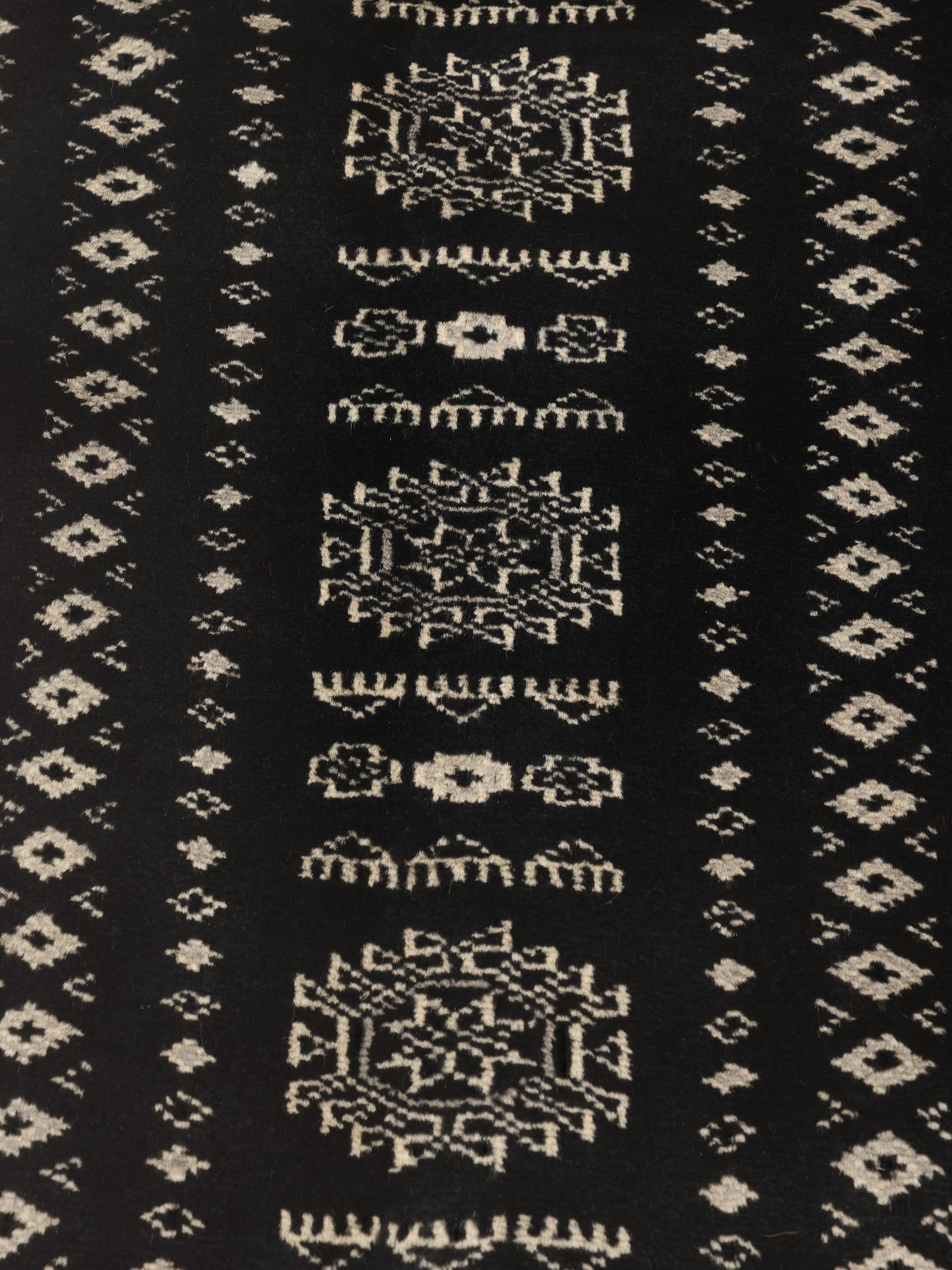
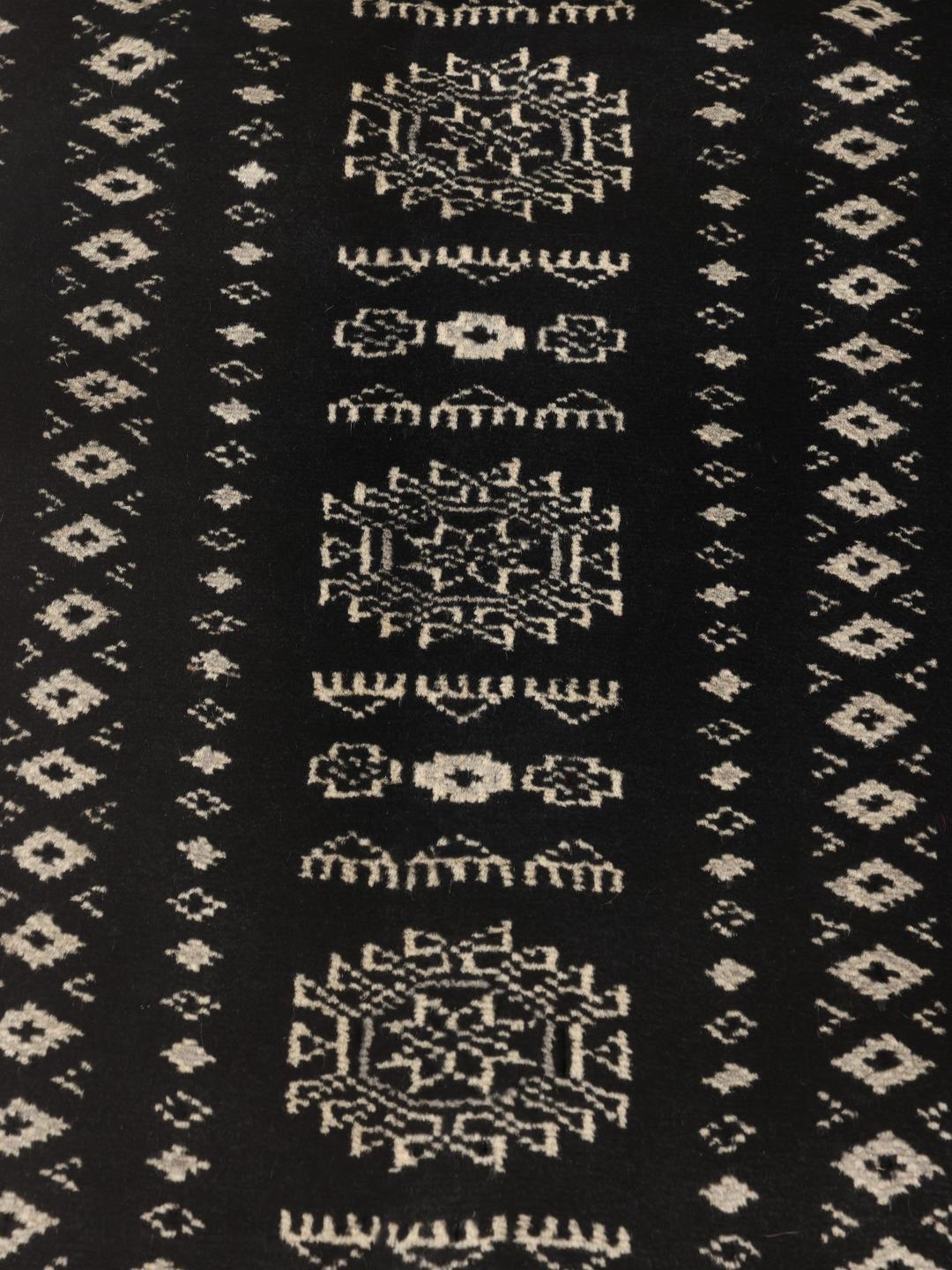
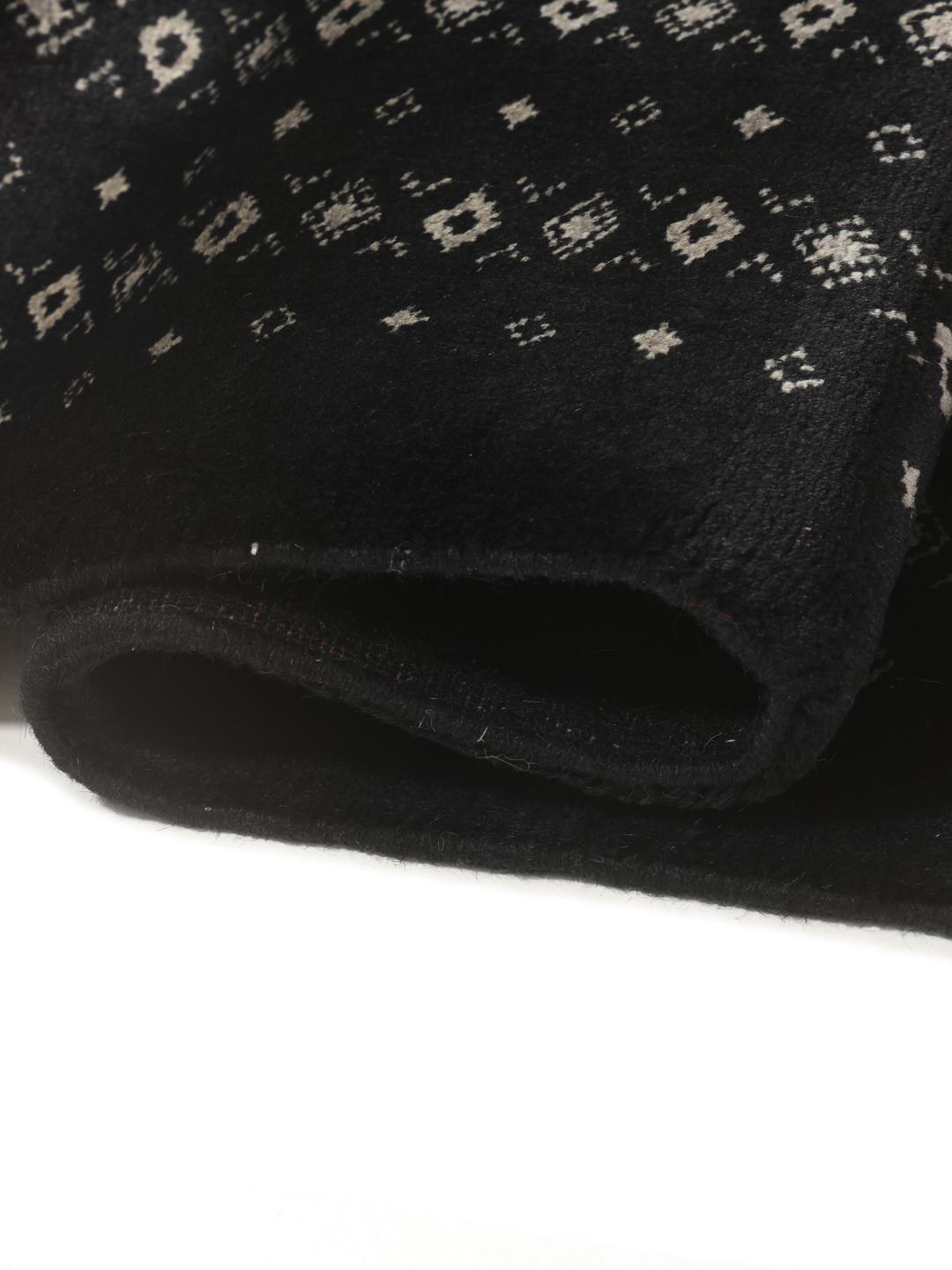
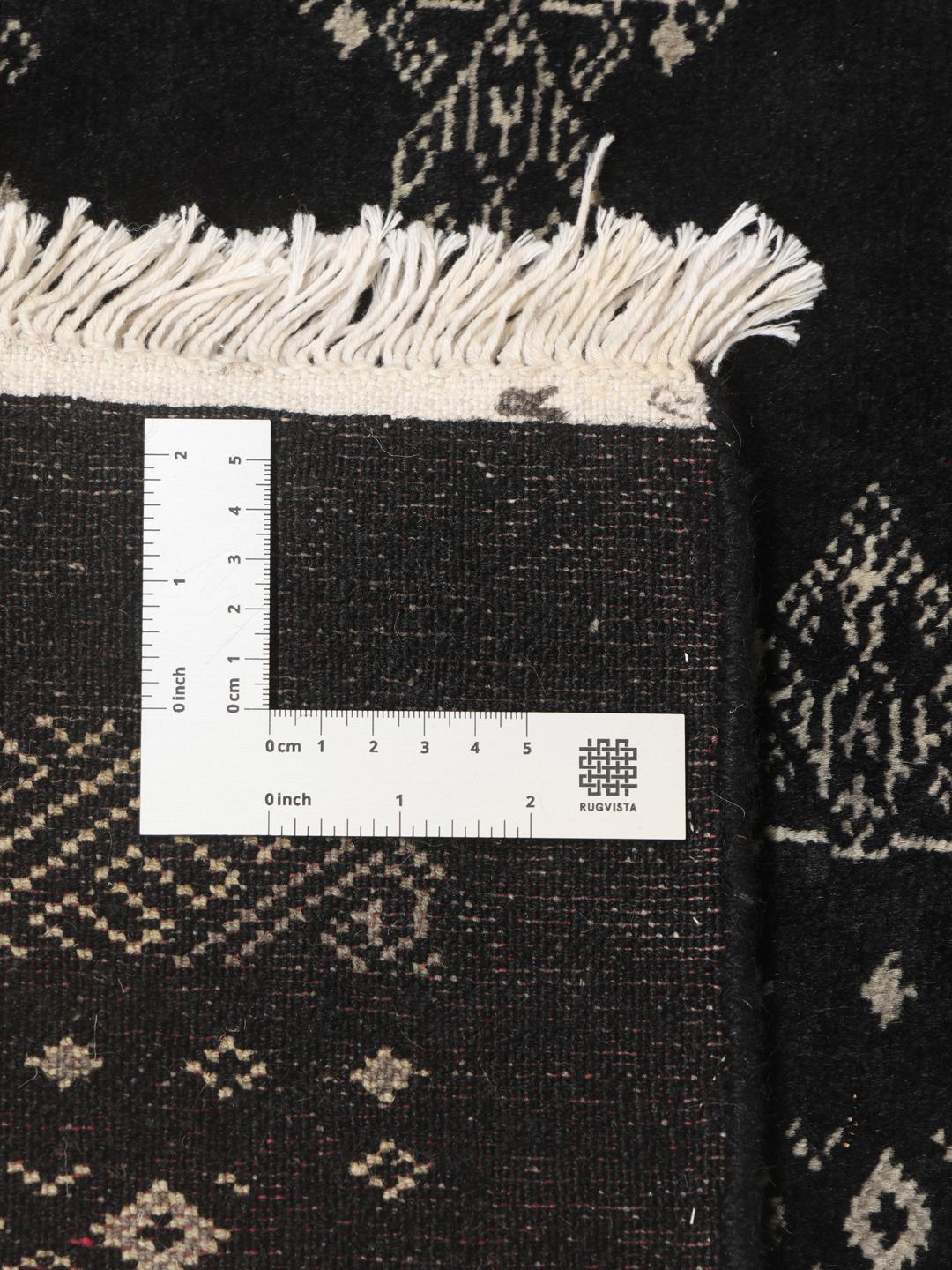
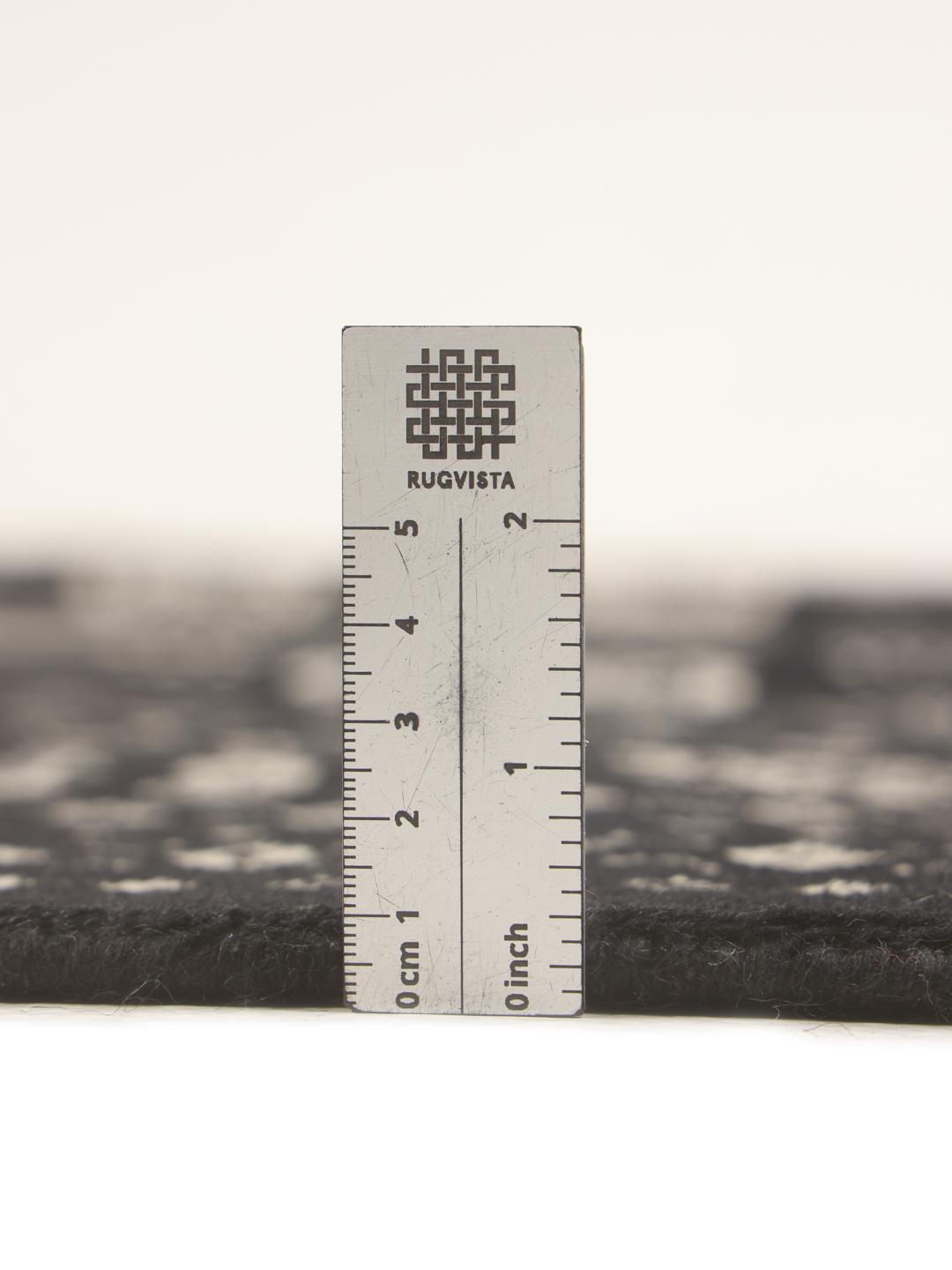
The term 2ply refers to the construction of the wool pile, where two individual strands are twisted together before being knotted. This technical choice is significant because it produces a thicker, more lustrous, and remarkably durable pile compared to single-ply alternatives. For the owner, this means a rug that not only feels fuller and softer to the touch but also retains its structural integrity and visual appeal through years of daily life.
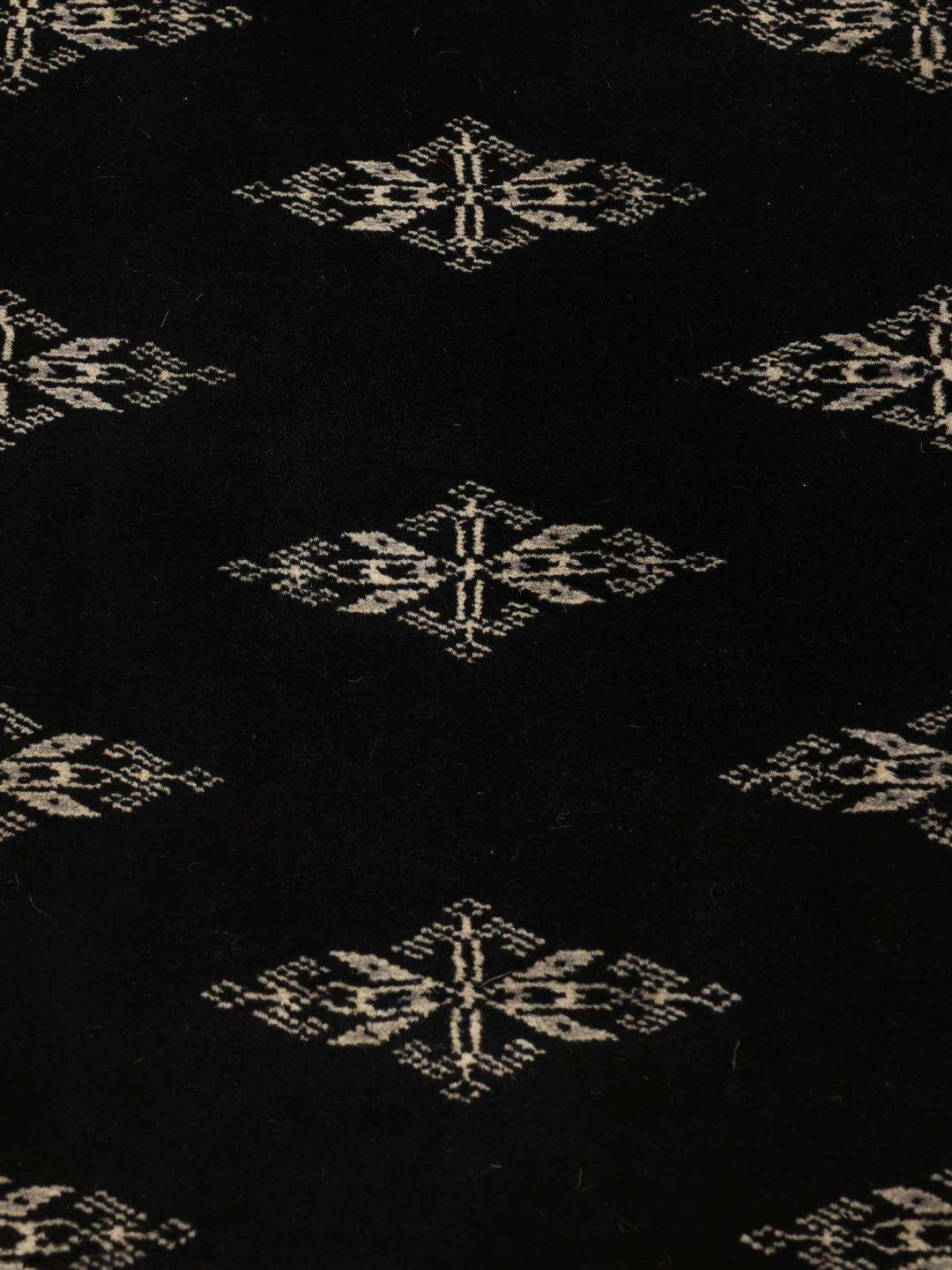
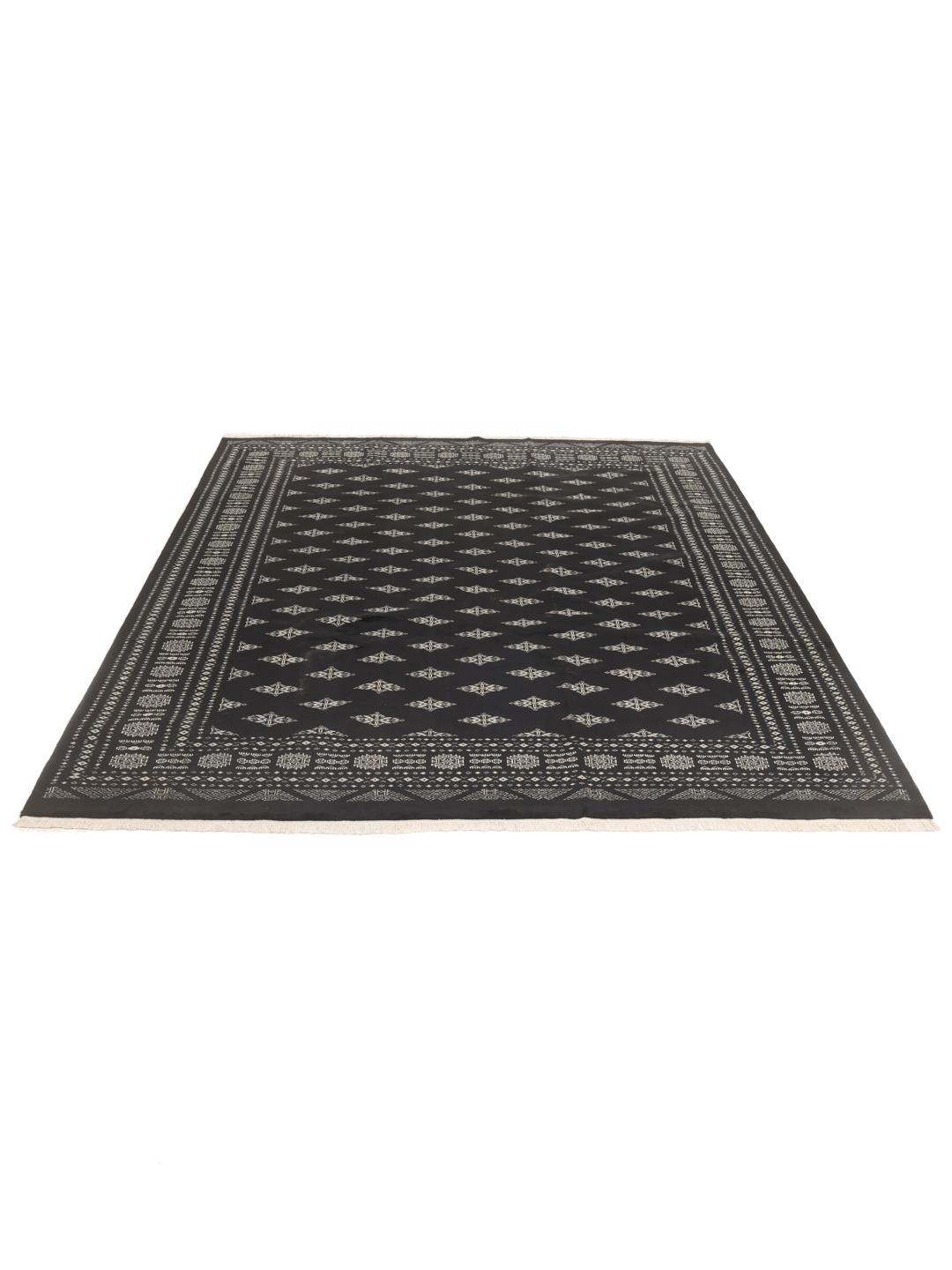
Visually, these rugs are defined by their iconic repeating motifs, often referred to as guls. These elephant-foot or octagonal shapes are arranged in symmetrical rows across the field, typically framed by intricate, multi-layered borders. This particular rug makes a bold statement with its dark field, a sophisticated variation that allows the lighter, geometric details to stand out with striking clarity and elegance.
Owning a hand-knotted piece from this tradition is an act of appreciation for a craft that has been passed down through families for centuries. It carries the weight of cultural heritage and the evidence of human patience. Collectors and homeowners value these rugs for their ability to bring a sense of permanence and history into a modern home, bridging the gap between ancient artistry and contemporary living.