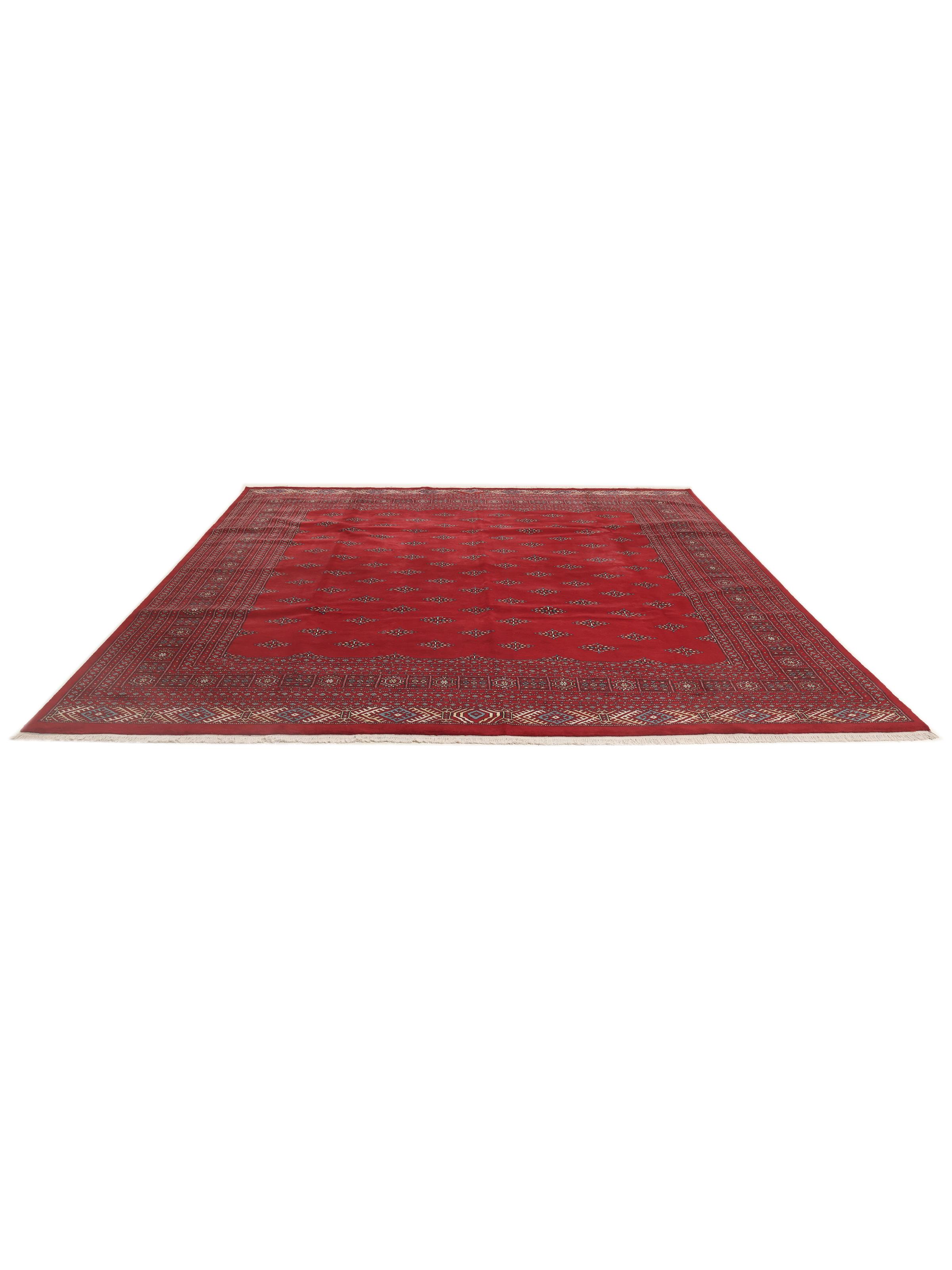
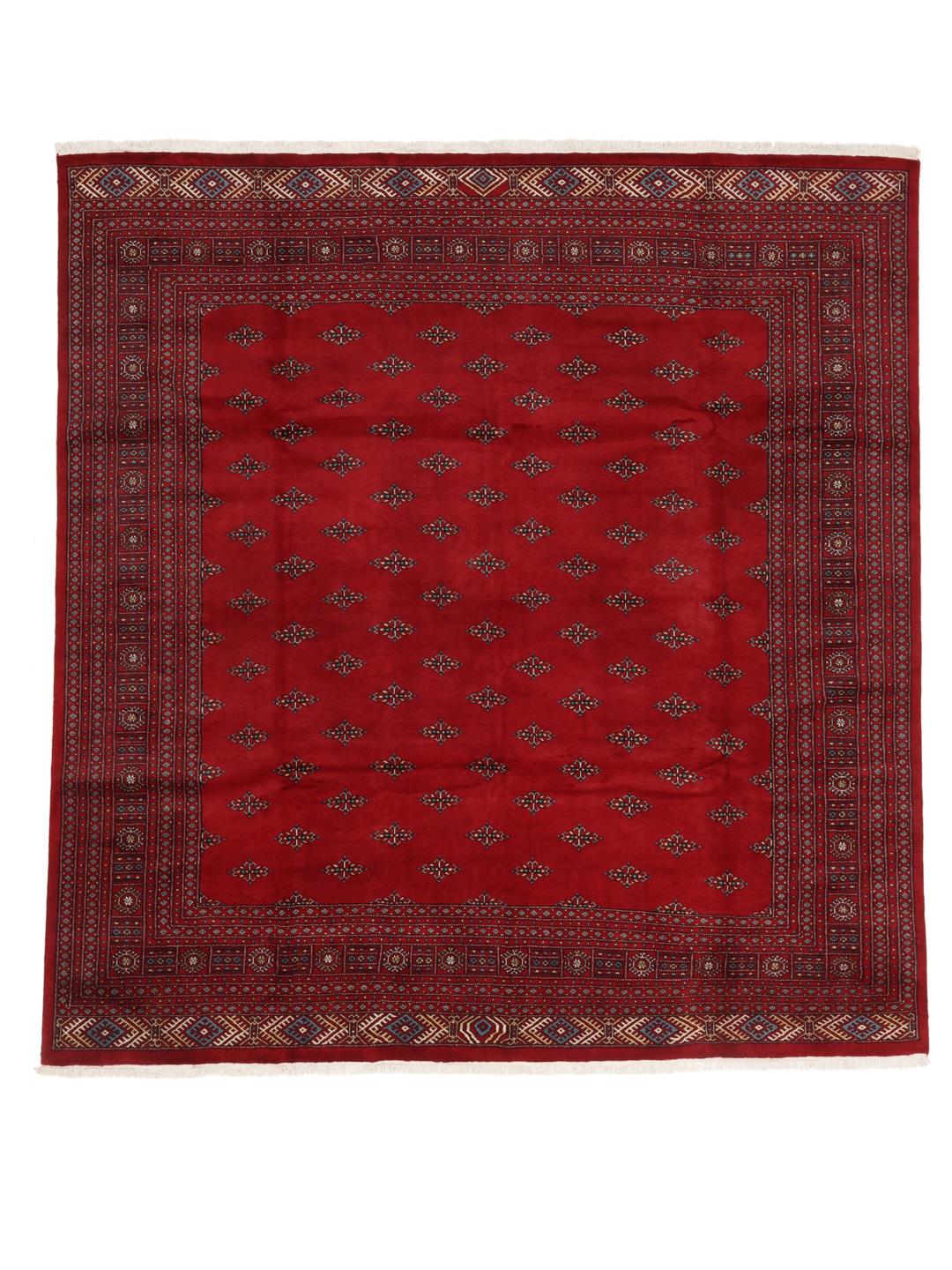
The Bokhara rug tradition is deeply rooted in the nomadic history of Central Asia, taking its name from the ancient Silk Road city of Bukhara. While these rugs were historically woven by tribal groups, the finest examples of the modern era have become synonymous with the master weavers of Pakistan, who have refined these patterns to an exceptional level of precision and quality.
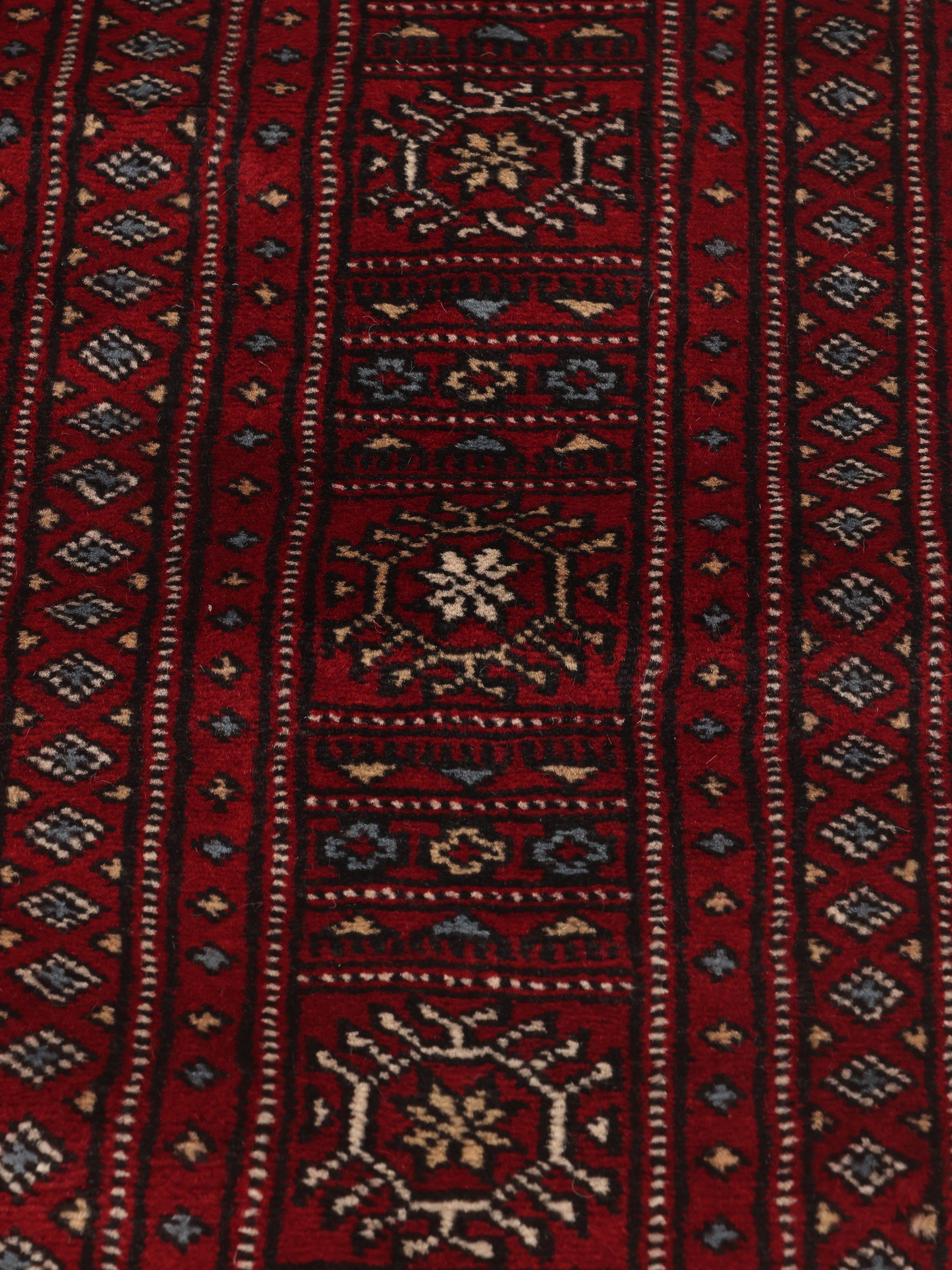
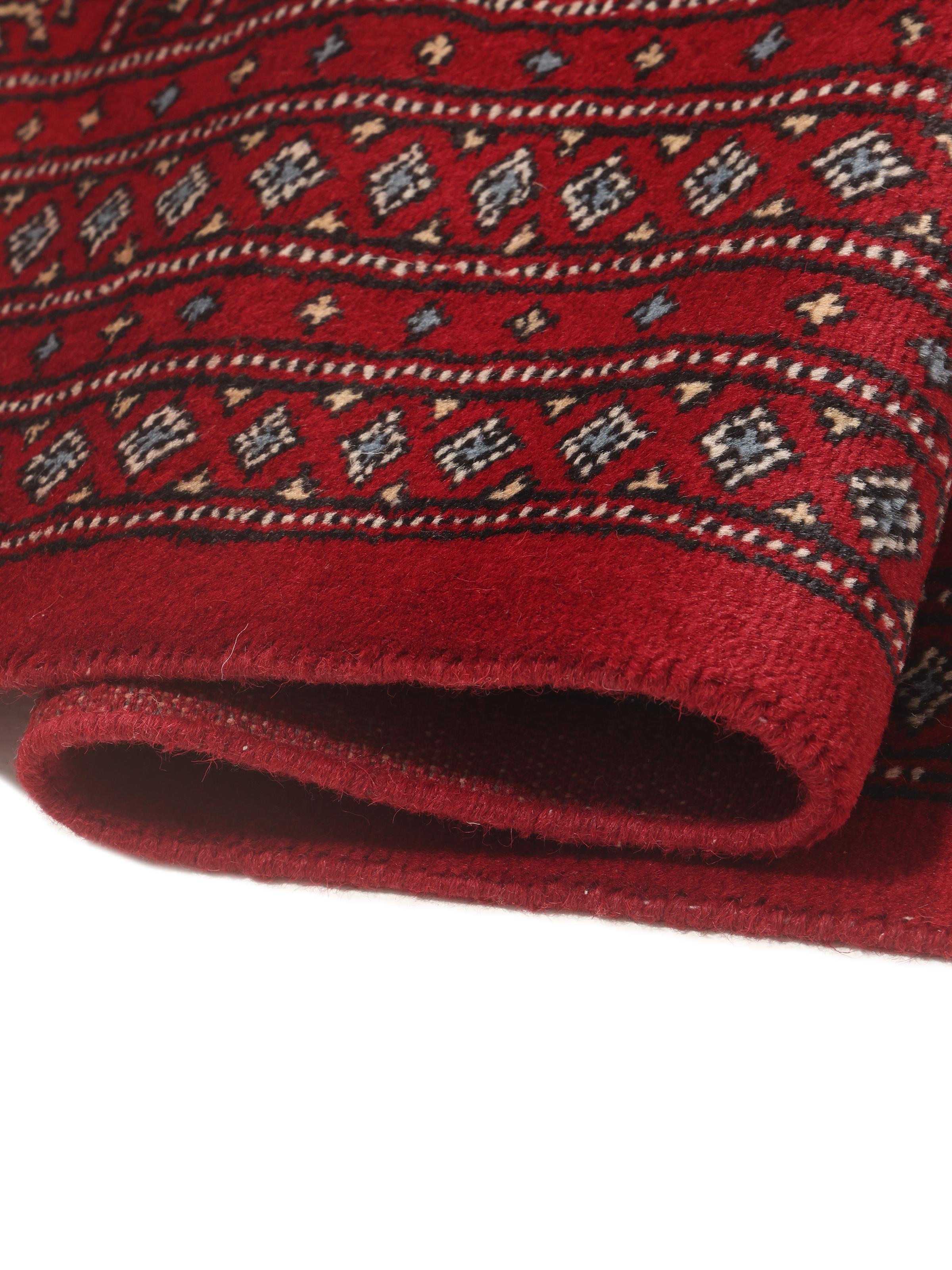
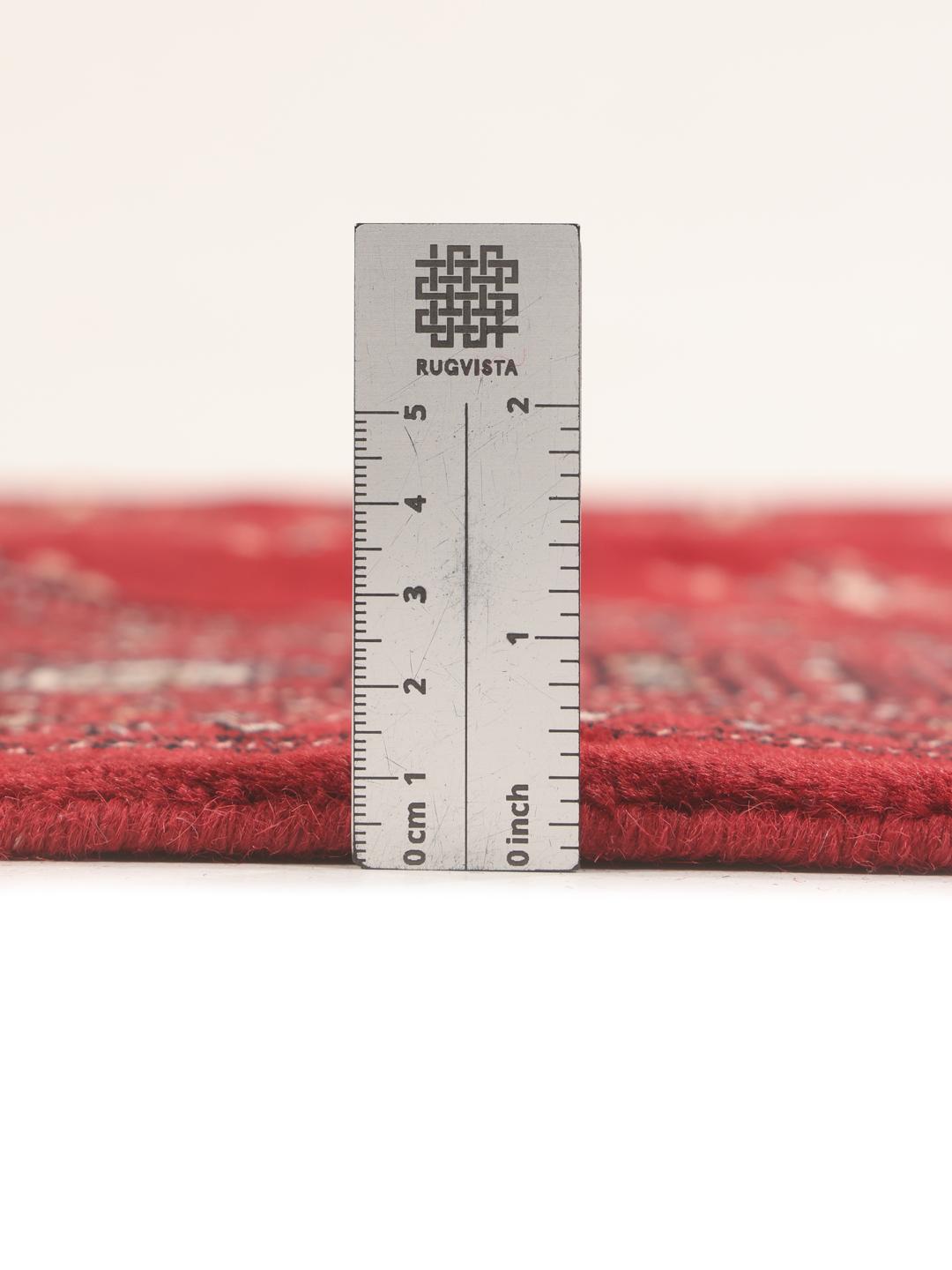
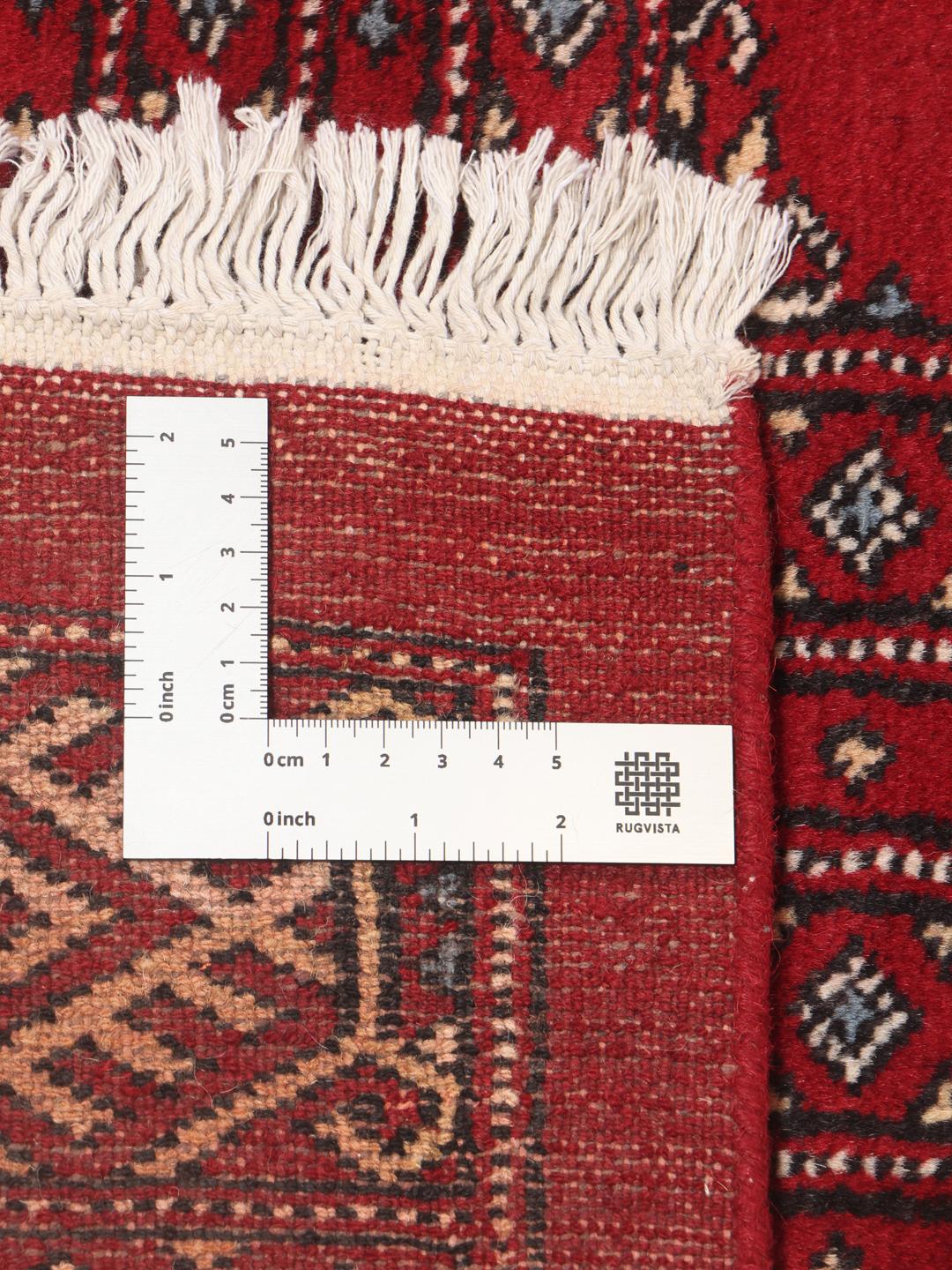
The '2ply' designation refers to the construction of the Wool pile, where two strands of Wool are twisted together before being knotted. This technique is significant because it creates a more substantial, lustrous, and durable surface compared to single-ply yarns, allowing the rug to better withstand the test of time while retaining its soft, inviting texture.
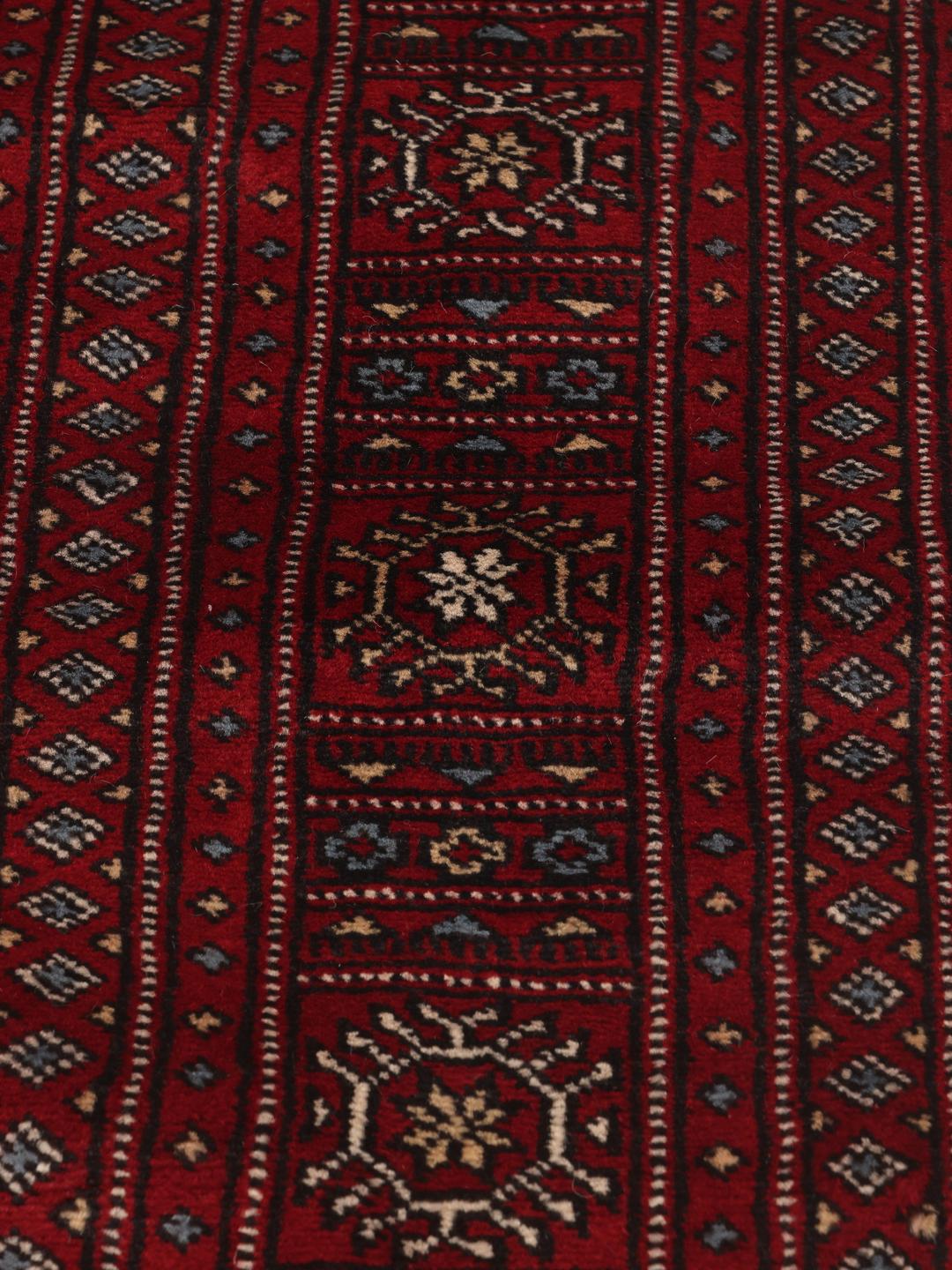
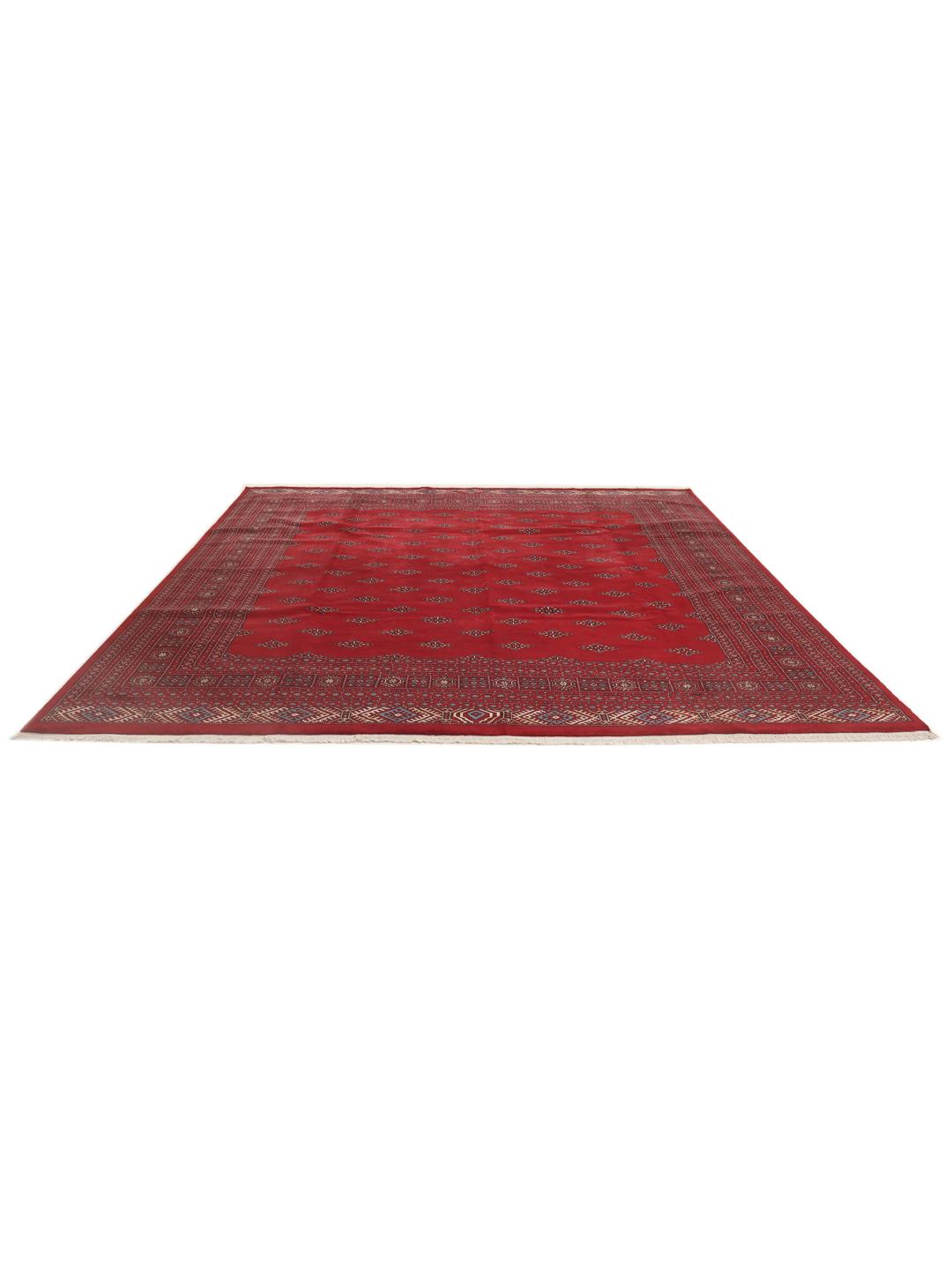
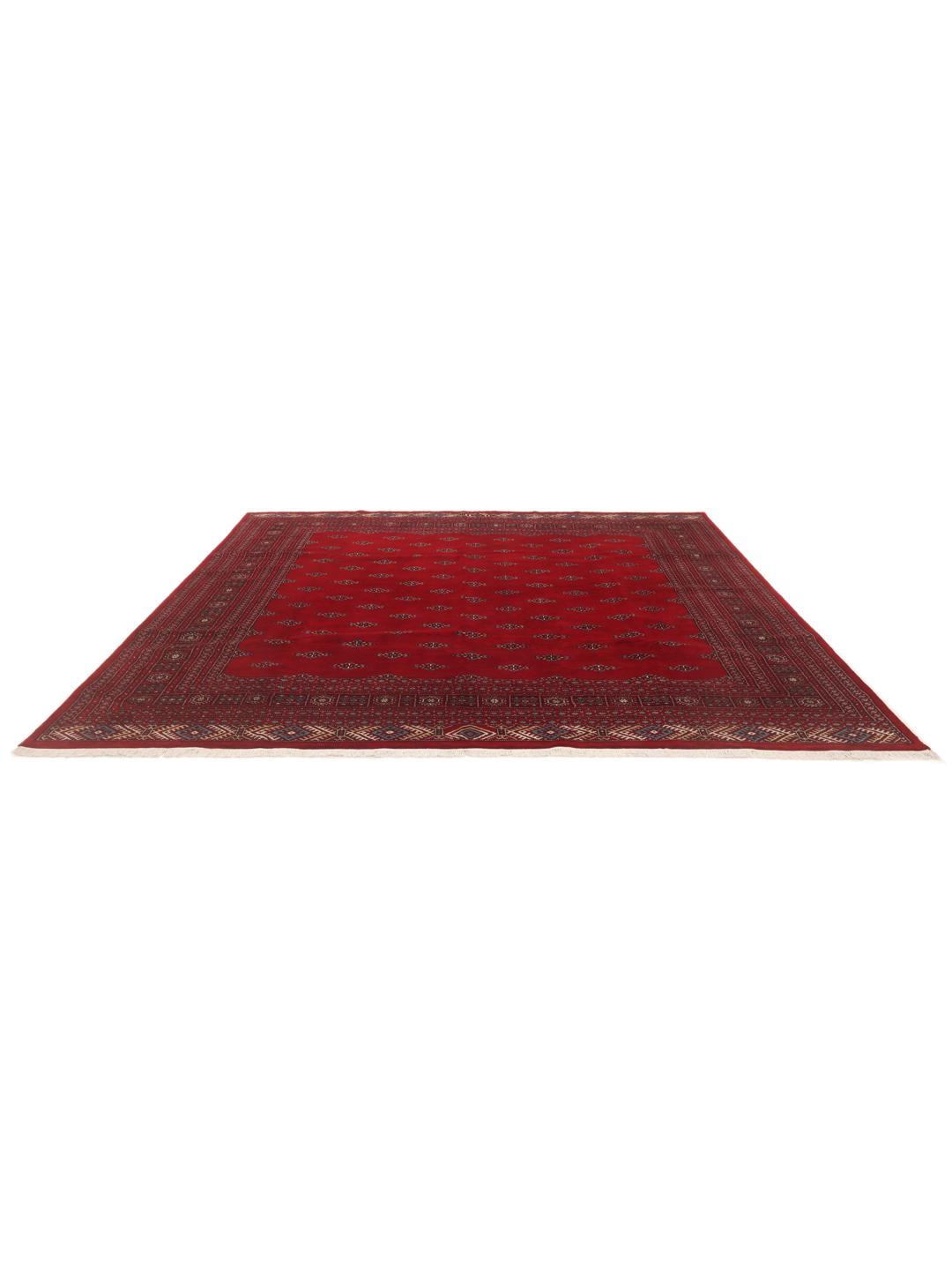
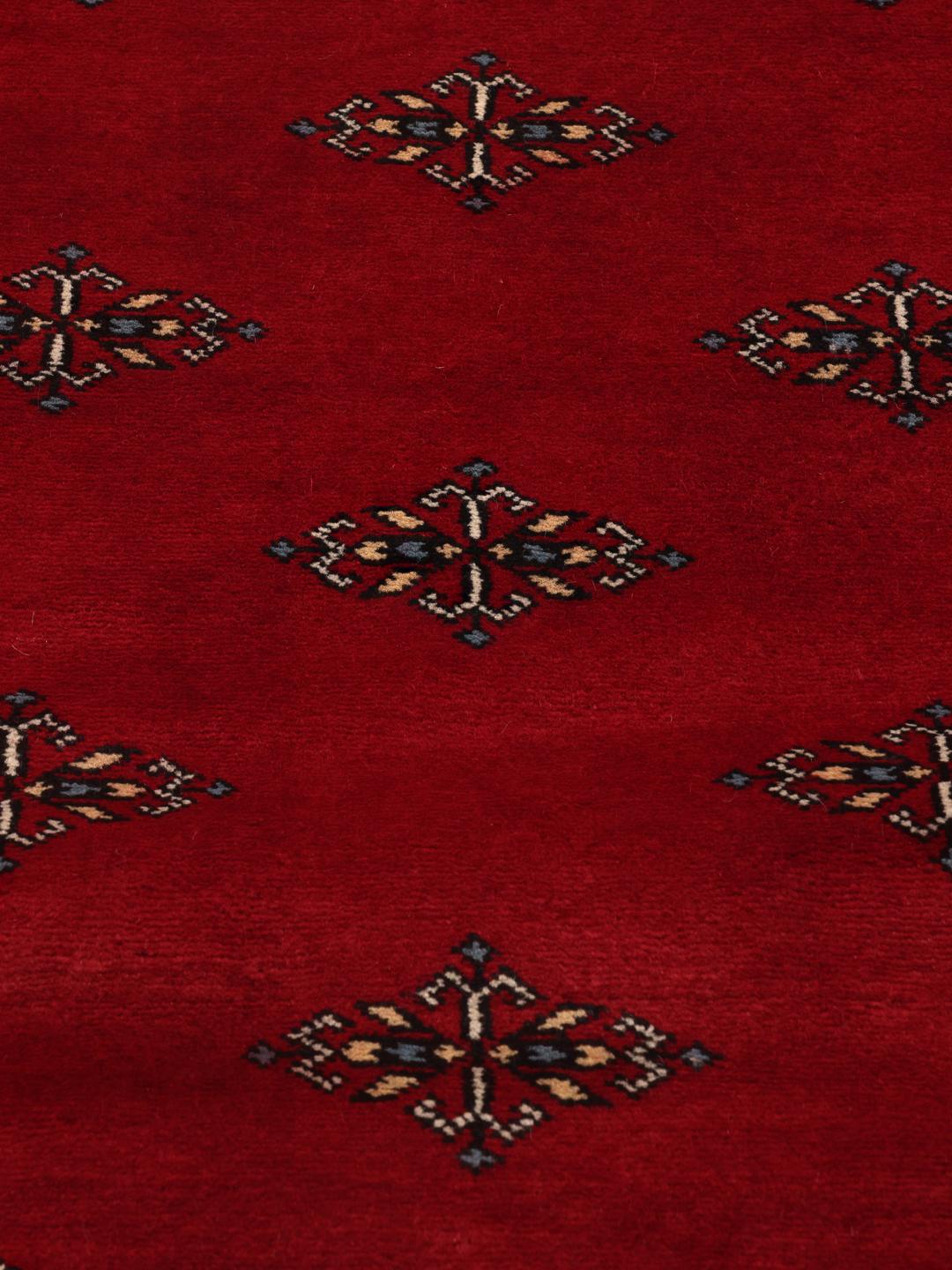
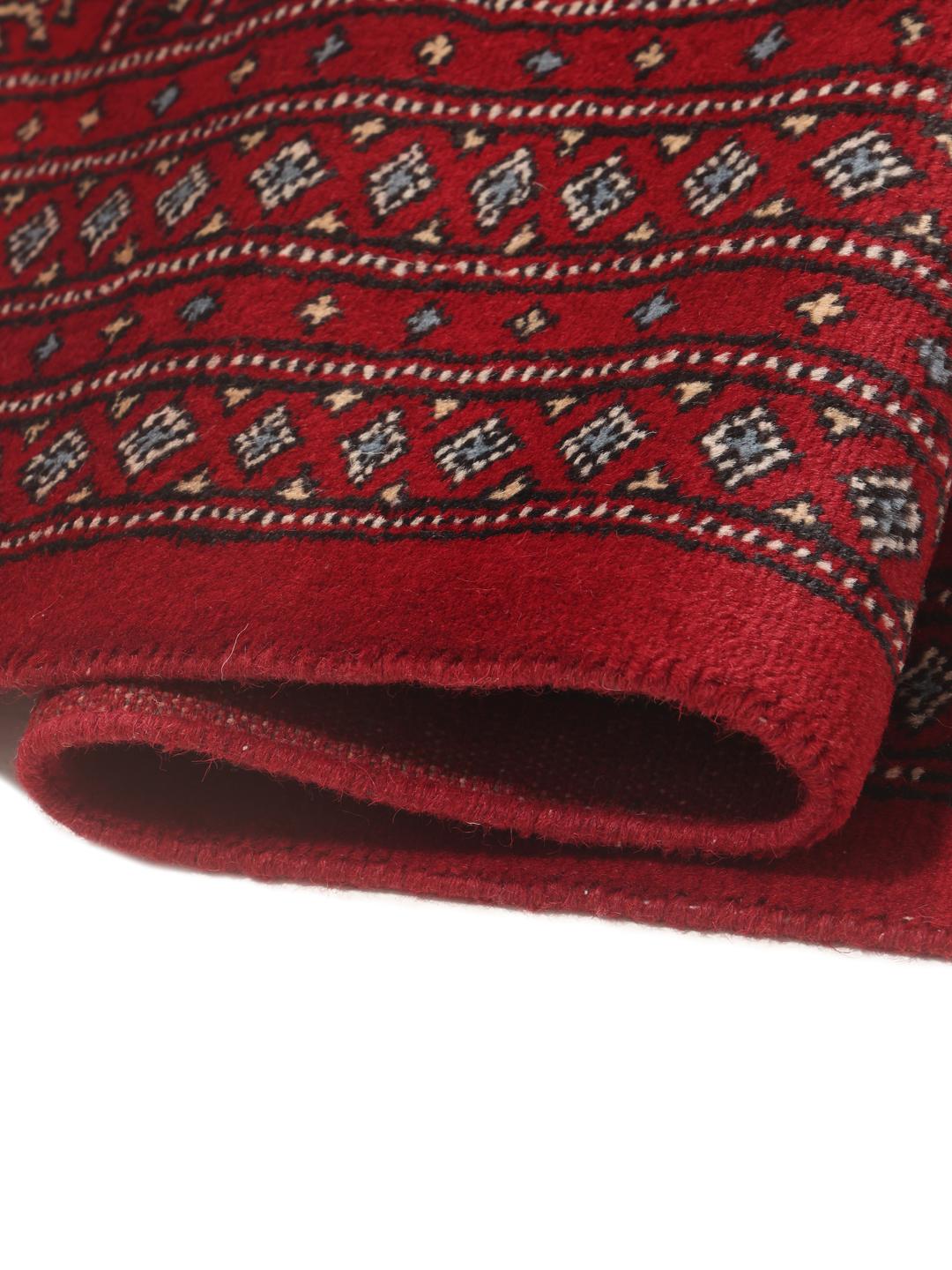
Visually, this tradition is defined by its iconic gul motifs—repeating, geometric medallions that often resemble elephant tracks or octagons. These are traditionally set against a rich, saturated field, creating a sense of rhythm and balance. The borders are equally considered, often featuring intricate geometric repeats that frame the central field with formal elegance.
Owning a Pakistan Bokhara is an opportunity to connect with a storied craft tradition. These rugs are highly valued by collectors and homeowners alike for their ability to blend heritage with lasting utility. They represent a bridge between the past and present, offering a piece of cultural history that is designed to be lived with and appreciated for generations.