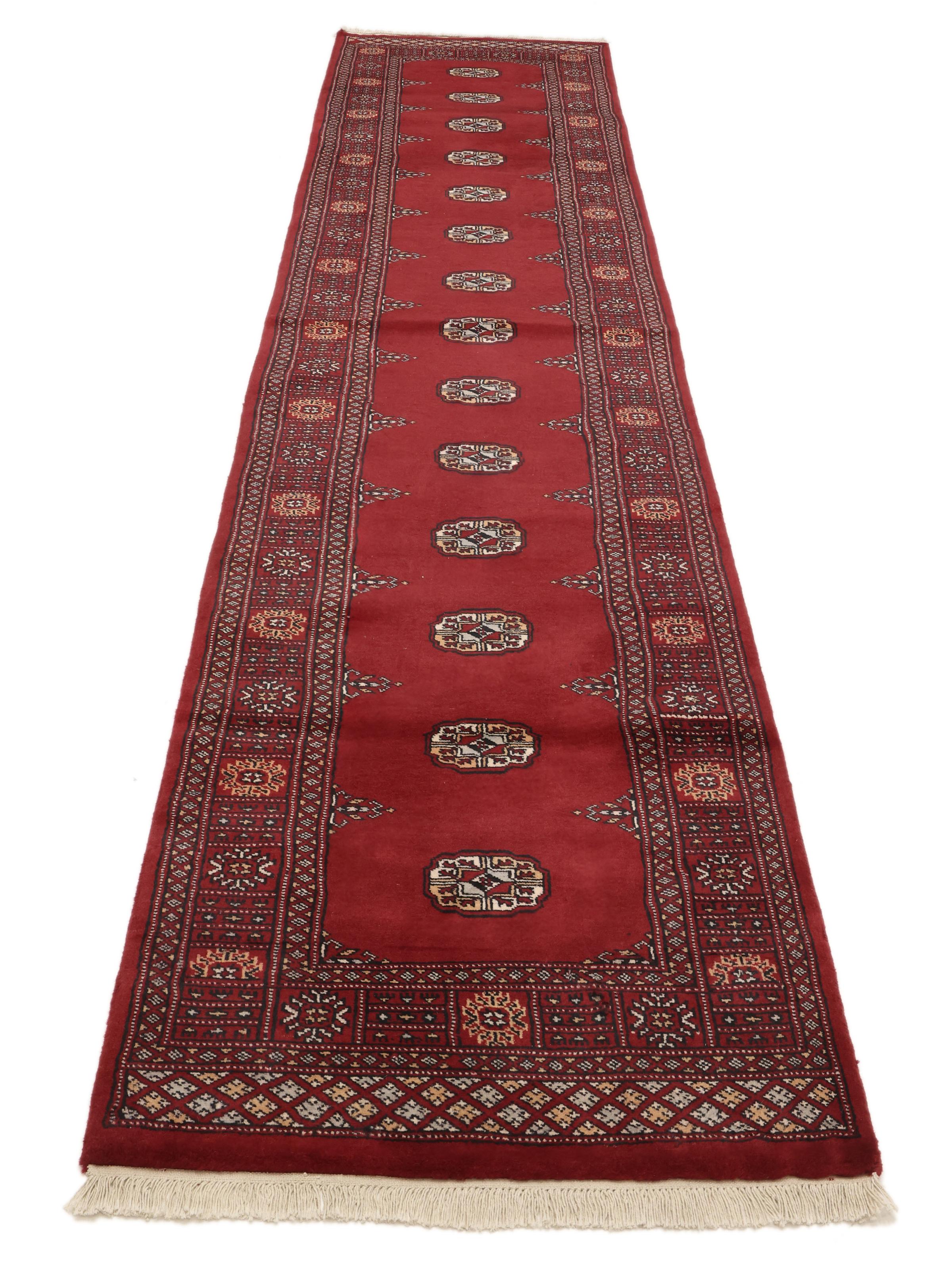
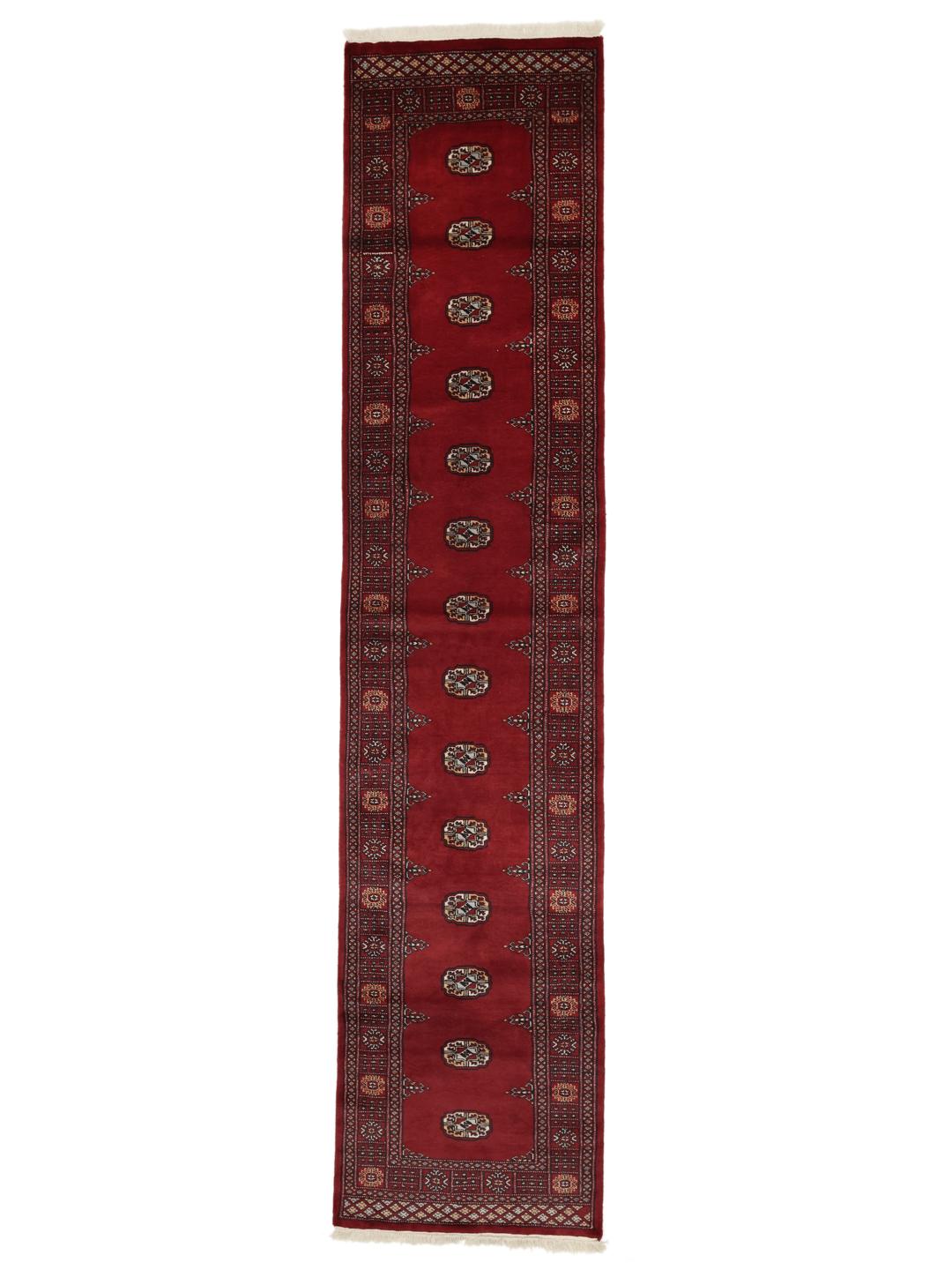
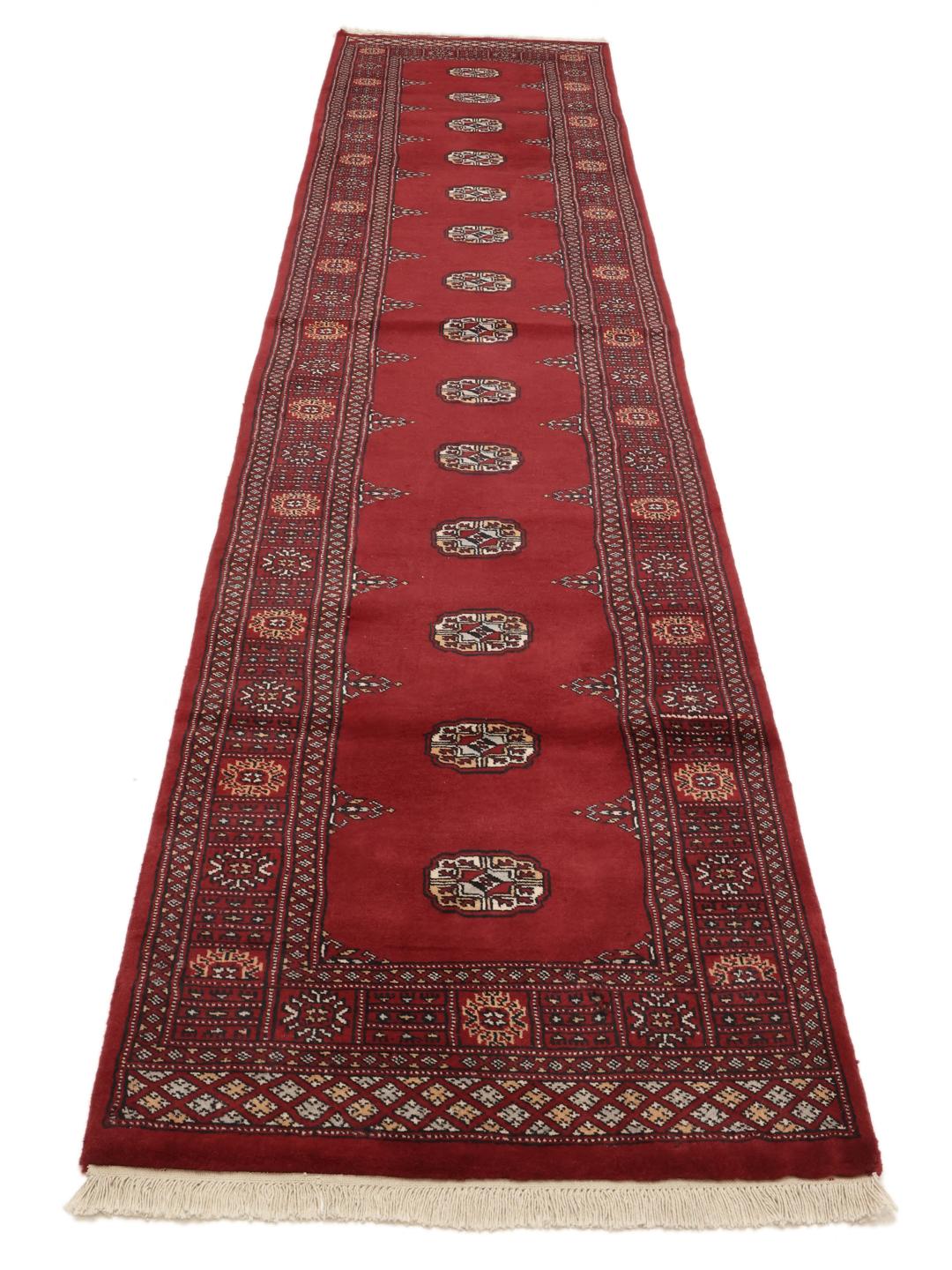
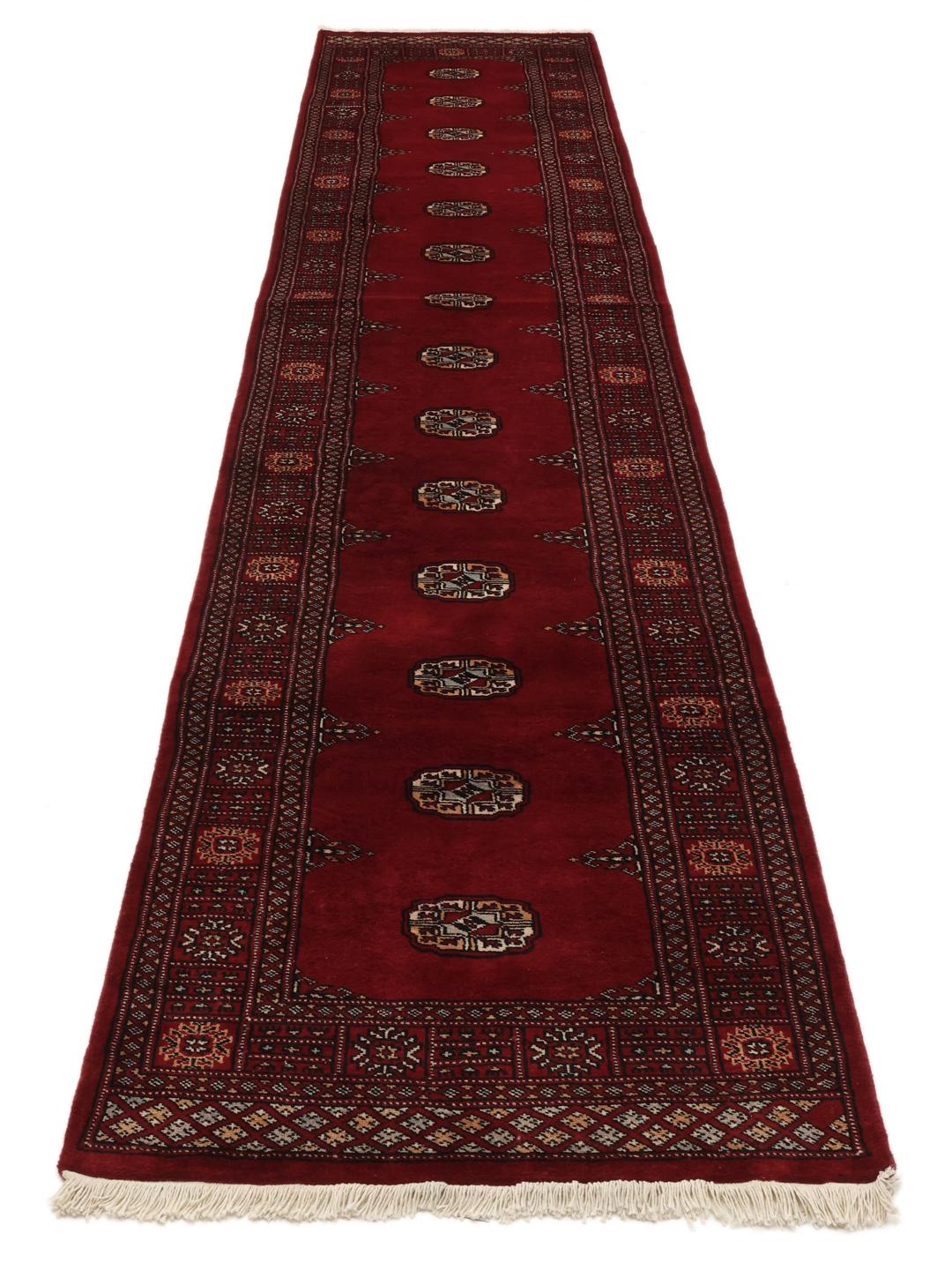
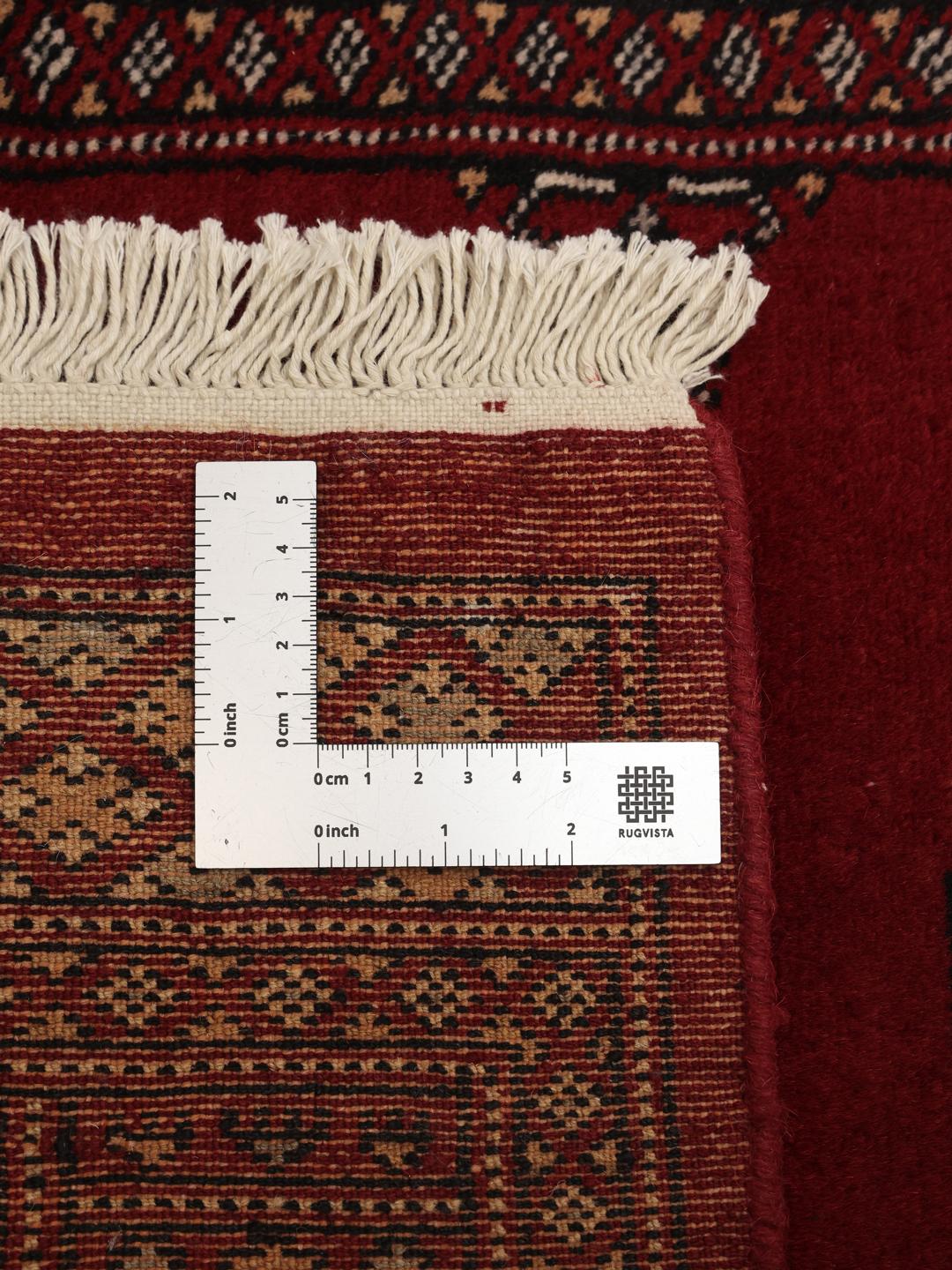
Bokhara rugs take their name from the ancient Silk Road city of Bukhara in Central Asia, a historical hub for trade and textile artistry. While the design traditions originated in the nomadic tribes of the region, the finest contemporary examples are today woven in Pakistan, where artisans have perfected these classic patterns through generations of dedicated practice.
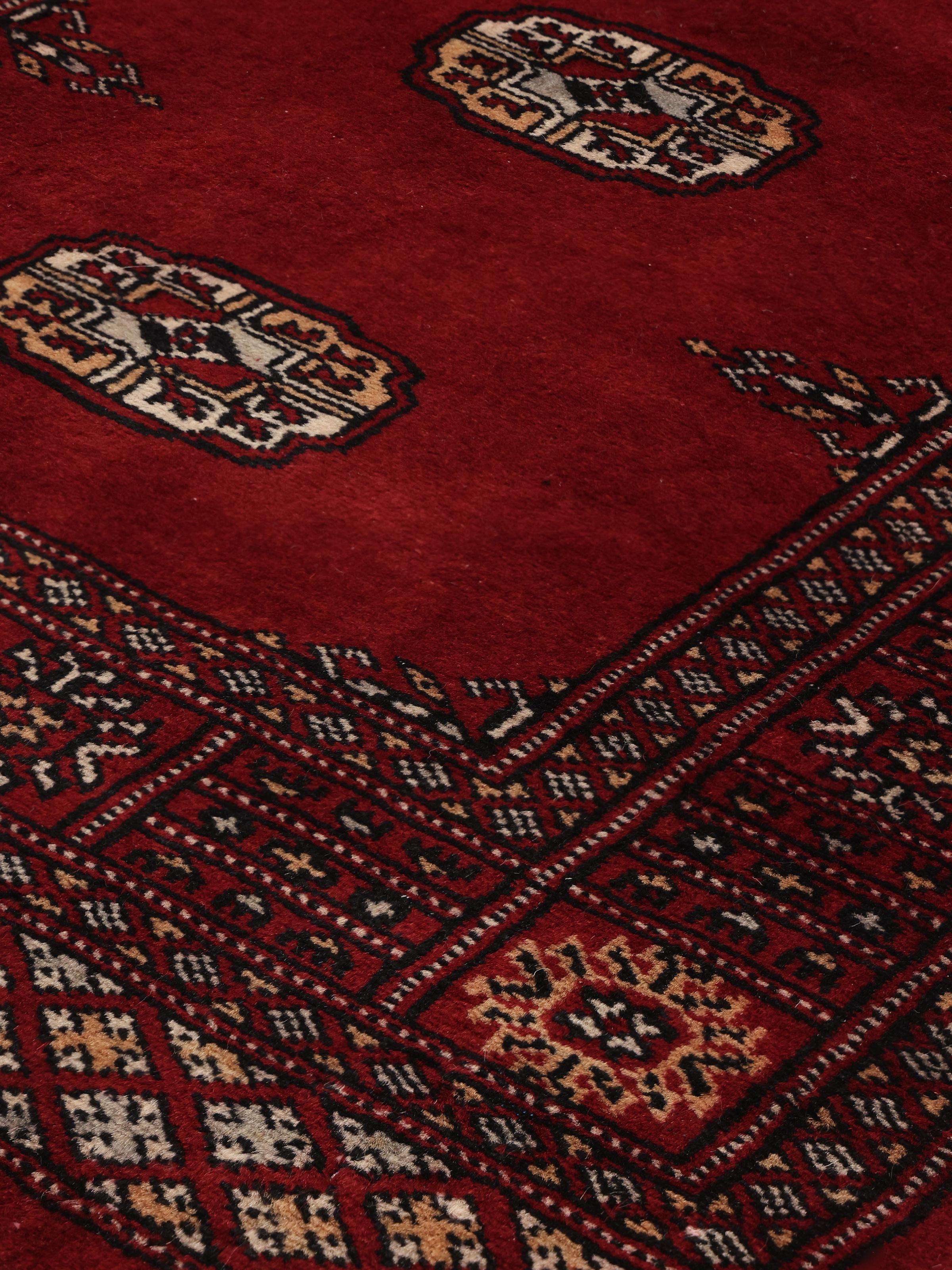
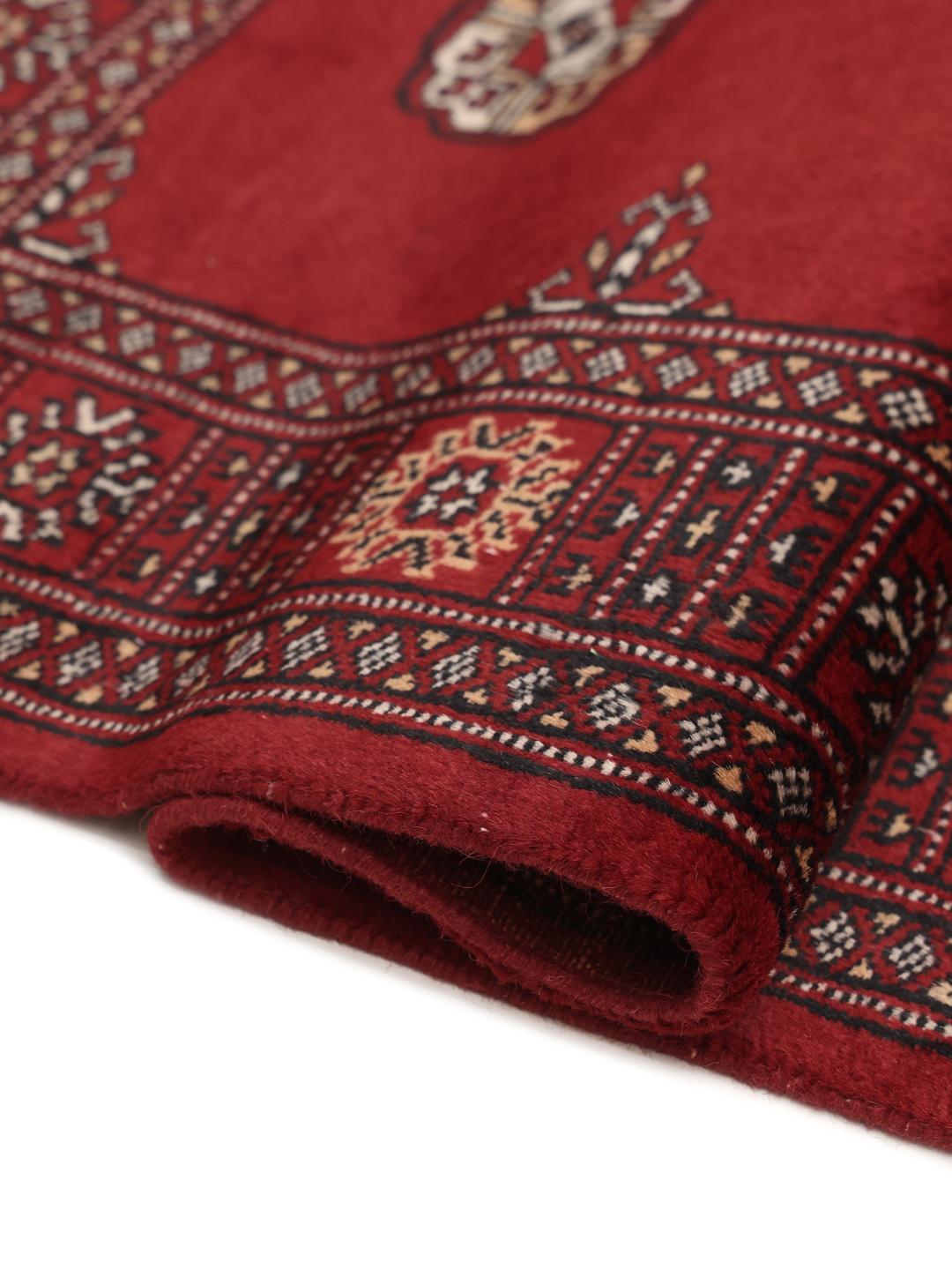
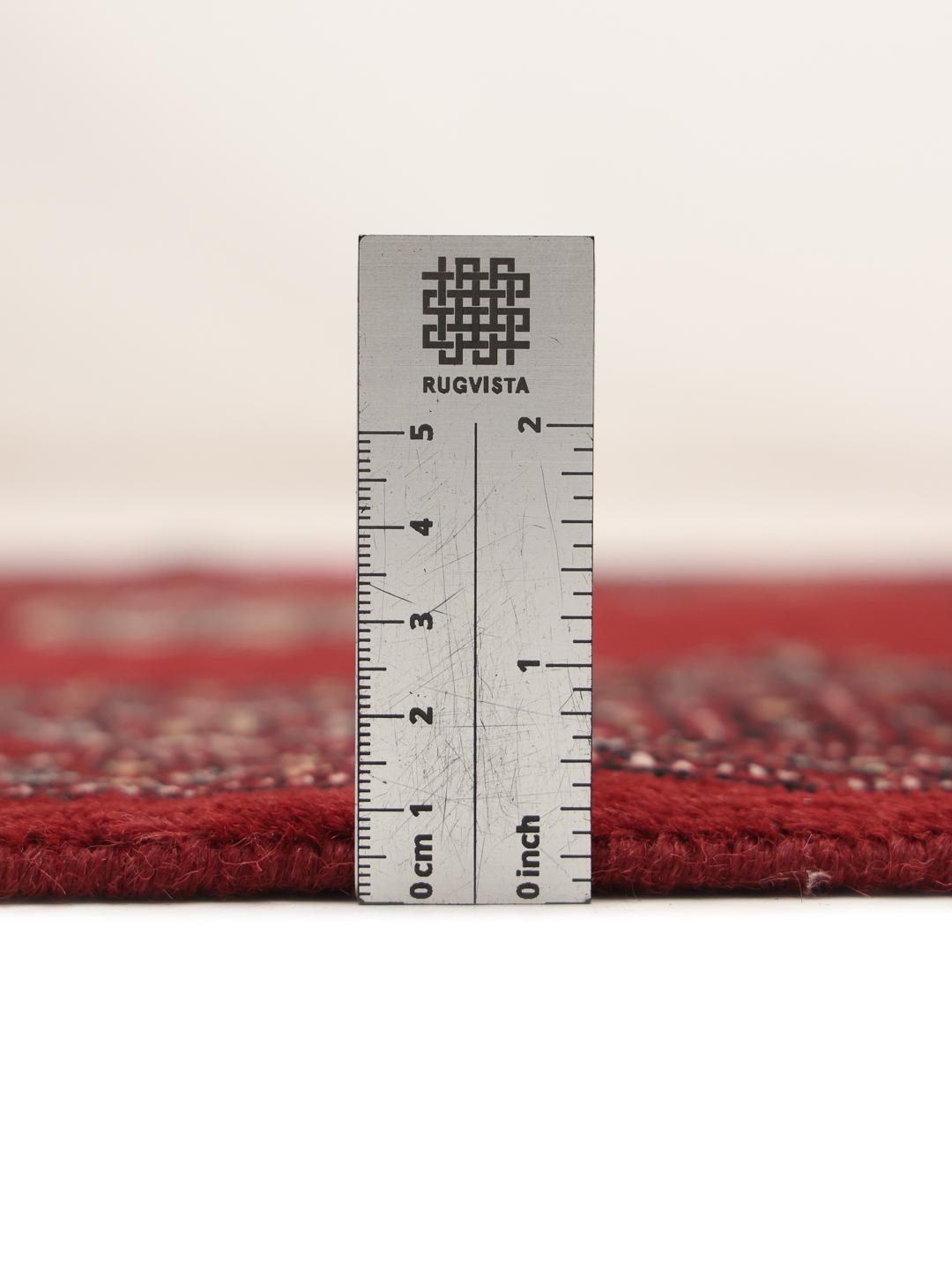
The '2ply' designation refers to the construction of the wool pile, where two strands of wool are twisted together before being knotted. This technique is significant because it produces a pile that is noticeably denser, more lustrous, and more durable than single-ply alternatives, ensuring the rug feels substantial and holds its appearance beautifully.
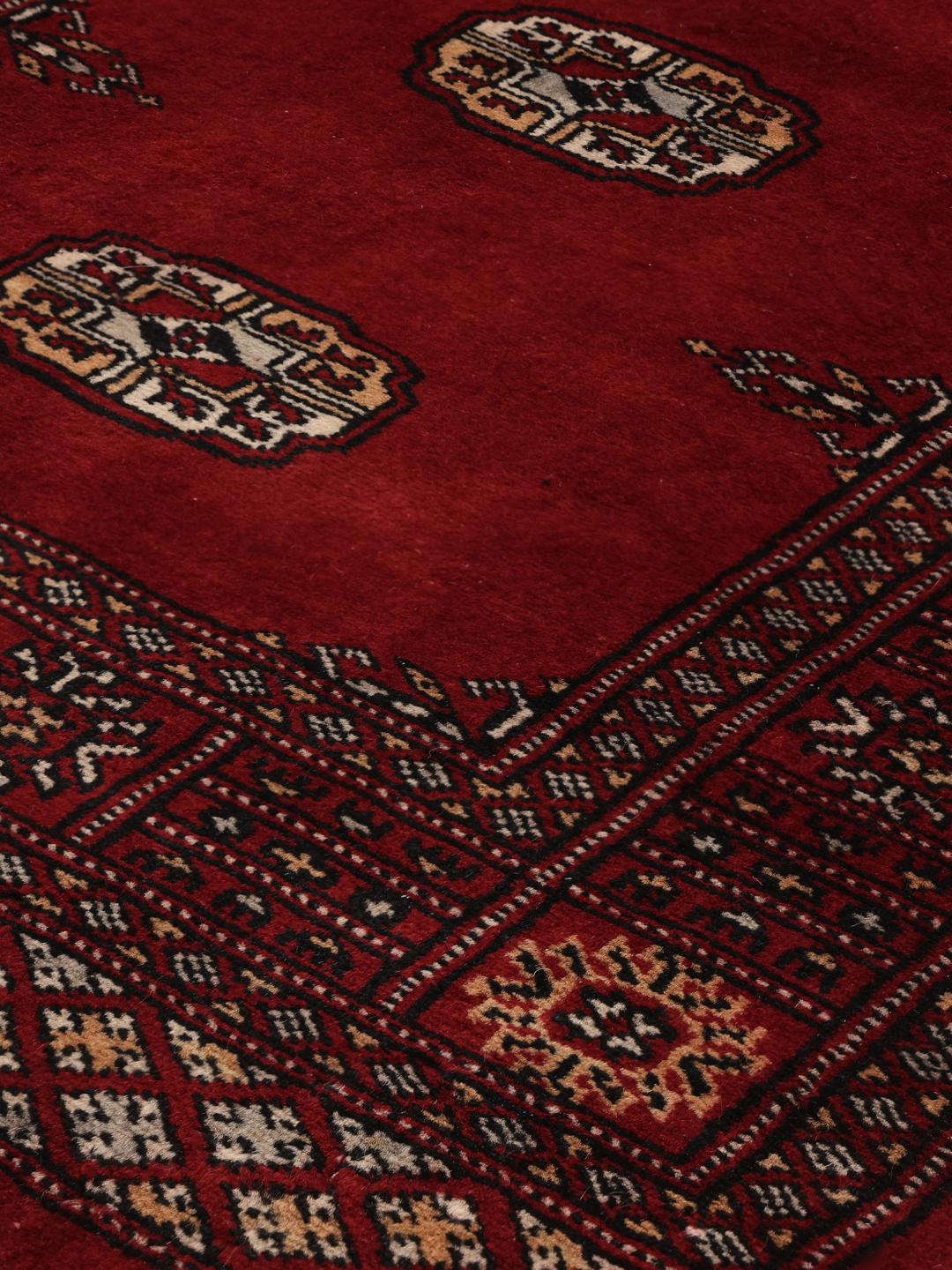
The visual language of this rug is defined by the recurring 'gul' motif, which are stylized, octagonal elephant-foot medallions arranged in clean, repeating rows. These are framed by intricate, geometric borders that reflect the cultural heritage of the weavers, creating a balanced and formal look that has been cherished by collectors for centuries.
Owning a hand-knotted piece from this tradition is more than just a decor choice; it is an investment in human skill and cultural history. These rugs are highly valued for their ability to bring a sense of grounded, enduring quality to a home, bridging the gap between ancient design traditions and modern living spaces.