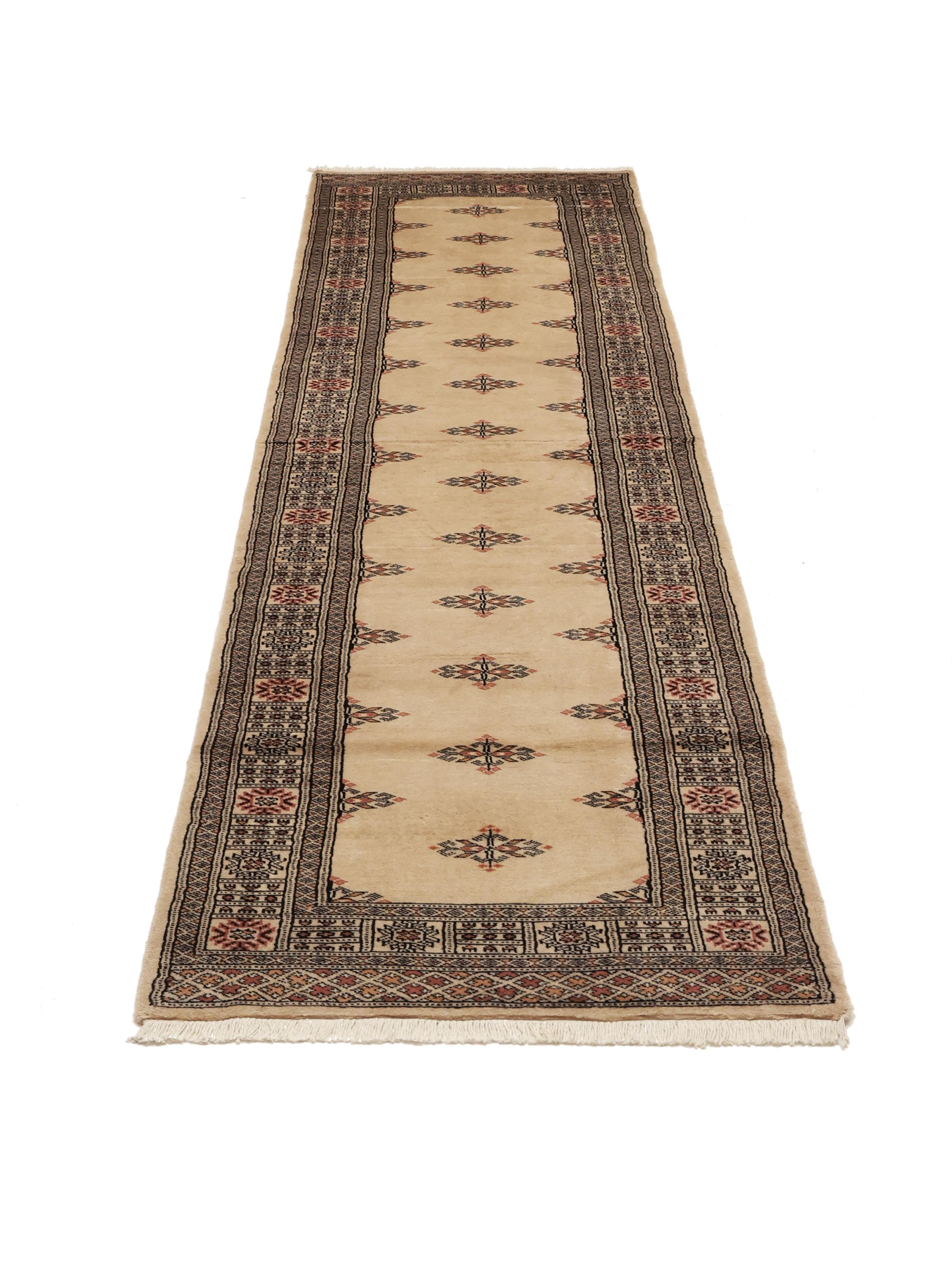
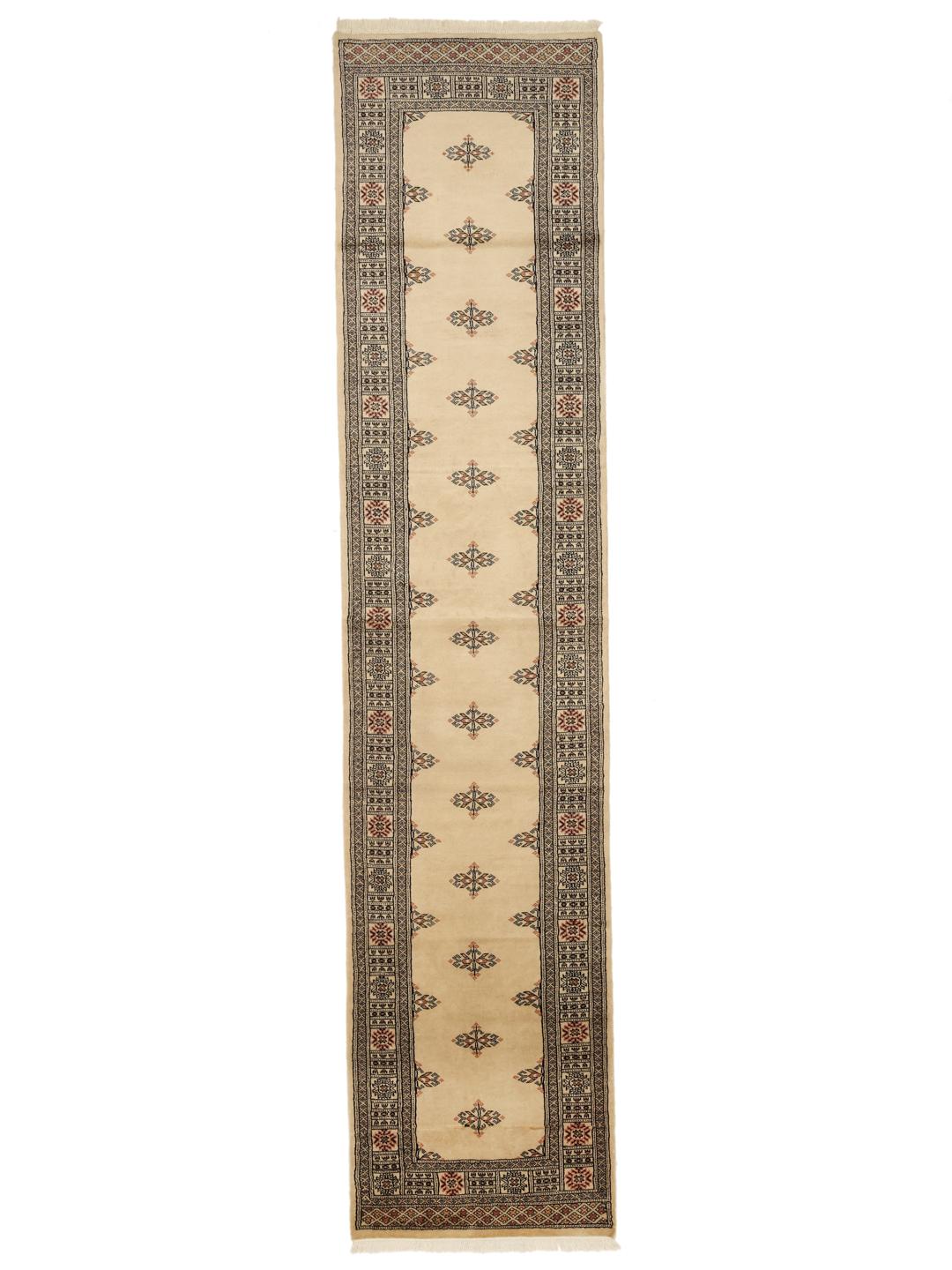
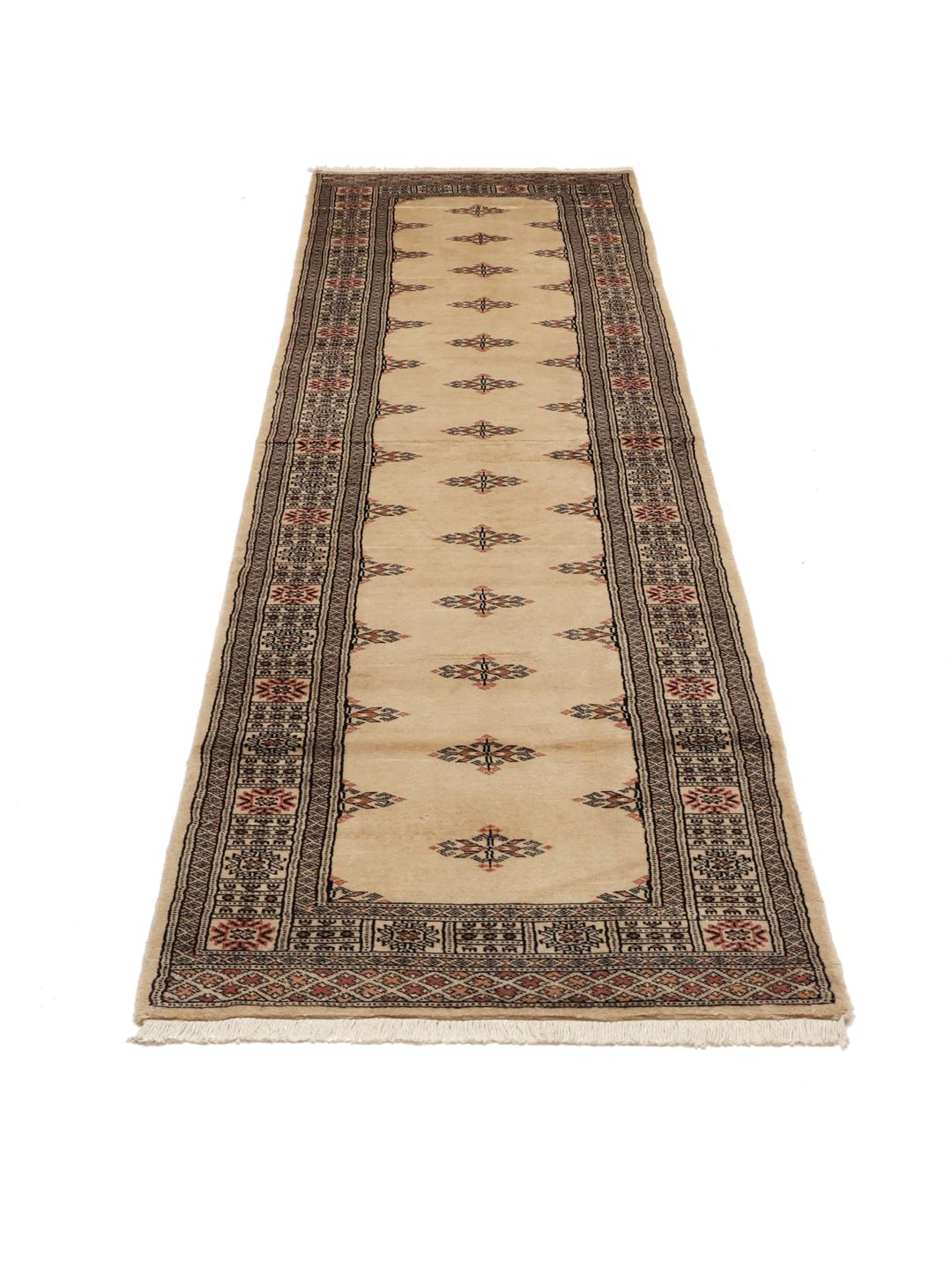
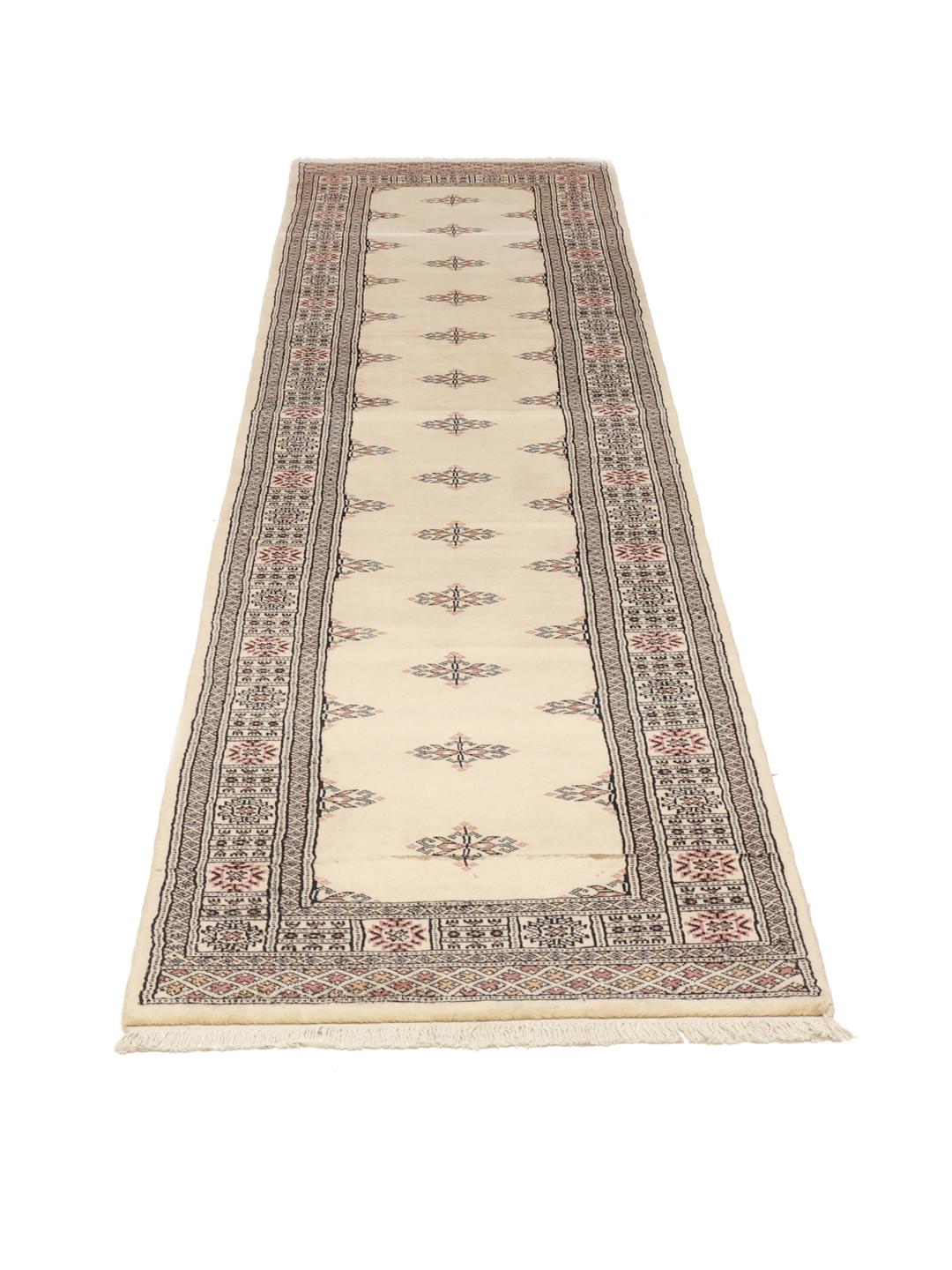
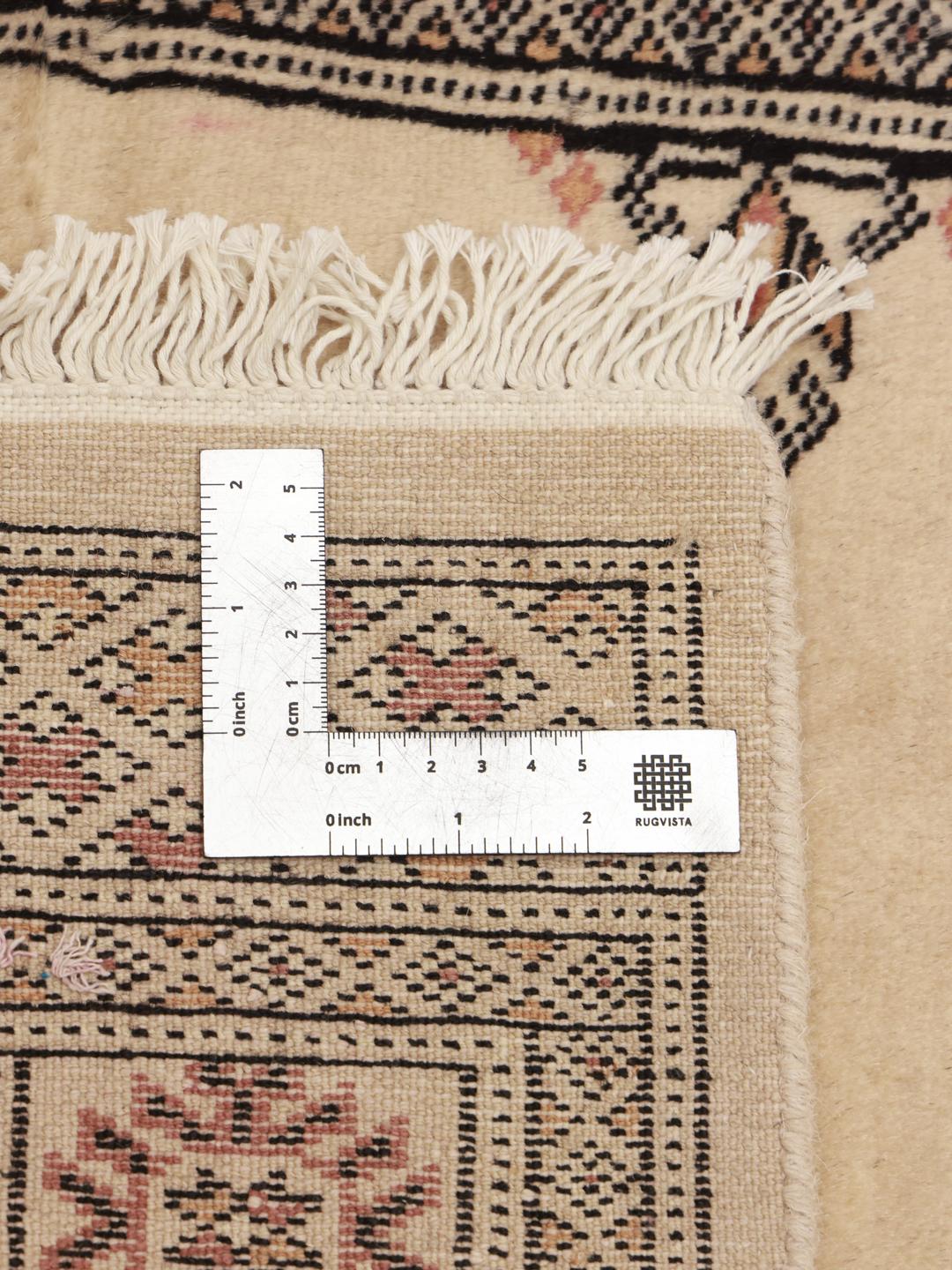
The Bokhara rug tradition is deeply rooted in the history of the Silk Road, taking its name from the ancient city of Bukhara. While these designs originated in Central Asia, the finest examples today are crafted in Pakistan, where the tradition has been preserved and refined over generations. This migration of craft has allowed the style to evolve while maintaining its iconic character.
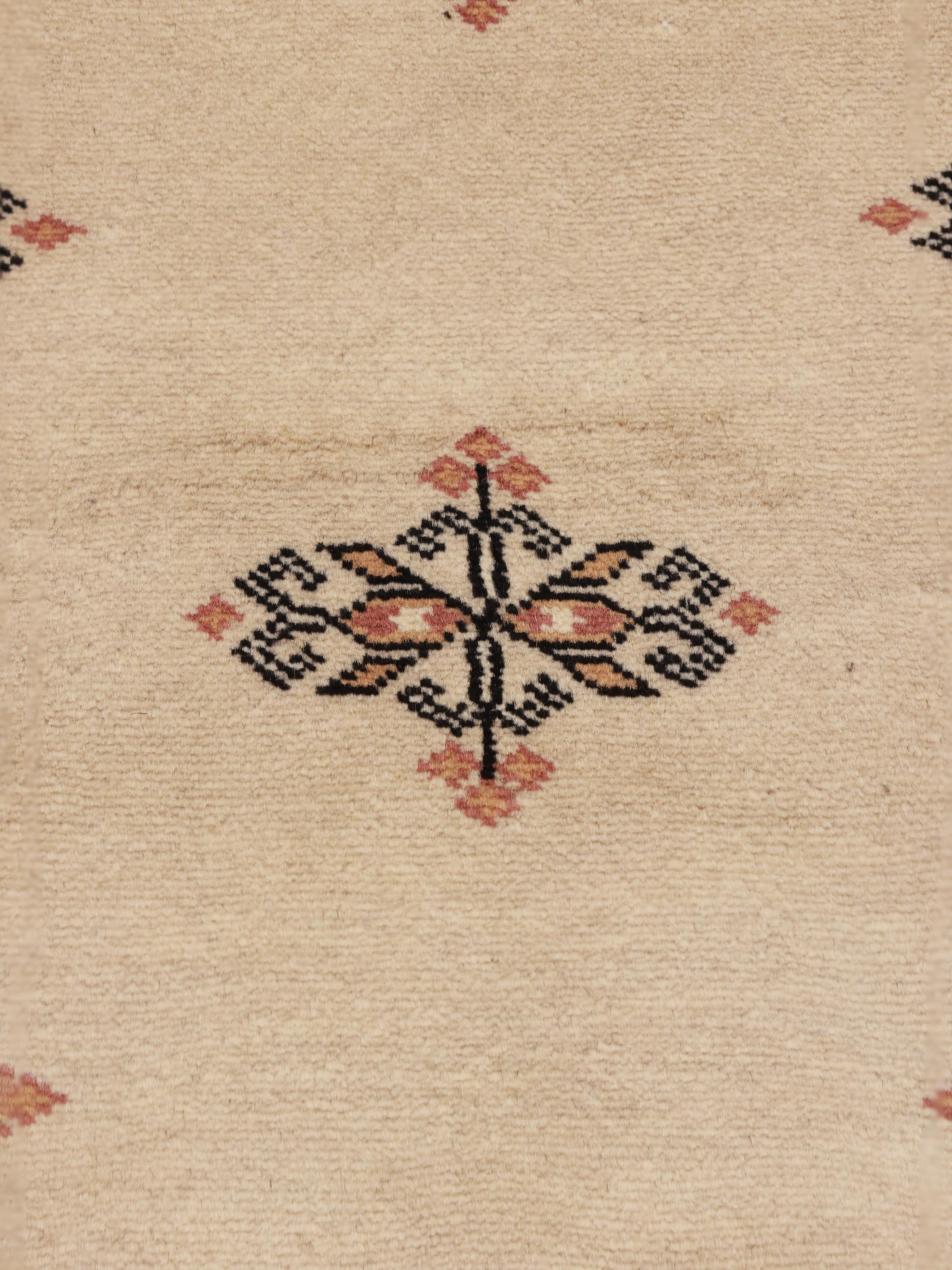
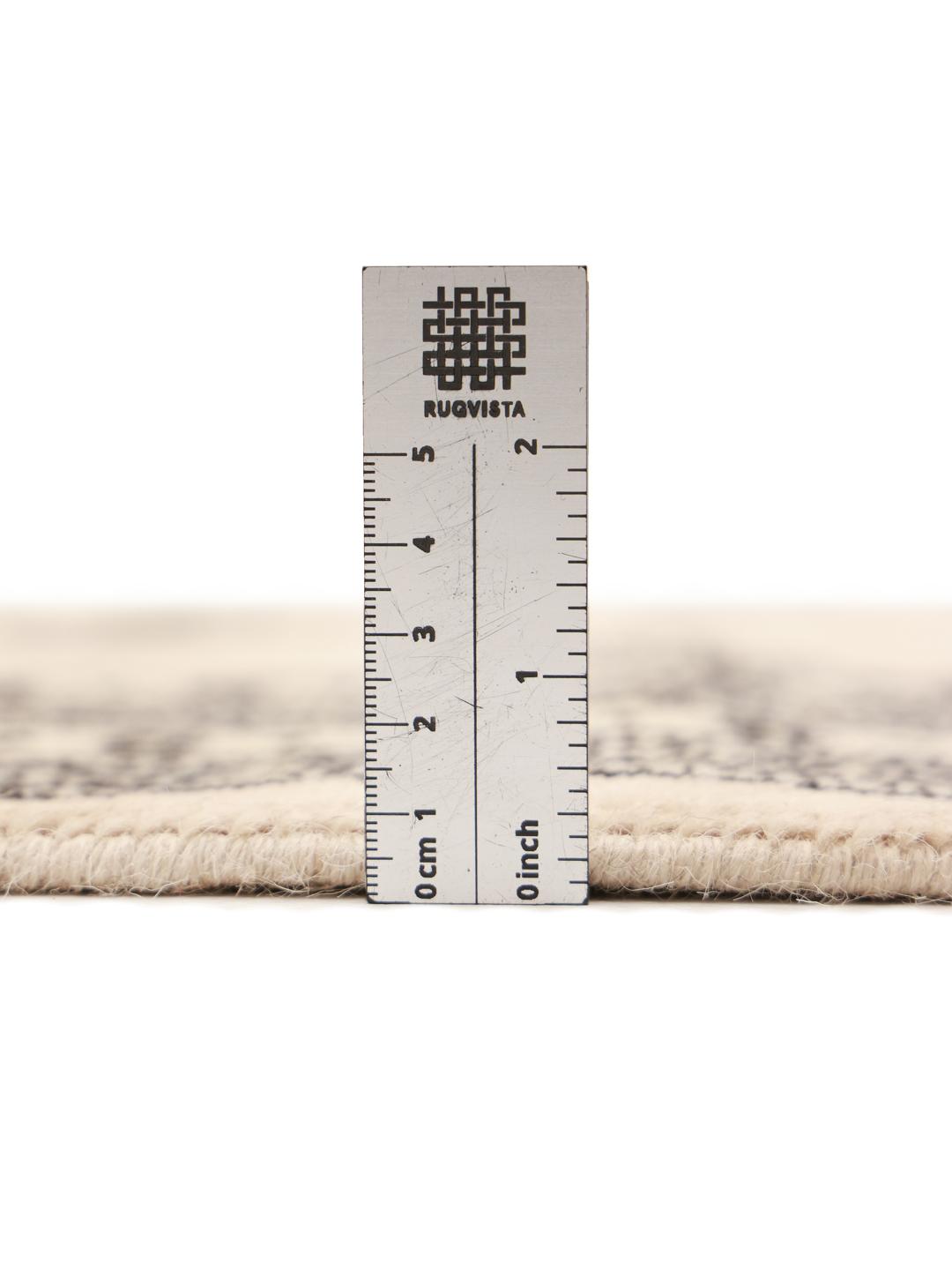
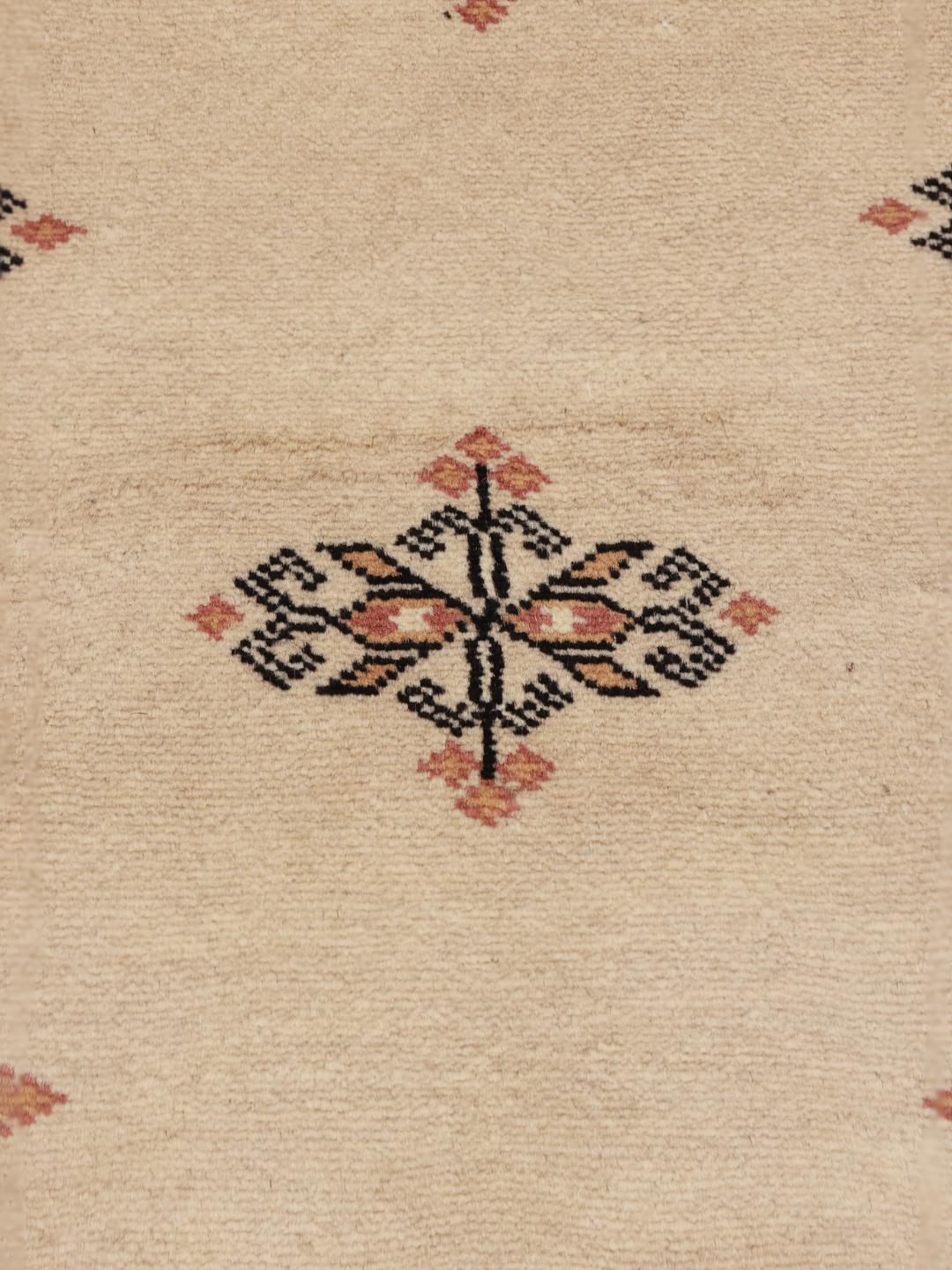
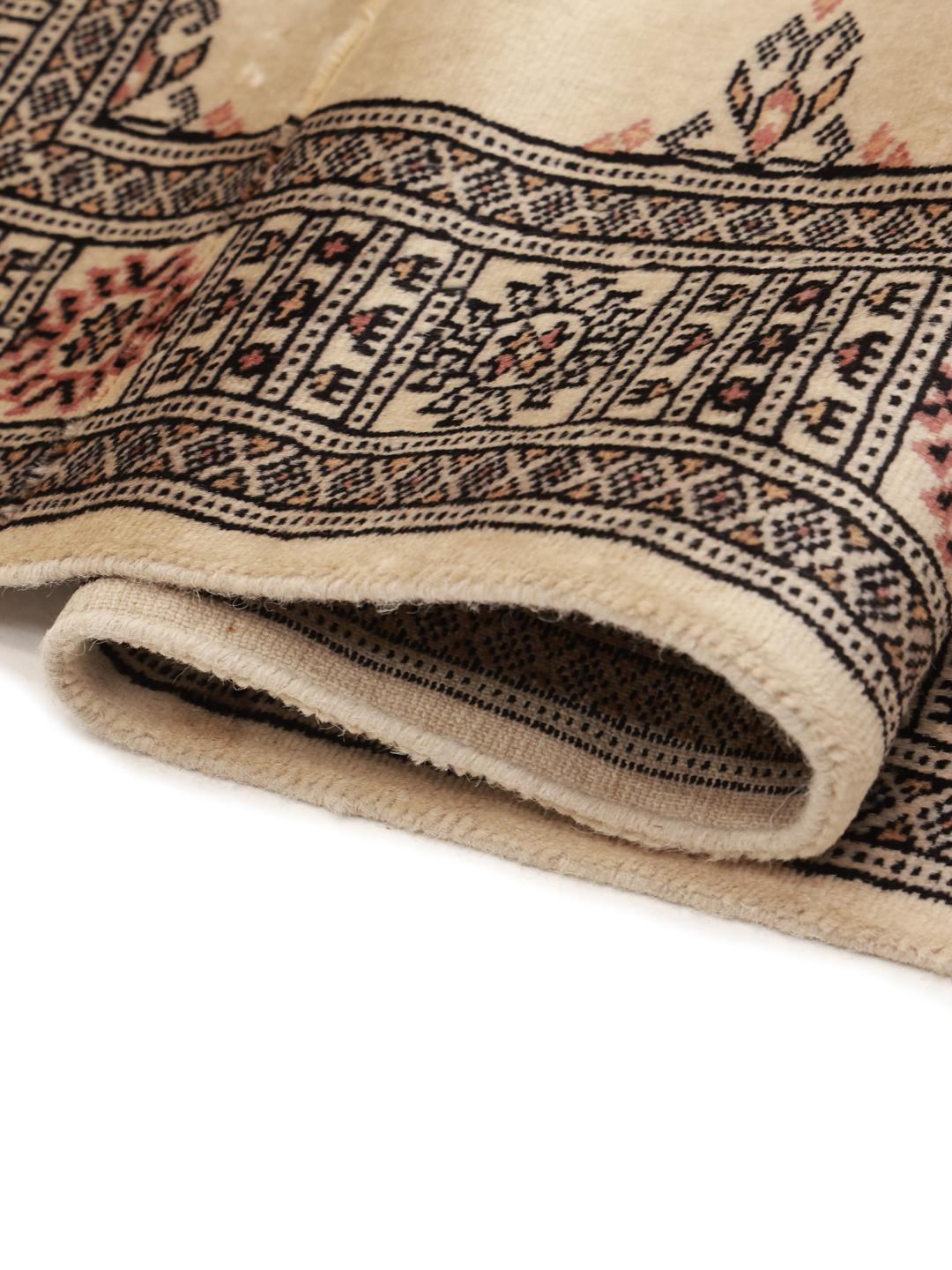
The term 2ply refers to the specific way the wool is prepared before weaving. Two strands of wool are twisted together to create a single, stronger, and more resilient yarn. This technique produces a pile that is not only denser and more durable but also possesses a beautiful, subtle lustre that enhances the depth of the rug's natural colours.
Signature design elements of the Bokhara style include the repeating gul motifs, which are stylized, octagonal shapes often reminiscent of elephant footprints. These are arranged in neat, orderly rows across the field, typically framed by intricate, geometric borders. This specific runner utilises these traditional elements to create a harmonious and balanced visual rhythm.
Bokhara rugs are highly valued by collectors for their consistency, artistic heritage, and the immense skill required to produce them. Owning one is an opportunity to connect with a long-standing tradition of textile art. These pieces are celebrated not just for their aesthetic appeal, but as symbols of cultural endurance and the lasting value of manual craftsmanship.