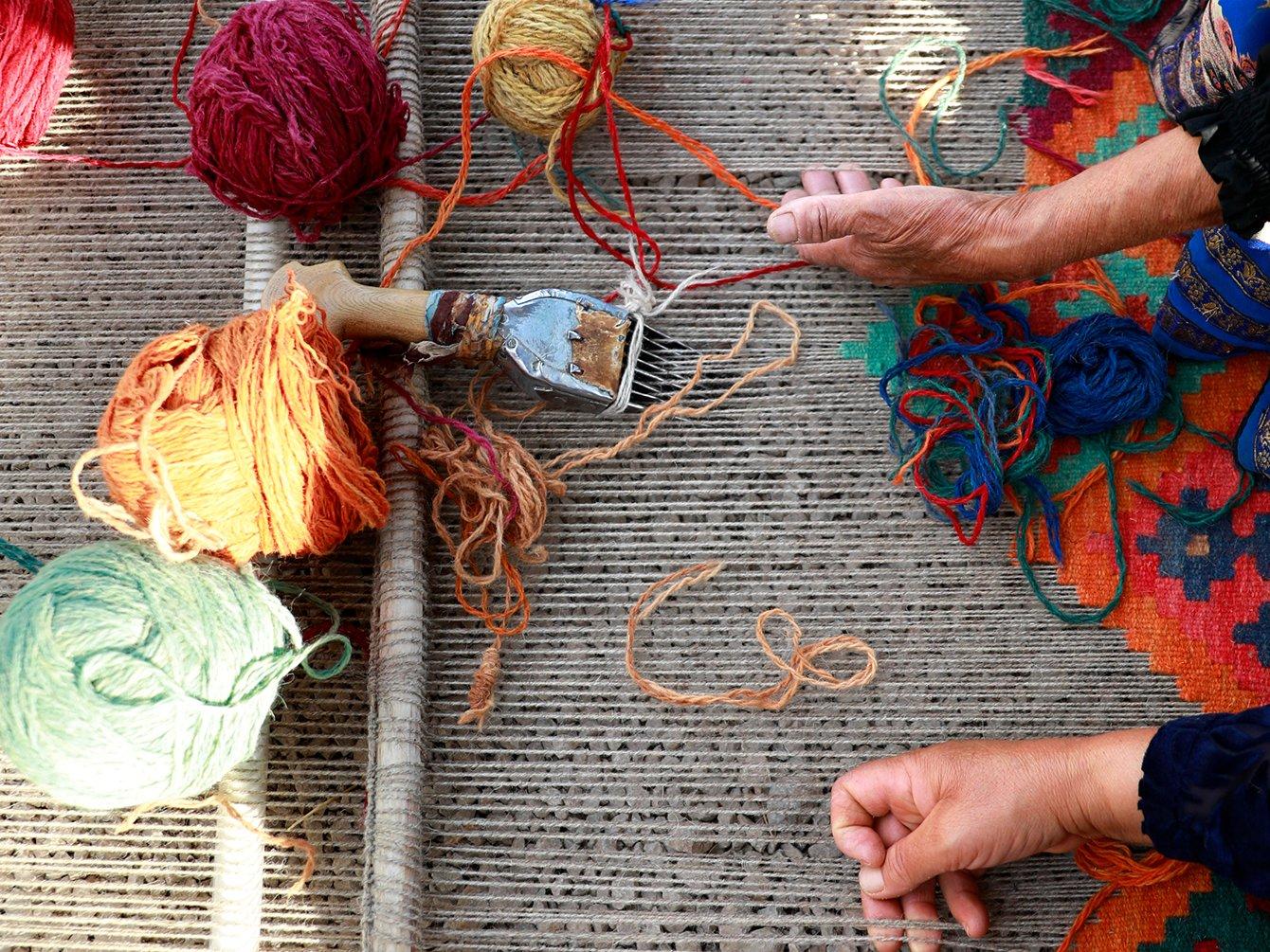
The Bokhara rug tradition is deeply rooted in the history of Central Asia, taking its name from the ancient Silk Road city of Bukhara. While these designs originated among nomadic tribes who needed portable, durable textiles, the finest contemporary examples are now primarily woven in Pakistan. This evolution has allowed the tradition to flourish, blending ancient nomadic aesthetics with refined, modern weaving techniques.
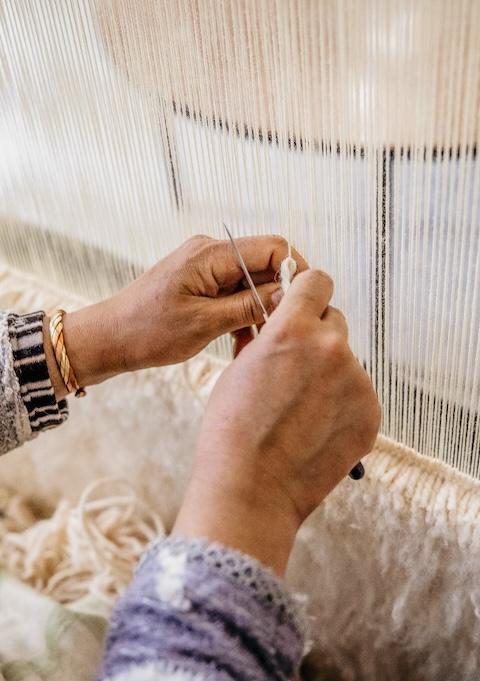
The term 2ply refers to the specific way the wool yarn is prepared, where two strands are twisted together before being knotted into the rug. This technique is crucial for quality, as it results in a pile that is significantly denser, more lustrous, and more durable than rugs made with single-ply yarn. It provides the rug with a substantial, high-quality feel that stands up beautifully to the rigours of daily use.
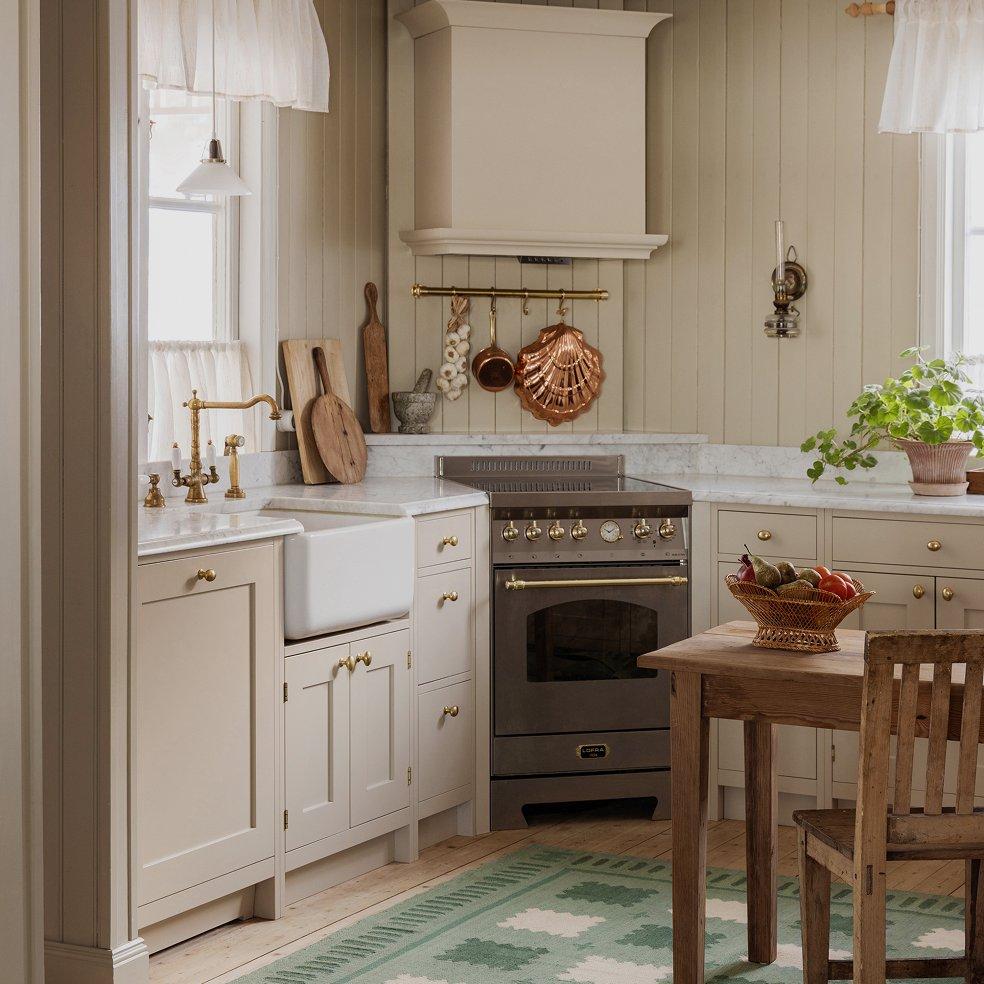
The visual language of this rug is defined by the gul, a repeating octagonal motif that often resembles an elephant's footprint. These medallions are traditionally arranged in rows and enclosed by multiple formal borders, creating a sense of rhythmic harmony. While red is a common traditional colour, this green variation offers a refreshing and sophisticated take on the classic style, highlighting the versatility of the pattern.
Bokhara rugs are highly valued by collectors and homeowners alike for their combination of skill, cultural weight, and lasting quality. Owning a piece from this tradition is more than just a decor choice; it is an appreciation of a craft that has been passed down through generations. These rugs serve as a bridge between the historical artistry of the past and the modern home, providing a sense of heritage that few other items can offer.