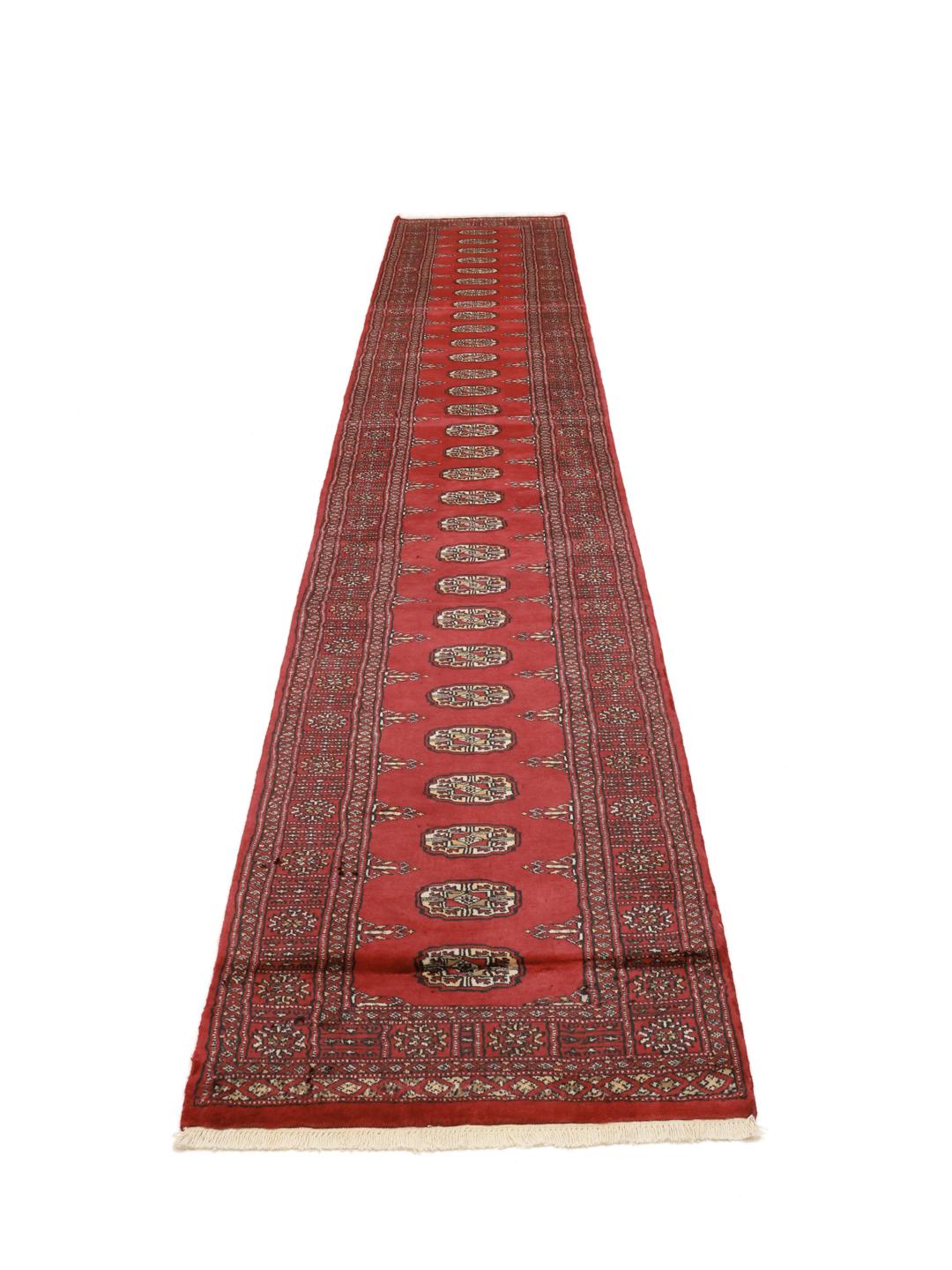
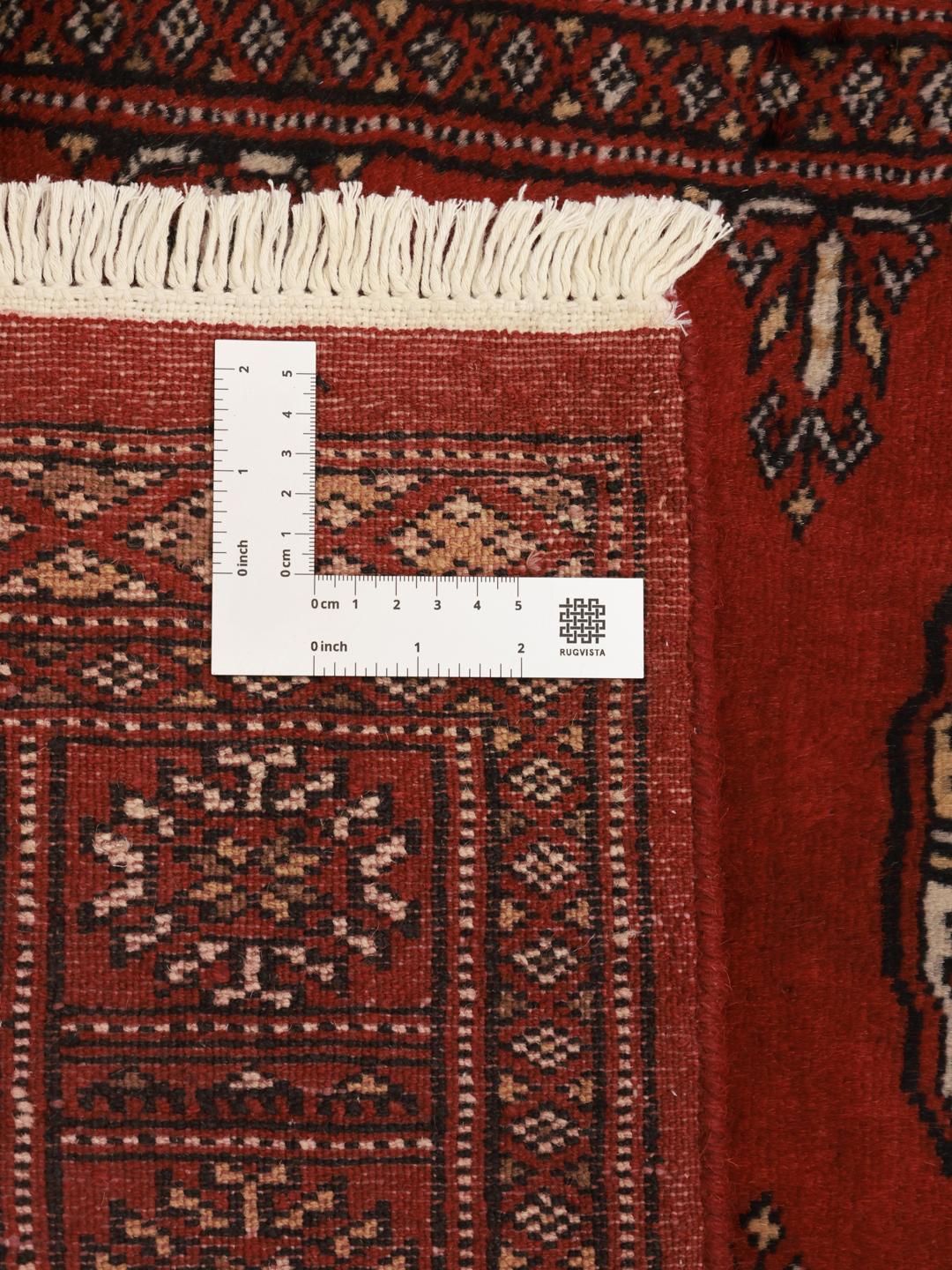
The Bokhara style takes its name from the ancient Silk Road city of Bukhara in Central Asia, a historical hub of trade and culture. While the design roots are deeply embedded in the nomadic traditions of the region, the finest examples of these rugs today are expertly crafted in Pakistan. This evolution reflects the migration of weaving techniques and the continued refinement of traditional patterns over generations.
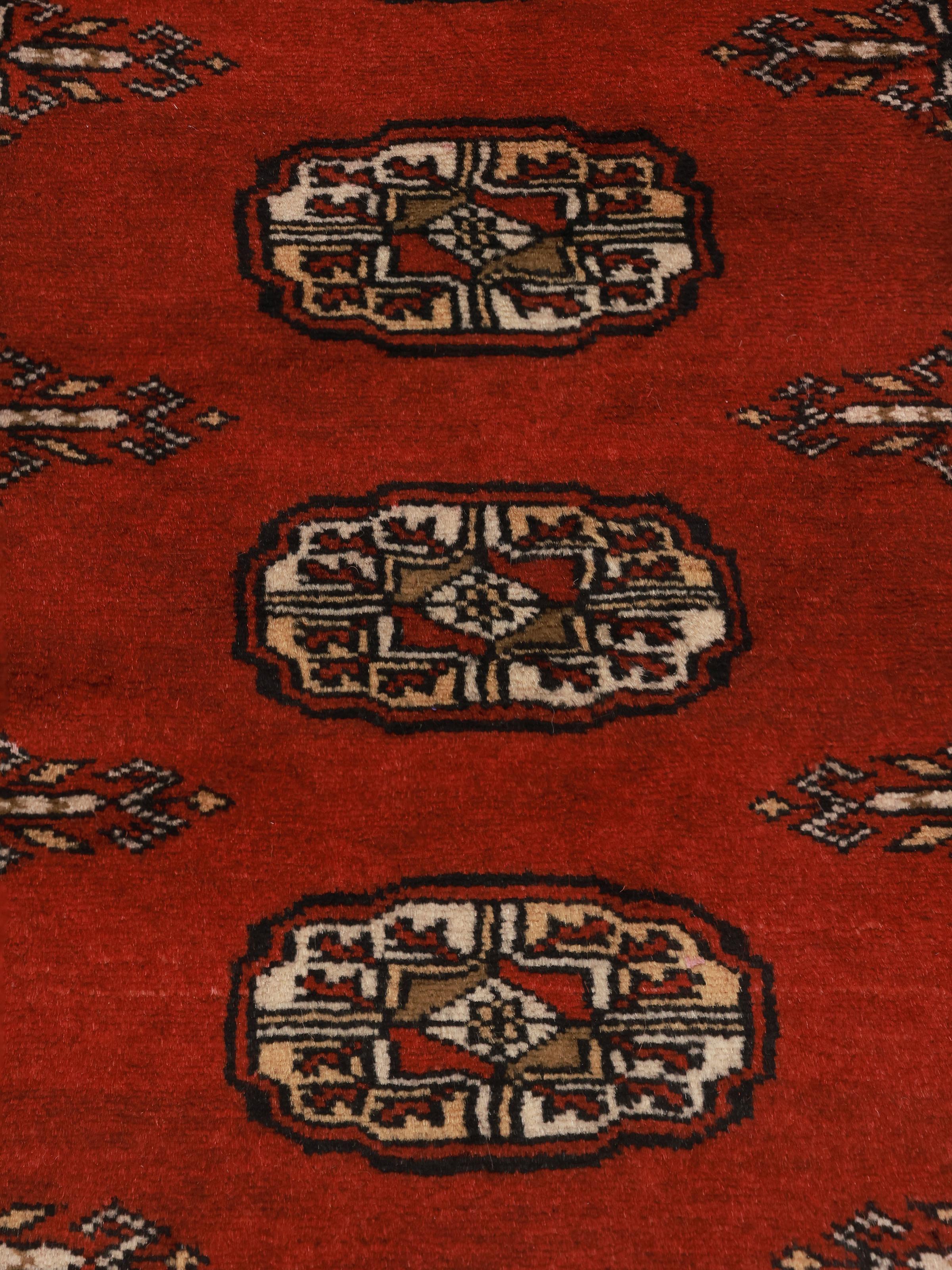
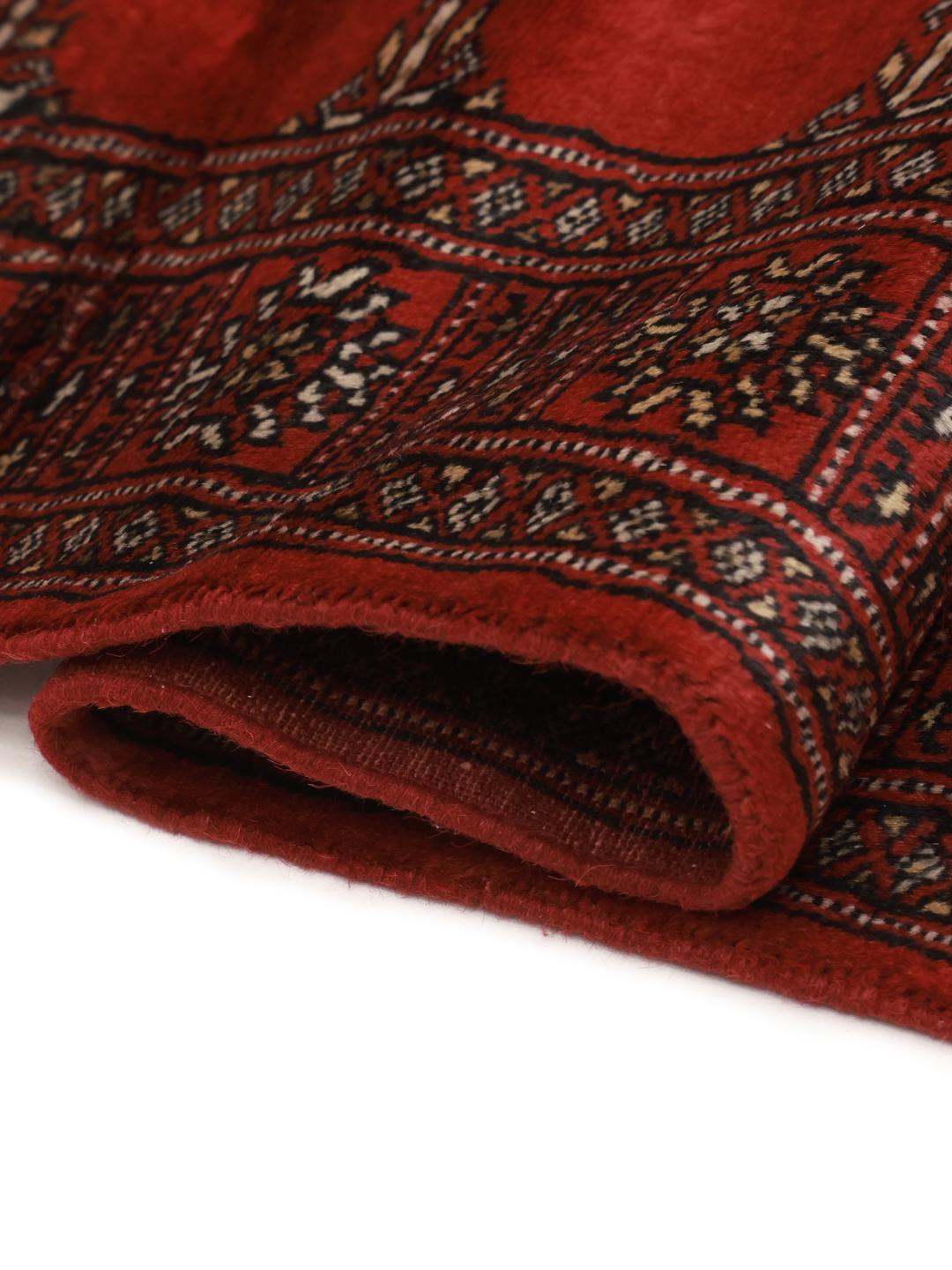
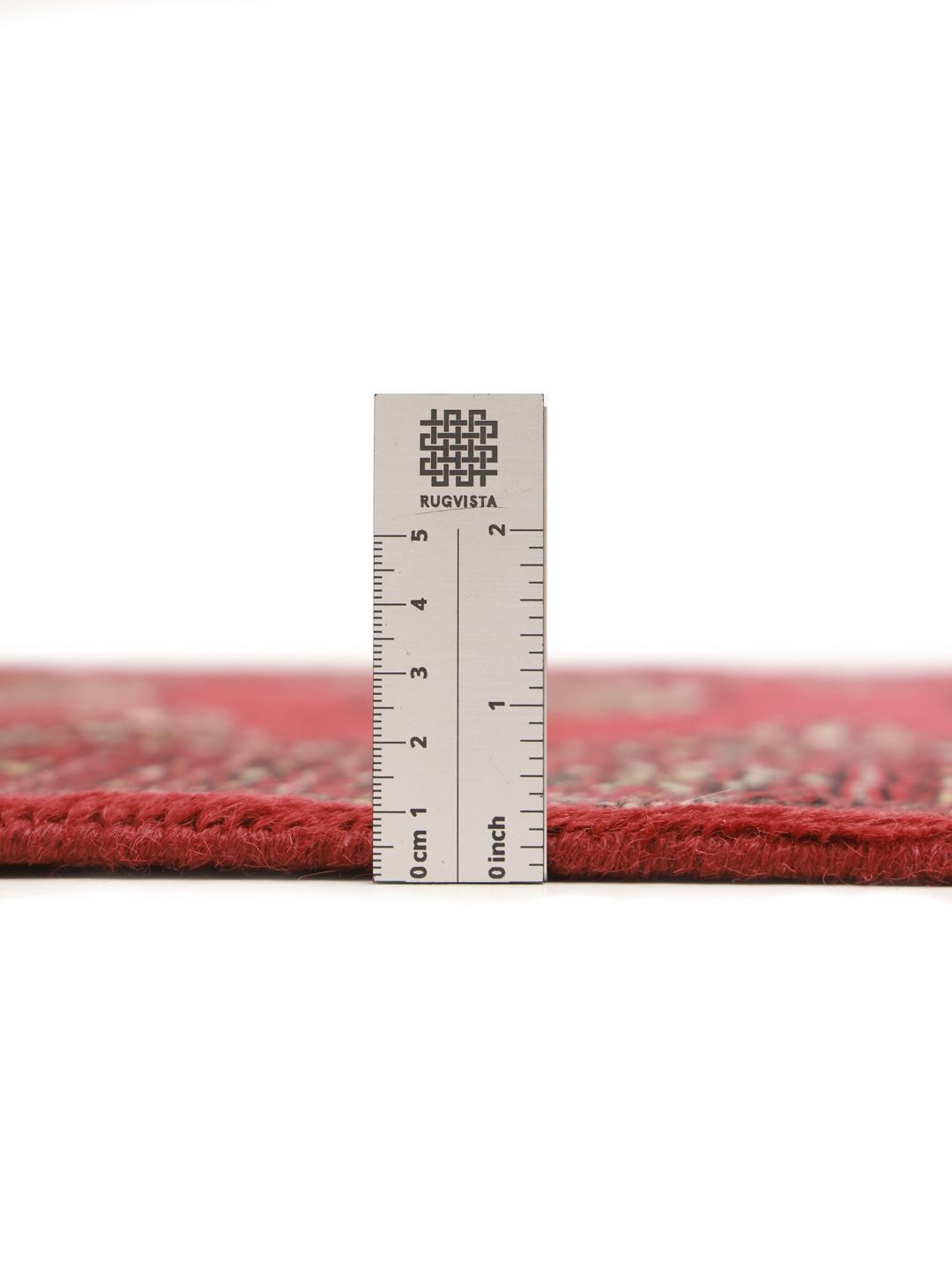
The term 2ply refers to the construction of the pile, where two strands of Wool are twisted together before being knotted into the foundation. This specific technique is crucial for quality, as it creates a much denser, more lustrous, and resilient pile than a single-ply construction. The resulting texture is not only softer to the touch but also significantly more durable, allowing the rug to hold its shape and colour for years.
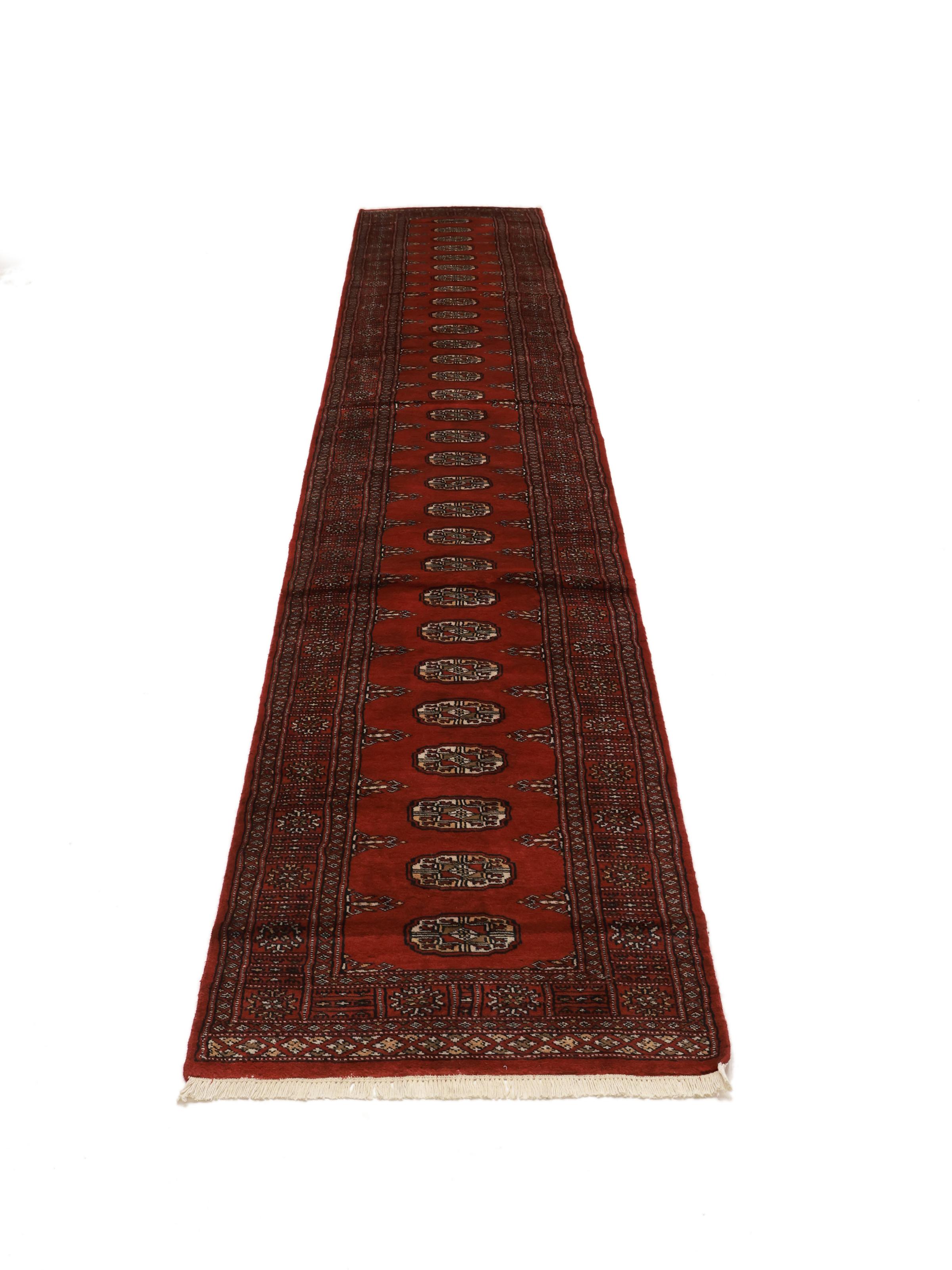
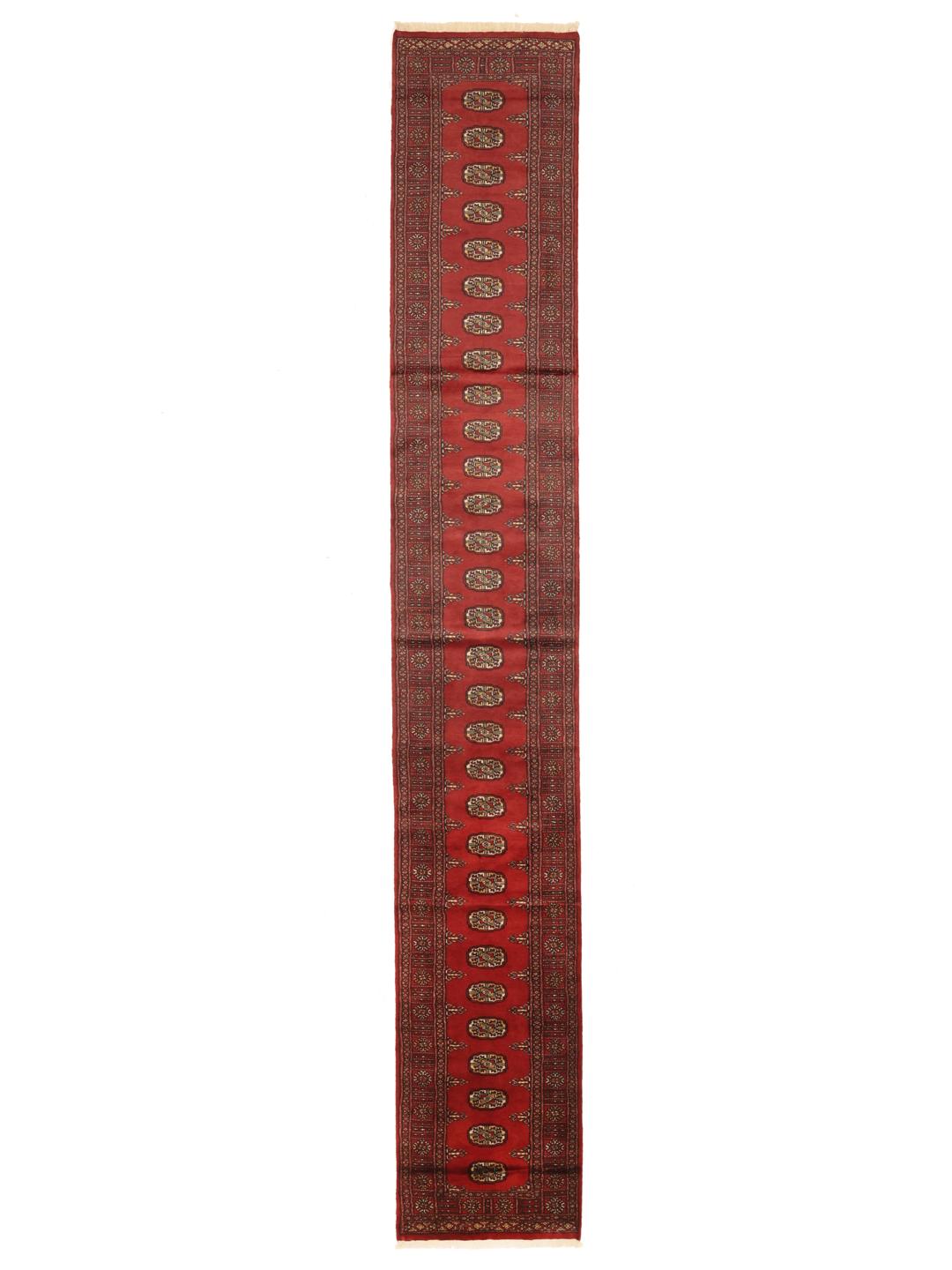
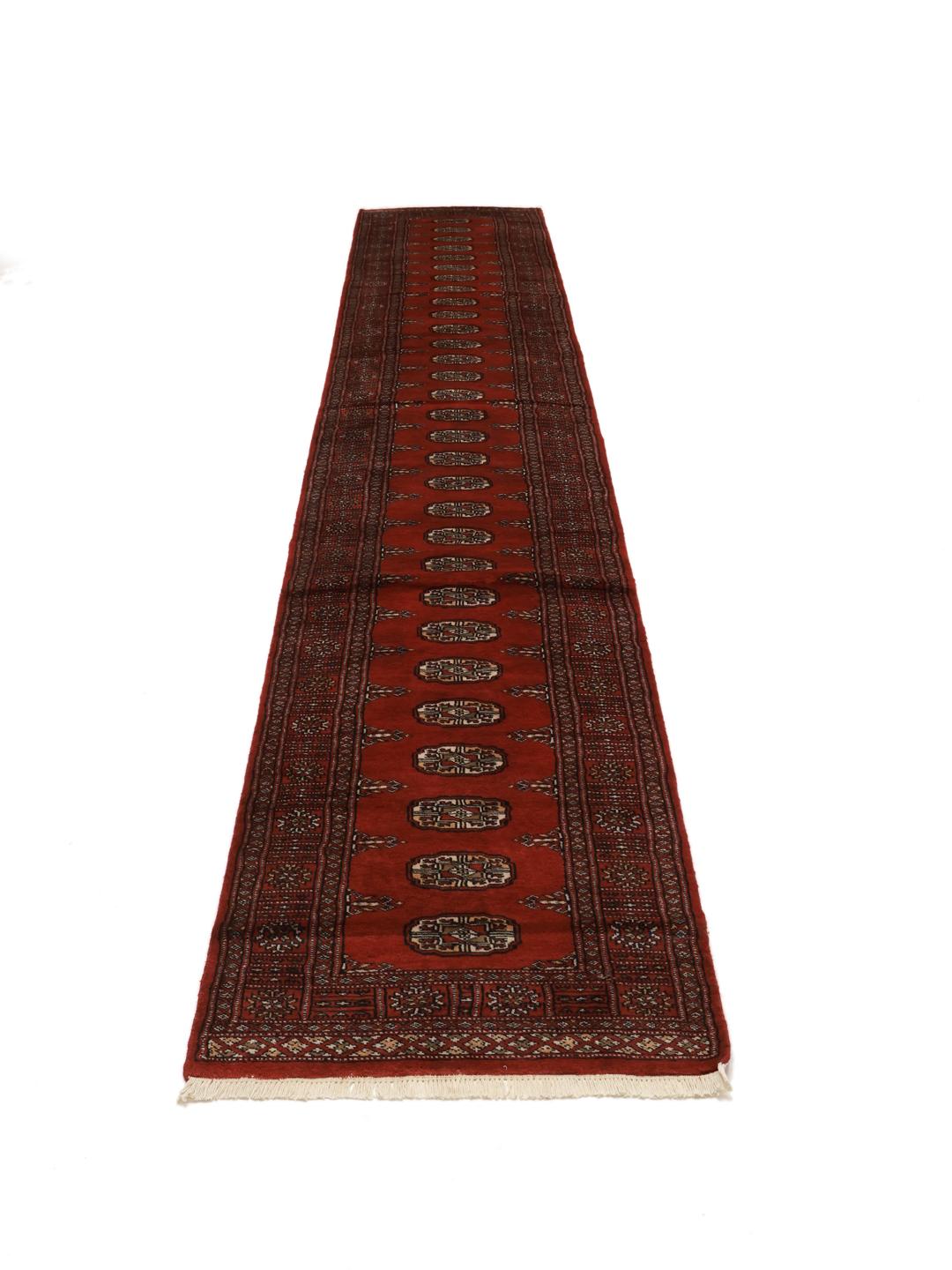
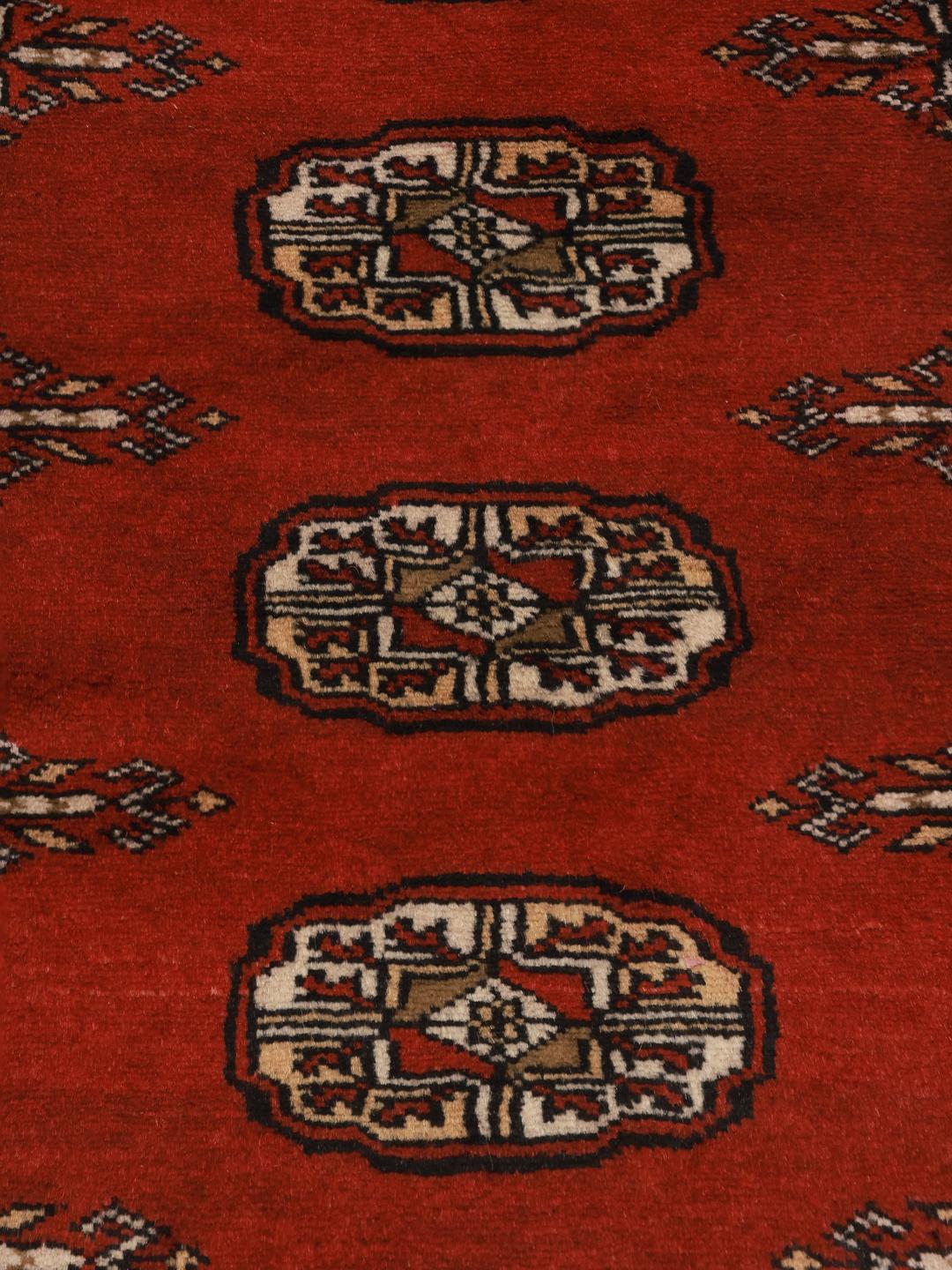
Visually, these rugs are defined by their iconic repeating gul motifs, which are stylized, medallion-like shapes often resembling elephant footprints. These are typically arranged in neat rows across the field and enclosed by complex, formal borders. The deep red palette is a hallmark of the tradition, symbolising warmth and prosperity in many of the cultures where these designs originated.
Collectors value these rugs for their combination of technical skill and enduring cultural narrative. Owning a piece like this is a way to connect with a long-standing heritage of craftsmanship that prioritises quality and artistic expression. It represents a commitment to traditional methods that have been passed down for centuries, making it a meaningful addition to any thoughtful home interior.