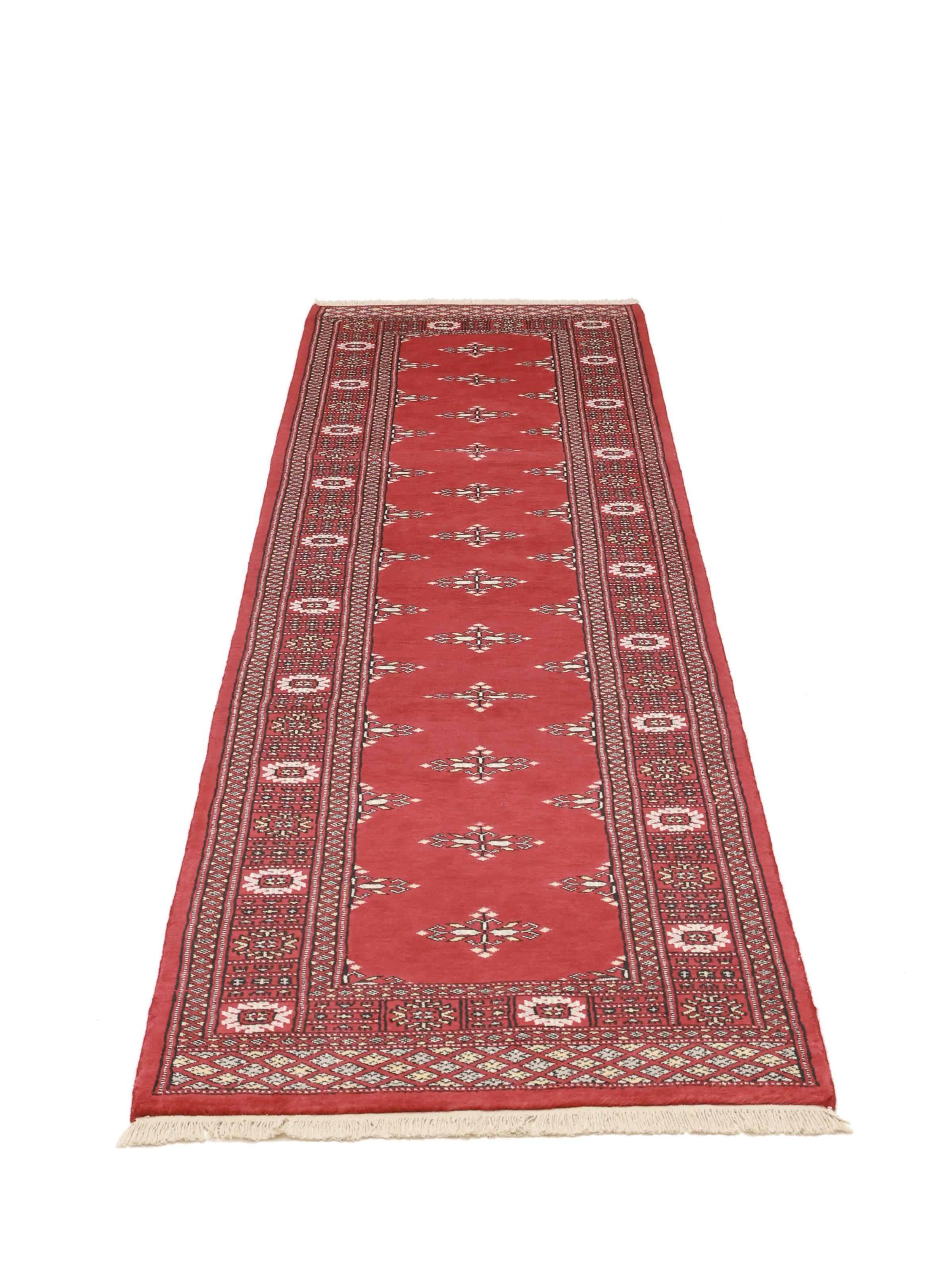
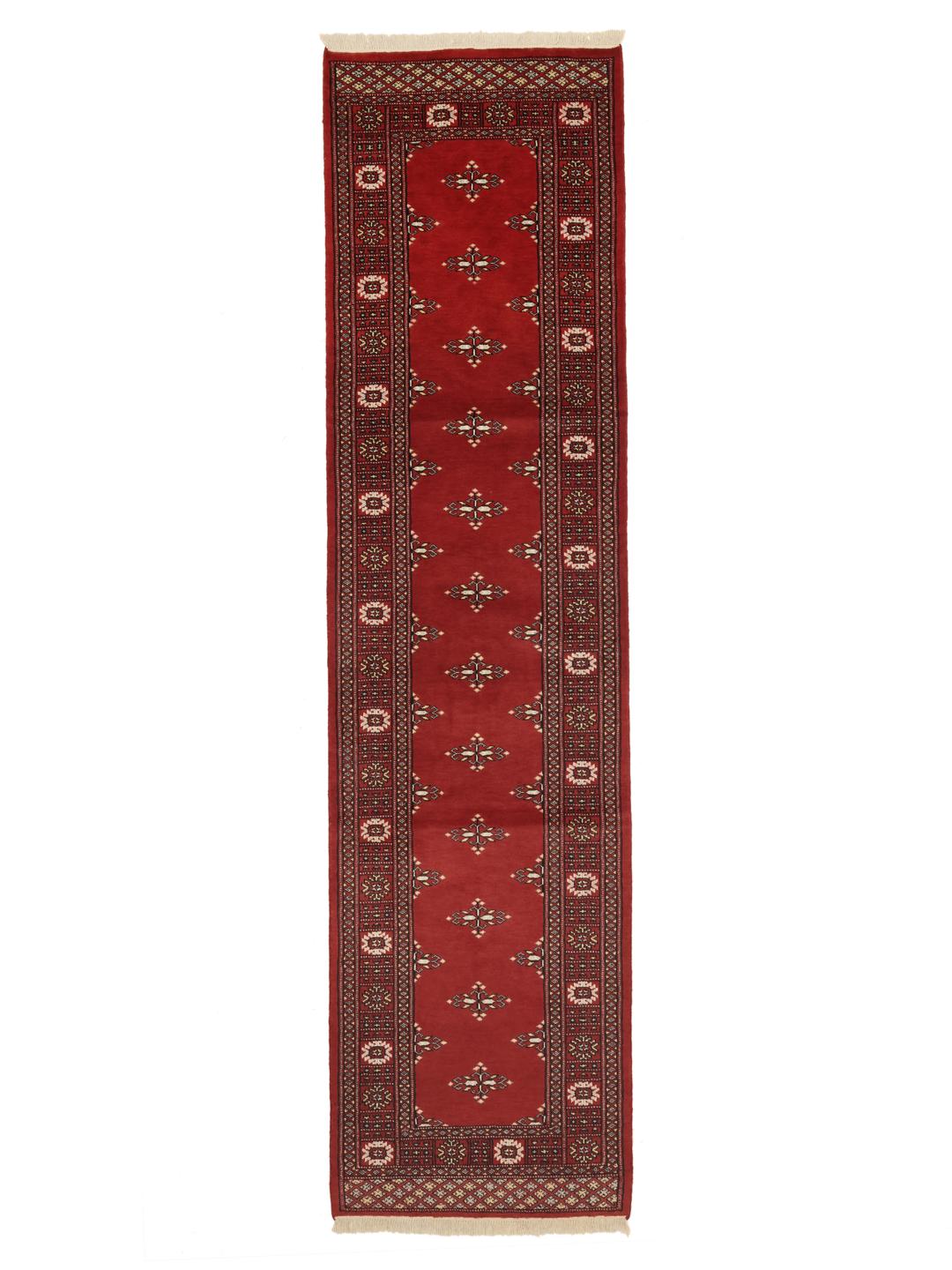
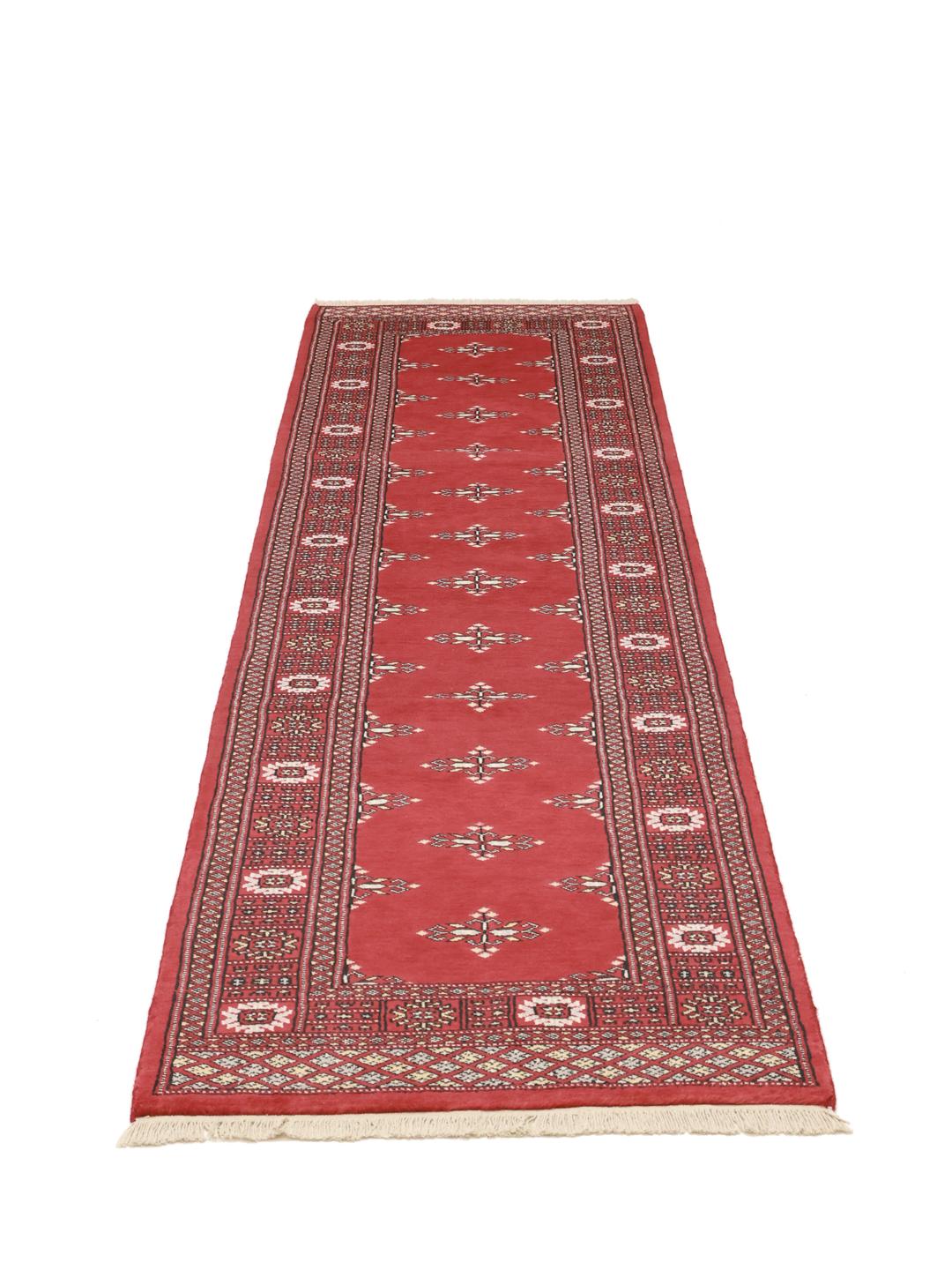
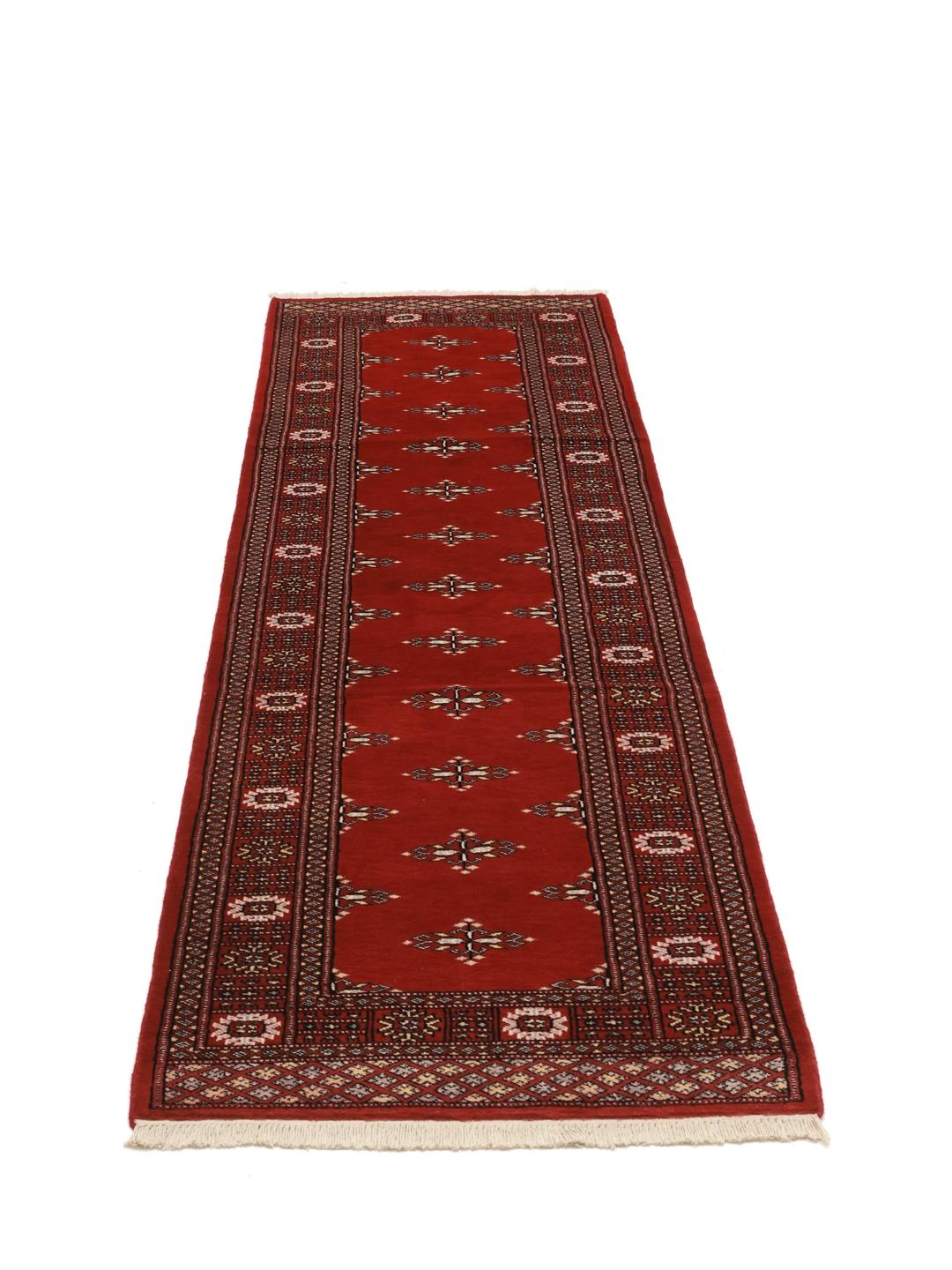
The Bokhara rug tradition is deeply rooted in the history of the ancient Silk Road. While the style takes its name from the historic city of Bukhara in Central Asia, the finest examples of these rugs have been crafted in Pakistan for generations. This migration of craft allowed weavers to refine their techniques, blending historical regional motifs with a high standard of precision.
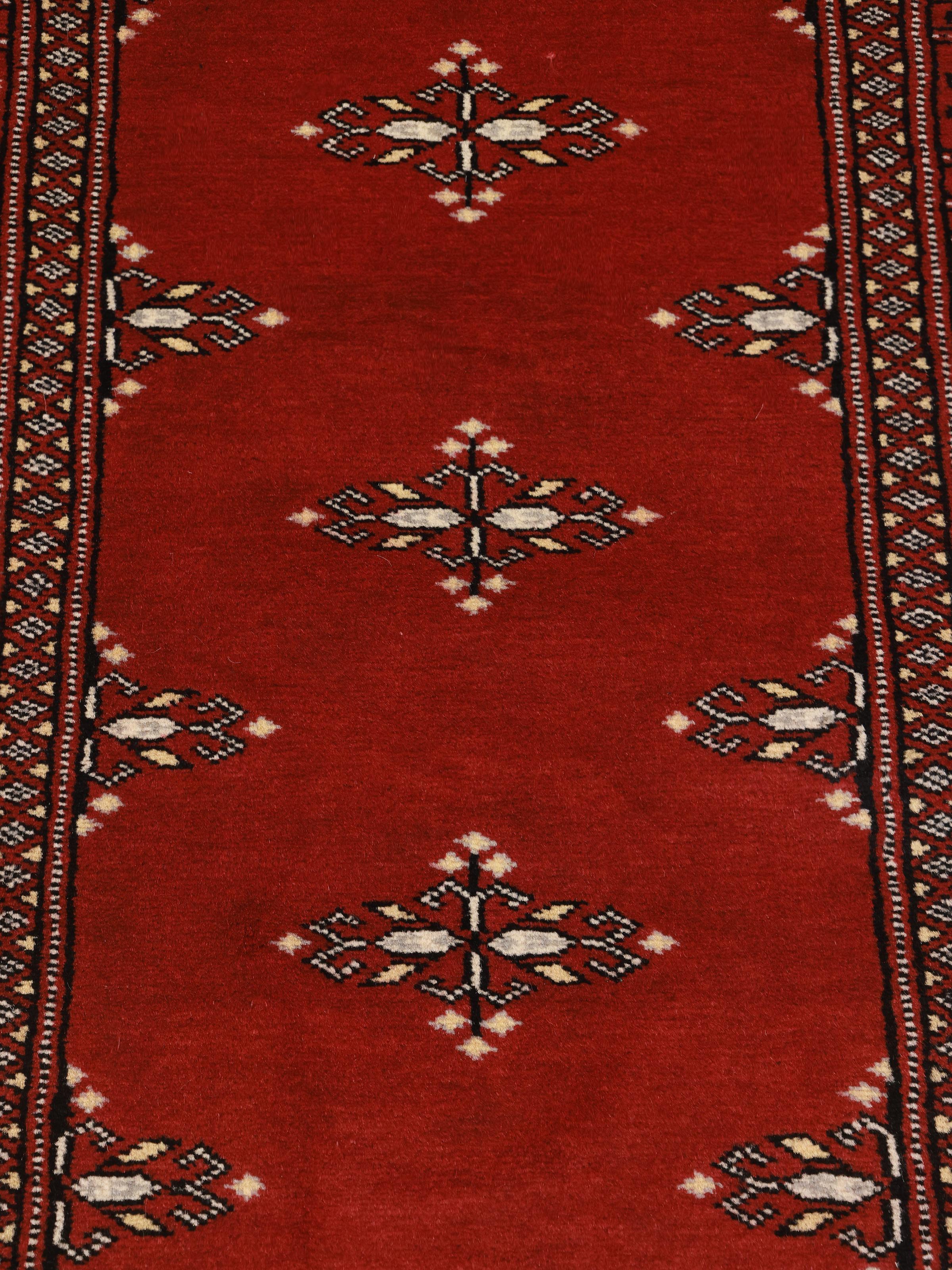
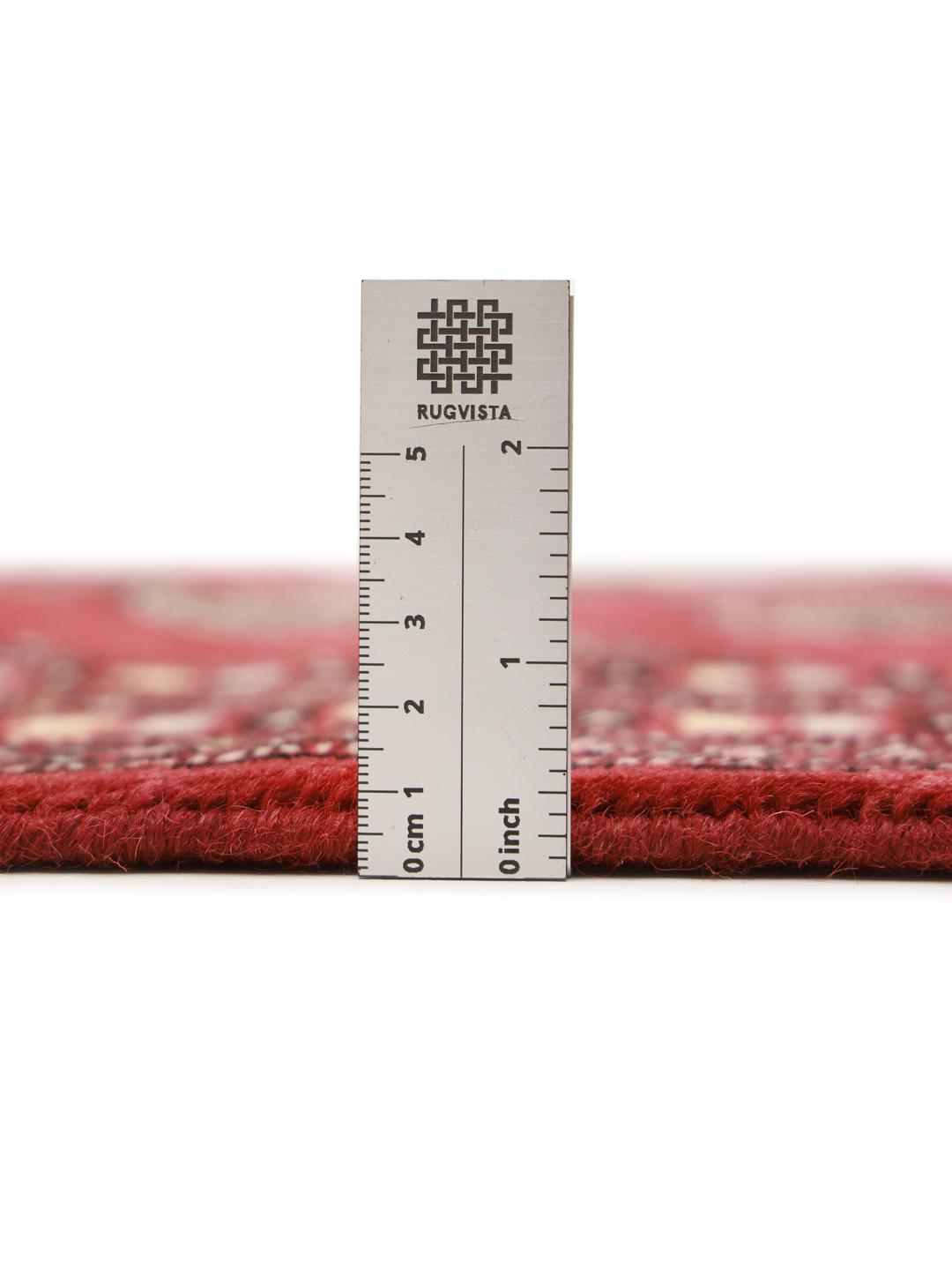
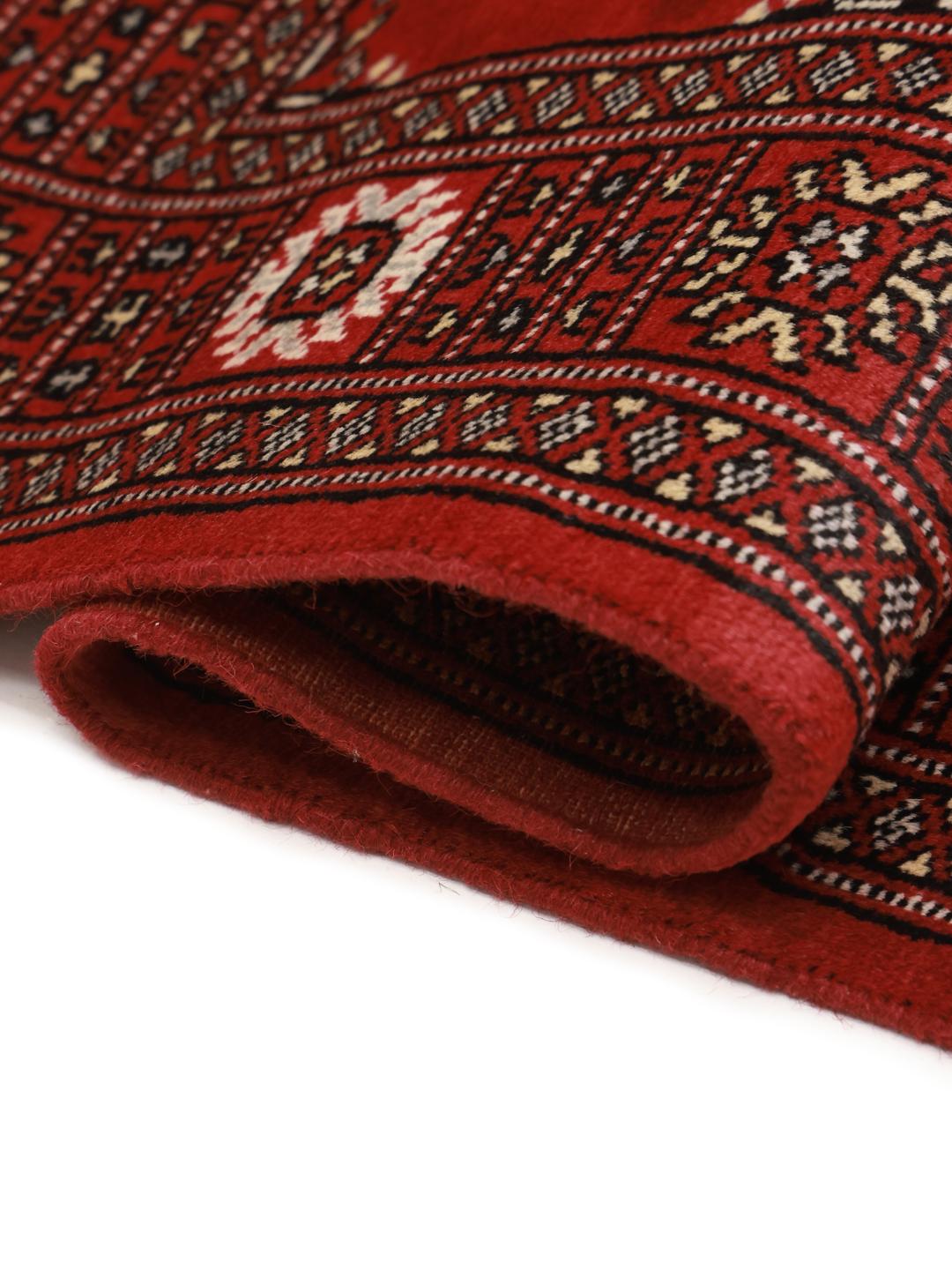
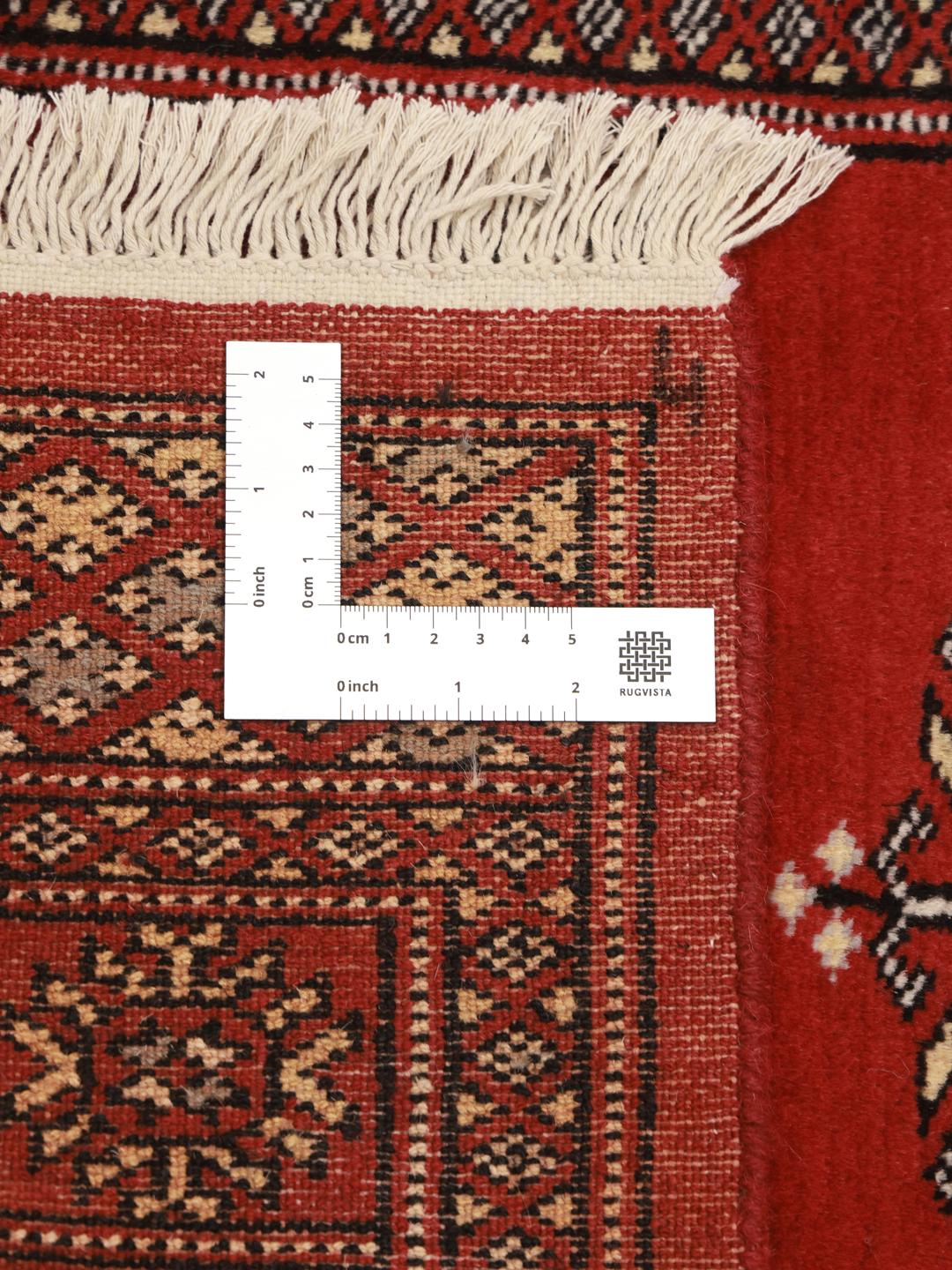
The term '2ply' refers to the specific construction where two strands of wool are twisted together before being knotted into the foundation. This technique is significant because it creates a thicker, more lustrous, and exceptionally resilient pile. For the owner, this means a rug that not only feels softer and more substantial but also retains its vibrant colour and structural form much longer than single-ply alternatives.
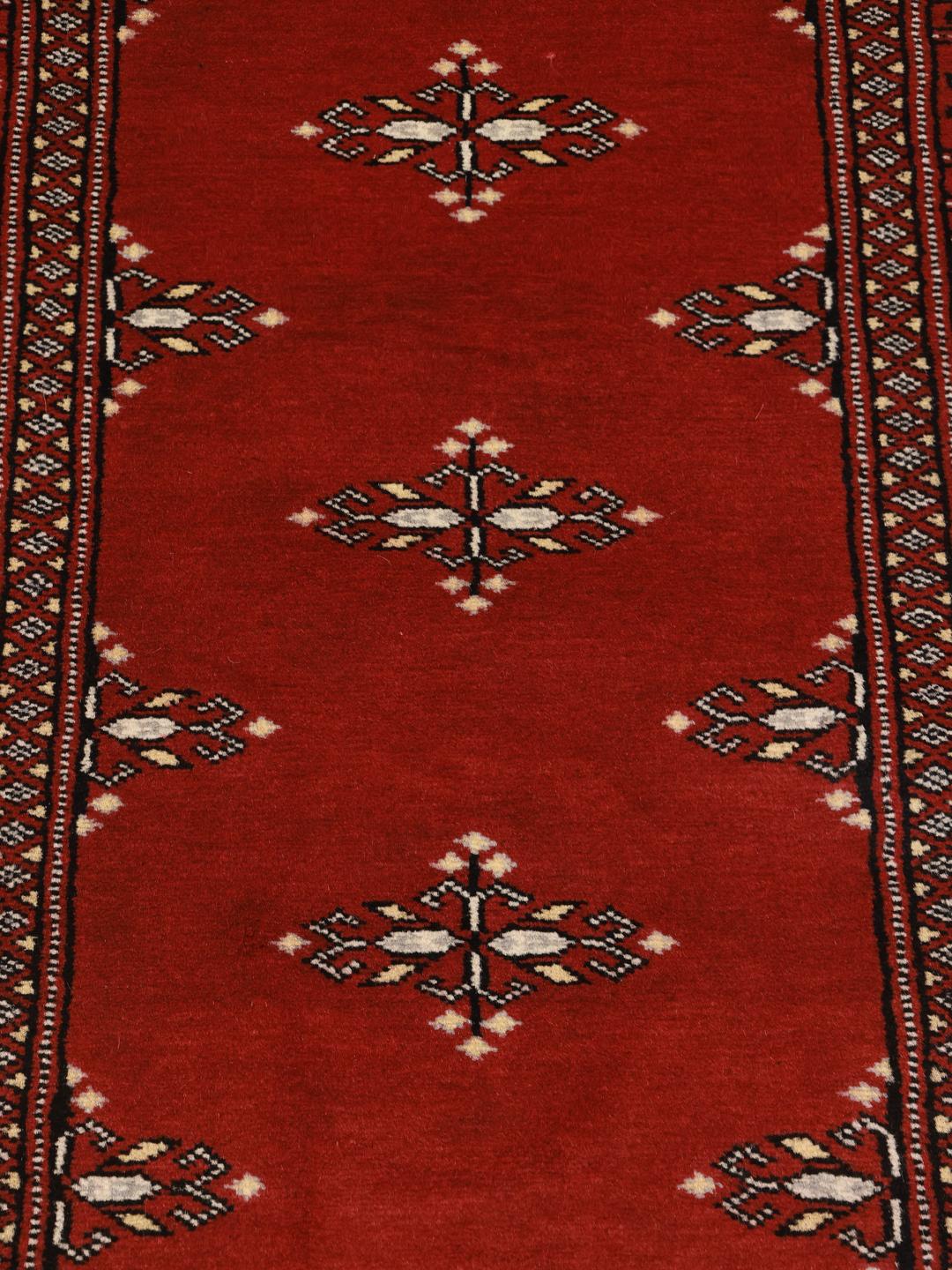
Visually, these rugs are defined by their iconic gul motifs. These repeating, elephant-foot shaped medallions are arranged in symmetrical rows across the field, framed by complex, geometric borders. The rich, deep red tones are a traditional signature, evoking a sense of warmth and heritage that has made these designs sought after by collectors worldwide for centuries.
Owning a Bokhara runner is an investment in a living tradition. These rugs are highly valued not just for their aesthetic beauty, but for the skill and cultural narrative they carry. By bringing one into your home, you are preserving a craft that values patience and precision, ensuring that the history of these iconic designs continues to be appreciated in modern living spaces.