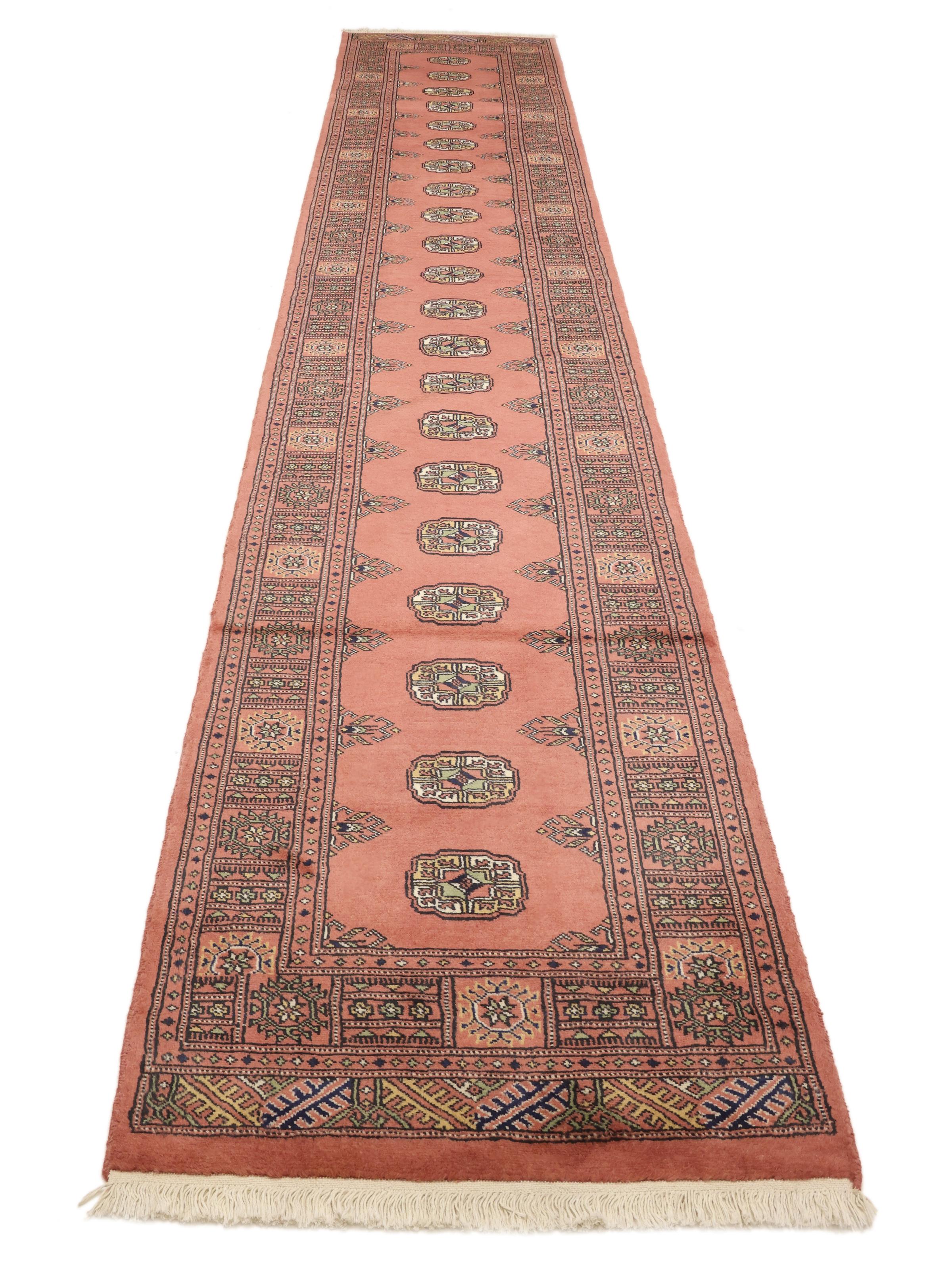
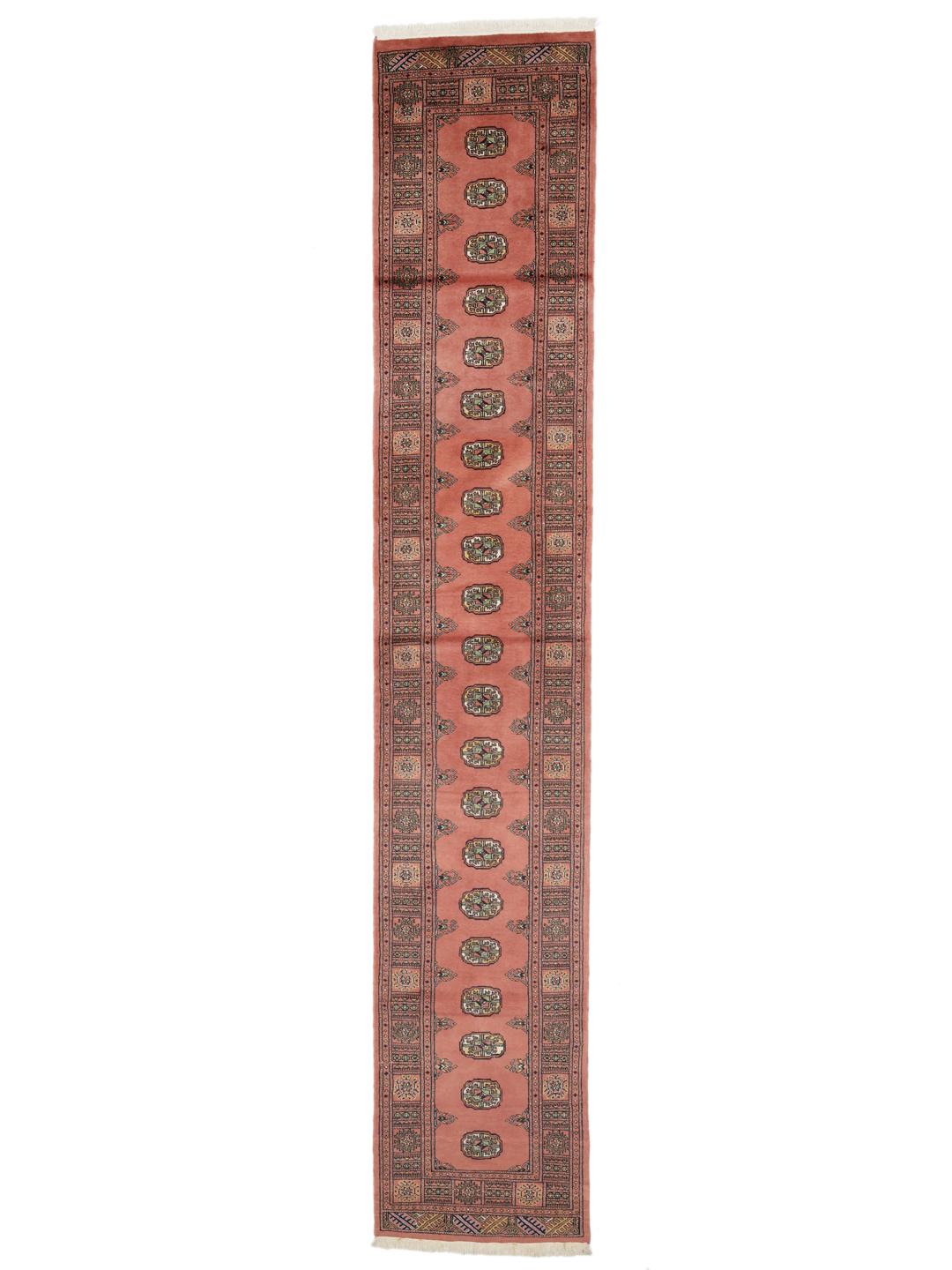
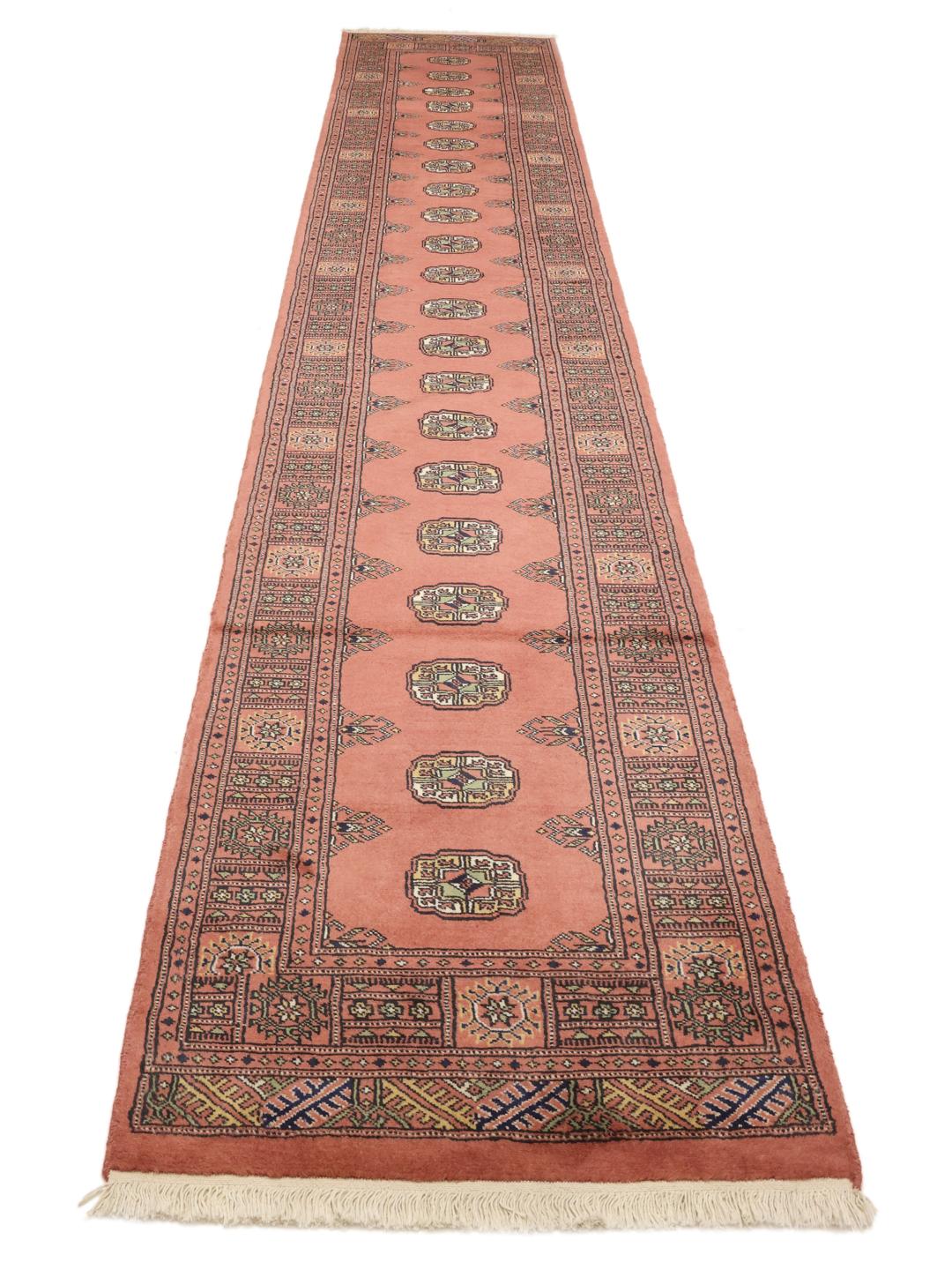
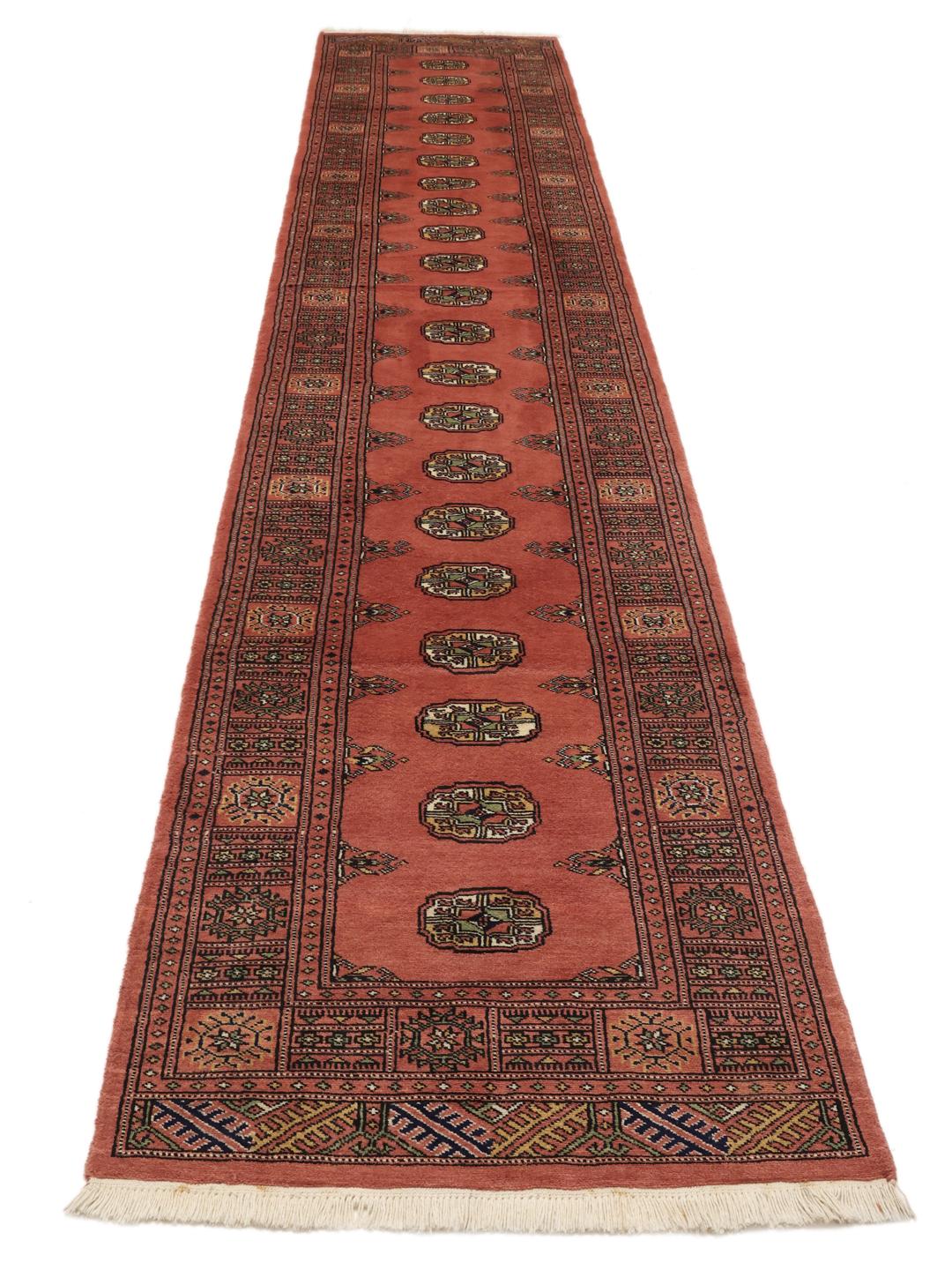
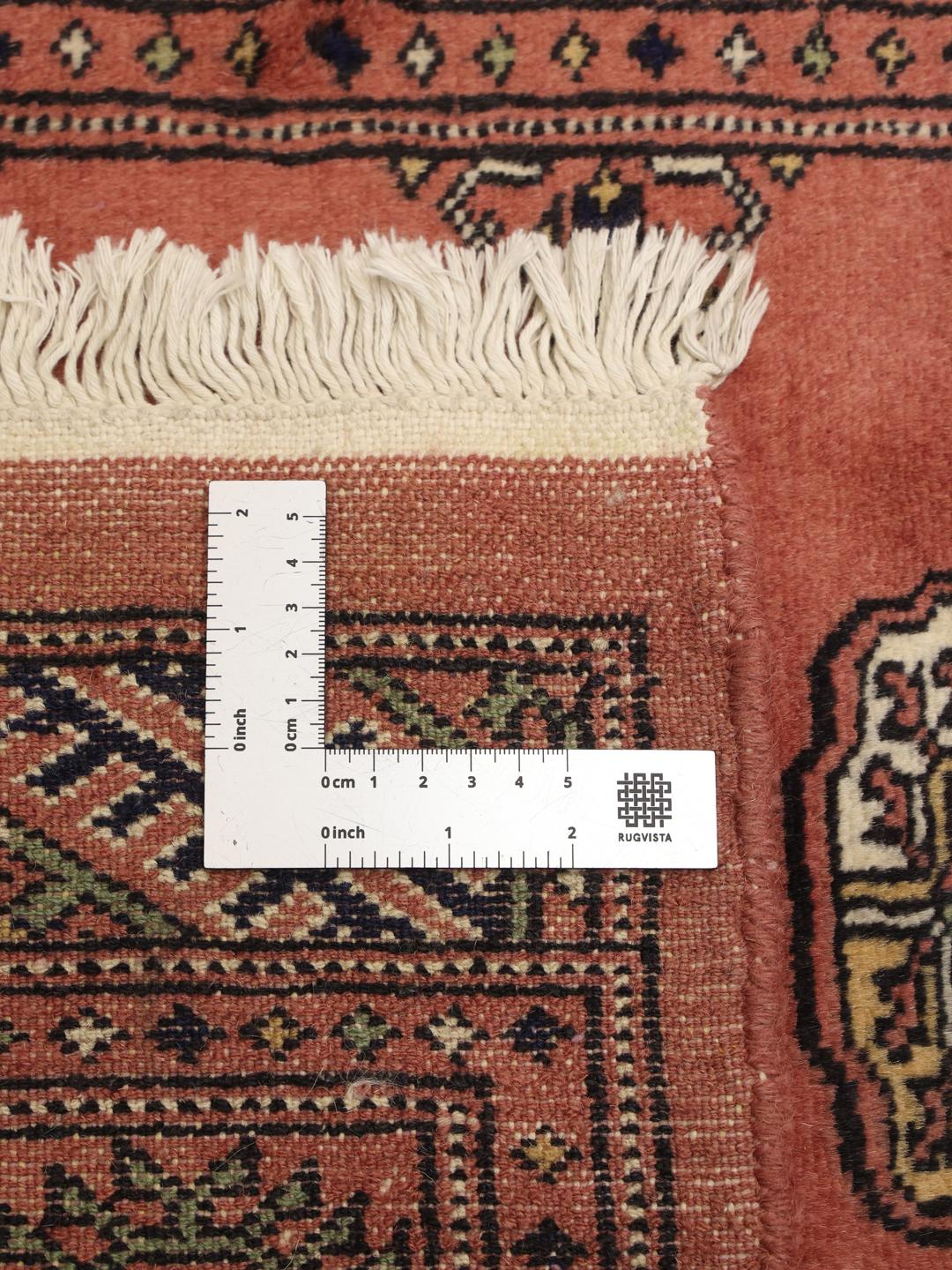
The Bokhara rug tradition draws its name from the ancient Silk Road city of Bukhara, which served as a vital hub for trade and cultural exchange in Central Asia. While the style originated in this historic region, the finest examples today are meticulously crafted in Pakistan, where the tradition has been preserved and refined.
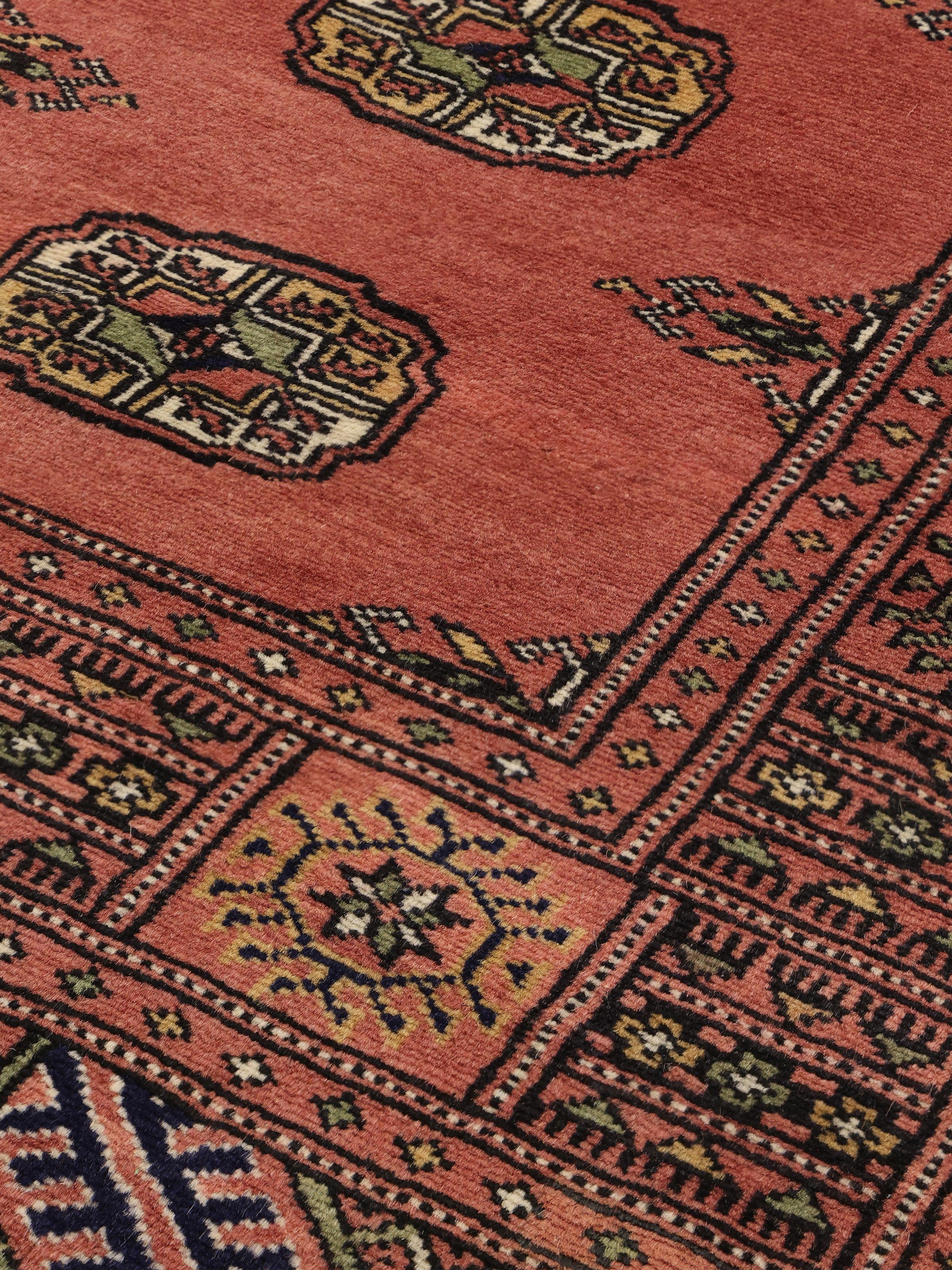
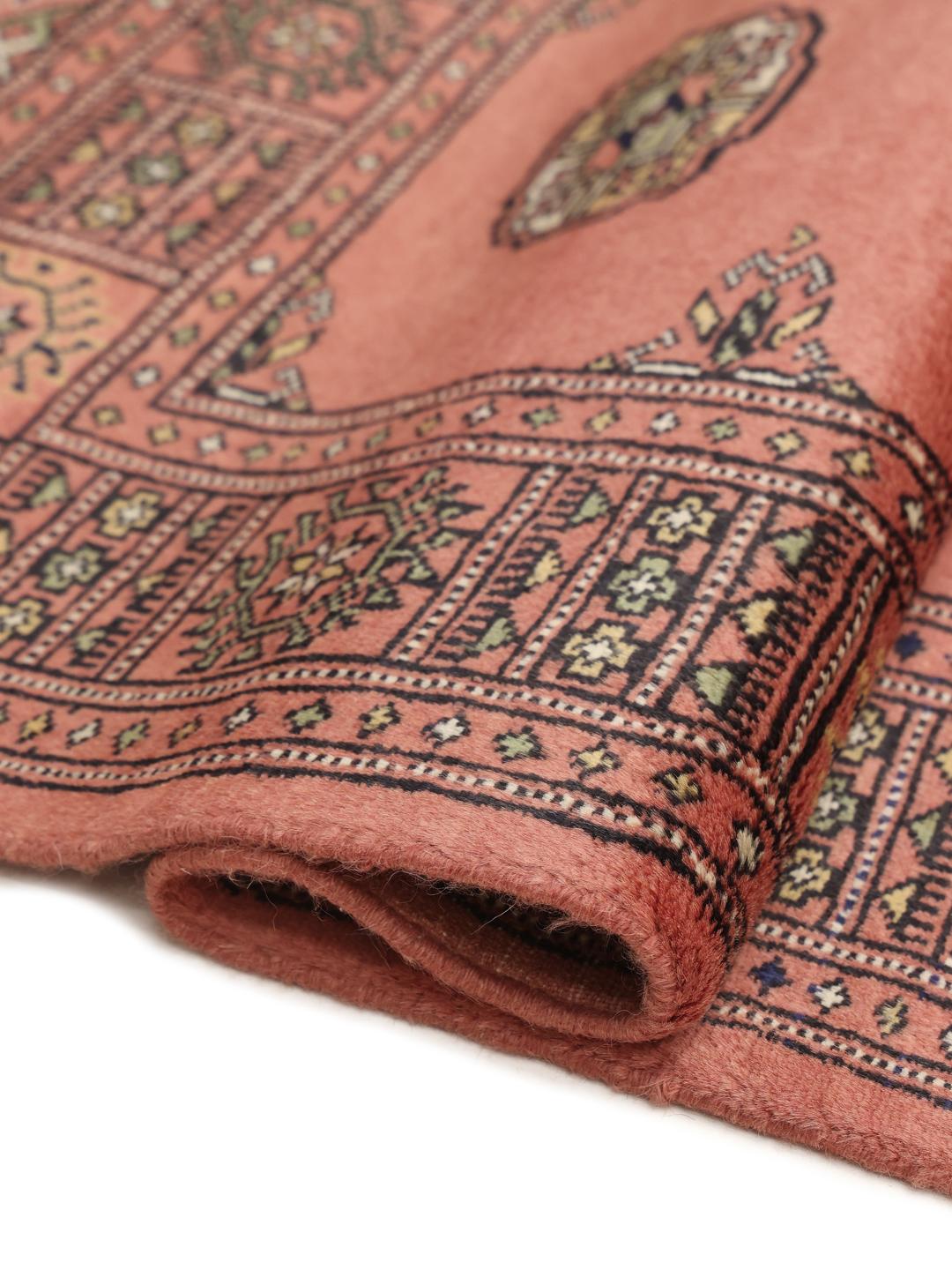
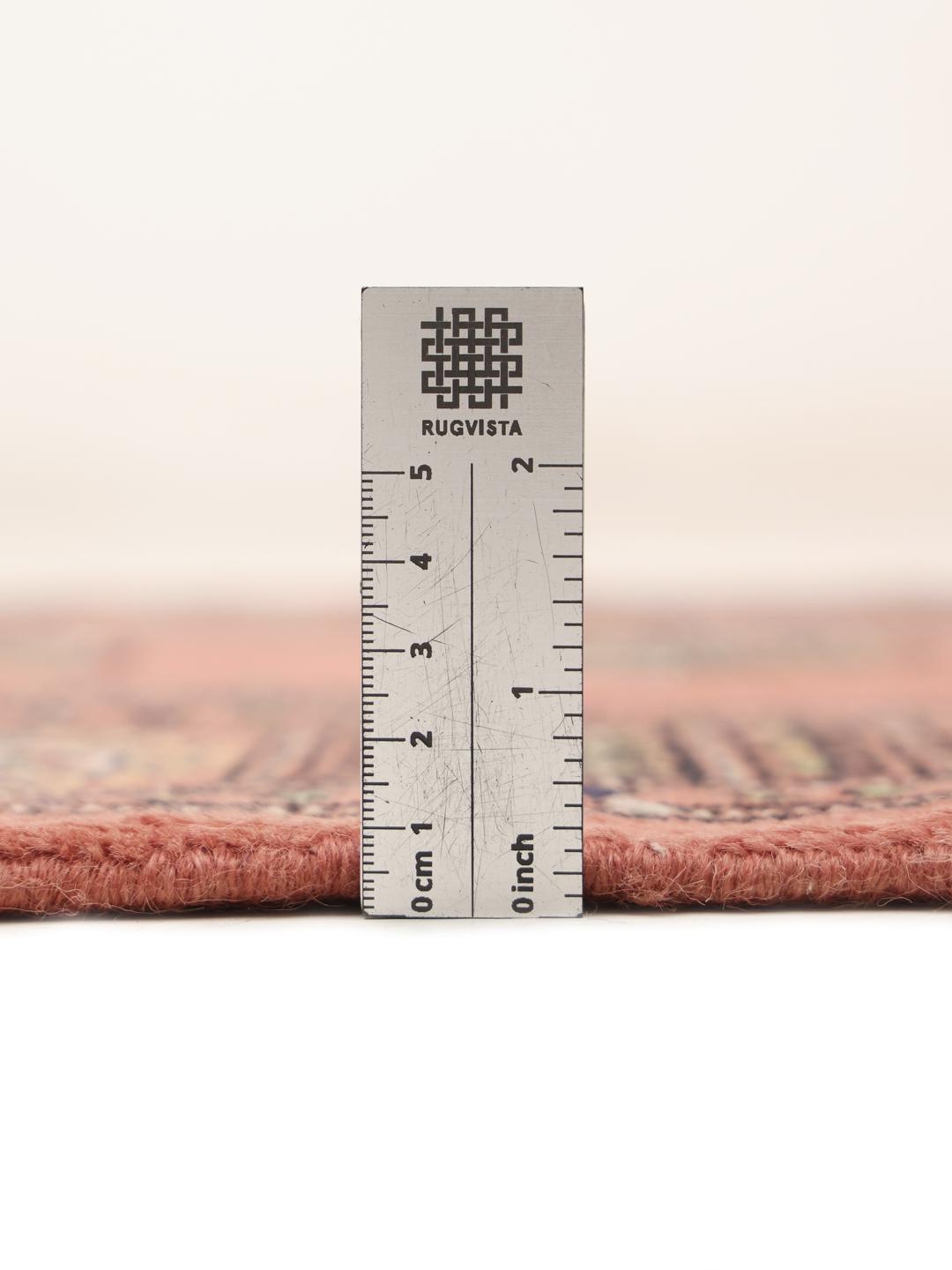
The term 2ply refers to the specific way the wool is prepared before weaving. By twisting two strands of wool together, the yarn becomes more durable and gains a distinctive, soft lustre. This technique not only enhances the visual depth of the rug but also contributes to a longer-lasting pile that retains its shape.
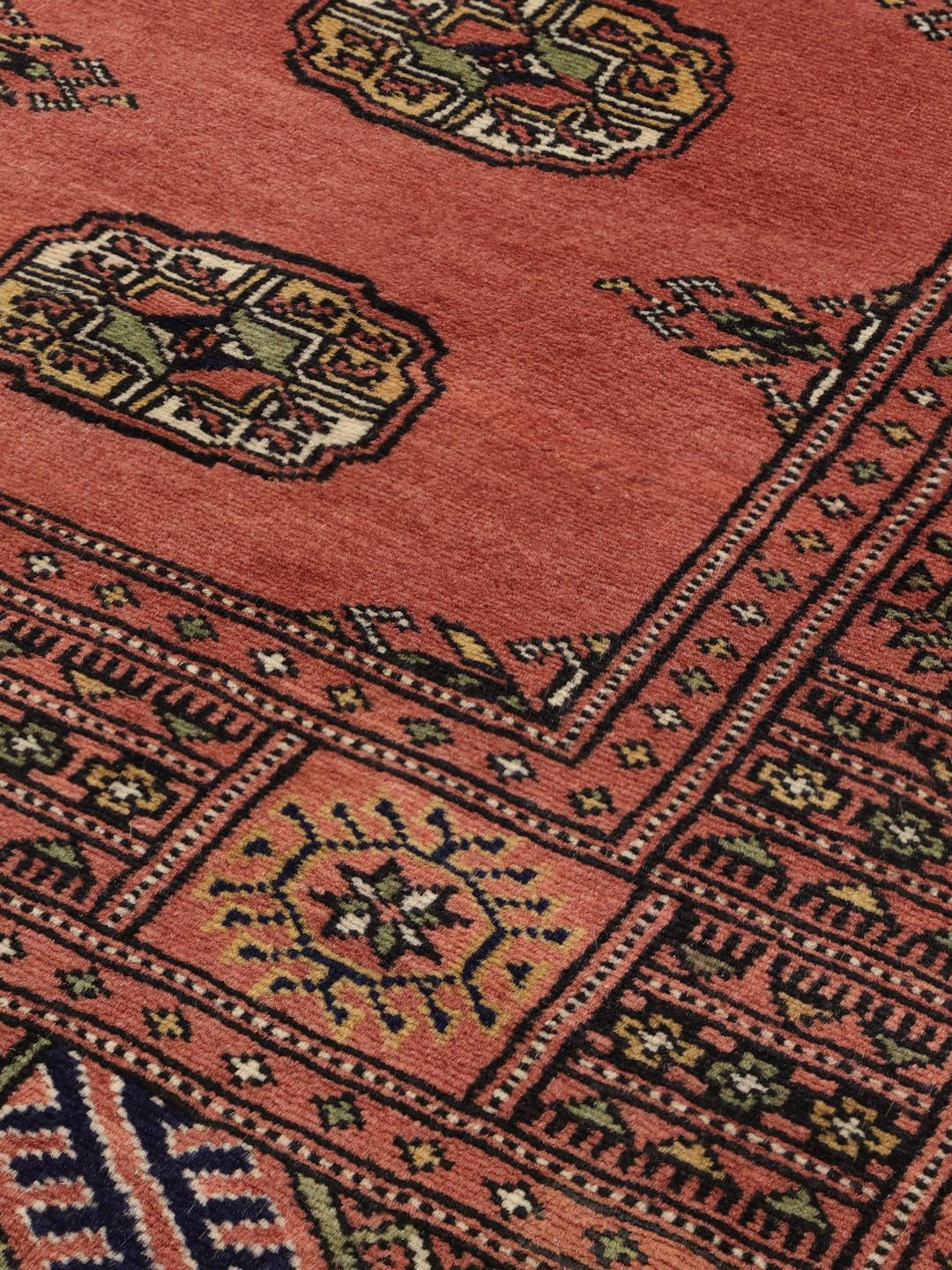
Visually, Bokhara rugs are celebrated for their repeating gul motifs, which are stylized, octagonal shapes often compared to elephant footprints. These are framed by intricate, geometric borders that reflect a long history of nomadic and settled weaving traditions, creating a look that is both disciplined and rhythmic.
Owning a piece from this tradition connects you to centuries of weaving heritage. Collectors value these rugs for their balance of skill, symmetry, and cultural depth. To have one in your home is to display a genuine piece of artistry that reflects a commitment to traditional methods and enduring quality.