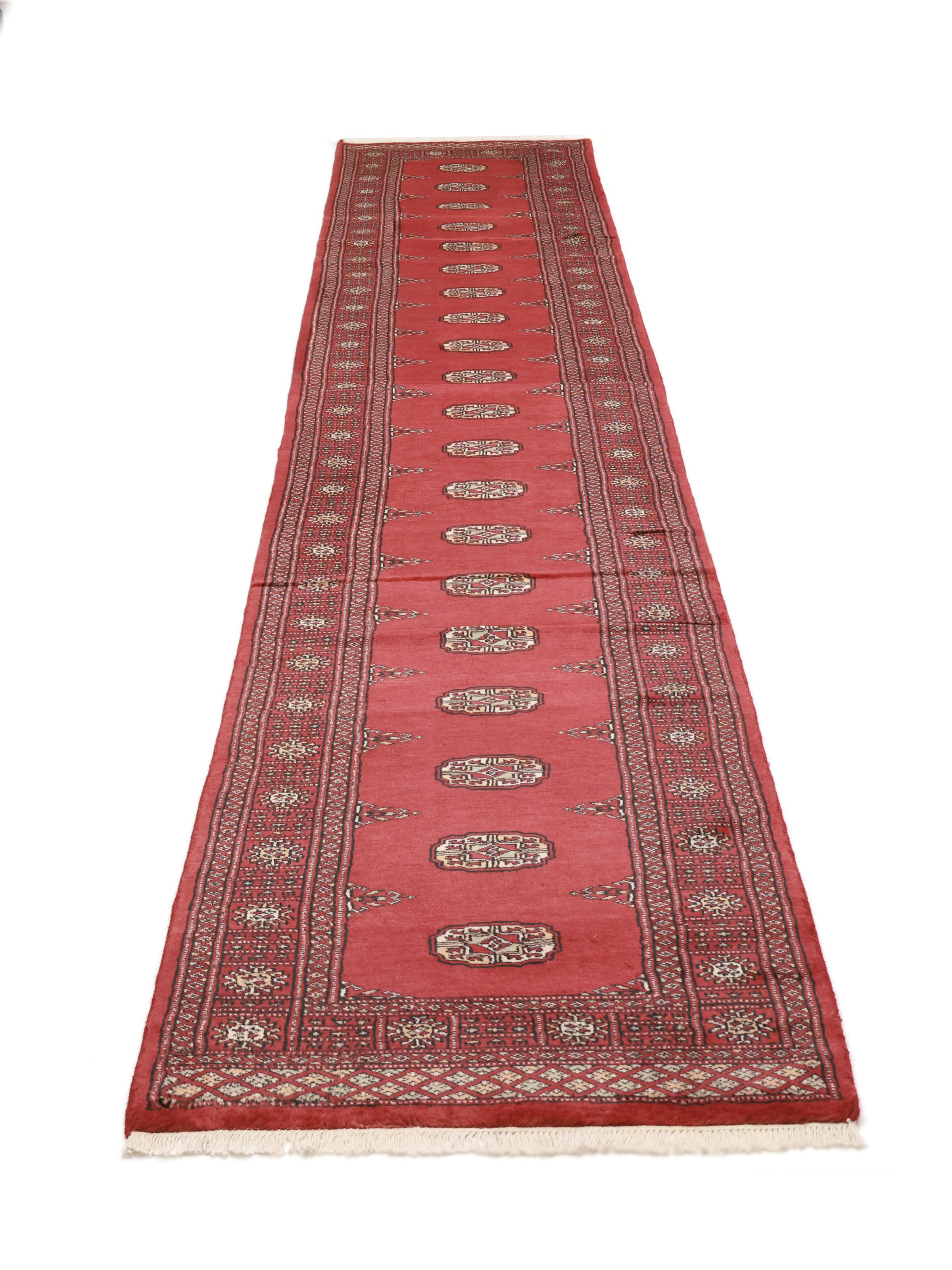
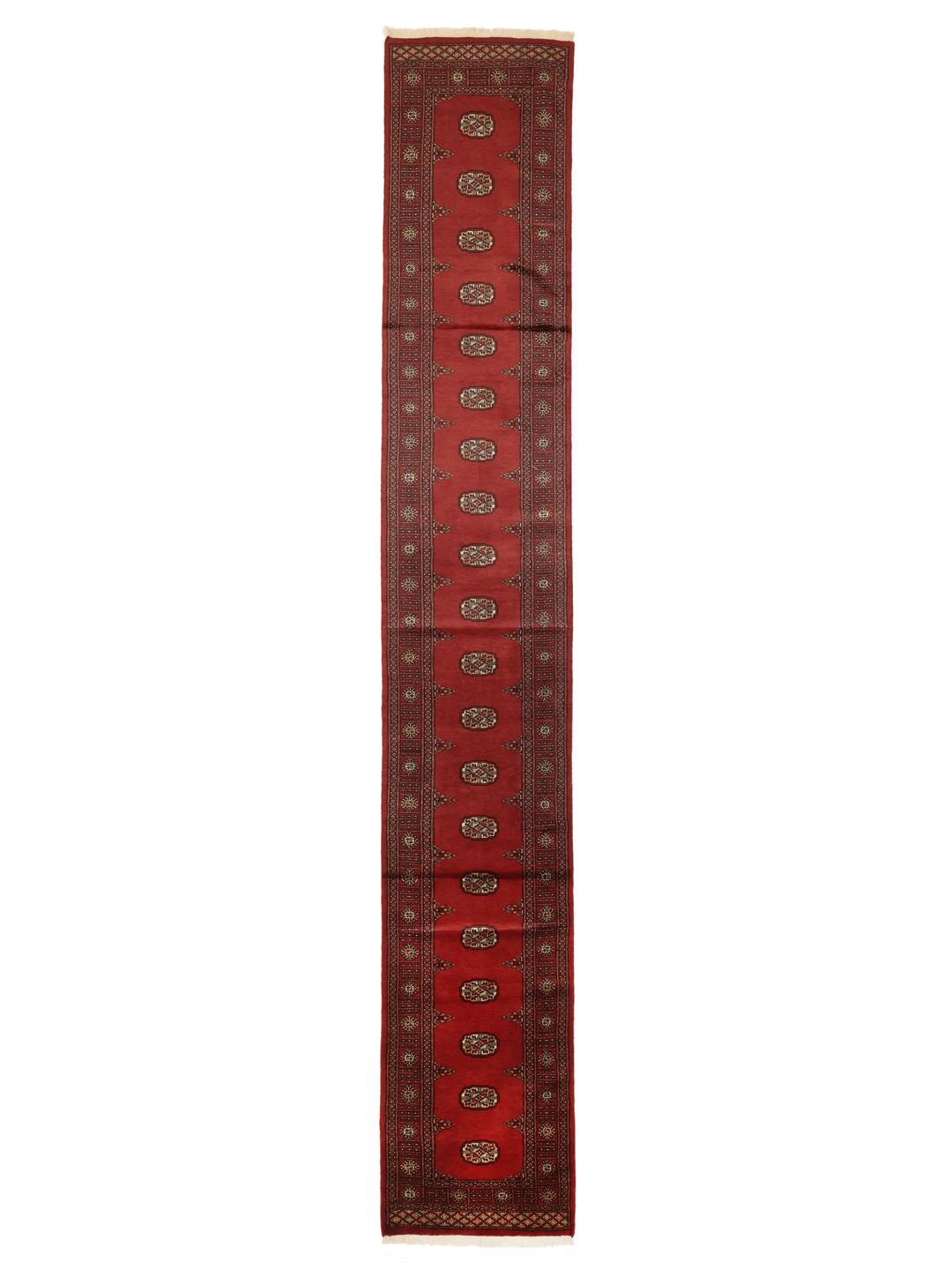
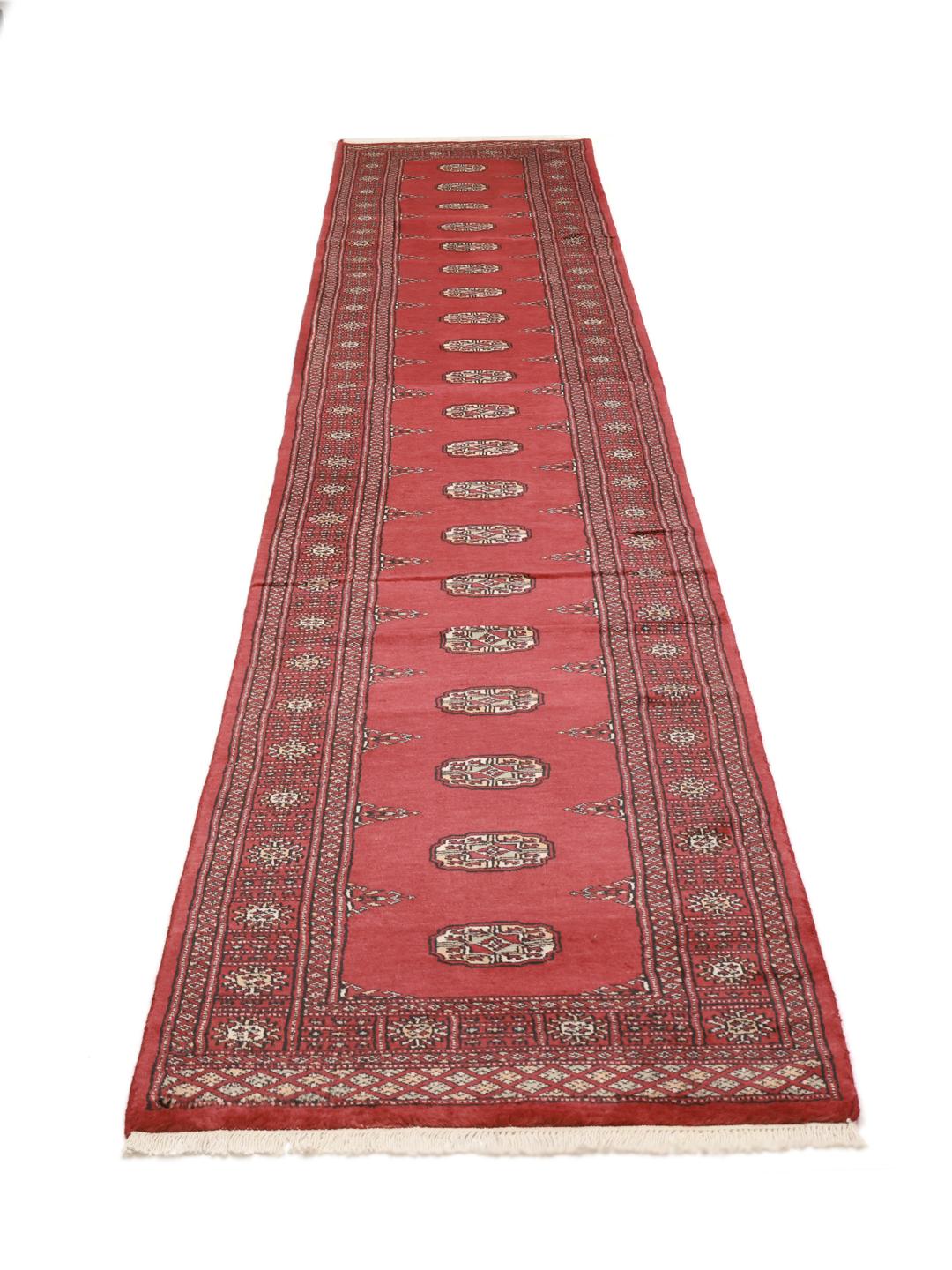
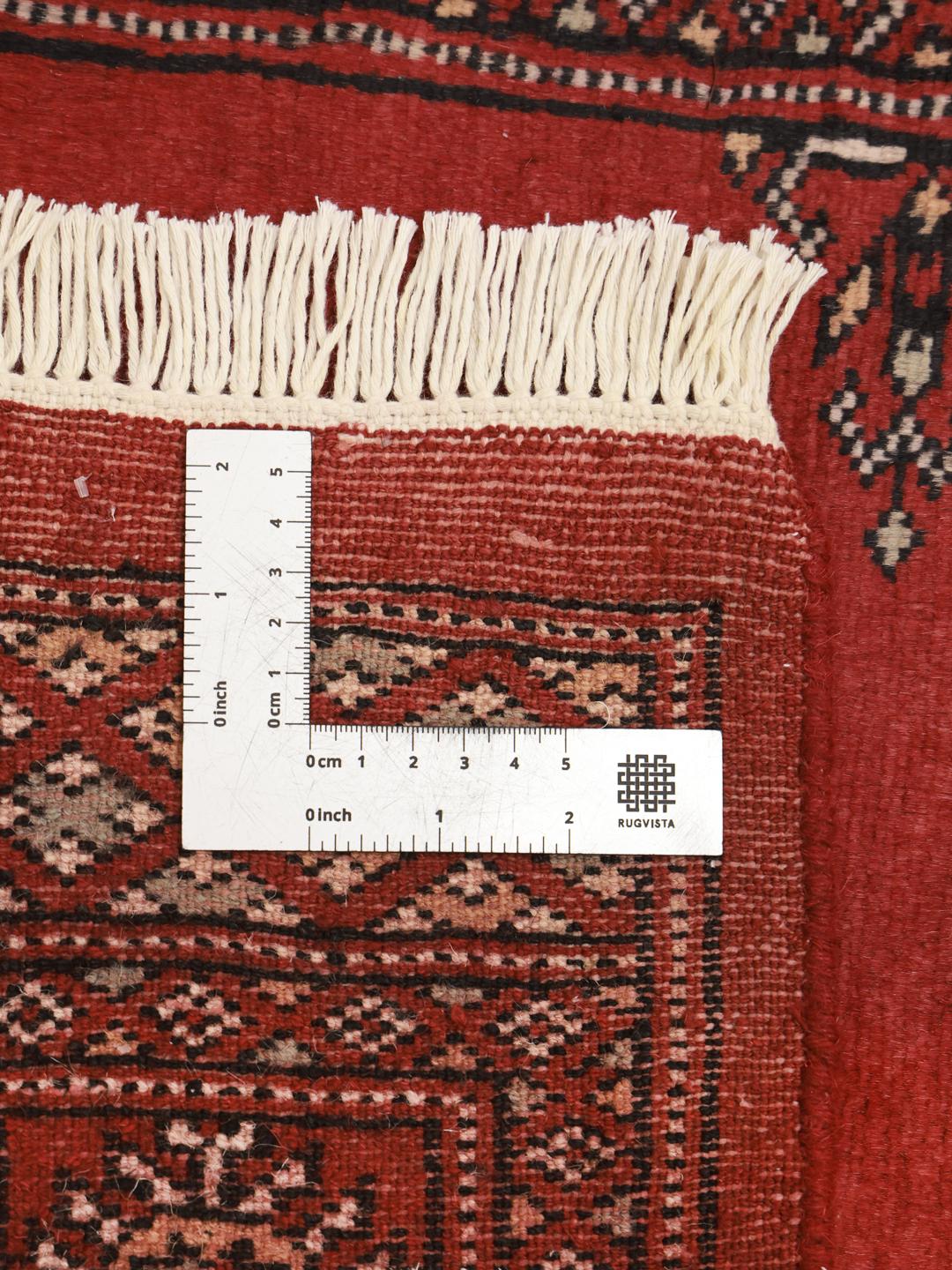
The Bokhara rug tradition takes its name from the ancient Silk Road city of Bukhara, which was historically a major trading hub for textiles and carpets in Central Asia. While the design heritage originated with nomadic tribes in the region, the finest examples of these rugs today are crafted in Pakistan. This migration of technique reflects the long history of artisans moving across borders and preserving their craft through generations.
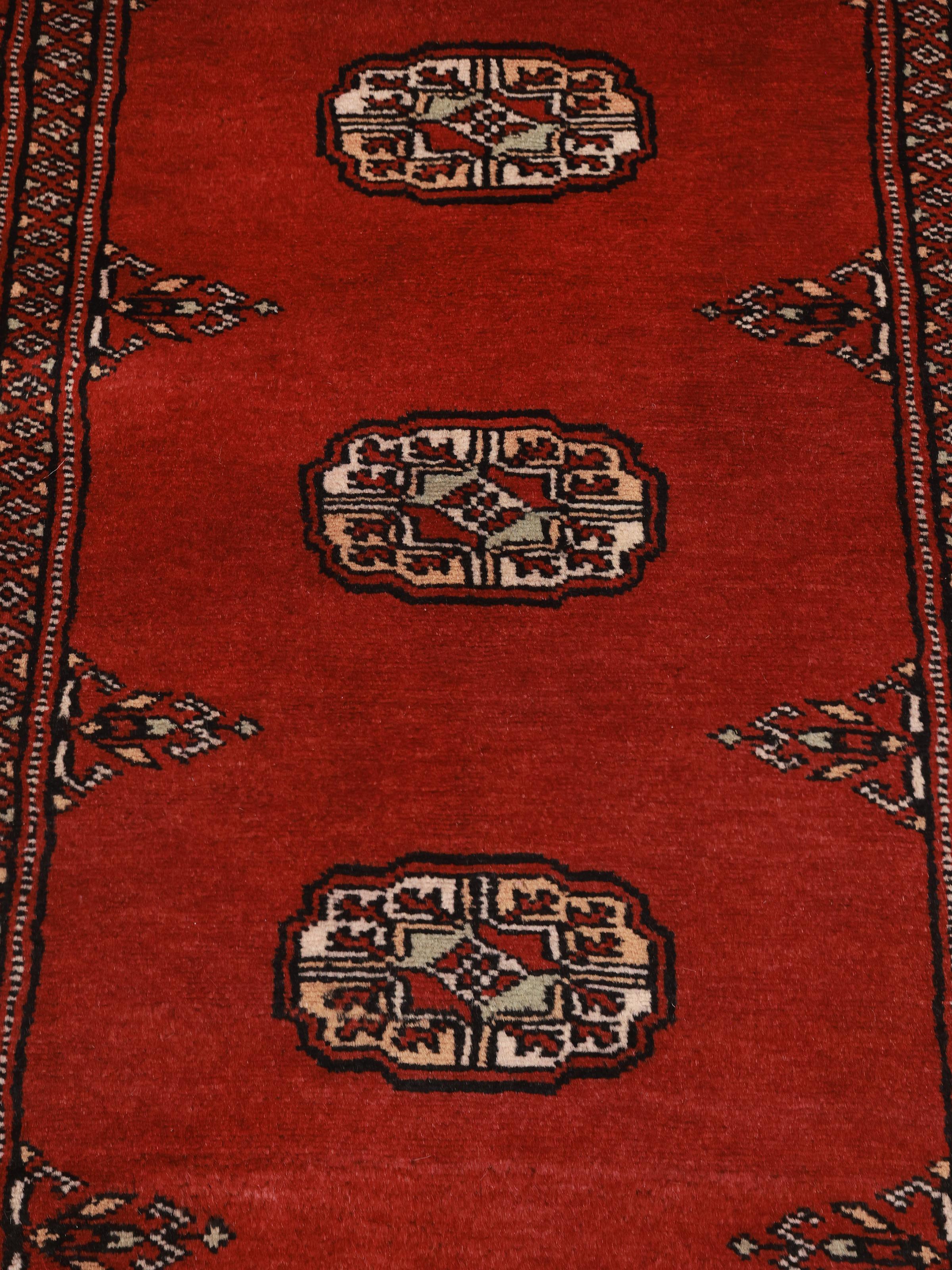
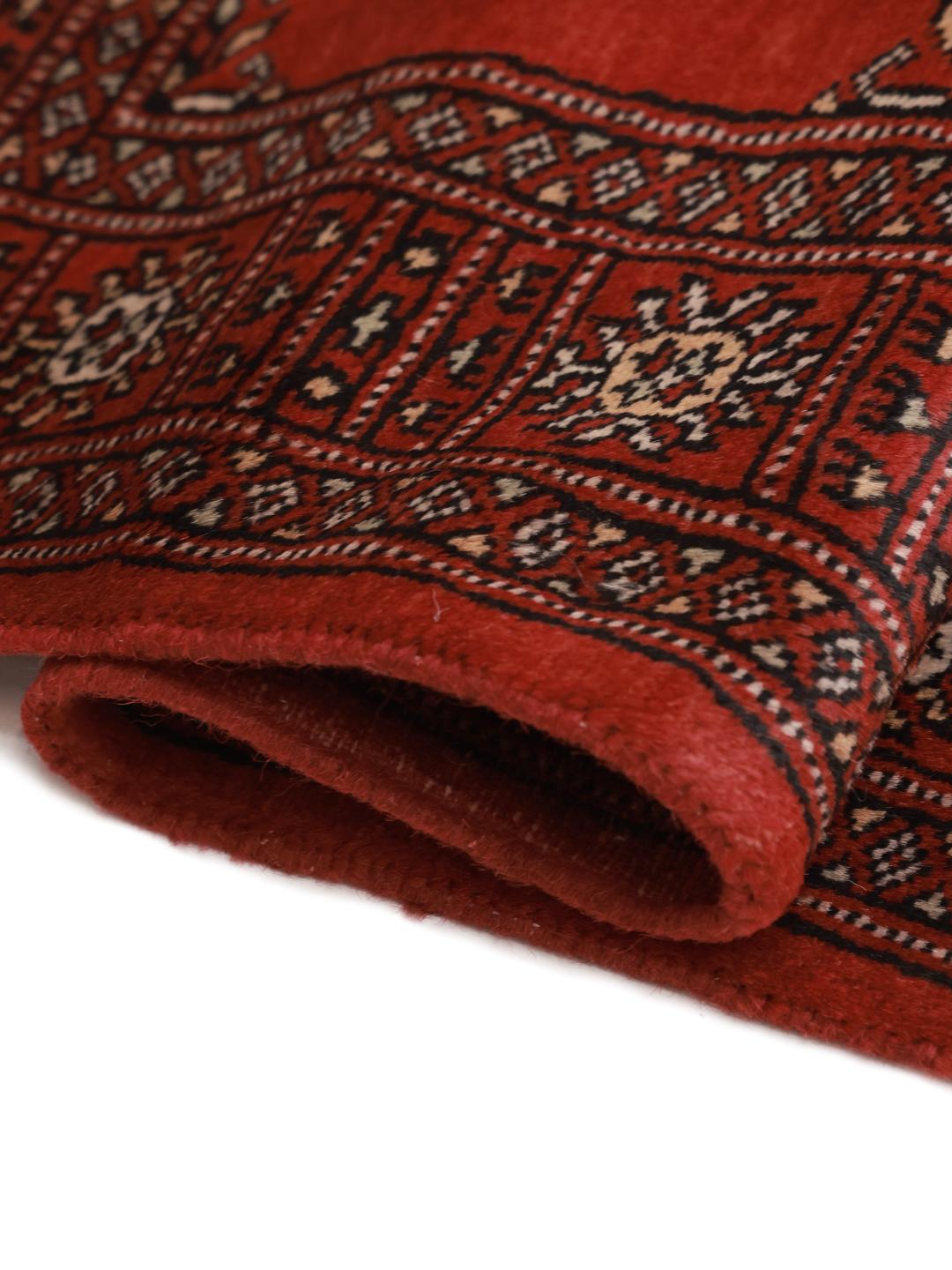
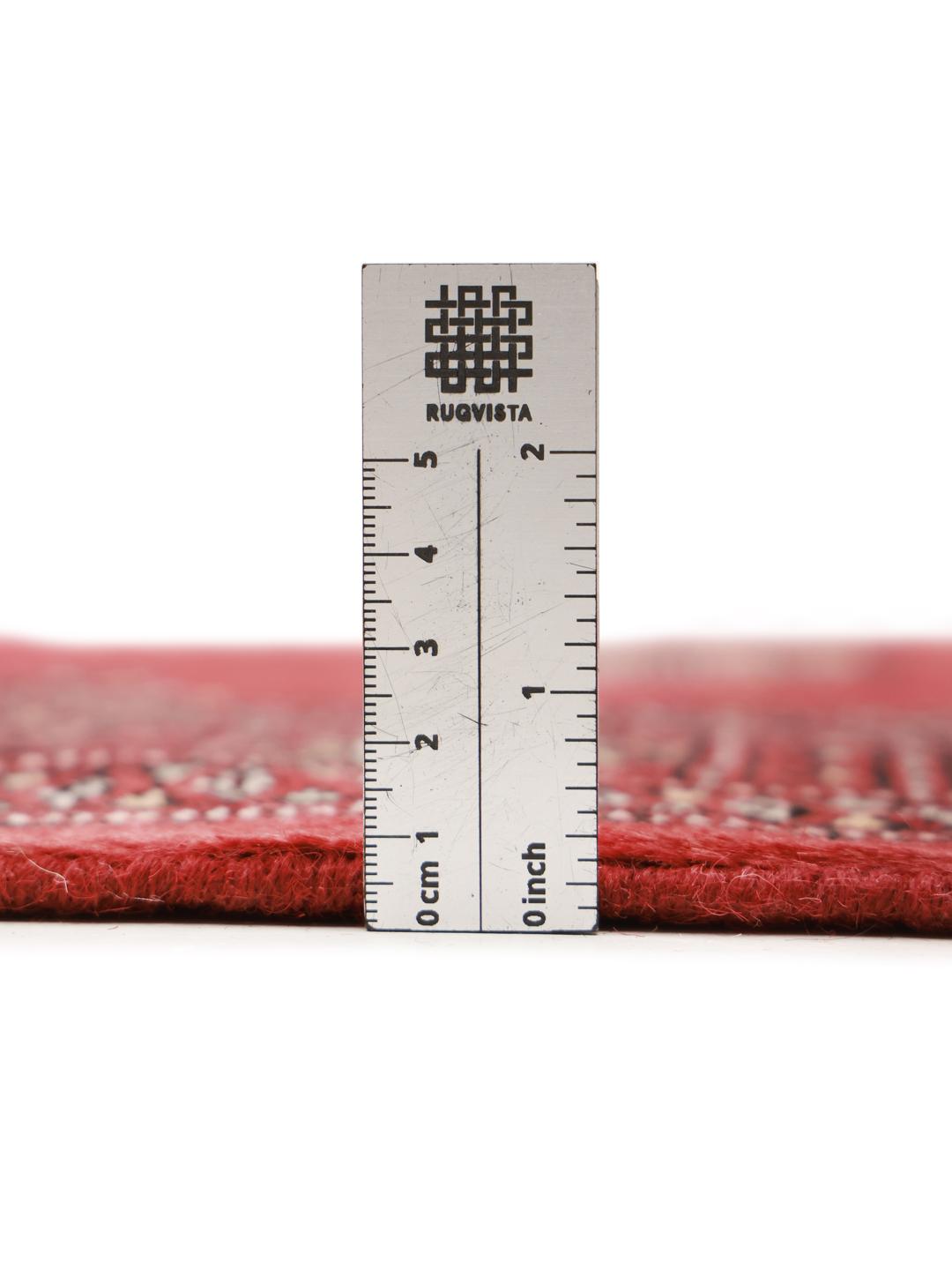
The term 2ply refers to the construction of the Wool pile, where two strands are twisted together before being knotted. This technique is significant because it results in a thicker, more lustrous, and remarkably durable pile compared to single-ply alternatives. For the owner, this means a rug that not only looks more luxurious but also stands up better to the wear and tear of daily life.
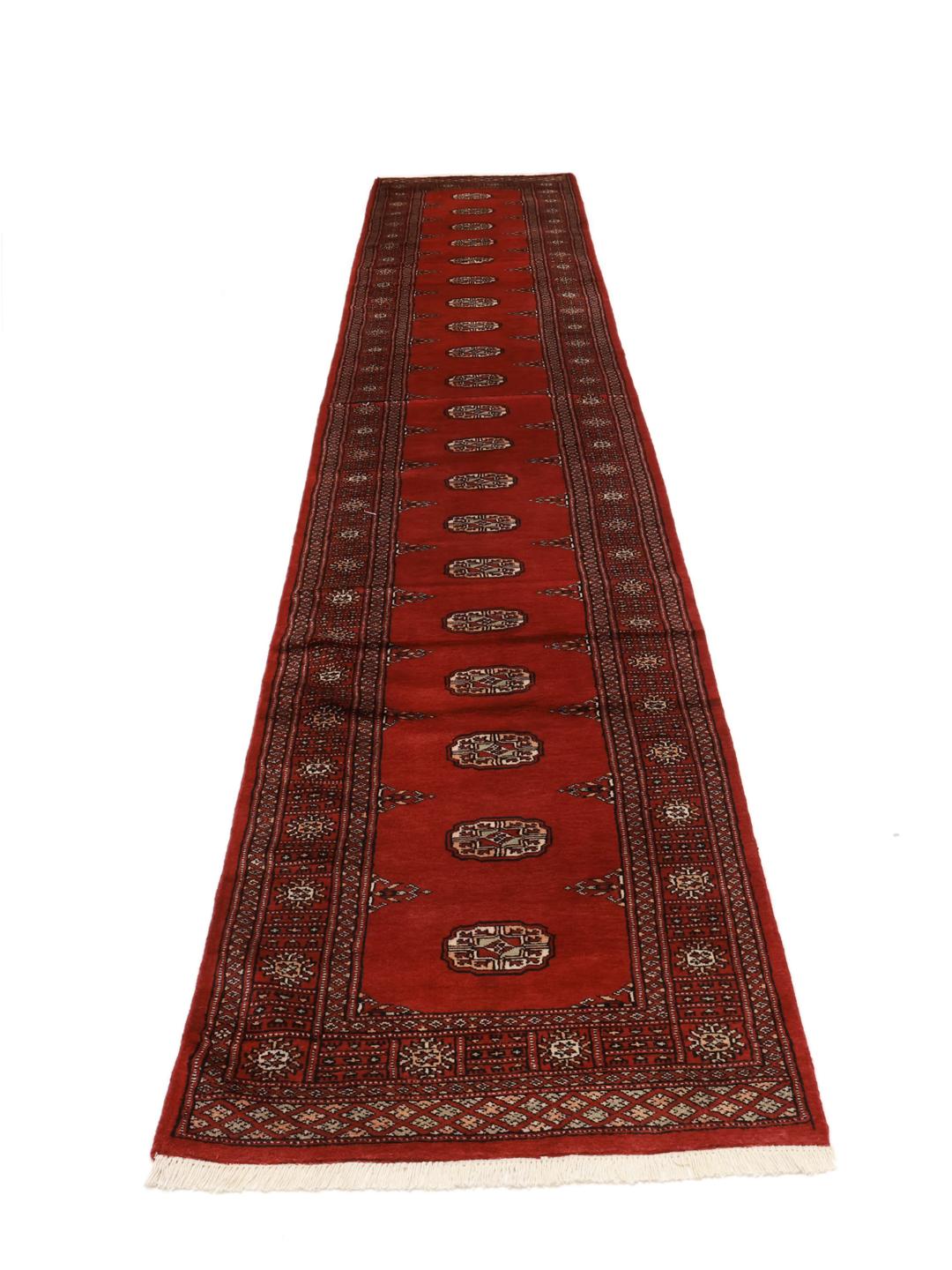
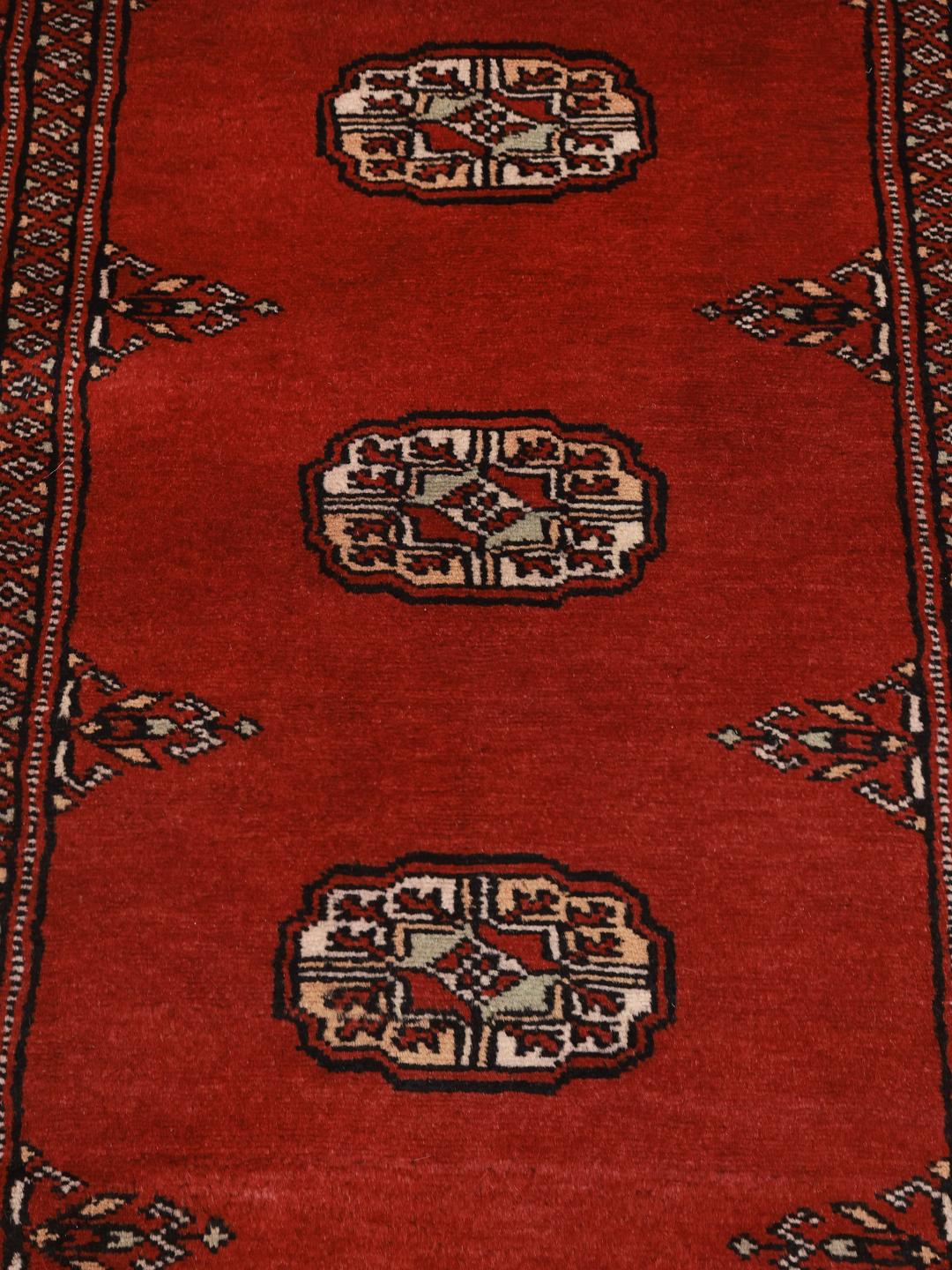
Visually, these rugs are defined by their field of repeating gul motifs, which are stylised, octagonal medallions that often resemble elephant tracks. These motifs are organised in precise, rhythmic rows, creating a sense of balance and flow. The field is typically framed by multiple complex borders, showcasing the incredible eye for detail that these weavers possess.
Owning a piece from this tradition is an act of supporting a legacy of fine craftsmanship. These rugs are highly valued by collectors for their consistency, their rich colour palettes, and the human effort required to create such precise geometry. By bringing one into your home, you are connecting to a centuries-old dialogue between art and utility, ensuring that this tradition continues to thrive in modern spaces.