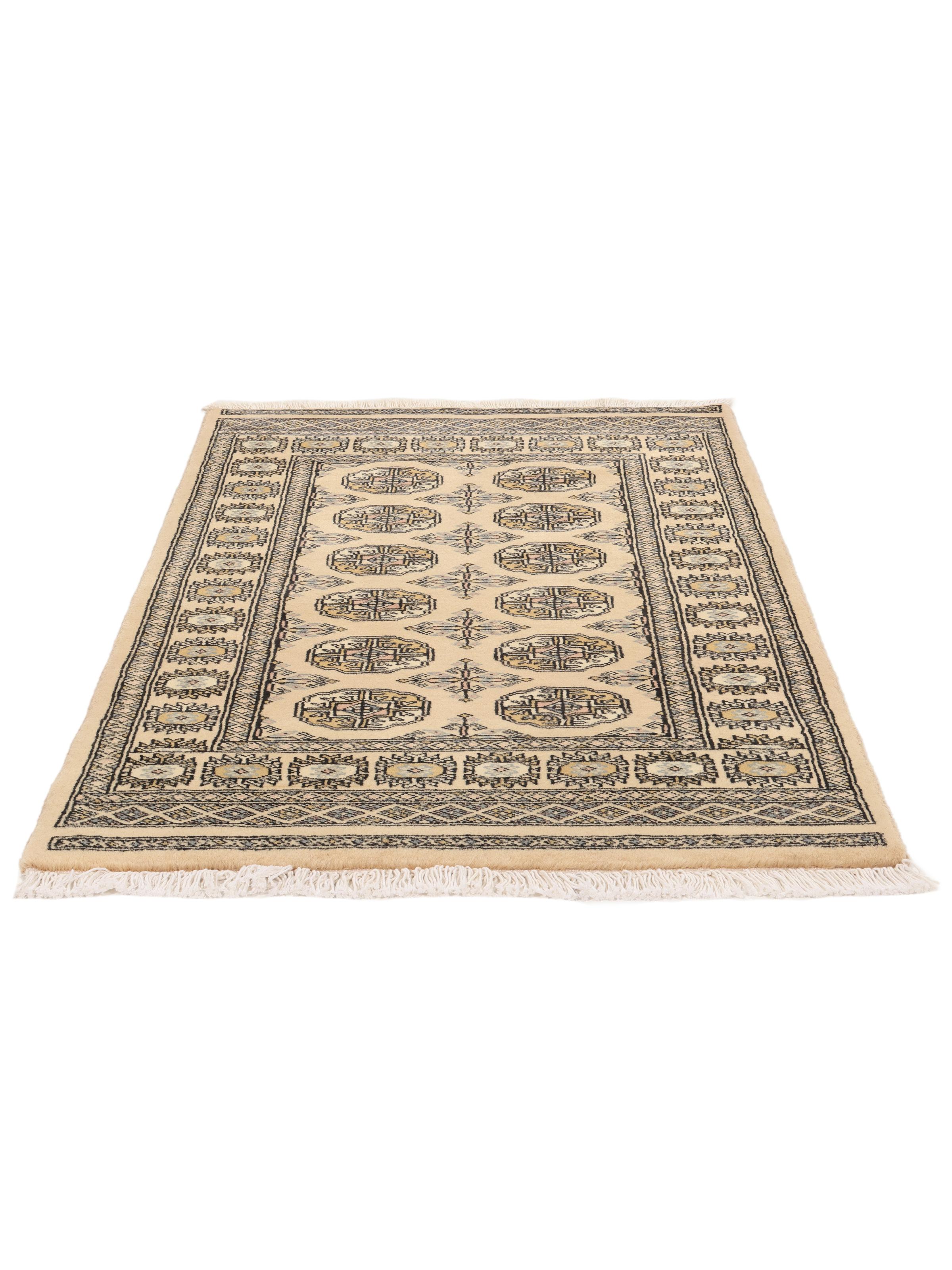
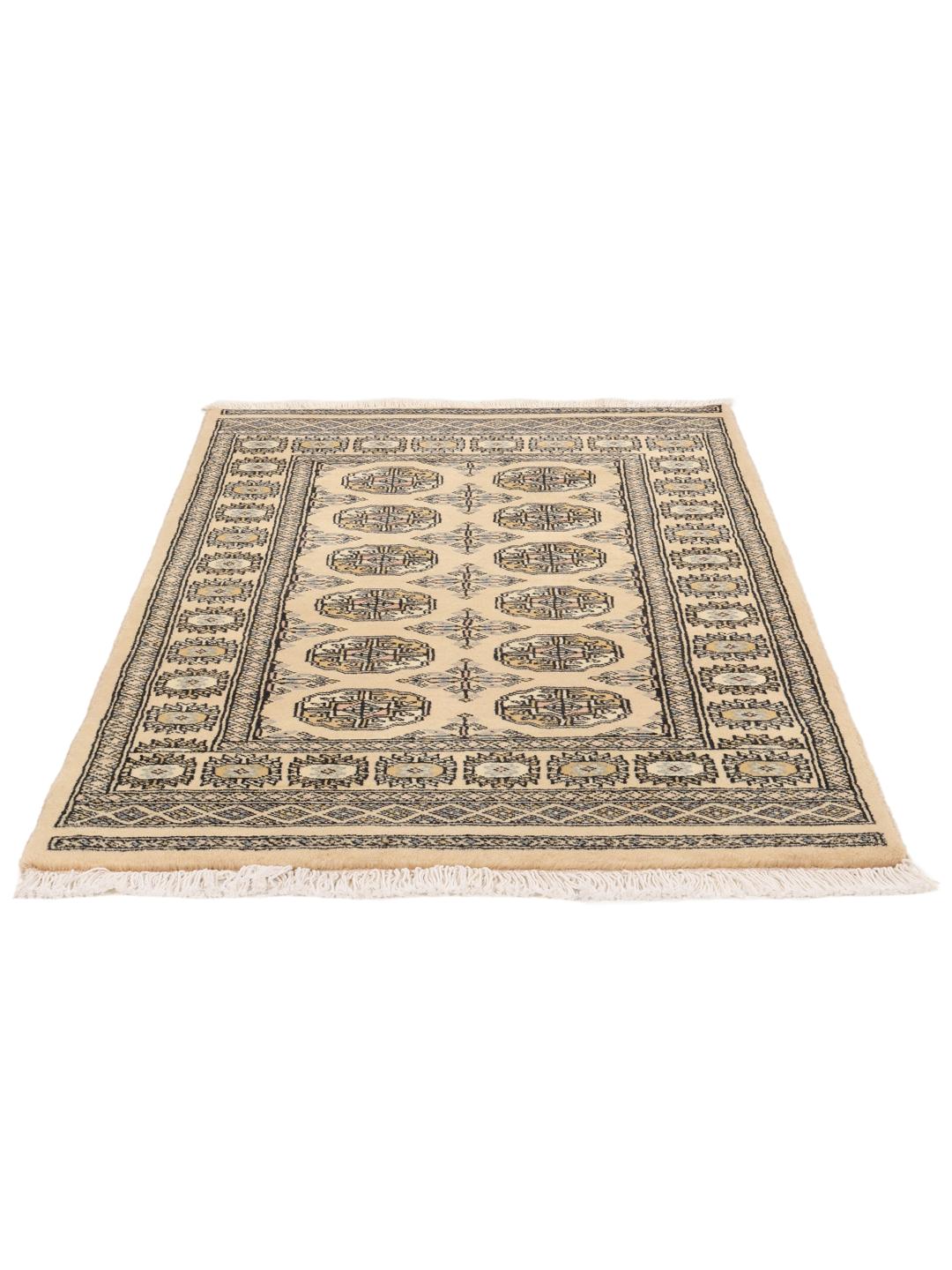
The Bokhara rug tradition is deeply rooted in the history of Central Asian weaving. While the name originates from the ancient Silk Road city of Bukhara, which served as a historic hub for trade and textile exchange, the finest contemporary examples are predominantly woven in Pakistan. This evolution reflects the migration of master weavers who carried their techniques across borders, refining them over generations to create the high-quality pieces we see today.
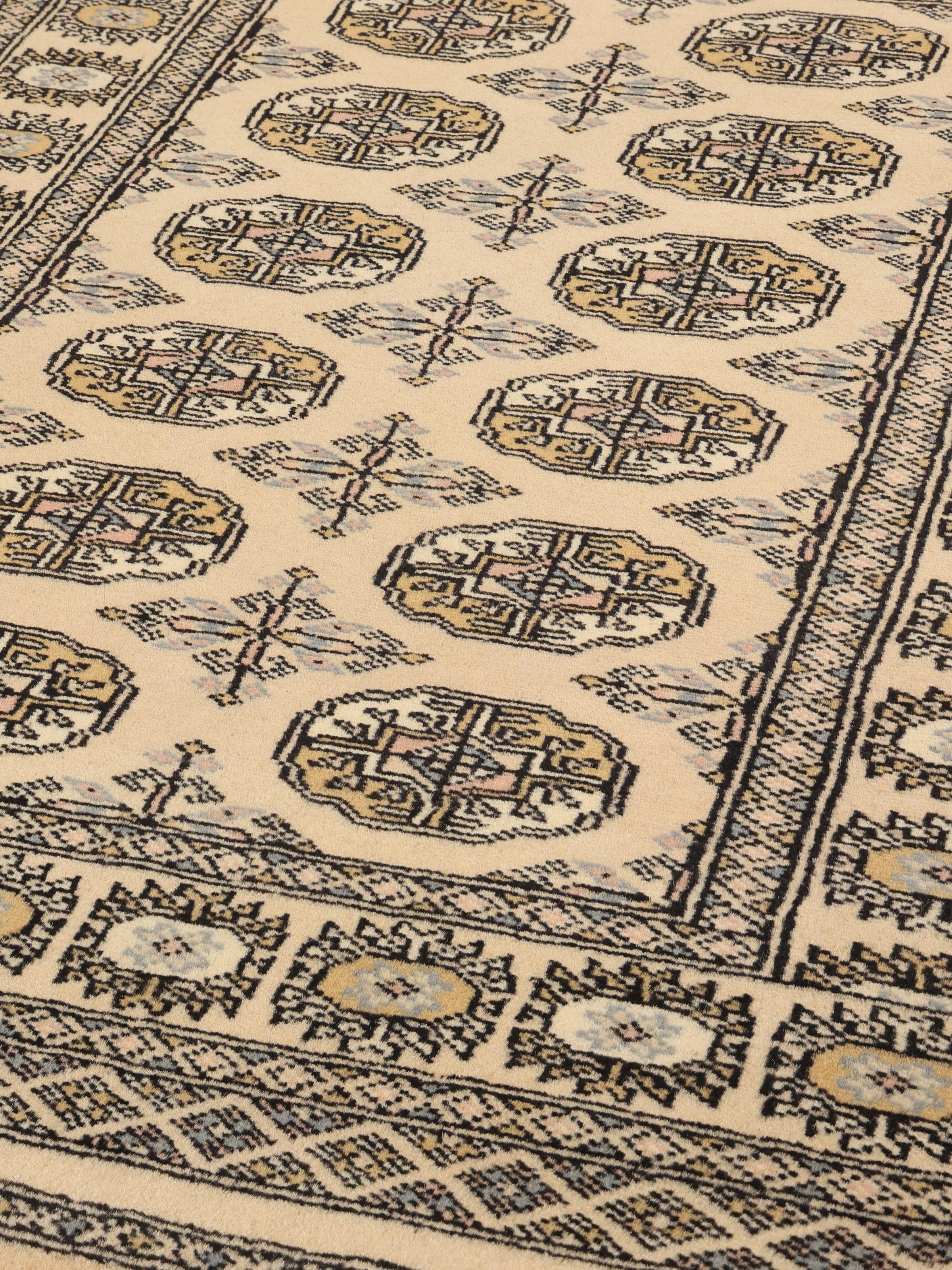
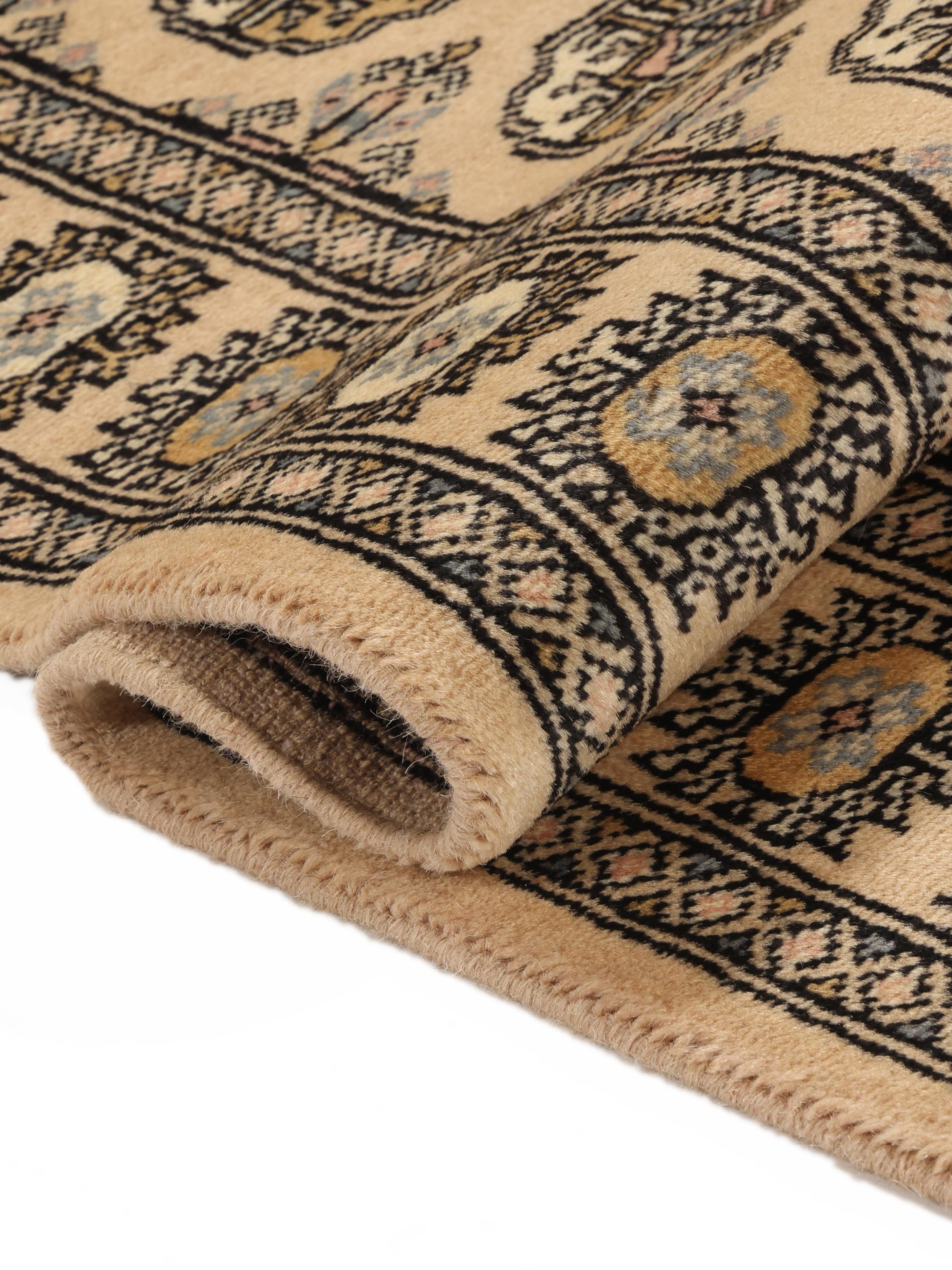
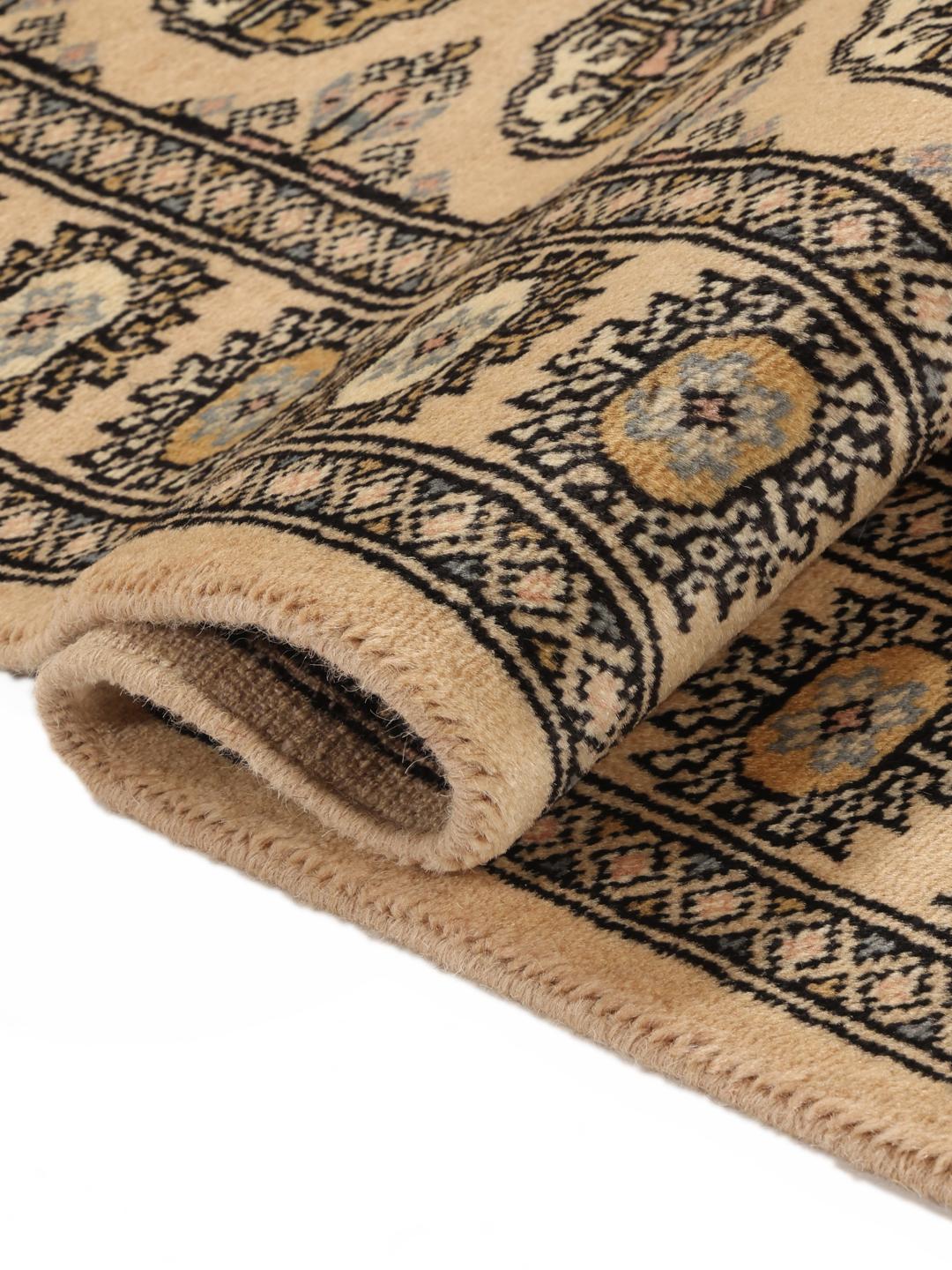
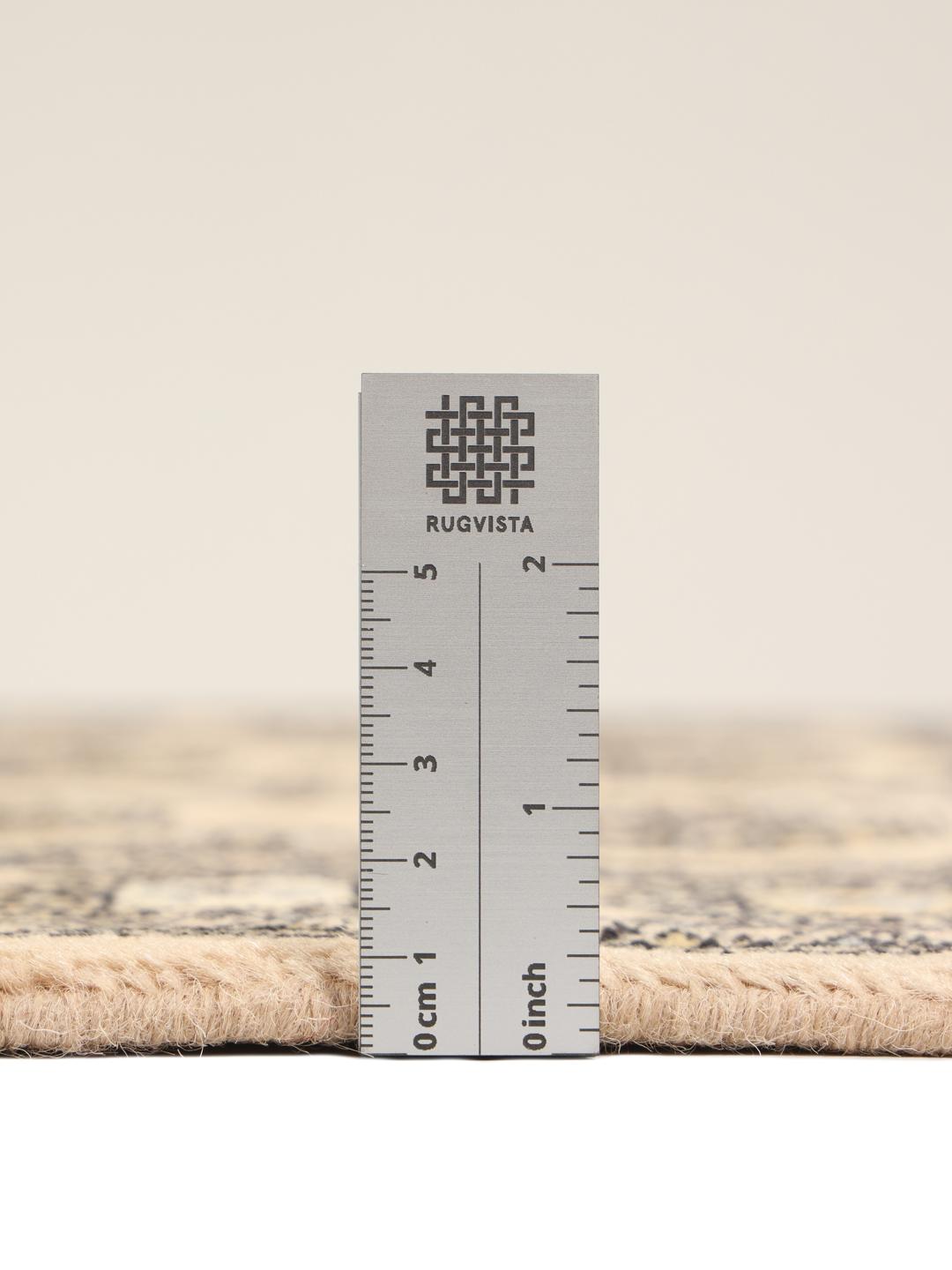
The term 2ply refers to the construction of the wool pile, where two individual strands are twisted together before being knotted into the foundation. This technique is significant because it produces a pile that is not only denser and more resilient but also possesses a distinct, rich lustre. It is a technical choice that prioritises both structural integrity and a refined, inviting texture.
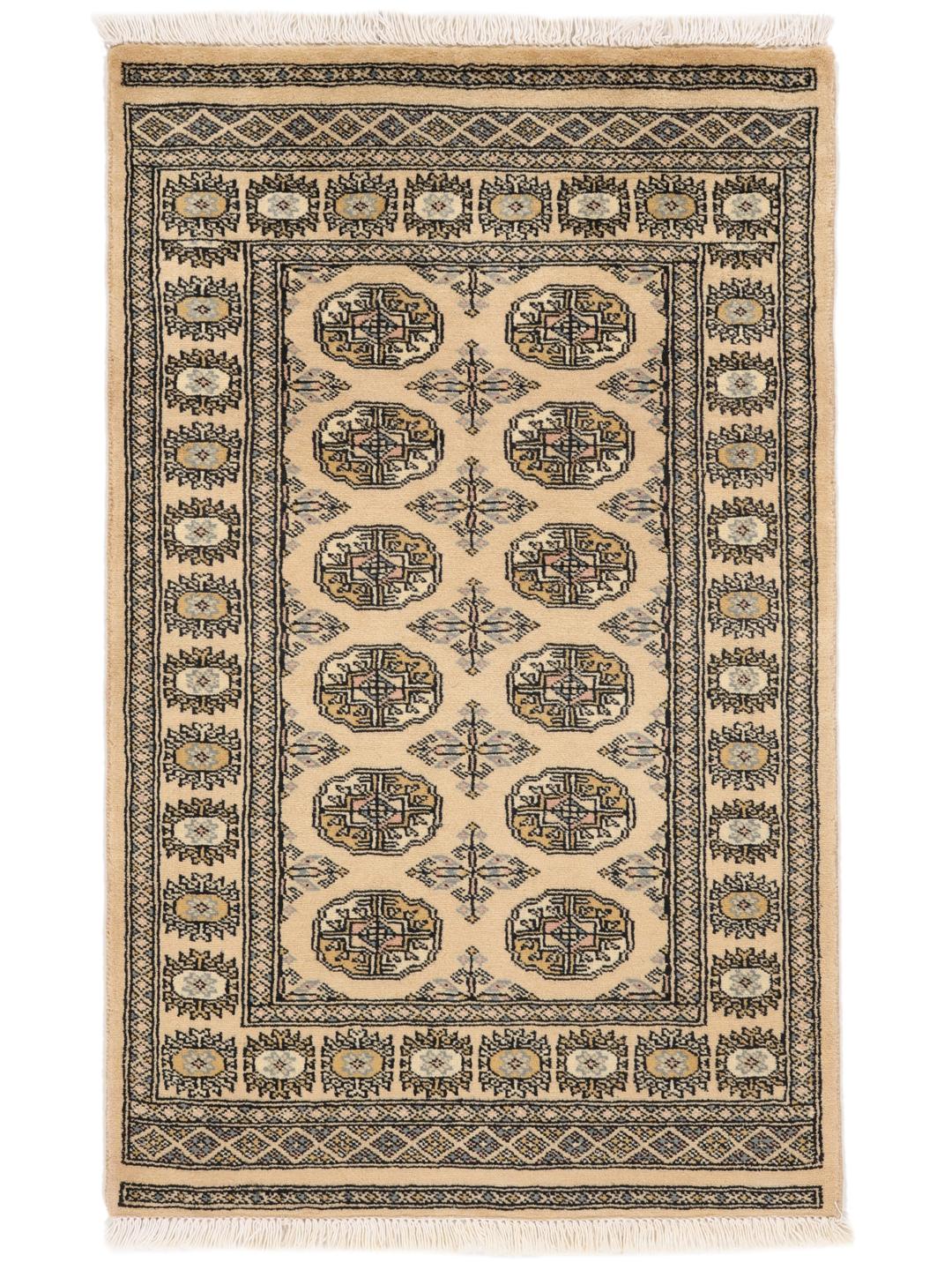
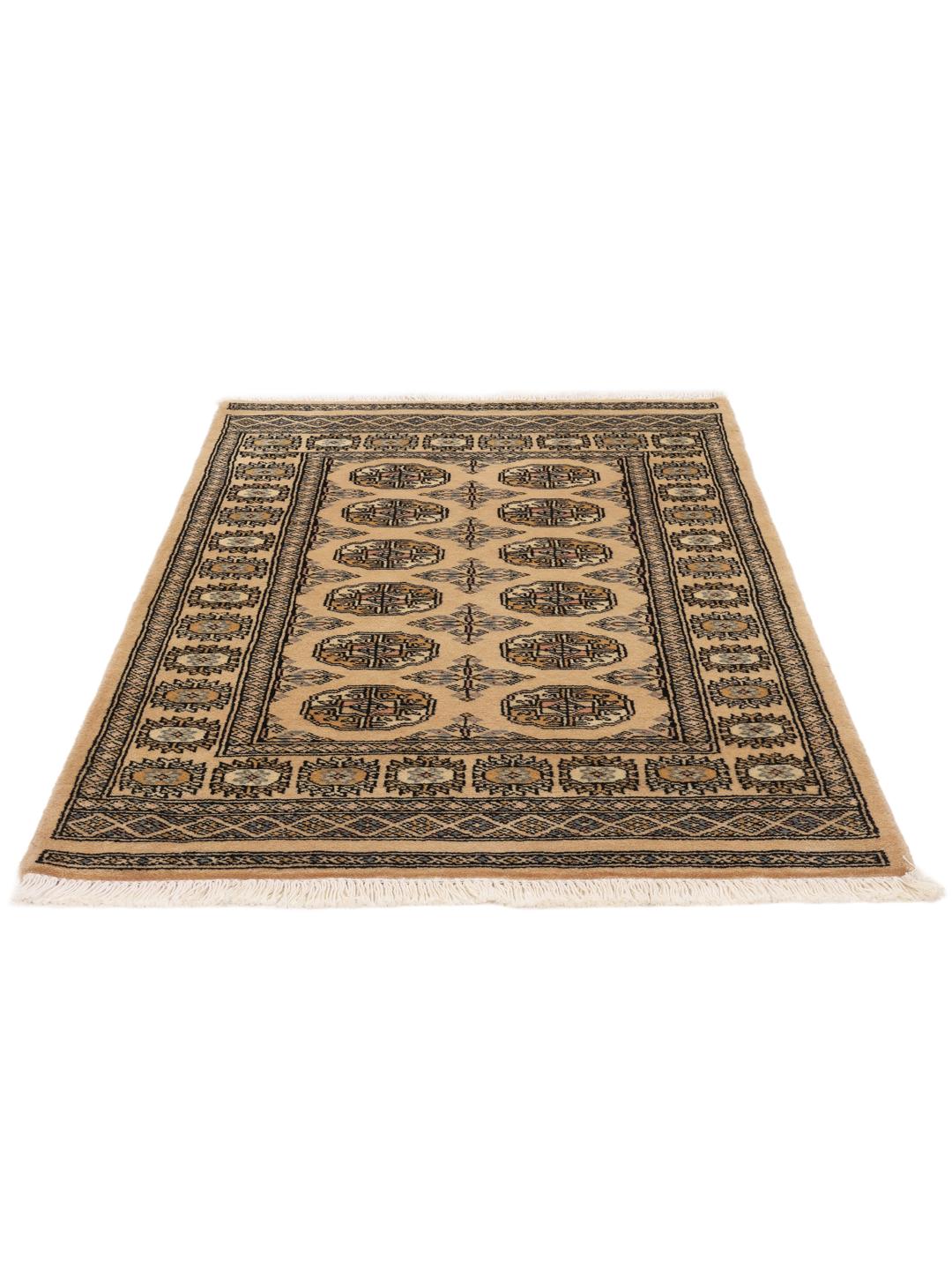
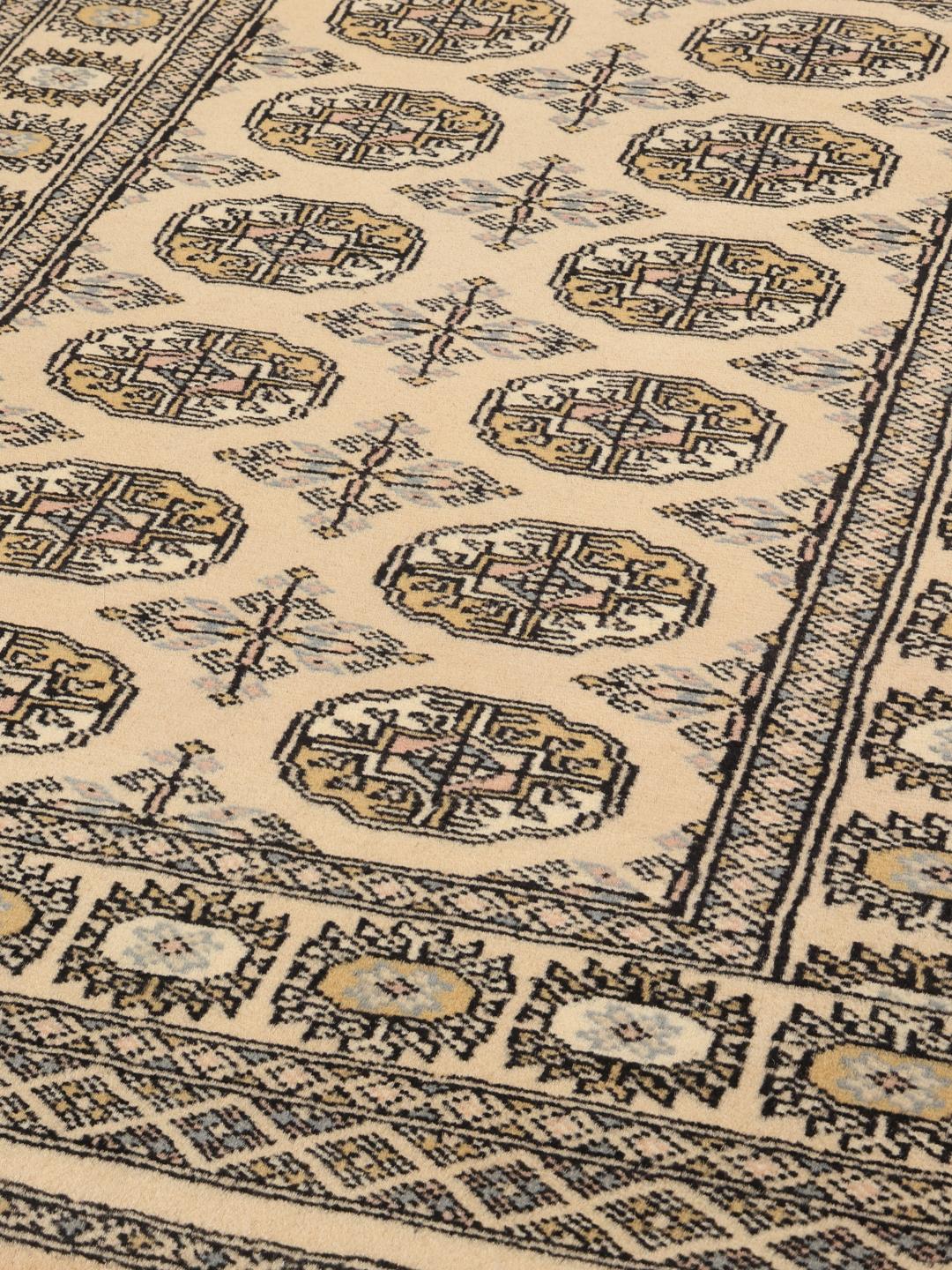
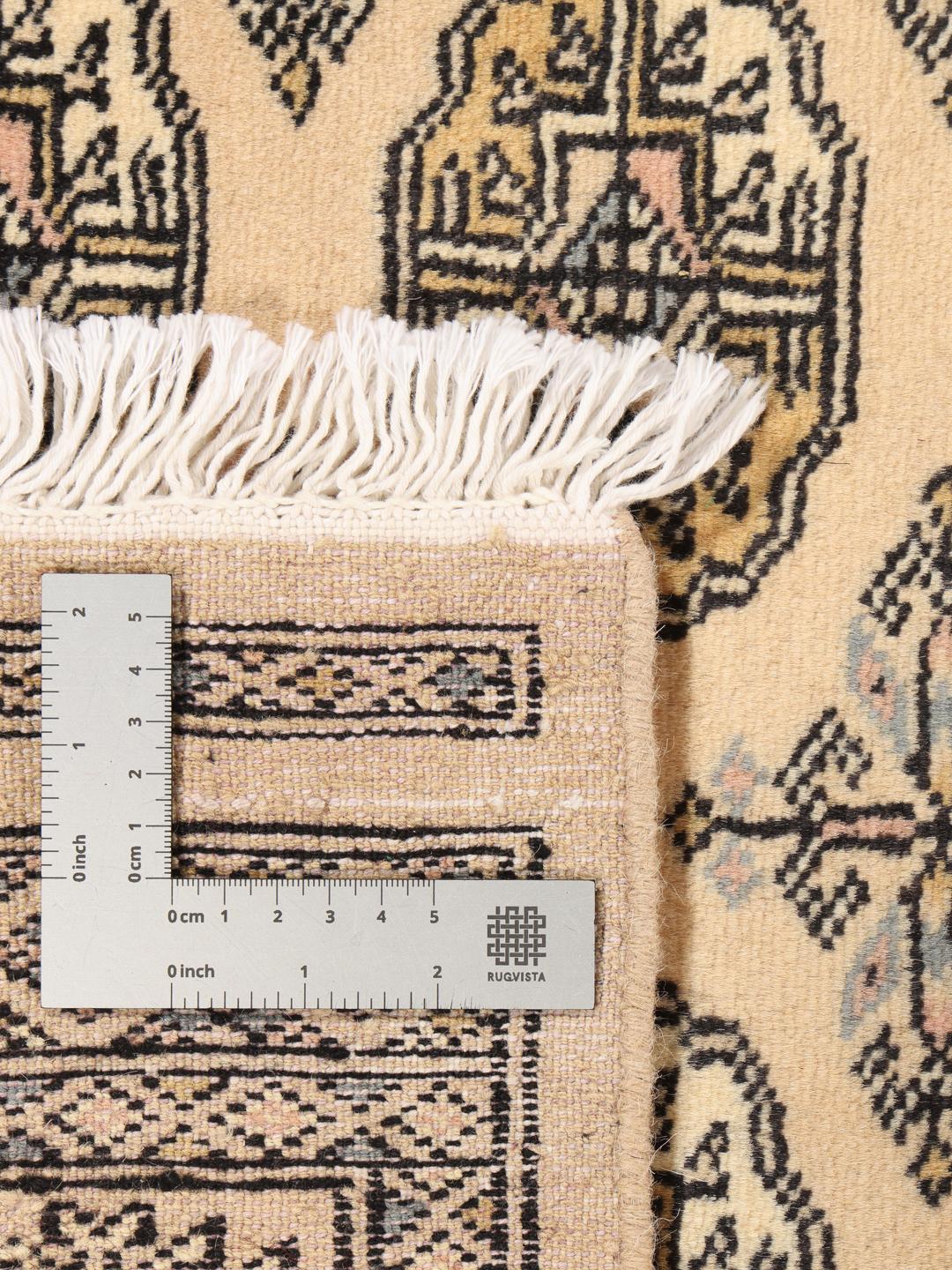
Bokhara rugs are instantly recognisable by their signature field, which is typically filled with repeating gul motifs. These stylised, elephant-foot-shaped medallions are arranged in orderly rows and enclosed by intricate, multi-layered borders. This specific piece features these traditional geometric elements, showcasing a harmony of form and symmetry that has defined the style for centuries.
Owning a rug from this tradition is about more than just decor; it is an investment in a storied craft. These rugs are highly valued by collectors for their consistency, skill, and cultural weight. By bringing such a piece into your home, you are honouring a long-standing heritage of textile artistry that values slow, deliberate work over mass production.