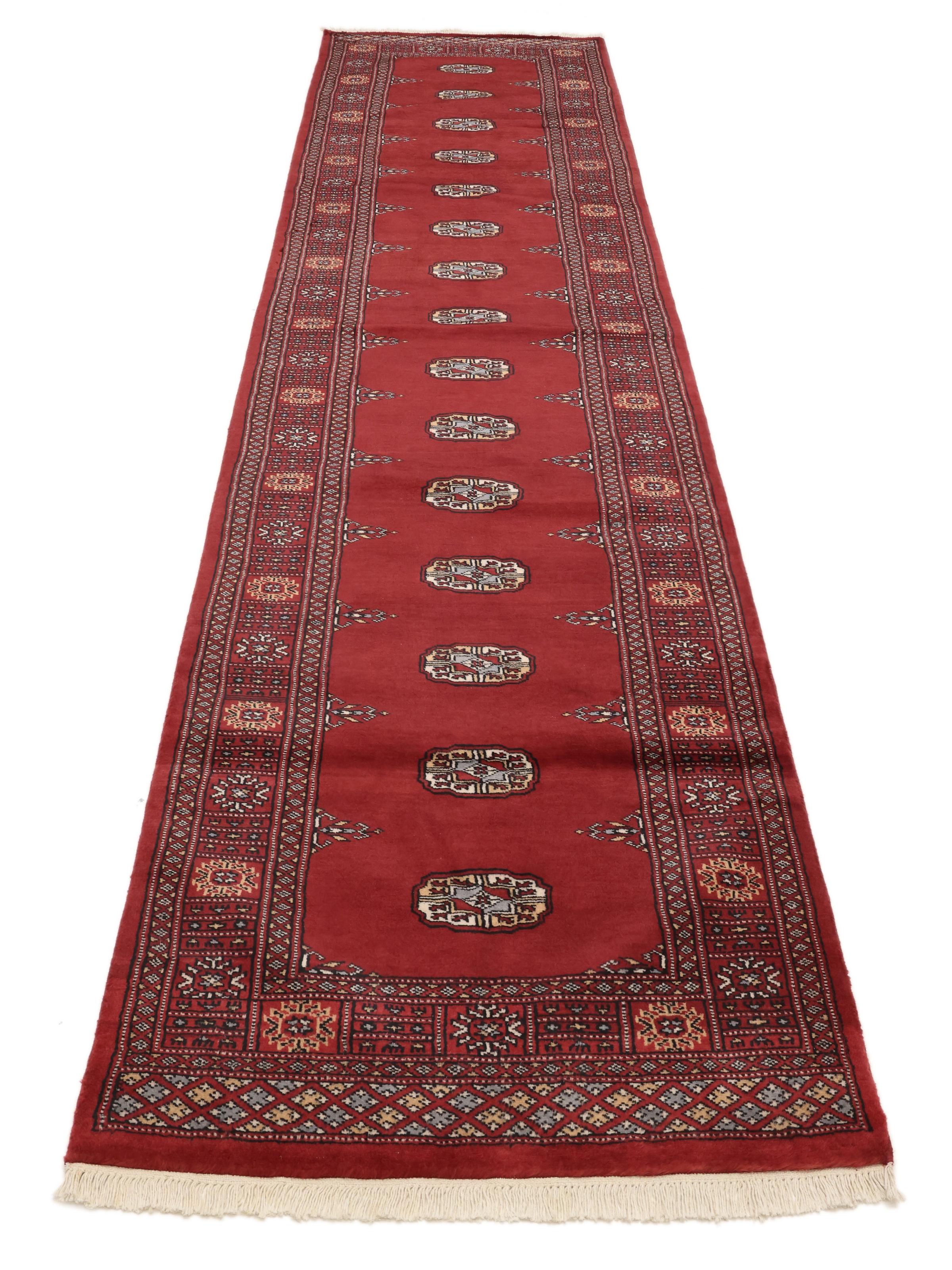
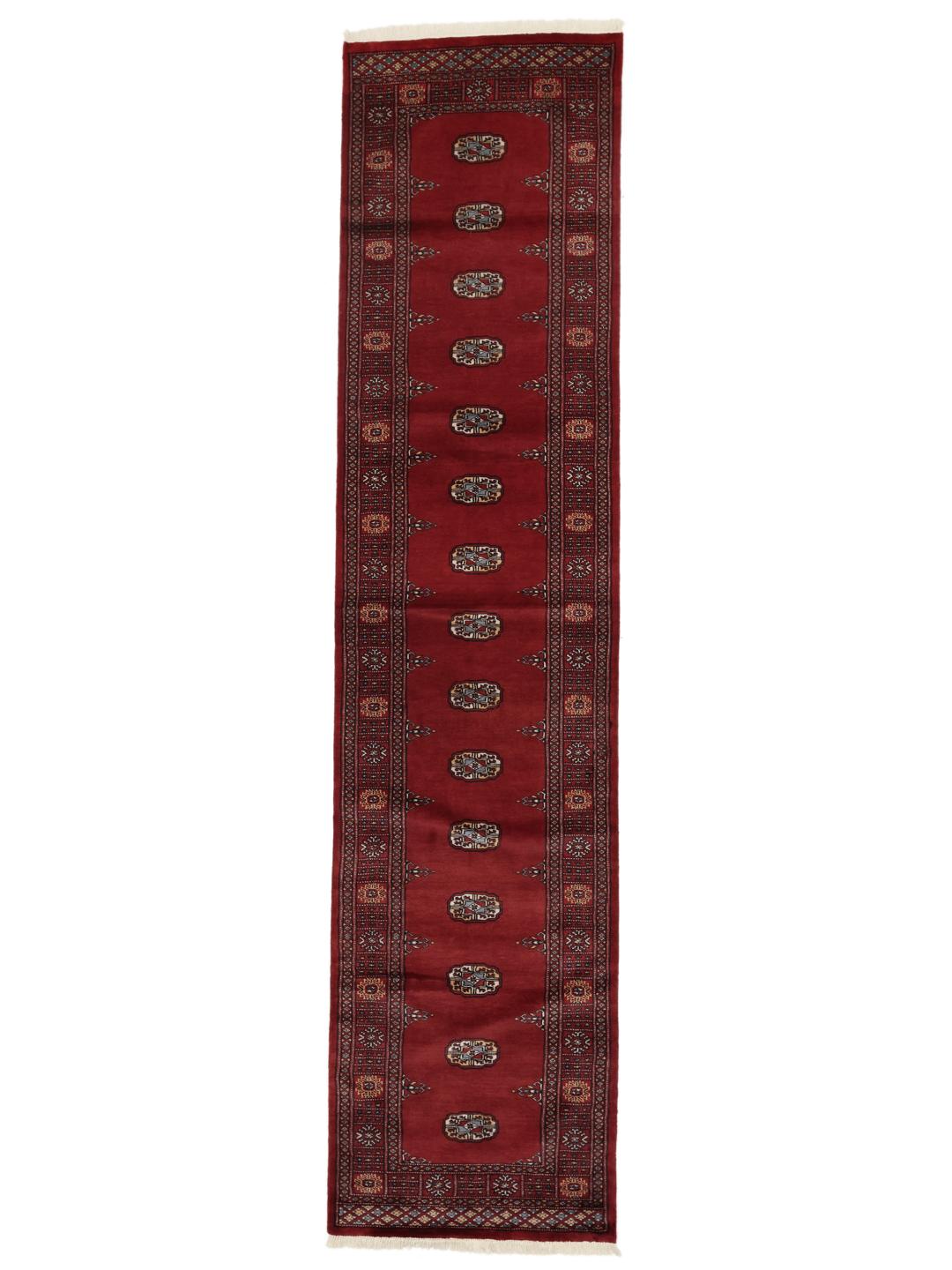
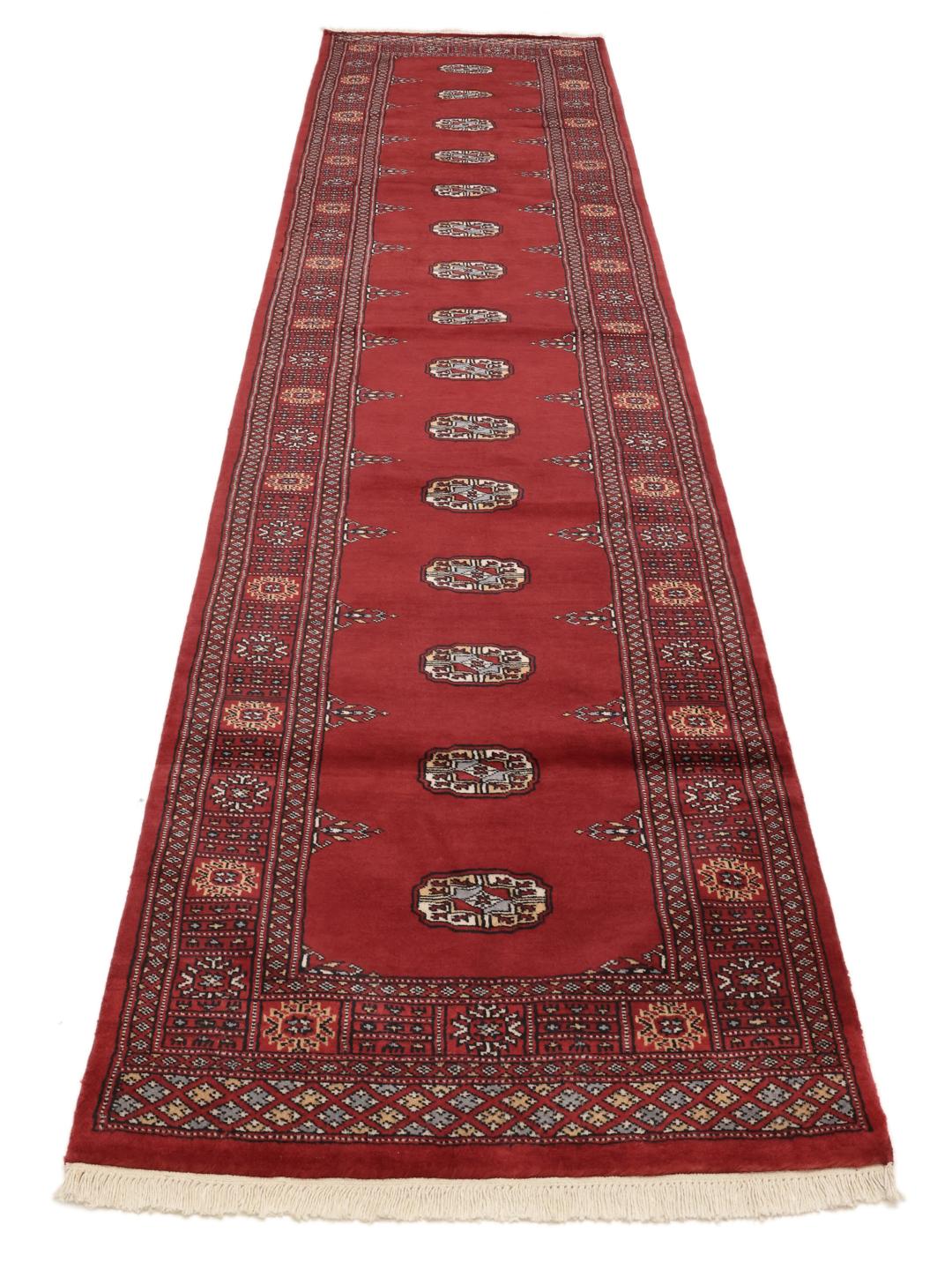
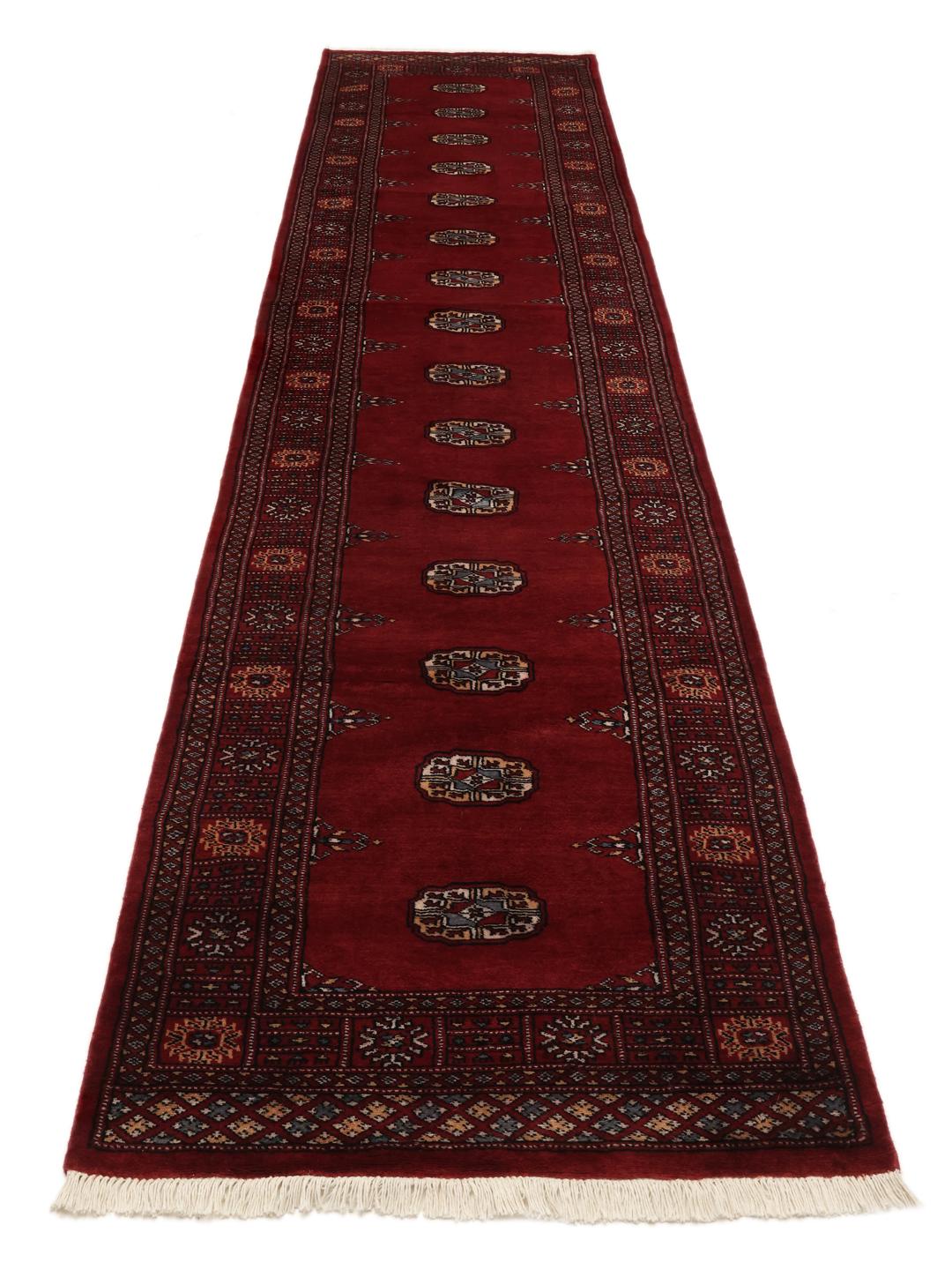
The Bokhara tradition carries the legacy of the ancient Silk Road, taking its name from the historic city of Bukhara in Central Asia. While the patterns trace their origins to nomadic tribes of the region, the finest contemporary examples are woven in Pakistan, where the craft has been refined into a distinct, high-quality tradition.
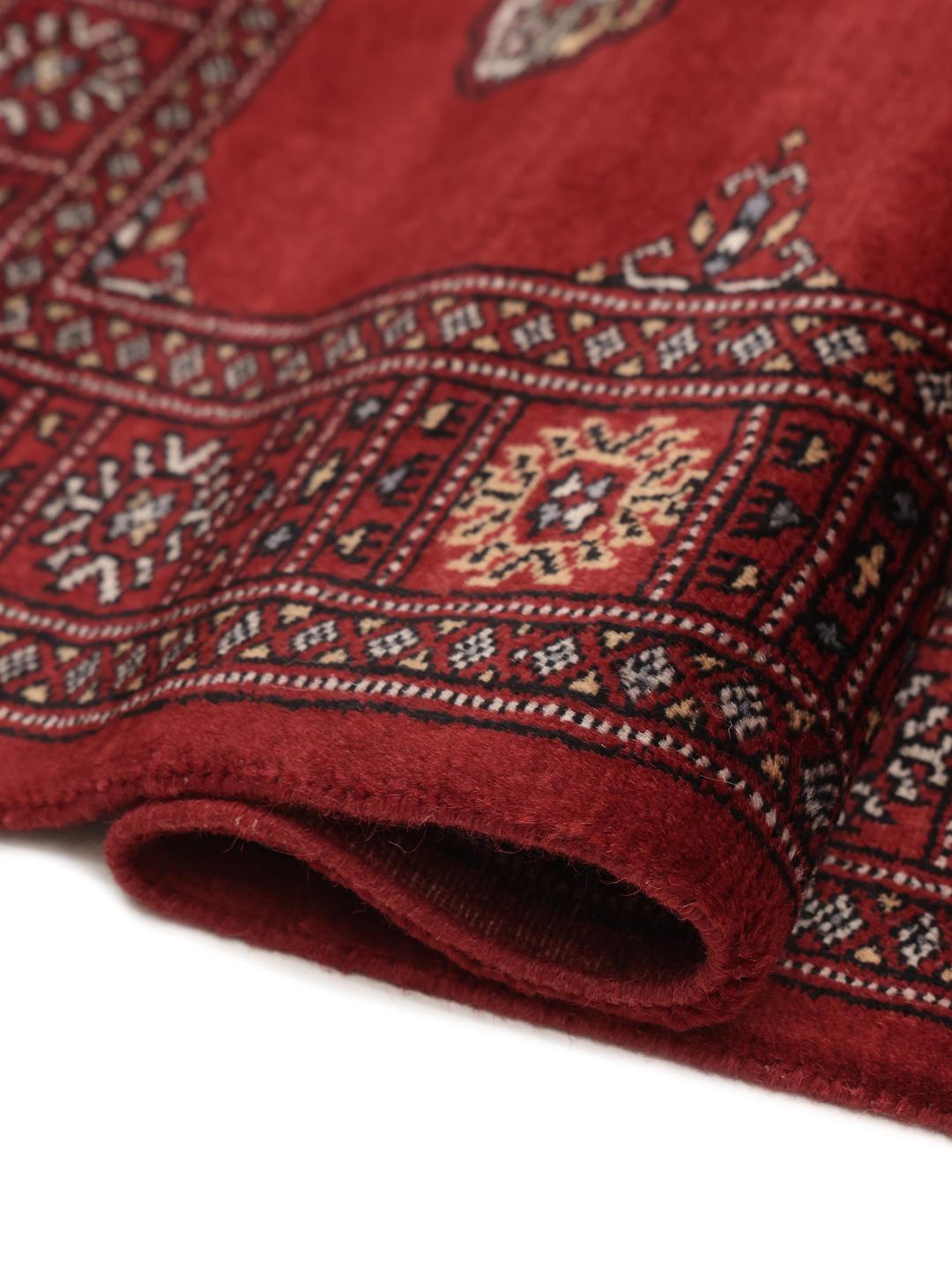
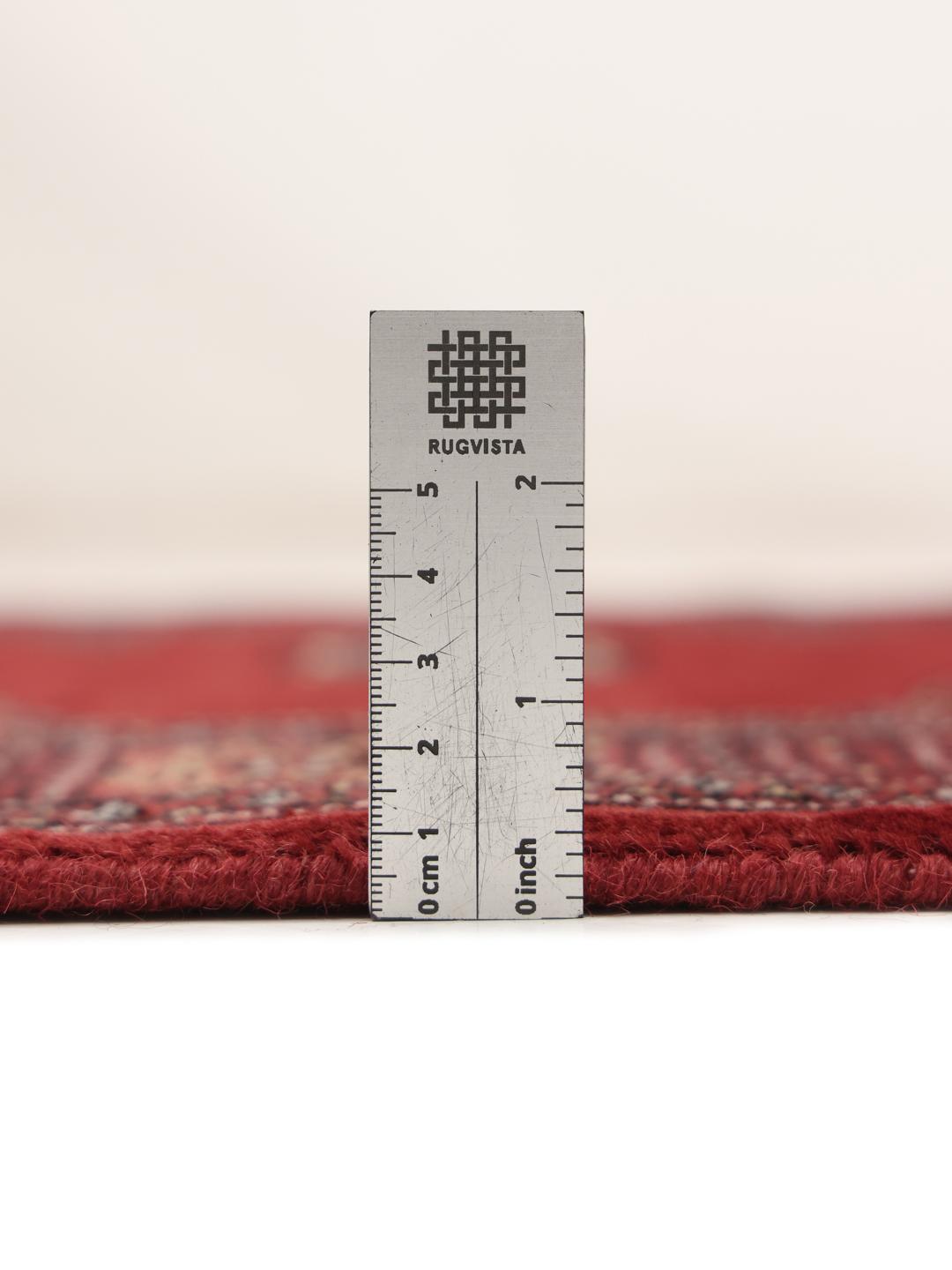
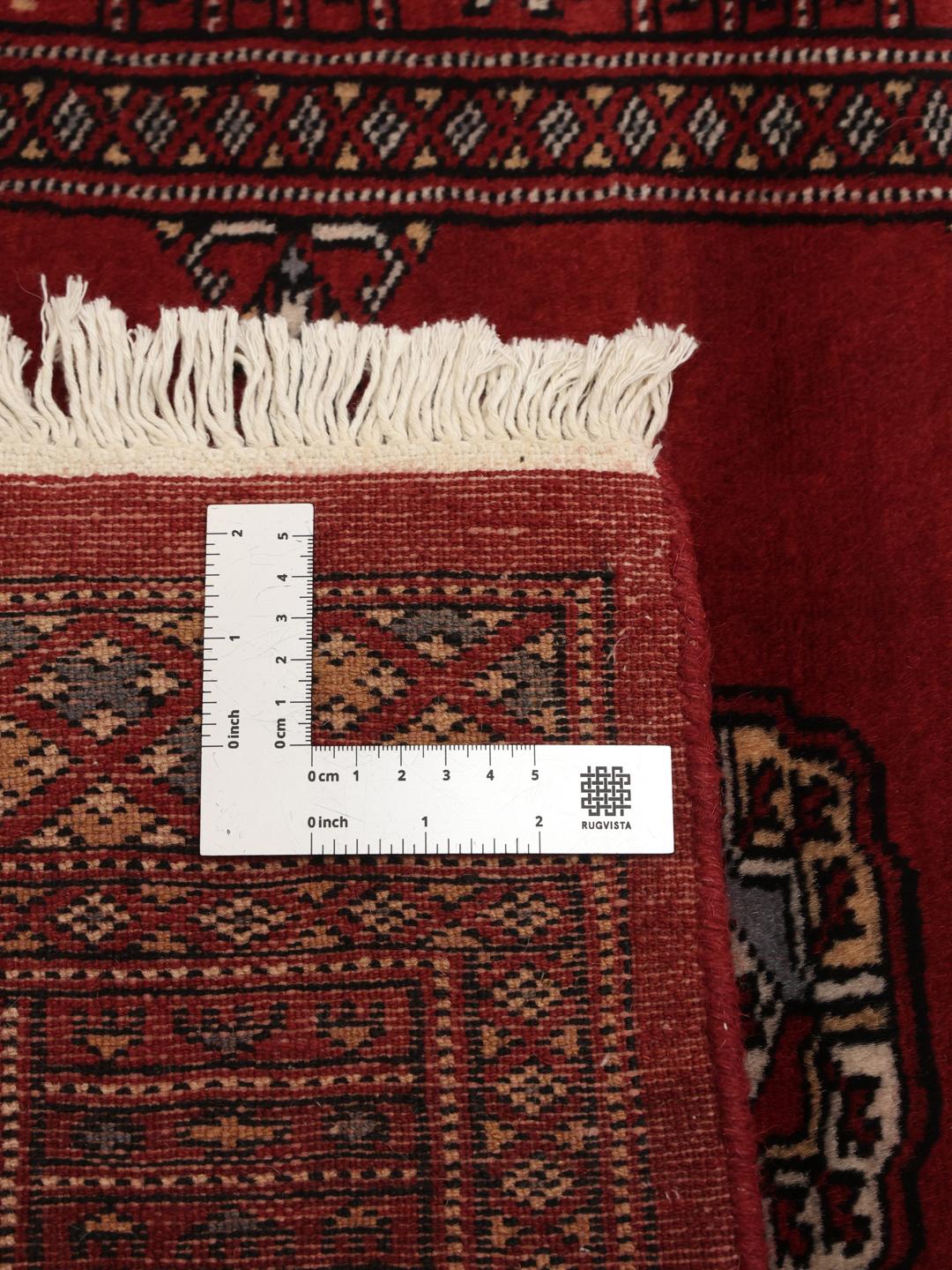
The term 2ply refers to the construction of the wool pile, where two strands of wool are twisted together before being knotted. This technique is significant because it creates a pile that is denser, more lustrous, and significantly more durable than single-ply construction, ensuring the rug can withstand high-traffic areas while retaining its vibrant appearance.
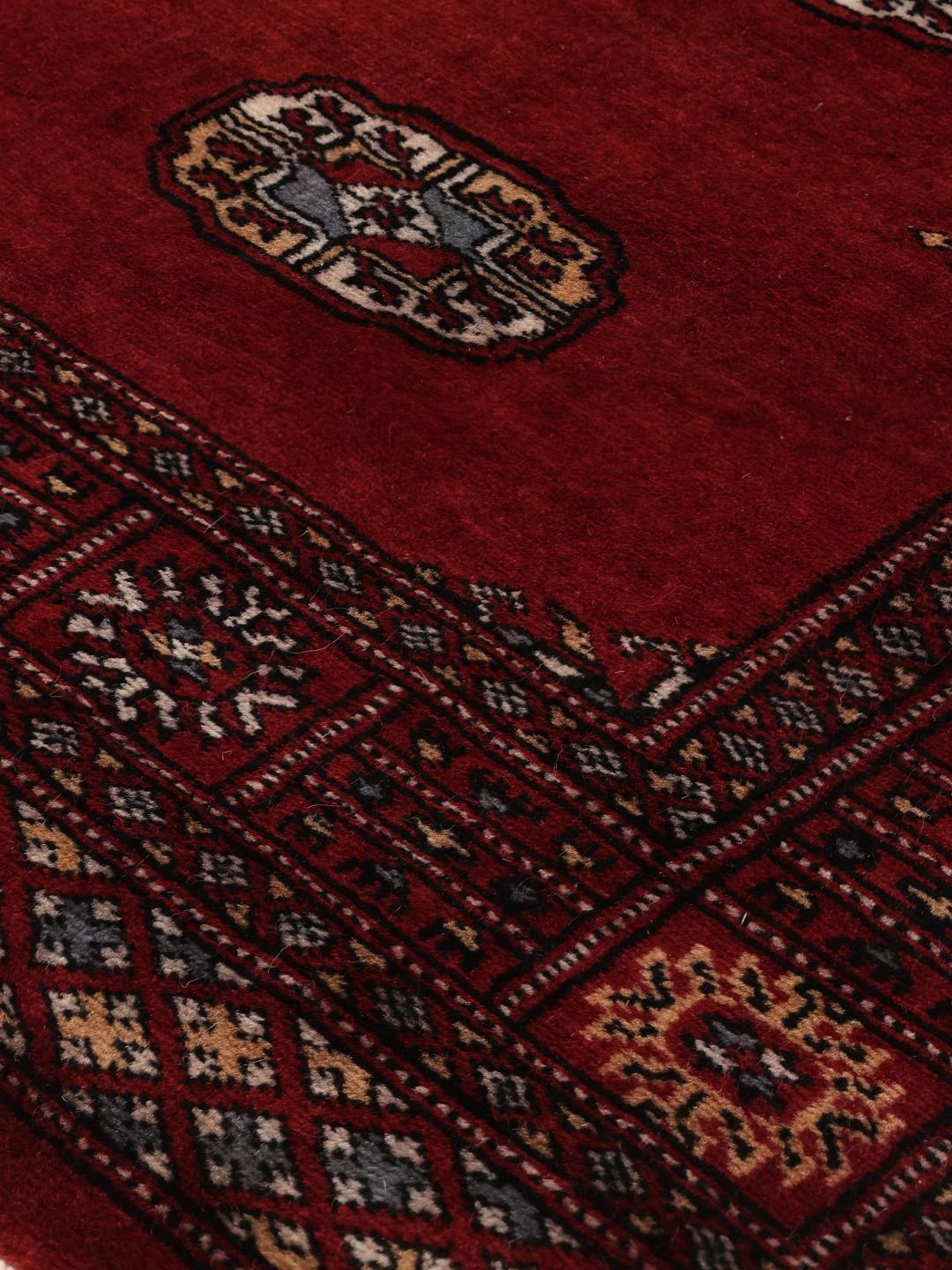
Visually, this tradition is defined by the iconic gul motif, which appears as repeating octagonal or elephant-foot shapes across the field. These symbols are rooted in tribal history and are typically framed by elaborate, geometric borders that demonstrate a high level of mathematical precision and aesthetic harmony.
Owning a piece from this tradition is an act of preserving a rich cultural heritage. These rugs are highly valued by collectors not just for their striking beauty, but for the immense skill and history woven into every inch. By bringing one into your home, you are choosing a floor covering that connects your living space to a centuries-old lineage of artistic expression.