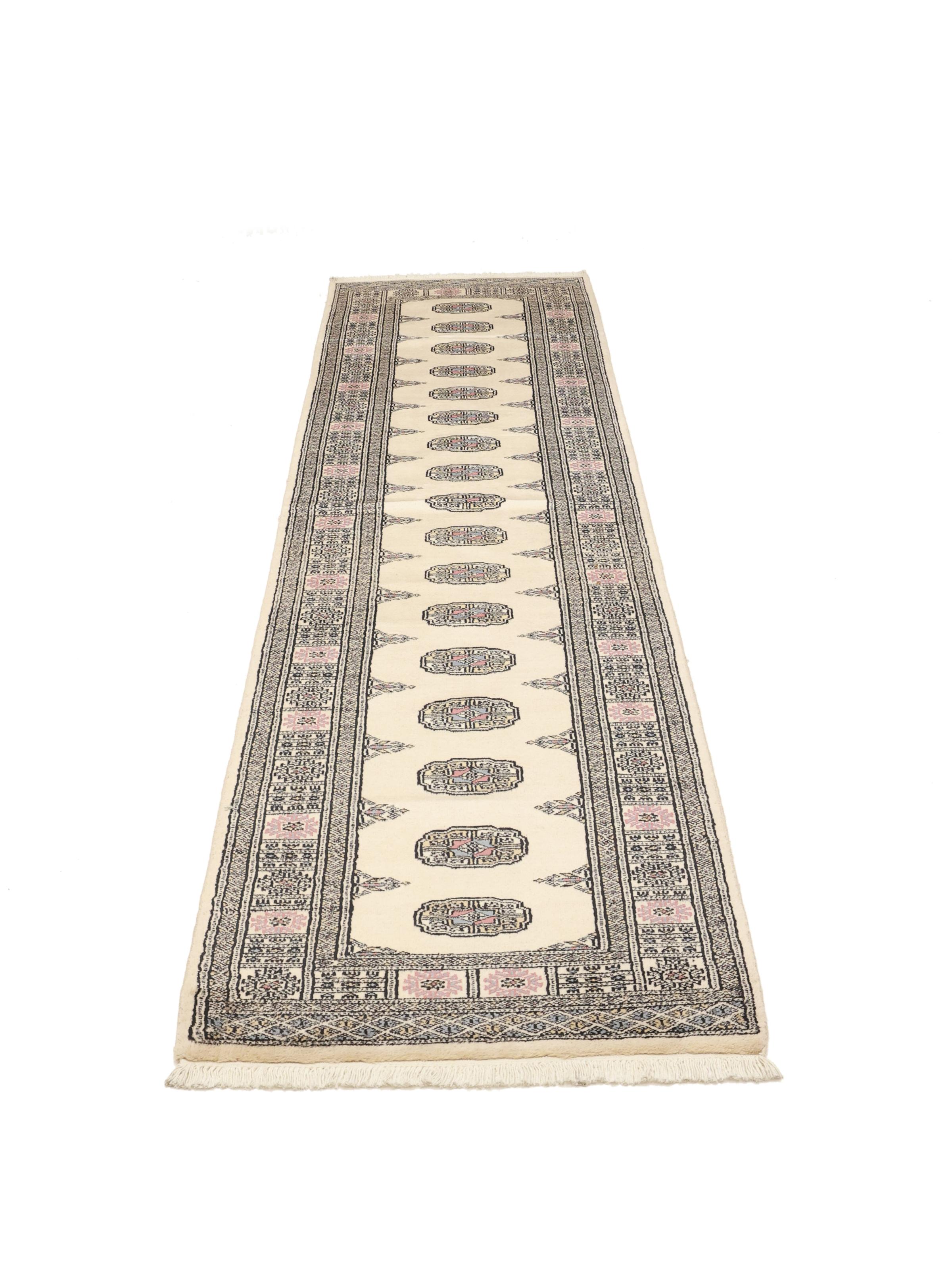
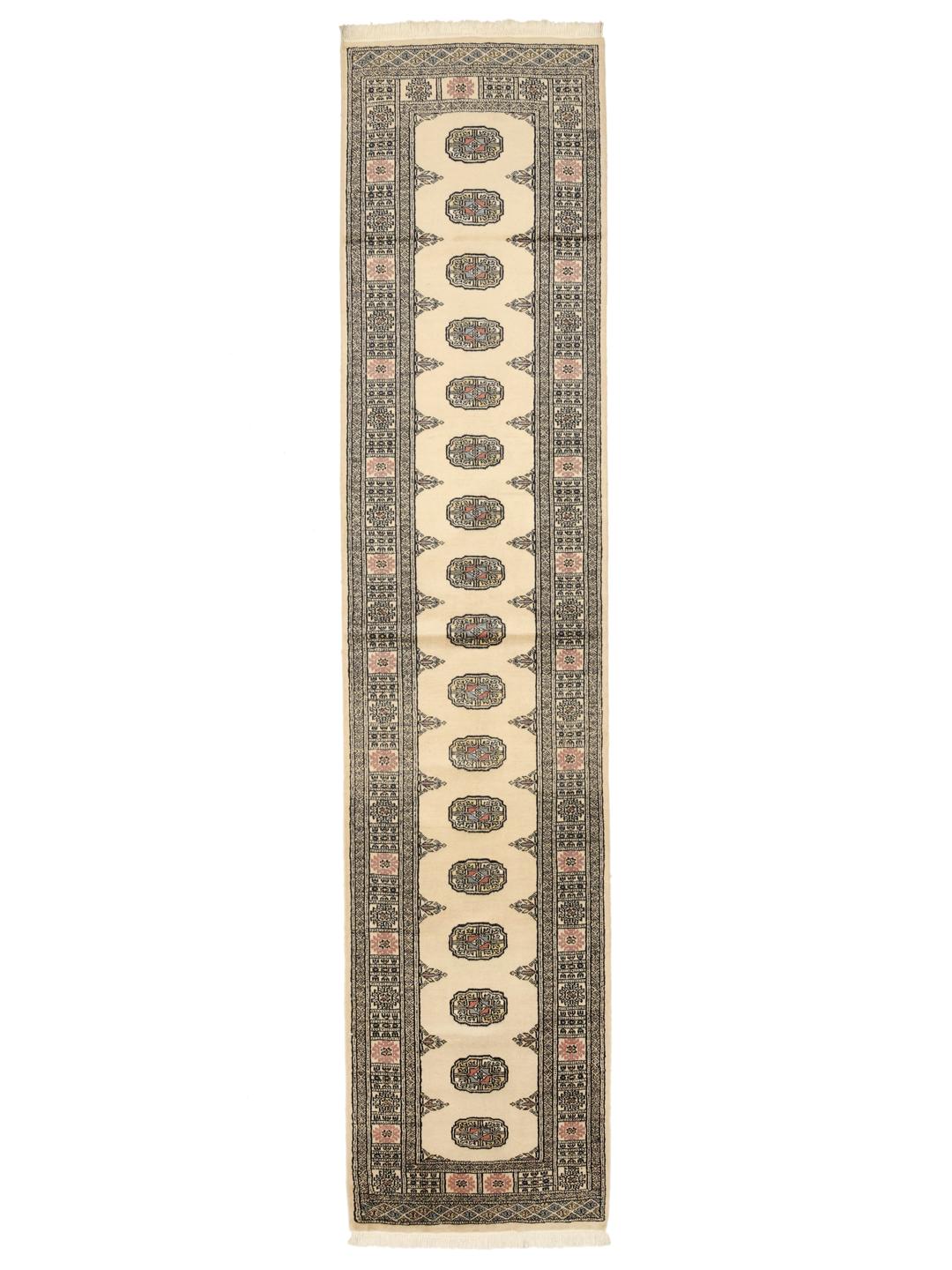
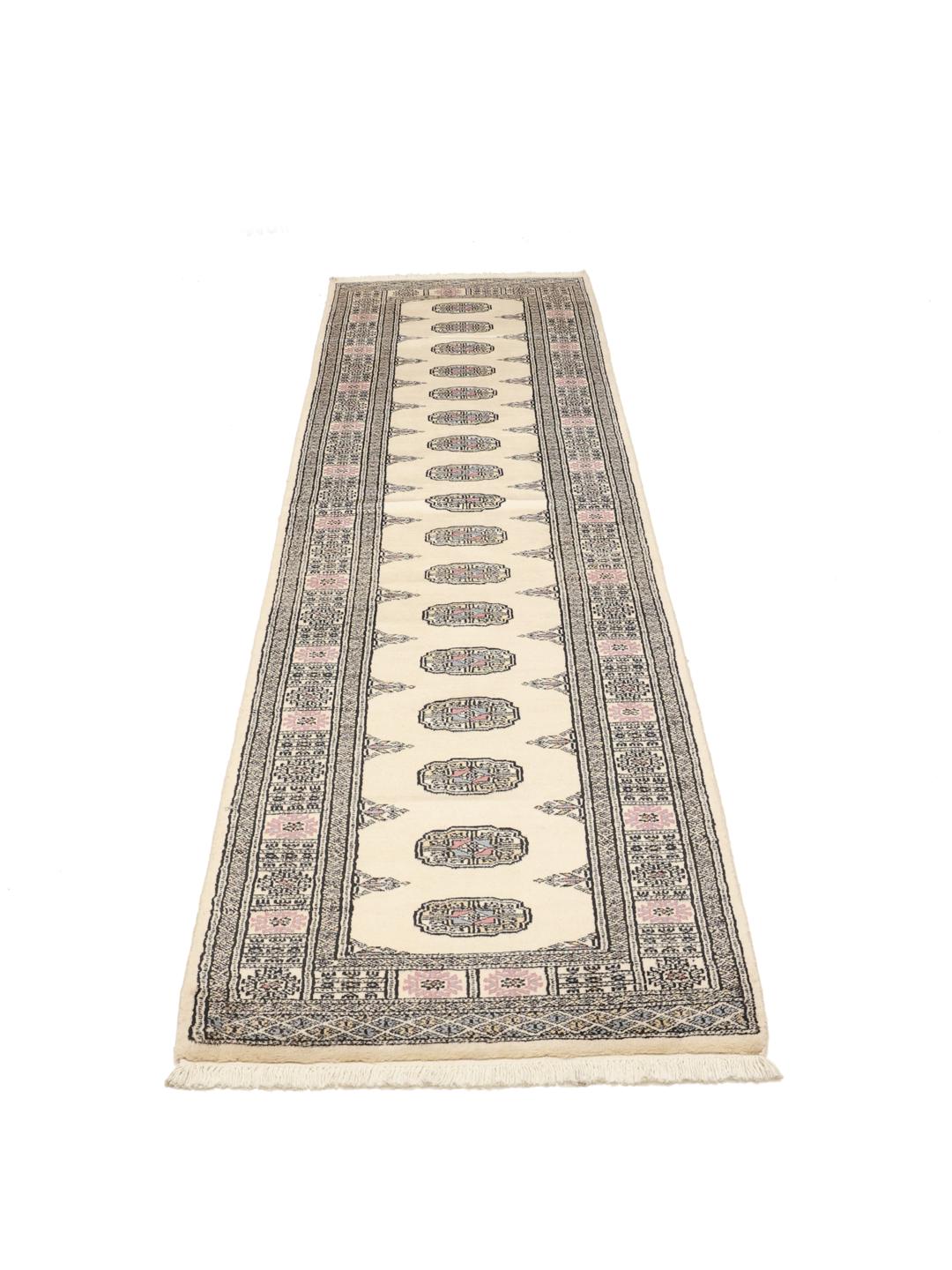
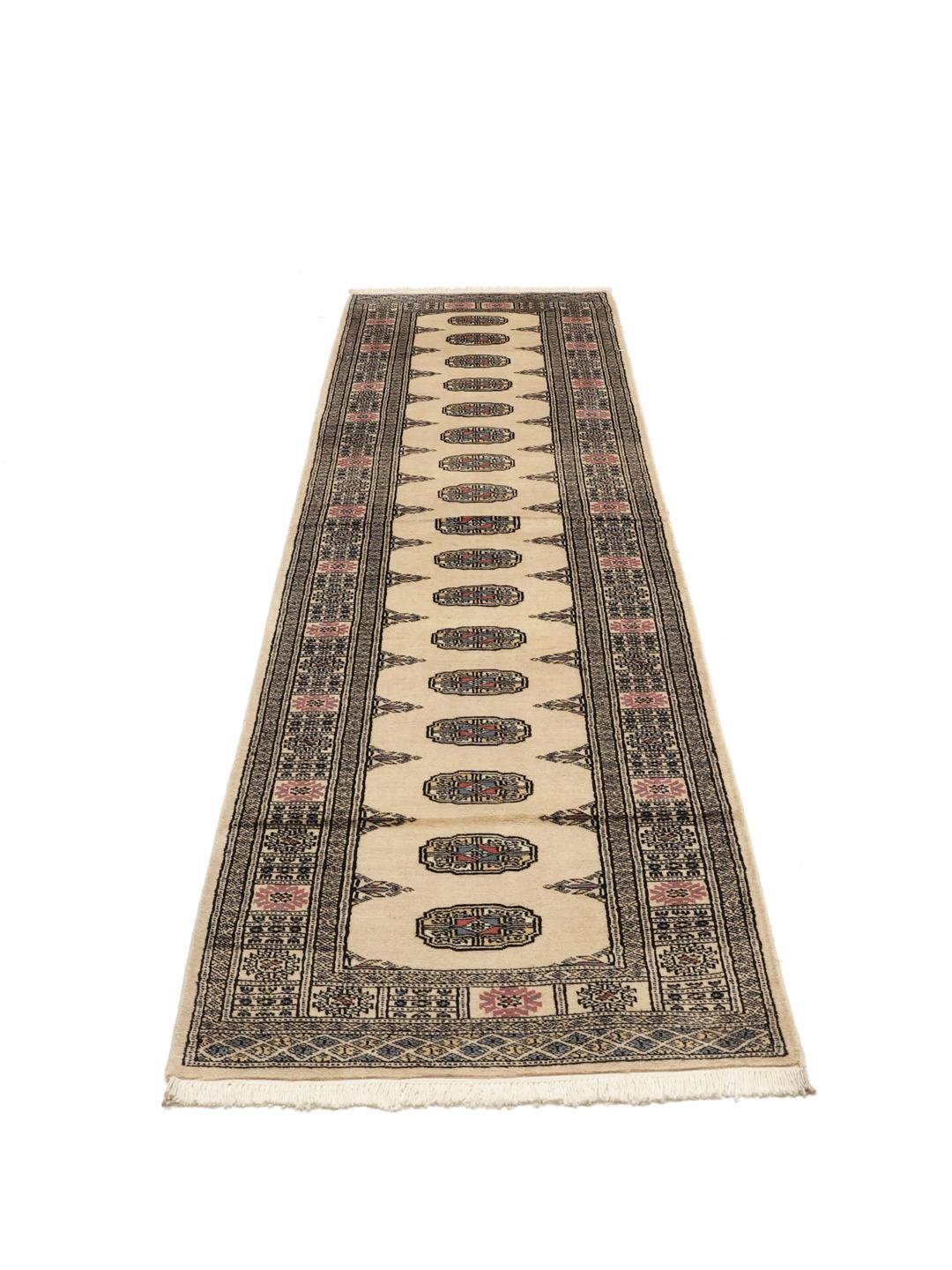
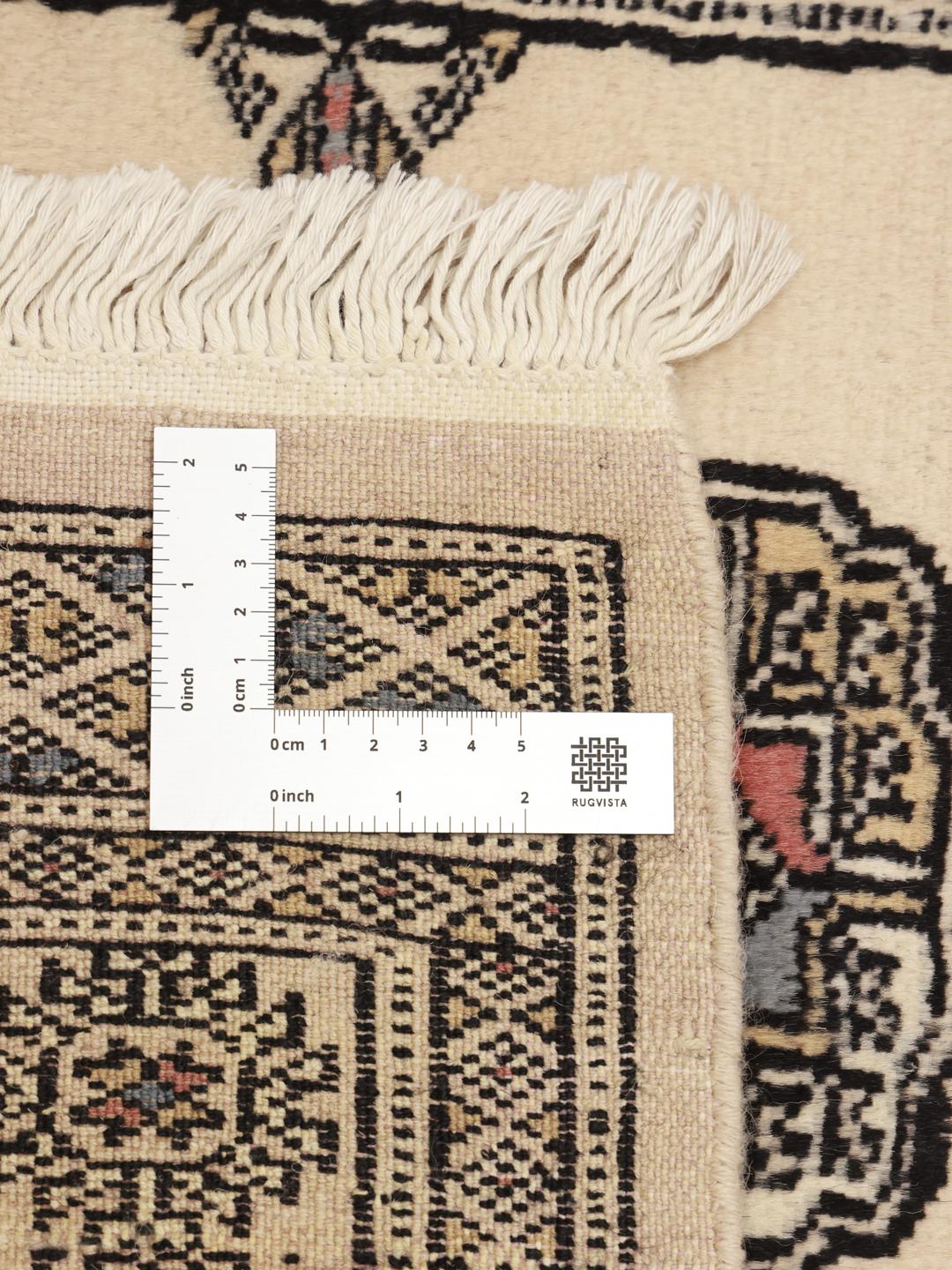
The Bokhara rug tradition takes its name from the historic Silk Road city of Bukhara in Central Asia, a legendary hub for trade and craftsmanship. While the style originated in the nomadic tribes of the steppes, the finest modern examples are predominantly woven in Pakistan. This evolution reflects the movement of weaving traditions across borders, where skilled artisans have refined and preserved these ancient techniques for contemporary homes.
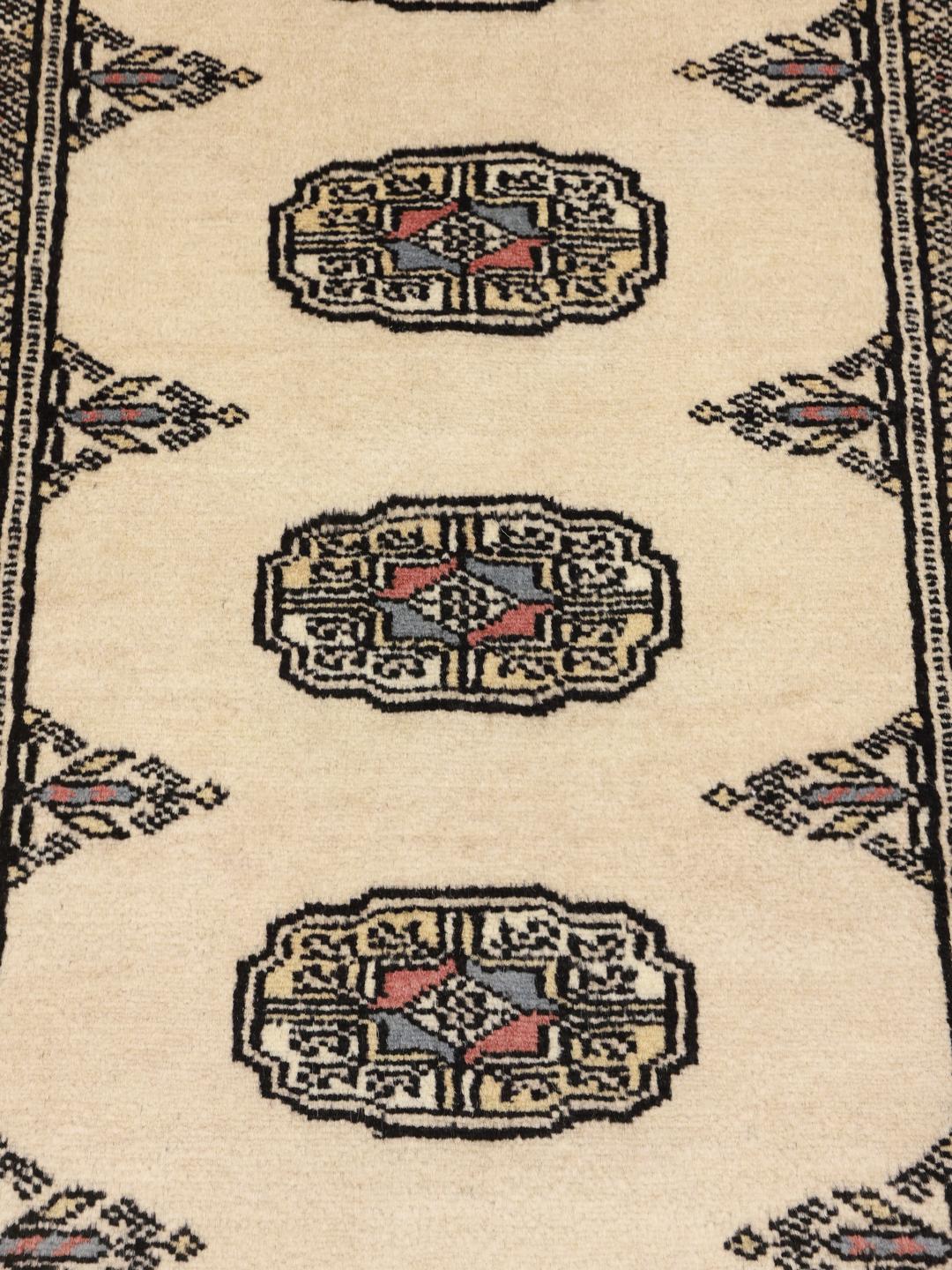
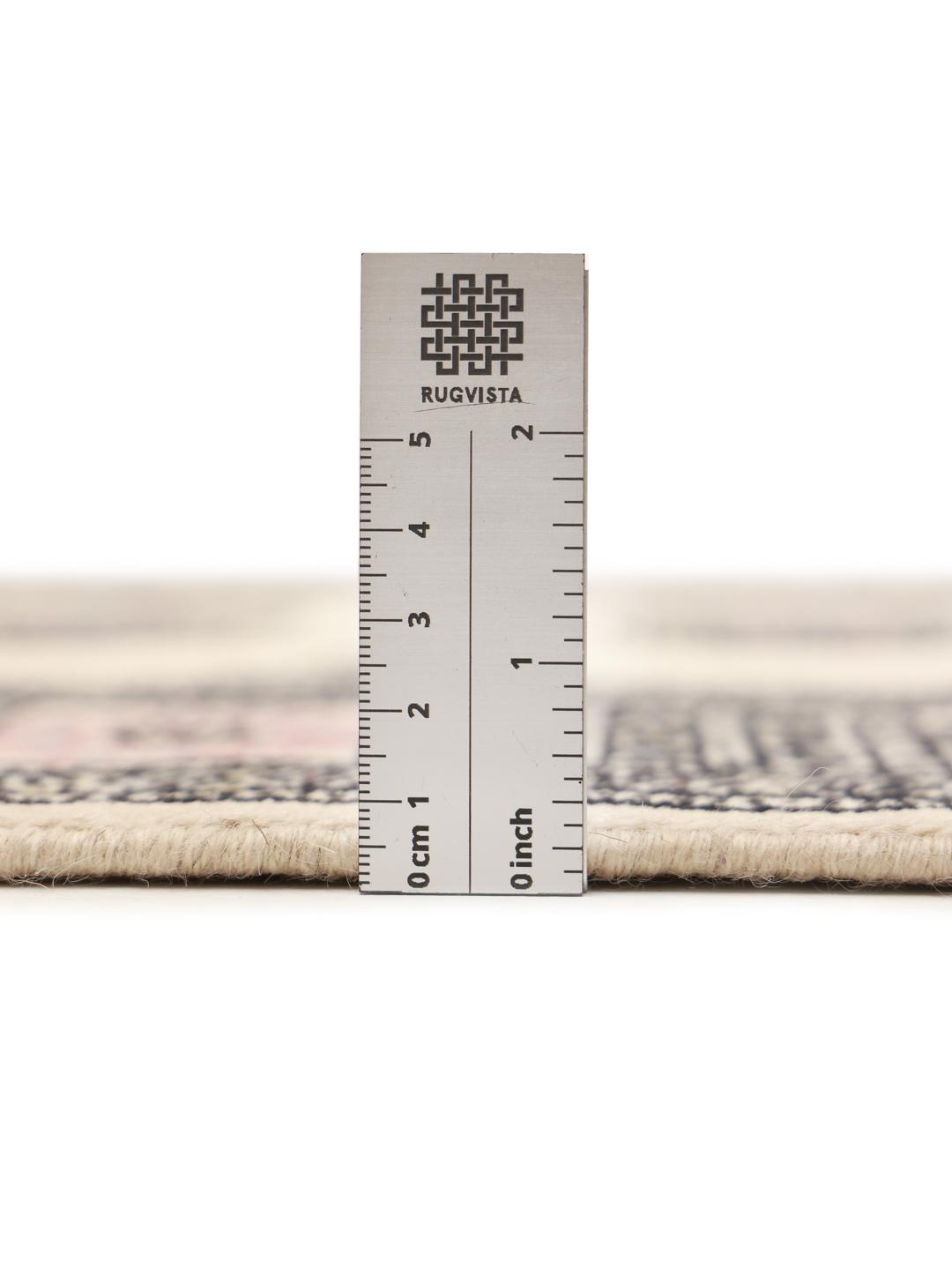
The term 2ply refers to the construction of the wool yarn, which consists of two strands twisted together. This method creates a pile that is significantly more durable and lustrous than single-ply alternatives. For the owner, this means a rug that not only feels softer and more luxurious to the touch but also maintains its structural integrity and visual clarity even in high-traffic areas of the home.
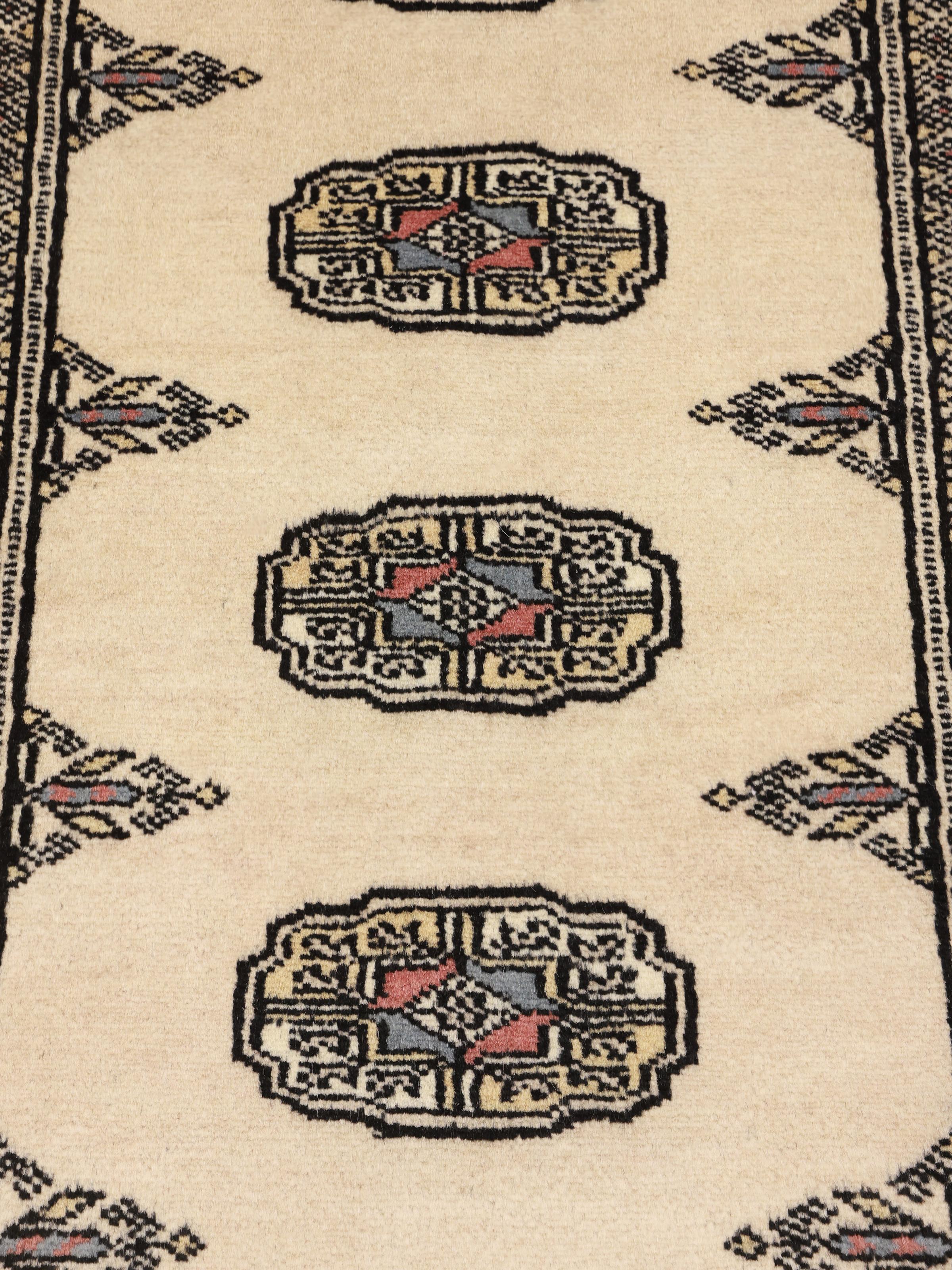
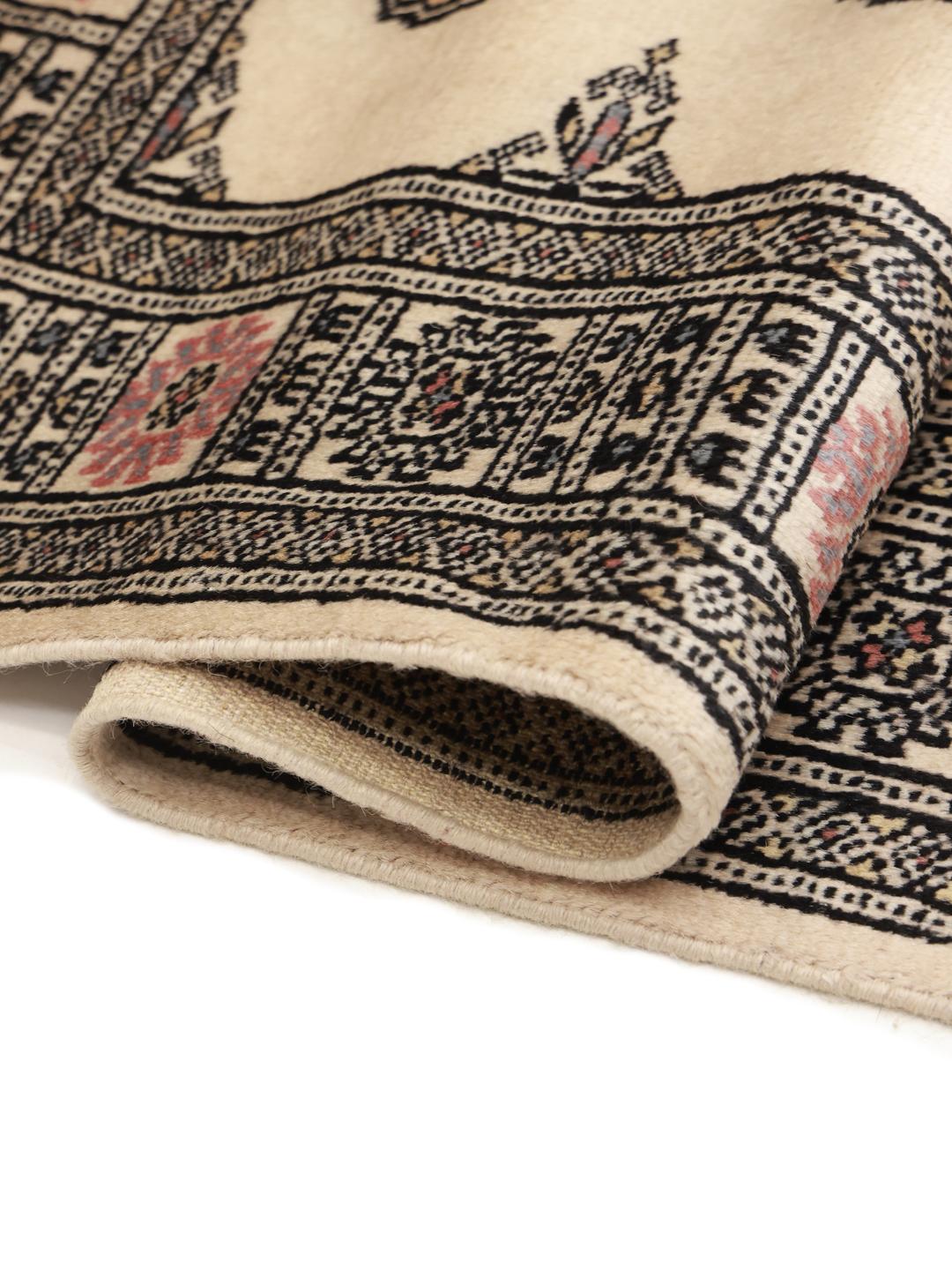
Signature design elements of this style include the repeating gul motifs, which are stylized, octagonal medallions arranged in structured rows across the field. These are often framed by ornate, multi-layered borders that demonstrate a high level of geometric precision. The balance between the soft, open field and the detailed borders is a hallmark of this tradition, creating a sense of harmony and order.
Owning a hand-knotted rug from this tradition is a commitment to heritage and skill. These pieces are valued by collectors and enthusiasts alike because they represent a living history of textile art. By bringing such a rug into your home, you are not just selecting a floor covering, but participating in a narrative of human dedication and cultural expression that has been passed down through generations.