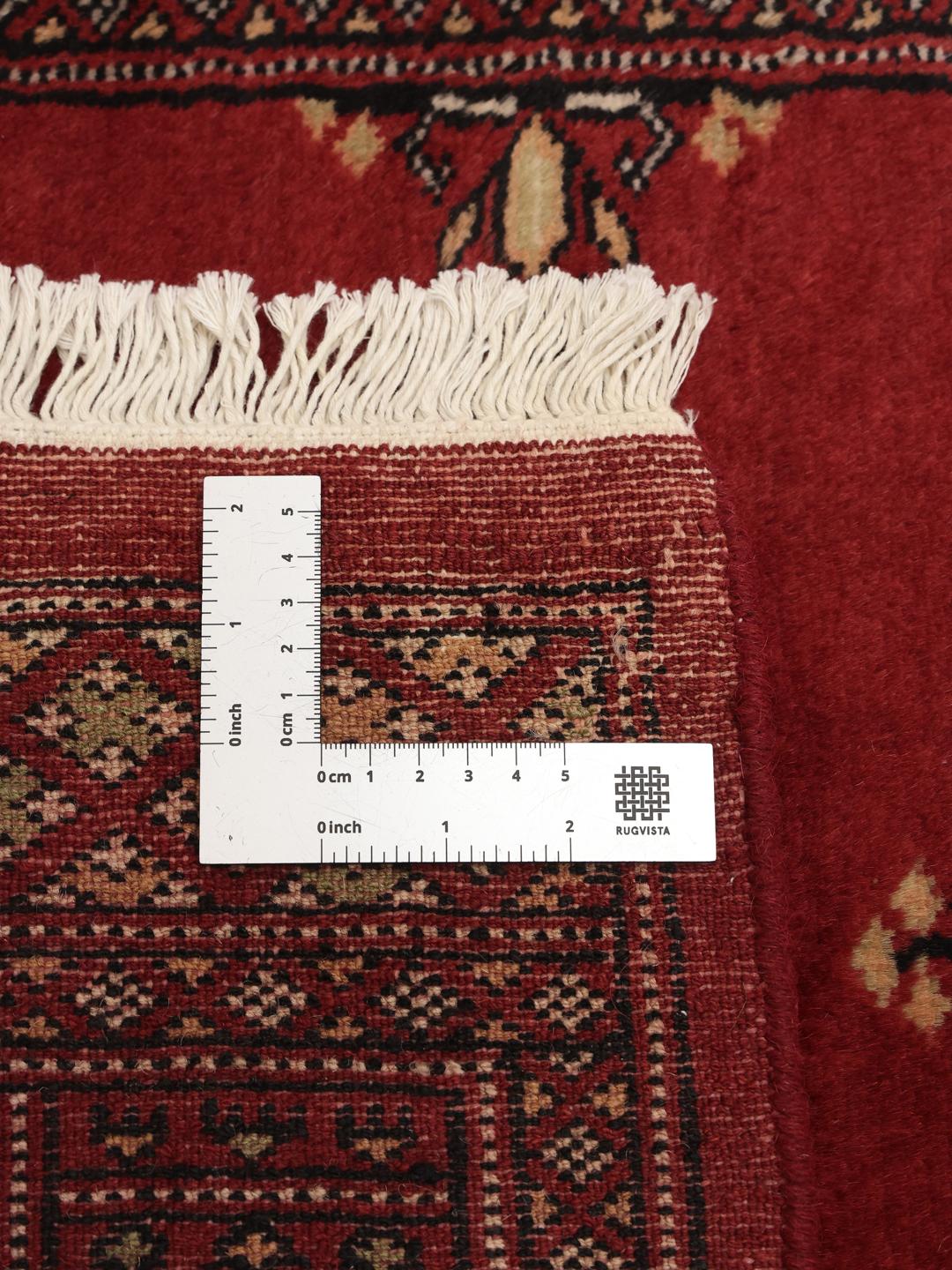
The Bokhara rug tradition is deeply rooted in the history of the ancient Silk Road, taking its name from the historic city of Bukhara in present-day Uzbekistan. While the designs originated with nomadic tribes who created these rugs for warmth and utility in harsh climates, the tradition migrated and evolved significantly over centuries. Today, Pakistan is widely recognised as the leading centre for producing the finest contemporary examples of this style.
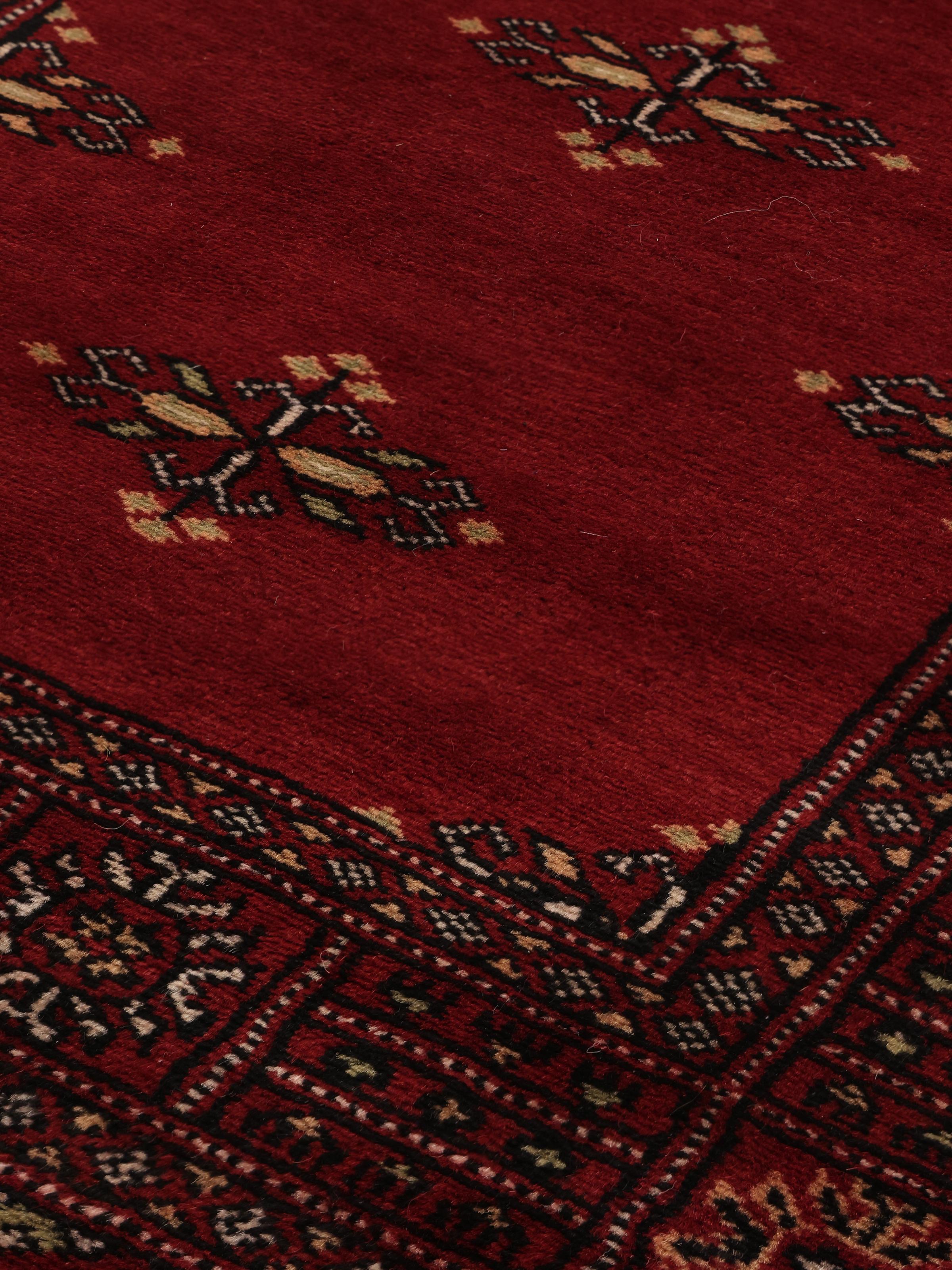
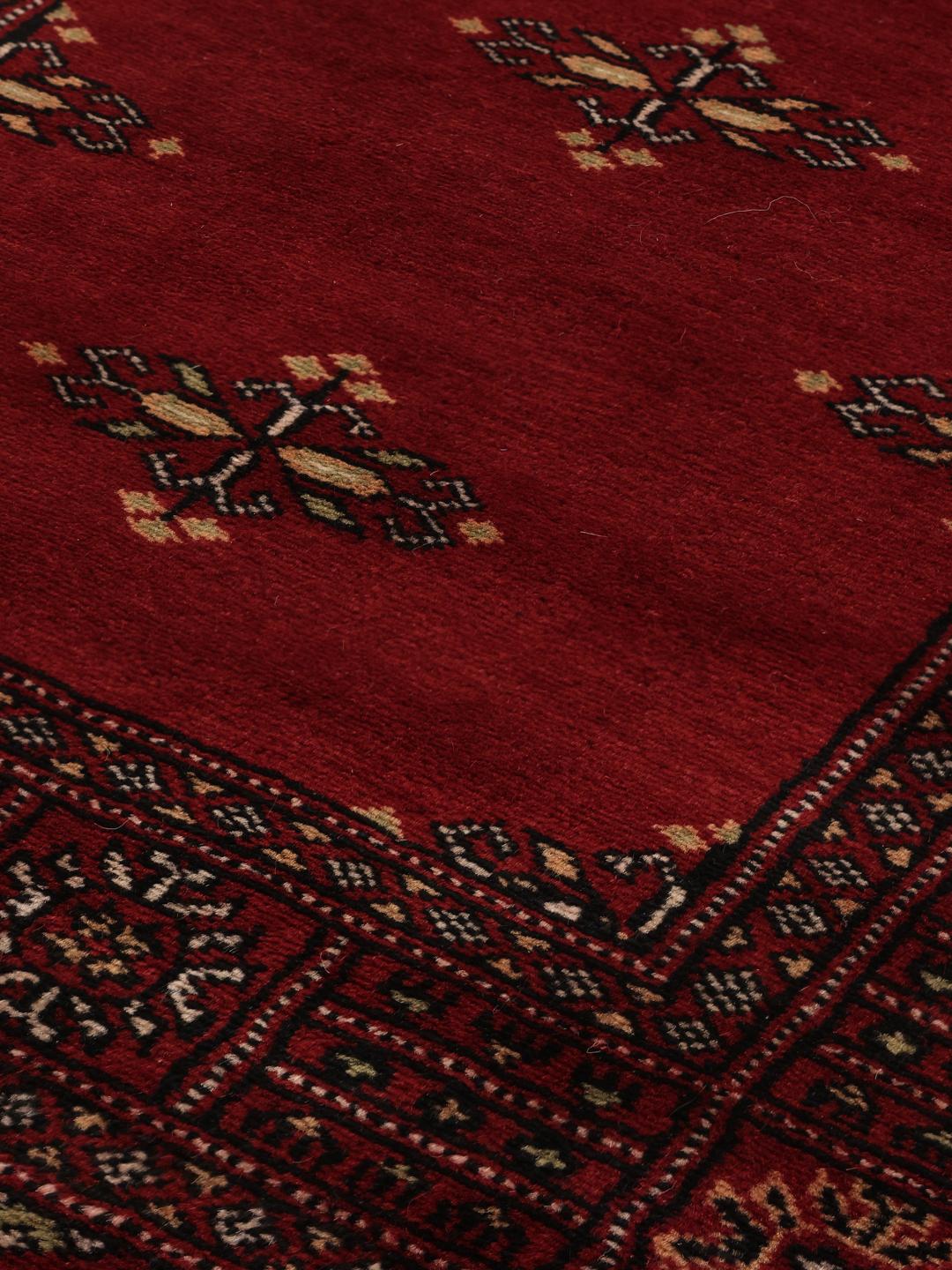
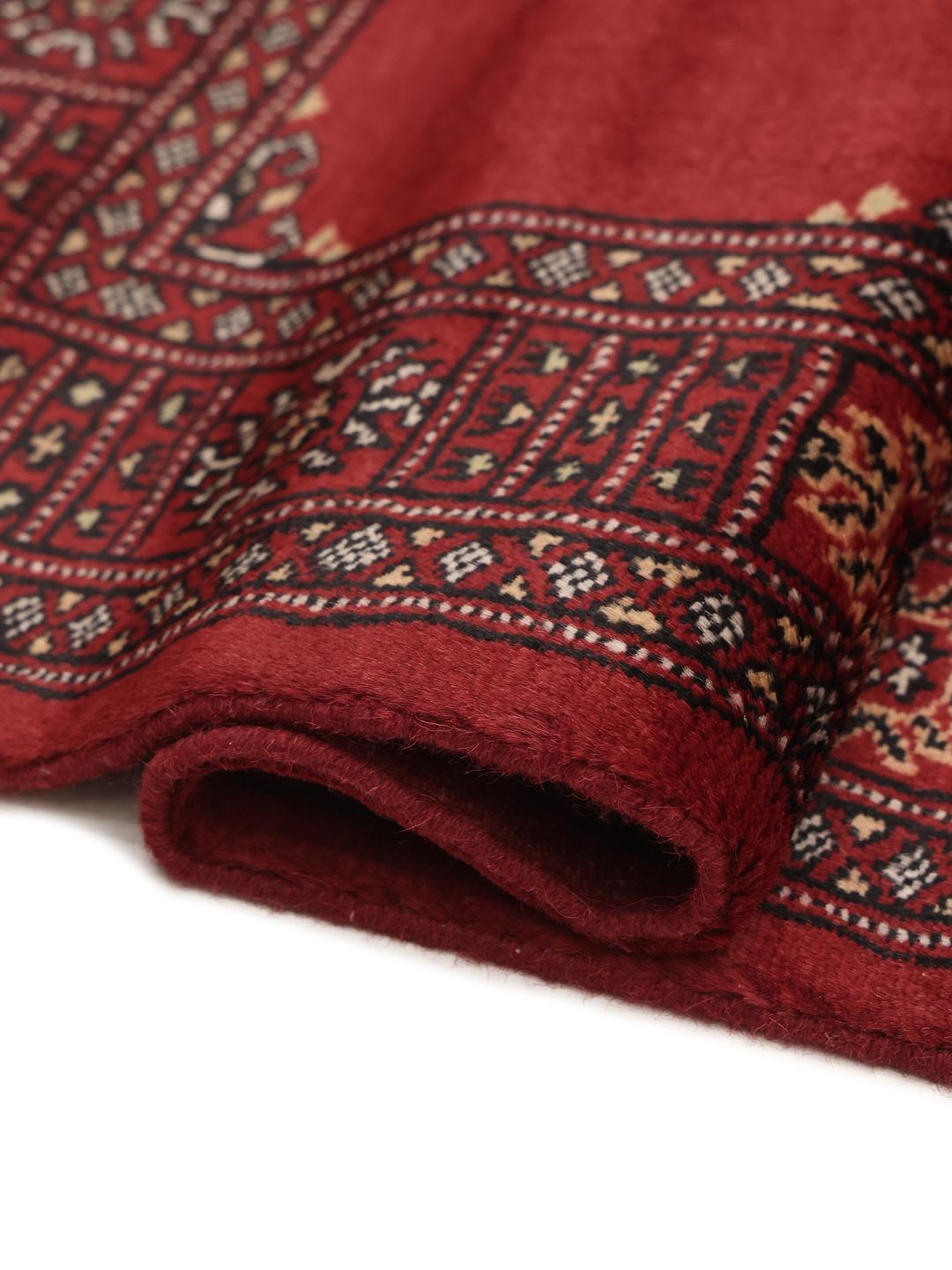
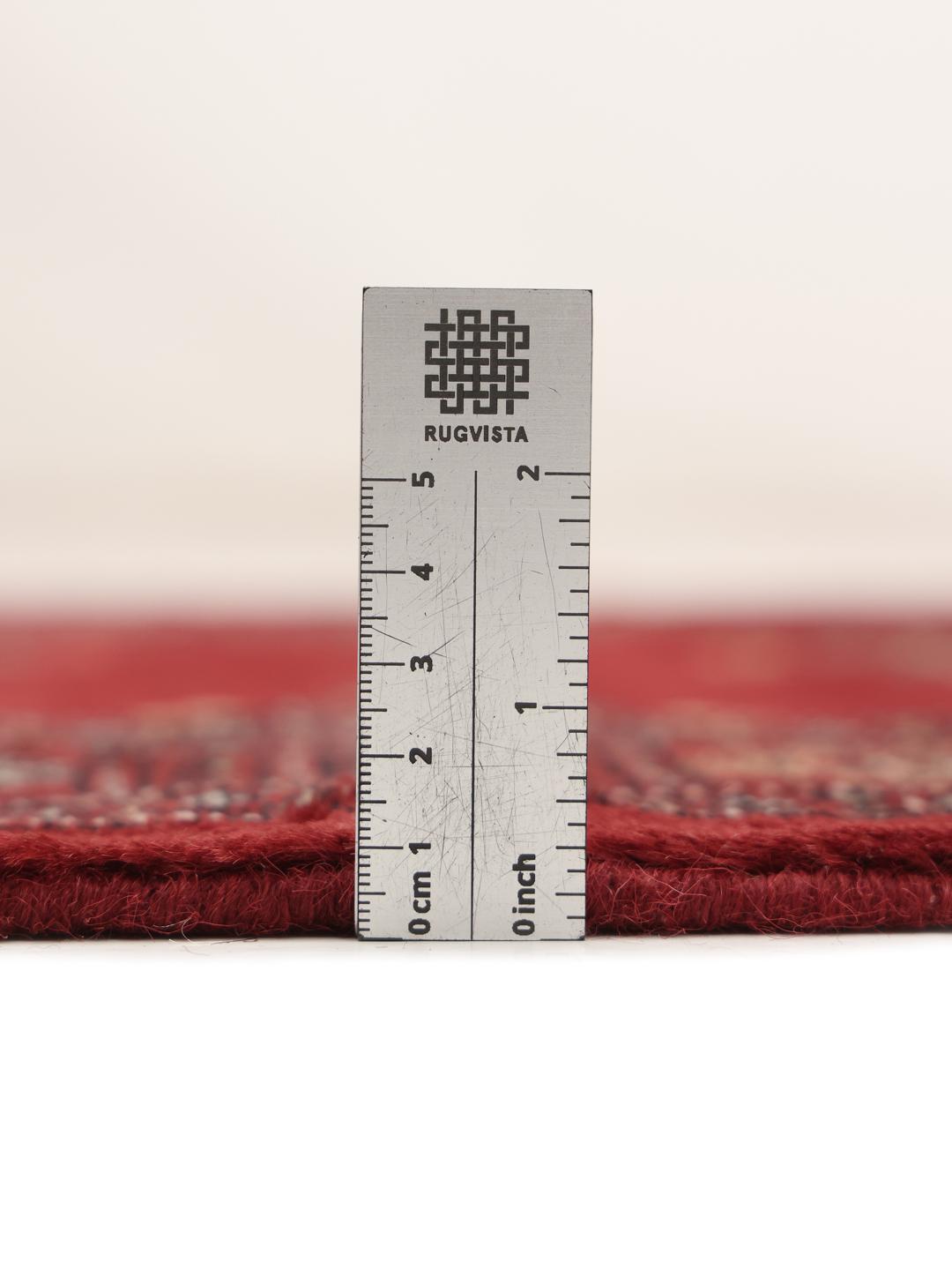
The term 2ply refers to the specific way the Wool is prepared for the loom. By twisting two strands of yarn together before they are used to tie the knots, the weaver creates a pile that is thicker and more lustrous than single-ply construction. This technical choice is significant because it provides a plush, dense surface that is not only more comfortable underfoot but also significantly more resistant to wear over time.
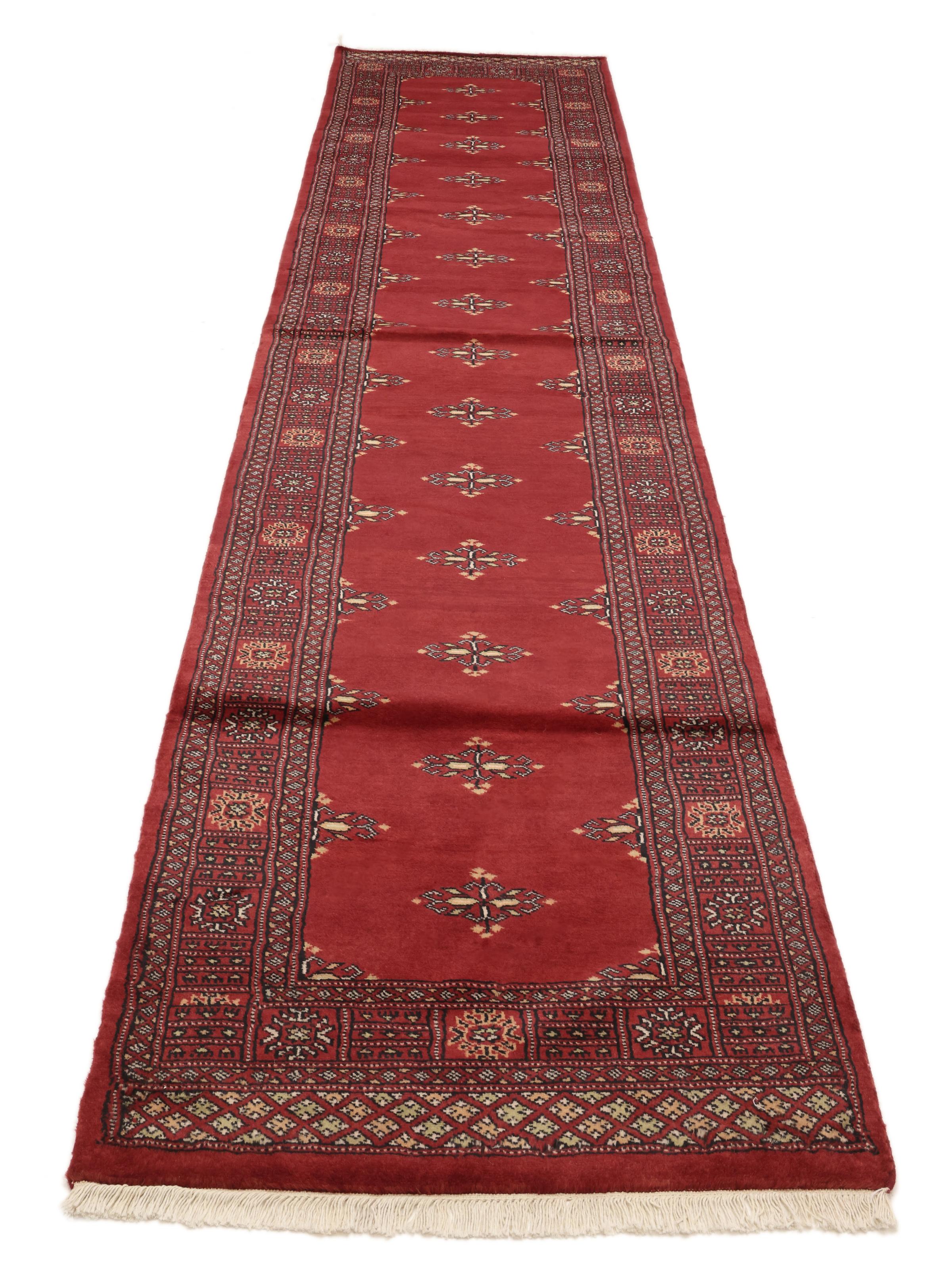
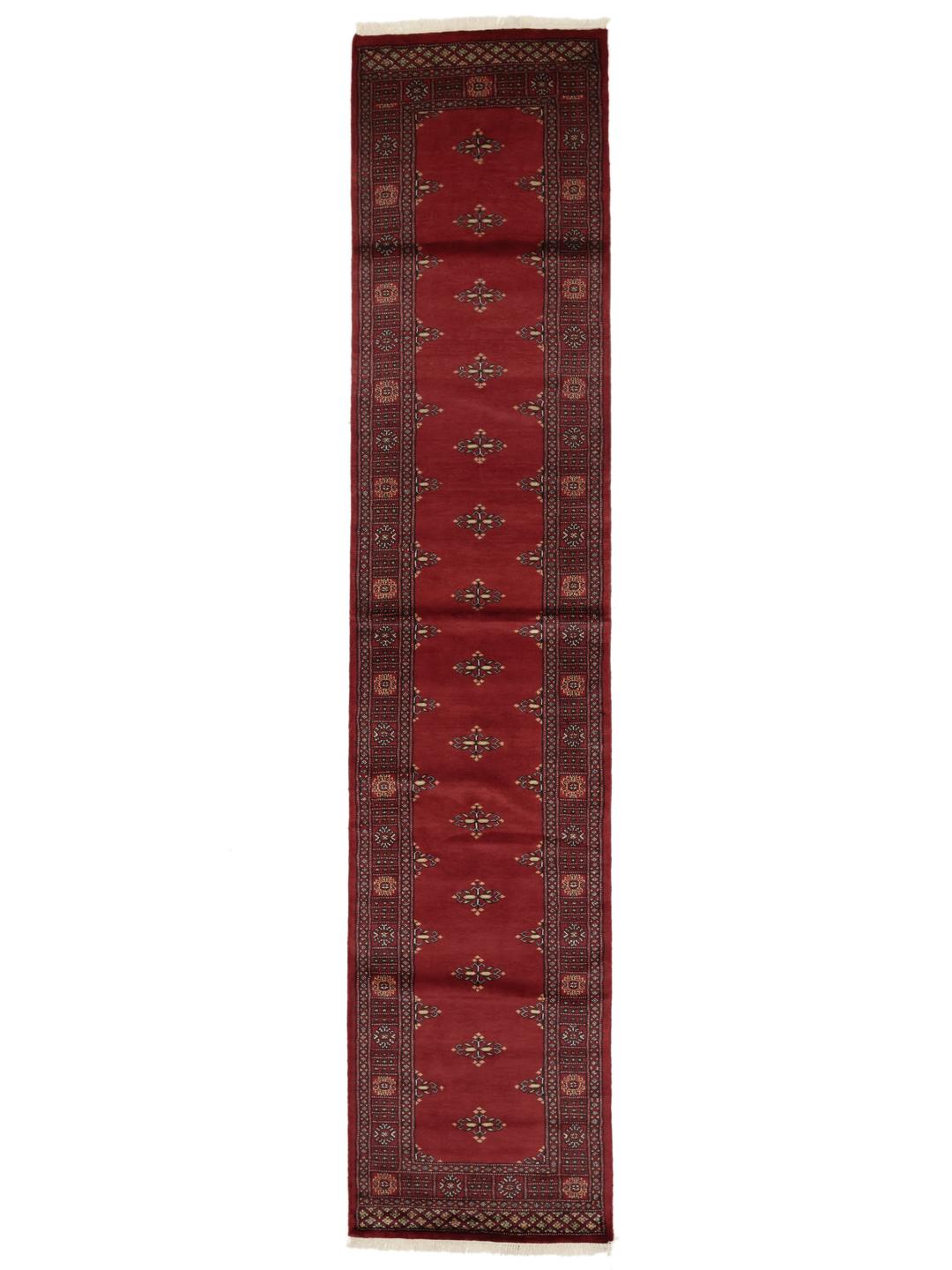
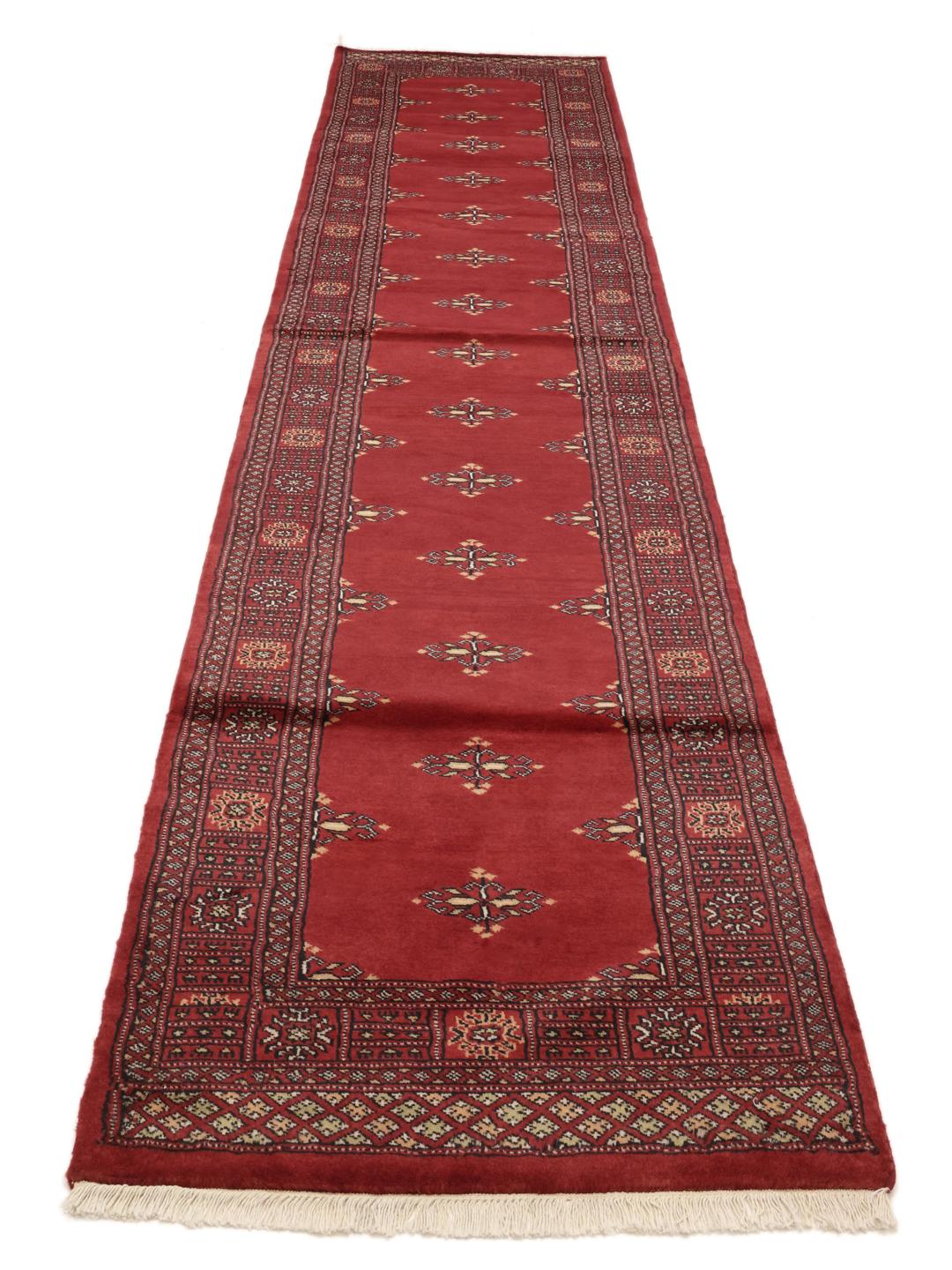
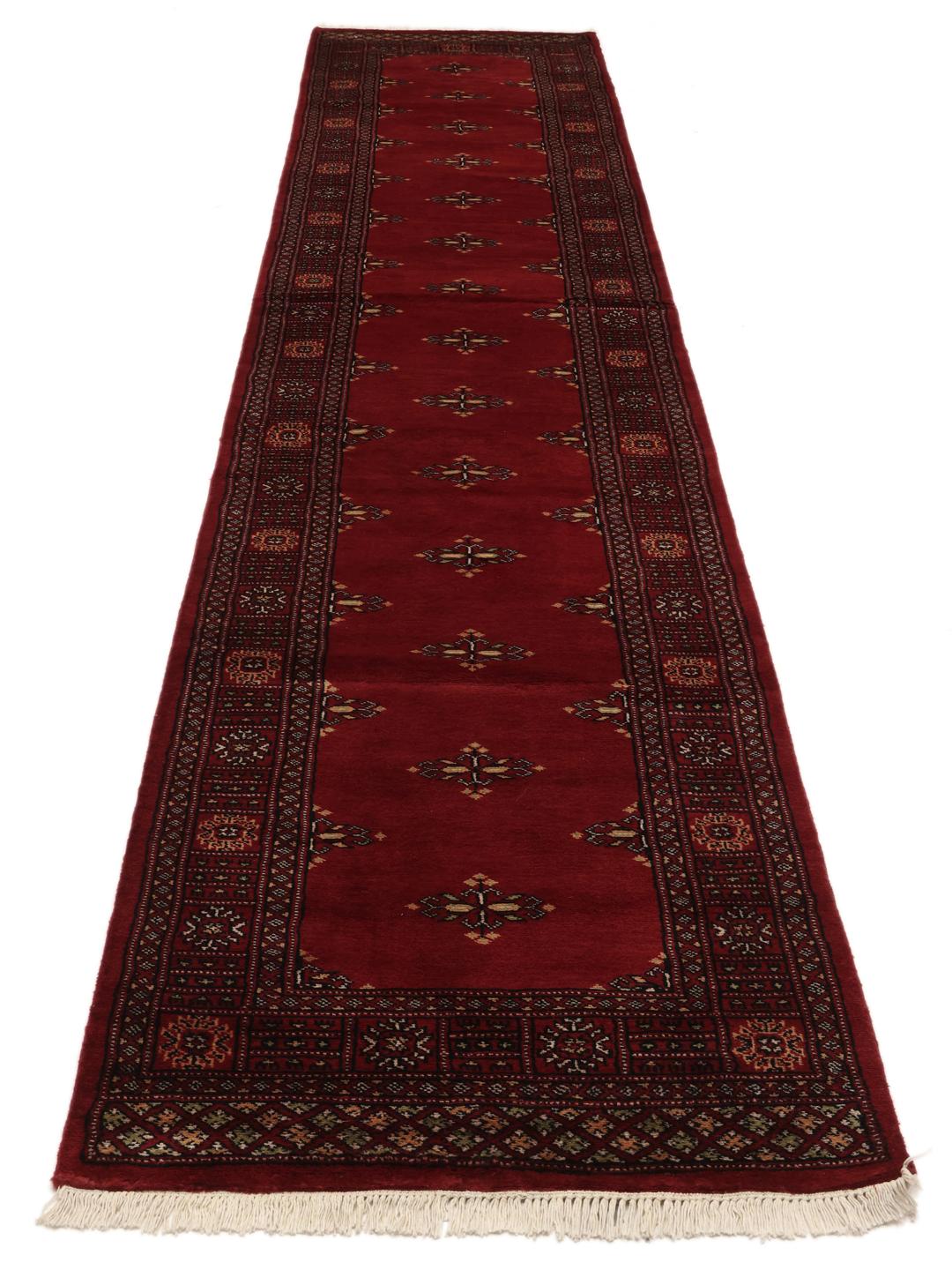
Visually, these rugs are defined by their field of repeating gul motifs, which are stylised, octagonal medallions often said to represent elephant footprints. These are typically arranged in clean, geometric rows and enclosed by a series of formal, decorative borders. The consistent use of deep, earthy reds is a hallmark of the tradition, symbolising the warmth and vitality of the cultures that first developed these iconic designs.
Owning a hand-knotted runner from this tradition is an investment in cultural heritage and human skill. Because each rug is made individually without the use of automated machinery, it carries the unique perspective and steady hand of its maker. Collectors value these pieces not just for their aesthetic beauty, but for the connection they provide to a long-standing craft that prioritises patience, precision, and an enduring respect for natural materials.