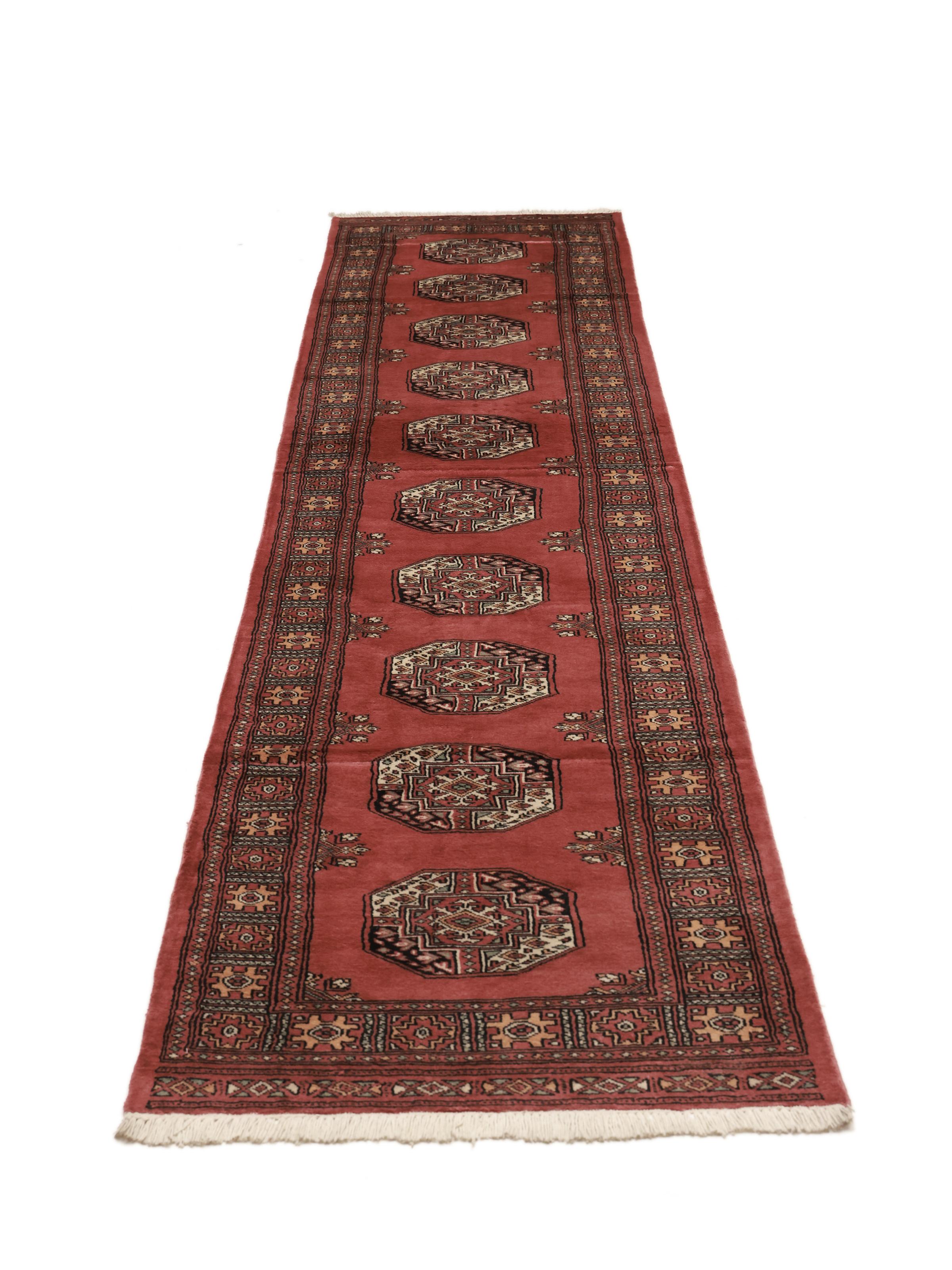
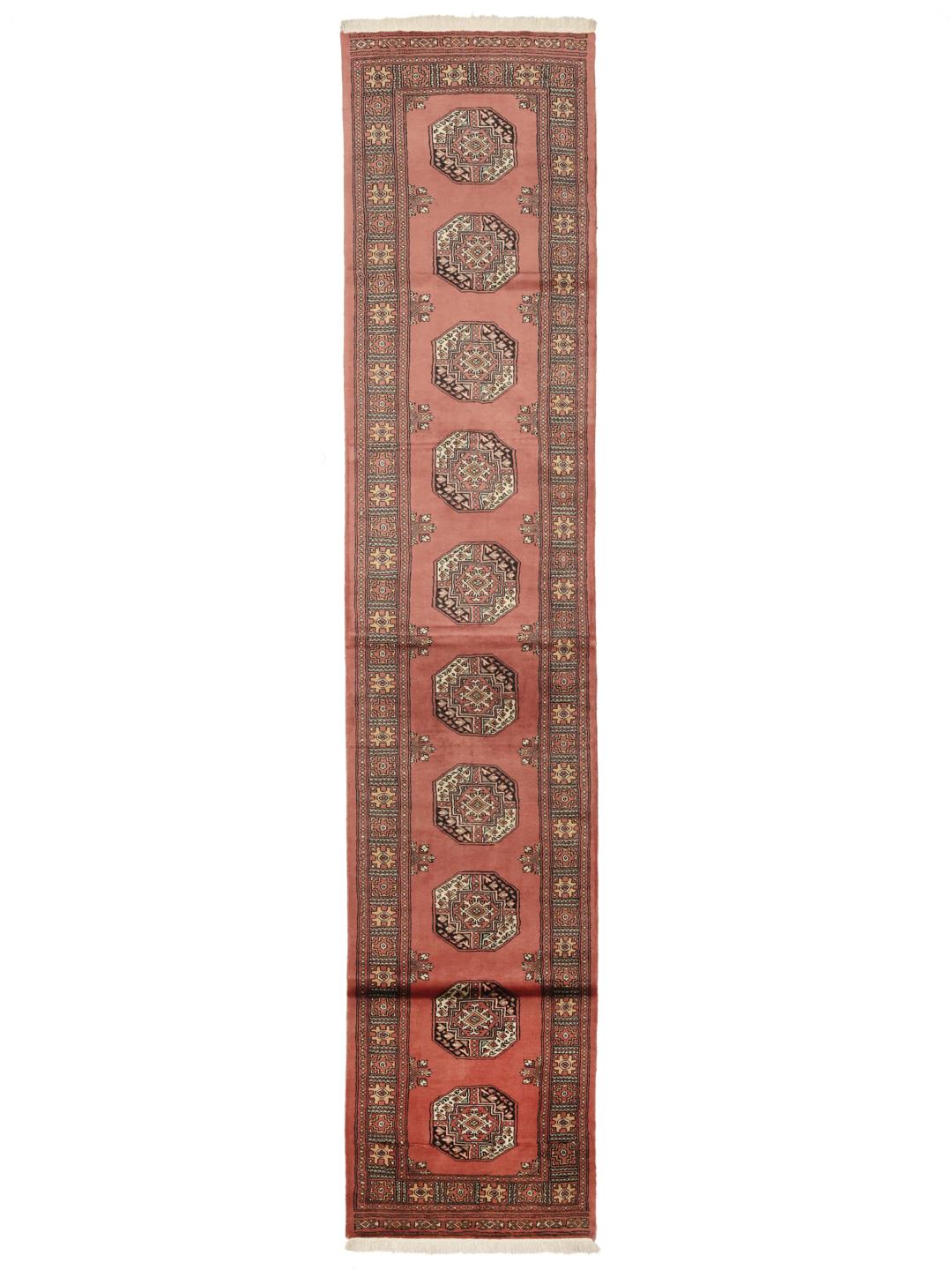
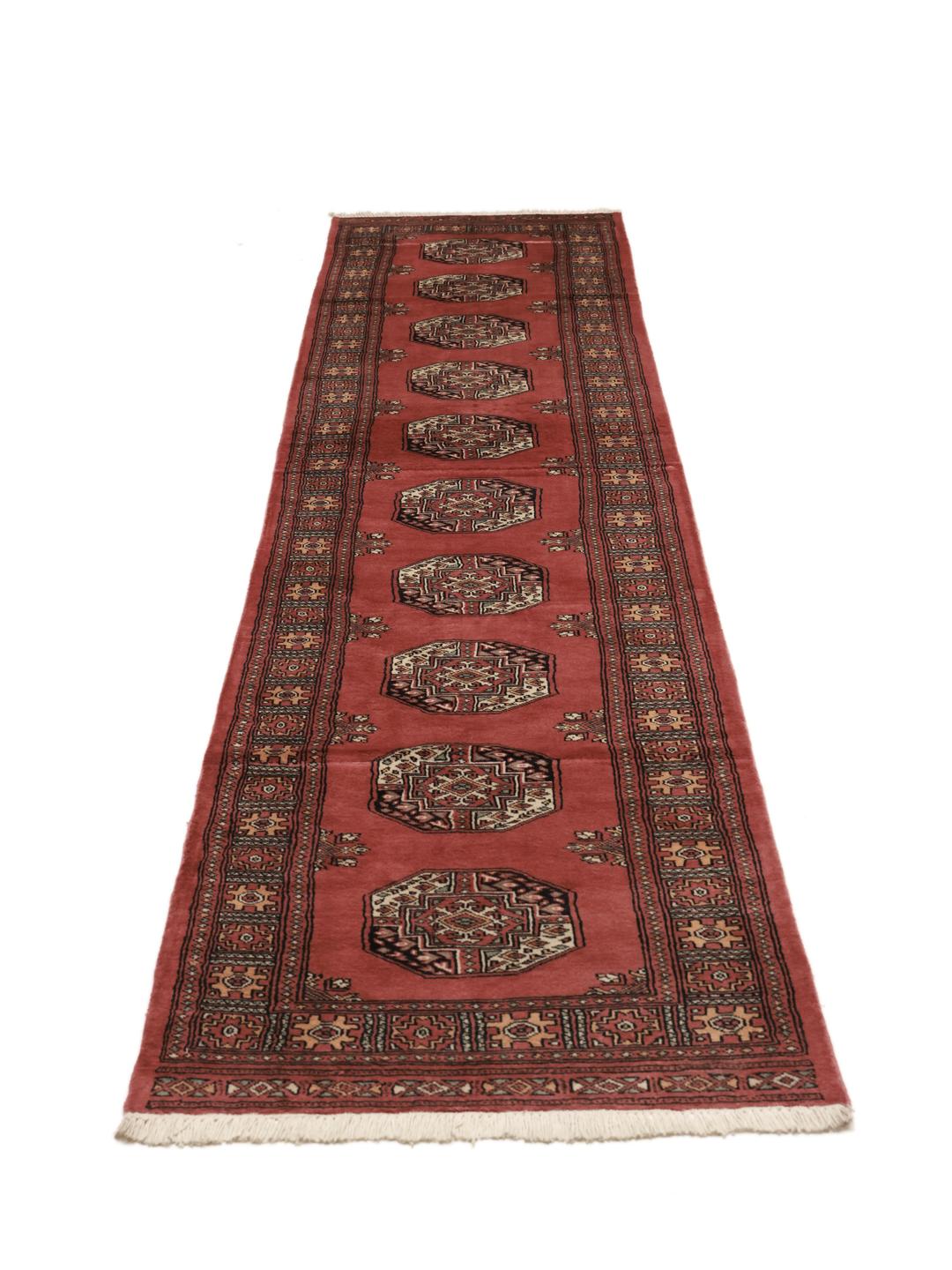
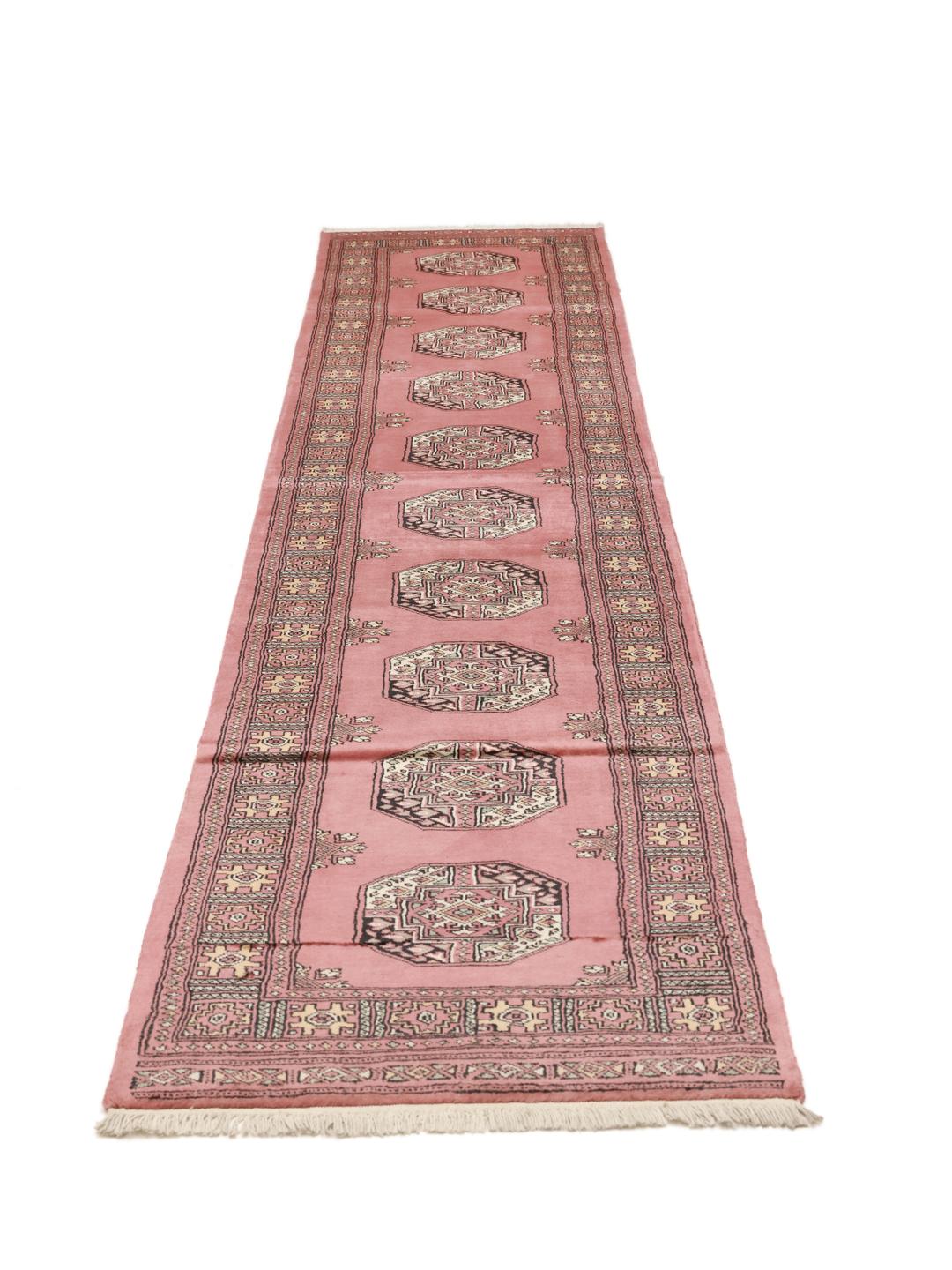
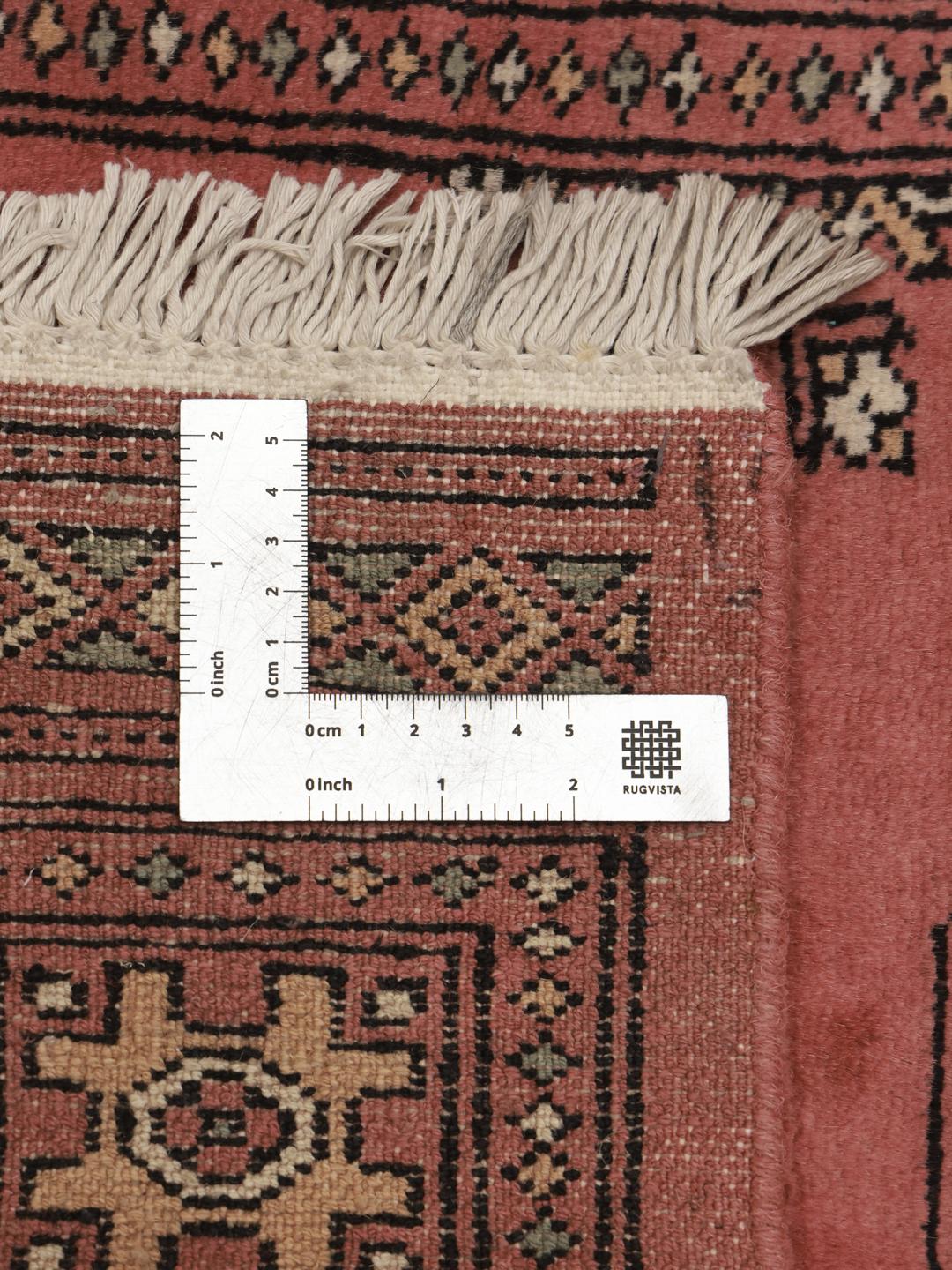
The Bokhara rug tradition is deeply rooted in the history of the Silk Road, taking its name from the ancient city of Bukhara in modern-day Uzbekistan. While these designs were historically associated with nomadic tribes in Central Asia, the finest contemporary examples are now primarily woven in Pakistan, where artisans have refined the style to an exceptional degree.
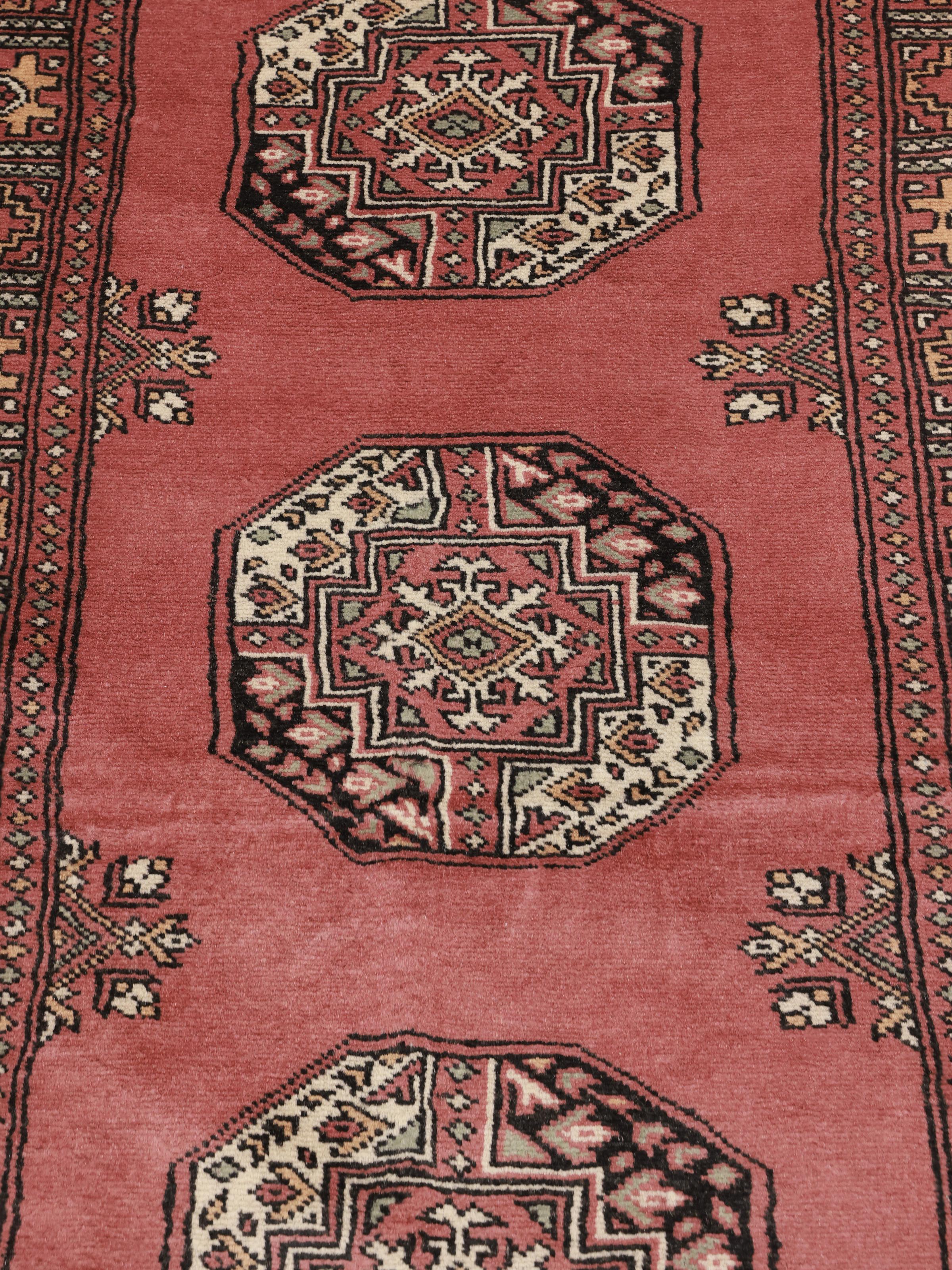
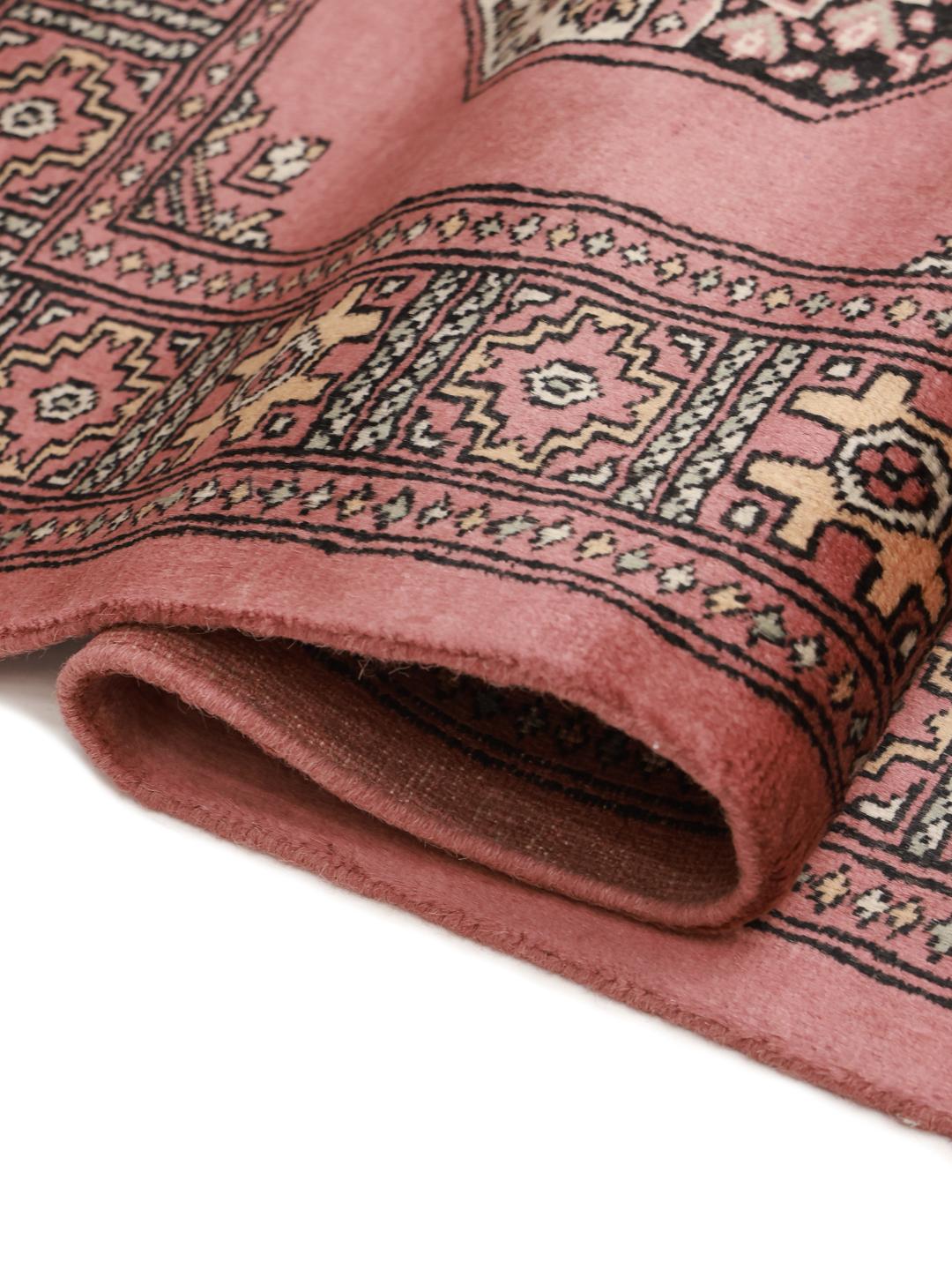
The term 2ply refers to the construction of the wool yarn, which is made by twisting two strands together before knotting. This technique is essential for quality, as it creates a fuller, more lustrous, and significantly more durable pile than single-ply alternatives, ensuring the rug feels substantial and holds its shape over time.
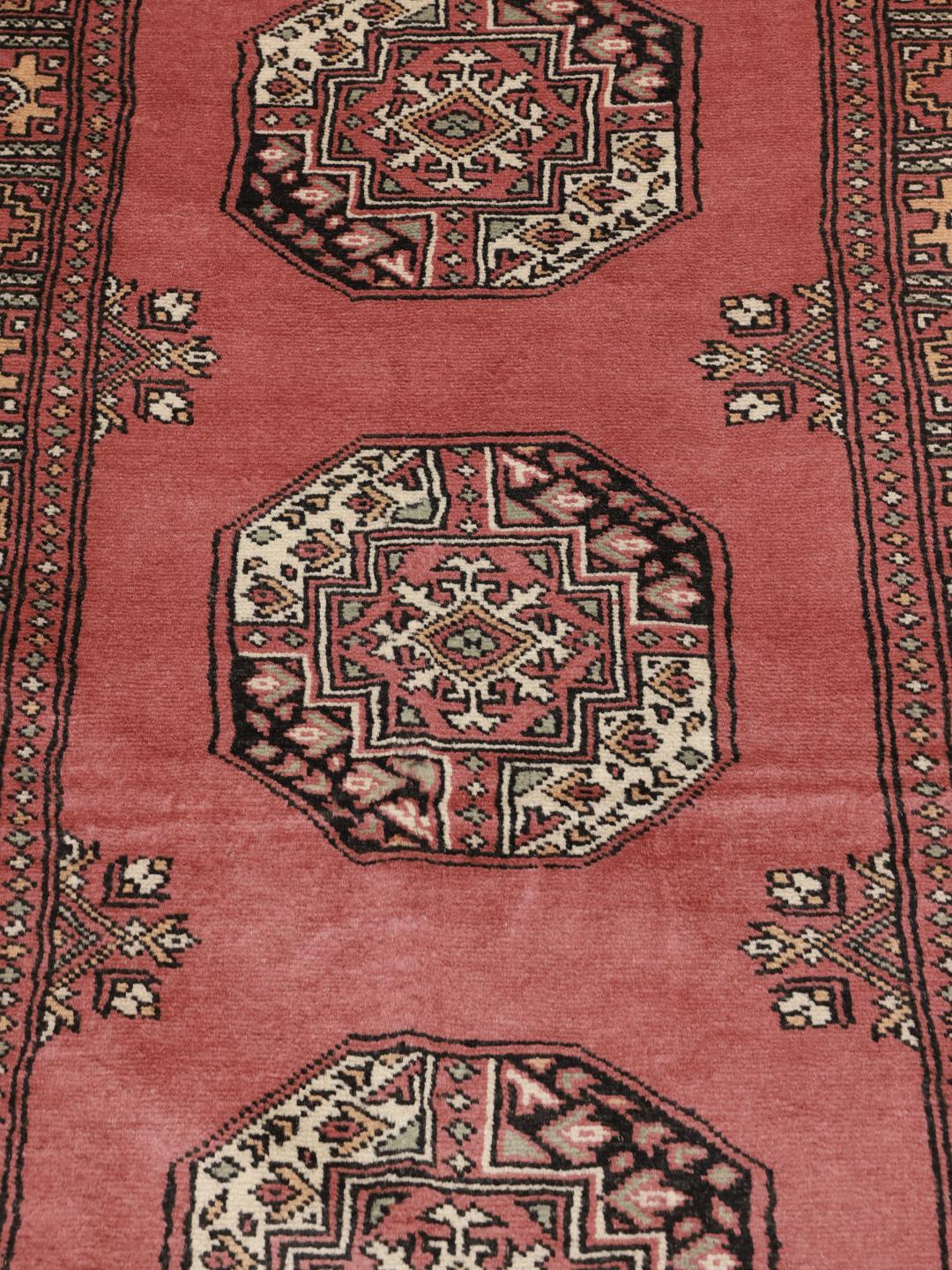
Visually, these rugs are defined by their repeating gul motifs, which are stylized, octagonal medallions that represent traditional tribal symbols. Enclosed by intricate, formal borders, these patterns are designed to create a sense of rhythm and order, making them highly sought after for their balance and symmetry.
Collecting a Pakistan Bokhara rug is an investment in cultural heritage and skilled craftsmanship. These rugs are valued not just for their striking appearance, but for the dedication required to produce them, representing a bridge between ancient design languages and the needs of a modern, comfortable home.