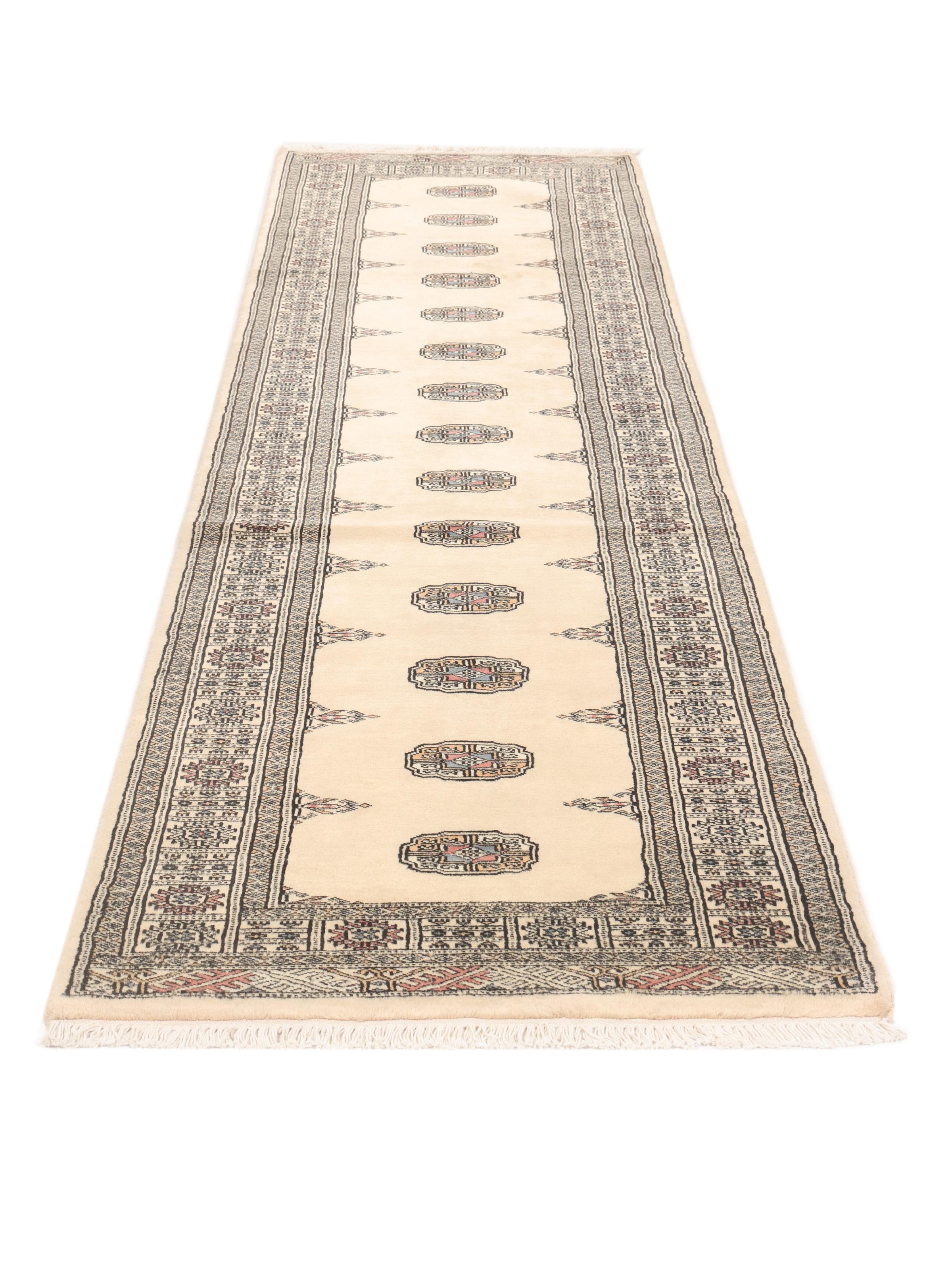
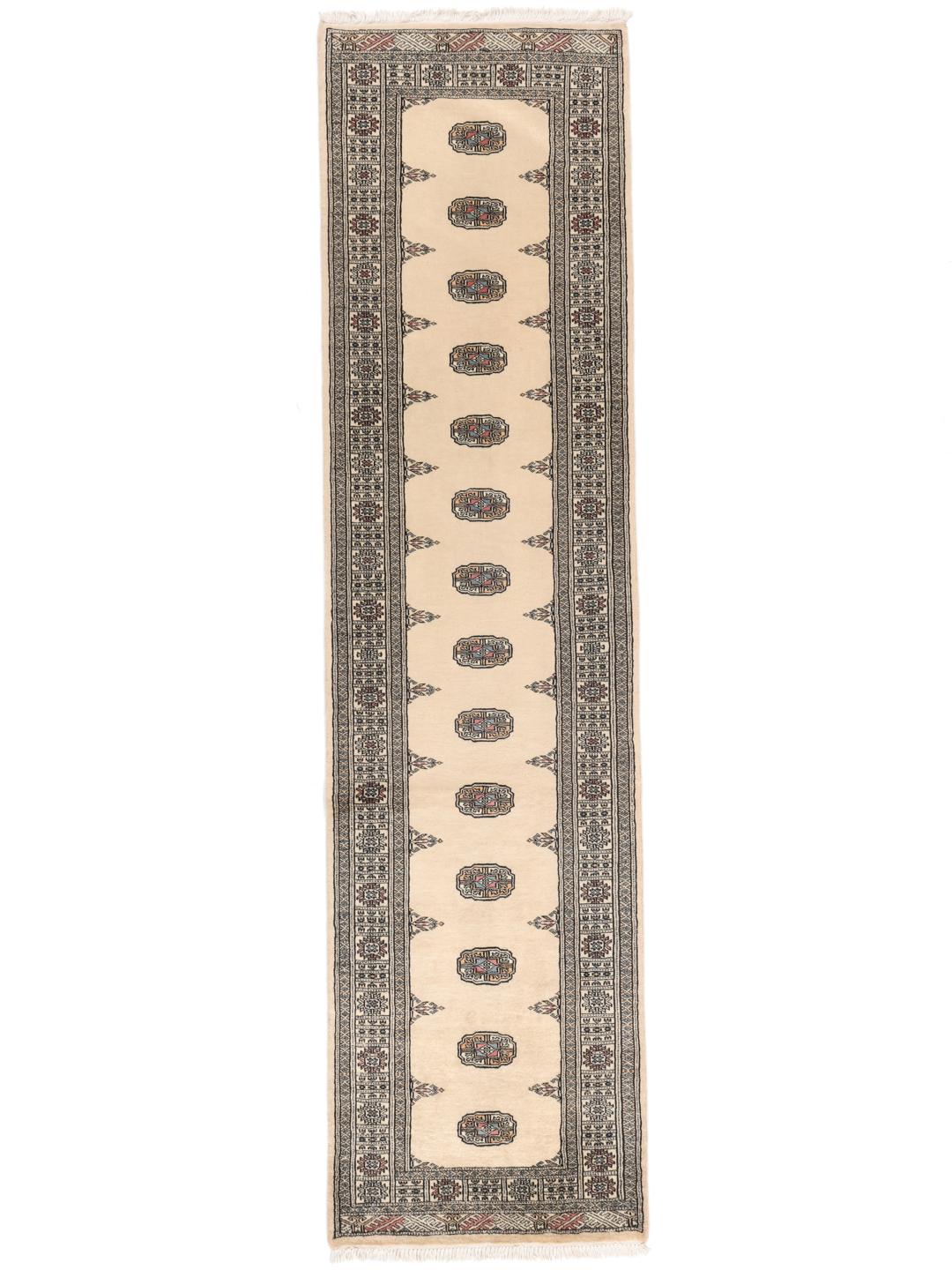
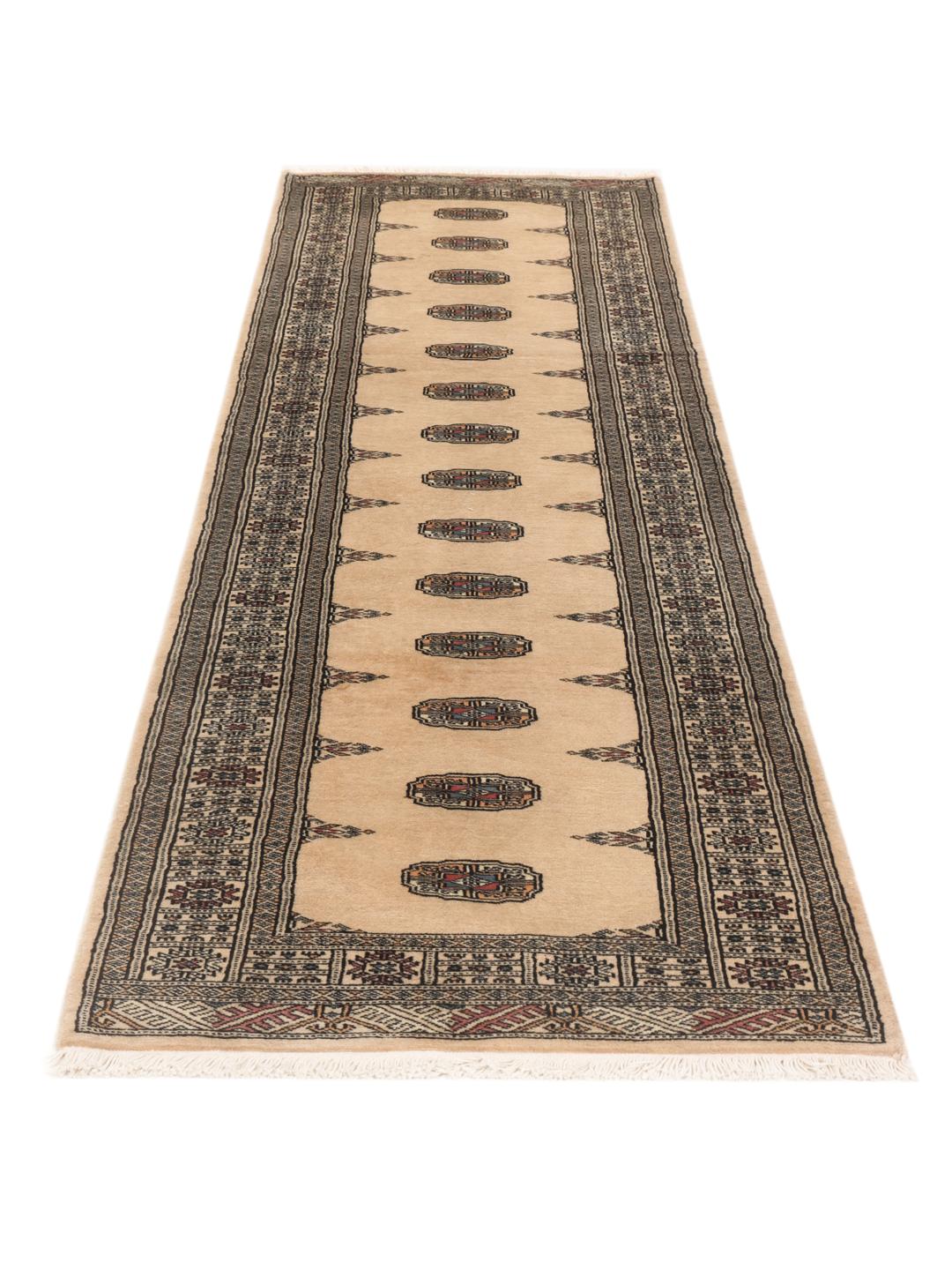
The Bokhara rug is a style deeply rooted in the history of Central Asia, taking its name from the ancient Silk Road city of Bukhara. While its origins lie in the nomadic traditions of the region, the finest examples of these rugs are today masterfully woven in Pakistan. This migration of craft has allowed the tradition to flourish, blending historical techniques with refined modern standards.
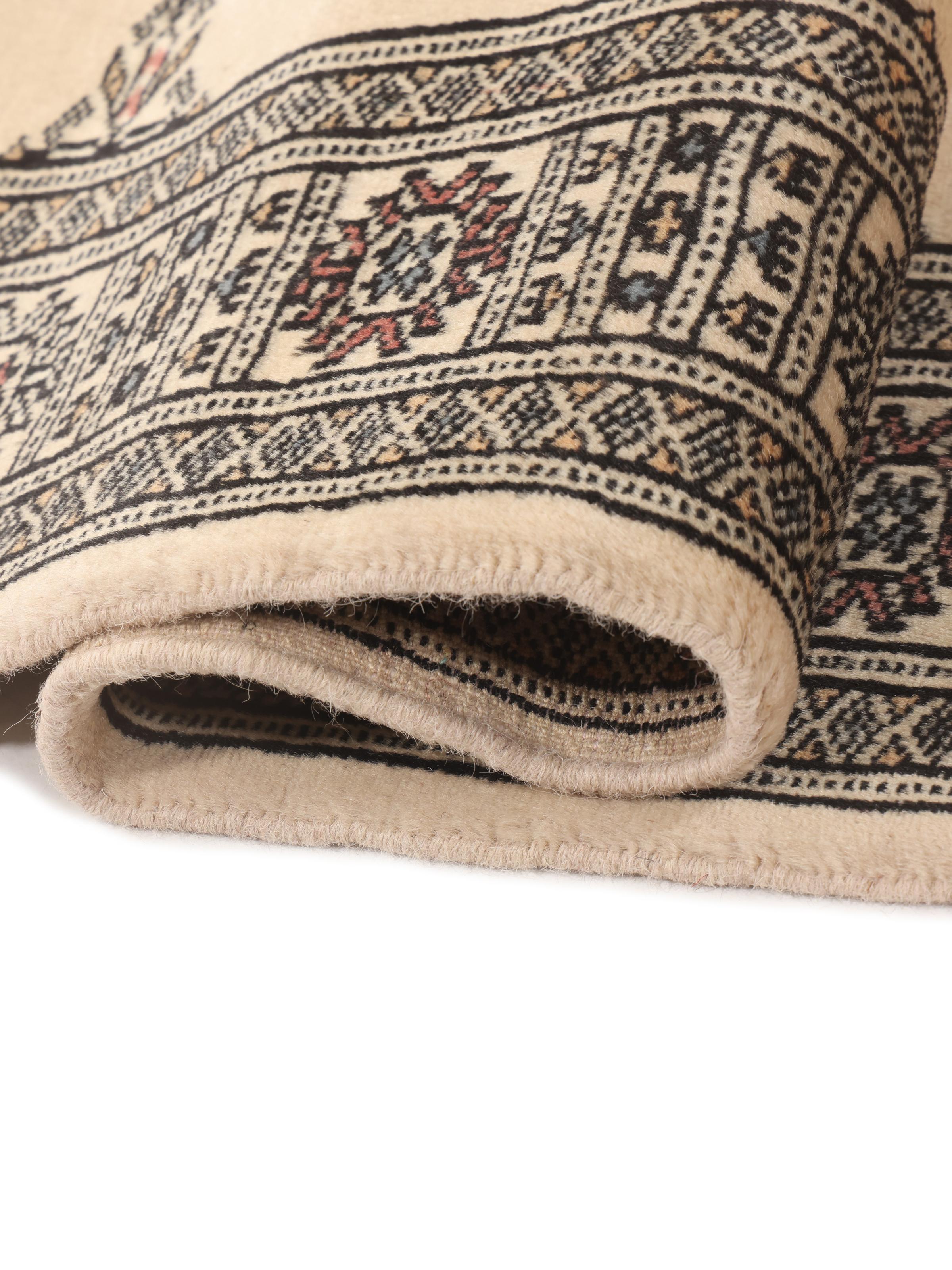
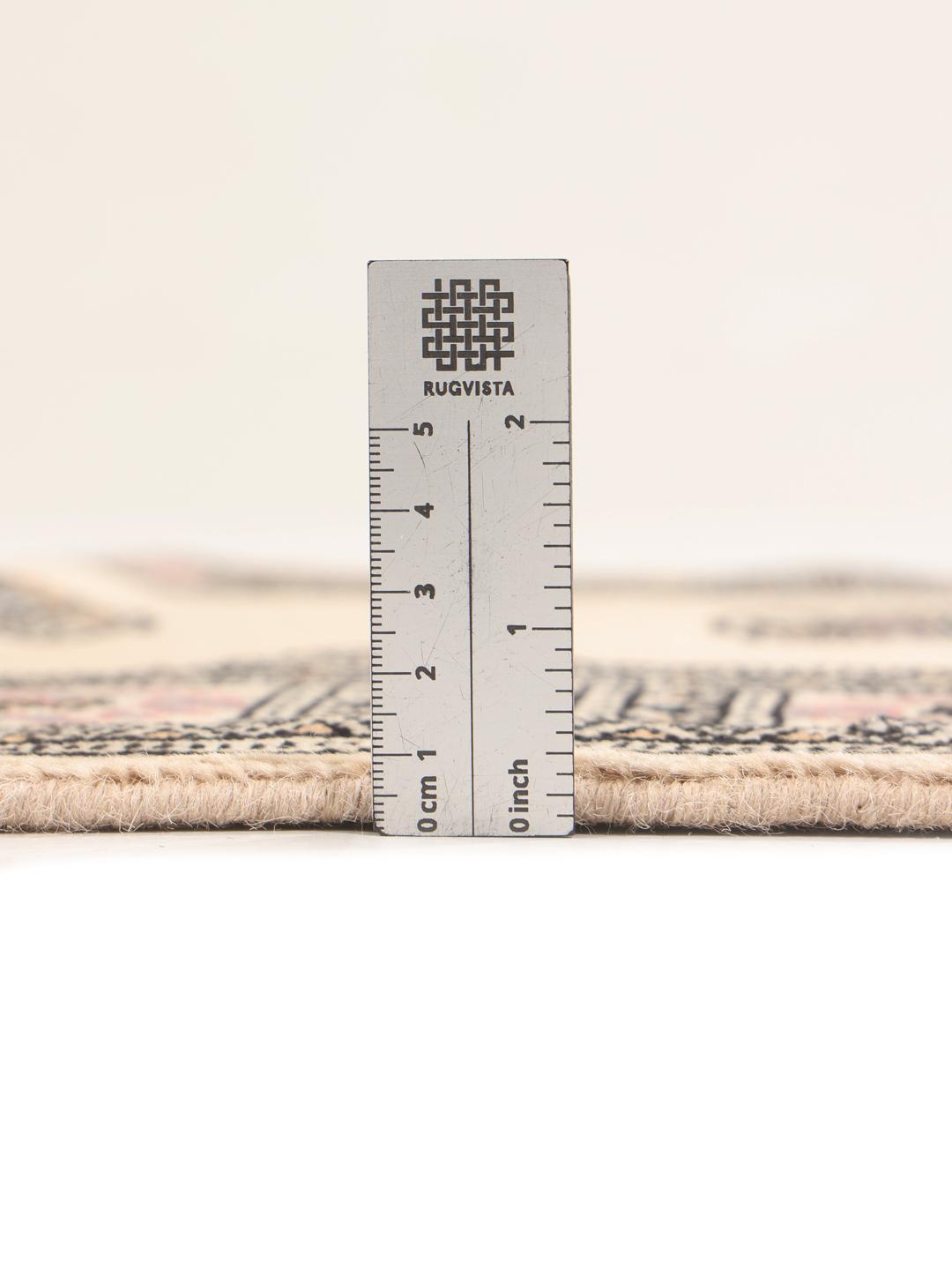
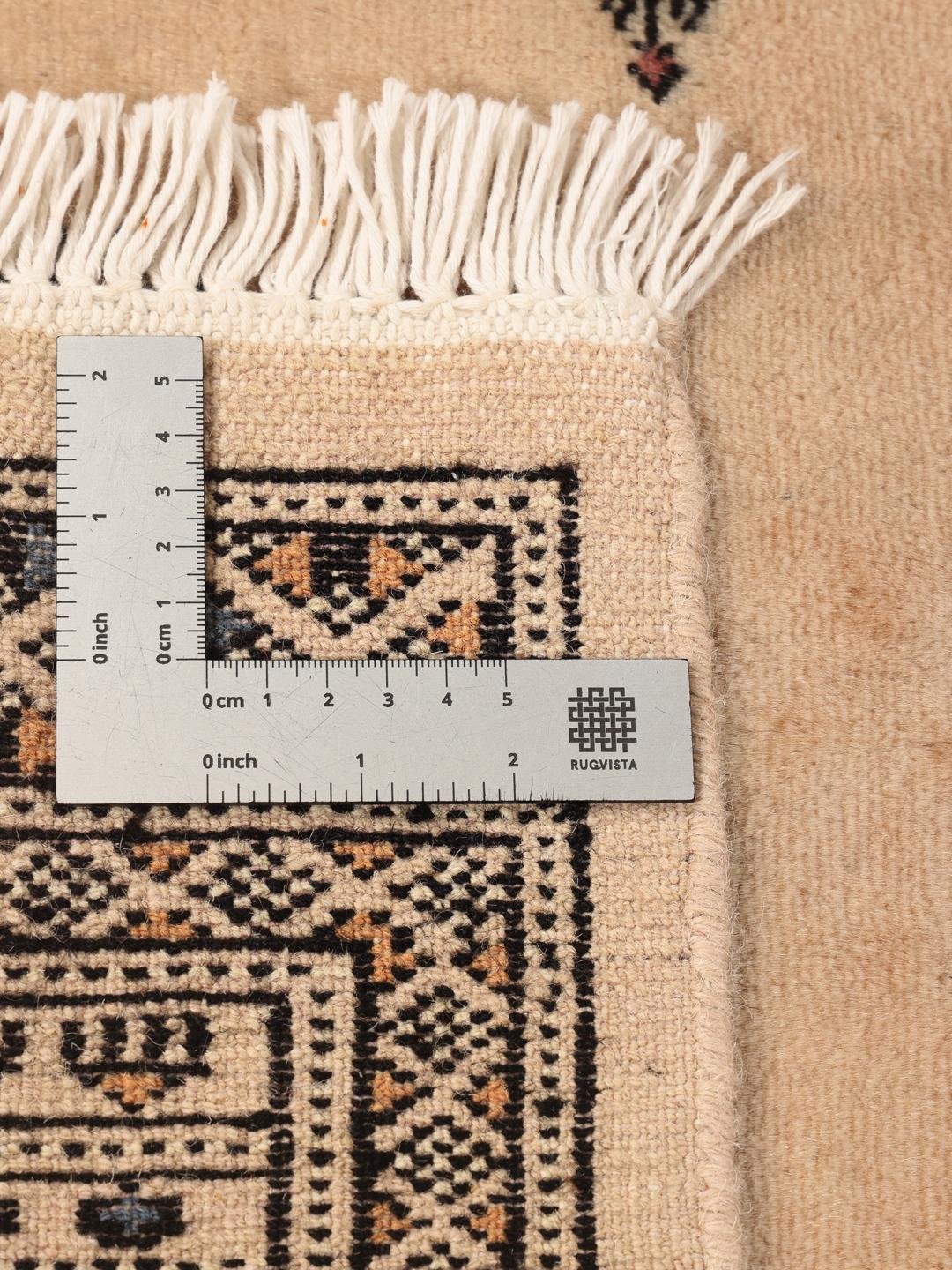
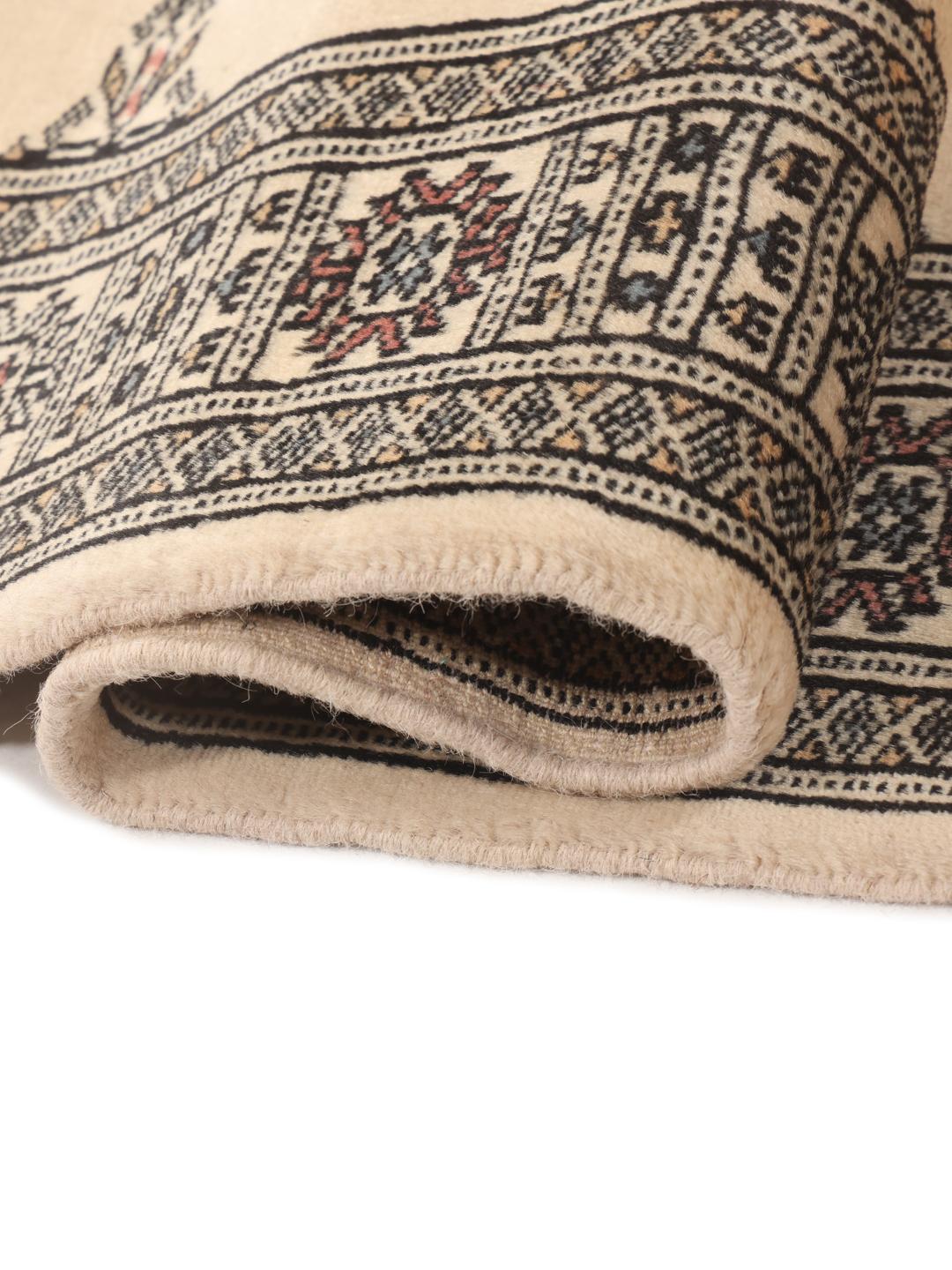
The '2ply' designation refers to the construction of the wool pile, where two strands are twisted together before being knotted. This technique is significant because it results in a thicker, more lustrous, and remarkably durable yarn. For the owner, this means a rug that not only feels softer and more substantial underfoot but also retains its vibrant appearance and structural integrity for years to come.
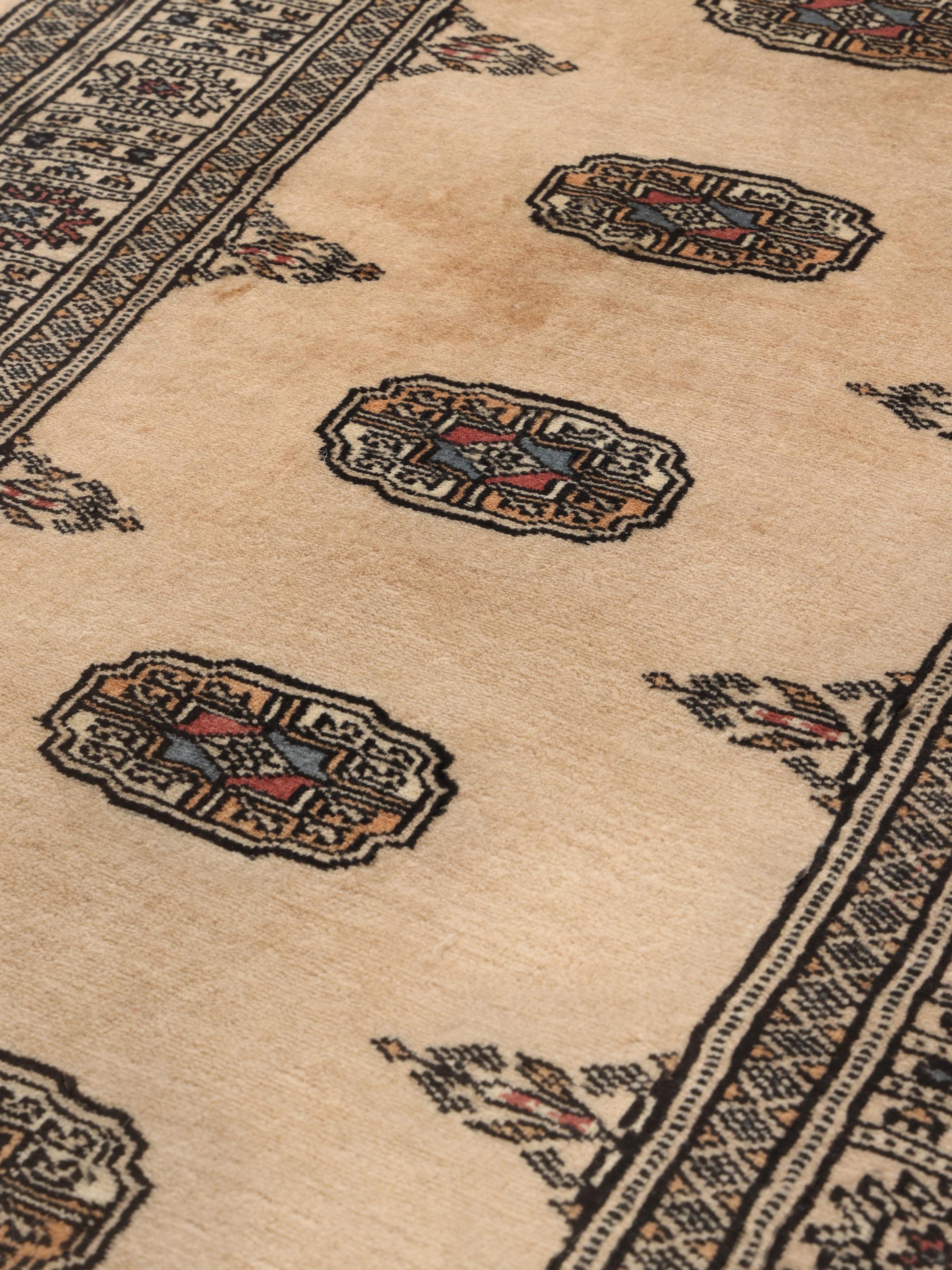
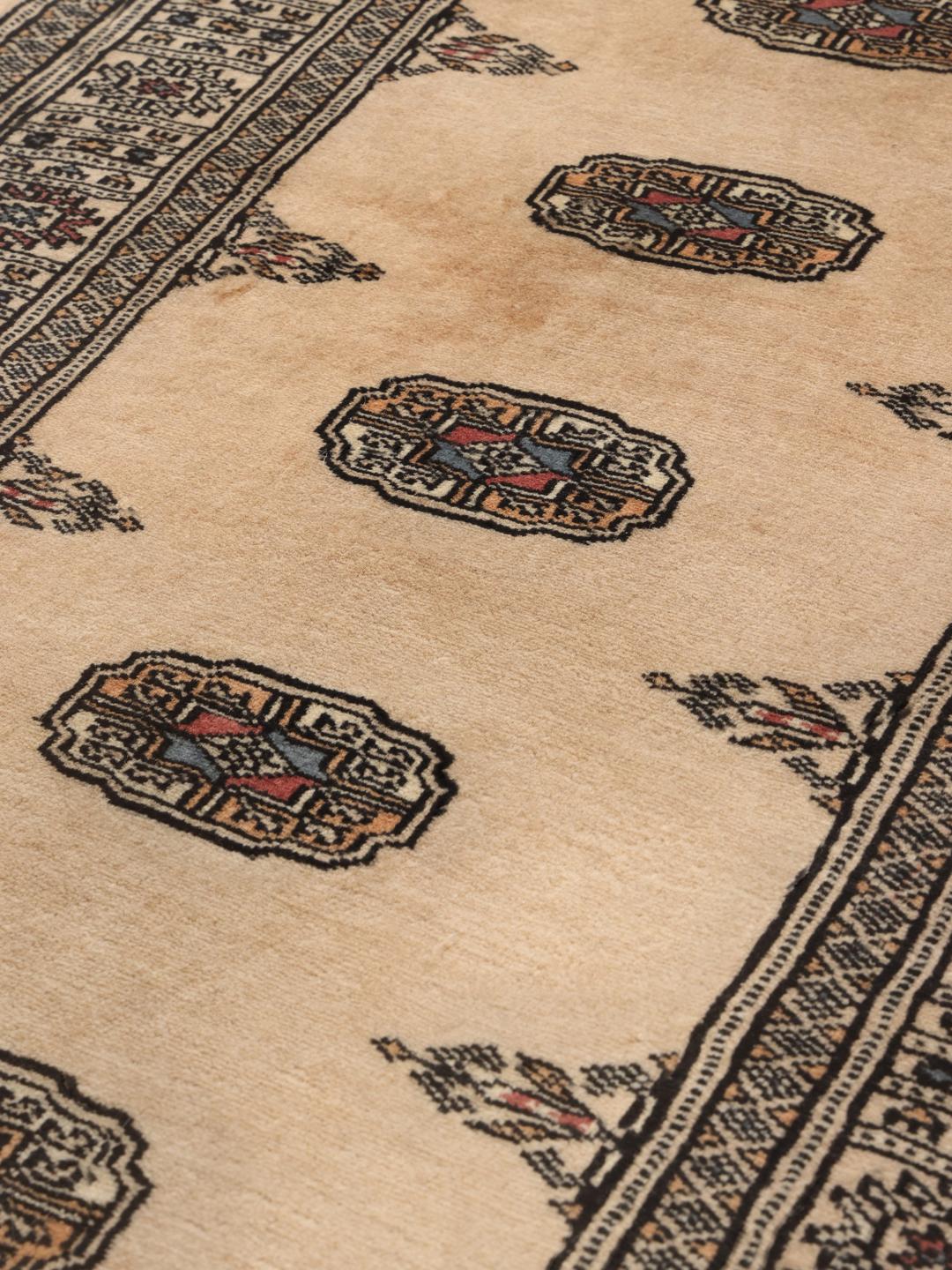
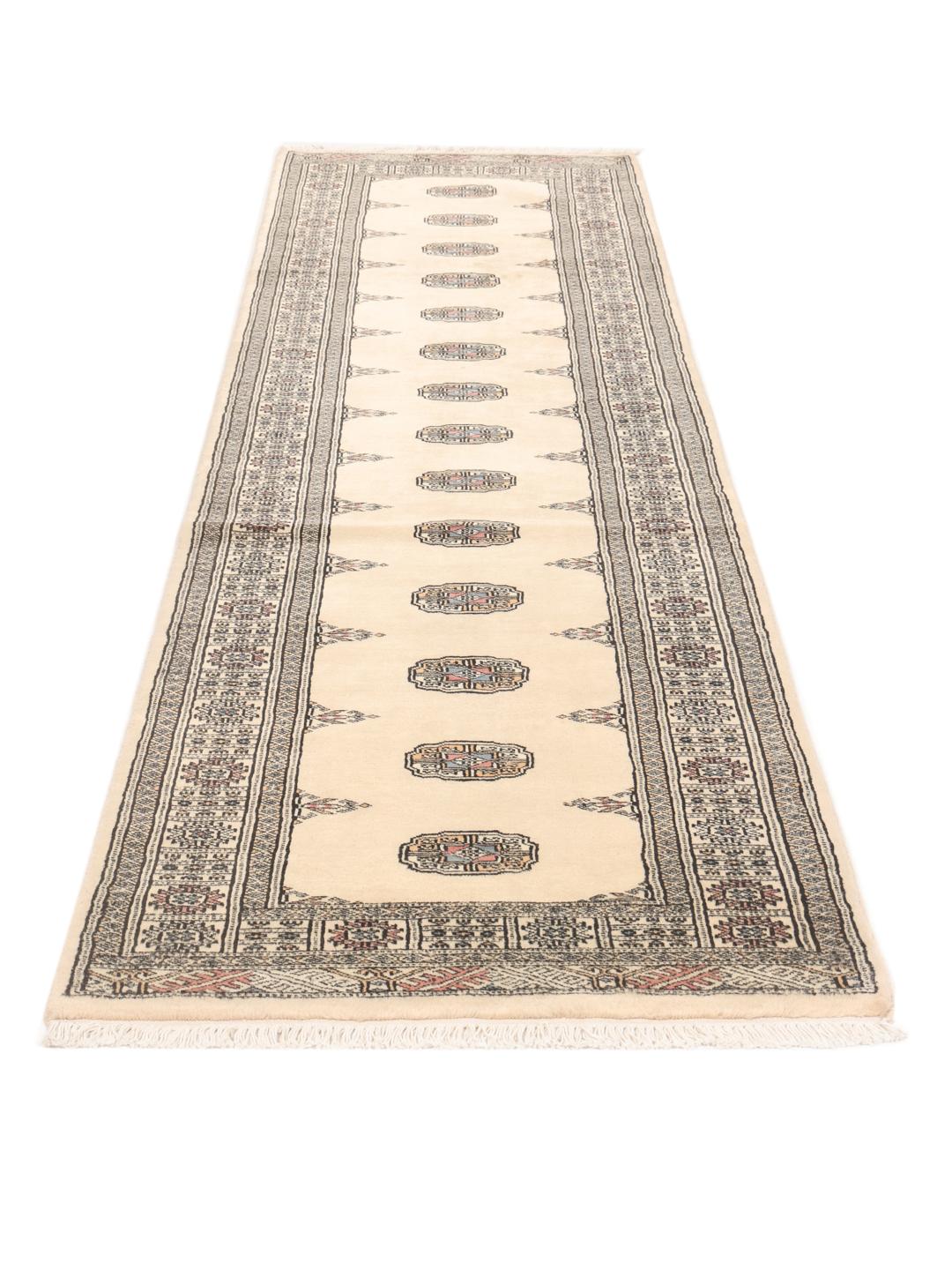
Visually, these rugs are defined by their field of repeating gul motifs, which are often octagonal or elephant-foot shaped medallions. These are typically arranged in clean, geometric rows and framed by intricate, formal borders that mirror the complexity of the central design. The colour palettes are often soft and warm, providing a sense of harmony that makes them highly versatile in various home settings.
Owning a hand-knotted runner from this tradition is about more than just floor decor, as it represents a connection to a centuries-old craft. Collectors value these pieces for their display of skill, the consistency of their patterns, and the enduring quality of their materials. By bringing one into your home, you are preserving a legacy of artistry that honours the patience and expertise of the artisan.