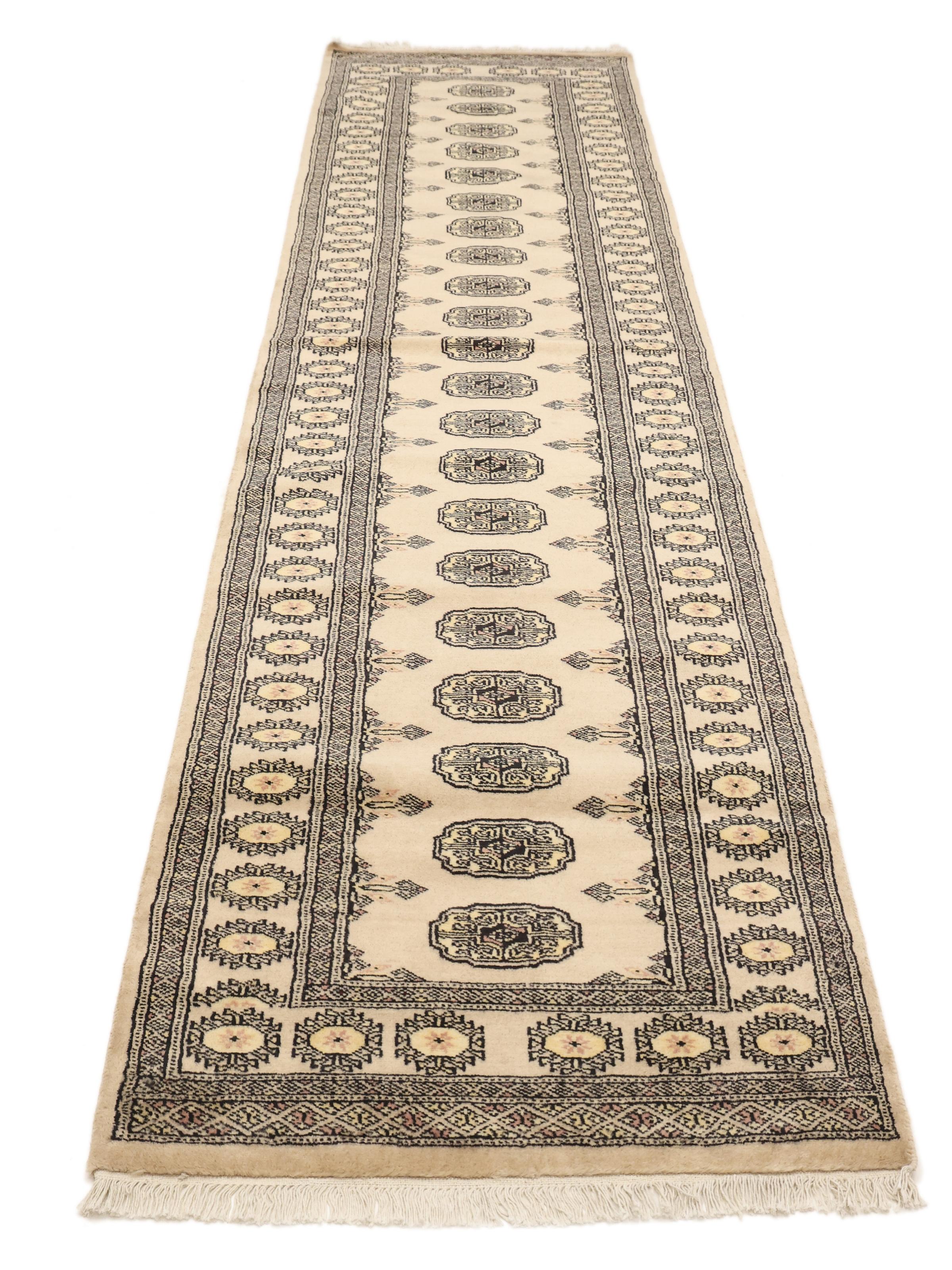
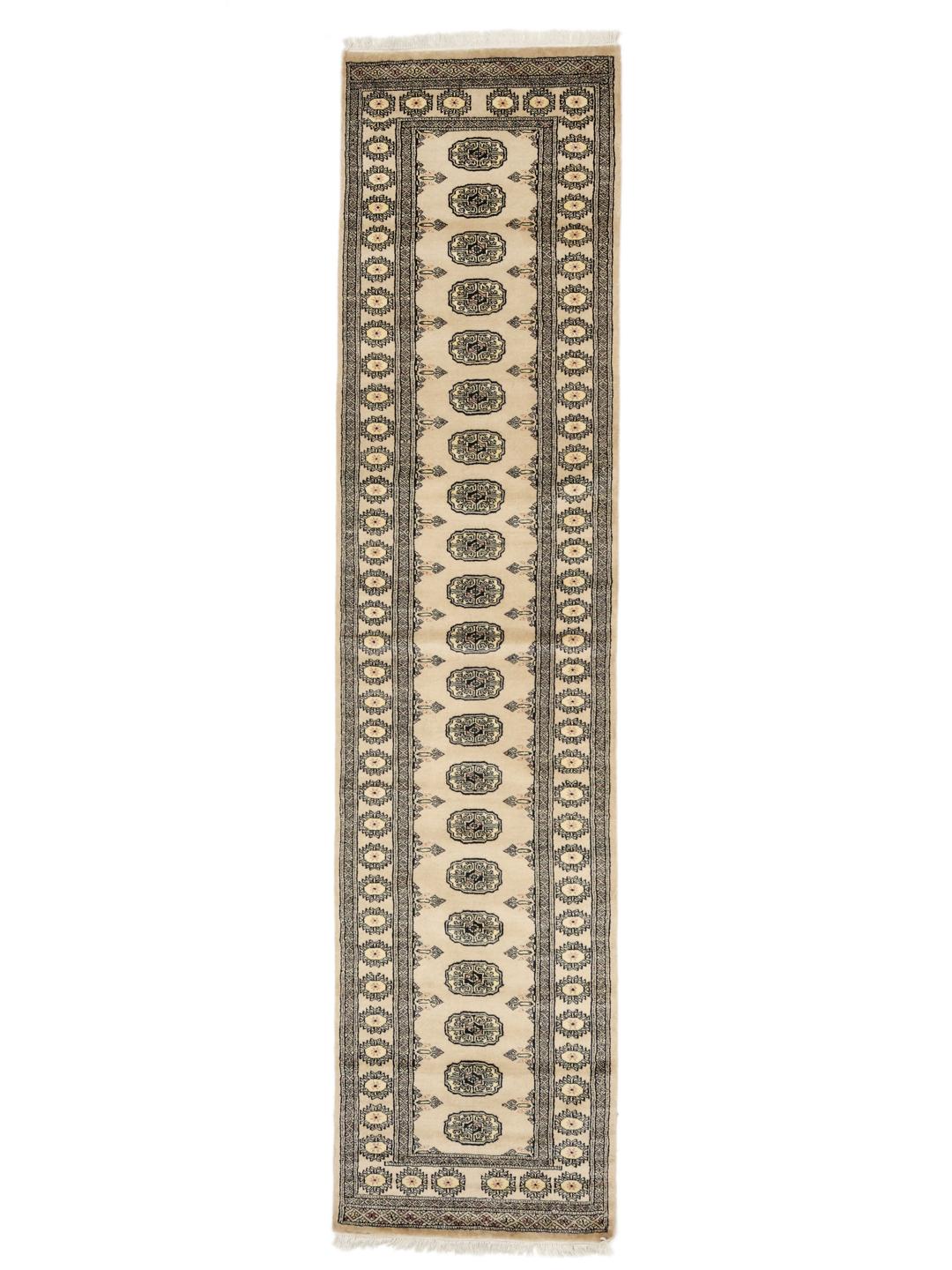
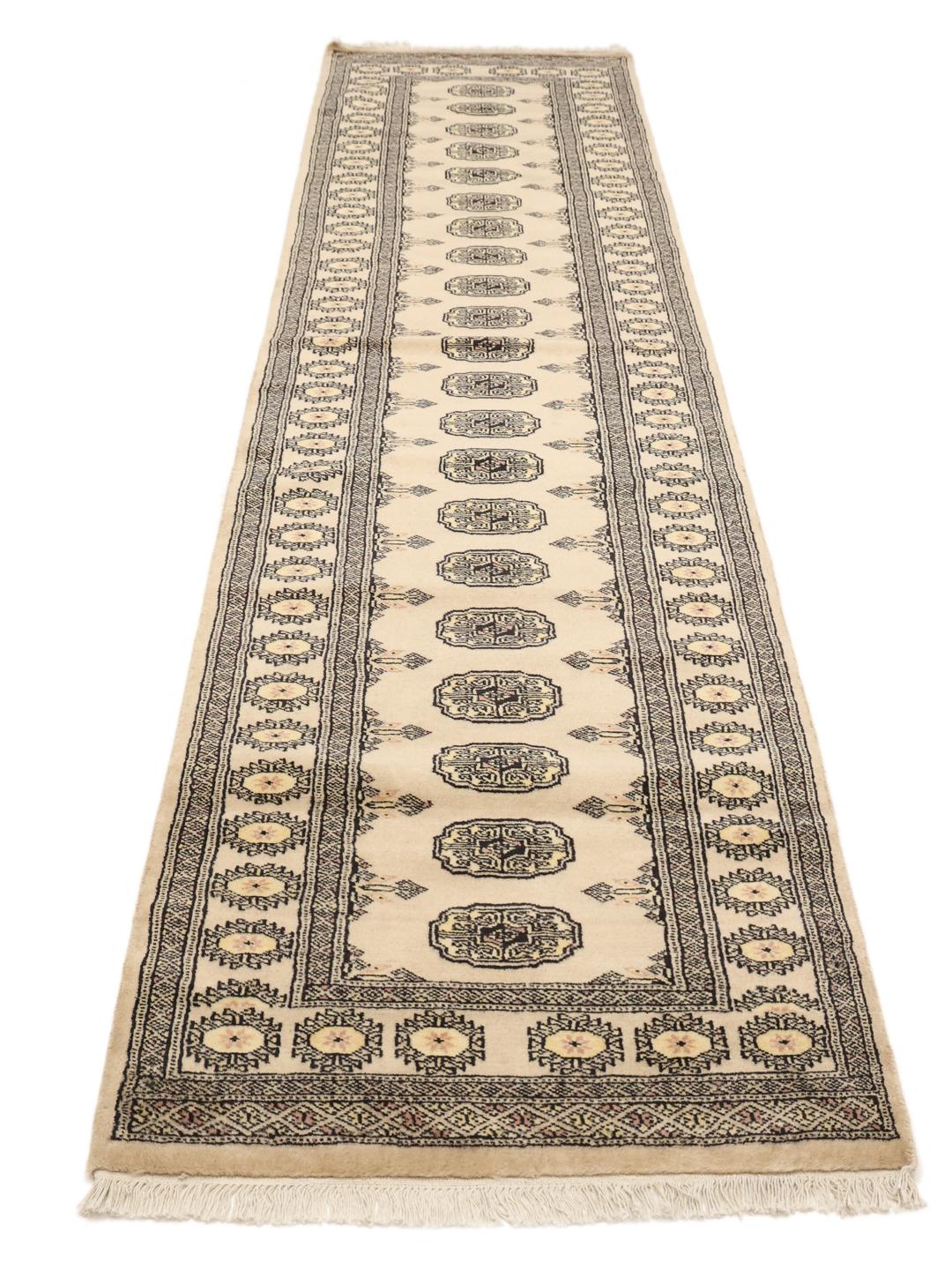
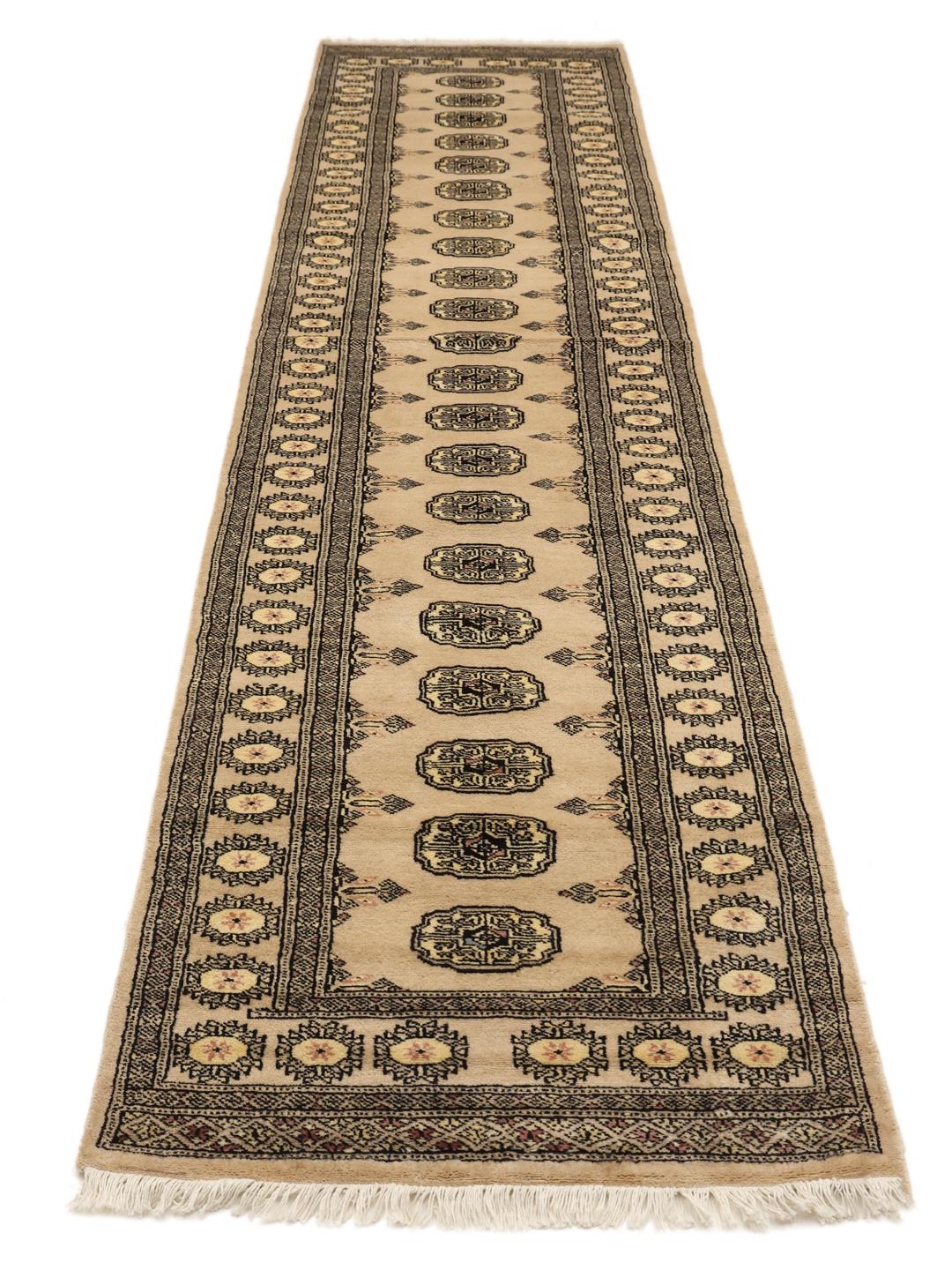
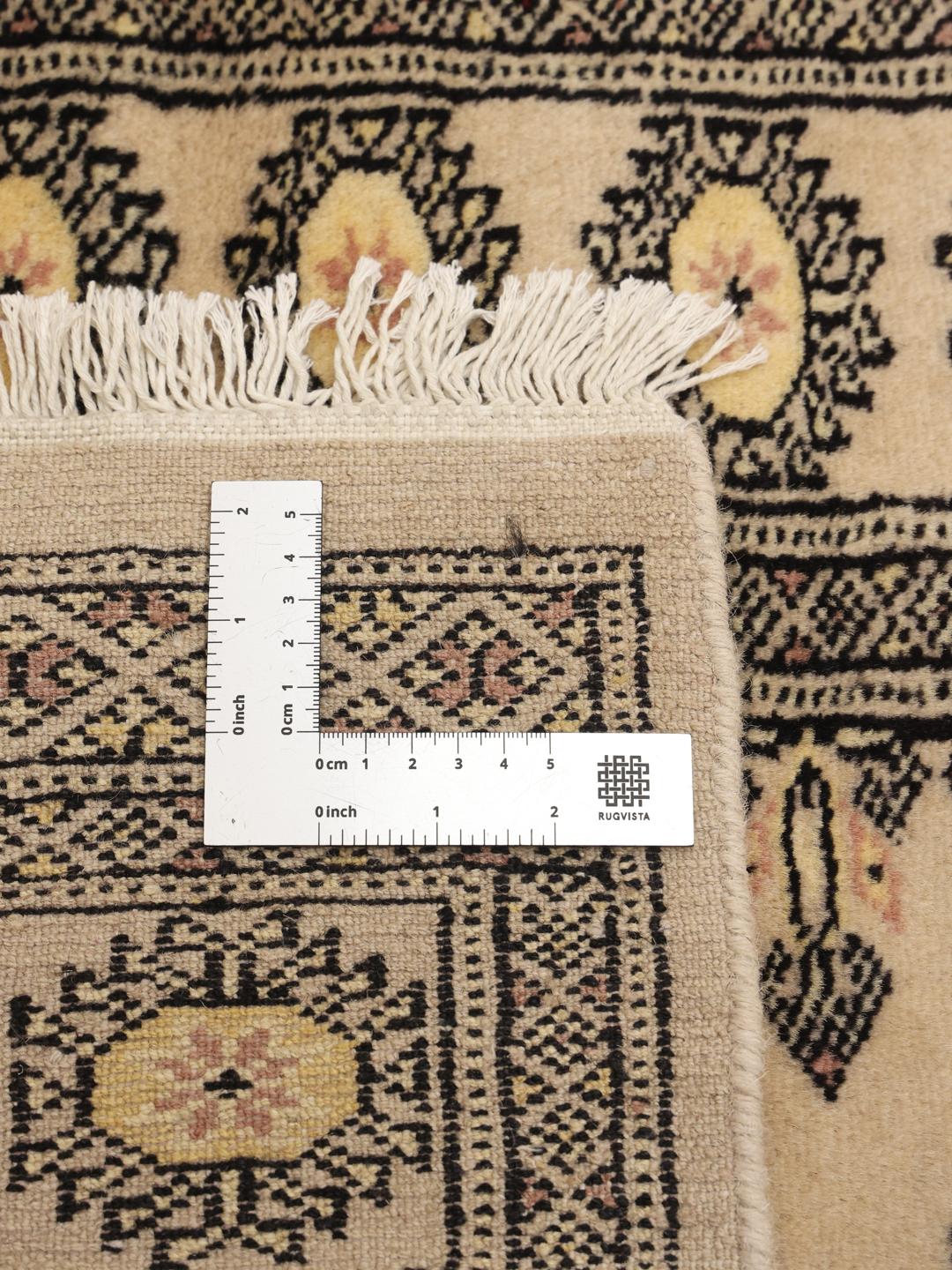
The Bokhara rug tradition is deeply rooted in the history of Central Asia, taking its name from the ancient Silk Road city of Bukhara. While these designs have their origins in the nomadic tribes of the region, the finest examples today are primarily produced in Pakistan, where the tradition has been refined and perfected over generations.
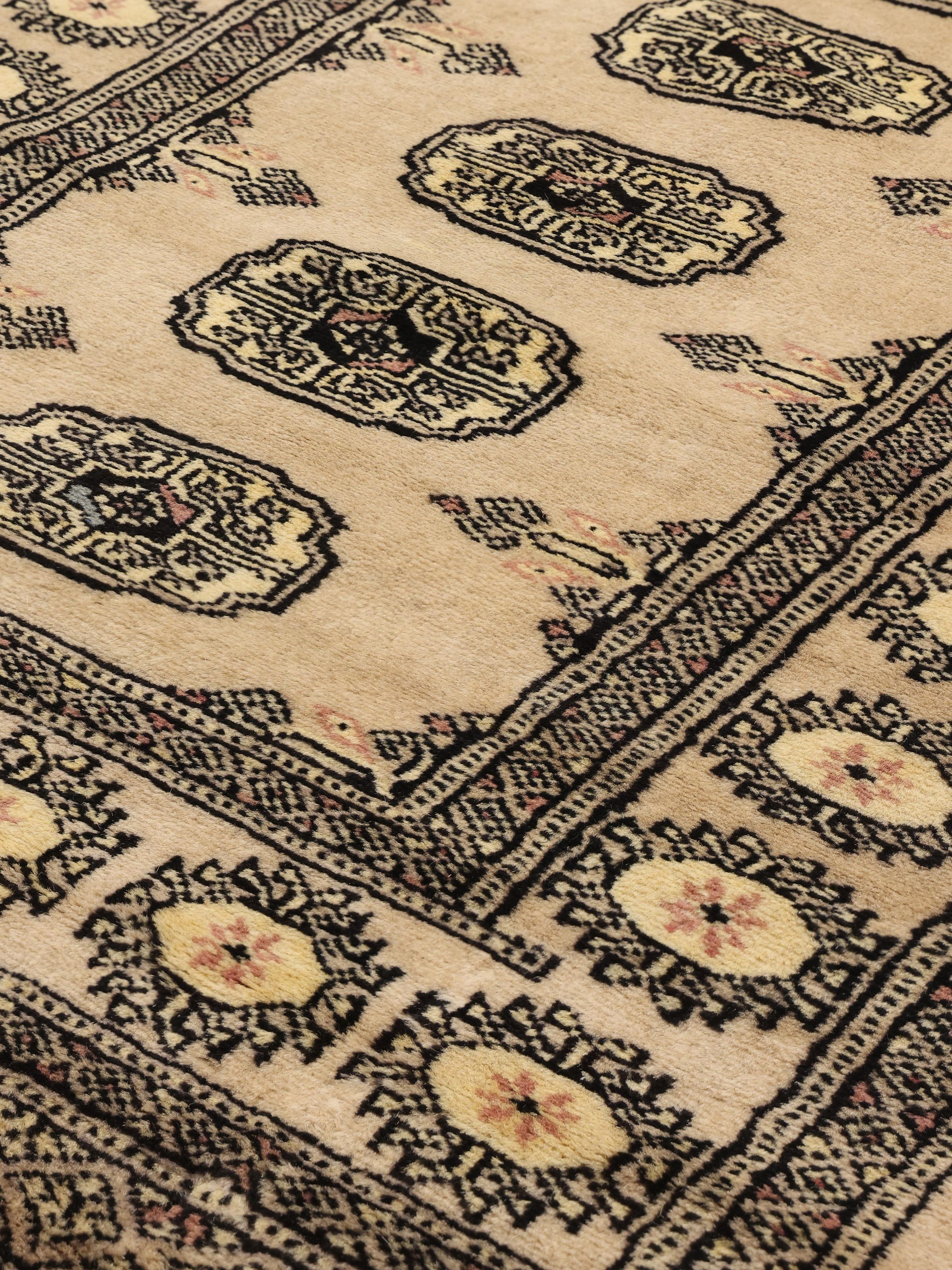
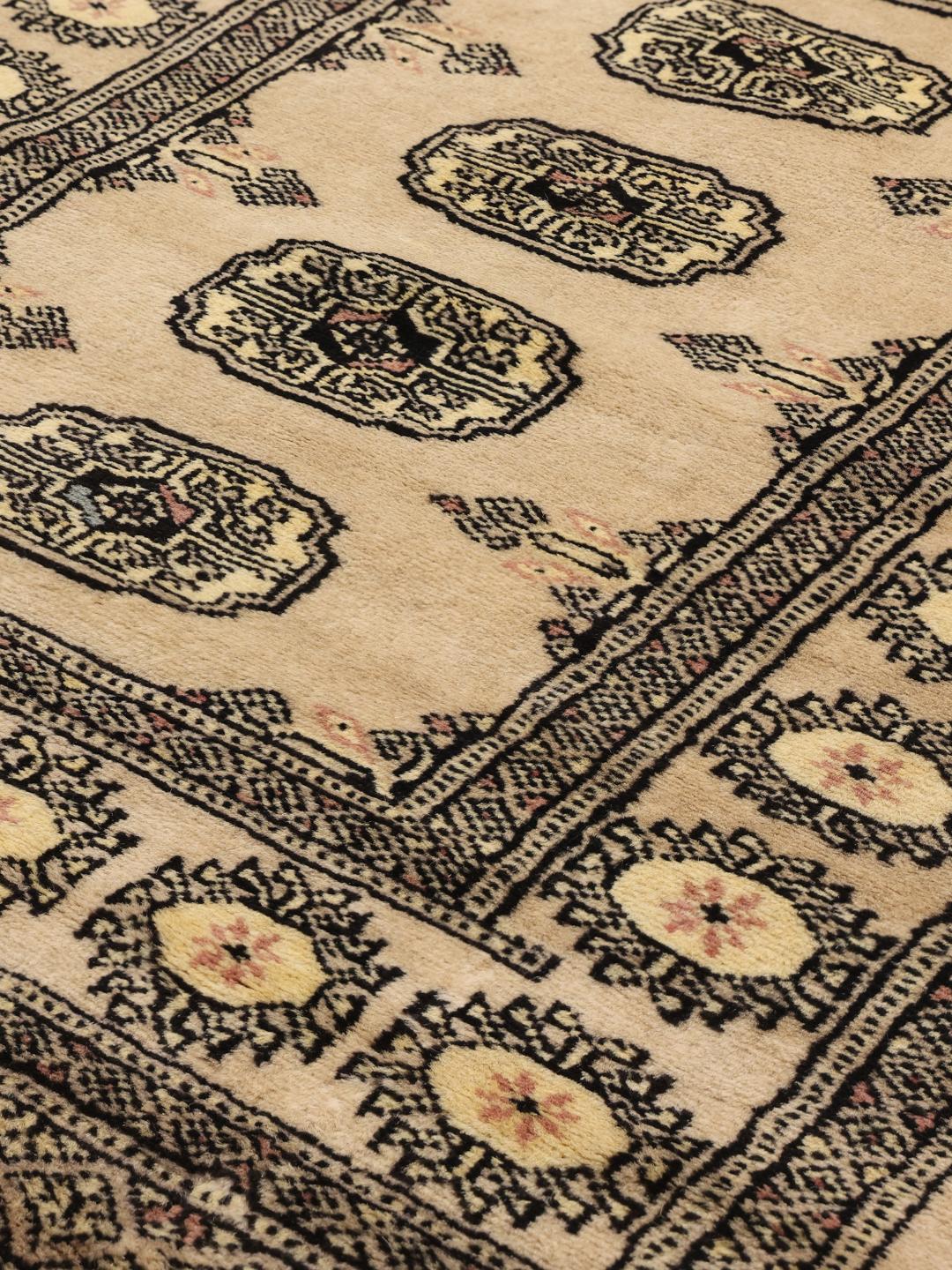
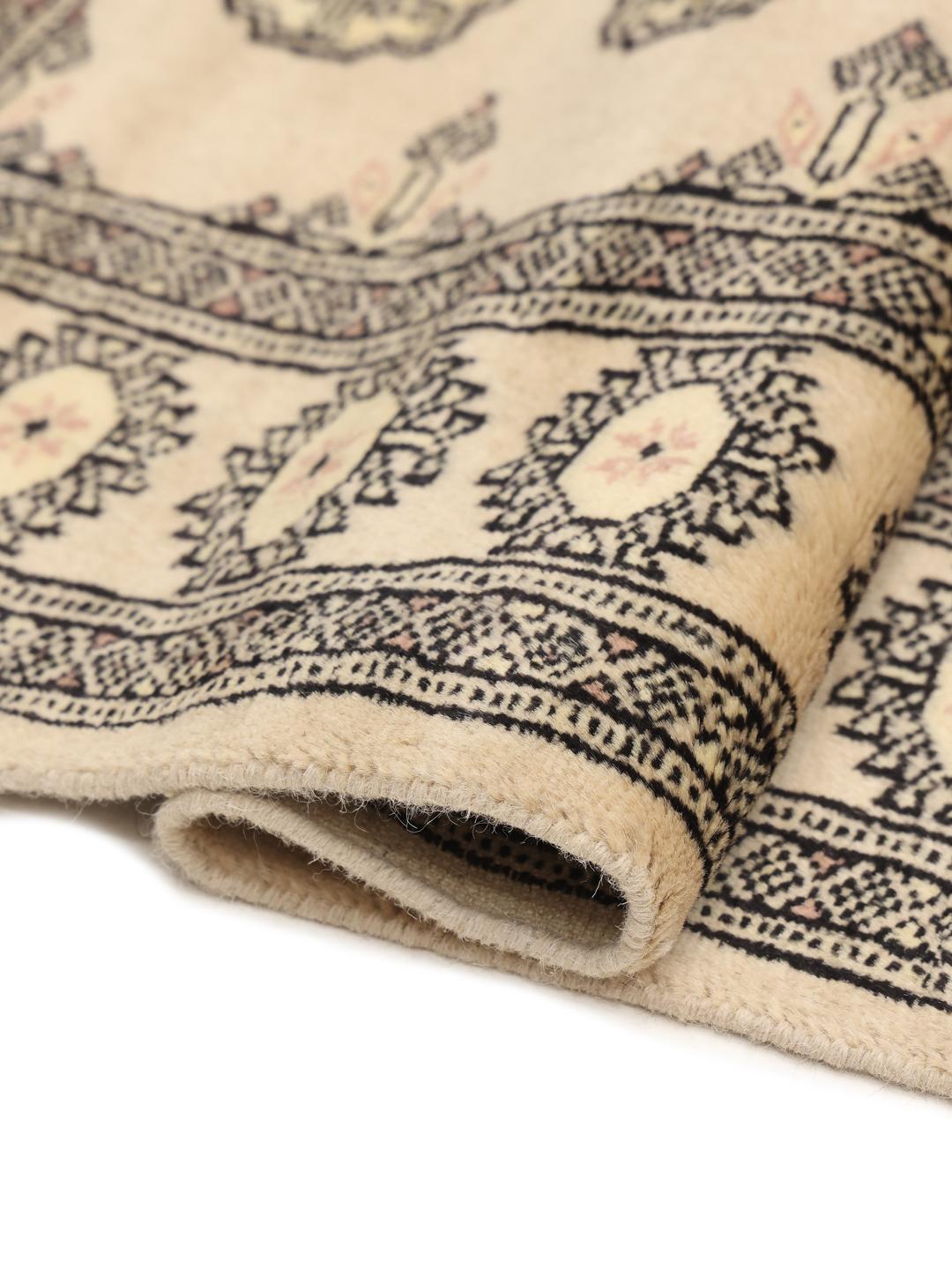
The term 2ply refers to the construction of the pile, where two strands of Wool are twisted together before being knotted. This technique is significant because it creates a more lustrous, durable, and resilient pile compared to single-ply yarns, giving the rug a richer texture and a longer lifespan.
Visually, these rugs are defined by their repetitive gul motifs, which are stylised, octagonal medallions often resembling elephant feet. These are usually set within a formal, structured border, creating a rhythmic and harmonious layout that is highly sought after for its sense of order and balance.
Owning a piece from this tradition is an opportunity to connect with a long-standing heritage of craft. These rugs are valued not just for their aesthetic appeal, but for the skill and time required to create them, making them prized possessions for those who appreciate authentic artistry and cultural history.