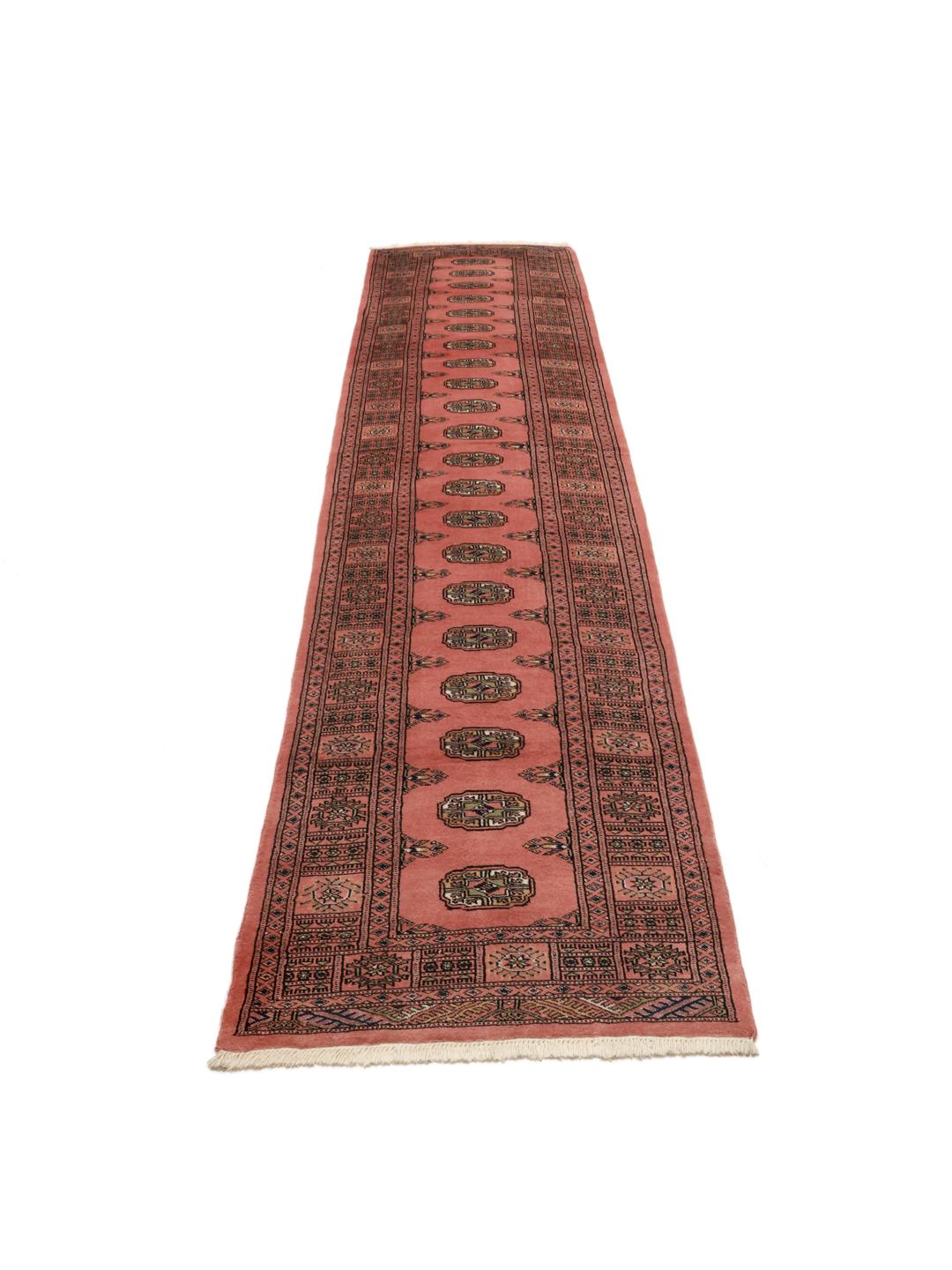
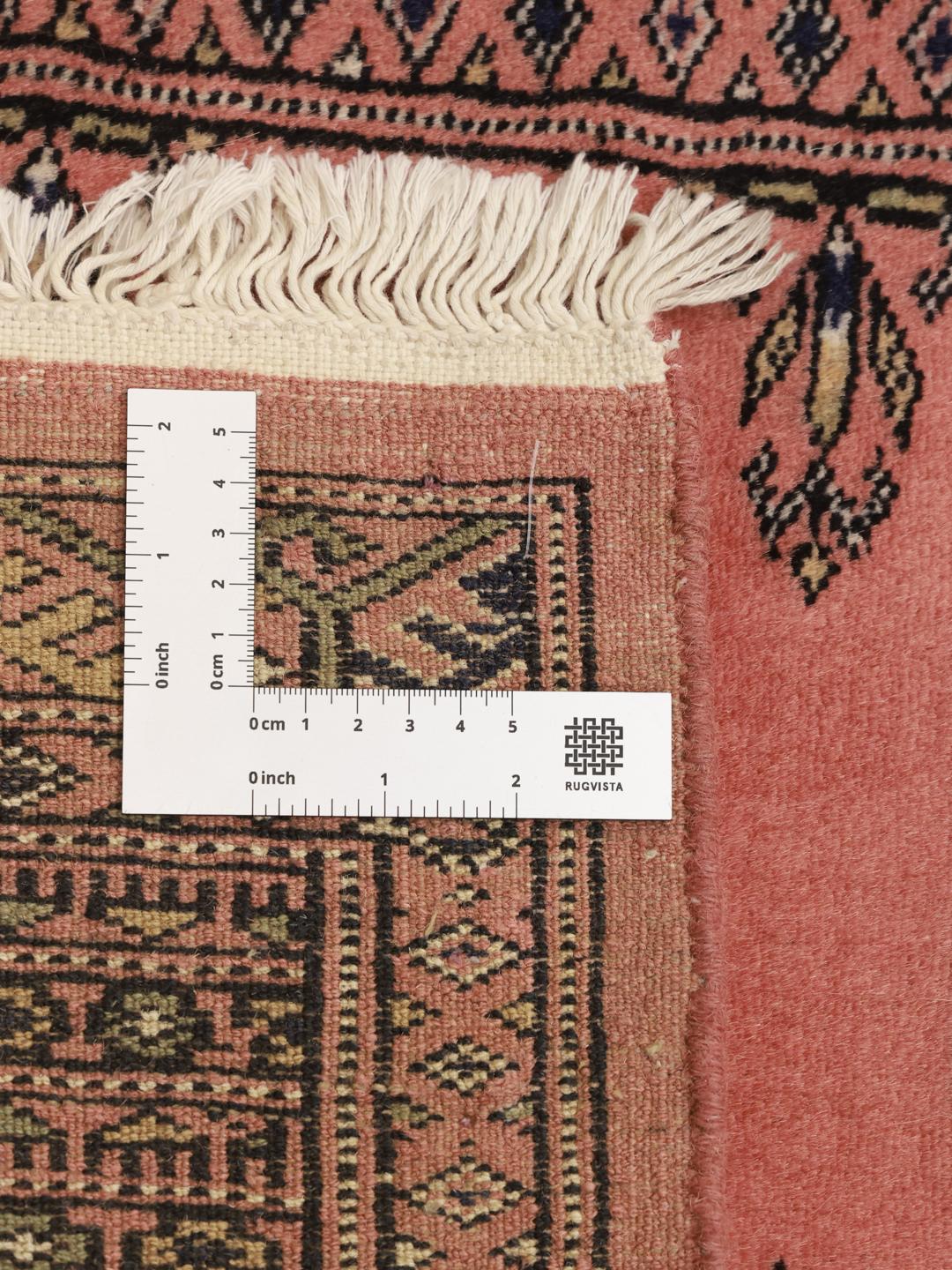
The Bokhara rug tradition draws its name from the ancient Silk Road city of Bukhara, which served as a vital hub for trade and cultural exchange in Central Asia. While the inspiration for these rugs is deeply rooted in the nomadic tribes of the region, the finest contemporary examples are predominantly woven in Pakistan, where artisans have refined the craft over generations.
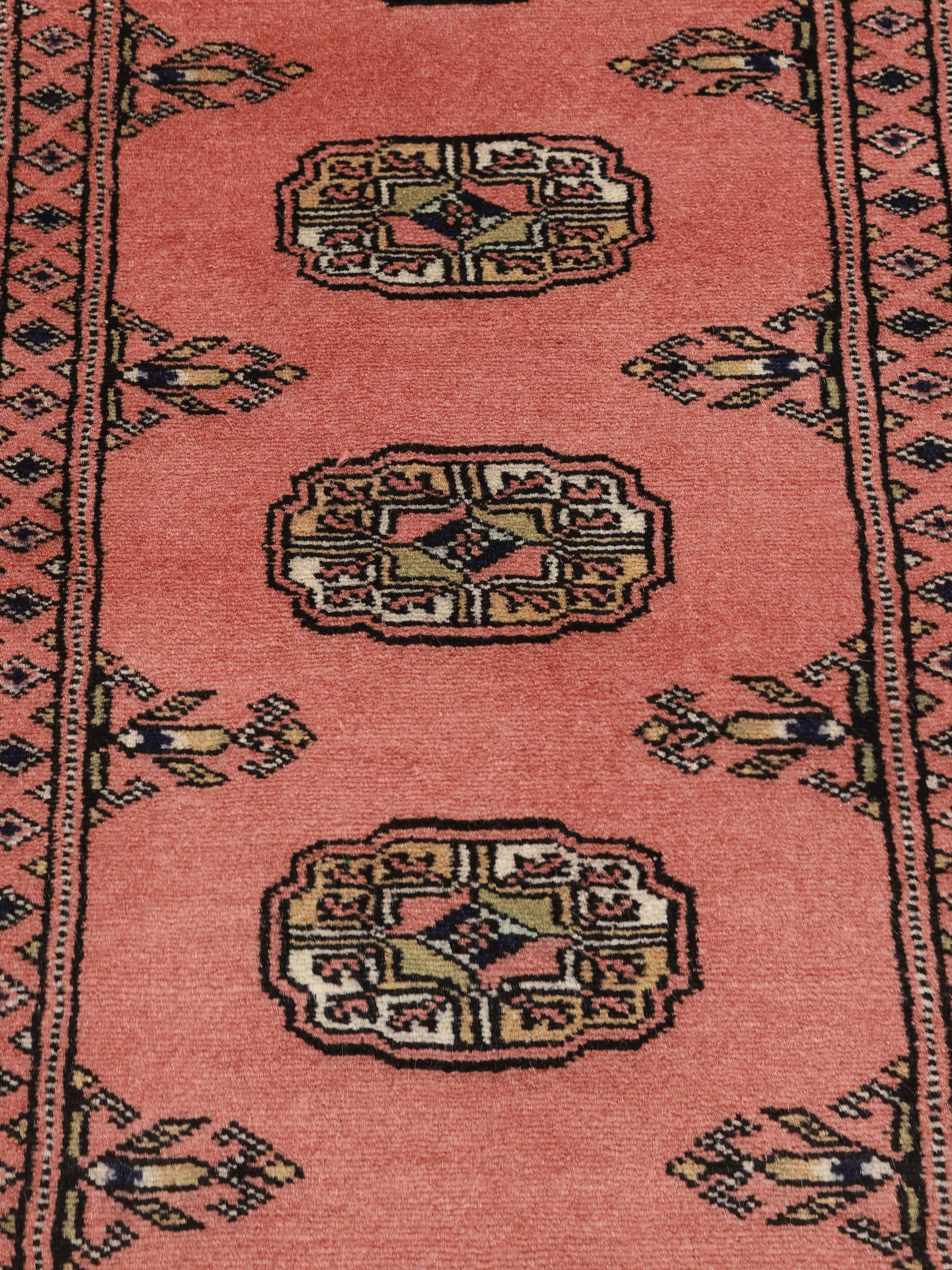
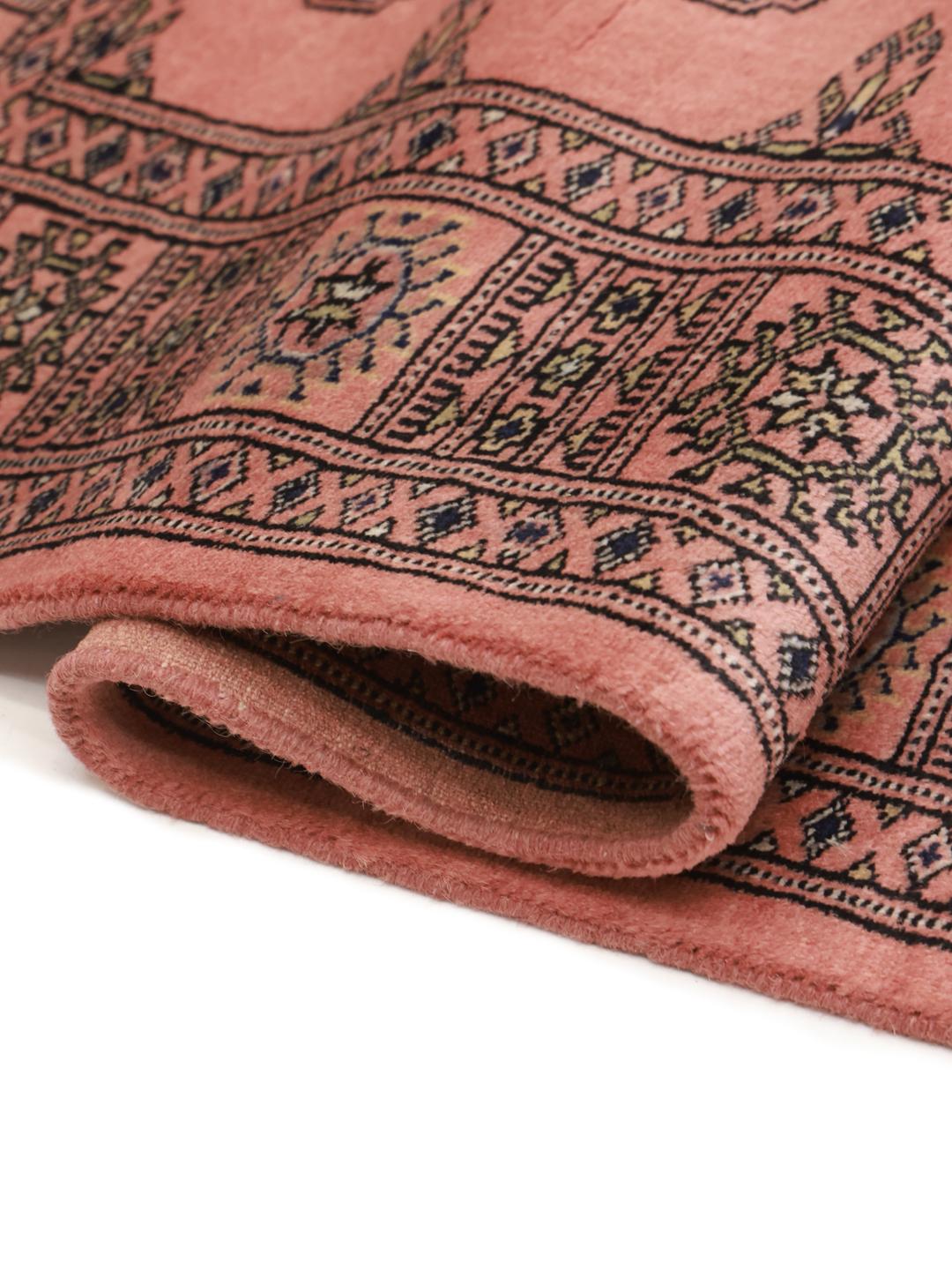
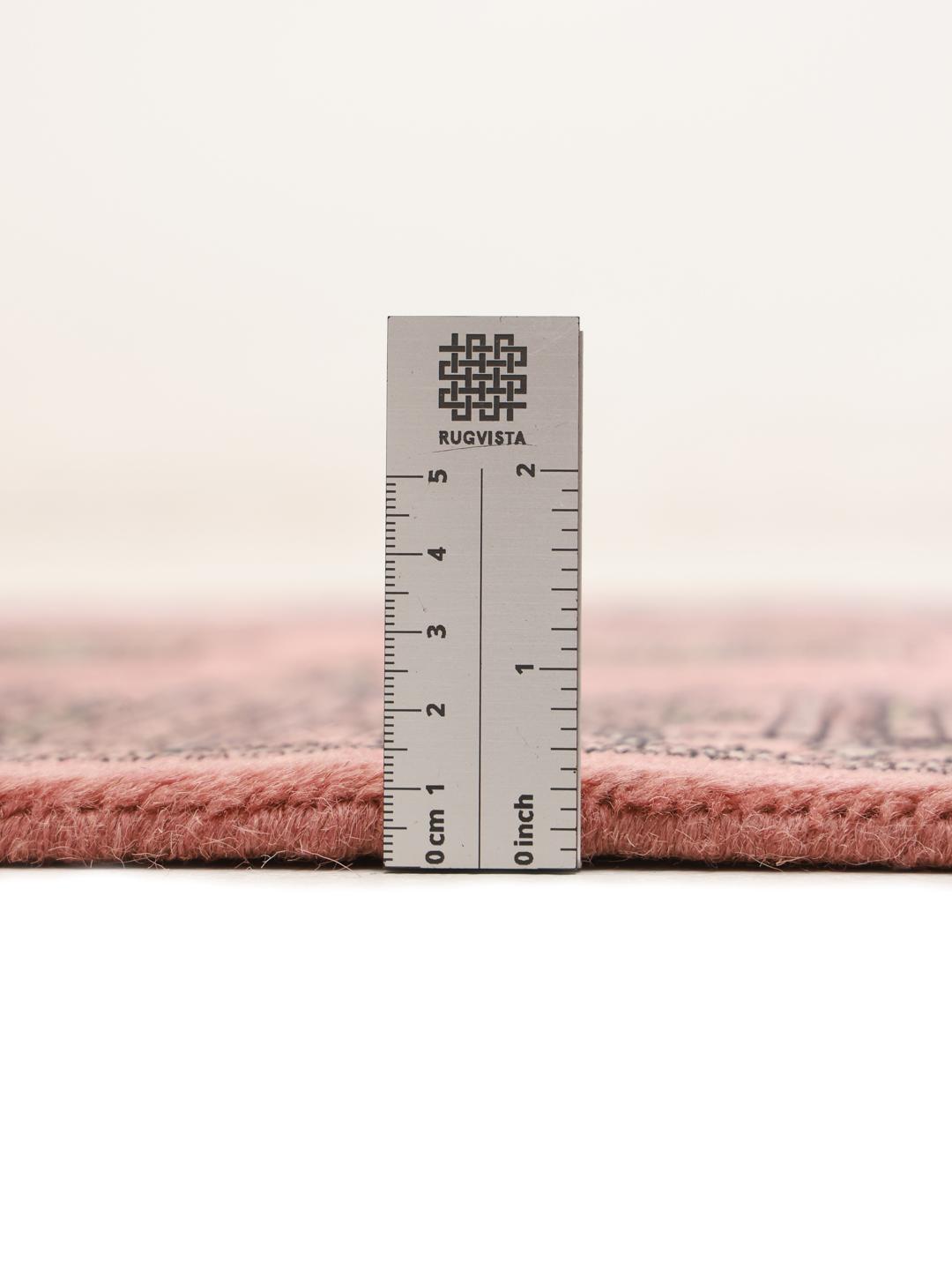
The term 2ply refers to the construction of the wool pile, which is created by twisting two separate strands together. This technique is essential for quality, as it produces a more robust, longer-lasting, and lustrous pile that is better equipped to withstand daily use while maintaining its vibrant appearance.
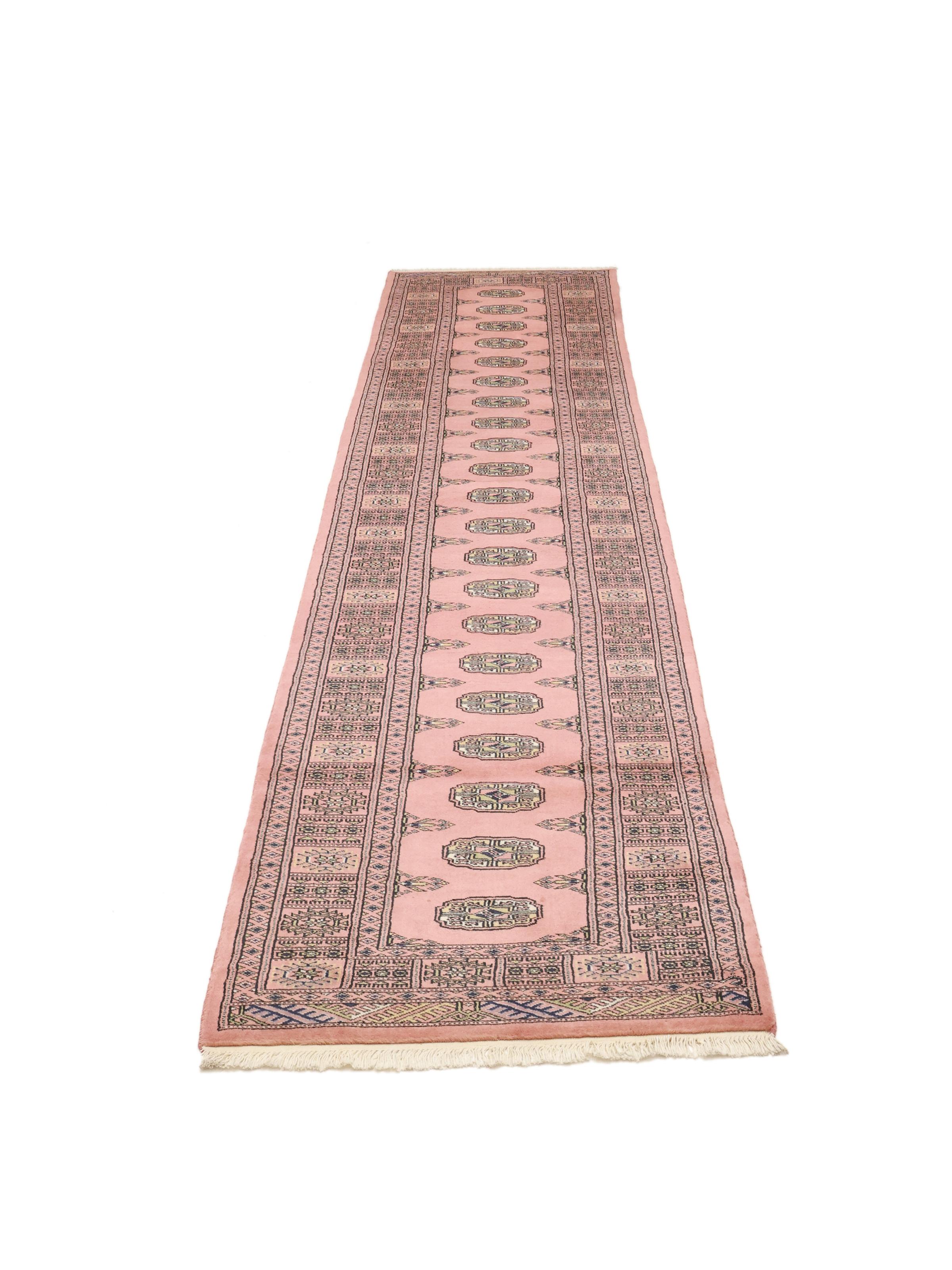
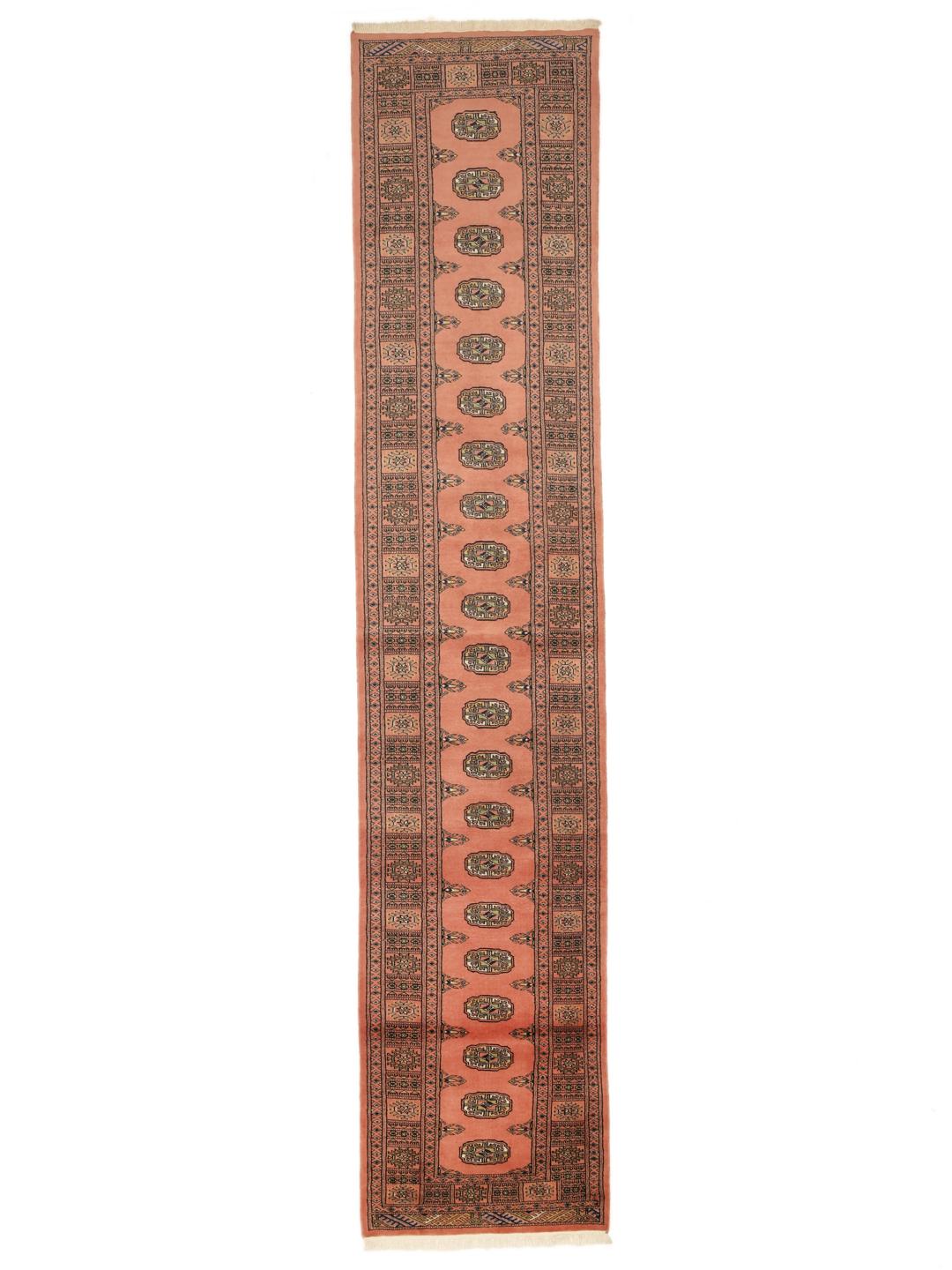
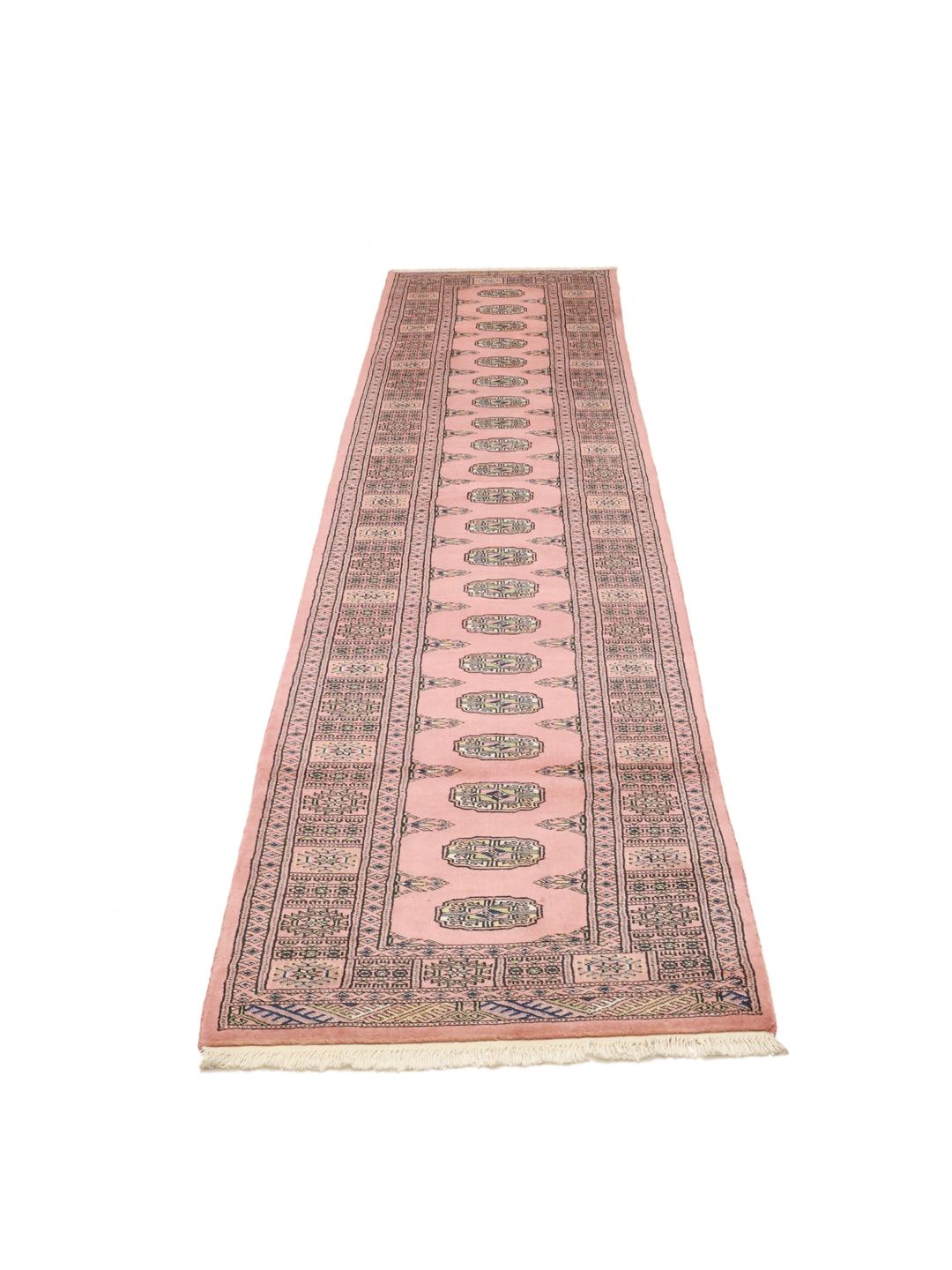
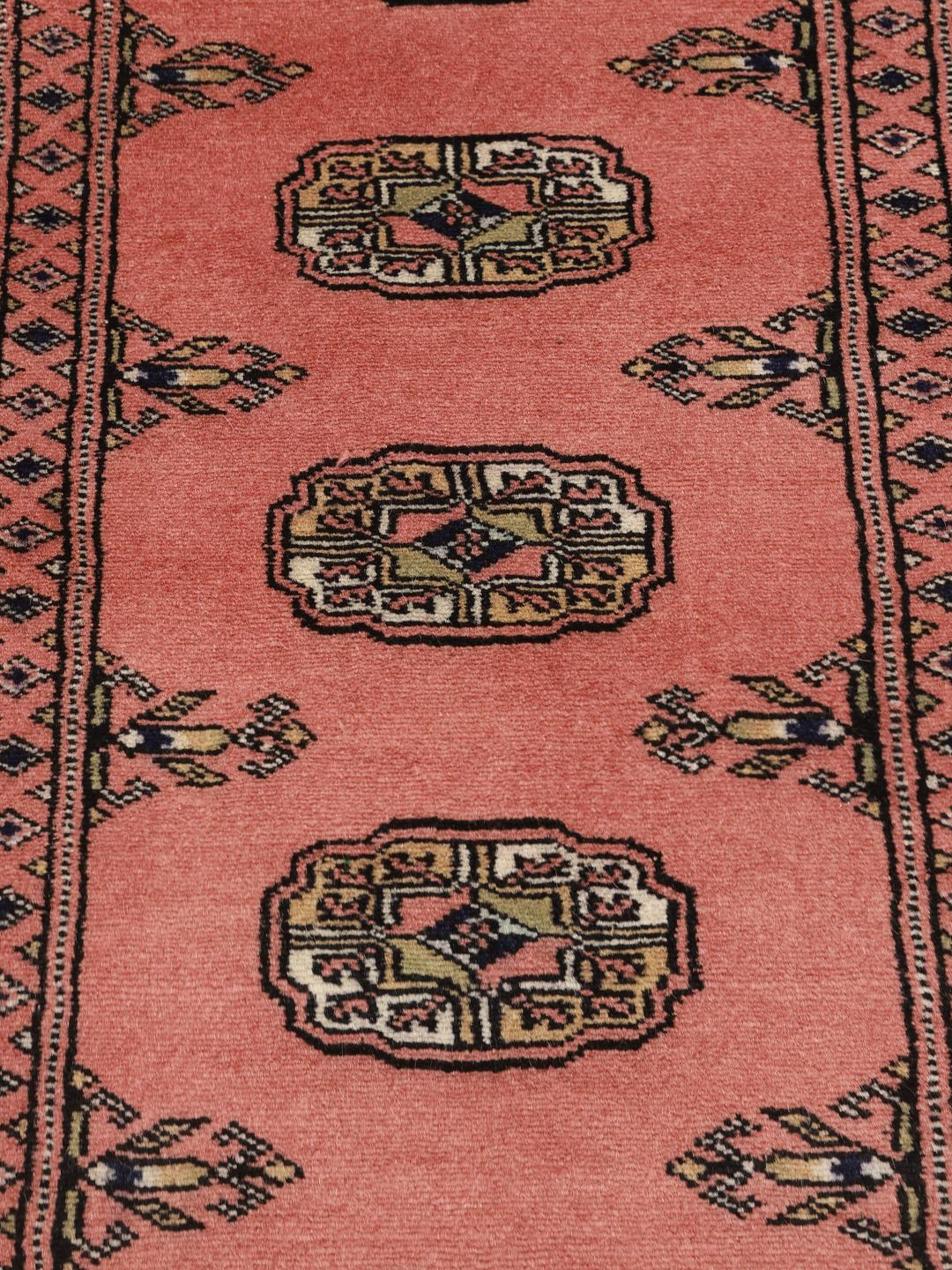
Visually, these rugs are defined by their iconic 'gul' motifs, which are repeating octagonal or elephant-foot medallions arranged in clean, structured rows. This specific runner showcases the formal, repetitive nature of this design language, framed by elaborate geometric borders that serve to contain and highlight the rhythmic beauty of the central field.
Collecting a rug from this tradition is an investment in cultural heritage and human skill. These pieces are highly valued for their ability to bring a sense of historical continuity to a modern home, representing a sophisticated blend of nomadic history and refined, settled craftsmanship.