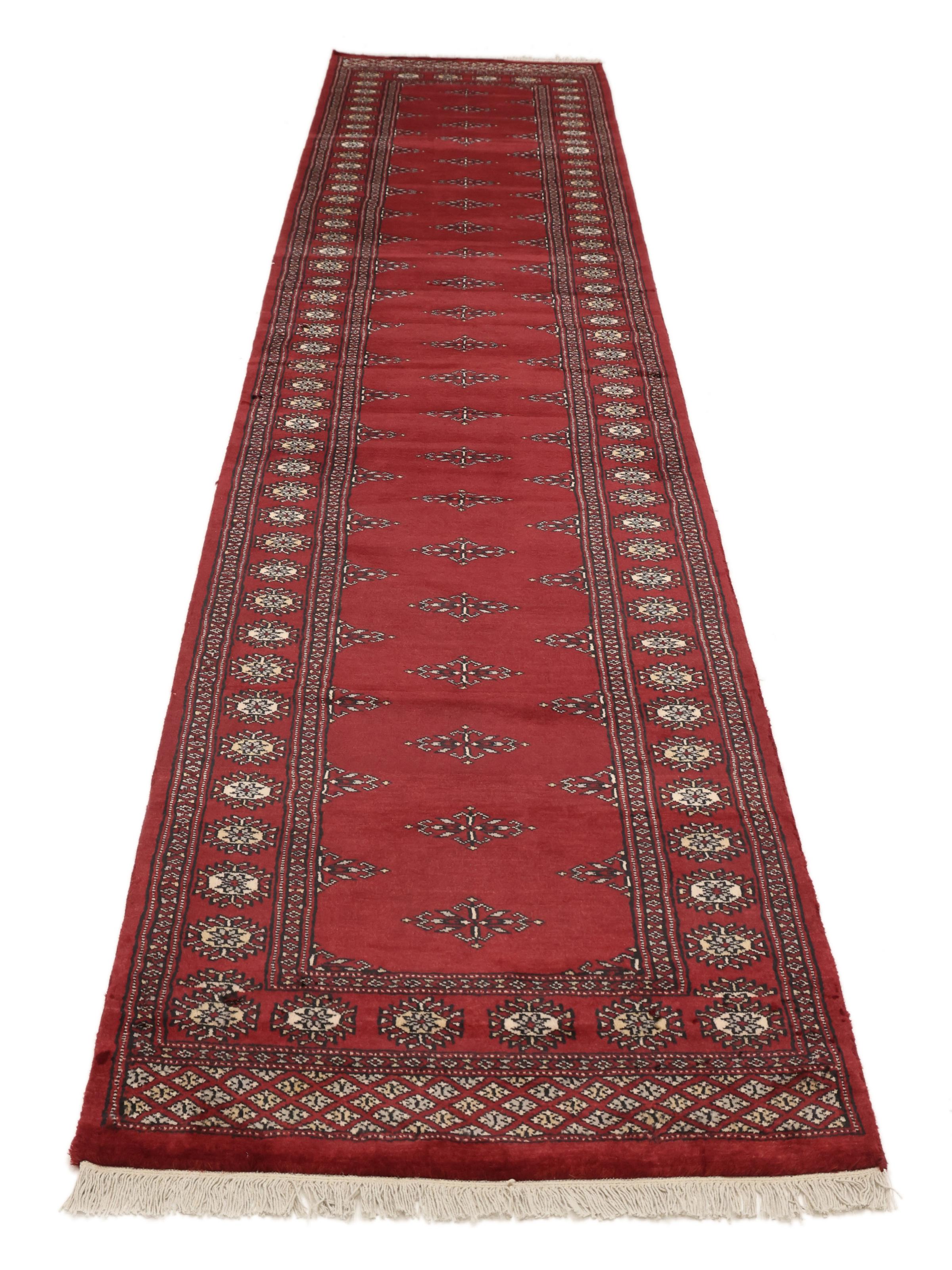
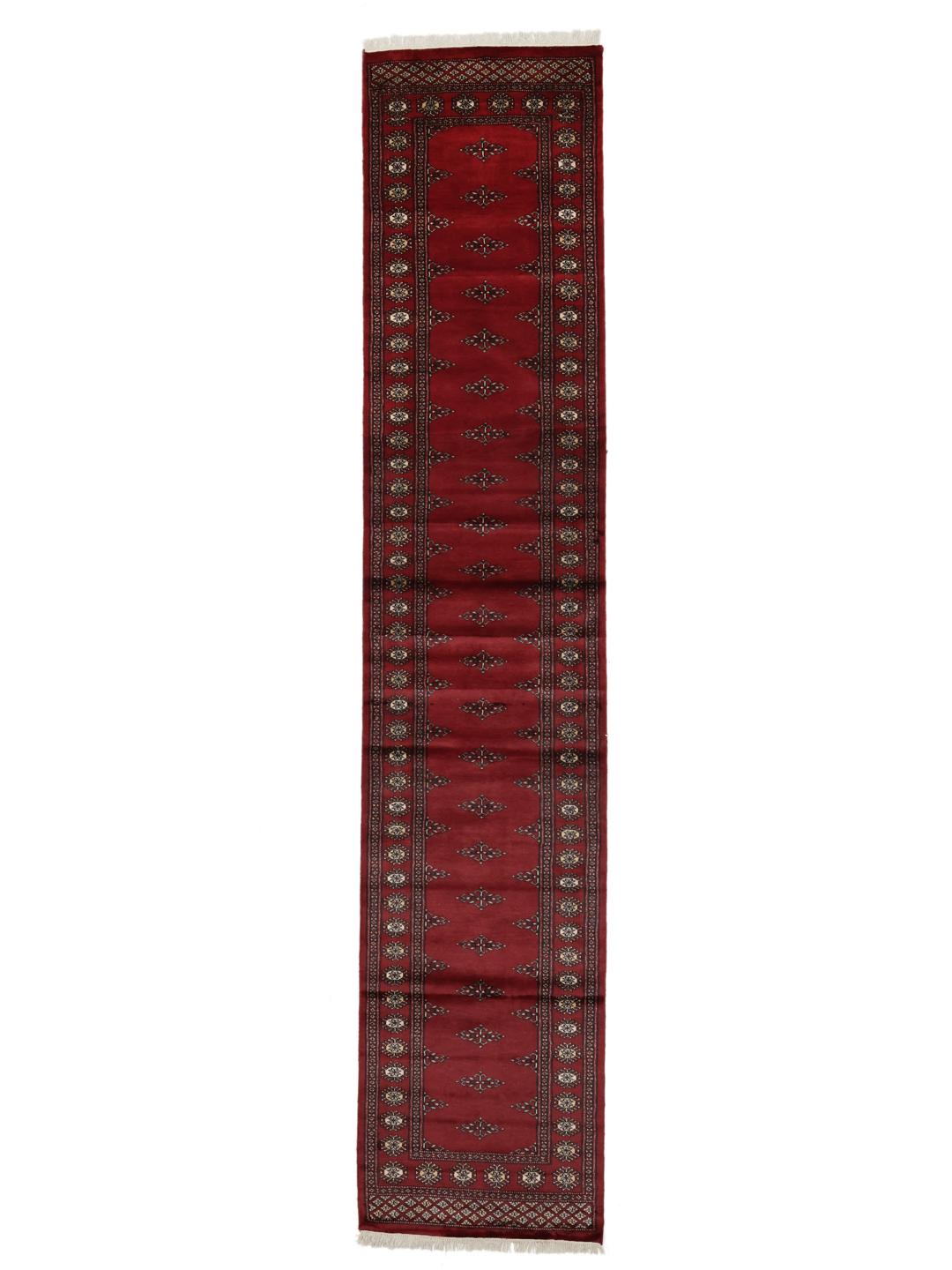
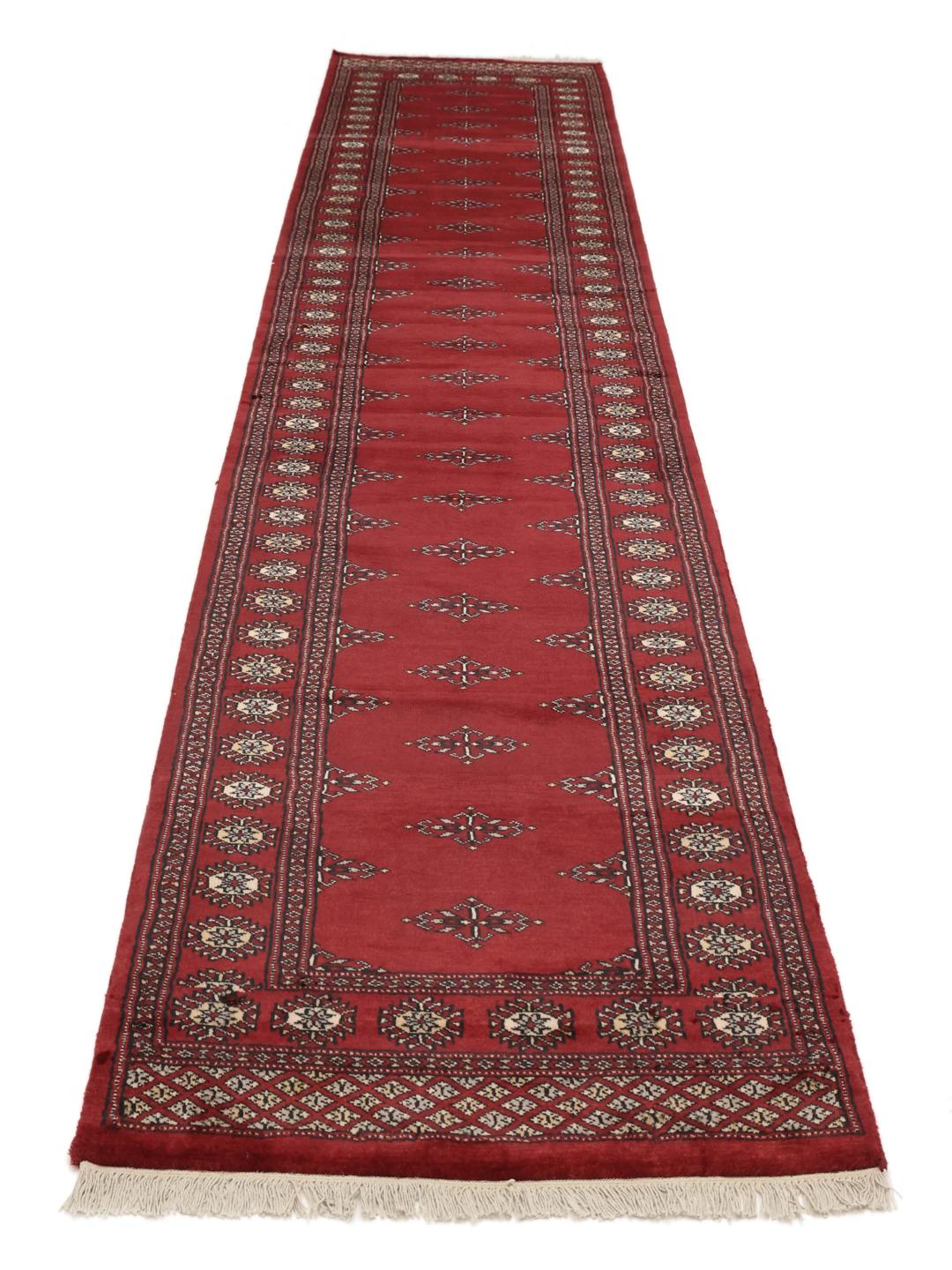
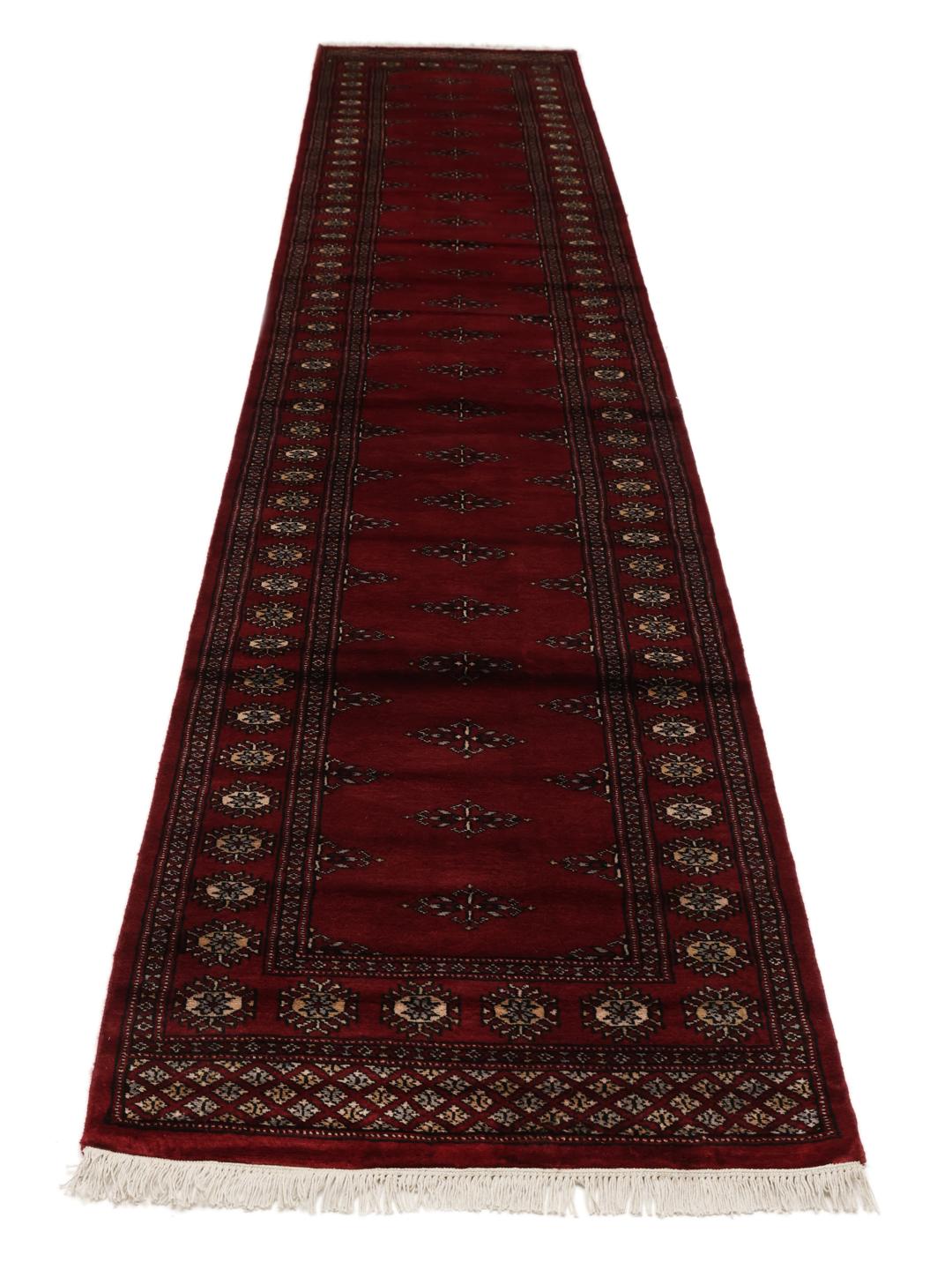
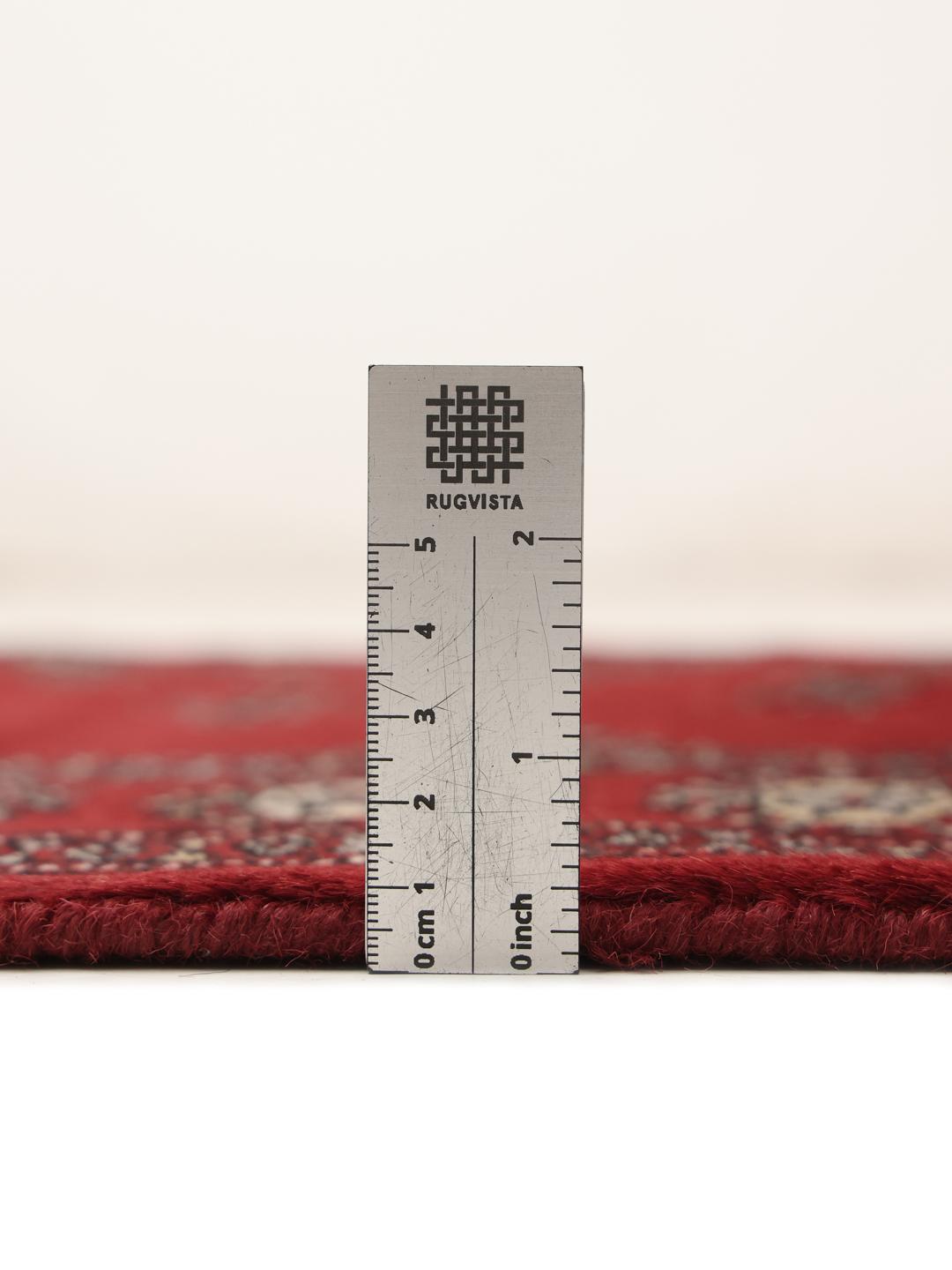
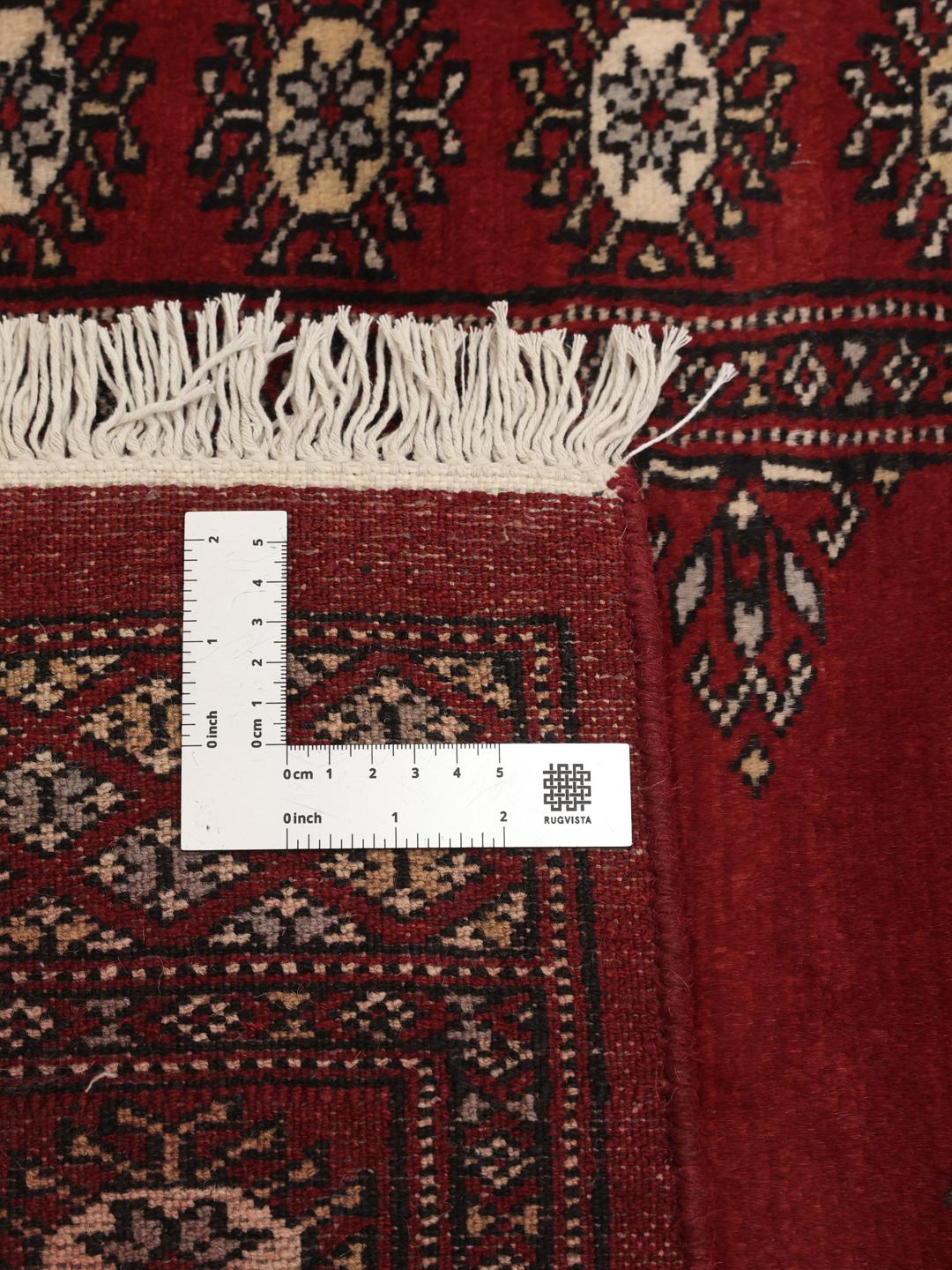
The Bokhara rug tradition draws its name from the ancient, legendary Silk Road city of Bukhara in Central Asia. Historically, these rugs were woven by nomadic tribes whose intricate, repeating patterns served as a visual language of their heritage. Today, the finest examples of this art form are expertly crafted in Pakistan, where artisans have refined these classic techniques.
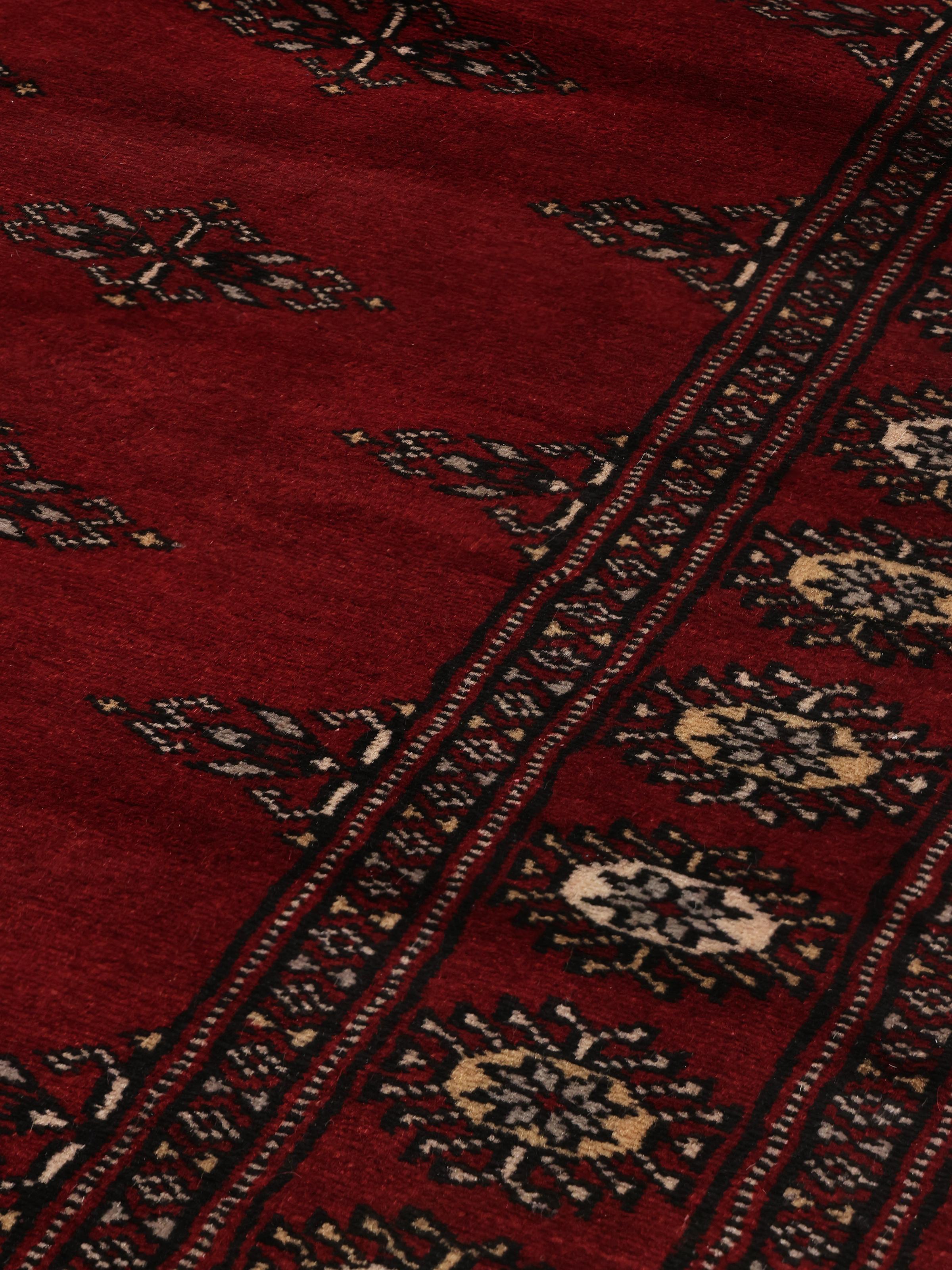
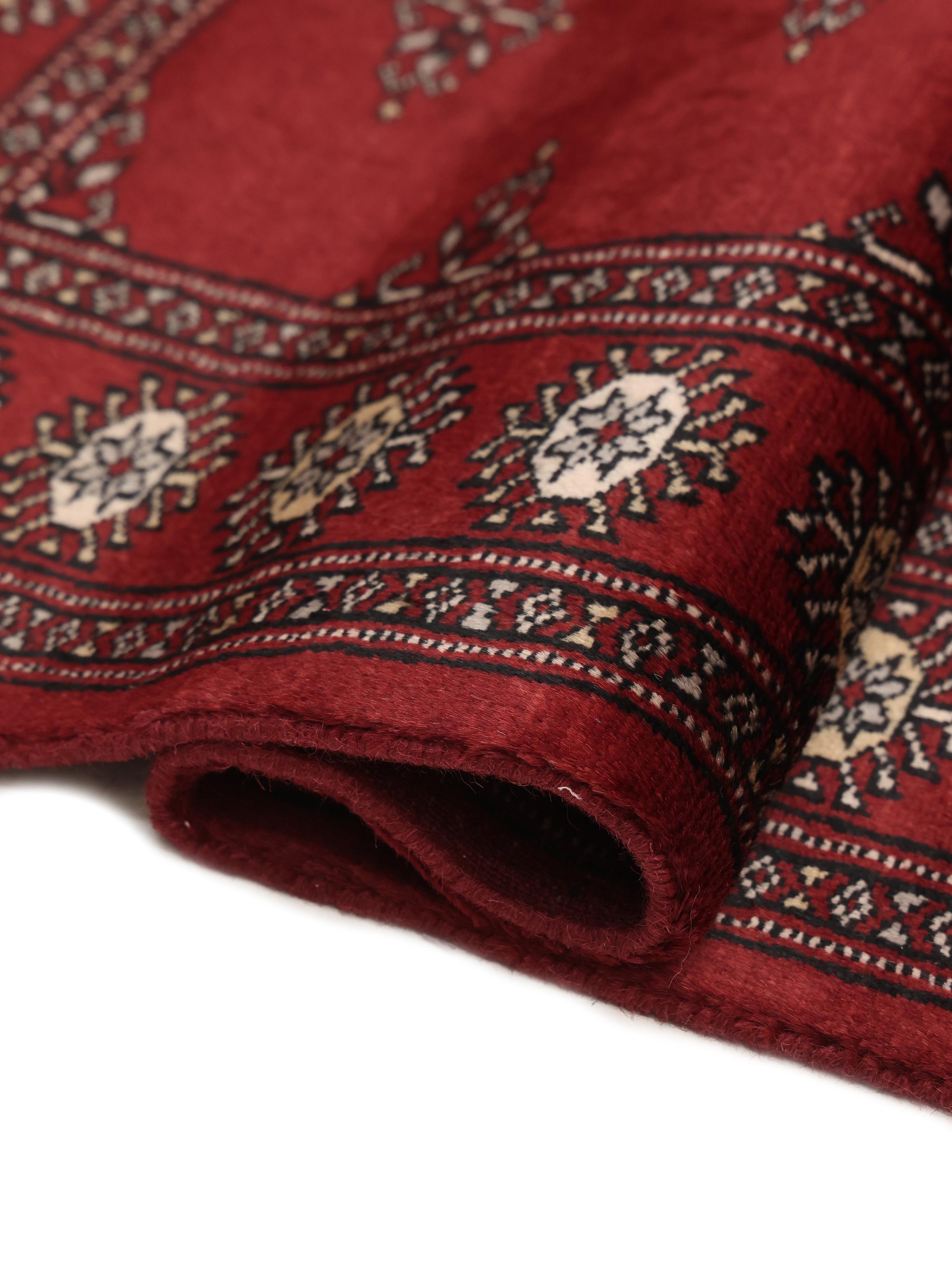
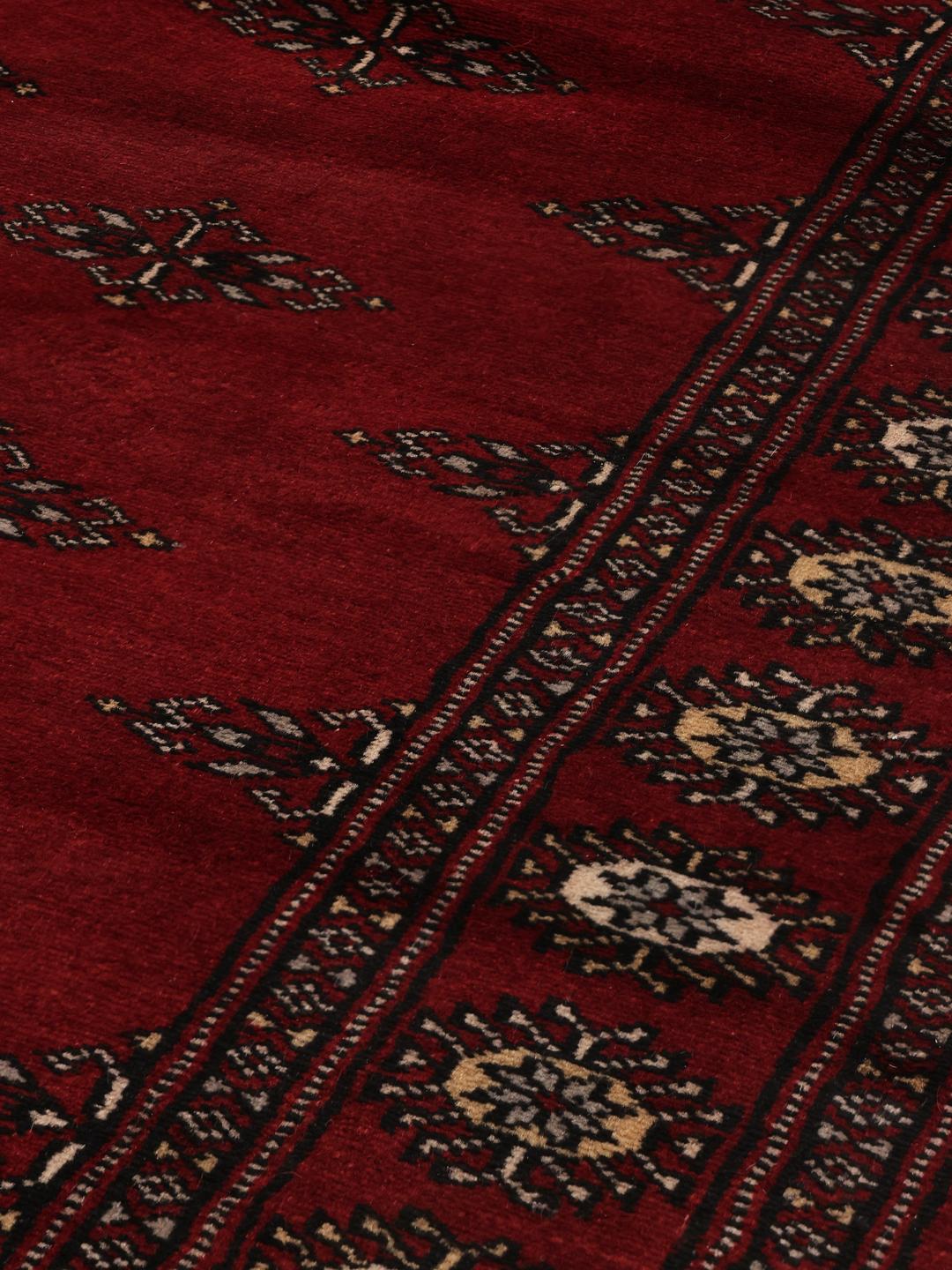
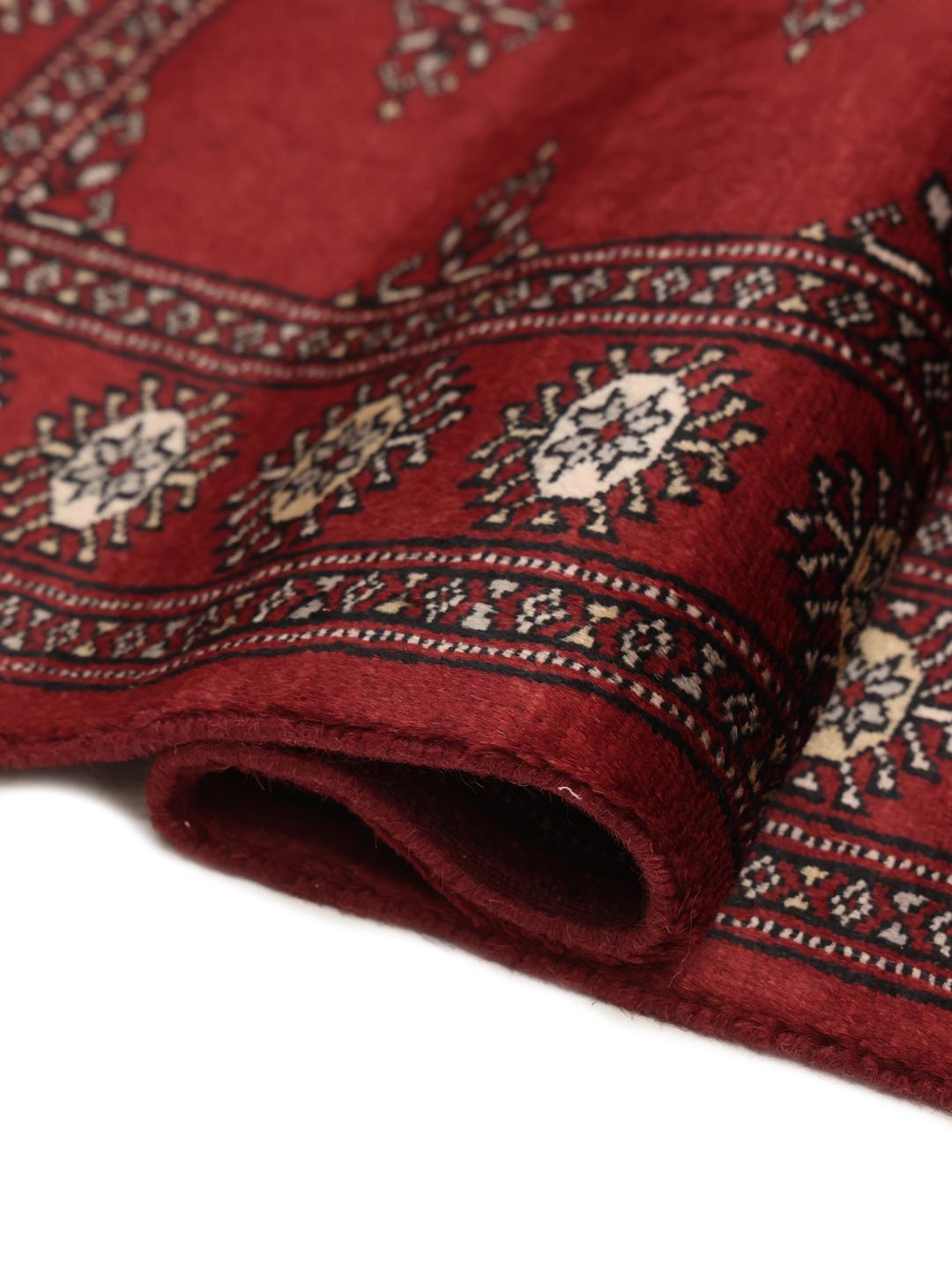
The term 2ply refers to the construction of the pile, where two strands of wool are twisted together before being knotted. This process is essential for quality, as it creates a denser, more lustrous, and significantly more durable pile than single-ply construction. It ensures the rug can withstand years of use while retaining its soft, inviting texture.
Visually, these rugs are defined by their field of repeating gul motifs, which are stylized, octagonal, or elephant-foot shaped medallions. These are often enclosed by elaborate, formal borders that frame the central design. The symmetry and precision of these patterns are hallmarks of the tradition, creating a balanced and harmonious aesthetic.
Owning a hand-knotted rug of this tradition is an investment in cultural history and superior craft. These pieces are highly valued by collectors and enthusiasts alike for their lasting quality and the skill required to produce them. By choosing this piece, you are acquiring a part of a long-standing textile legacy that brings a sense of authenticity to any interior.