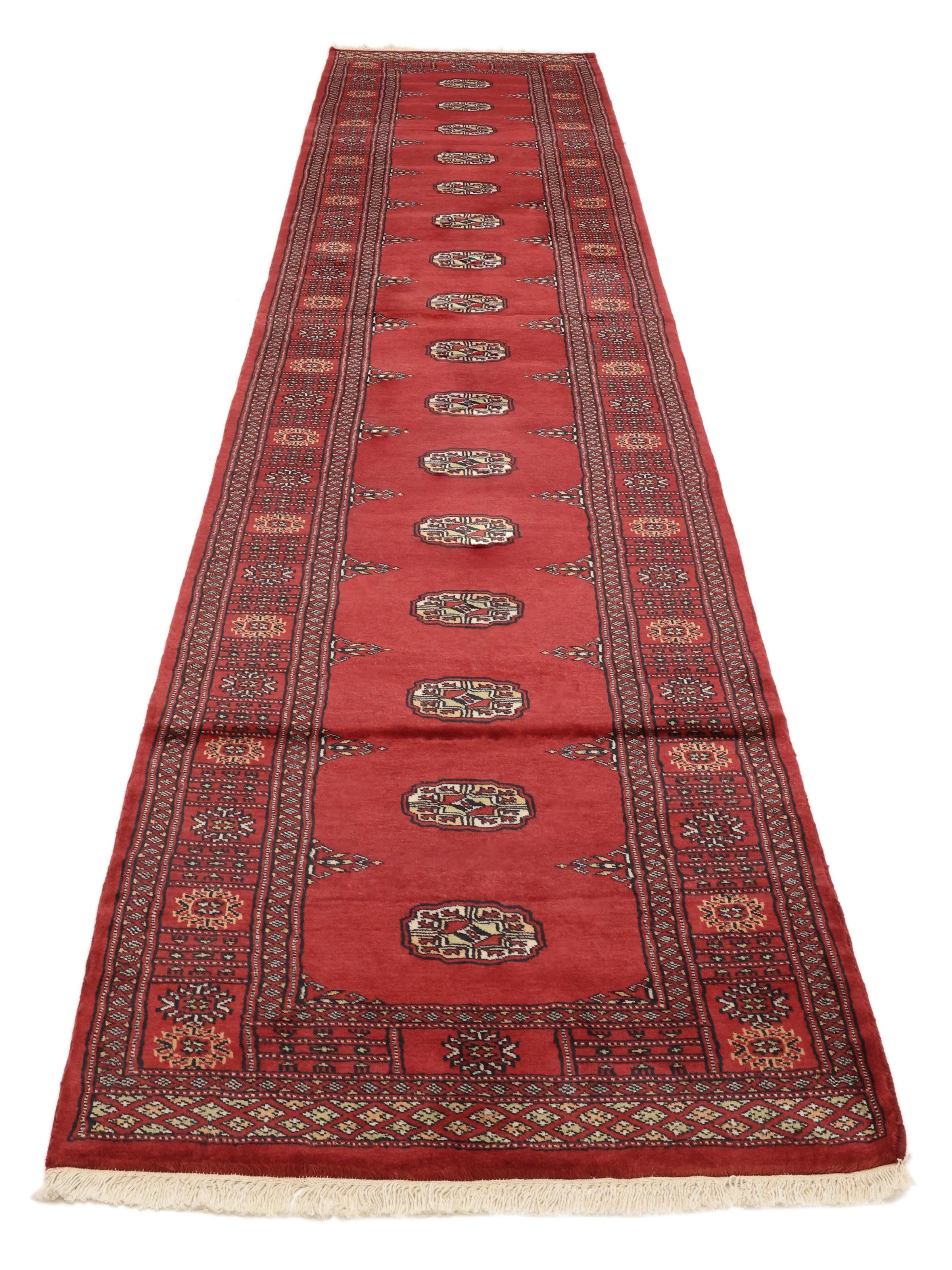
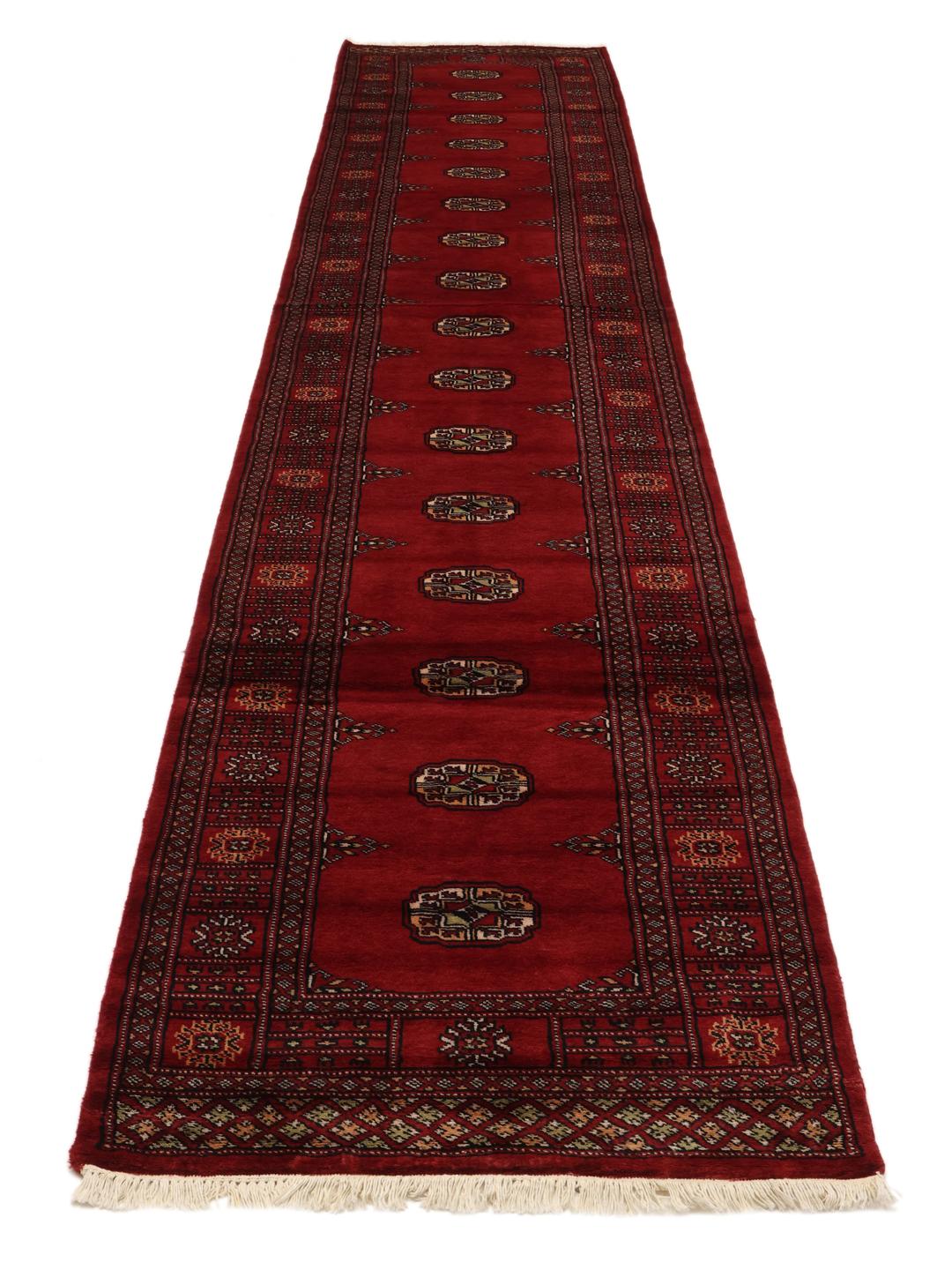
The Bokhara rug tradition is deeply rooted in the history of Central Asia, drawing its name from the ancient Silk Road city of Bukhara. While these designs have their origins in nomadic tribal traditions, the finest examples today are produced in Pakistan, where weavers have refined the craft over generations to achieve a consistent and luxurious finish.
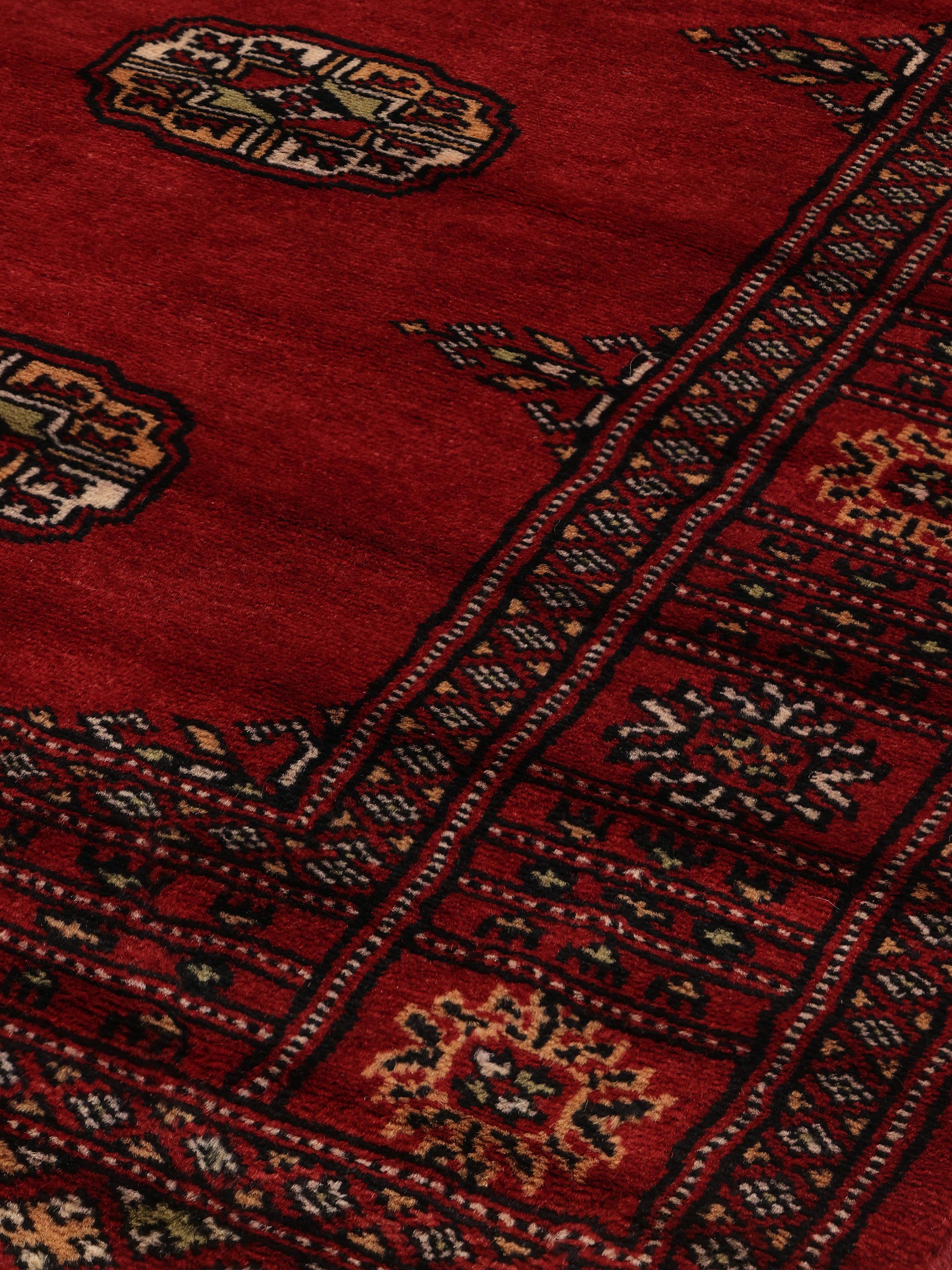
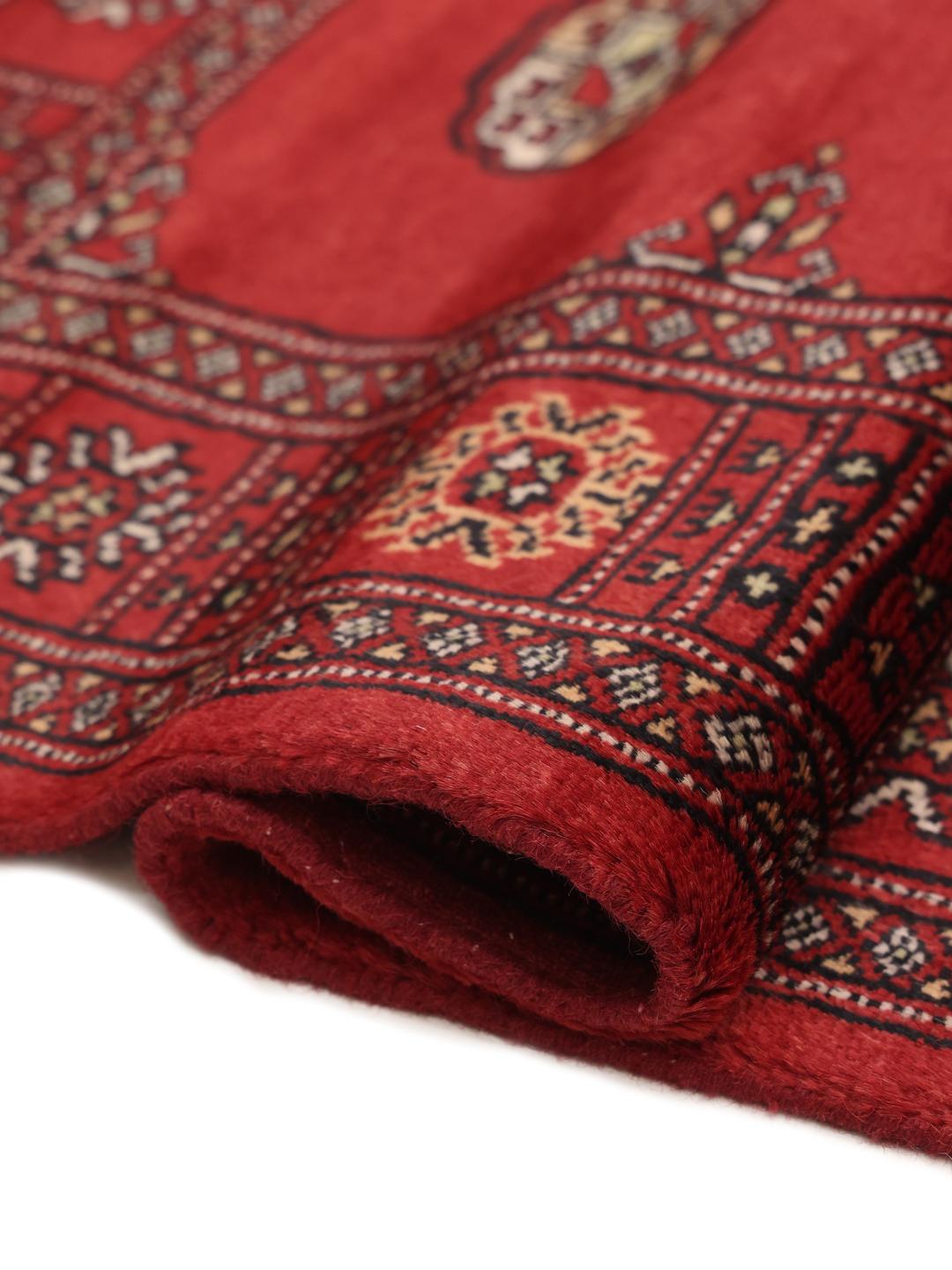
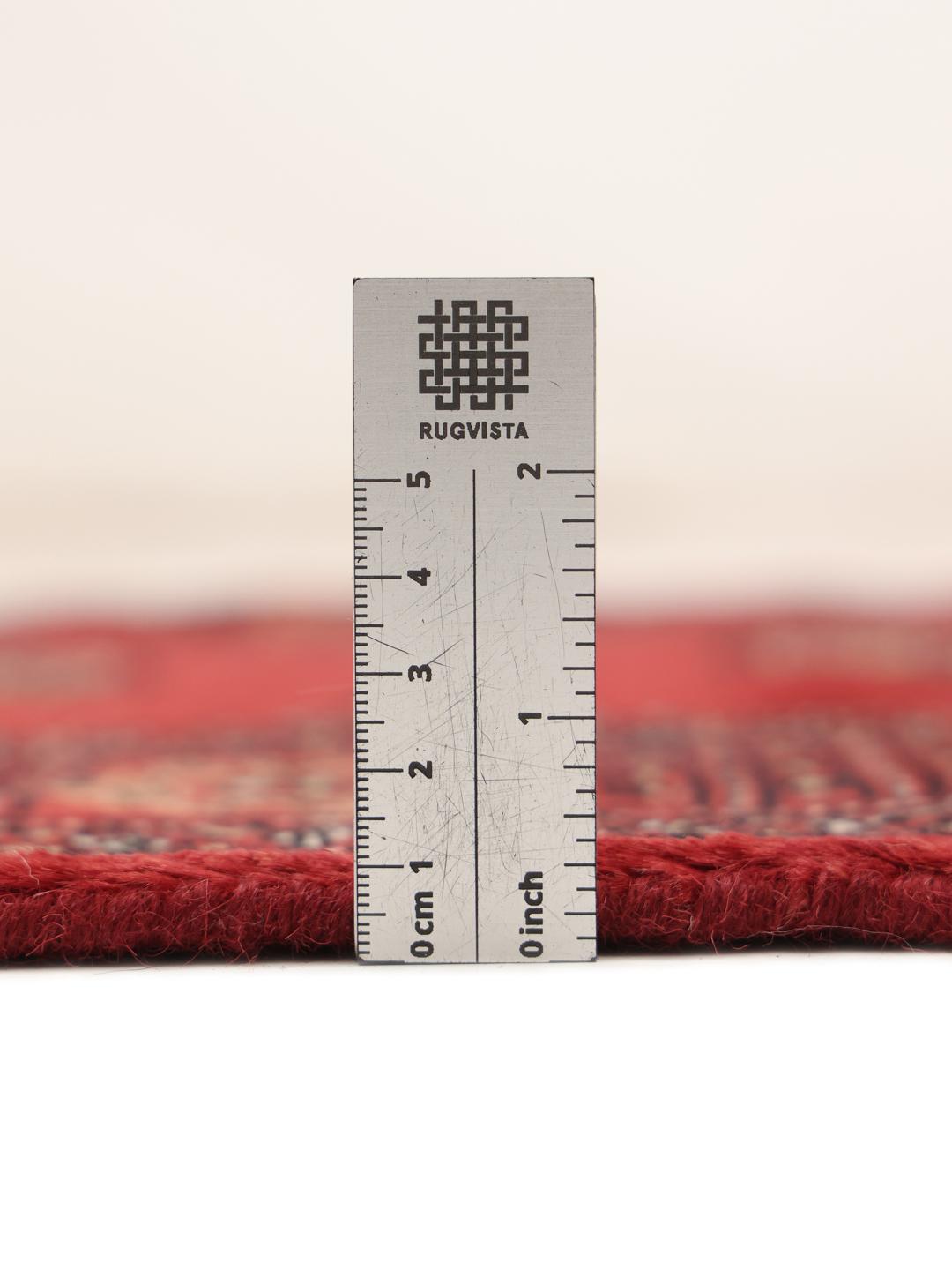
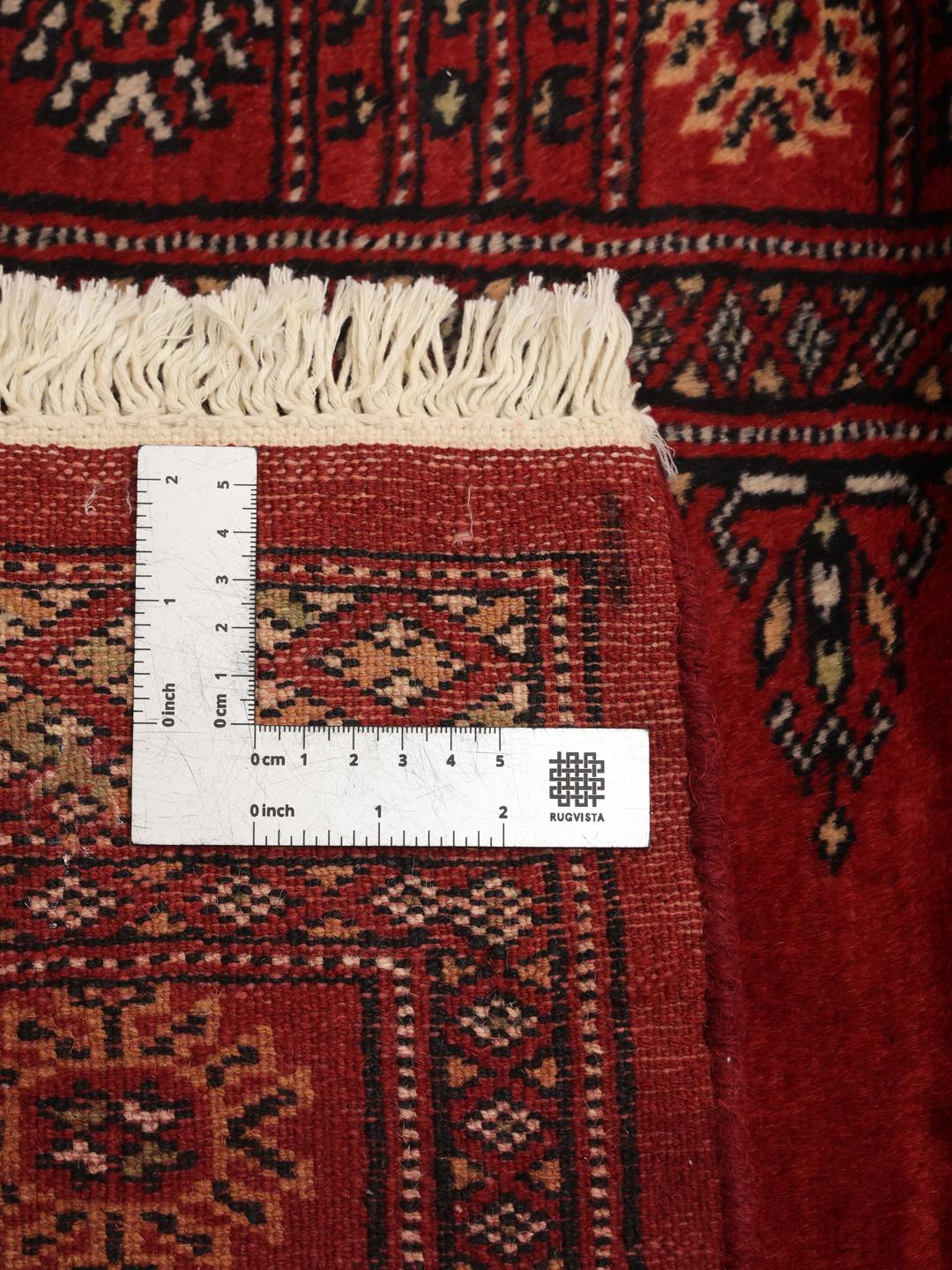
The 2ply designation refers to the specific way the Wool is prepared before weaving. By twisting two strands of Wool together, the yarn becomes stronger and more lustrous, which enhances both the durability and the visual depth of the final rug. This technique is highly valued for producing a pile that is exceptionally soft yet resilient enough for everyday use.
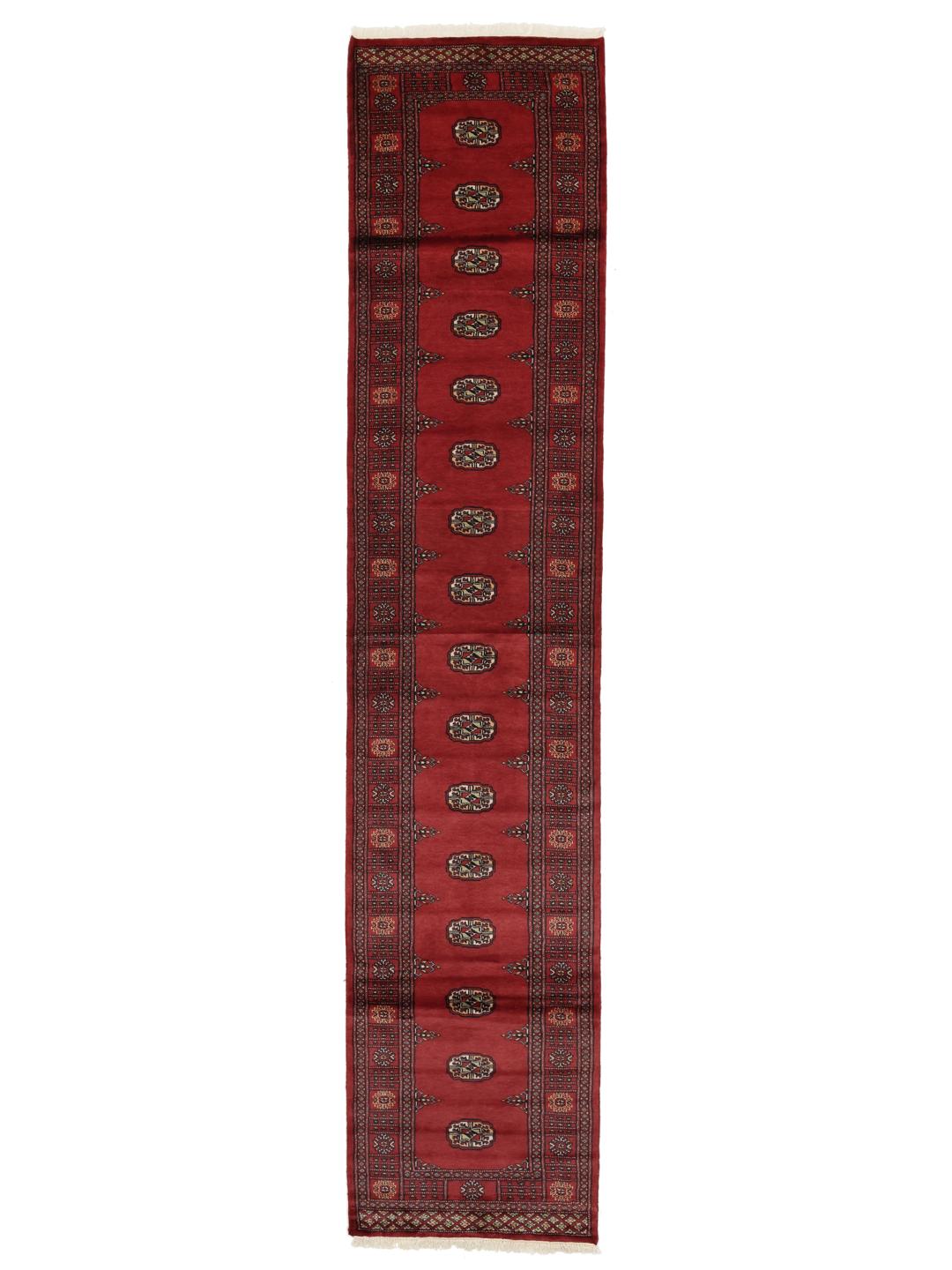
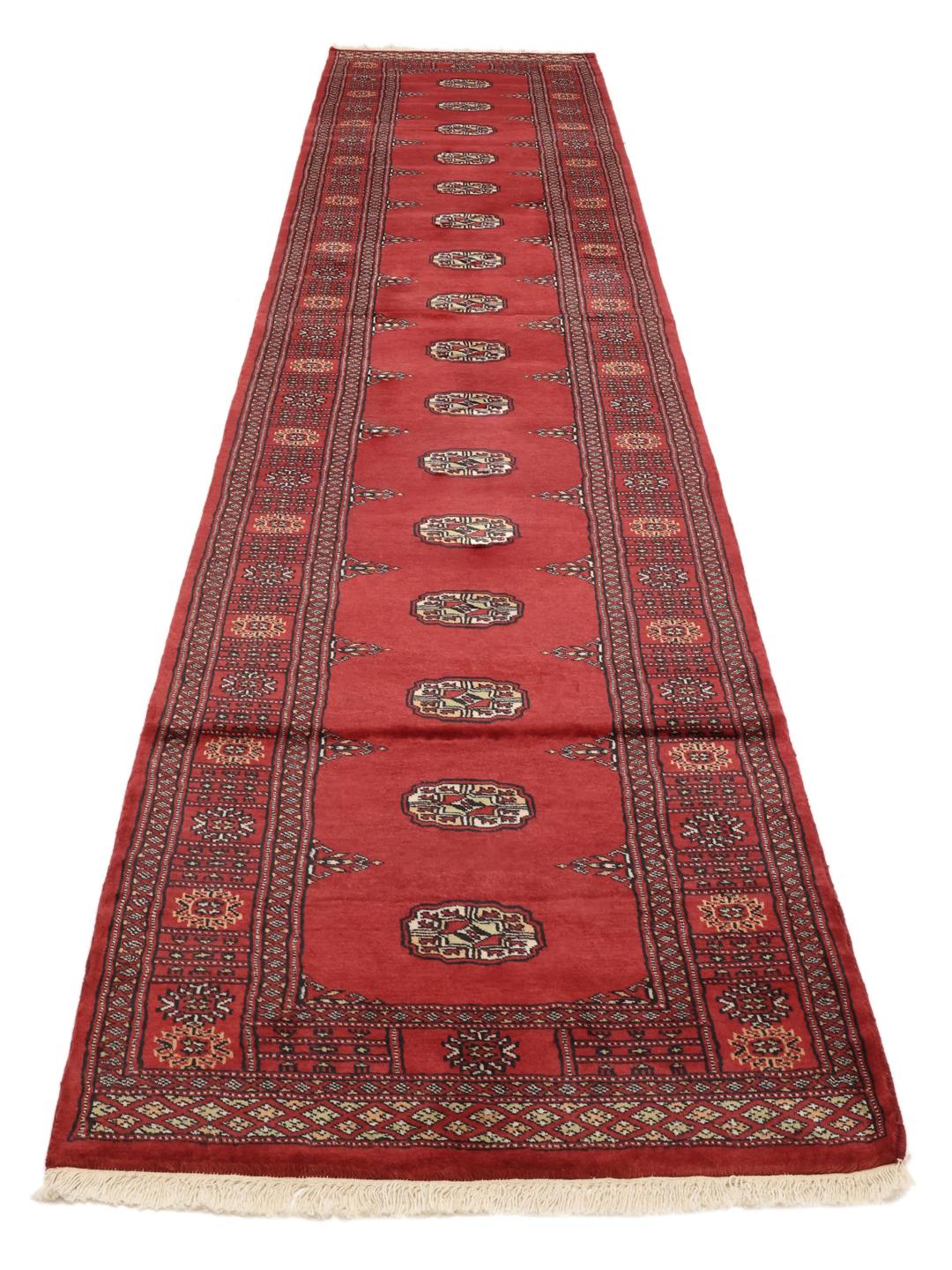
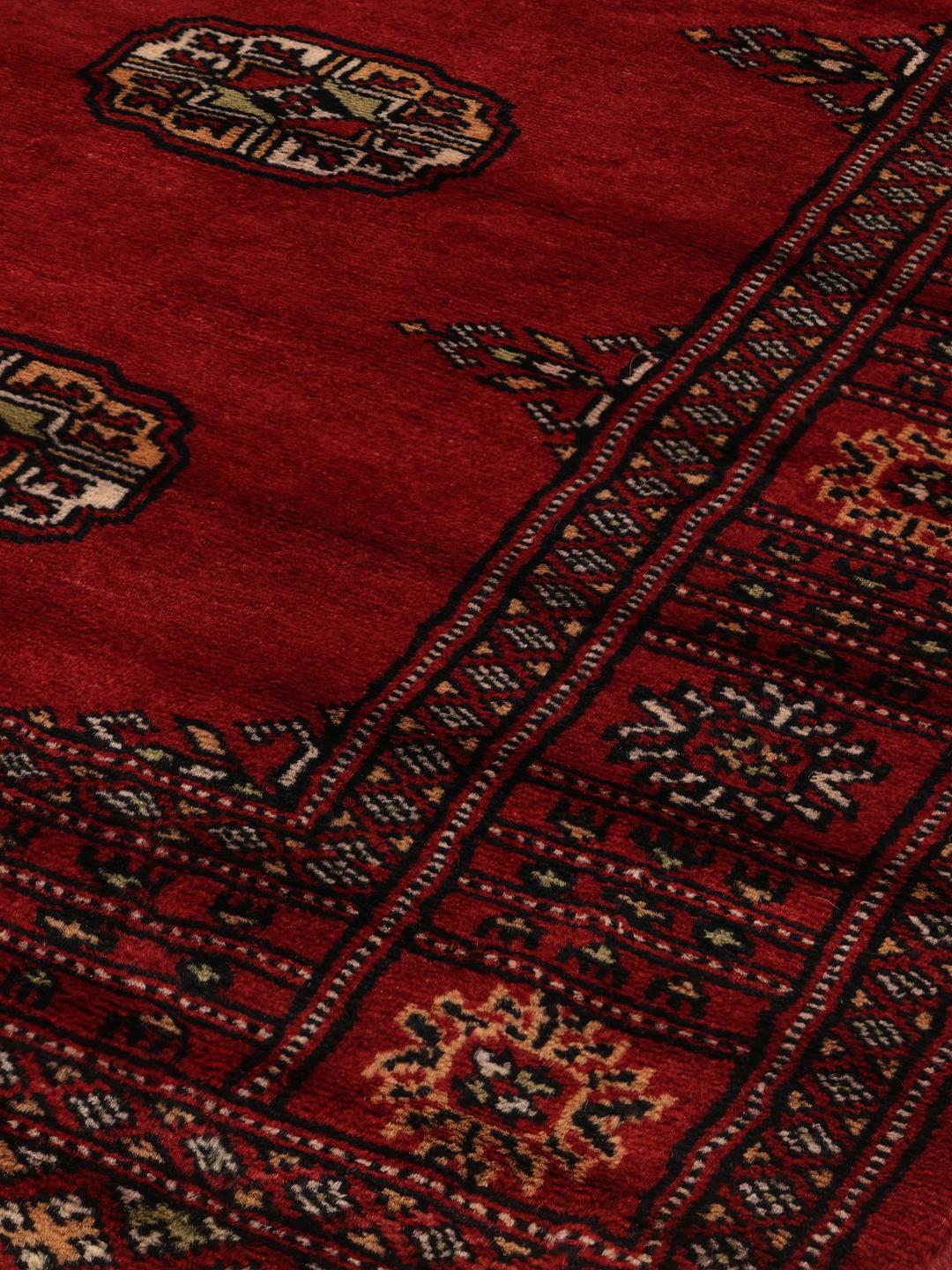
Visually, these rugs are defined by their iconic gul motifs, which are repeating, octagonal medallions that represent traditional tribal symbols. These medallions are typically arranged in clean, structured rows, creating a sense of order that is softened by the deep, warm colour palette. The formal borders frame the field perfectly, adding a touch of sophistication to the tribal origins of the pattern.
Collecting a rug from this tradition is a way to connect with a long-standing heritage of textile artistry. Each rug is a testament to the skill of the weaver and the cultural significance of the designs, which have been passed down through centuries. Owning one is more than just a decorative choice; it is an appreciation of human skill and the enduring beauty of traditional craftsmanship.