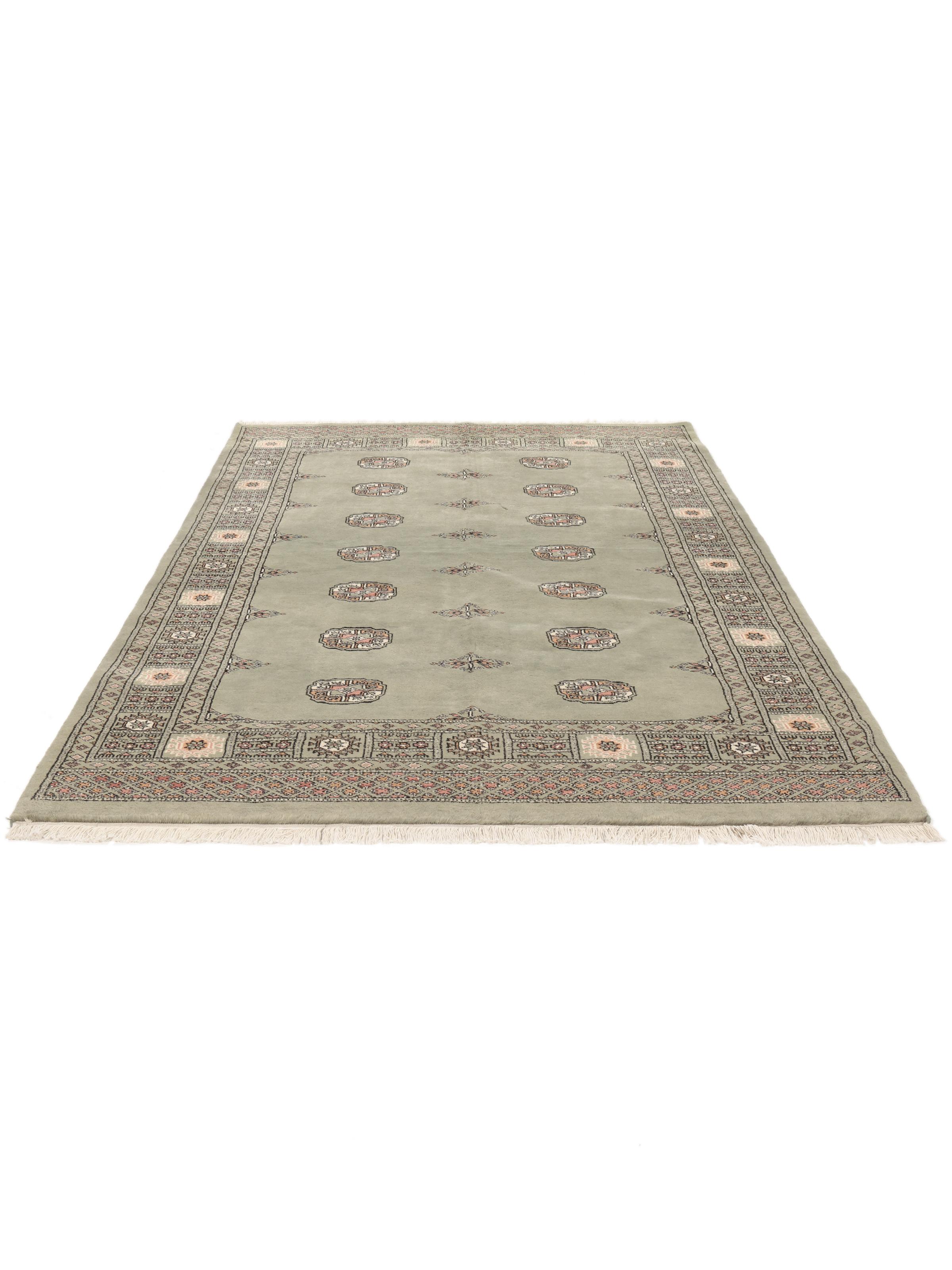
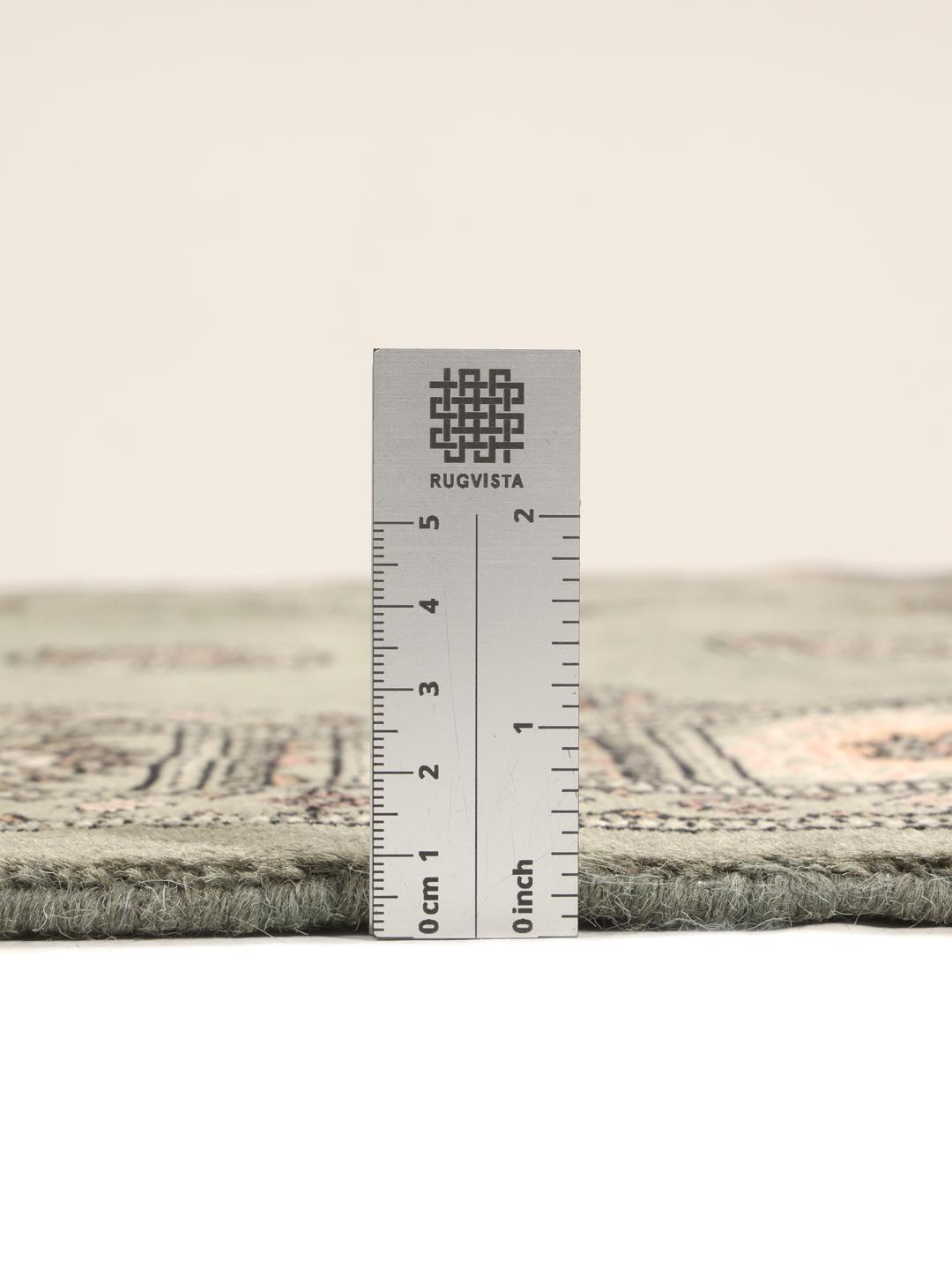
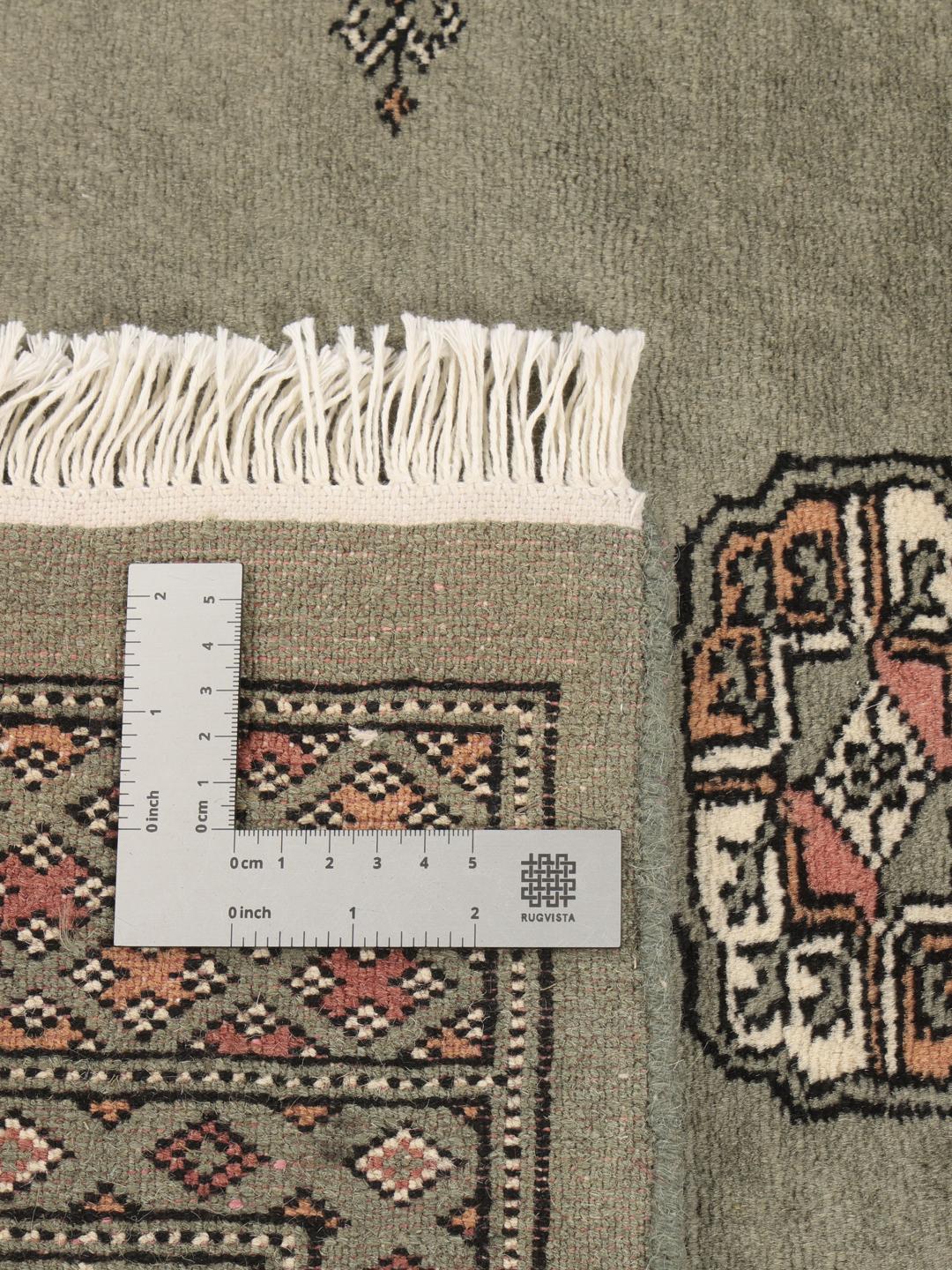
The Bokhara rug tradition is deeply rooted in the history of the Middle East and Central Asia, taking its name from the ancient Silk Road city of Bukhara. While these designs have their origins in nomadic weaving traditions, the finest contemporary examples are predominantly produced in Pakistan. Over generations, this craft has evolved into a highly refined art form, blending historical motifs with modern production standards.
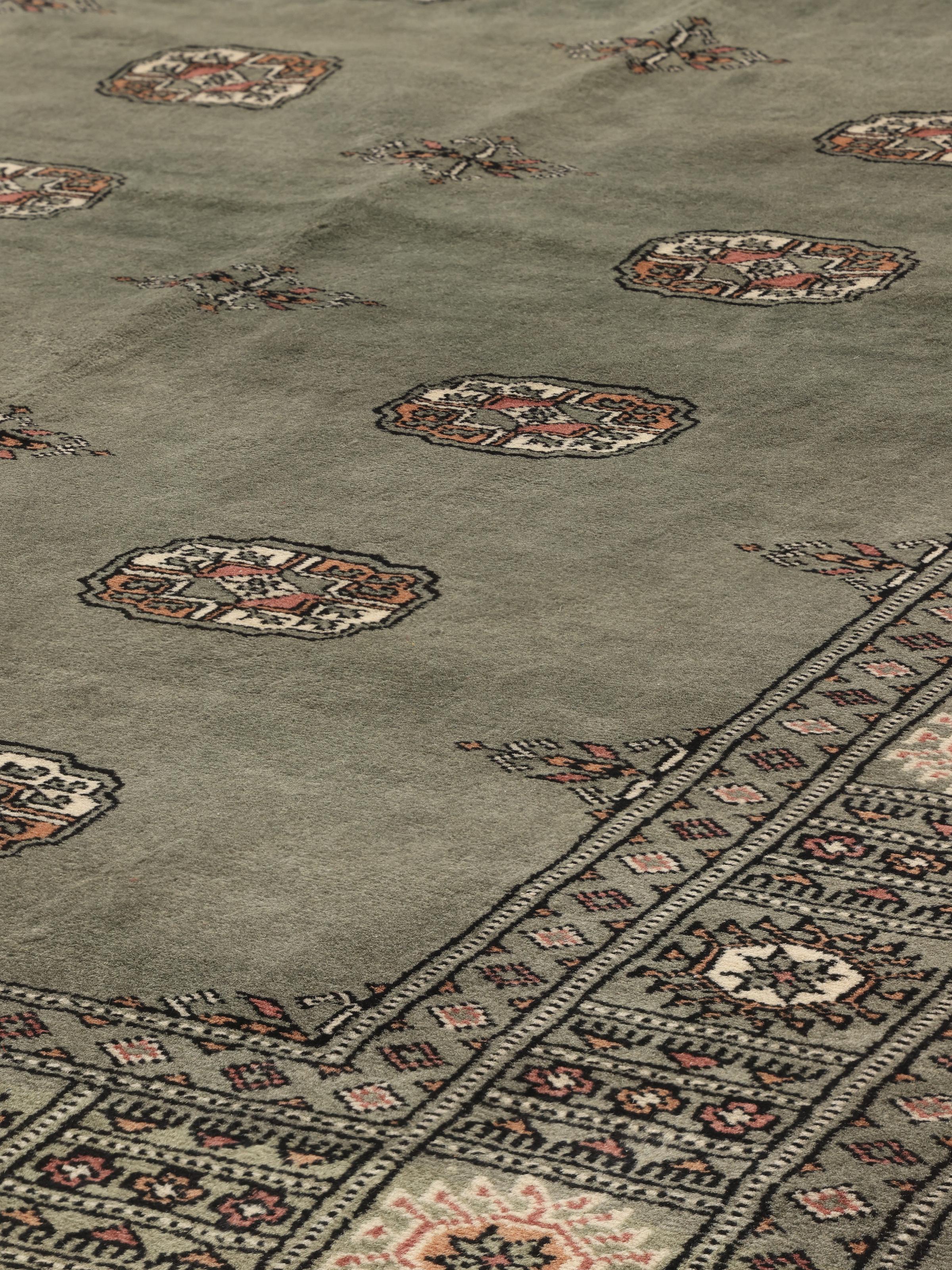
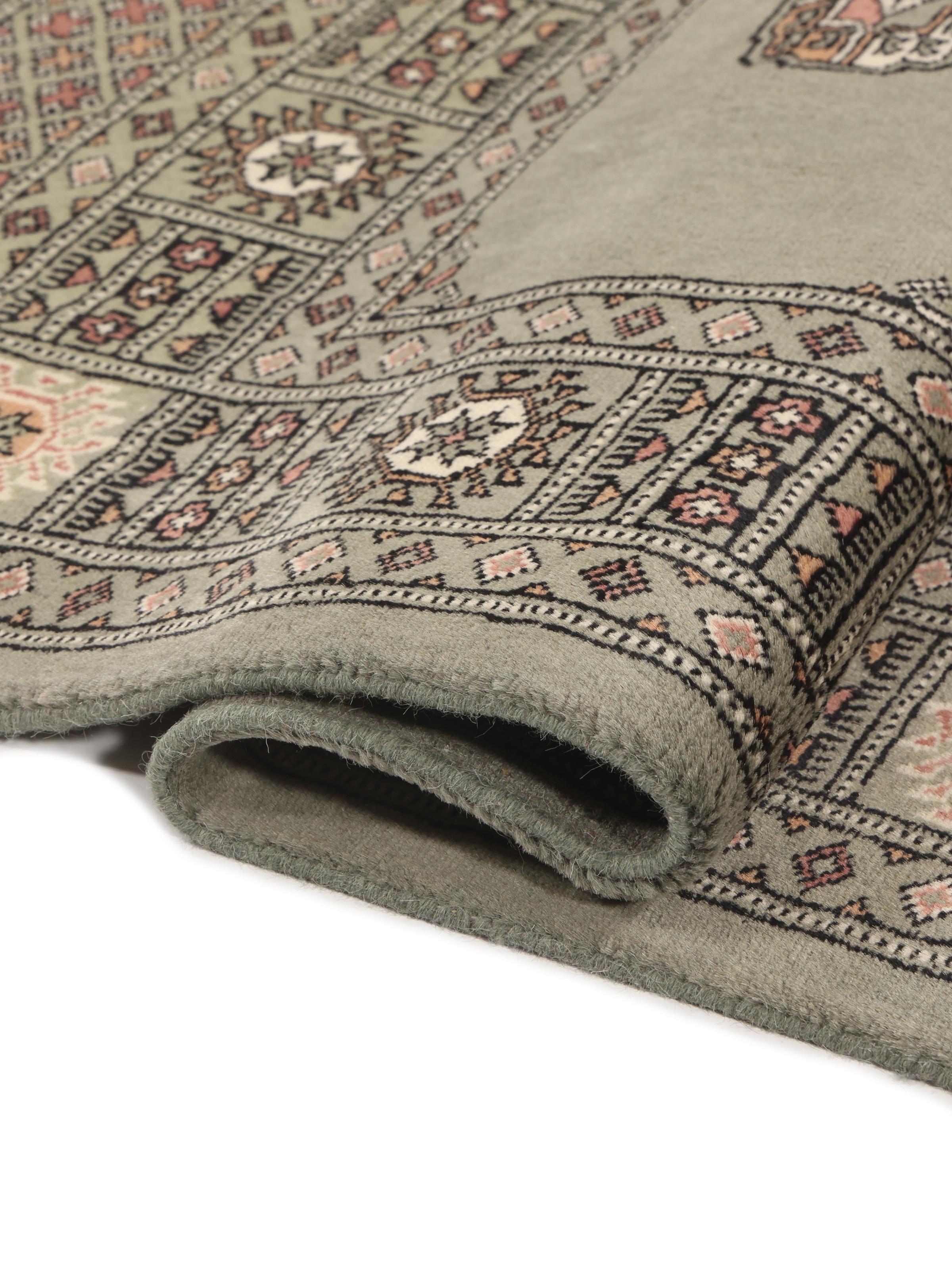
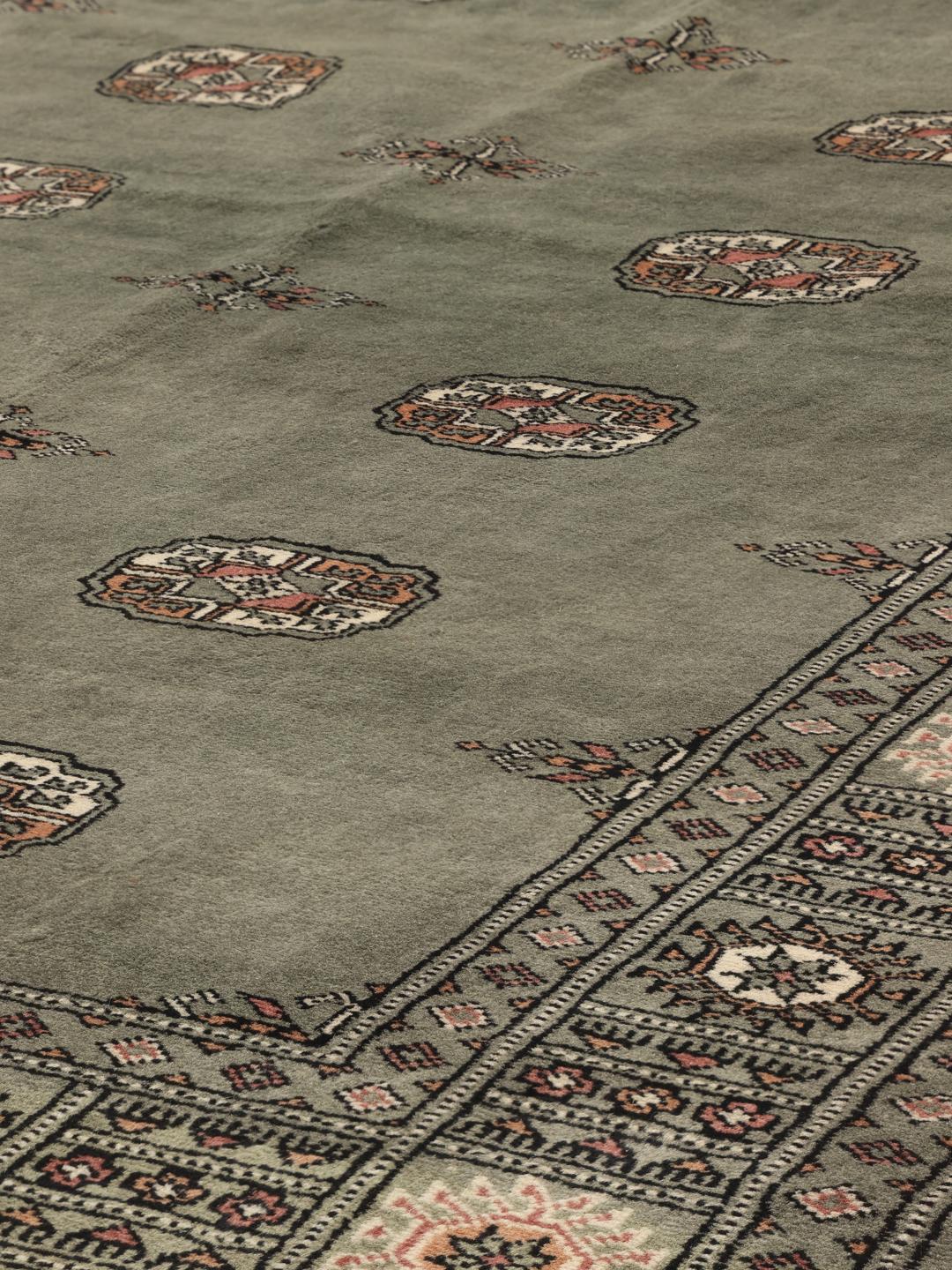
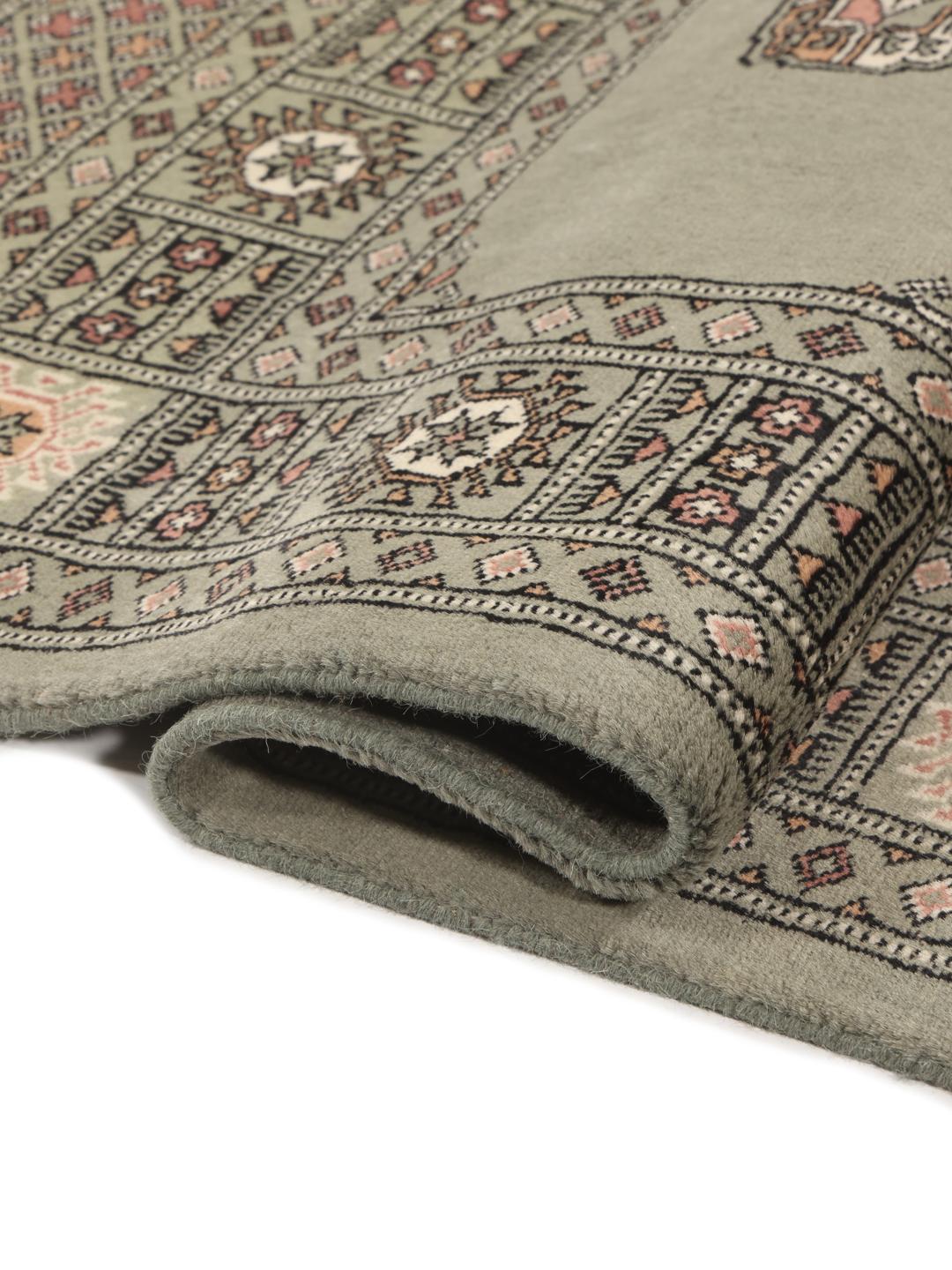
The term 3ply refers to the construction of the yarn, where three individual strands of wool are twisted together to form a single, robust thread. This process is significant because it produces a pile that is not only denser and more lustrous but also significantly more durable than single-ply alternatives. For the owner, this means a rug that maintains its texture and appearance even after years of daily use.
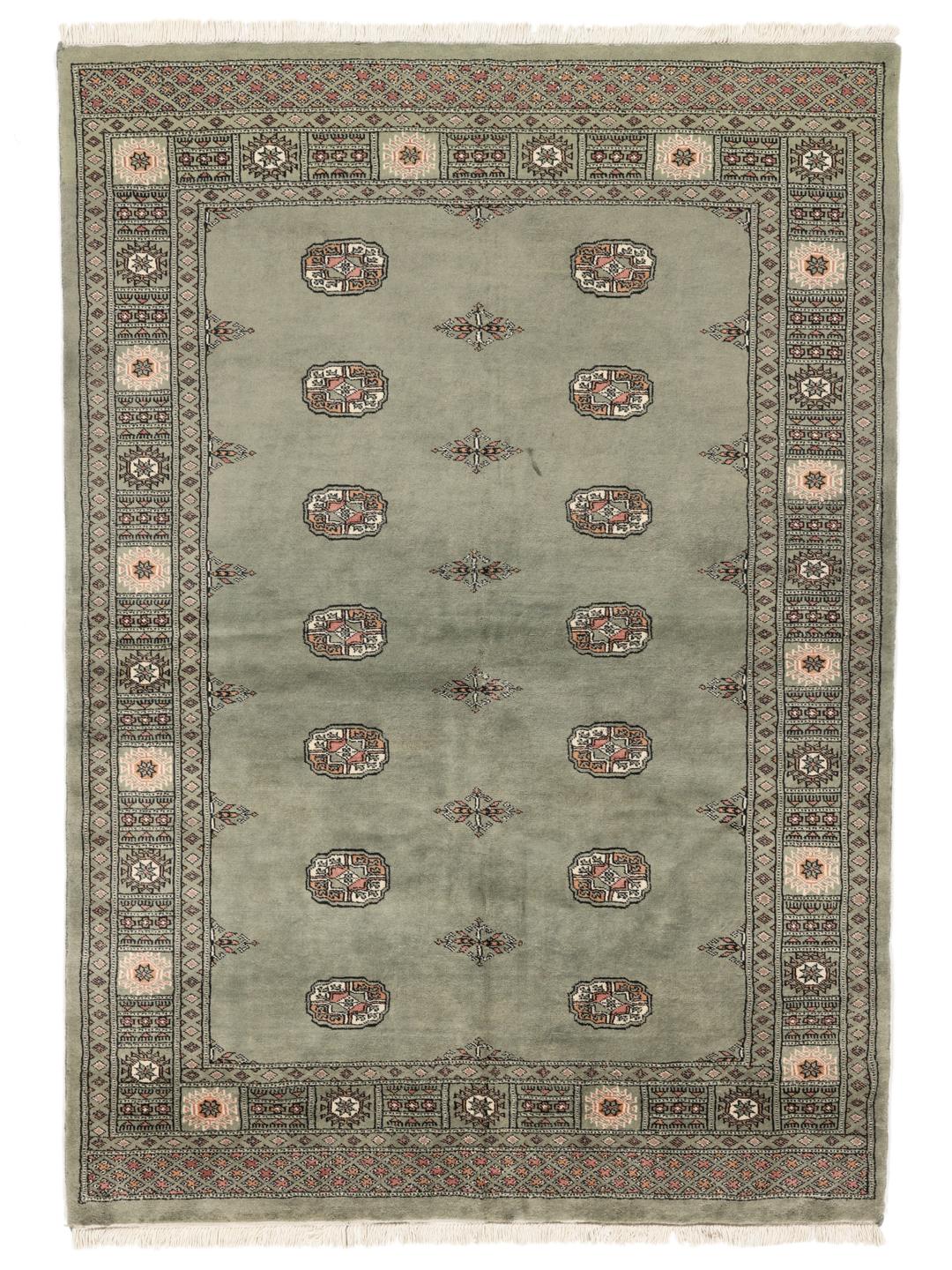
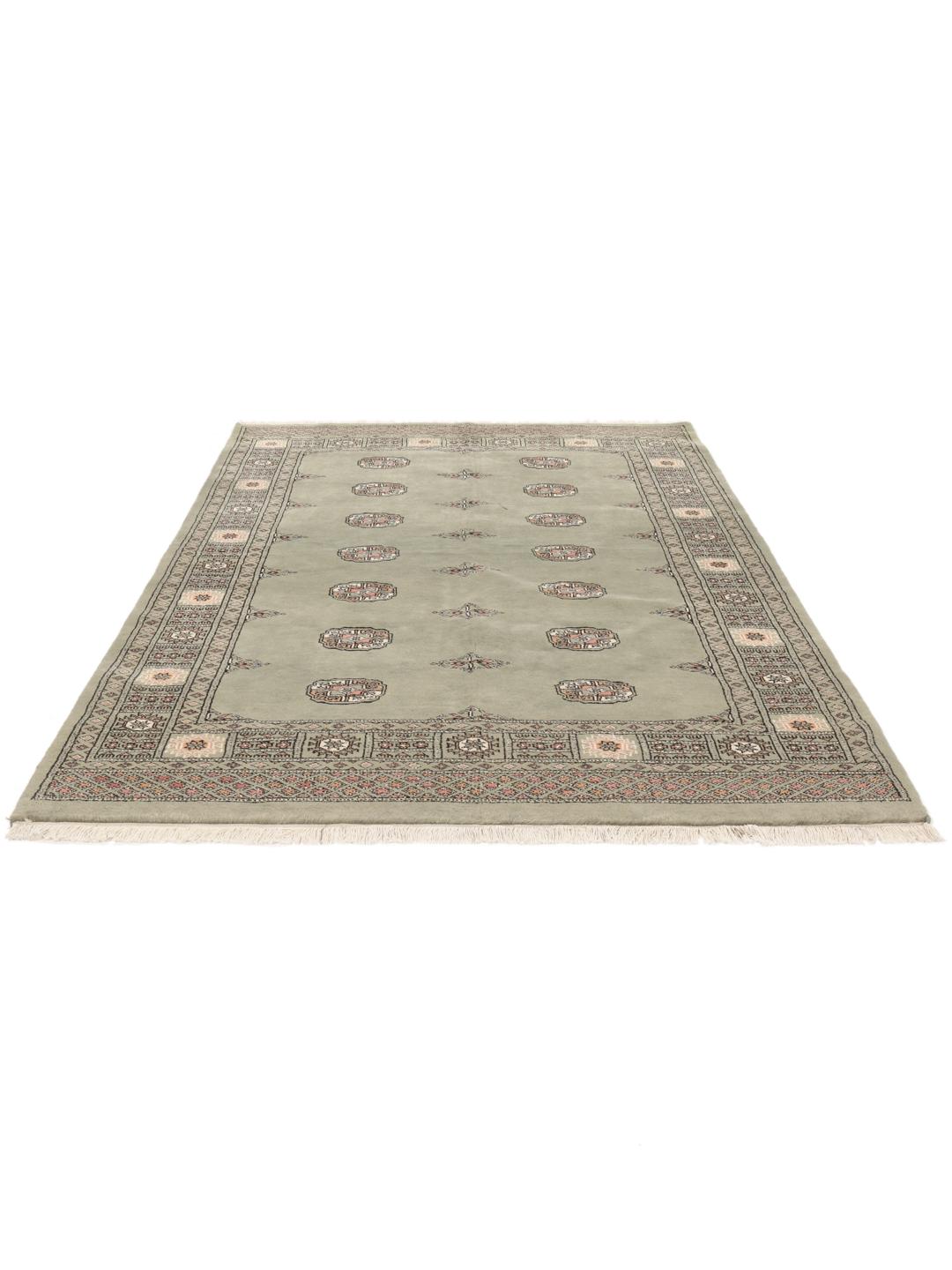
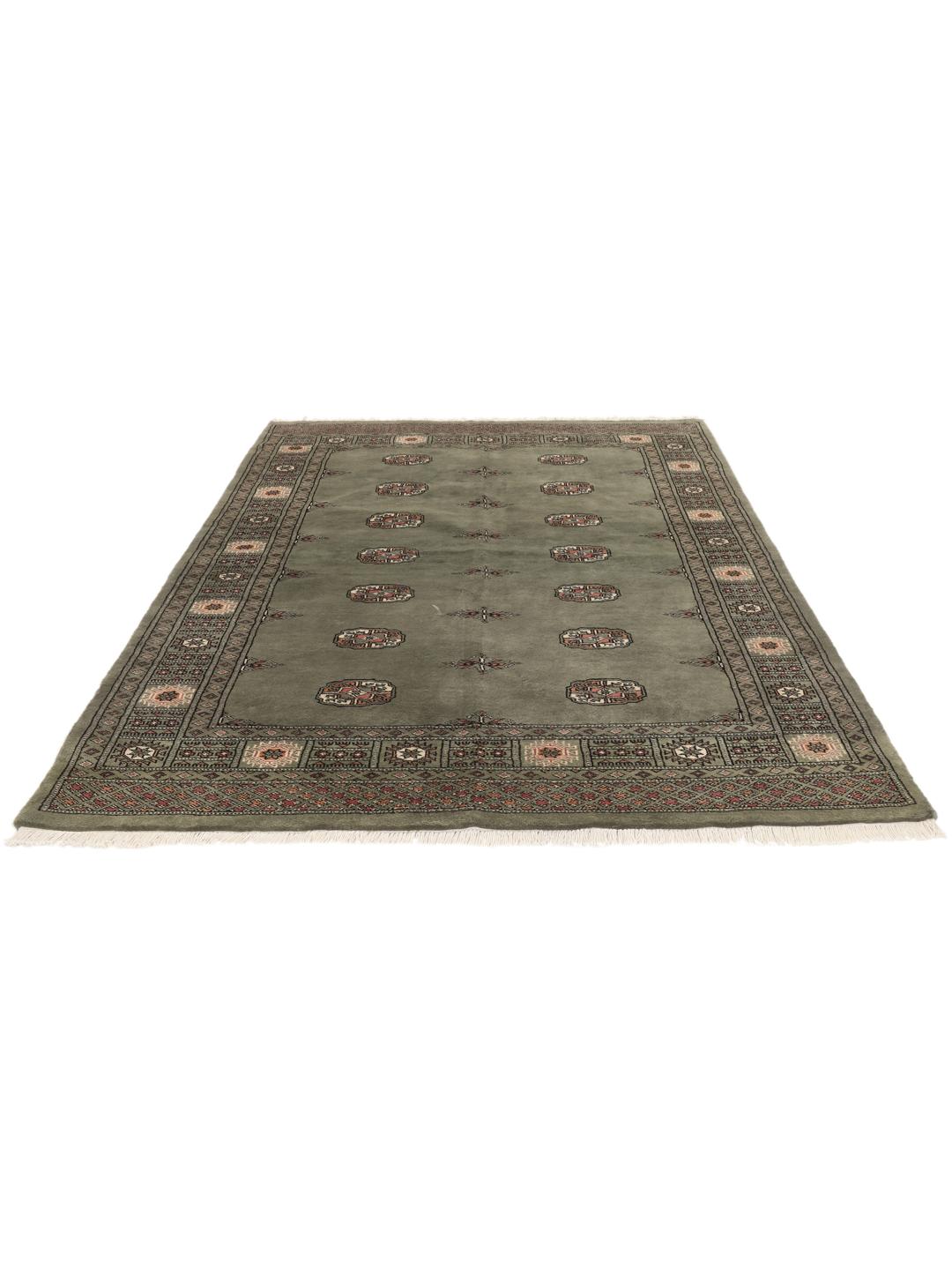
Visually, these rugs are defined by their iconic gul motifs, which are repeating, octagonal-shaped medallions that symbolise the heritage of the weaving tribes. The border designs typically frame these medallions with precise geometric patterns, creating a balanced and formal aesthetic. While many traditional Bokhara rugs are known for their deep red tones, this specific piece features a unique green field that offers a contemporary and calming twist on a classic style.
Collecting a Pakistan Bokhara 3ply rug is an opportunity to own a piece of cultural history that values precision and lasting quality. These rugs are highly regarded for their ability to harmonise with various interior styles, acting as a bridge between historical craftsmanship and the modern home. Owning one is a testament to an appreciation for human skill and the enduring beauty of traditional floor coverings.