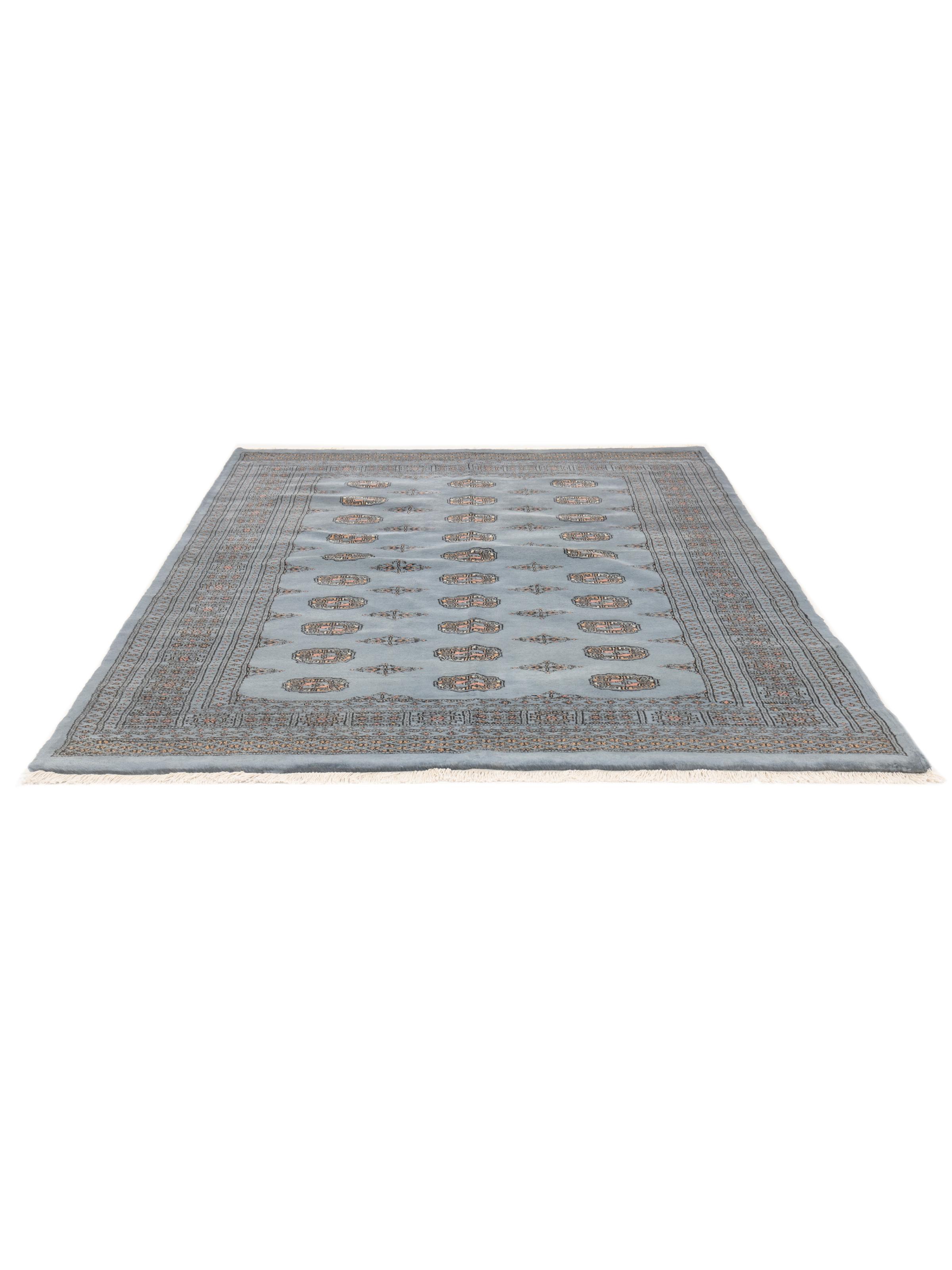
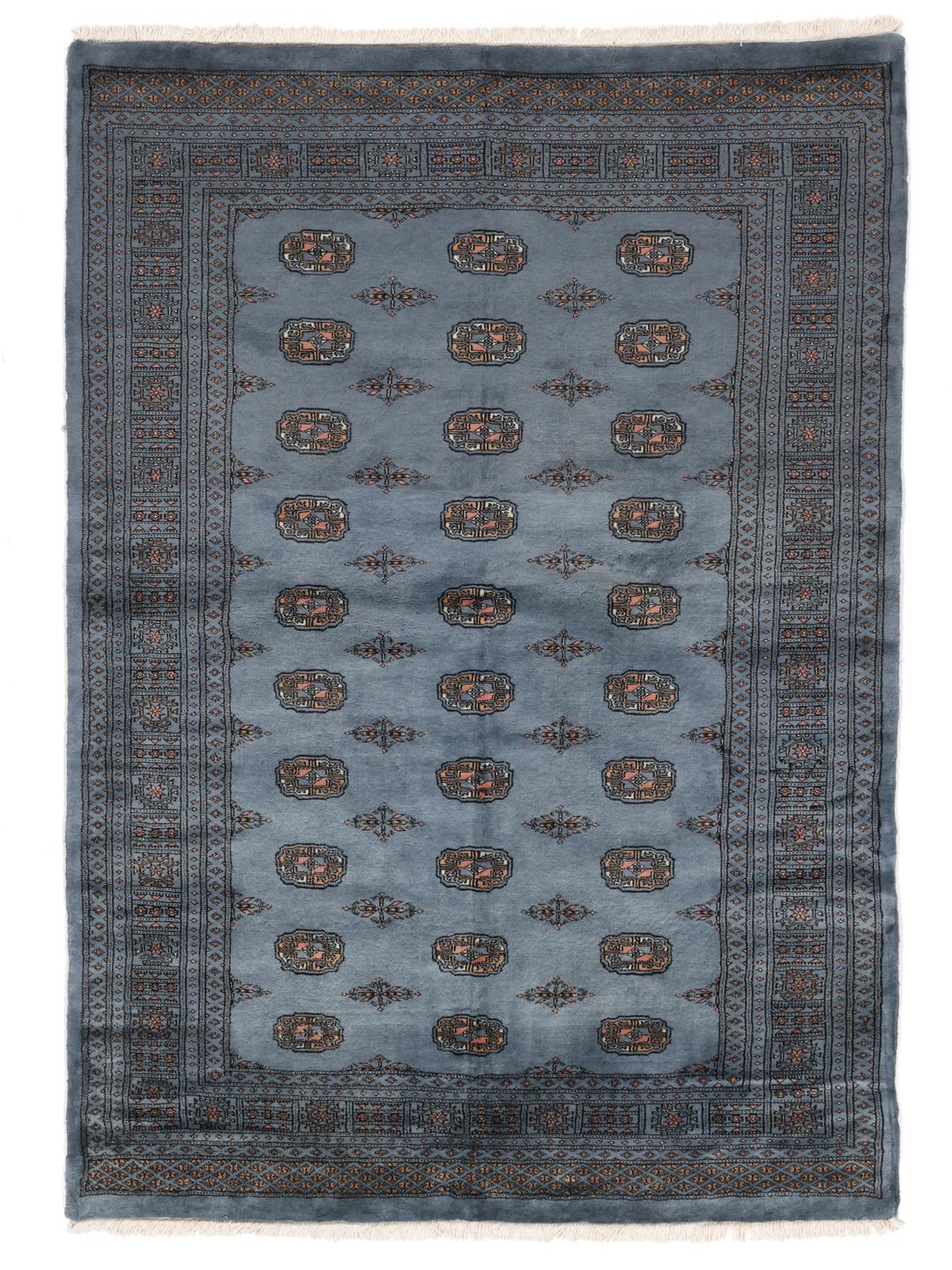
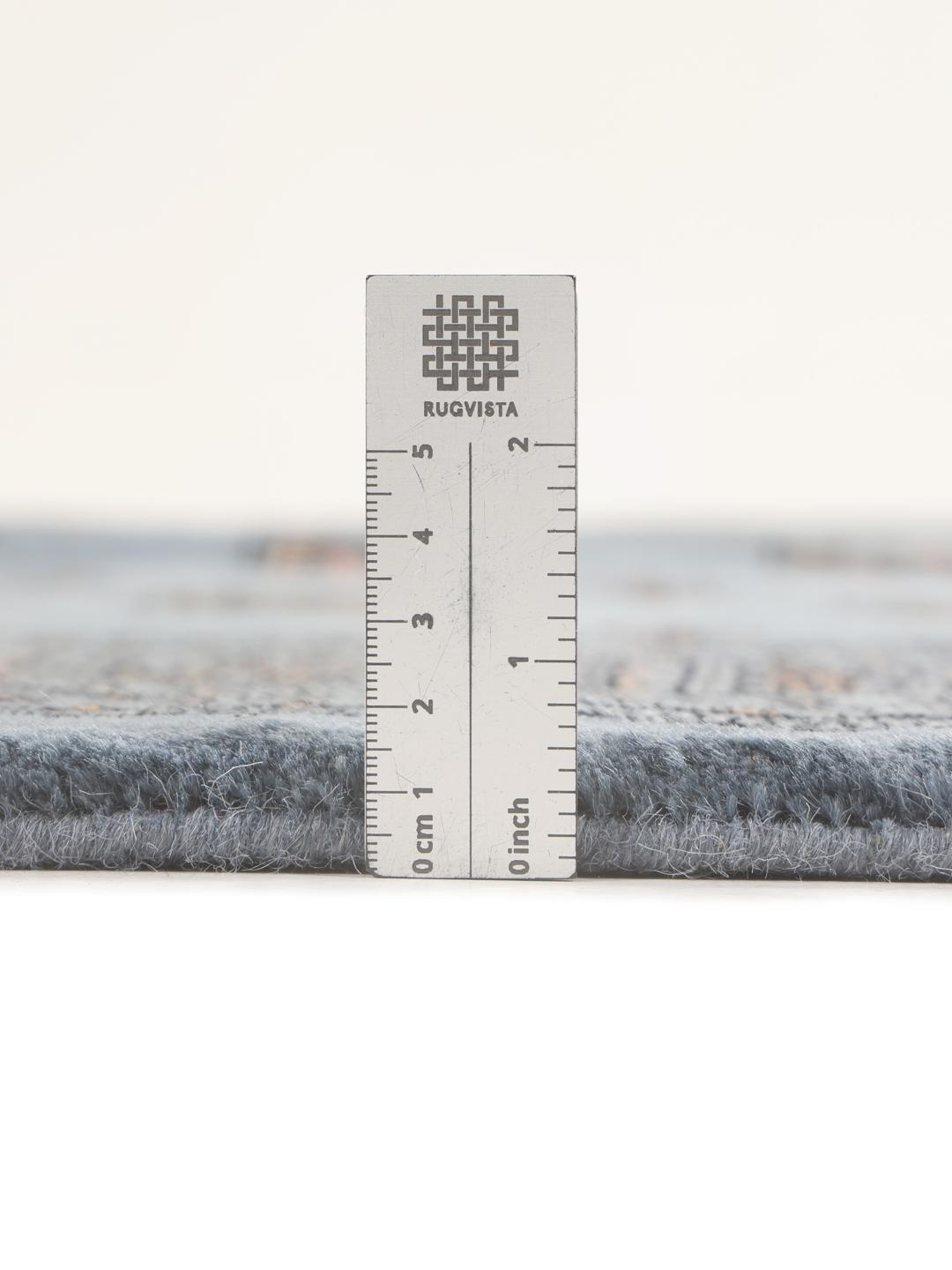
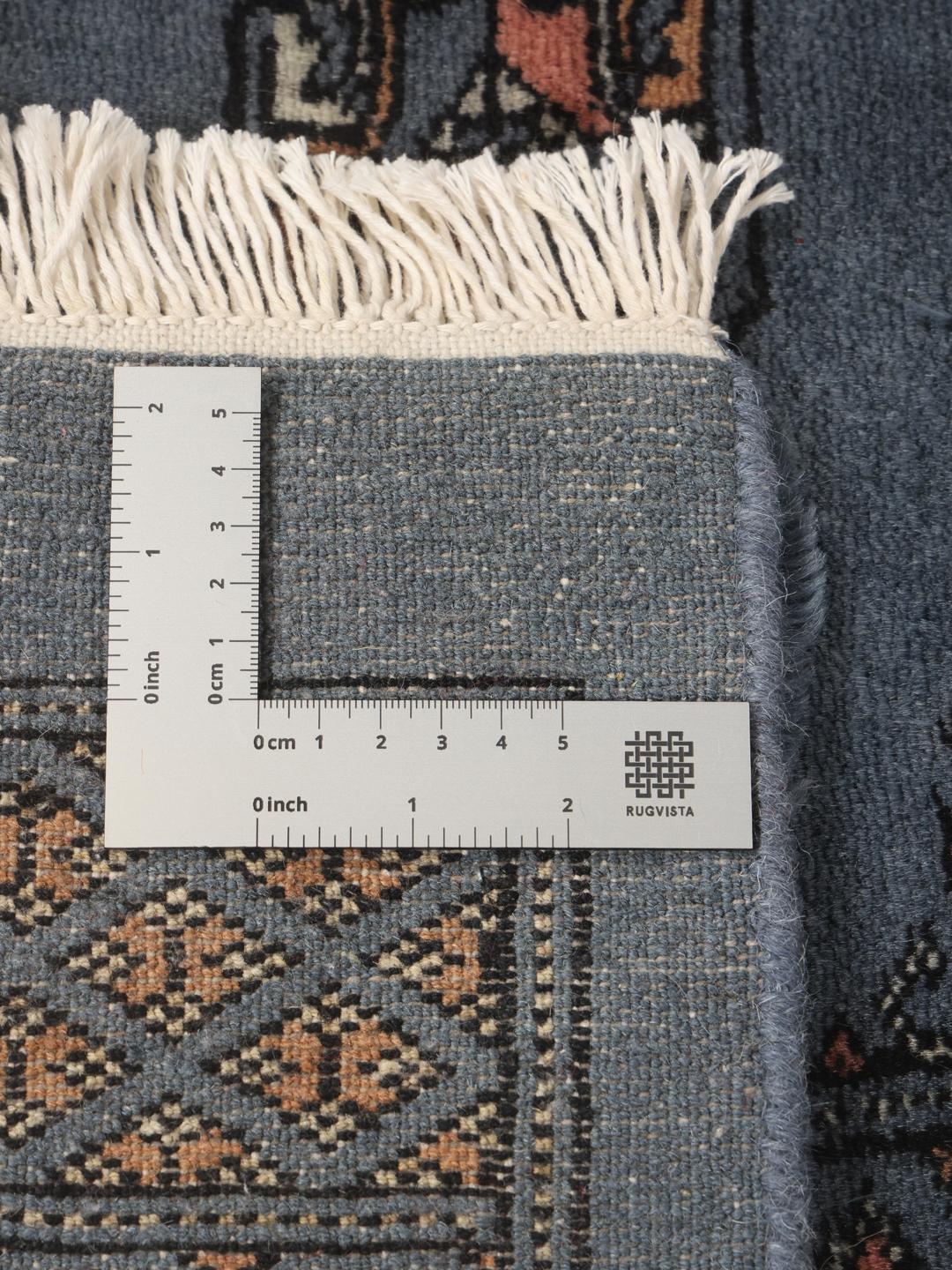
Bokhara rugs take their name from the ancient Silk Road city of Bukhara in Central Asia, a historical hub of trade and culture. While the style originated in this region, the finest examples today are woven in Pakistan, where artisans have perfected the tradition over generations, ensuring that these rugs remain a vital part of the global textile heritage.
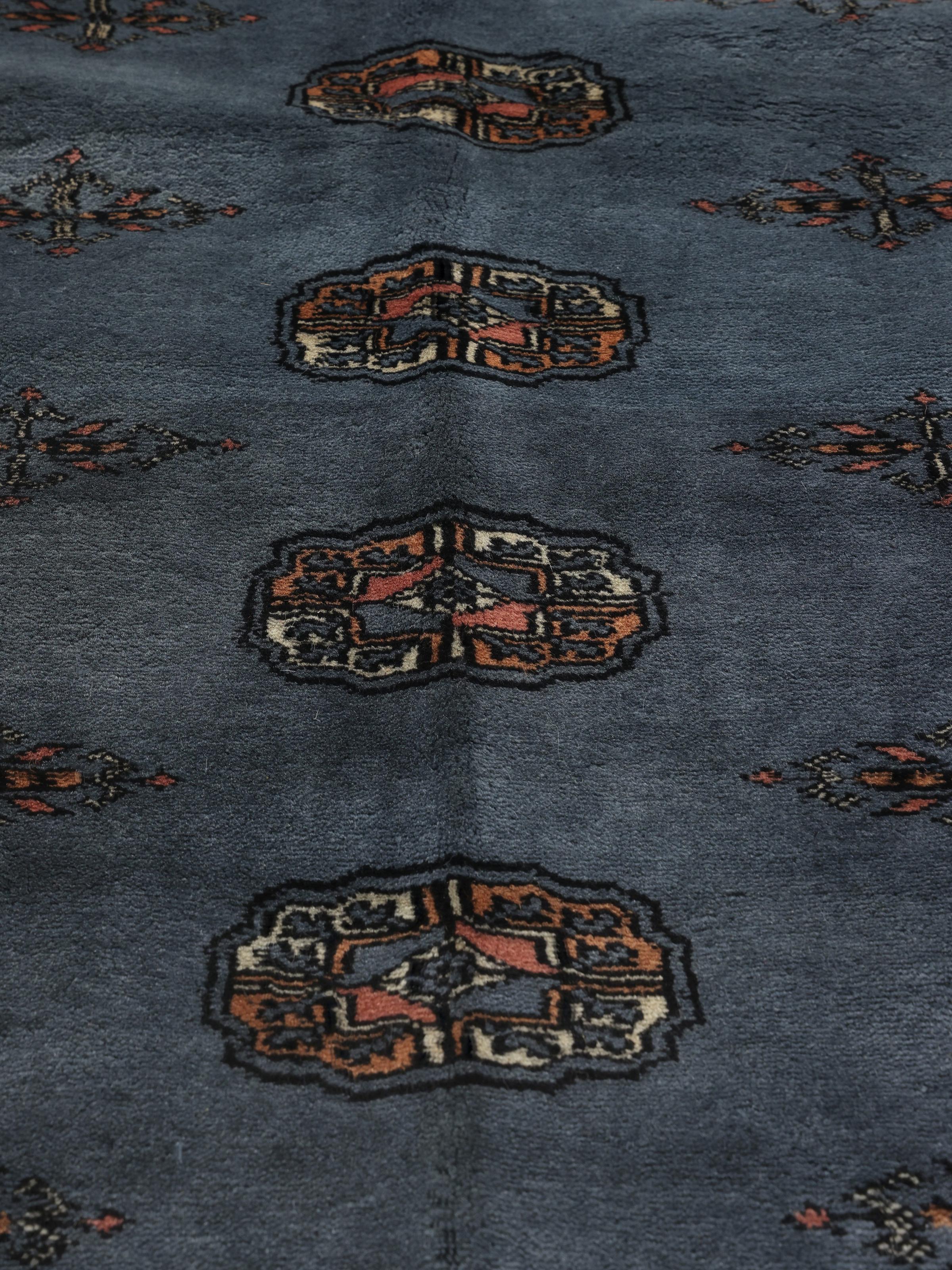
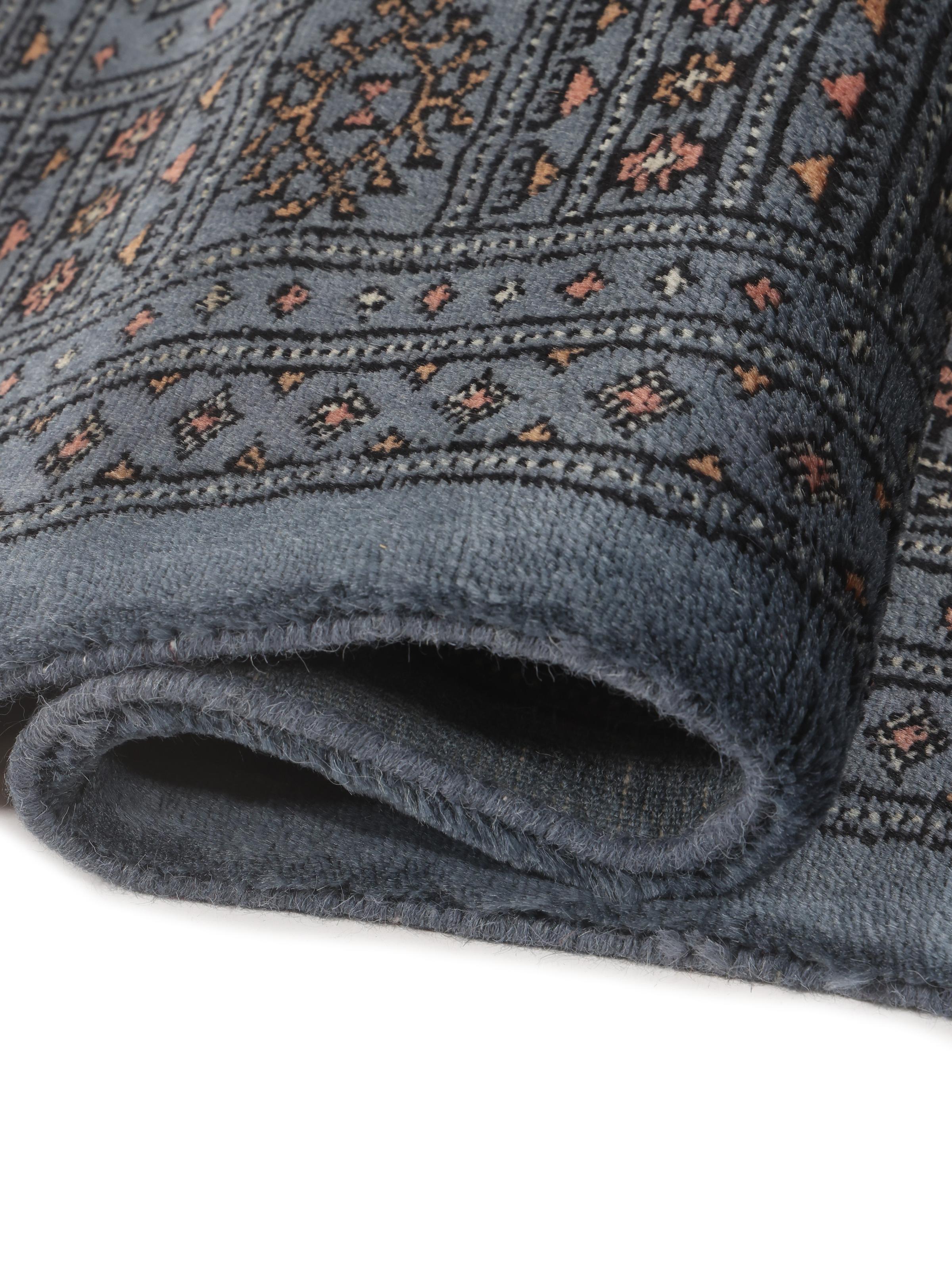
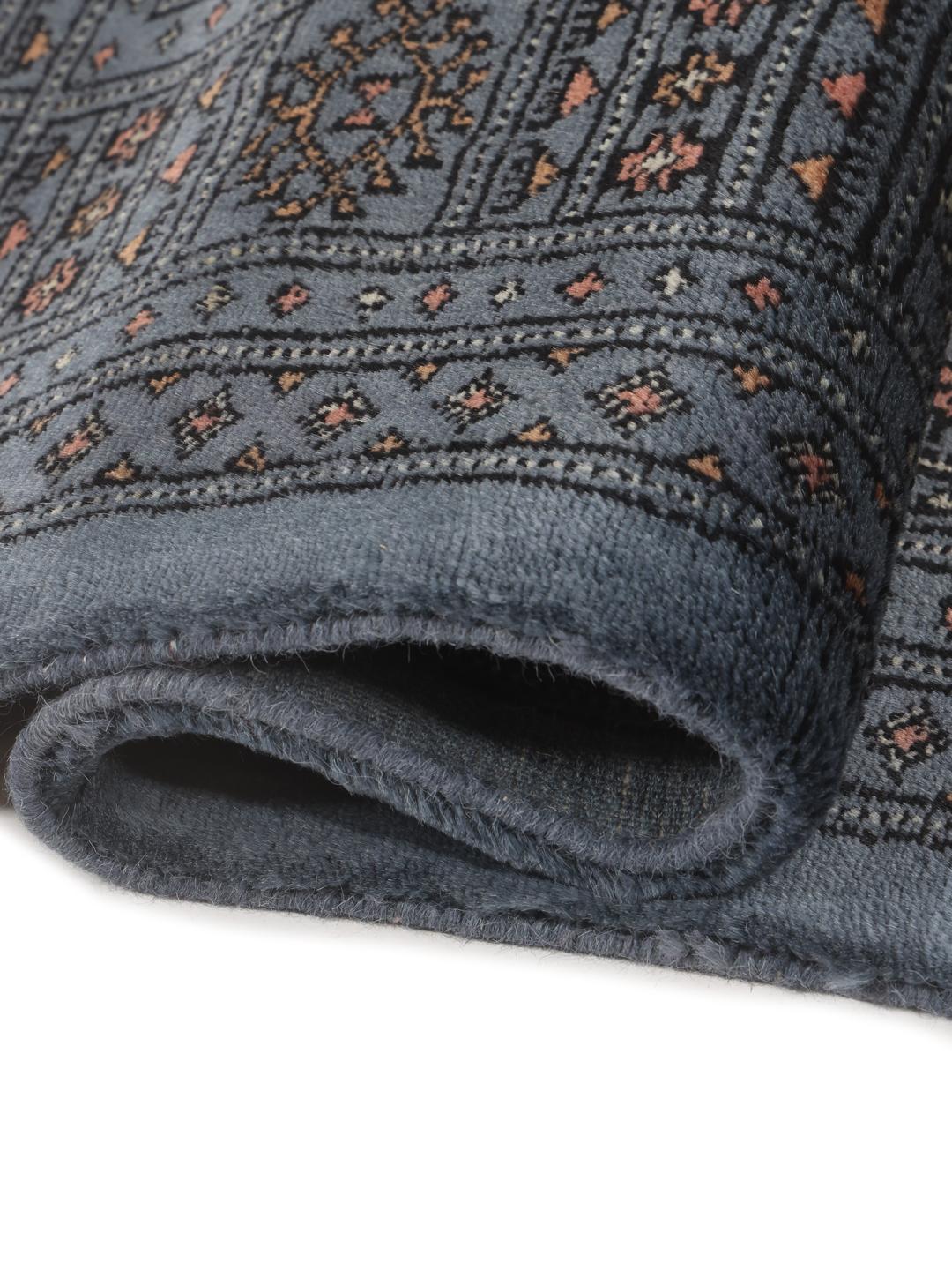
The '3ply' designation refers to the construction of the pile, where three strands of wool are twisted together before being knotted. This technical choice is significant because it produces a thicker, more lustrous, and exceptionally durable pile compared to single or double-ply alternatives, ensuring the rug feels substantial underfoot.
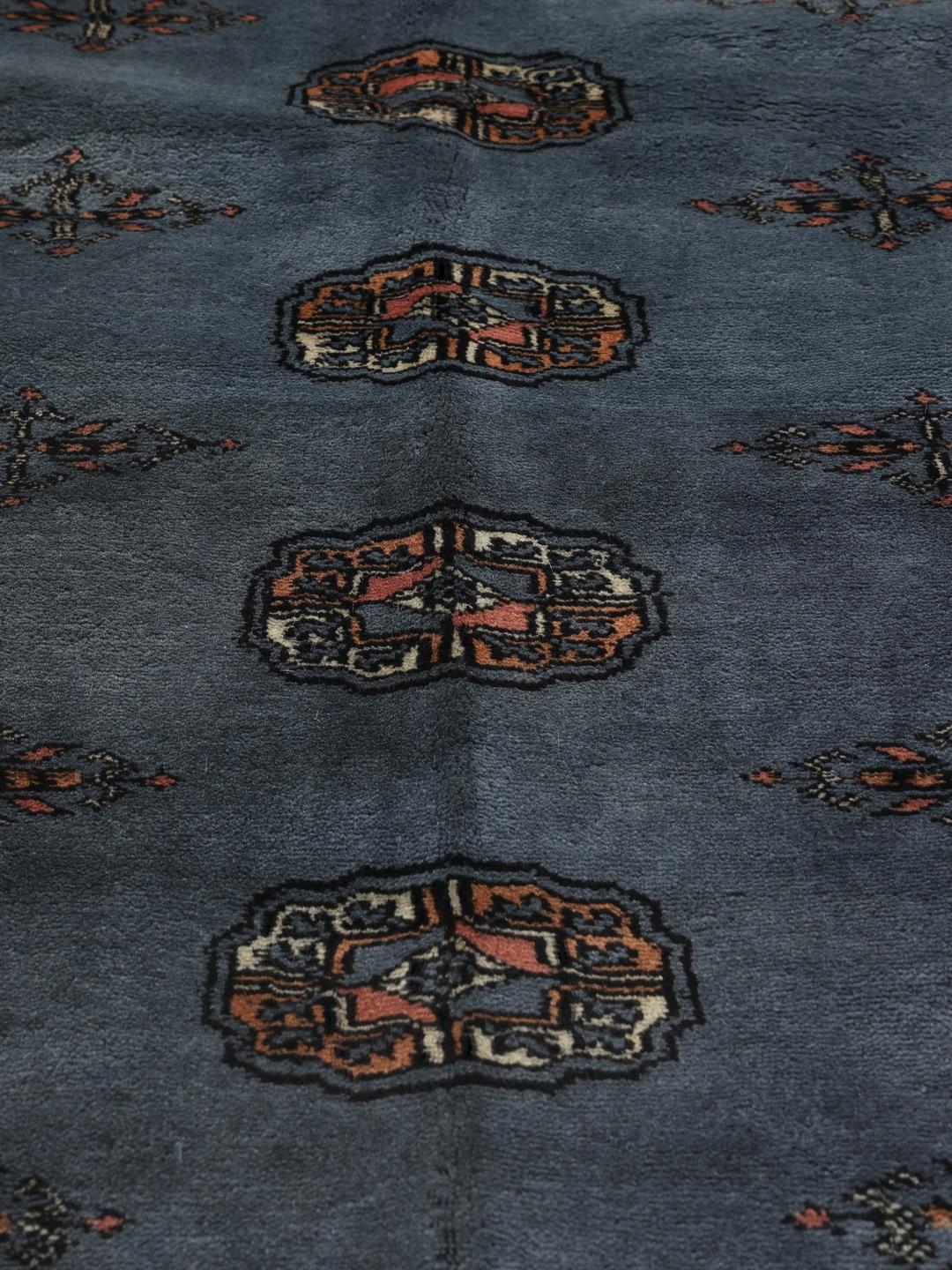
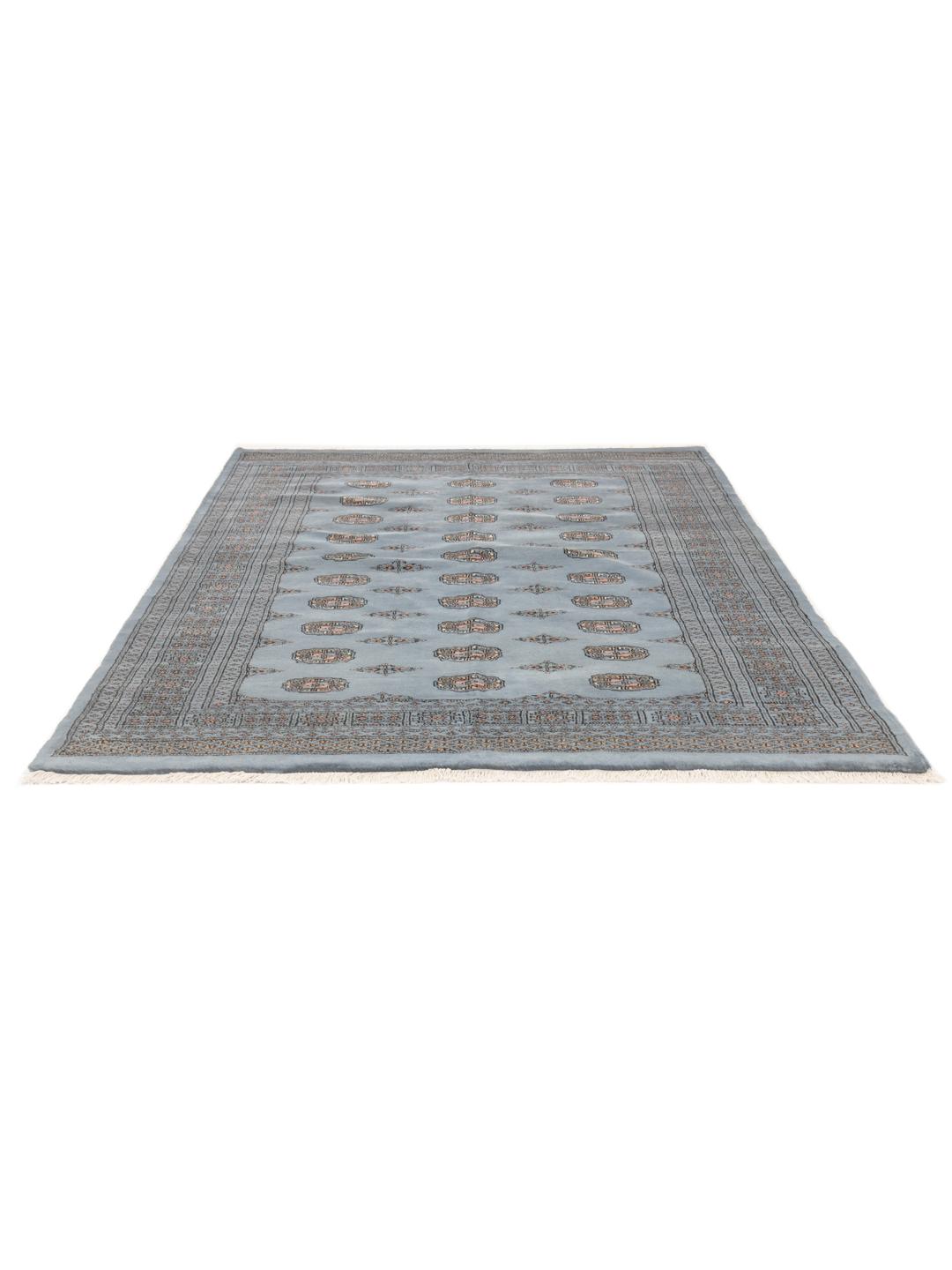
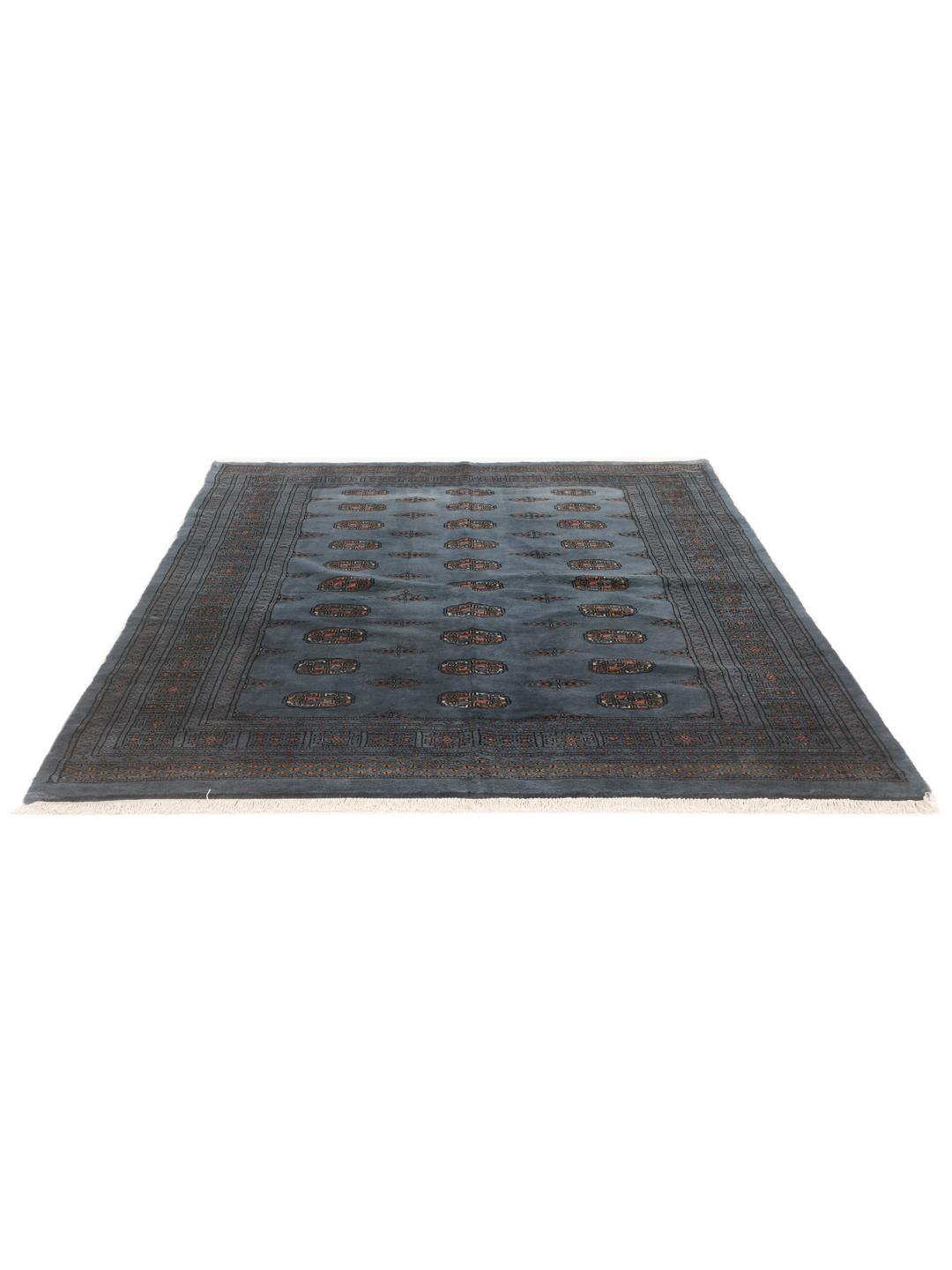
Visually, these rugs are defined by the repeating gul motif, which are typically octagonal or elephant-foot shaped medallions arranged in consistent rows. These motifs are framed by intricate, formal borders that mirror the complexity of the field, creating a sense of order and balance that is synonymous with this design tradition.
Owning a hand-knotted rug from this tradition is an investment in human skill and cultural history. These rugs are highly valued by collectors not just for their aesthetic beauty, but for the dedication required to create them, representing a commitment to craft that is increasingly rare in the modern world.