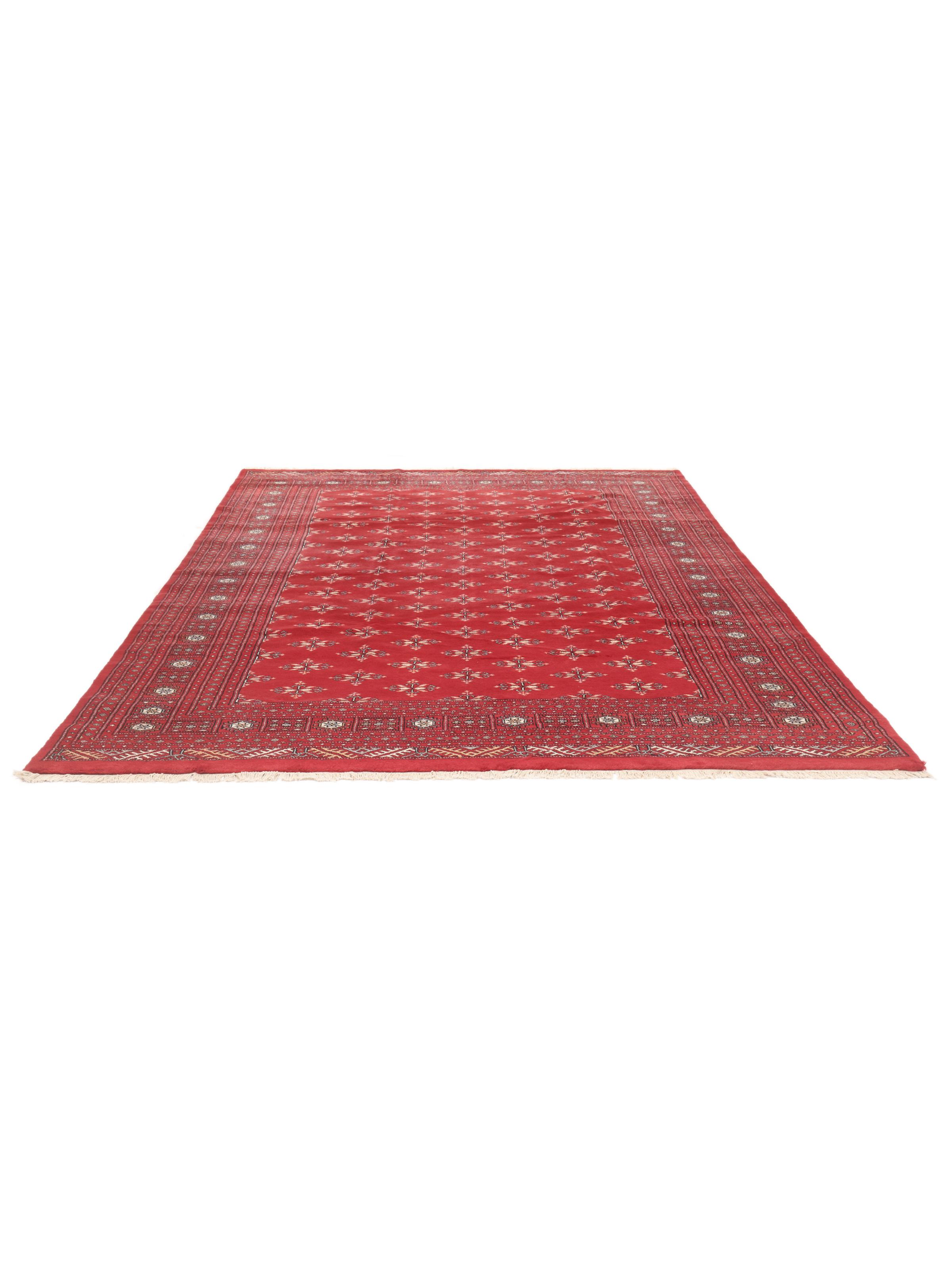
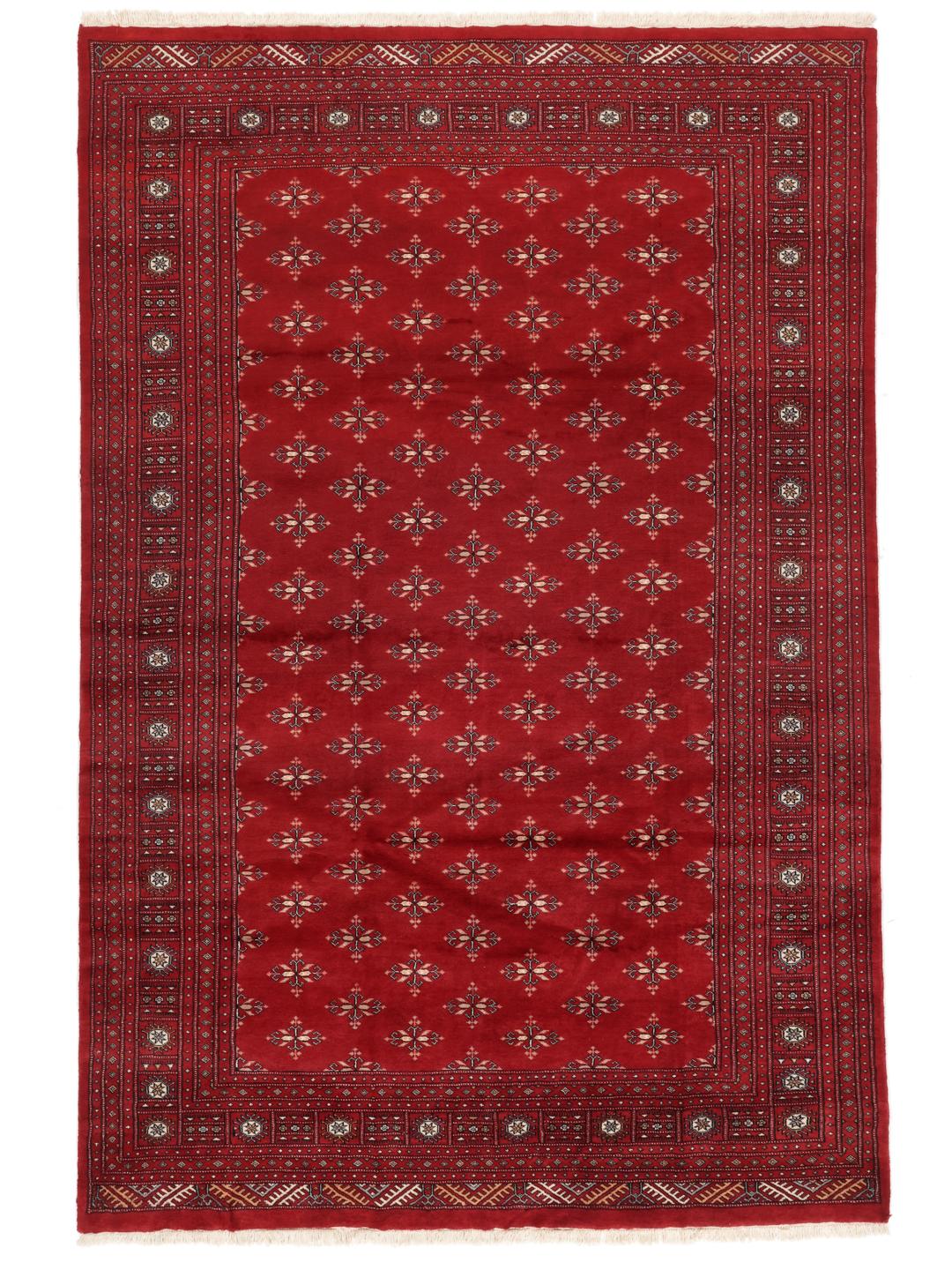
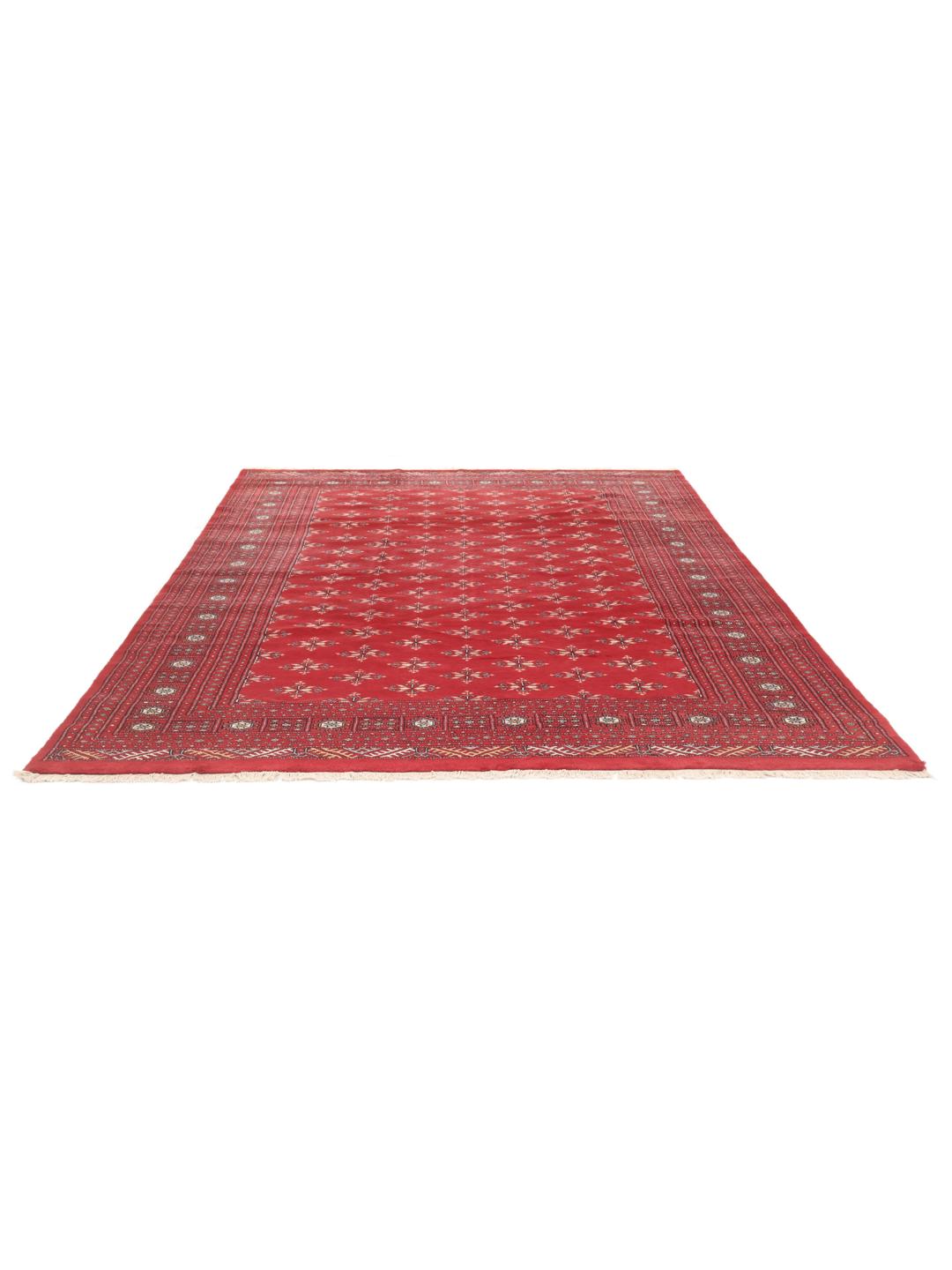
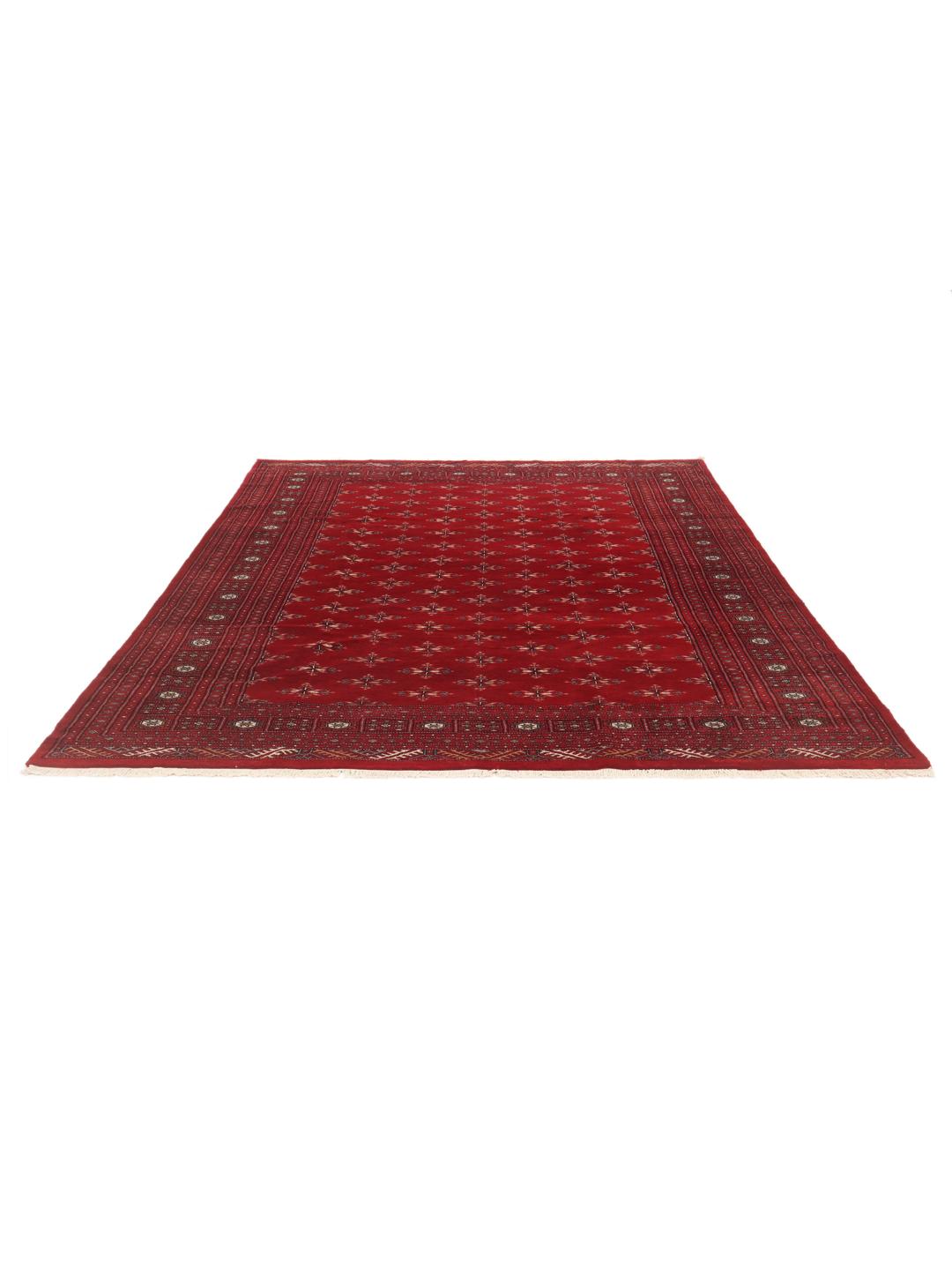
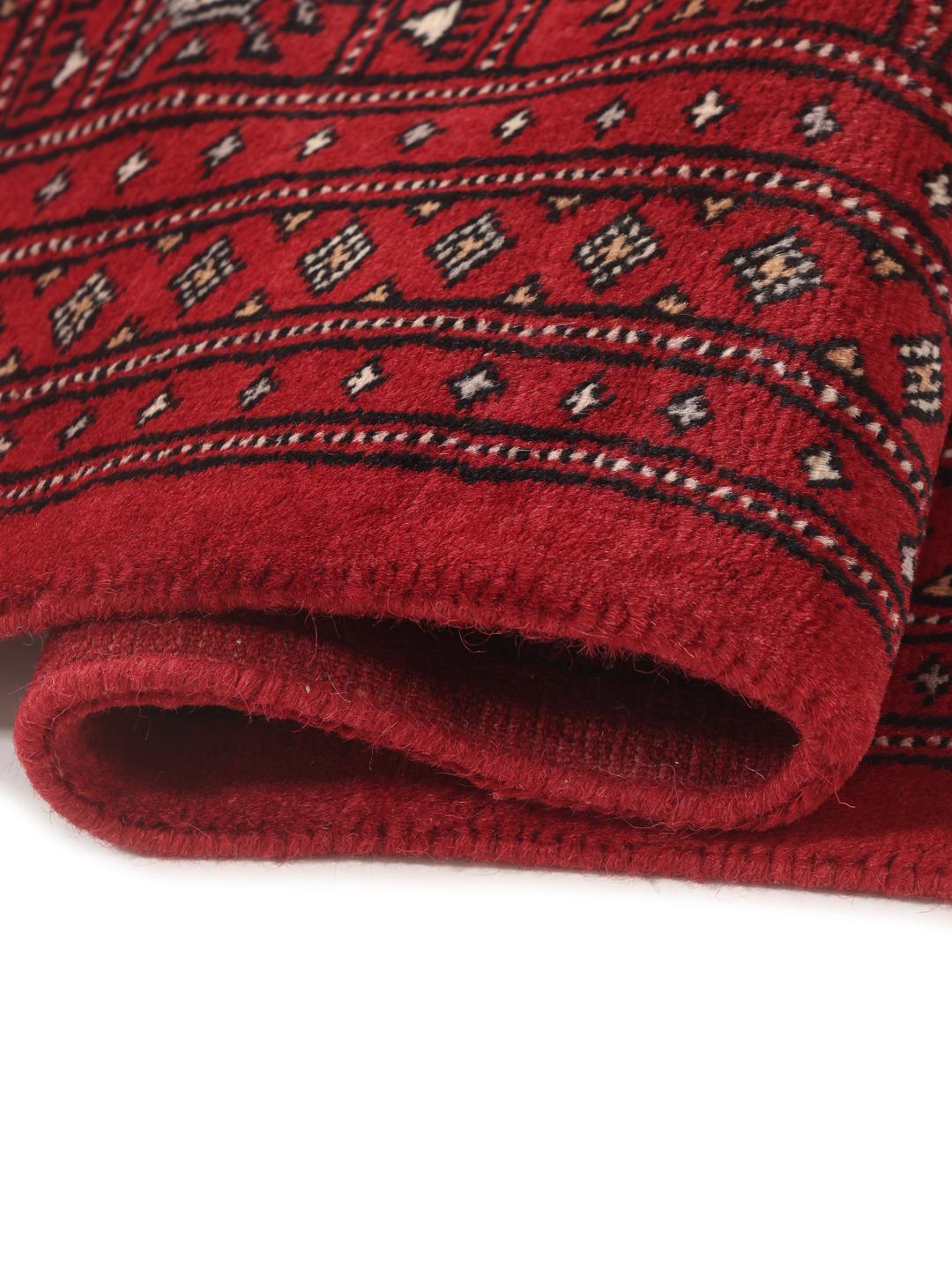
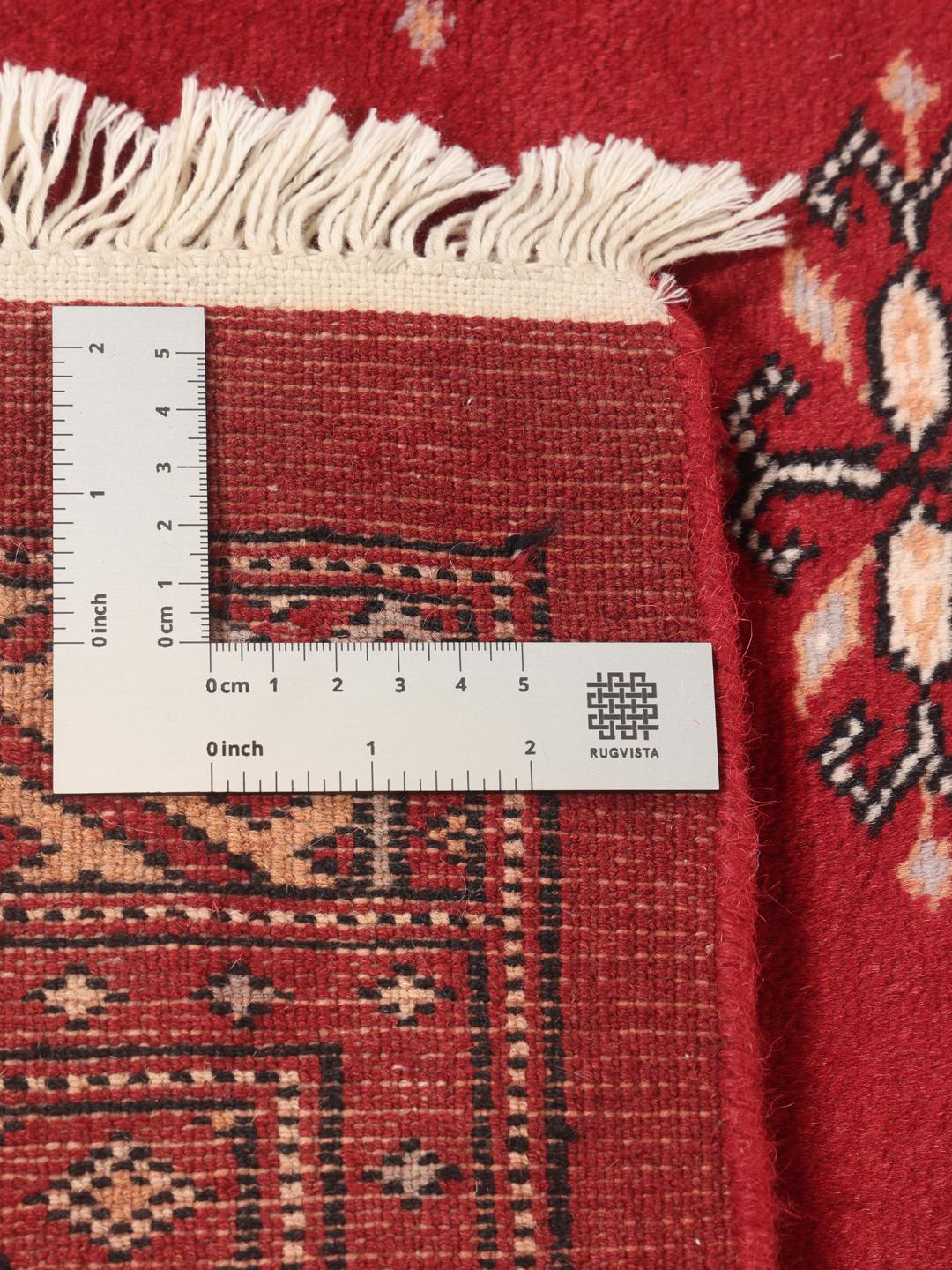
Bokhara rugs are deeply rooted in the history of Central Asian weaving, taking their name from the ancient Silk Road city of Bukhara. While they were historically associated with nomadic tribes, the production of these fine rugs eventually migrated to Pakistan, where weavers refined the craft to achieve the high levels of precision and softness seen today.
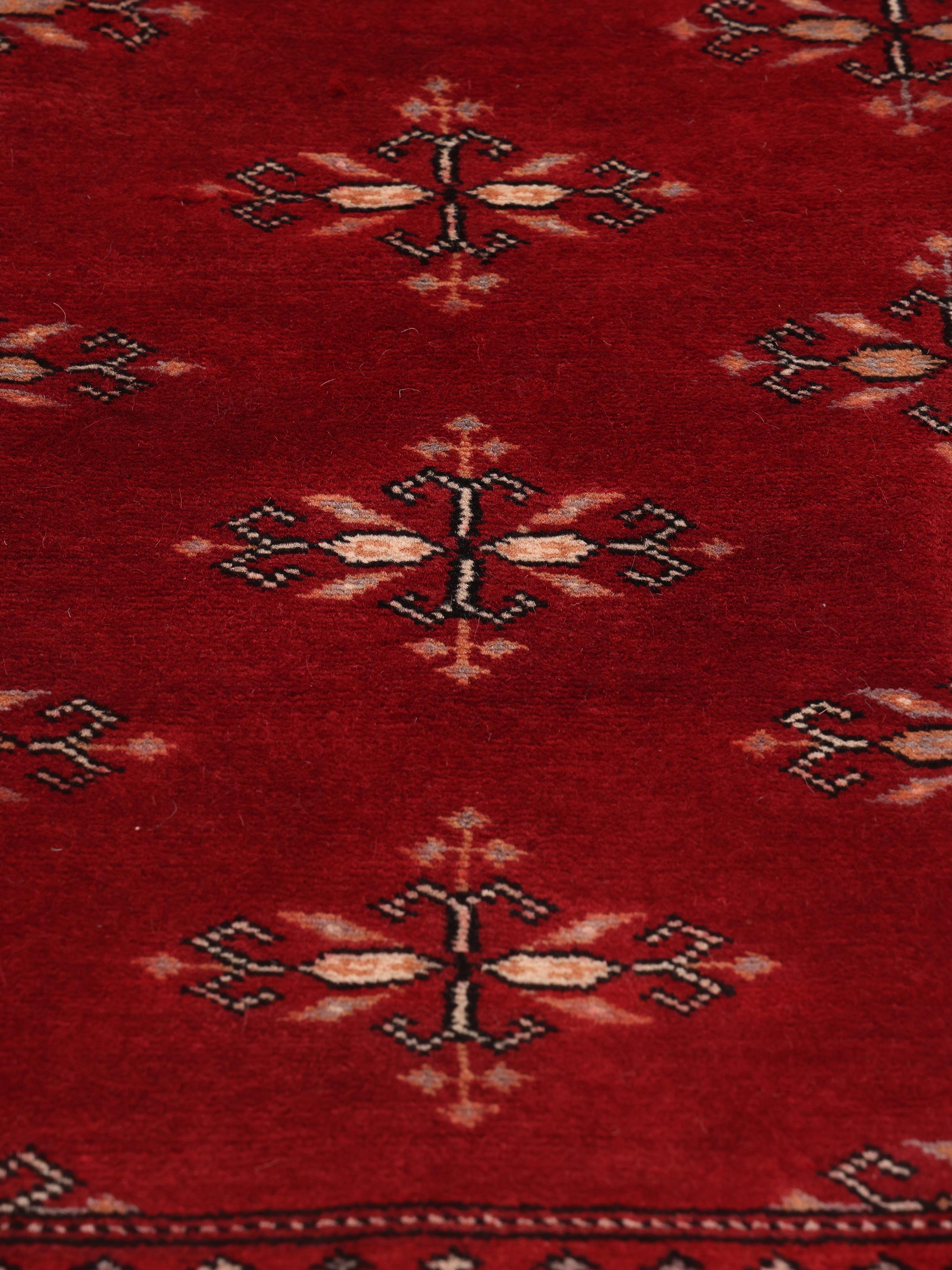
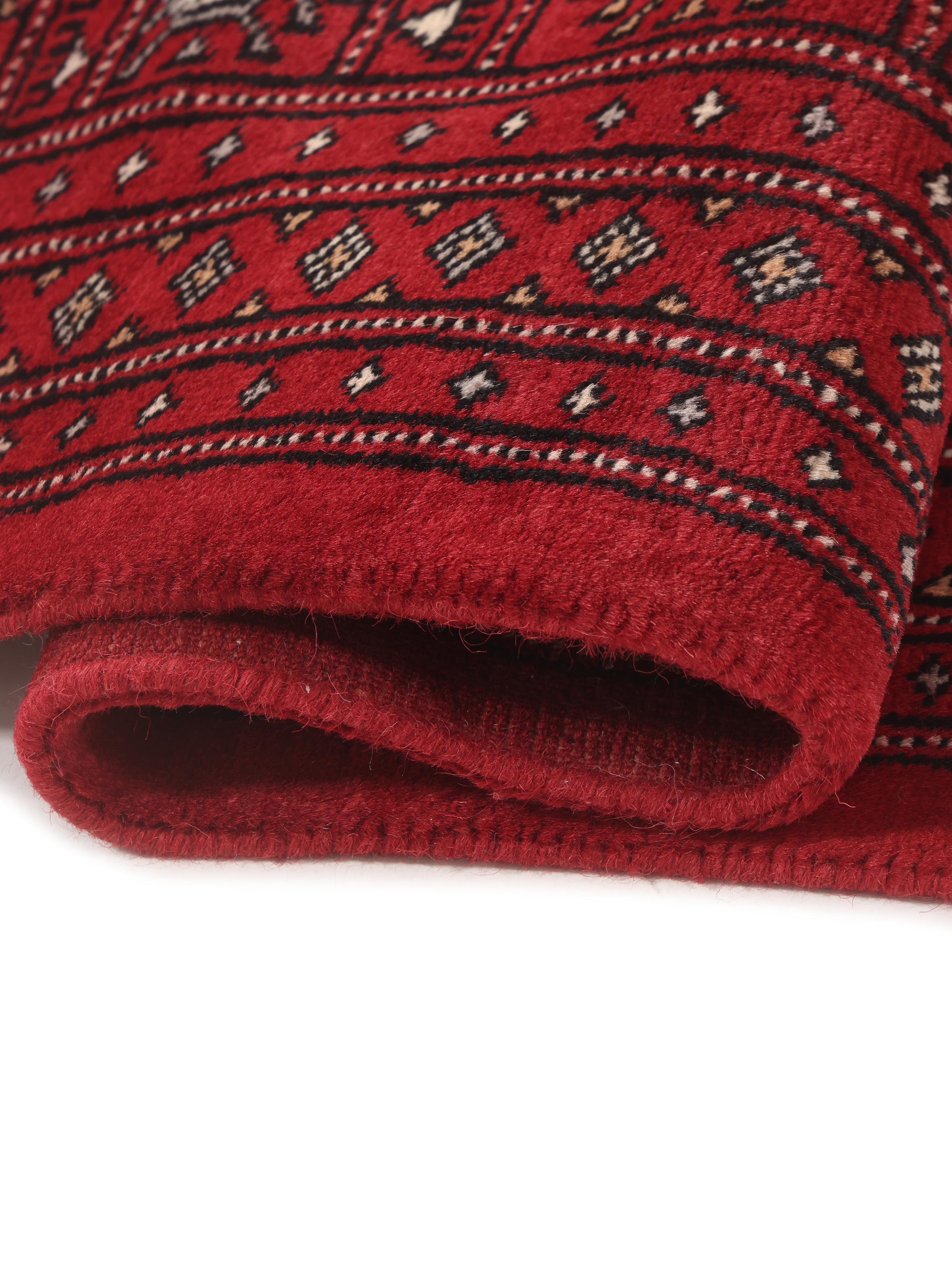
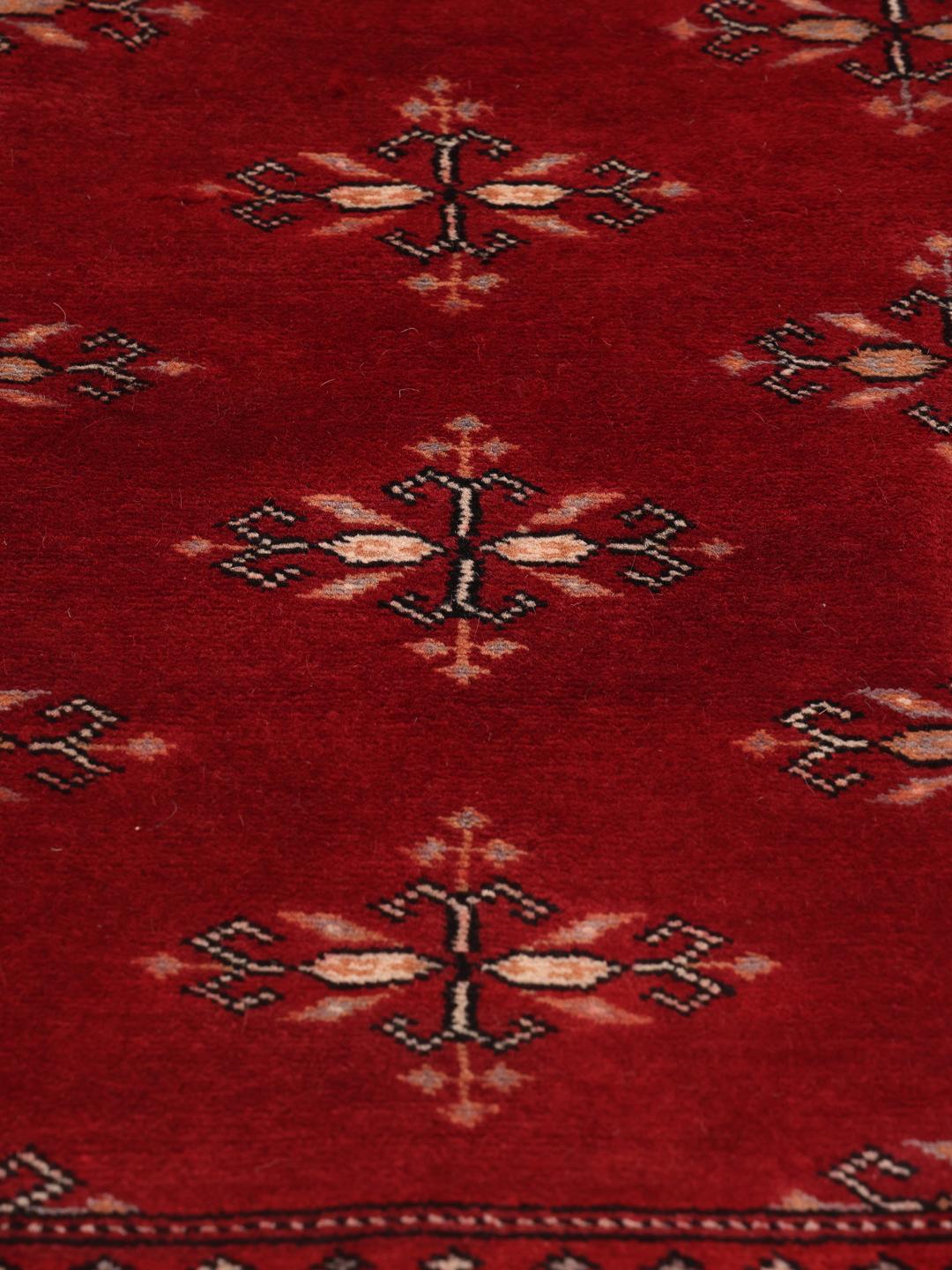
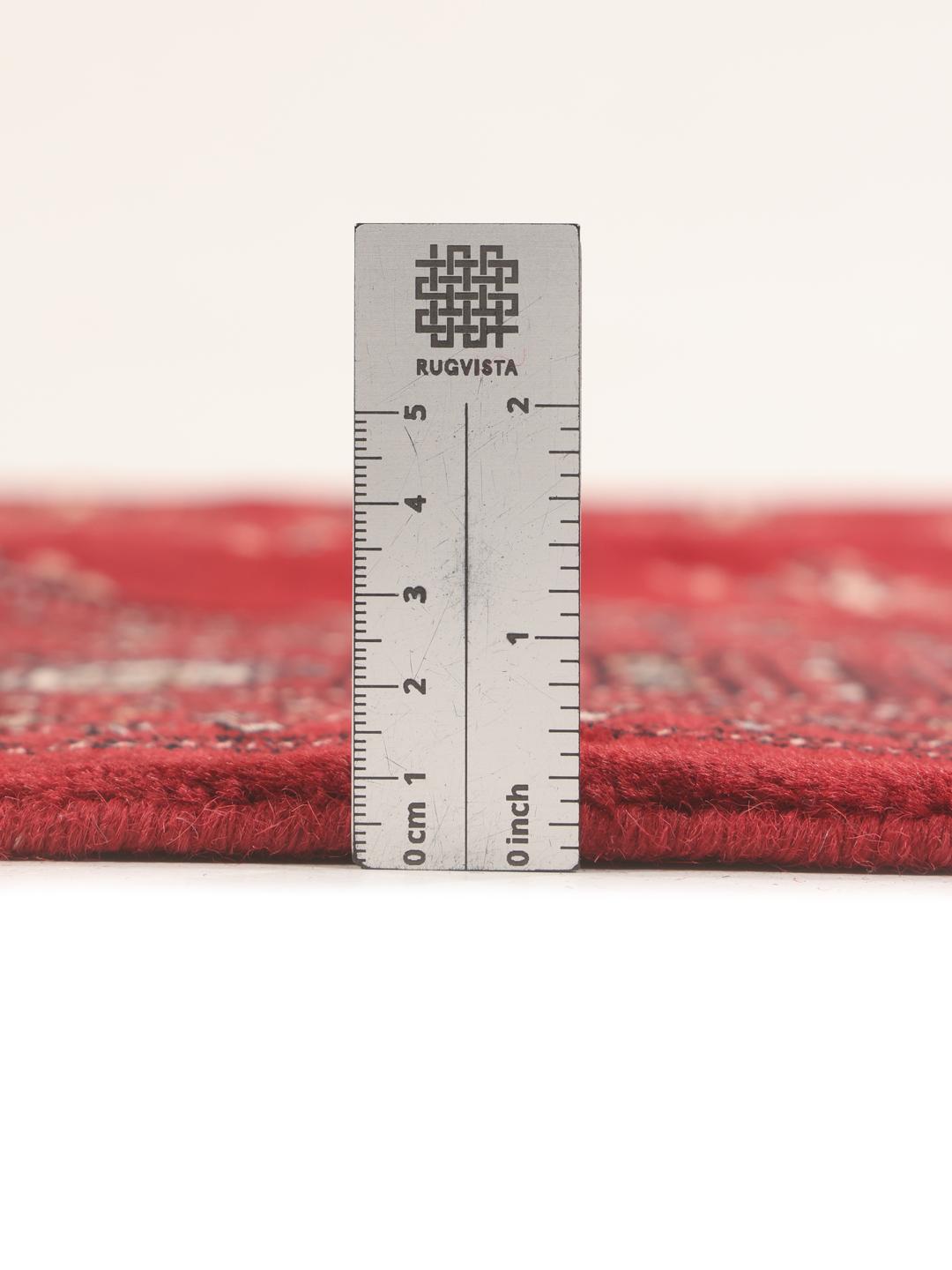
The term 3ply refers to the construction of the wool yarn used in the pile, where three individual strands are twisted together before weaving. This technique is significant because it creates a thicker, more durable, and exceptionally lustrous pile compared to simpler yarn constructions, providing a deeper texture that feels more substantial underfoot.
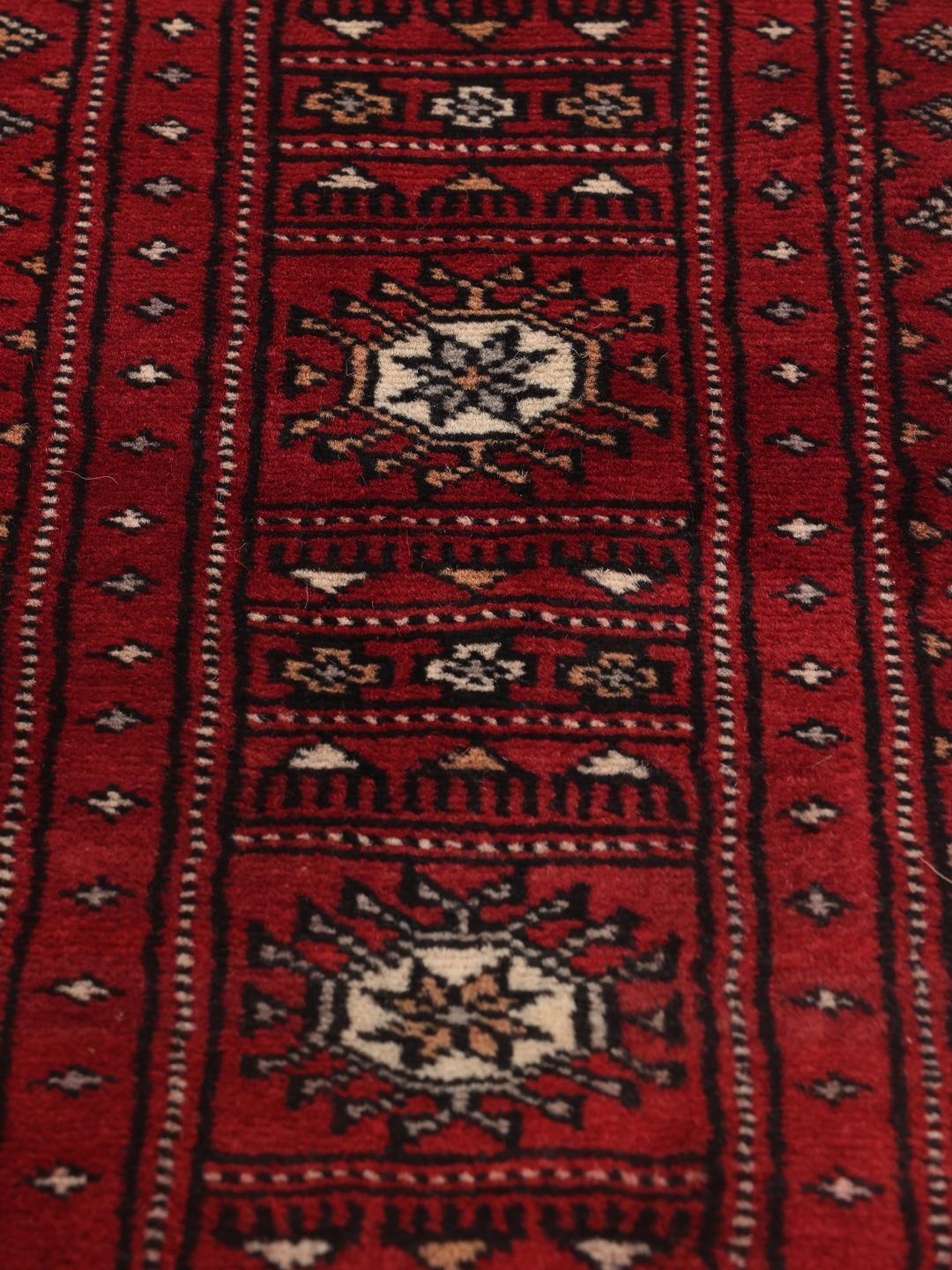
The visual language of the Bokhara is defined by its iconic gul motifs, which are repeating, stylized medallions that resemble elephant footprints. These are typically arranged in symmetrical rows across the field, framed by elaborate, geometric borders that demonstrate the weaver's mastery of proportion and detail.
Owning a piece from this tradition is an investment in cultural heritage and skill. These rugs are highly valued by collectors for their consistency, warmth, and the immense human effort required to create them, making them a centrepiece that adds both character and a sense of history to any modern home.