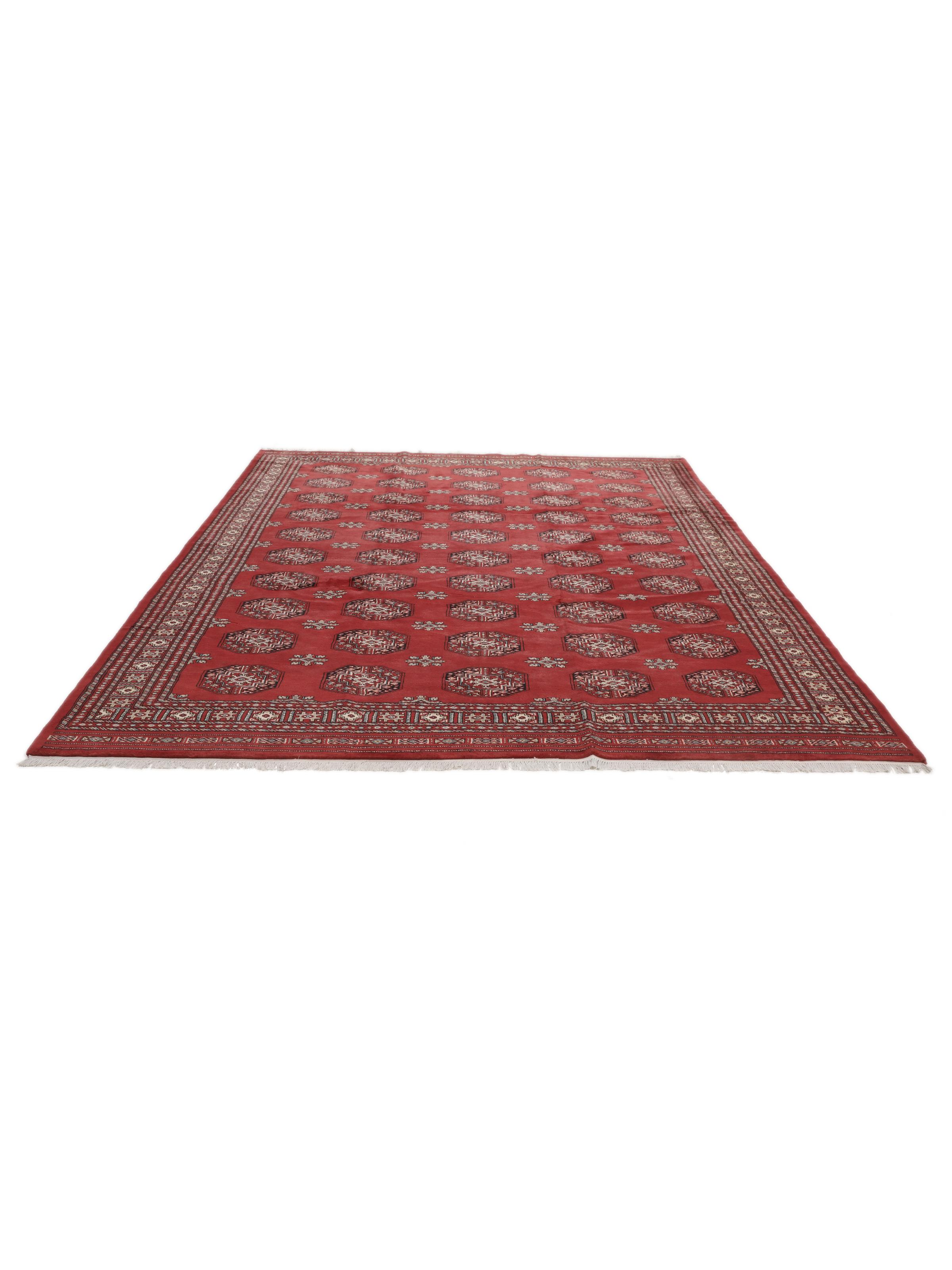
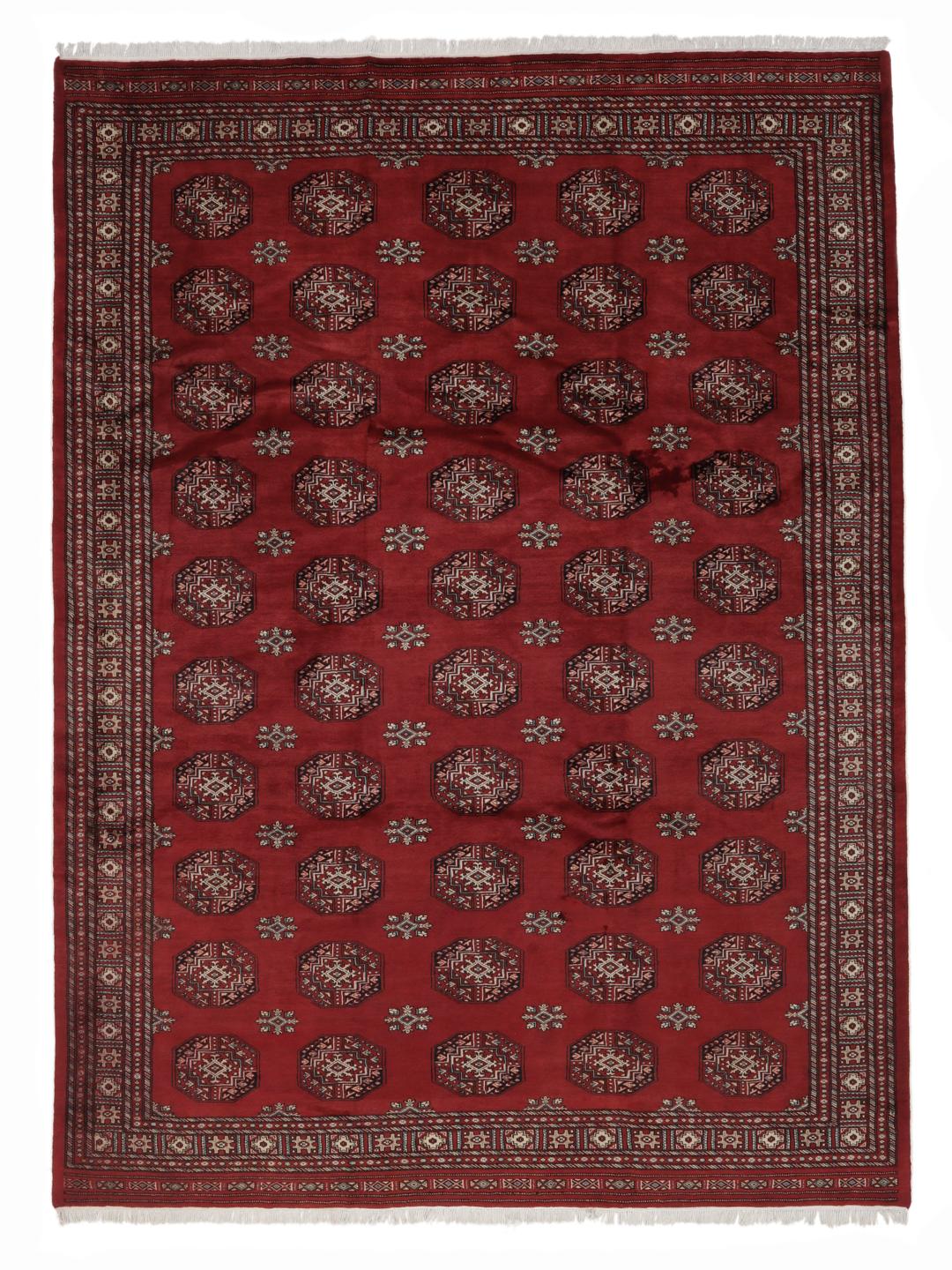
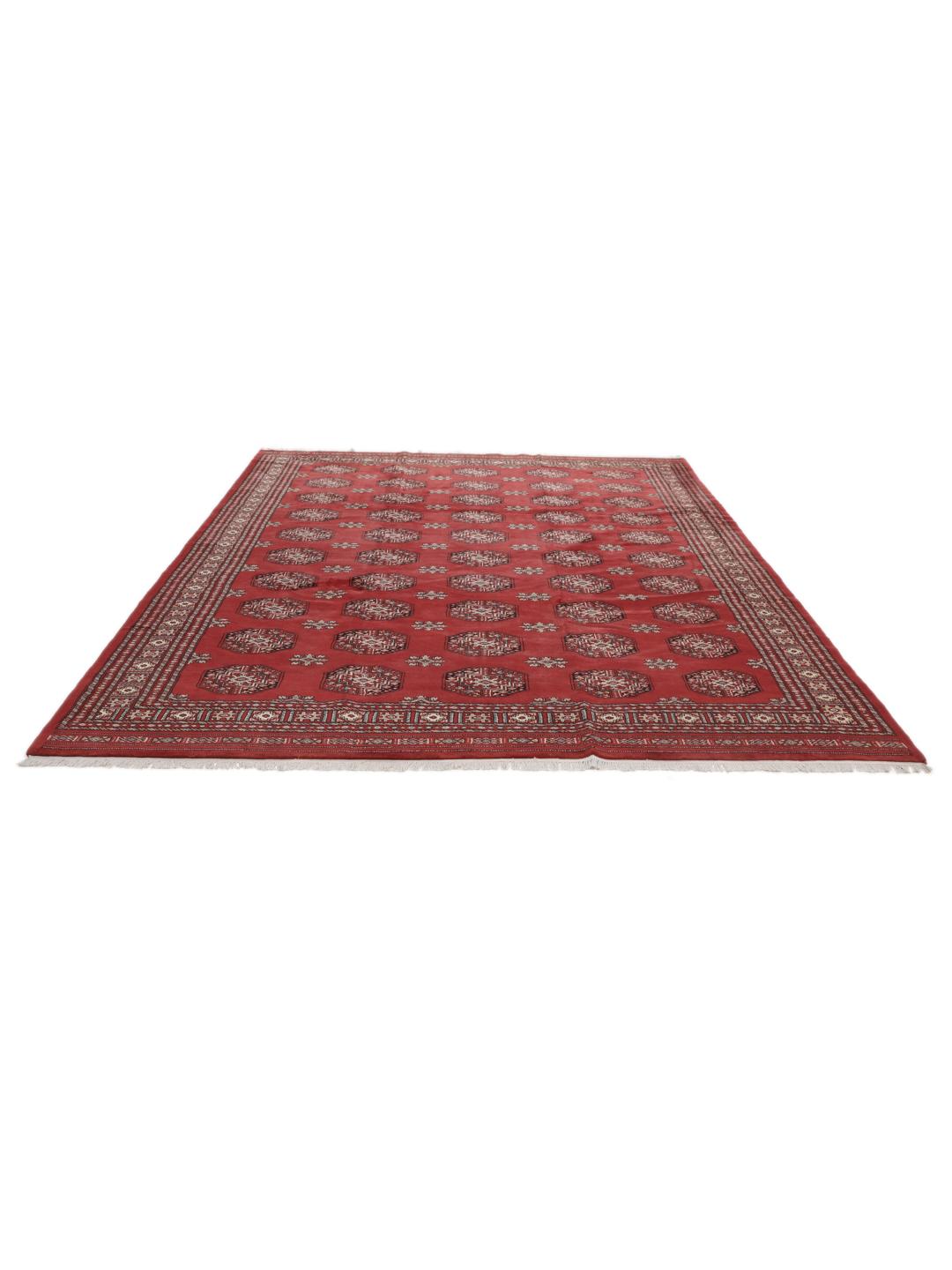
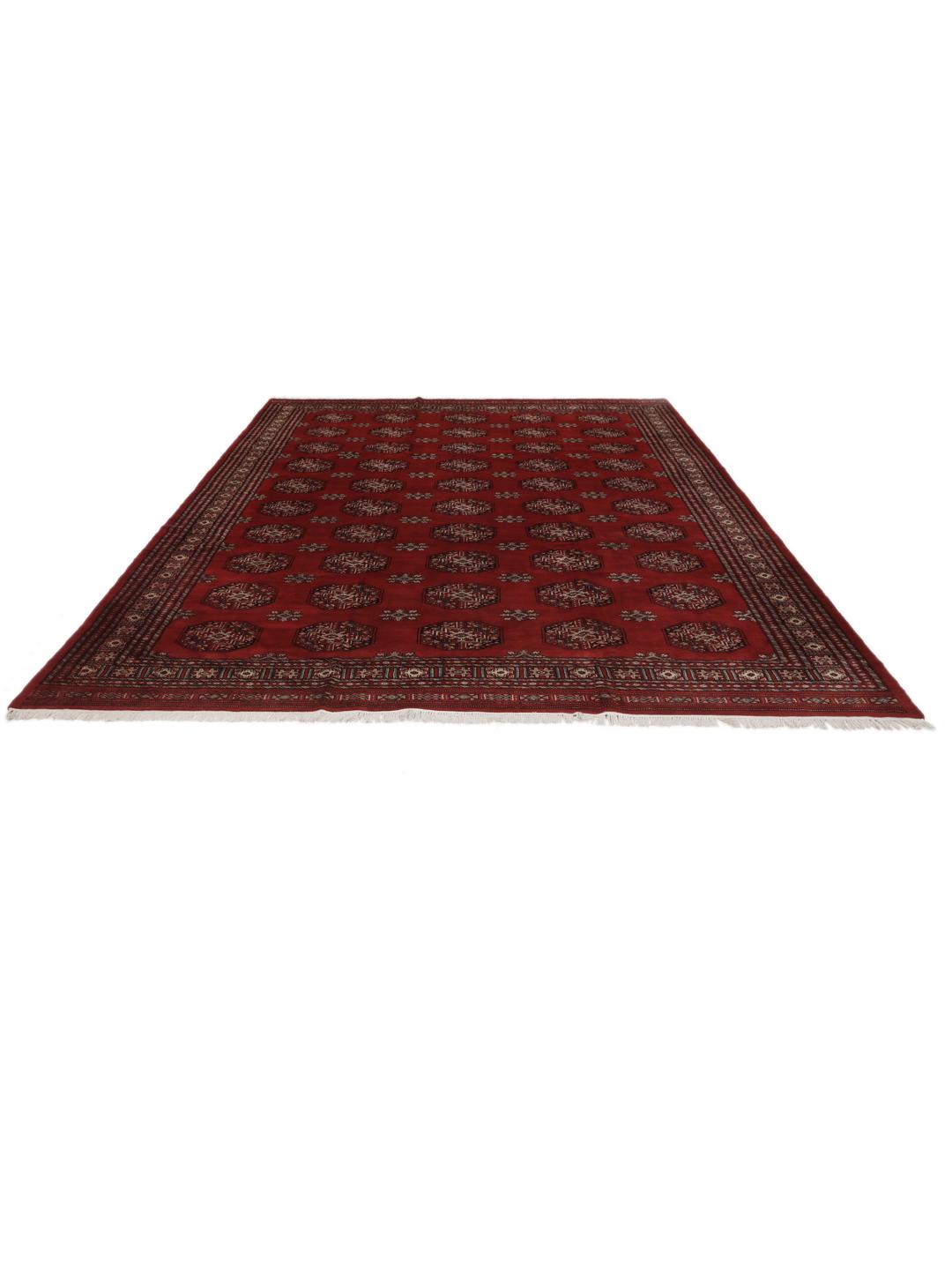
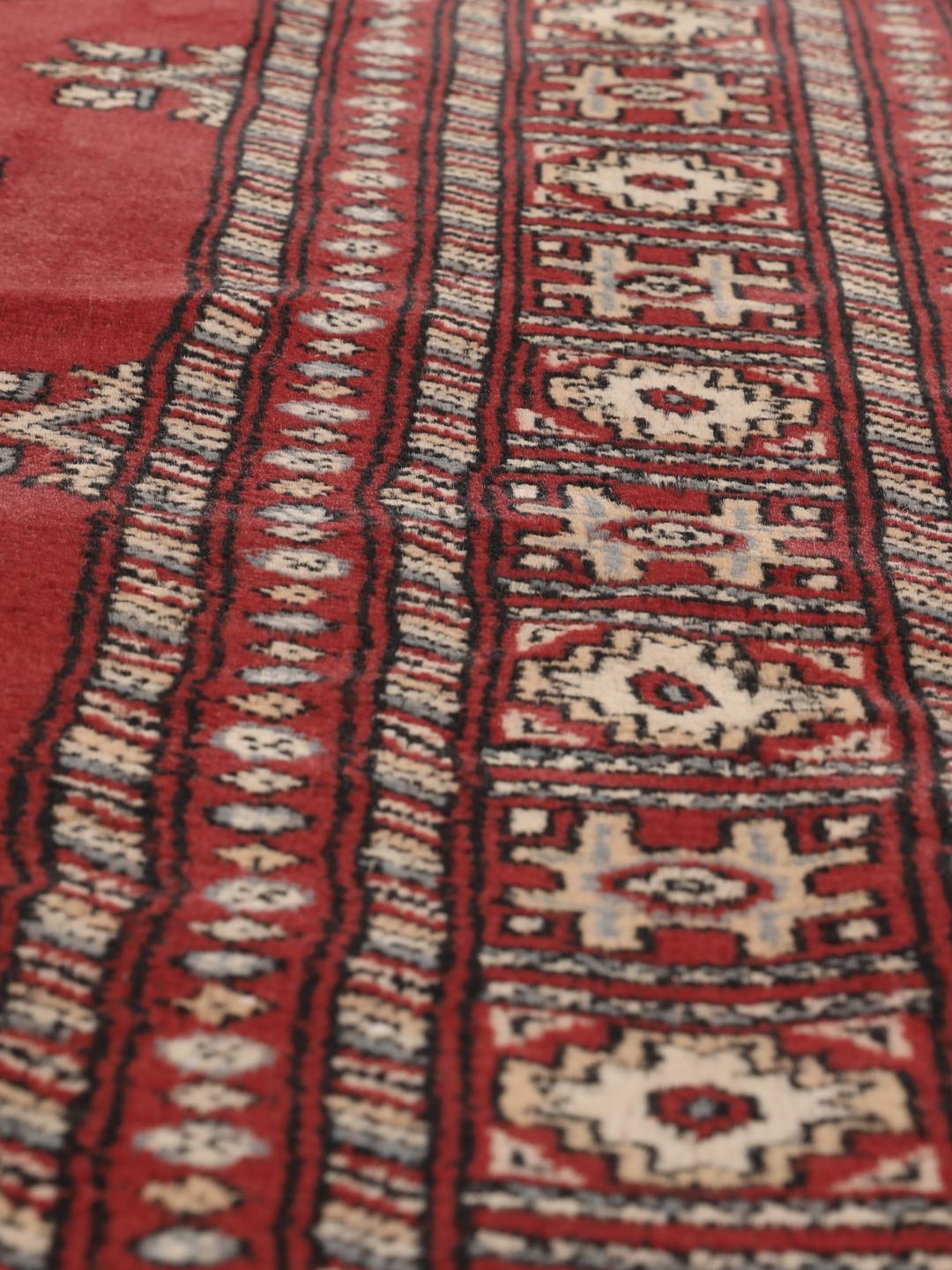
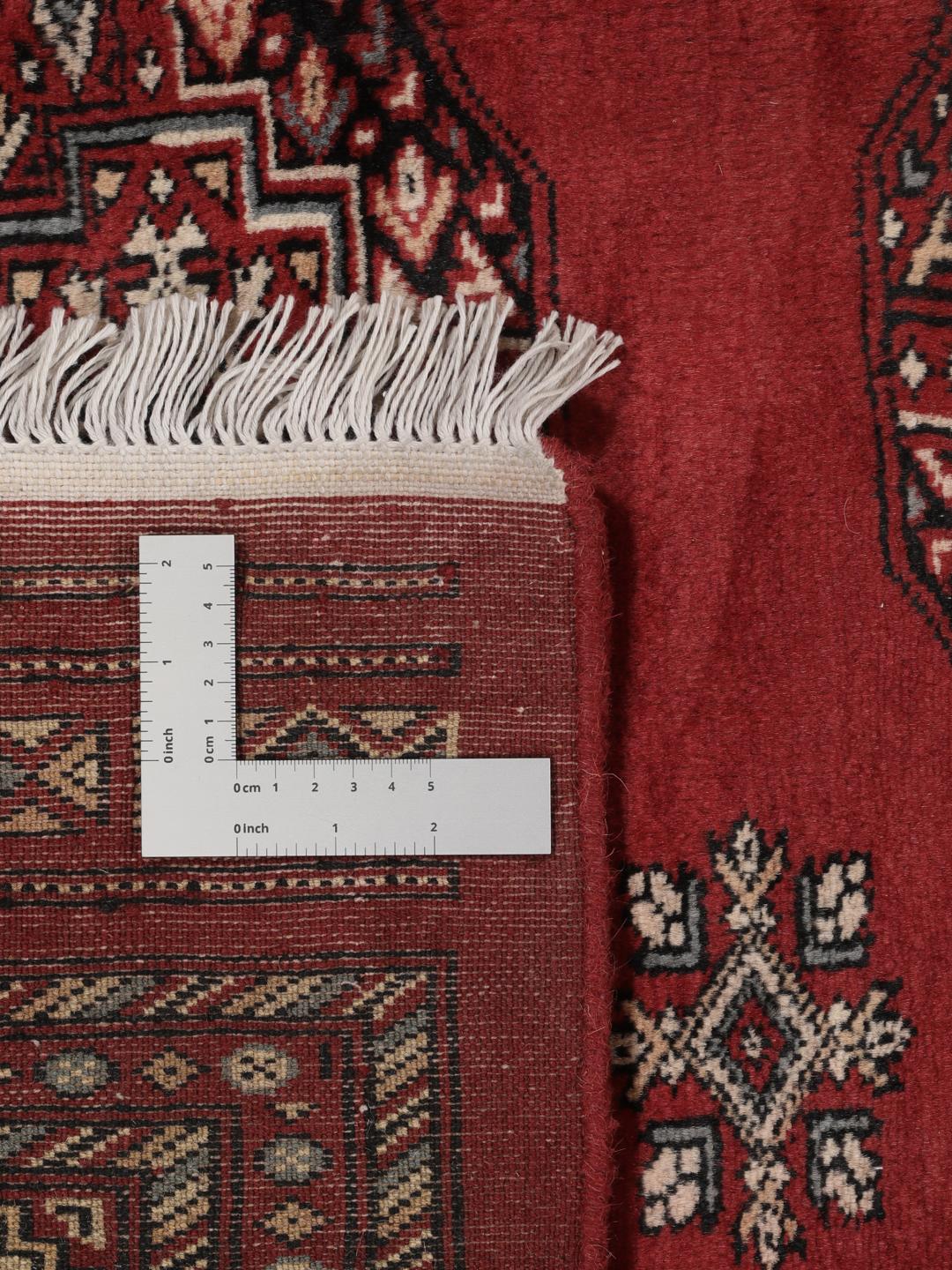
Bokhara rugs take their name from the ancient Silk Road city of Bukhara in Central Asia, a historical hub for trade and craftsmanship. While the name originates from this storied region, the finest examples of these rugs have long been woven in Pakistan. This migration of artistry has allowed the tradition to evolve, blending ancient techniques with refined production standards to create the high-quality pieces we see today.
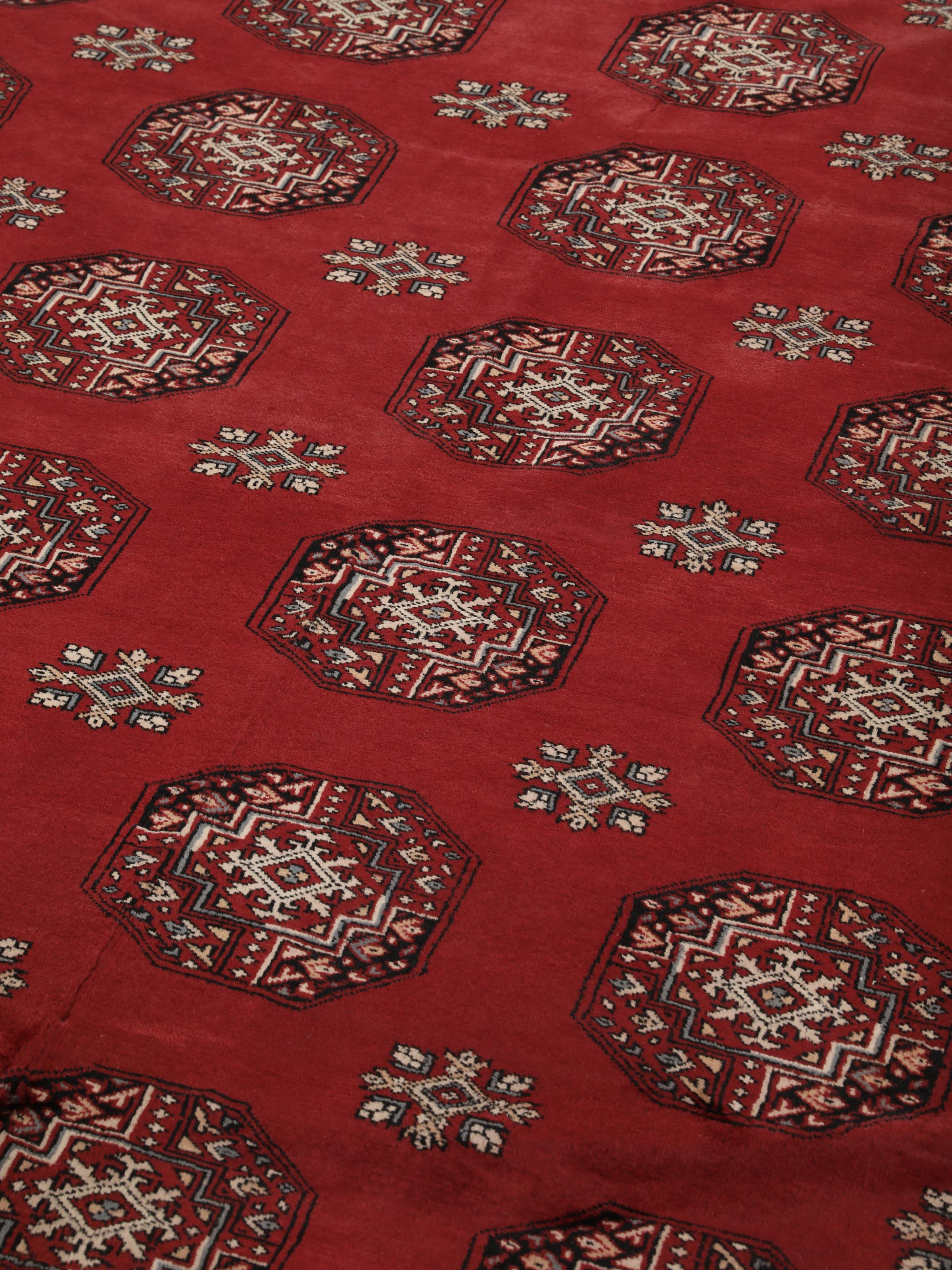
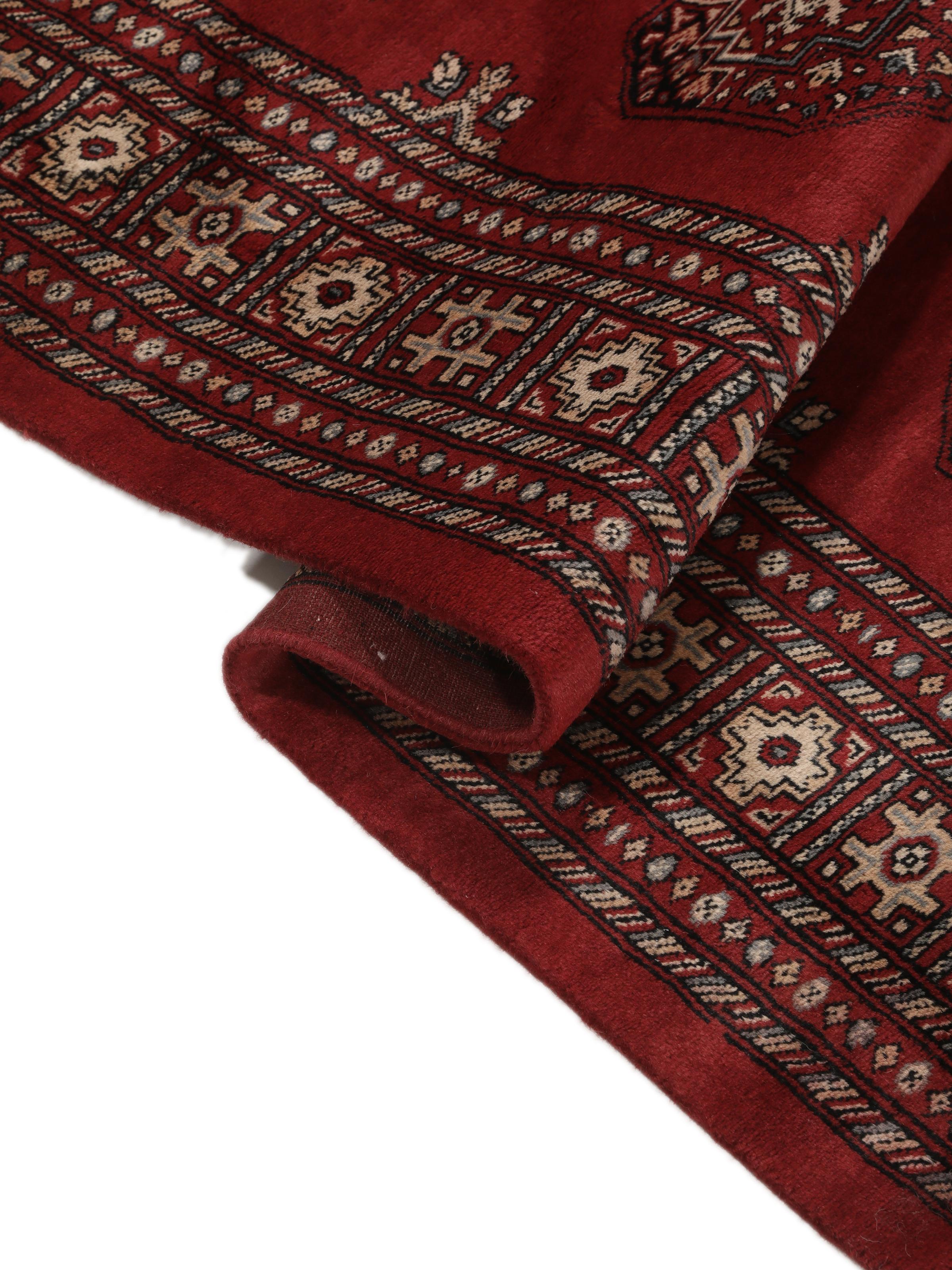
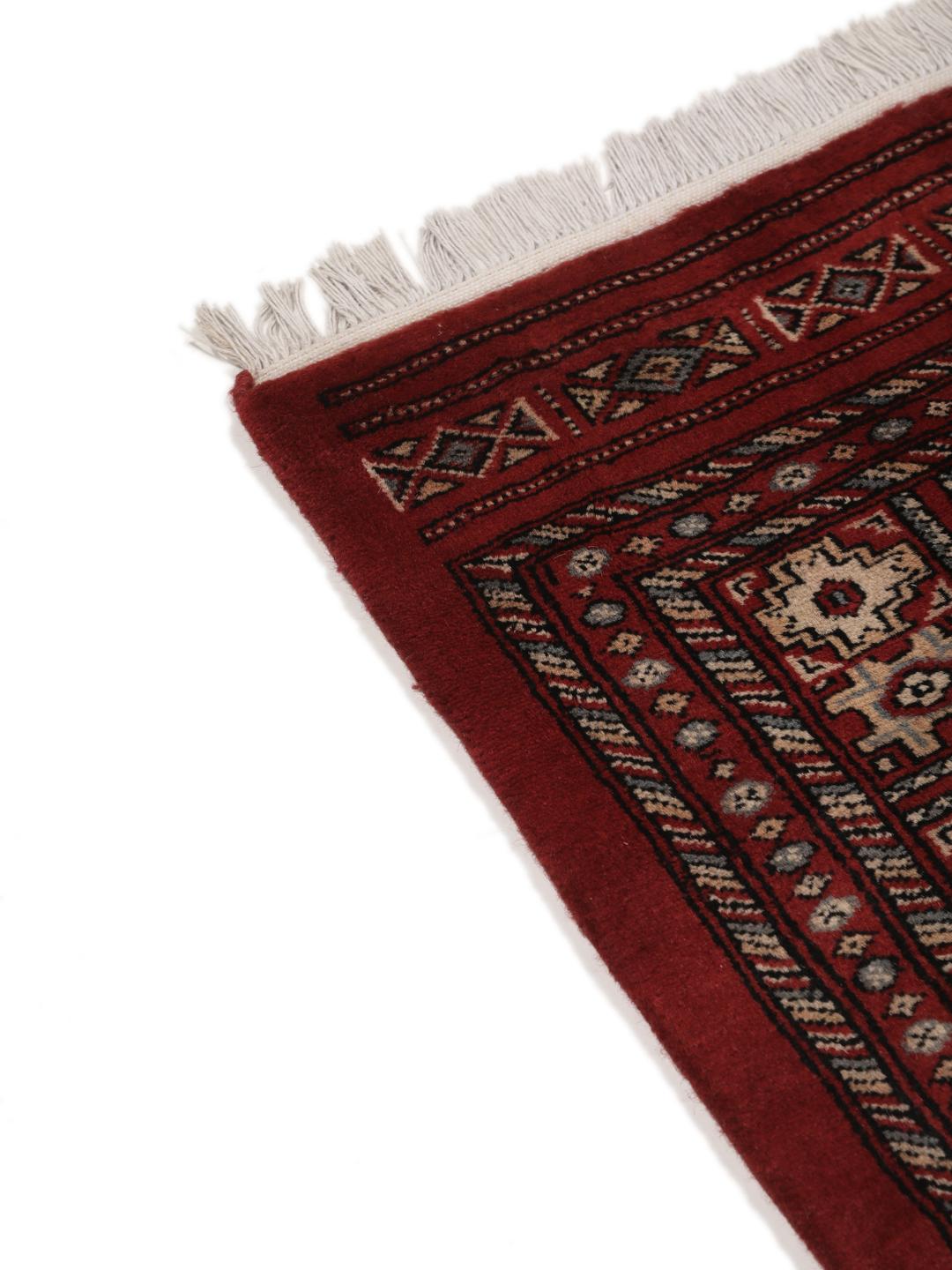
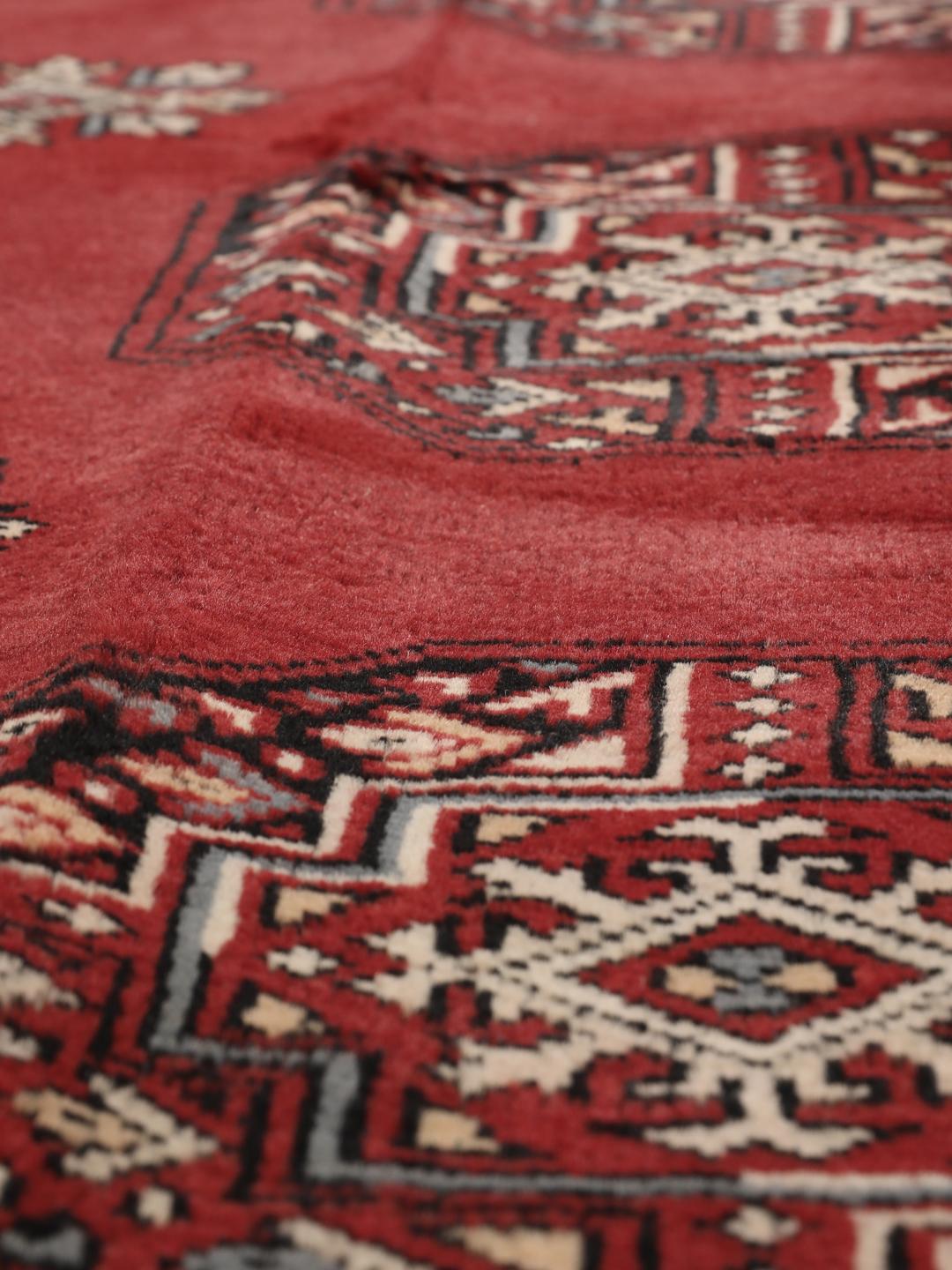
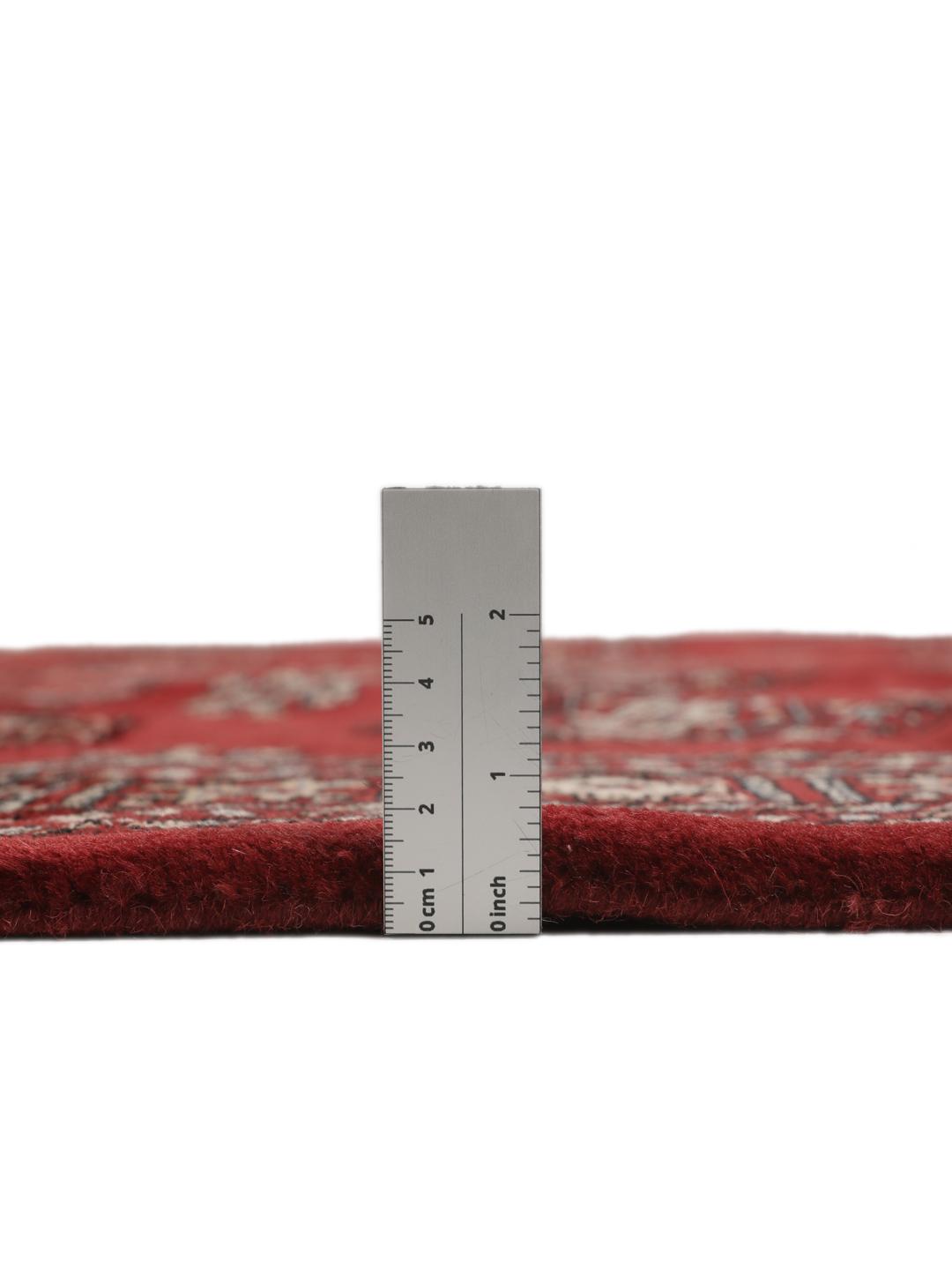
The 3ply construction is a hallmark of quality in this tradition. By twisting three strands of Wool together to form the pile, the rug achieves a denser, more lustrous, and remarkably durable finish. This technique not only enhances the visual depth of the colours but also provides a thicker, more cushioned surface that feels substantial and luxurious underfoot.
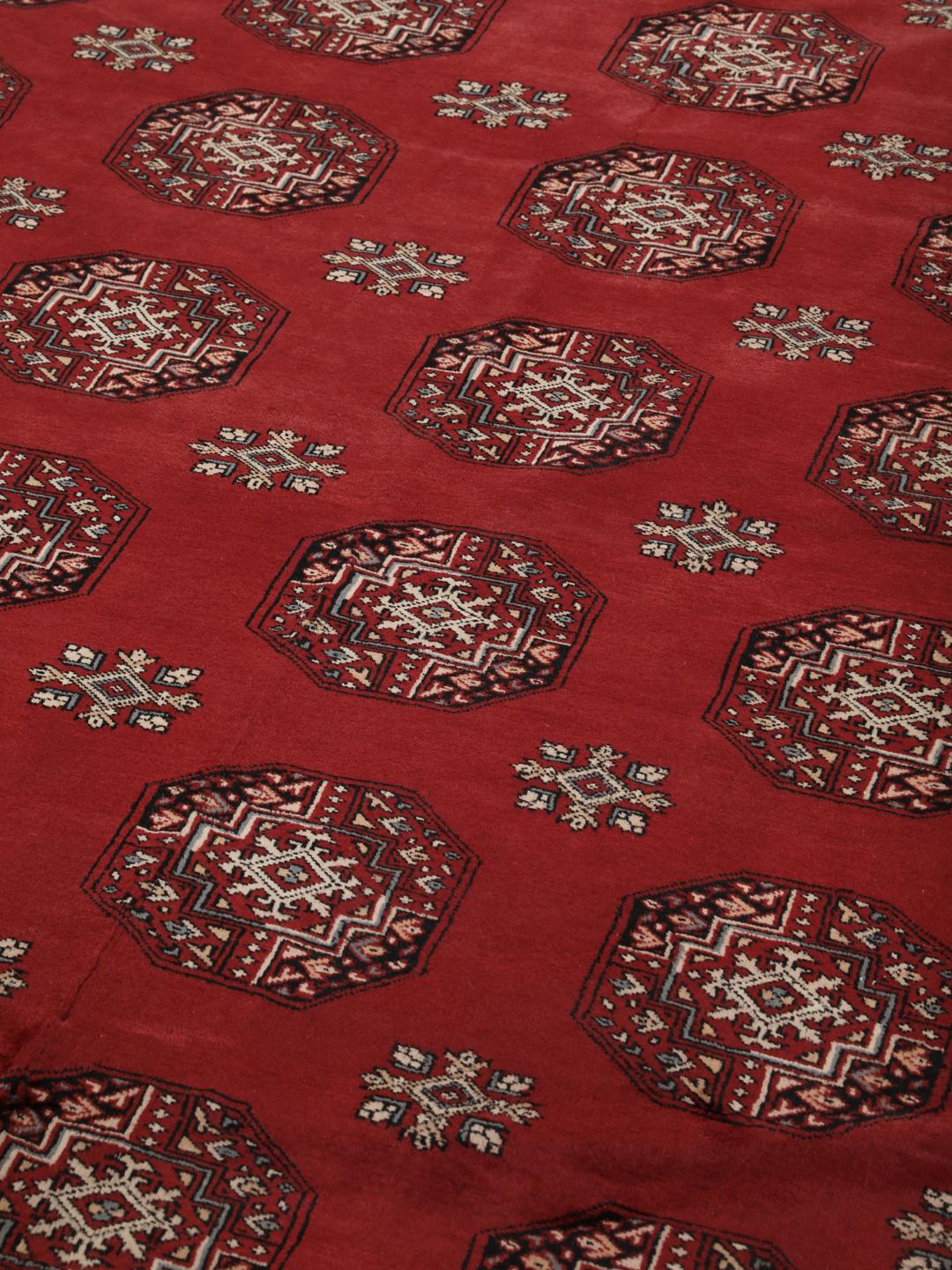
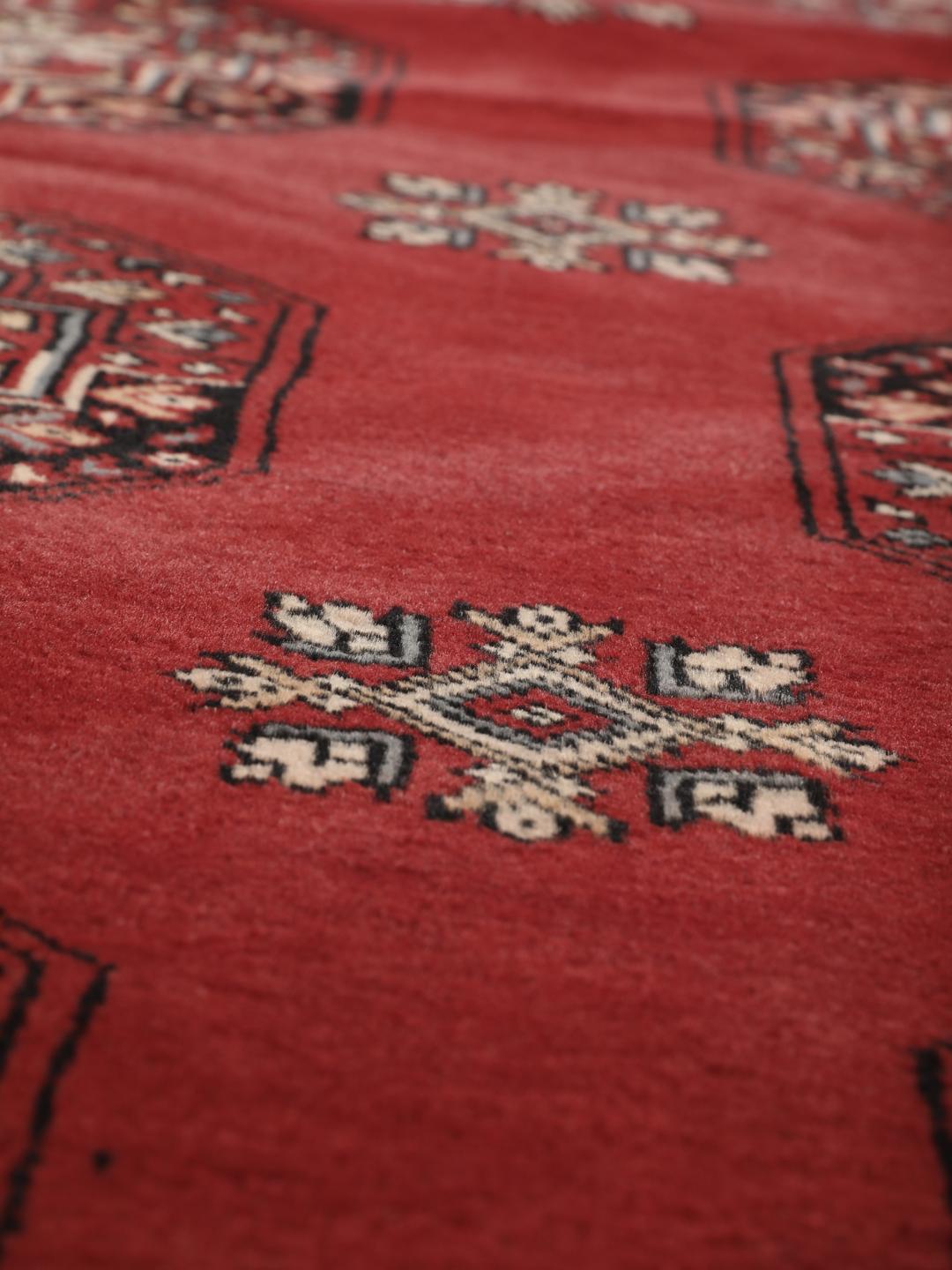
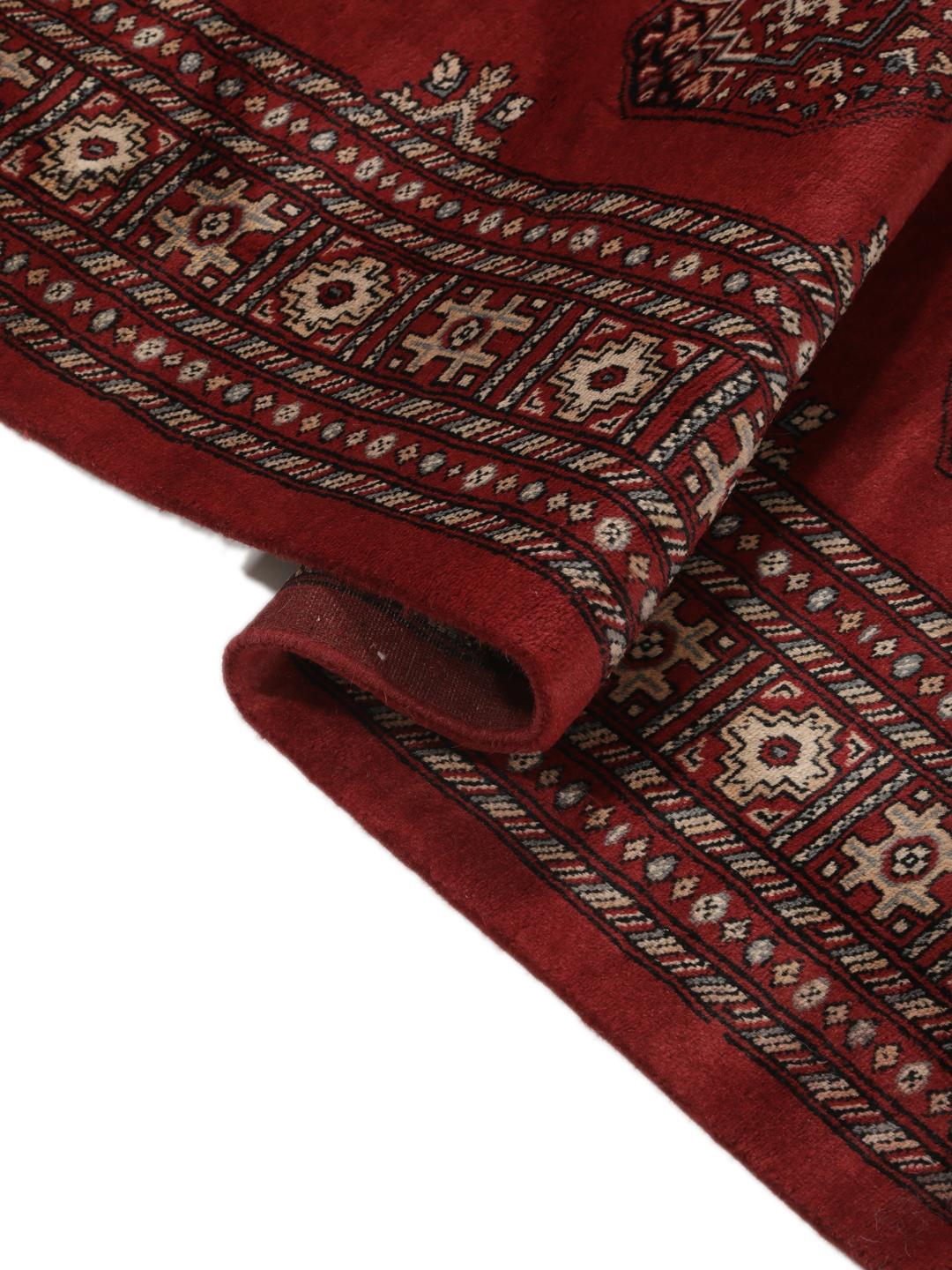
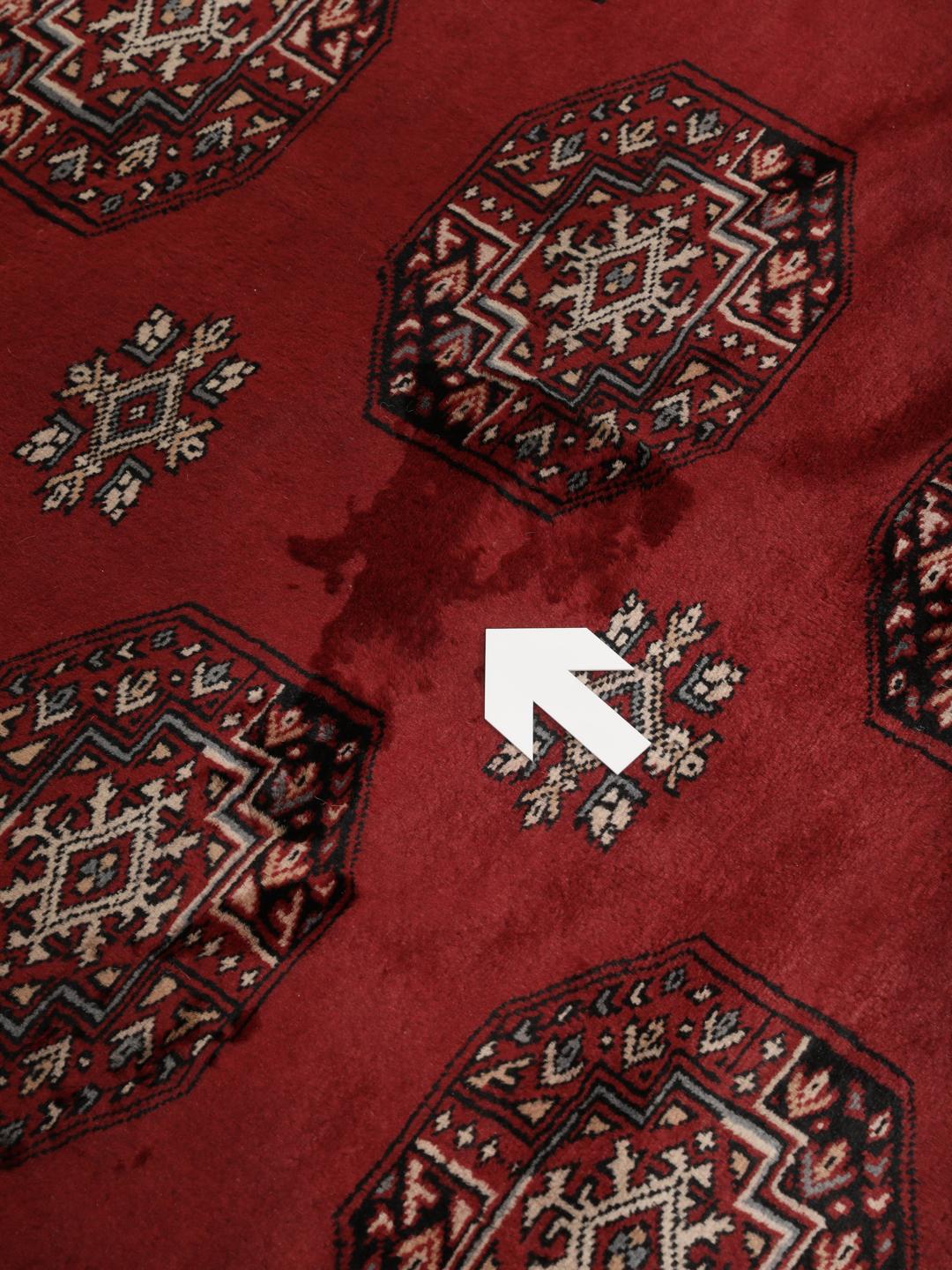
The visual language of the Bokhara is defined by its iconic gul motifs, which are often described as elephant-foot shapes. These octagonal medallions are typically arranged in clean, repeating rows across the field, enclosed by a formal, multi-layered border. This structured layout creates a rhythmic, orderly aesthetic that has remained a favourite among collectors for its timeless, geometric appeal.
Owning a hand-knotted rug from this tradition is an investment in cultural heritage. Collectors value these pieces not only for their beauty but for the human history embedded in every knot. By choosing this rug, you are preserving a craft that has been passed down through generations, adding a layer of genuine artistic value and history to your home environment.