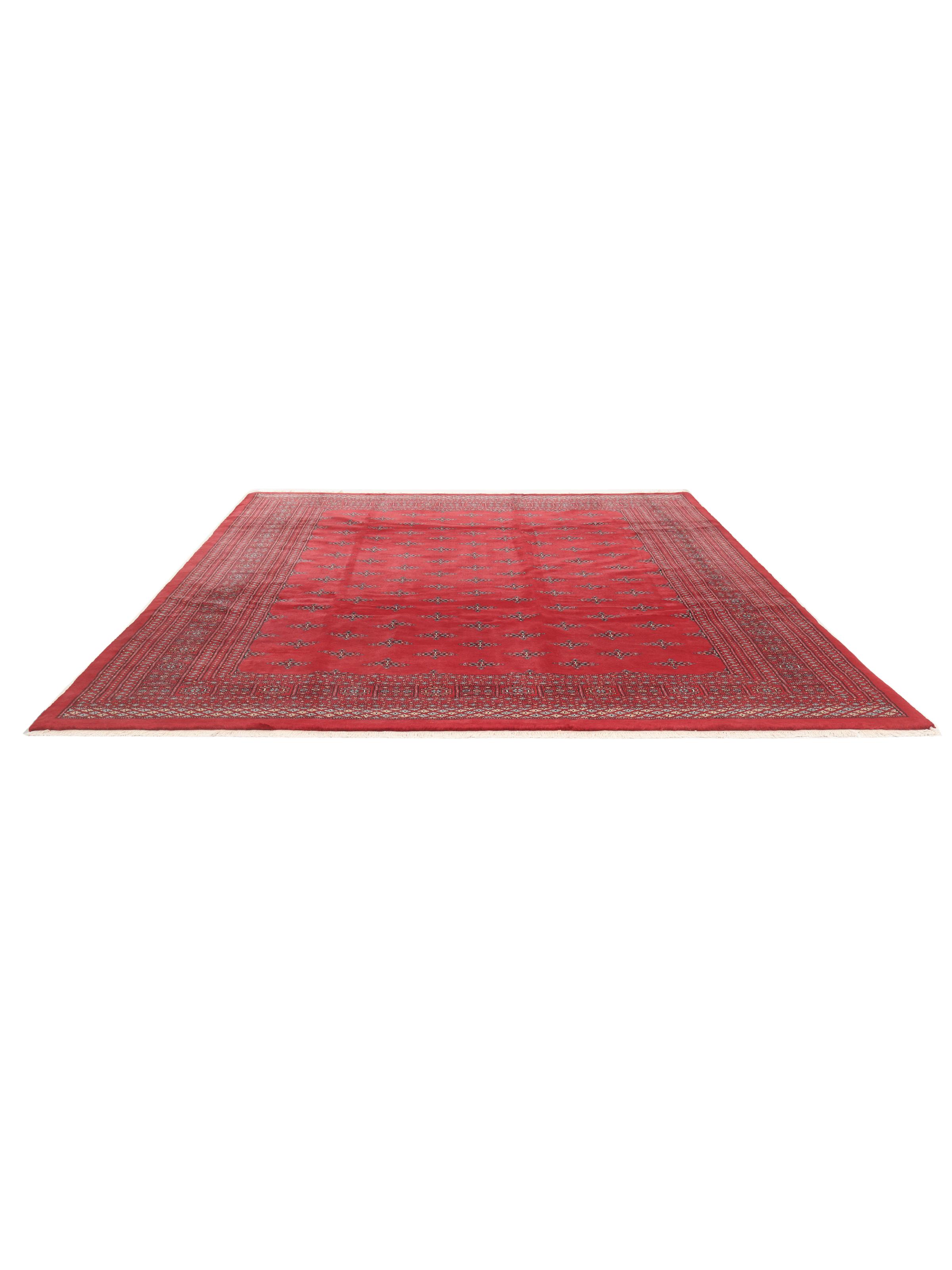
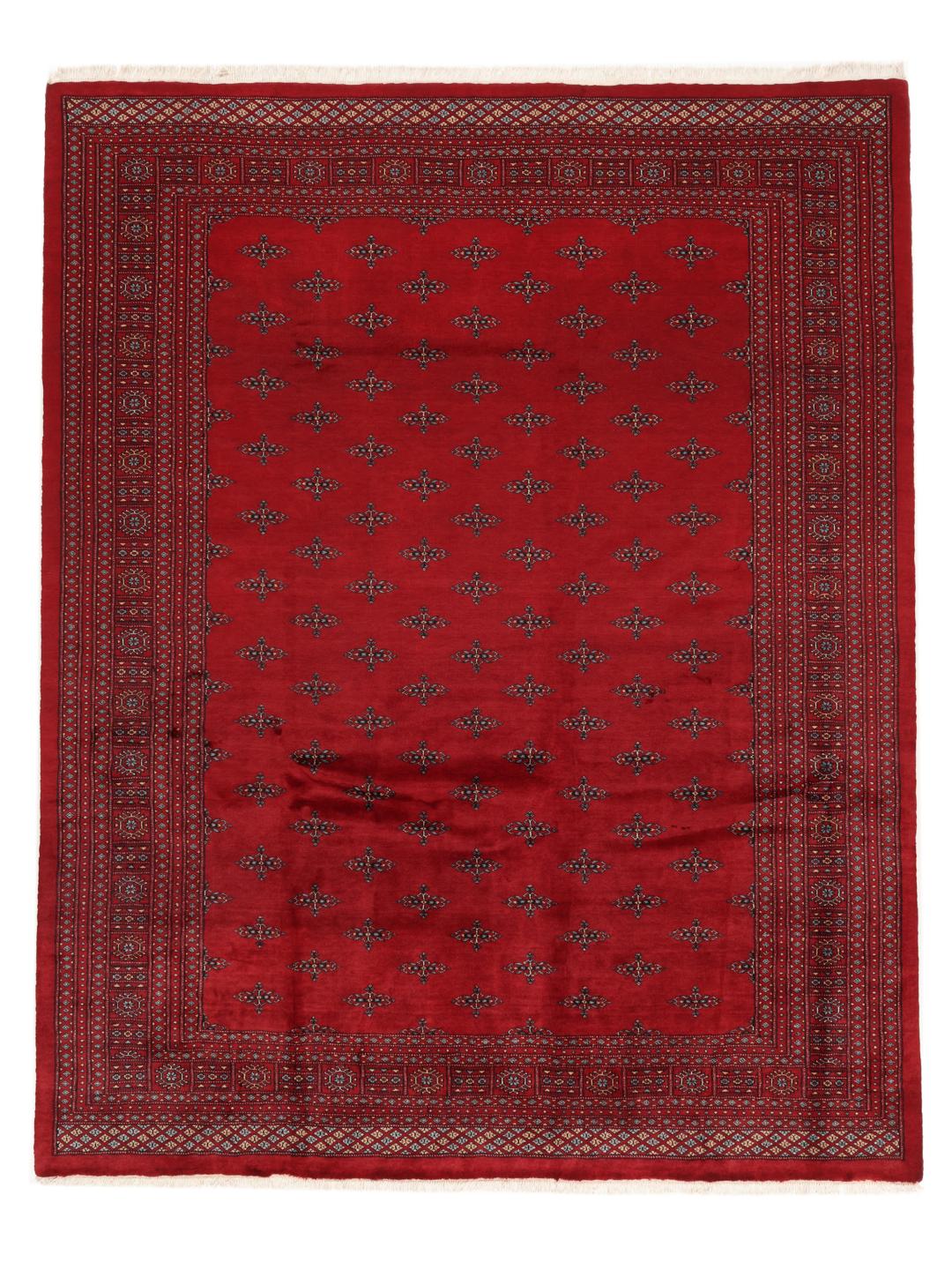
The Bokhara rug tradition is deeply rooted in the history of Central Asia, taking its name from the ancient Silk Road city of Bukhara. While the origins of these designs lie in the nomadic weaving traditions of the region, today's finest examples are primarily crafted in Pakistan. This evolution has allowed the tradition to flourish, blending ancient motifs with modern production standards to maintain the high quality that collectors expect.
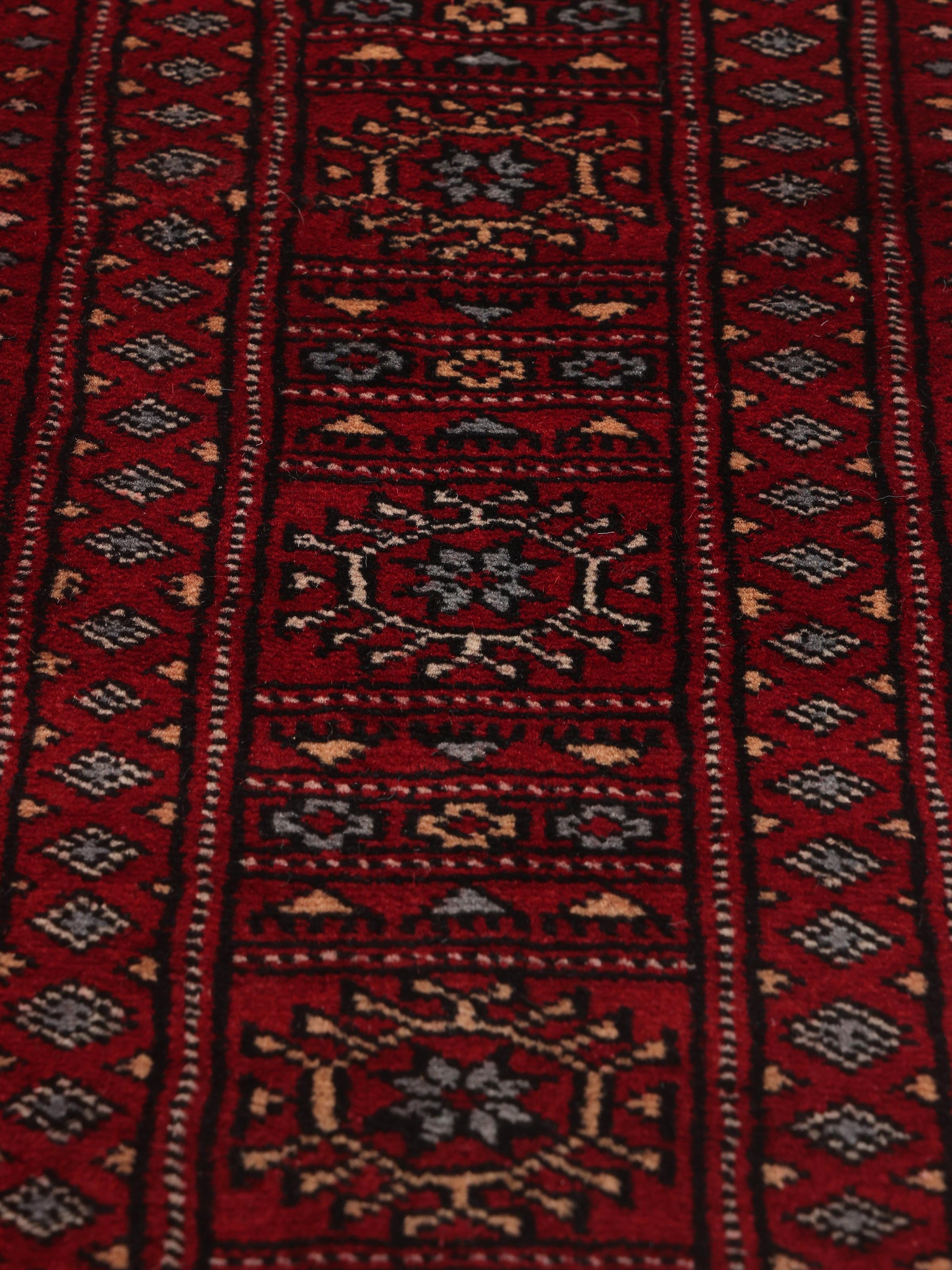
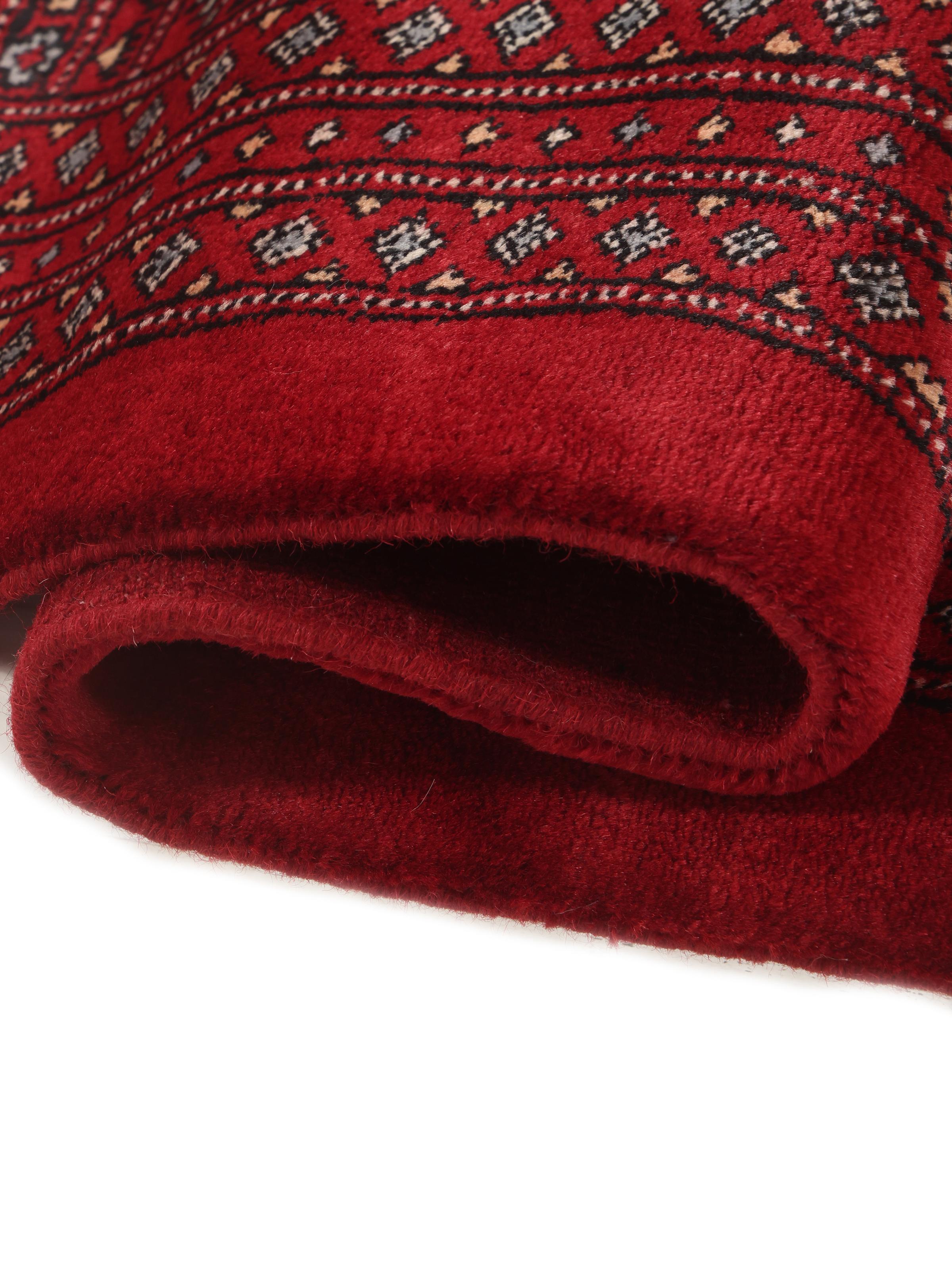
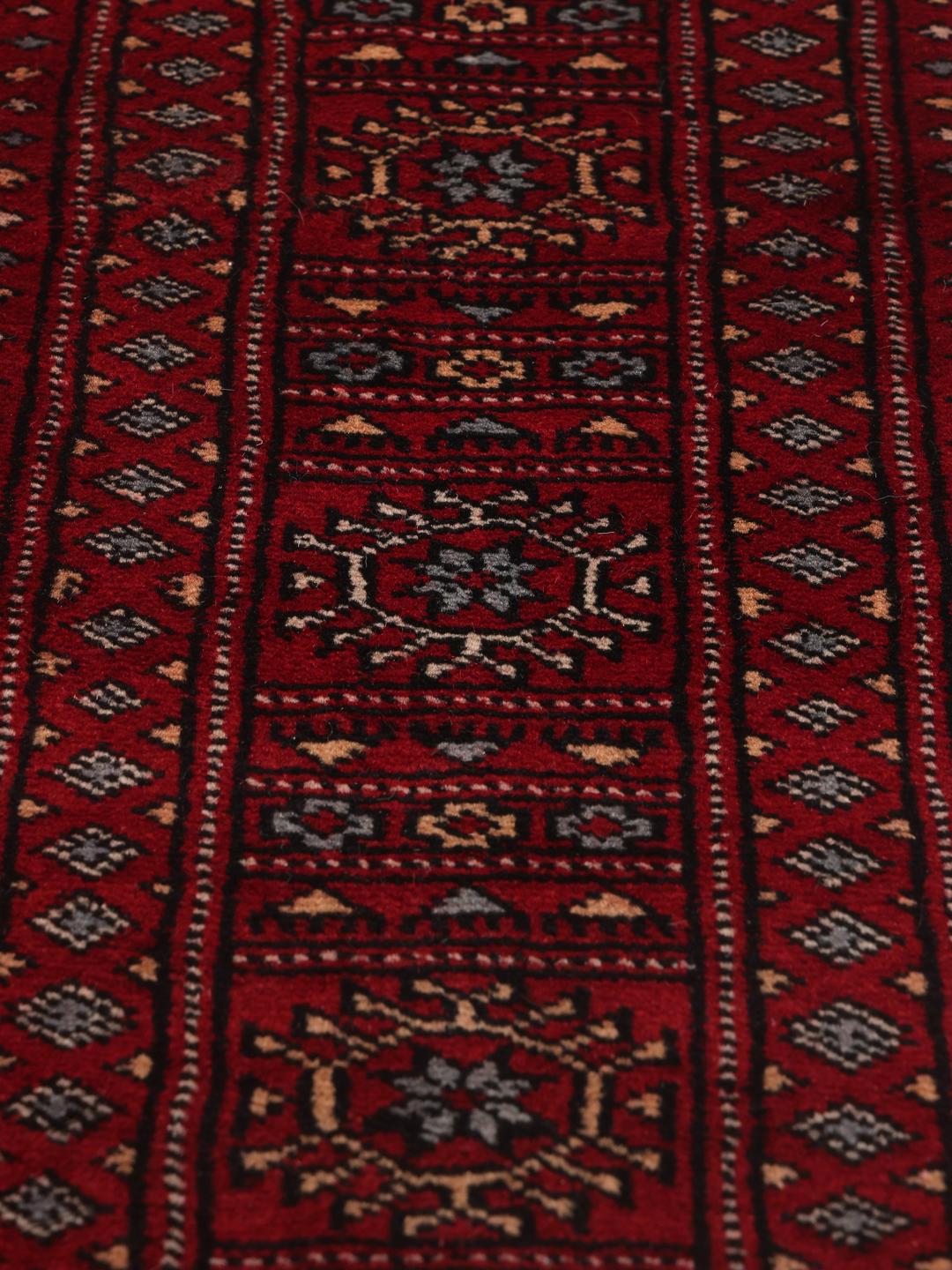
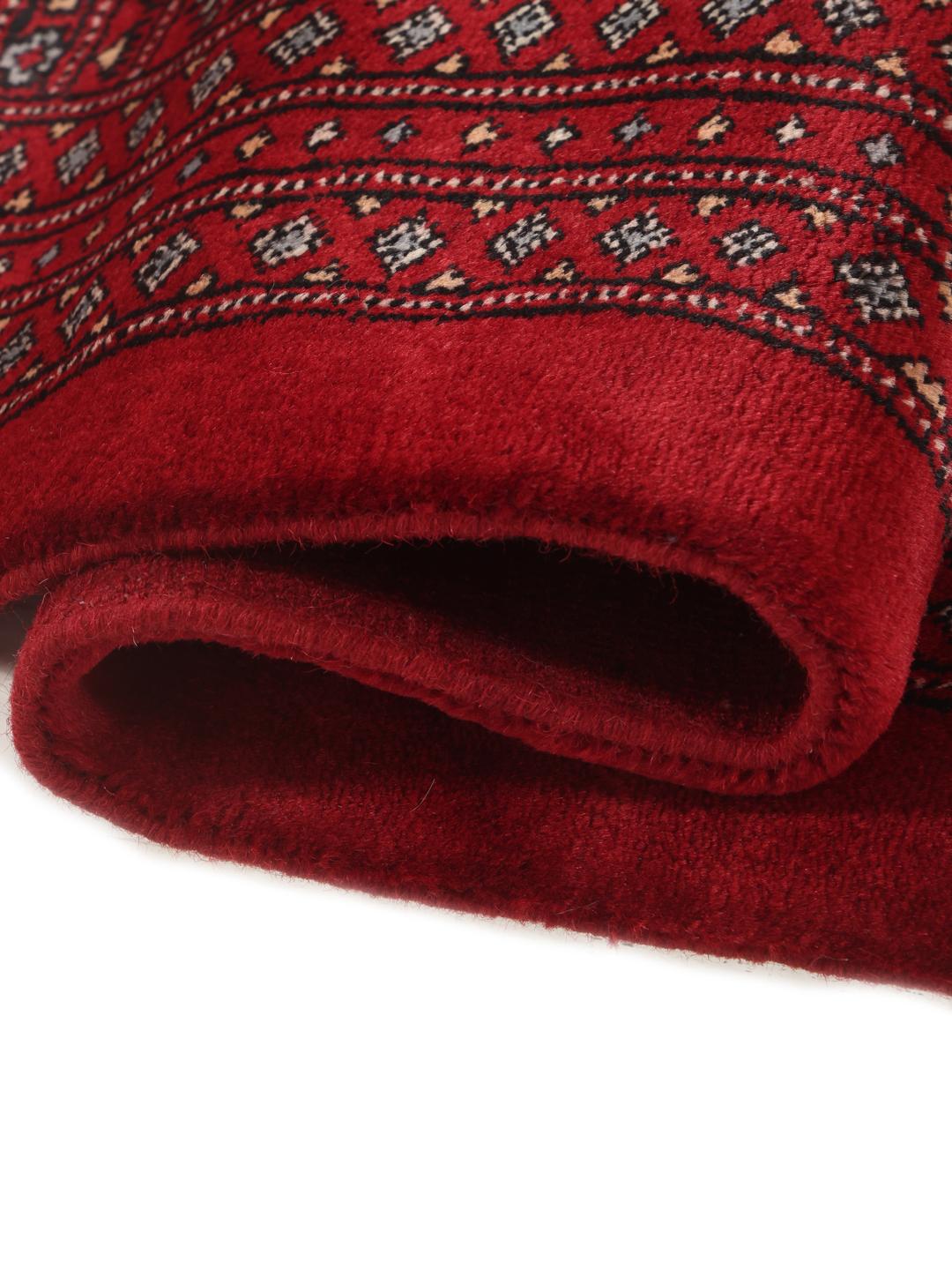
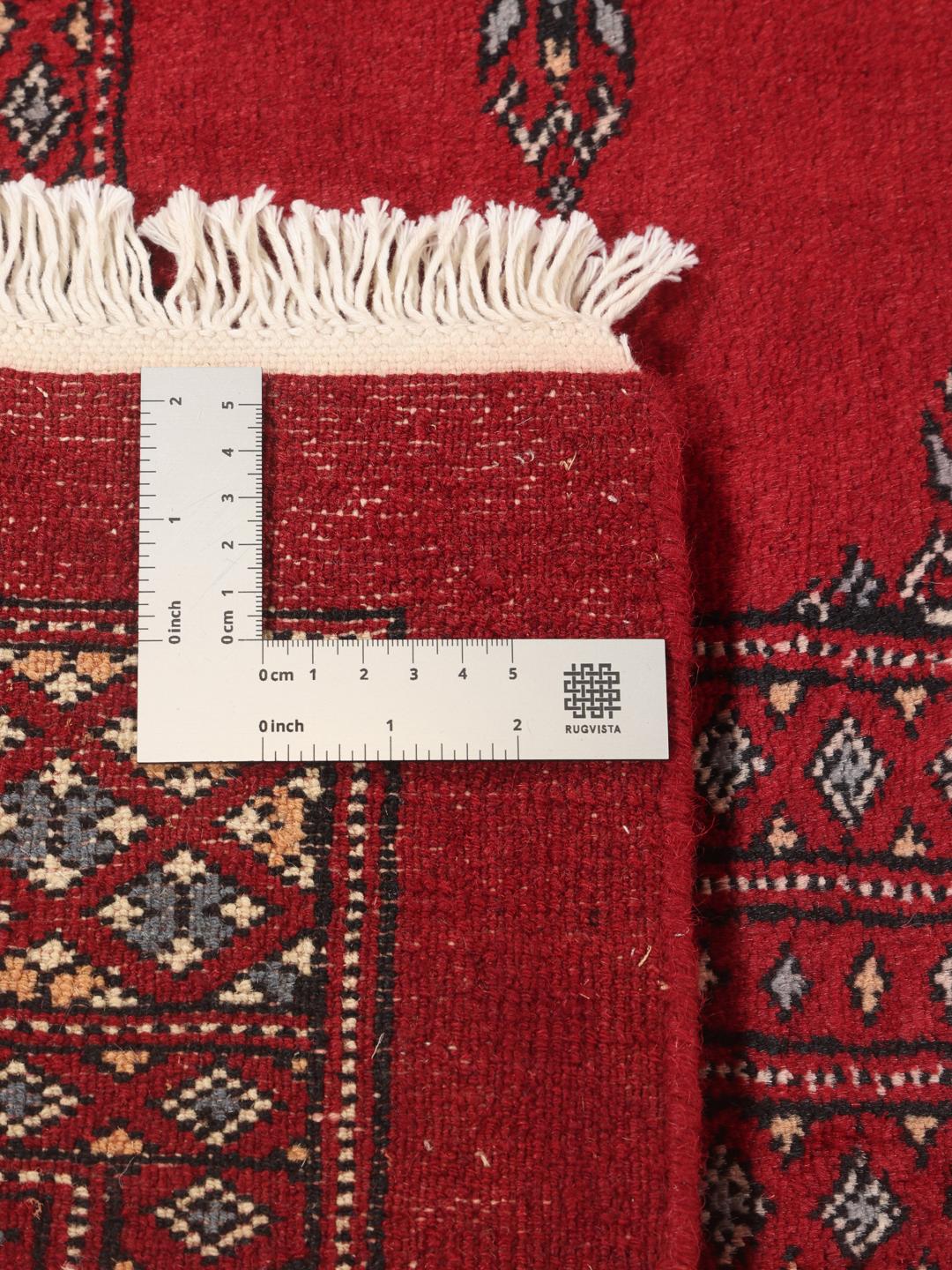
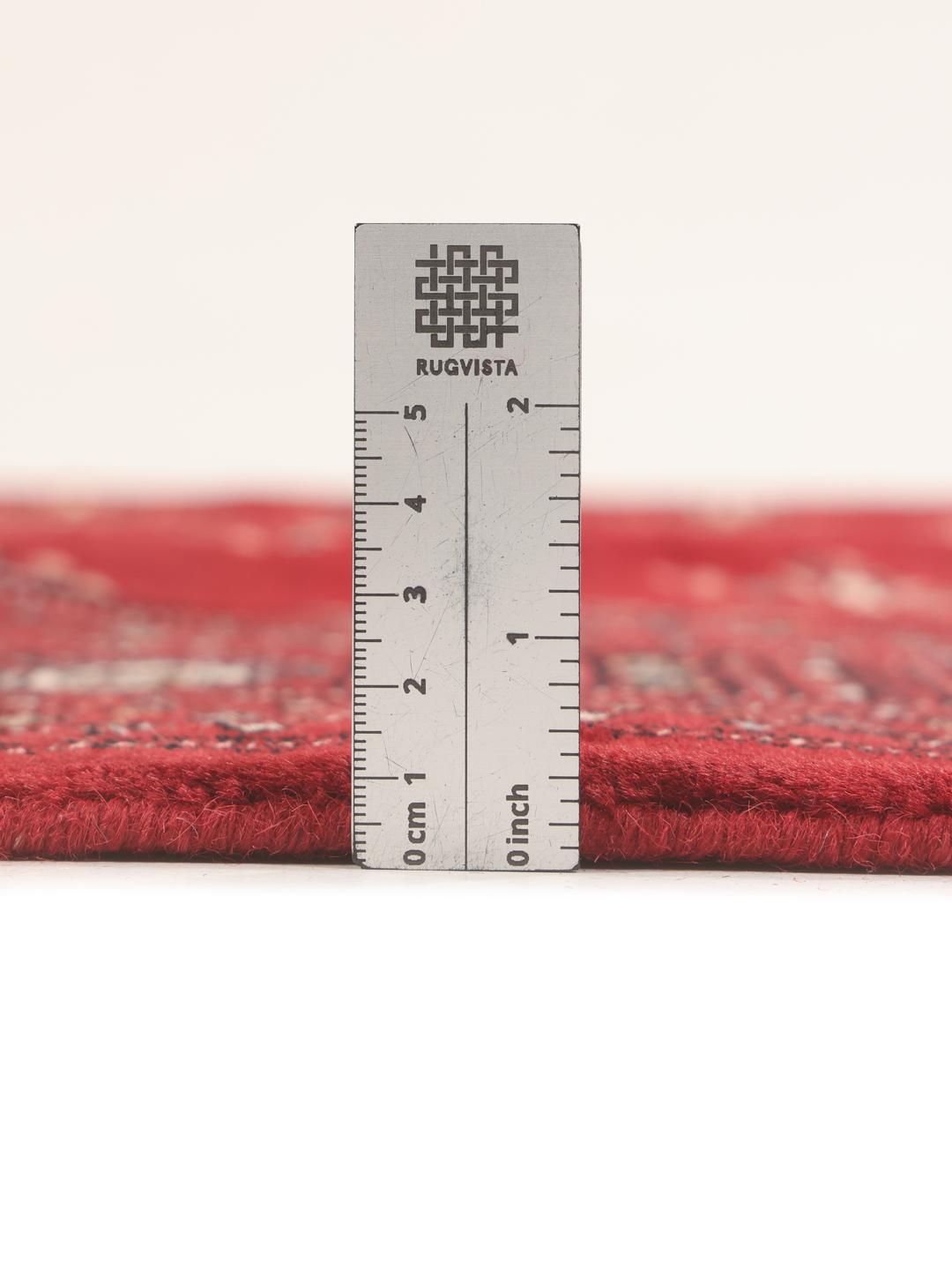
The term 3ply signifies that the wool used for the pile is composed of three individual strands twisted together. This is a crucial technical detail because it creates a significantly more durable, dense, and lustrous finish compared to single-ply yarns. The extra twist adds resilience to the pile, allowing it to stand up to daily use while retaining its soft, inviting texture.
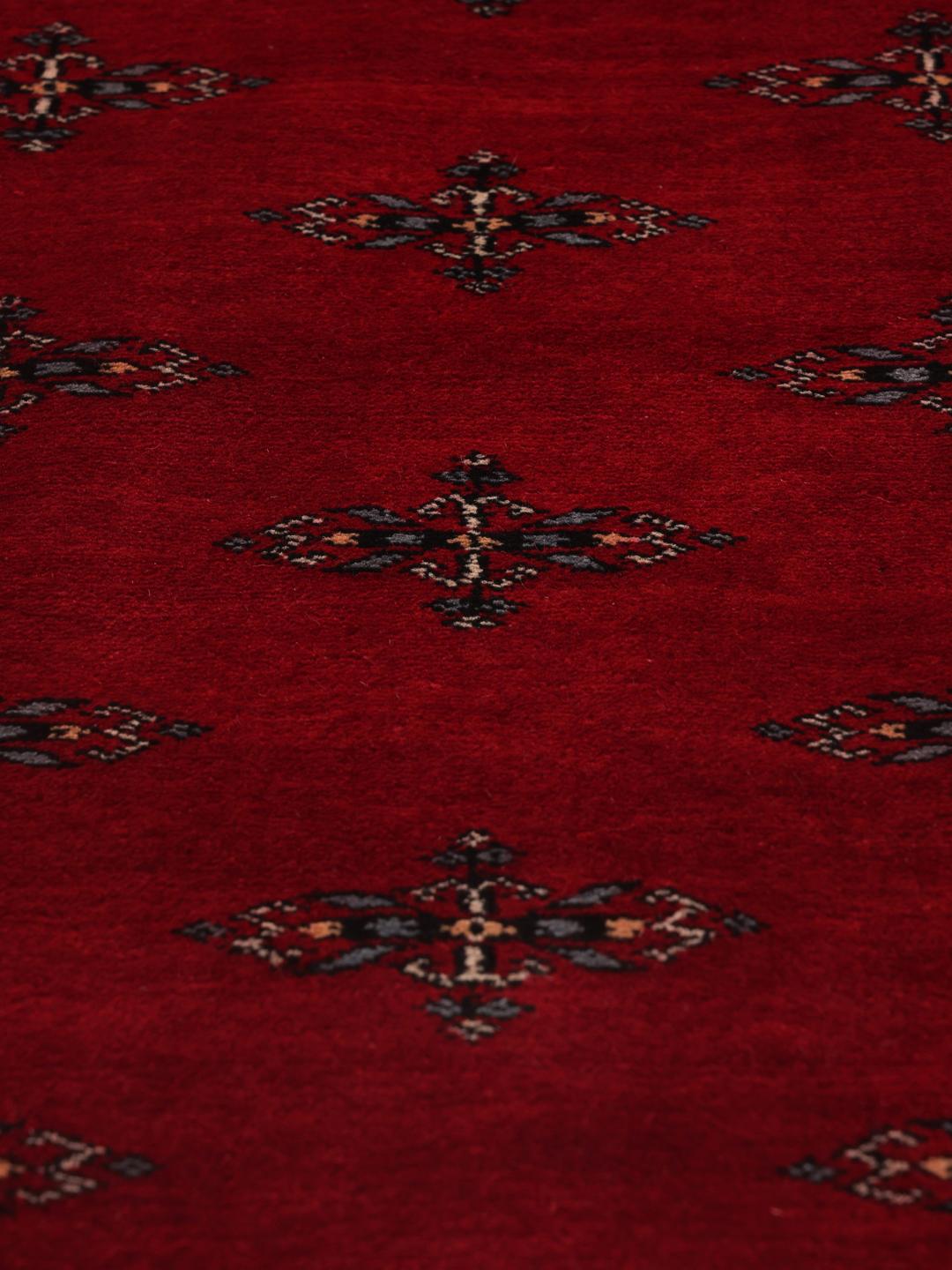
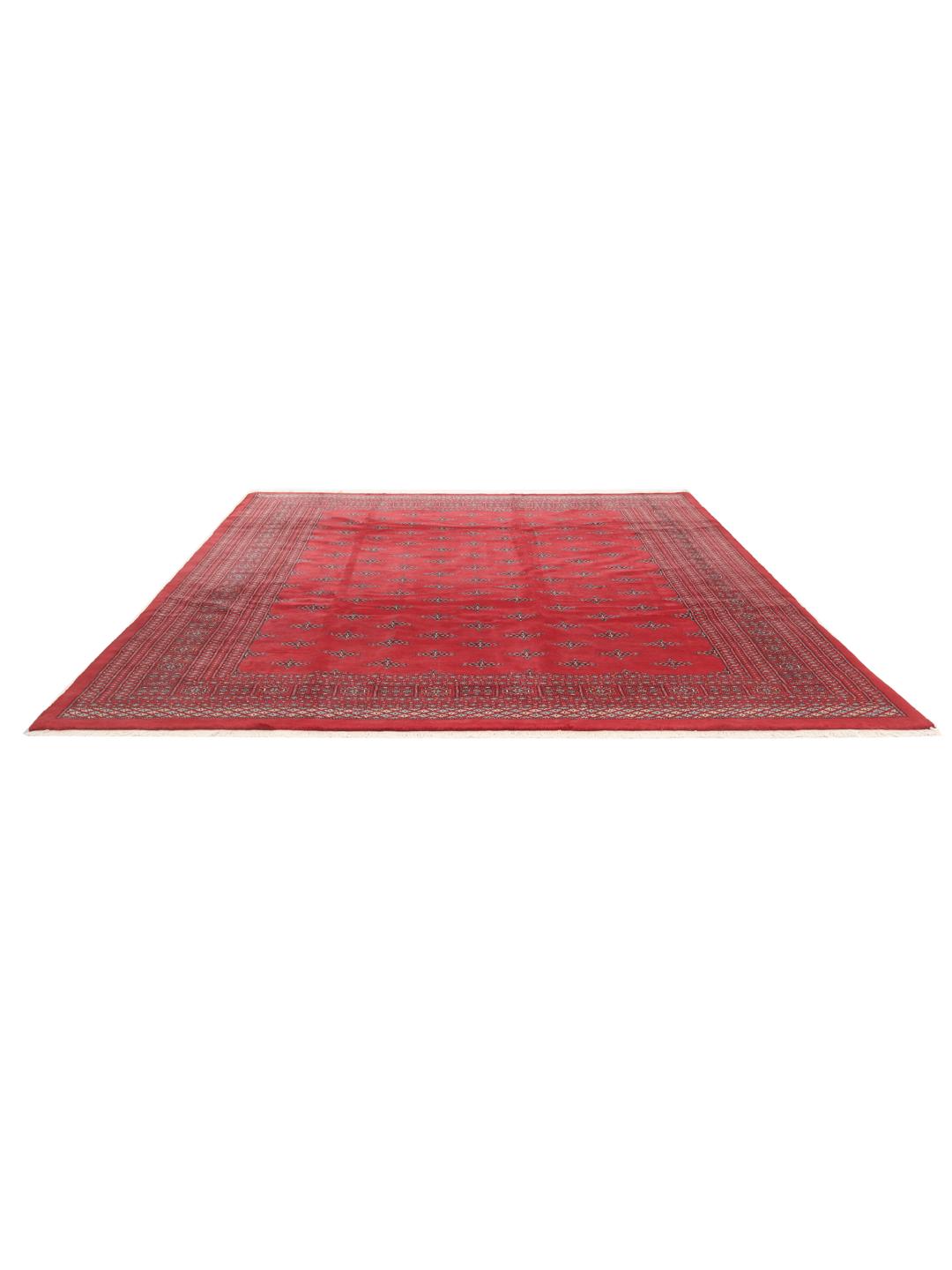
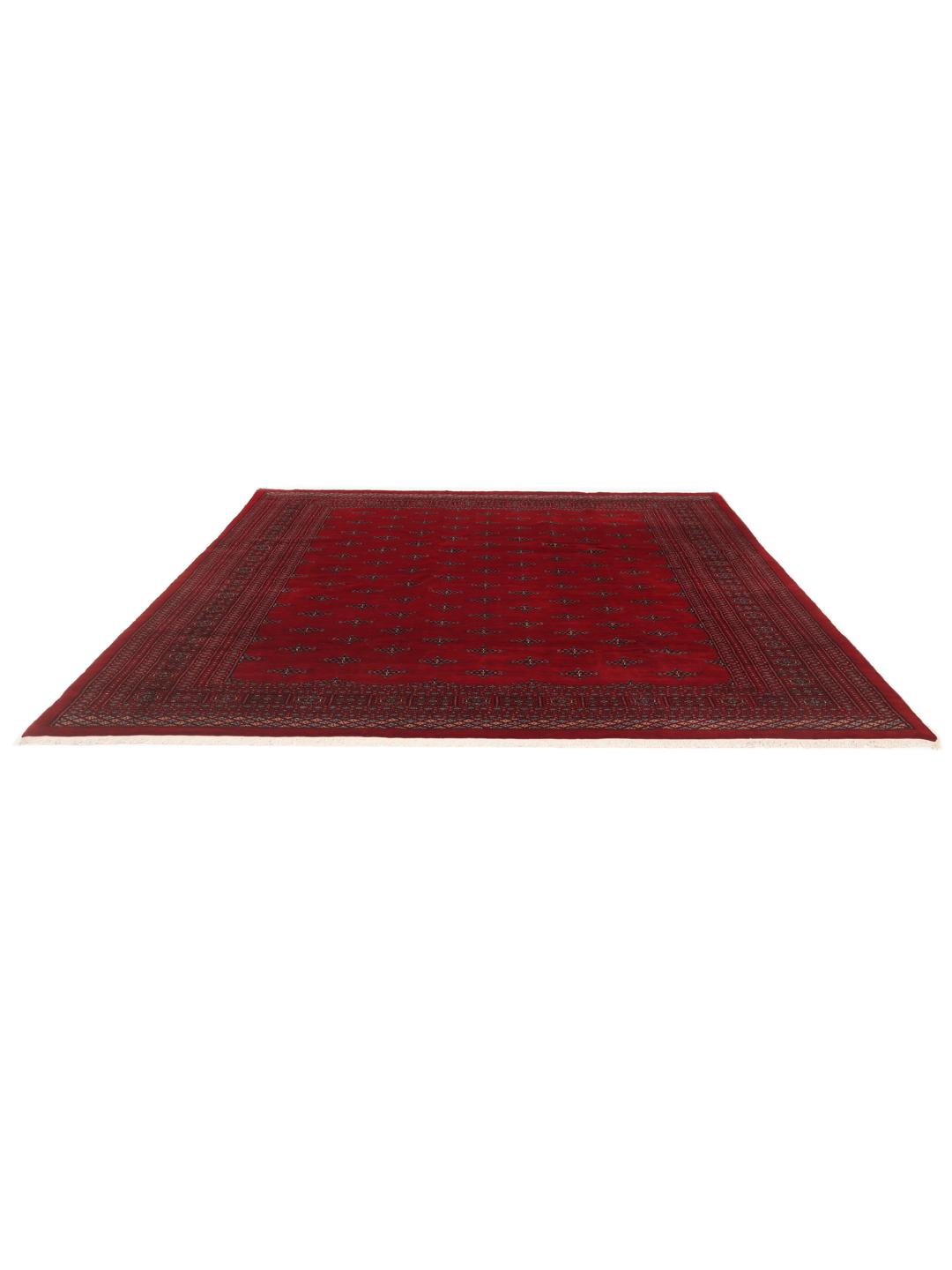
Visually, these rugs are defined by the repeating gul motif, which is an octagonal or elephant-foot shaped medallion arranged in orderly rows across the field. These motifs are typically framed by elaborate, geometric borders that represent the meticulous nature of the design. The balance between the repeating field and the complex border is a hallmark of this style, offering a sense of harmony and structure.
Owning a hand-knotted piece from this tradition is about more than just decor; it is about acquiring a piece of cultural heritage. These rugs are highly valued for the skill required to produce them and their ability to age gracefully. By bringing one into your home, you are connecting to a long lineage of craft that values beauty, precision, and lasting utility.