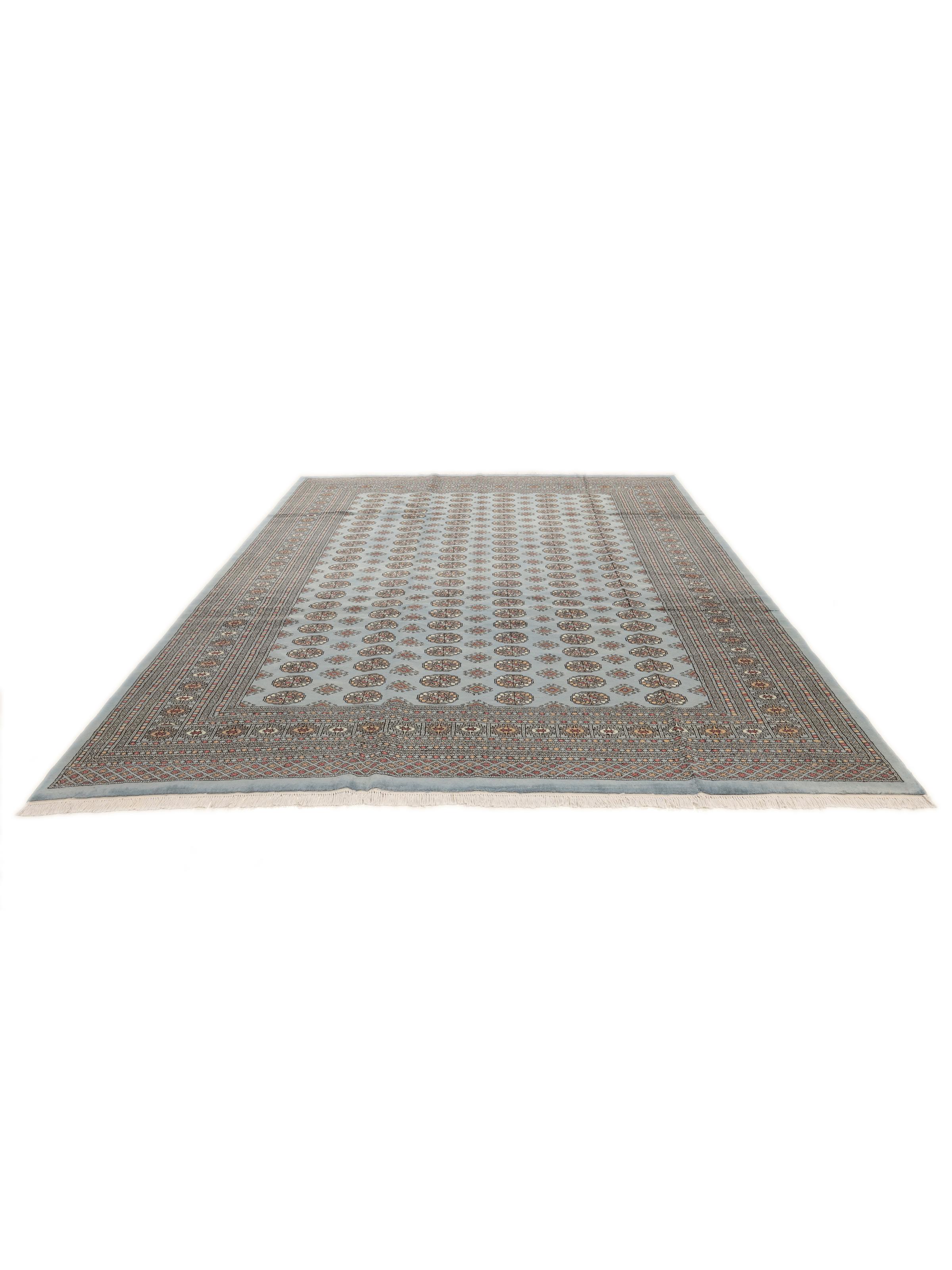
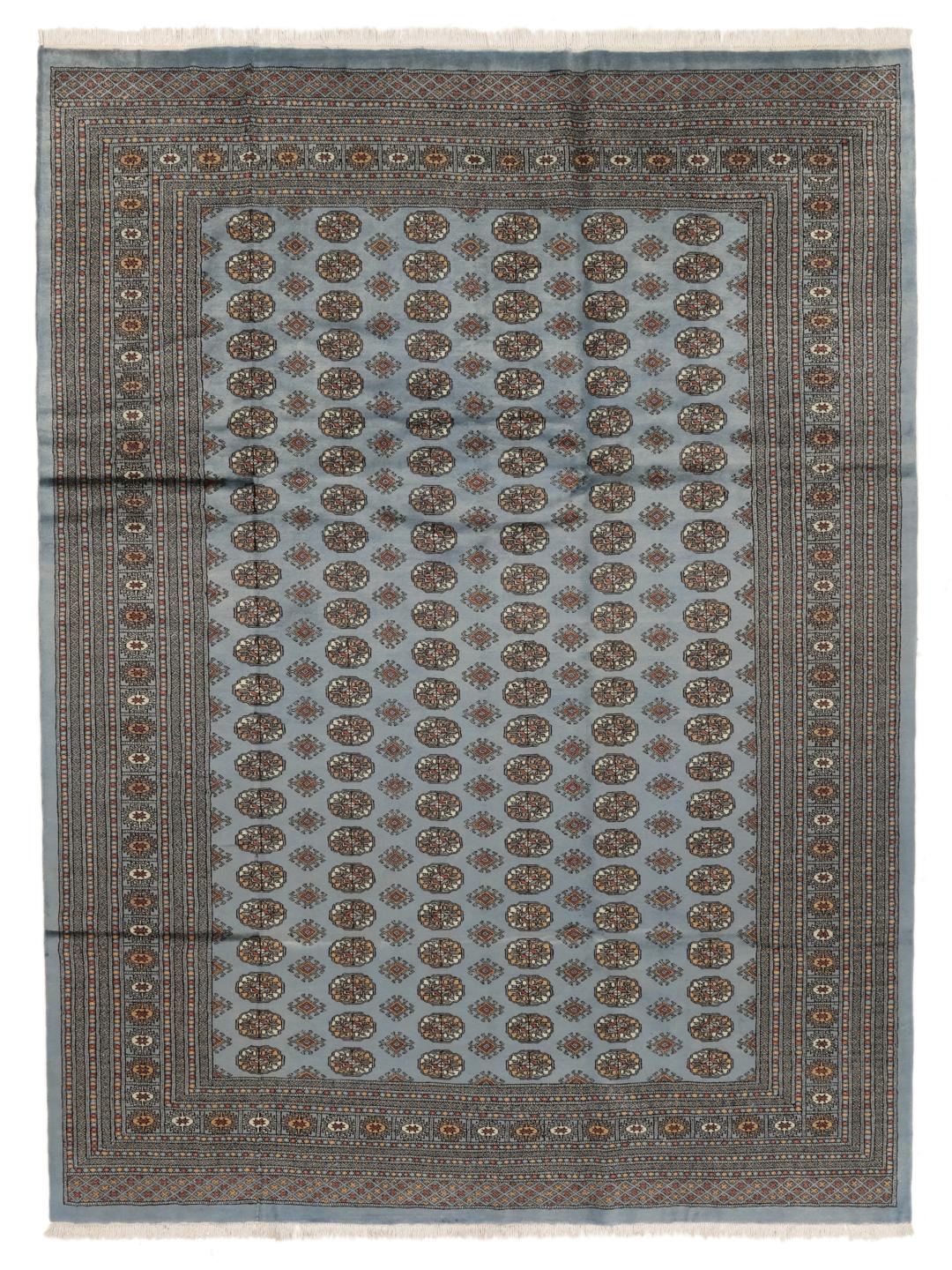
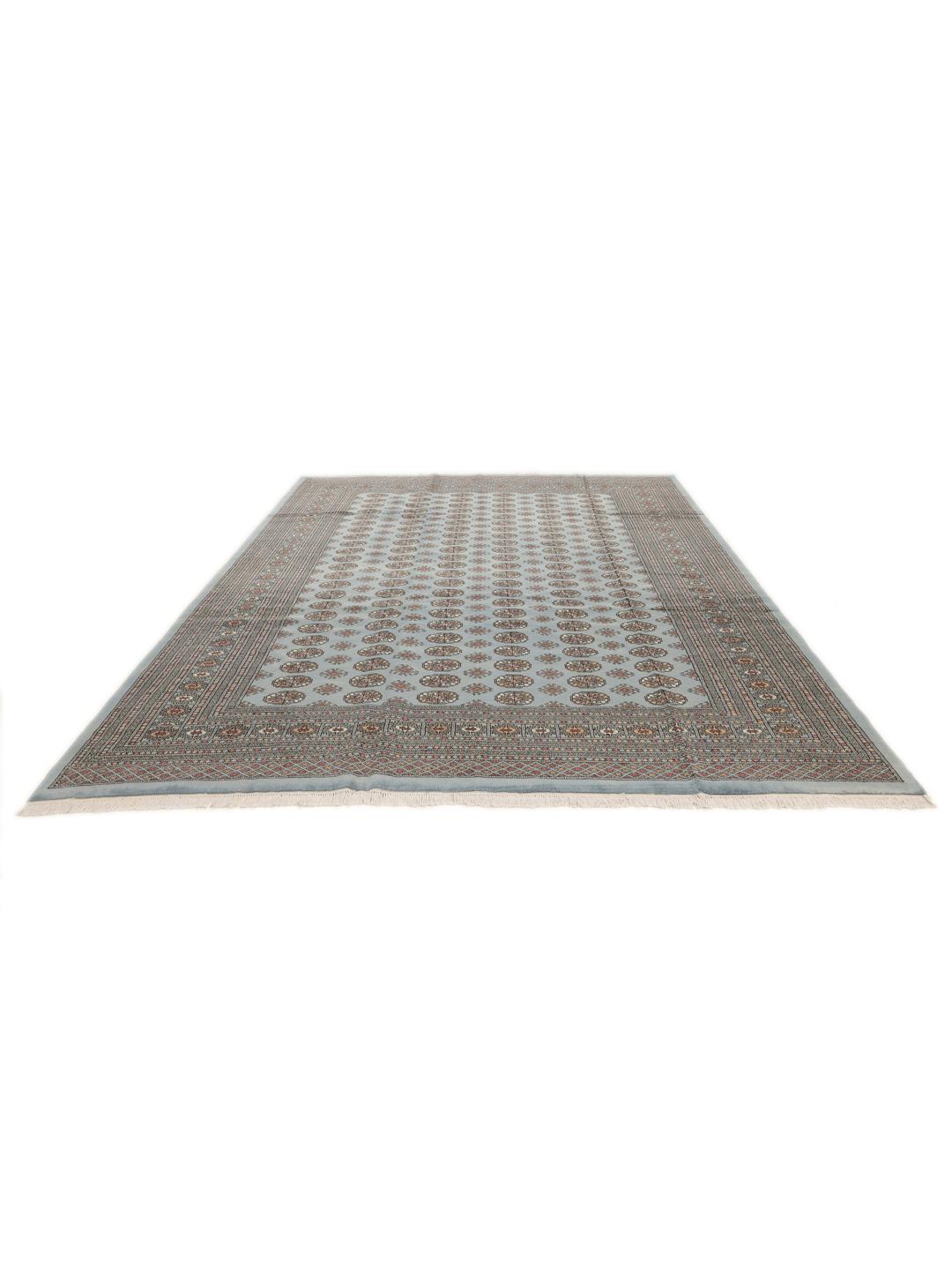
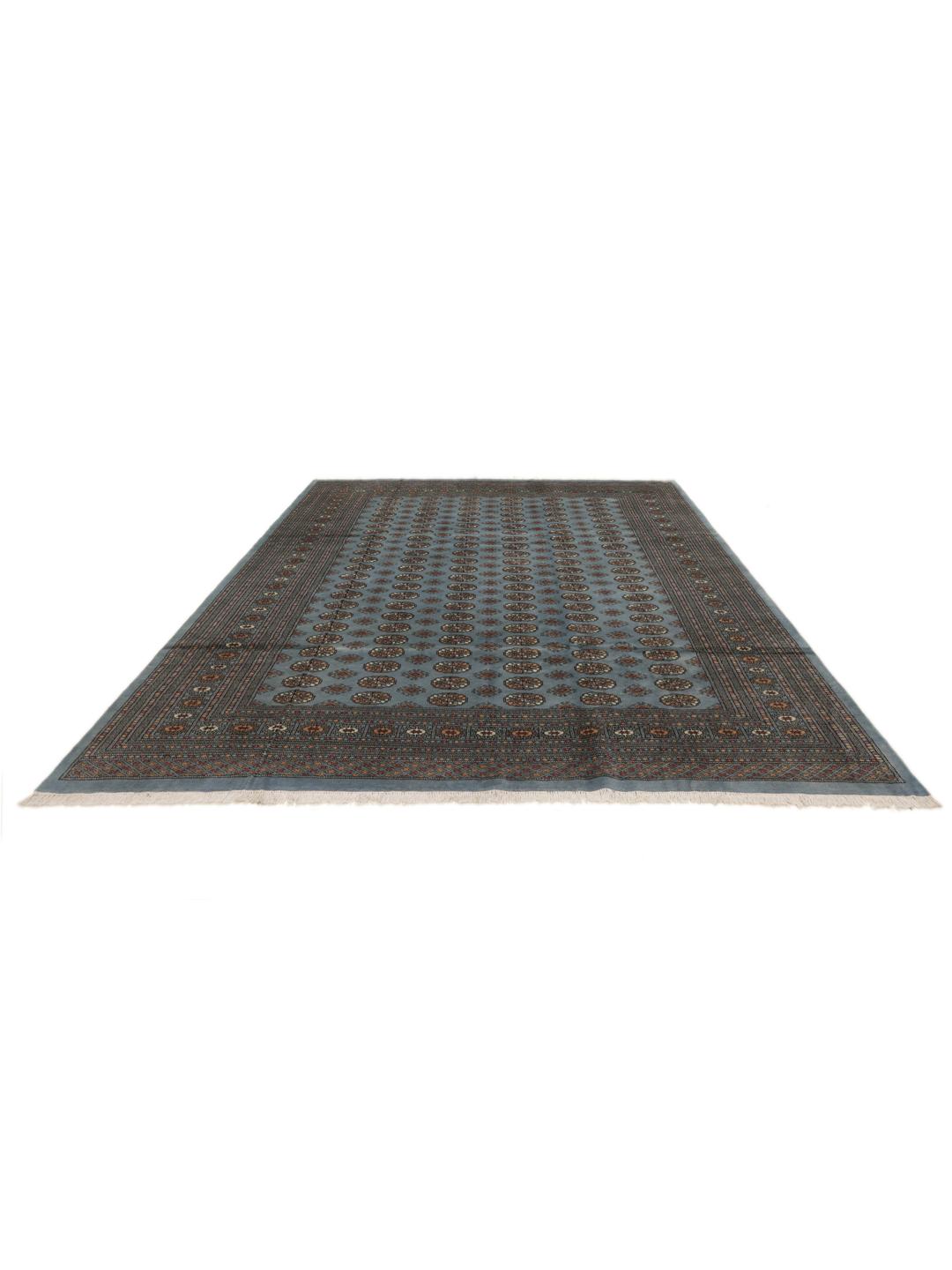
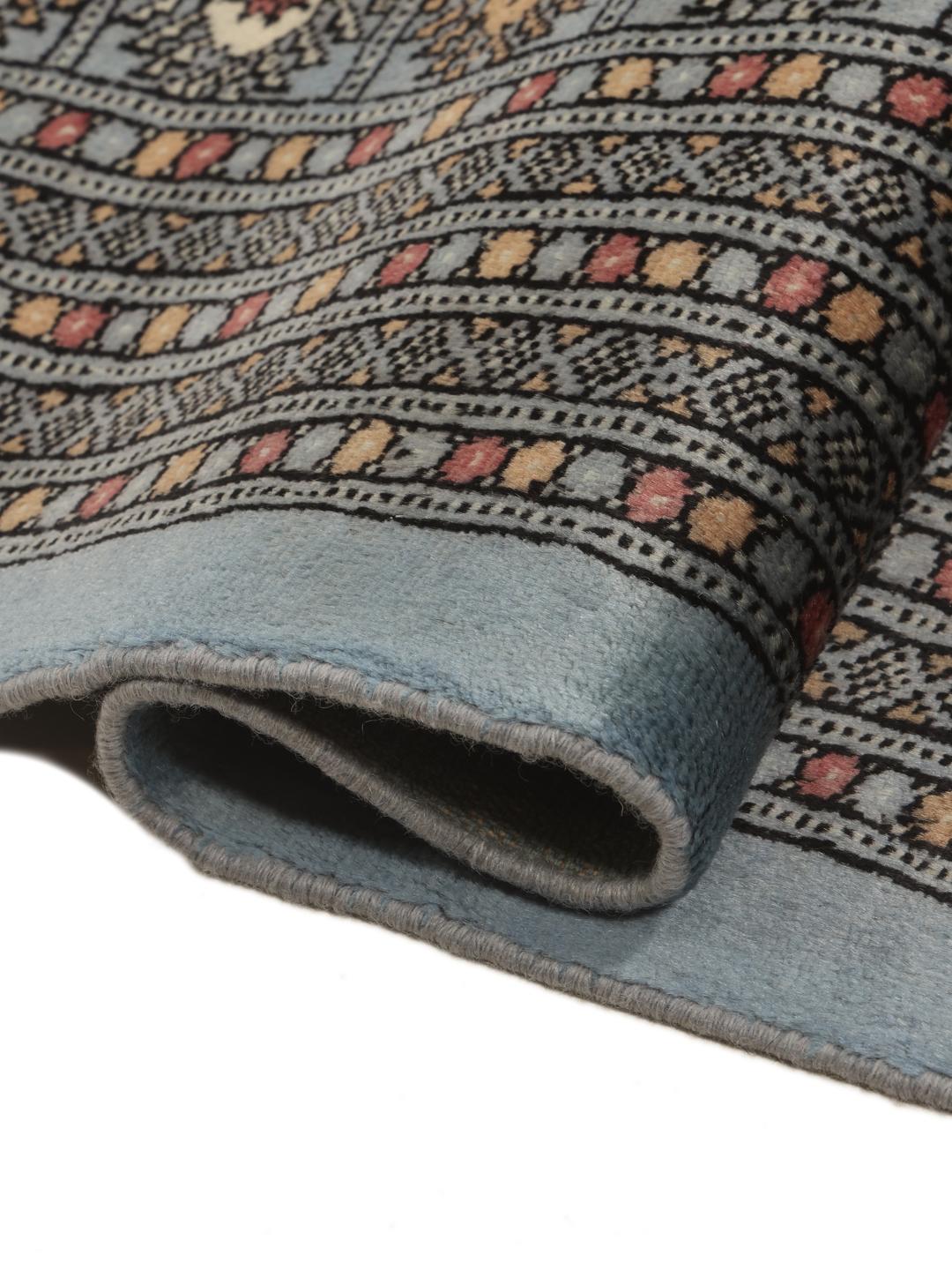
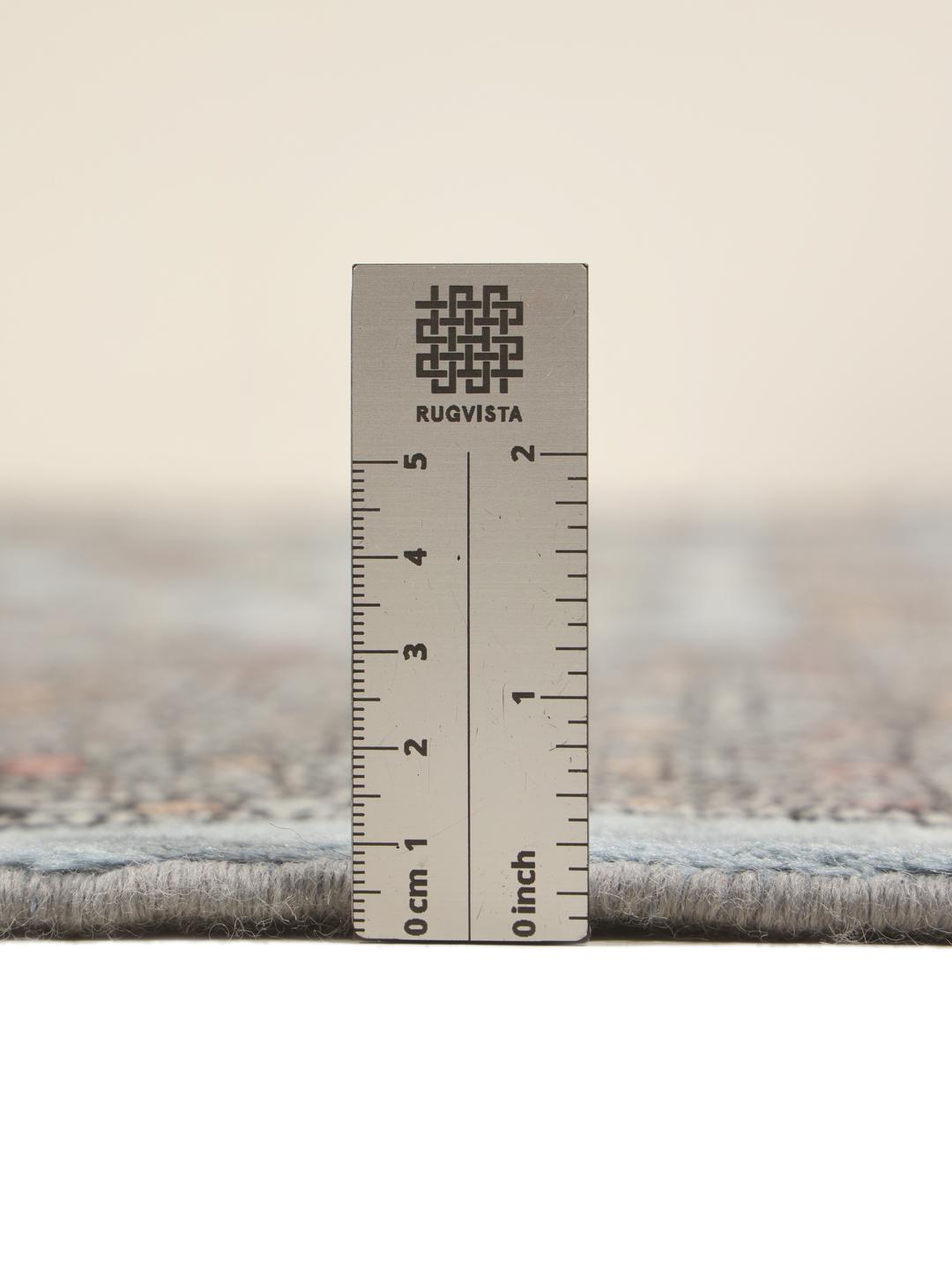
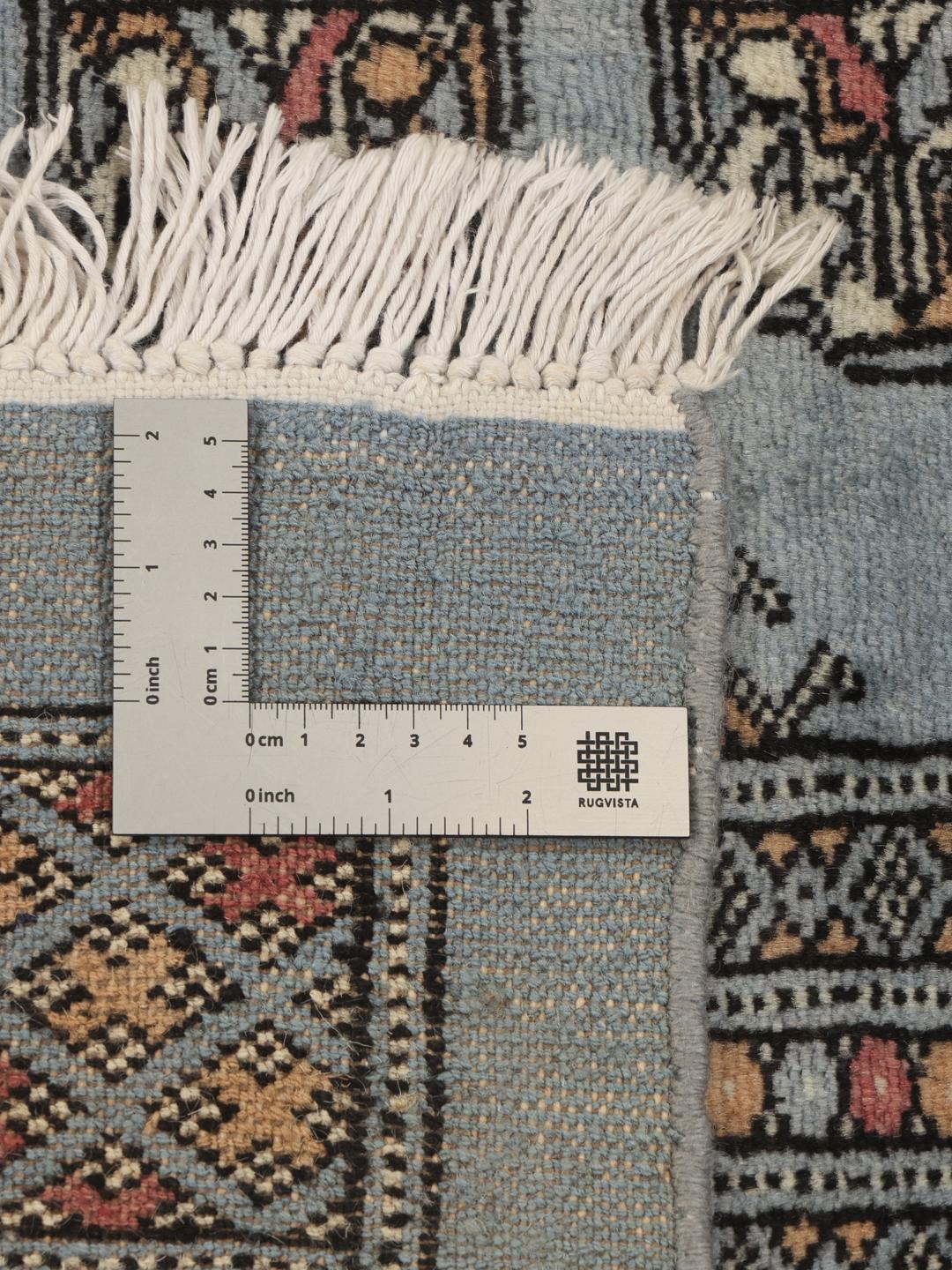
The Bokhara rug tradition is deeply rooted in the history of Central Asia, taking its name from the ancient Silk Road city of Bukhara, which served as a vital hub for trade and craftsmanship. While the designs have their origins in the nomadic cultures of the steppes, the finest examples of these rugs today are expertly woven in Pakistan, where artisans have refined the style over generations.
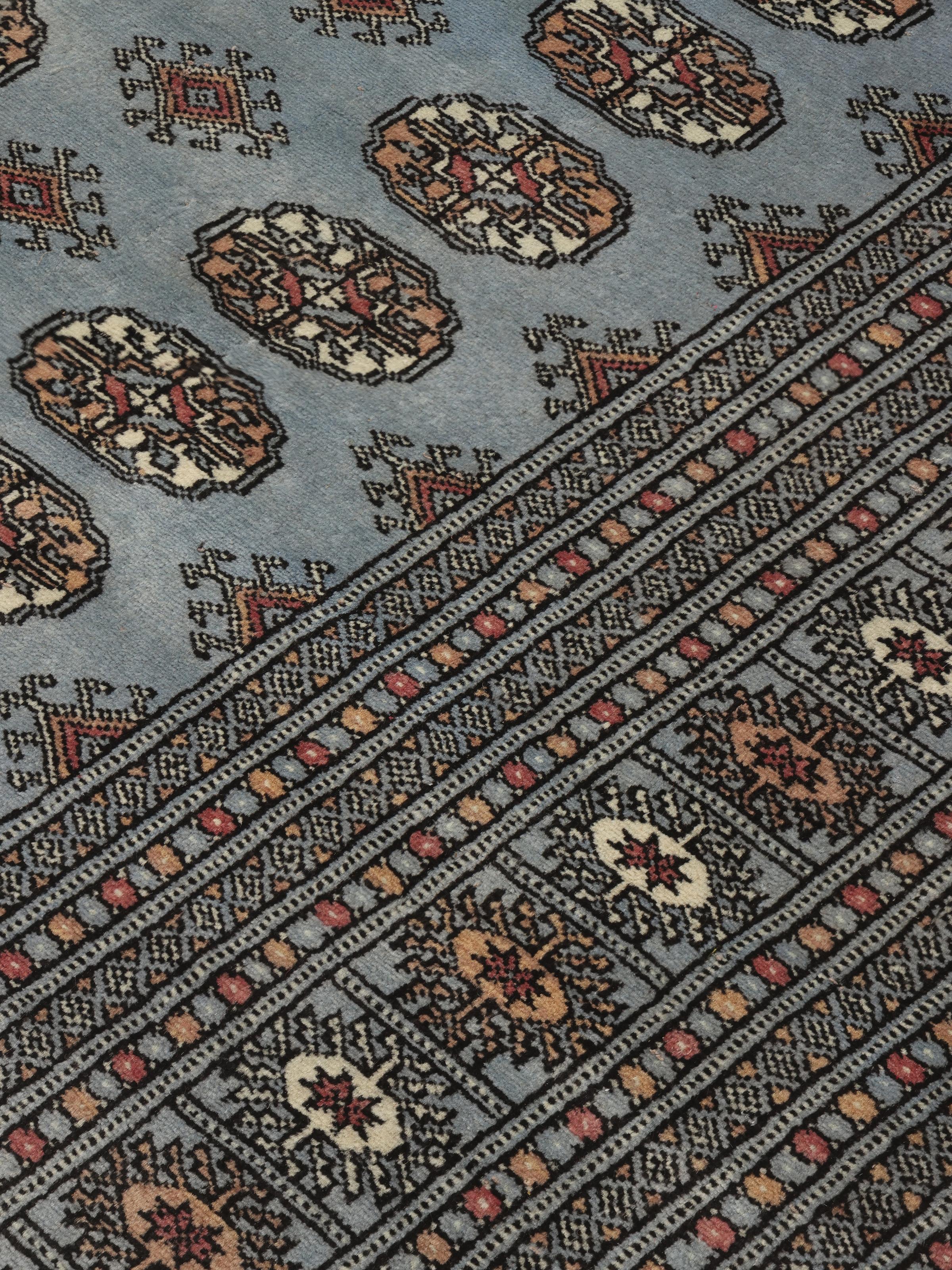
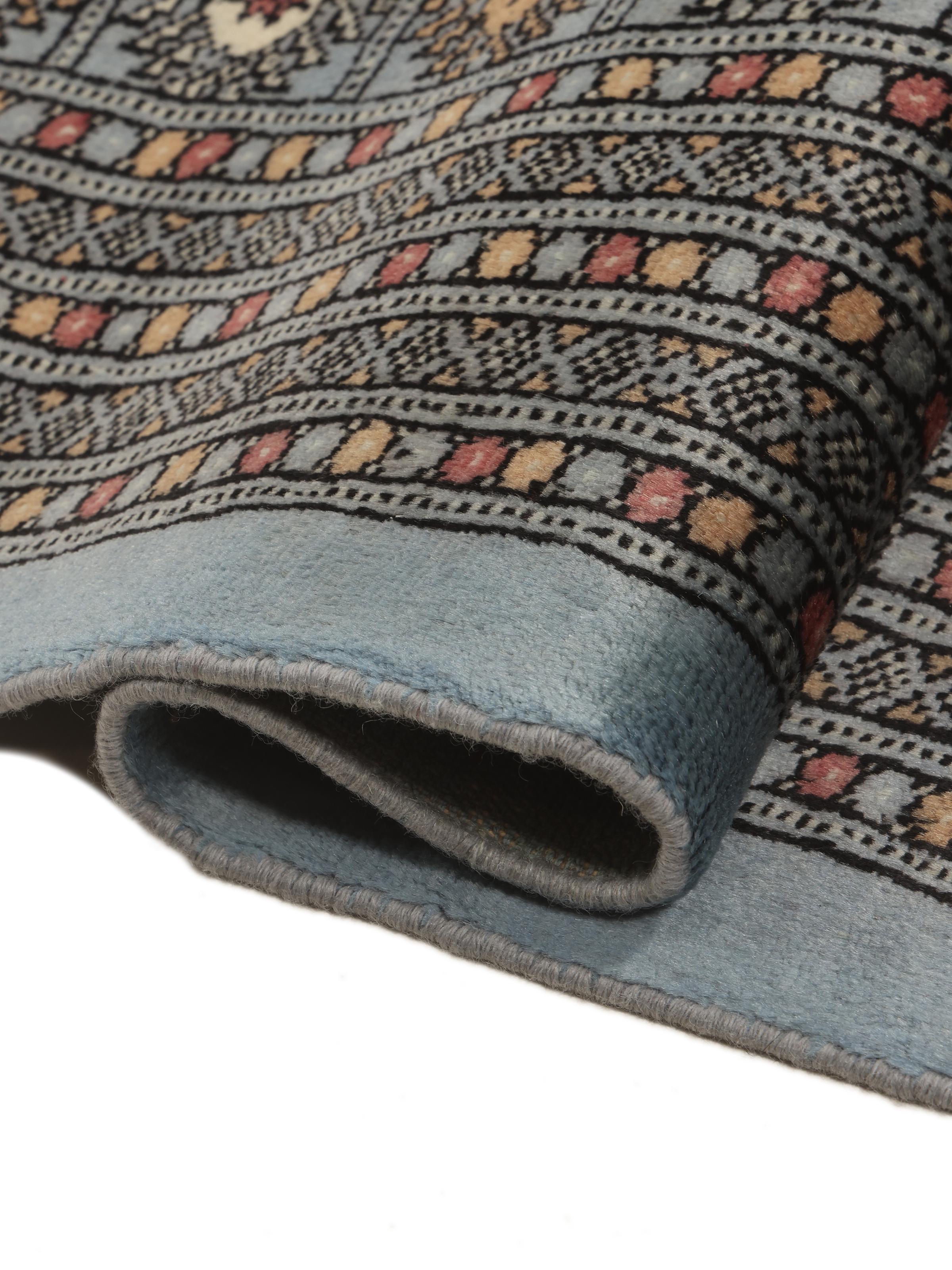
The designation 3ply refers to the specific way the wool yarn is prepared before weaving. By twisting three individual strands of wool together, the weavers create a yarn that is significantly more robust and resilient than simpler alternatives. This process not only enhances the durability of the final rug but also gives the pile a distinctive, lustrous sheen that catches the light beautifully.
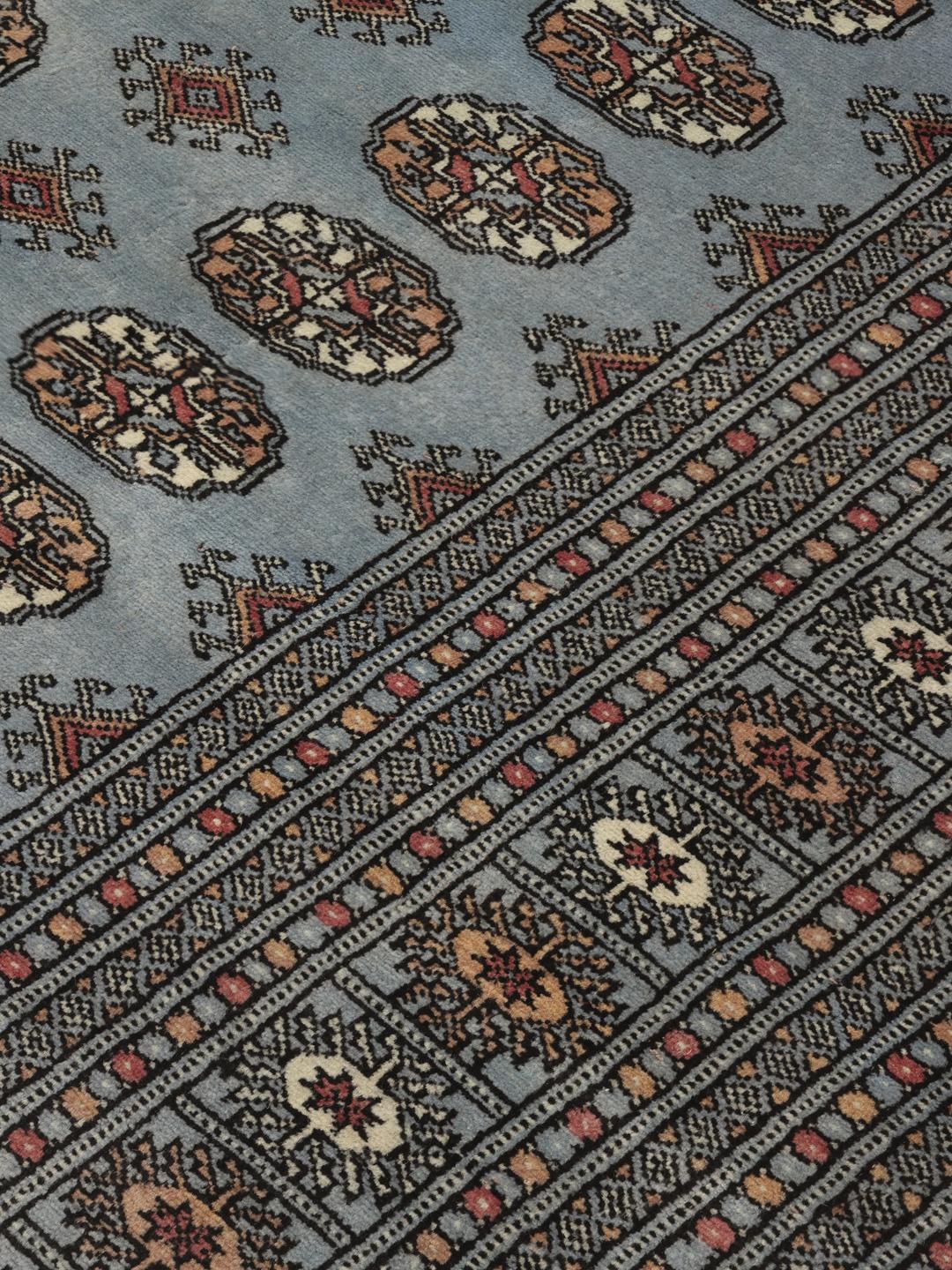
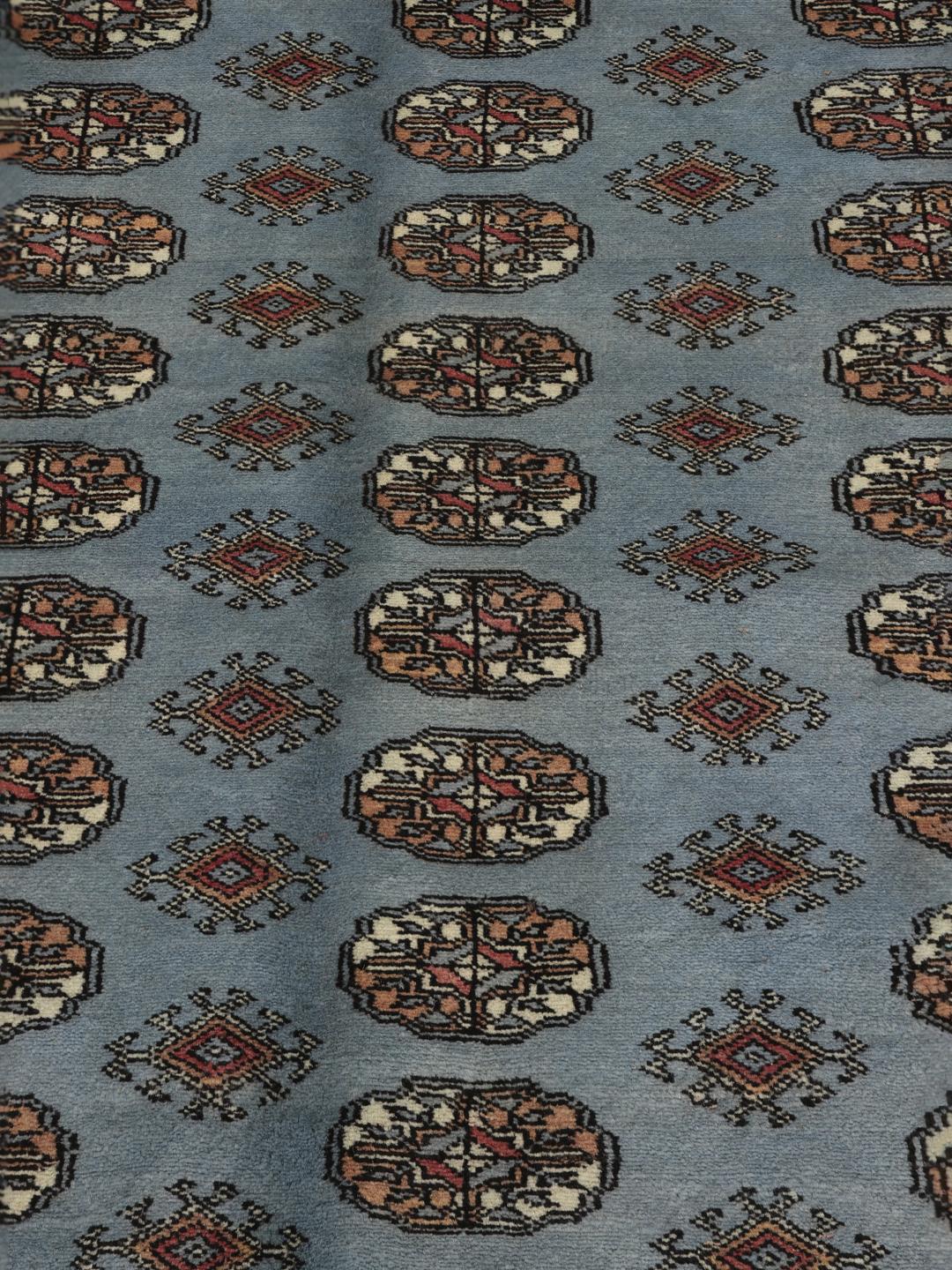
Visually, these rugs are defined by the repeating gul motif, an ancient emblem often resembling an elephant foot or an octagonal medallion. These symbols are arranged in strict, orderly rows across the field, framed by complex, decorative borders that showcase a mastery of geometric design. While red is the traditional colour associated with this style, this particular blue version offers a sophisticated, modern twist on a classic look.
Owning a hand-knotted rug from this tradition is a way to connect with a long heritage of human skill and cultural expression. These pieces are valued by collectors not just for their aesthetic appeal, but for the immense dedication required to produce them. Each rug is a testament to the weaver's patience and technical expertise, making it a meaningful addition to any space that values quality and history.