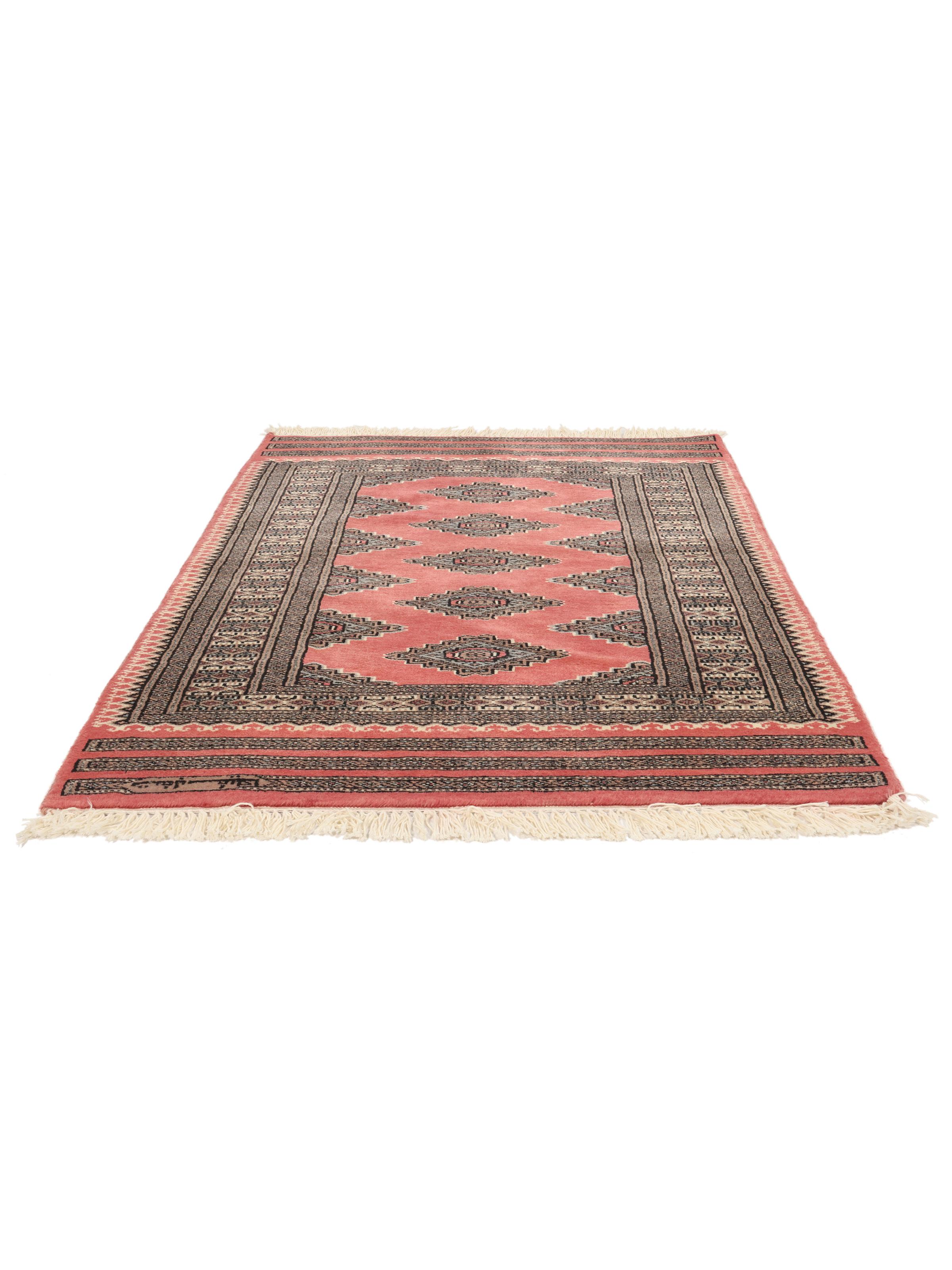
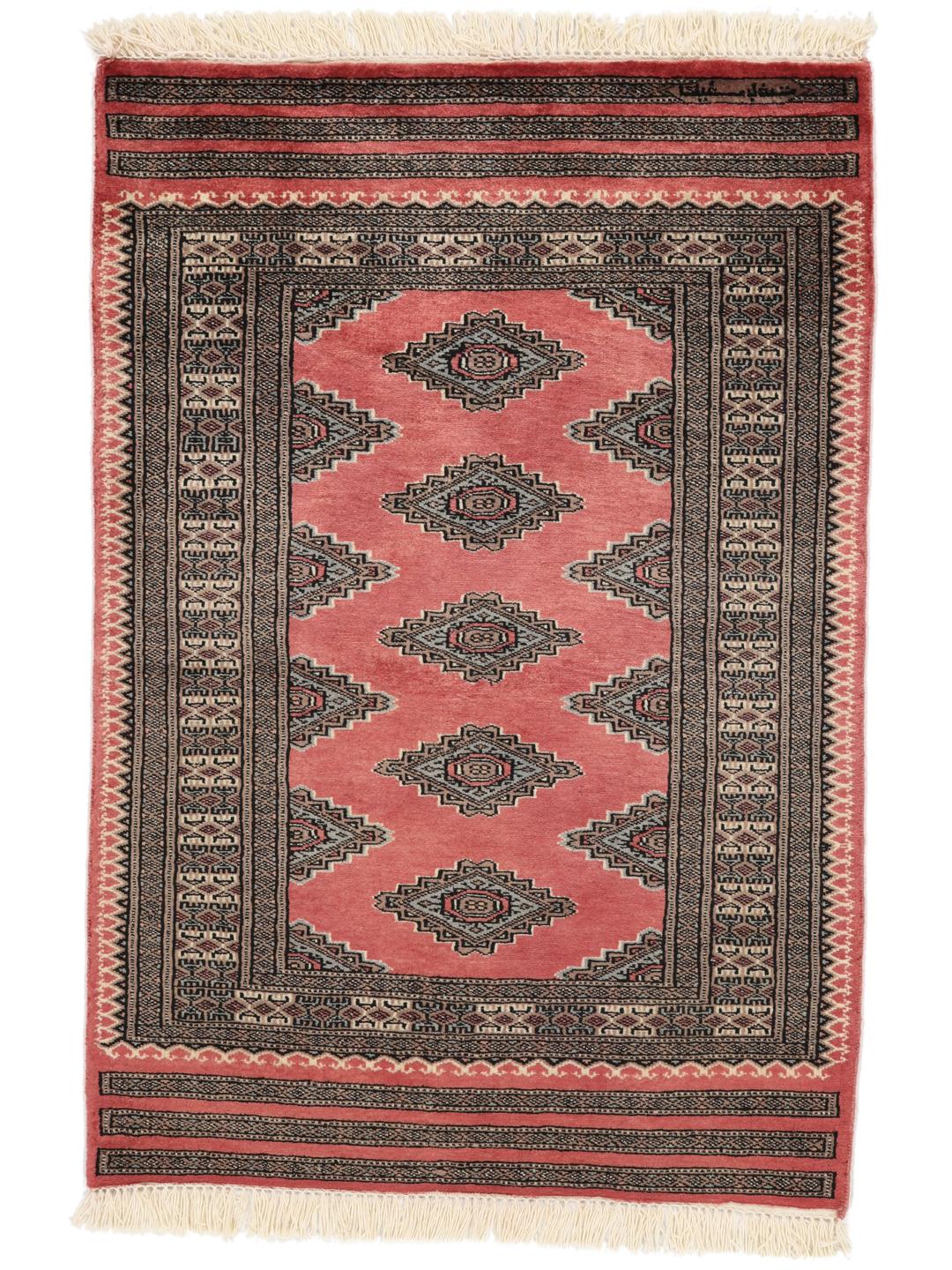
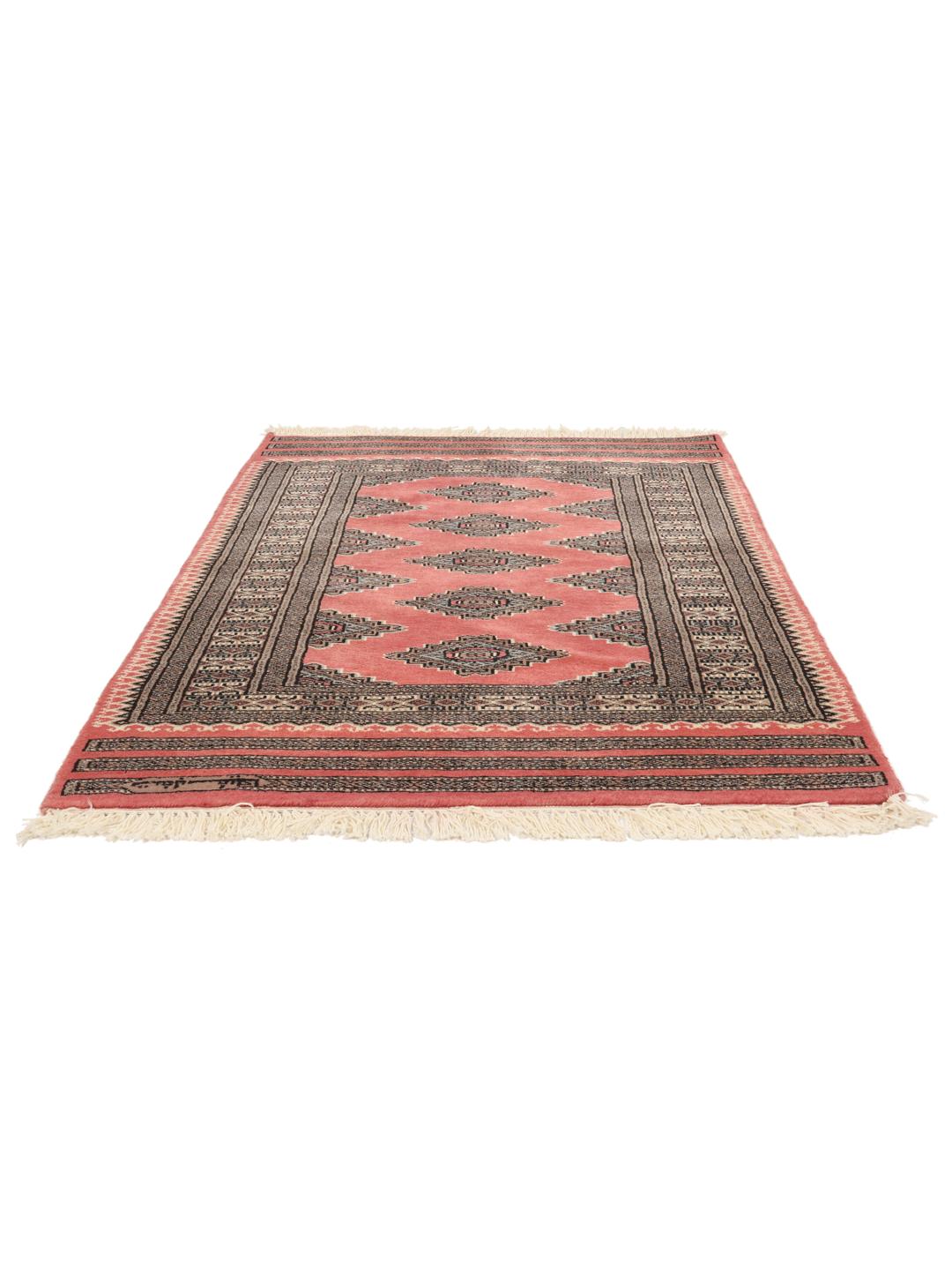
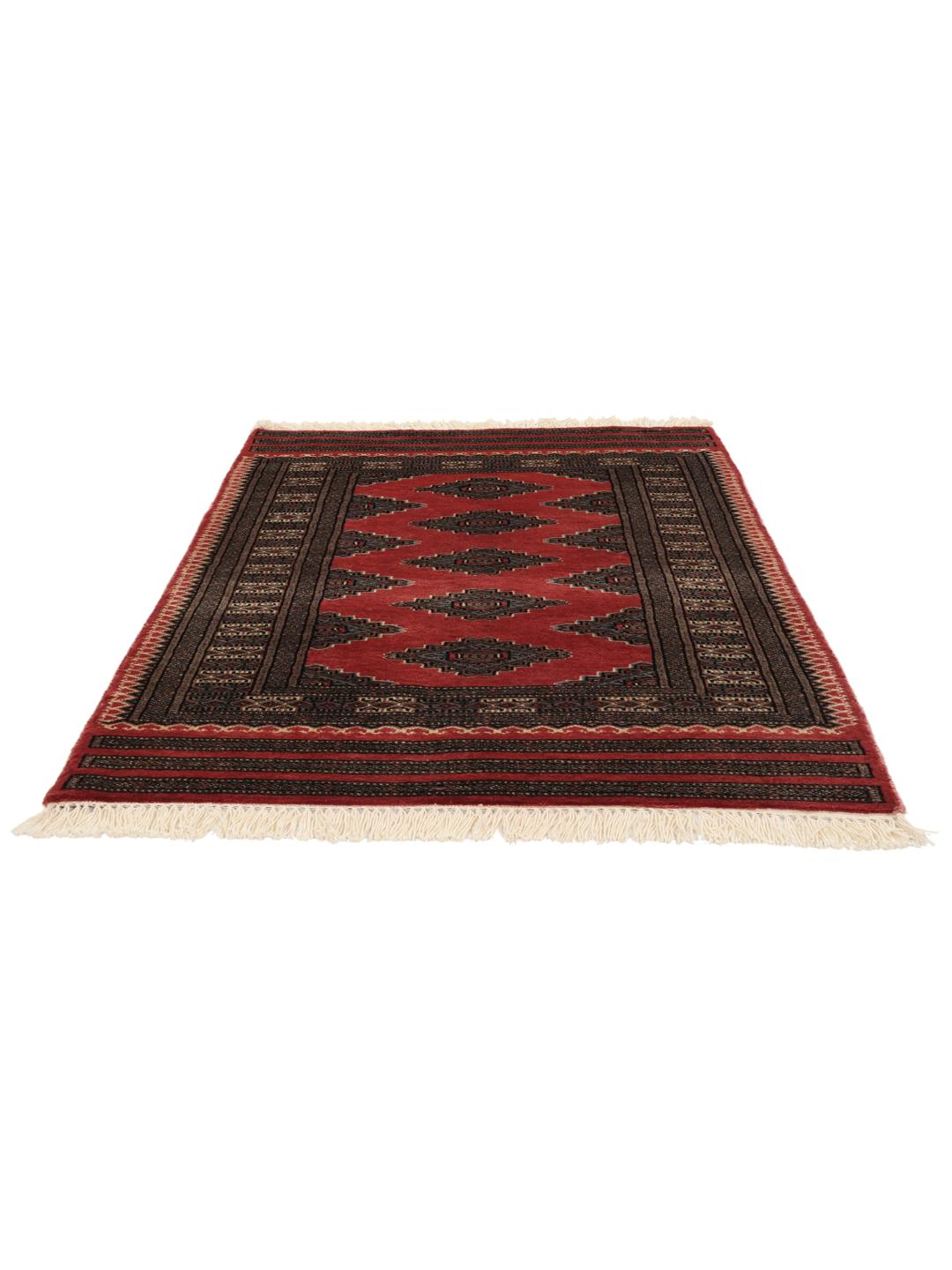
Bokhara rugs take their name from the ancient Silk Road city of Bukhara in Central Asia, a historical hub for trade and textile artistry. While the design lineage traces back to nomadic tribes of the region, the finest examples today are expertly woven in Pakistan. This evolution reflects the migration of weaving traditions across borders, where artisans have refined and elevated the style over generations.
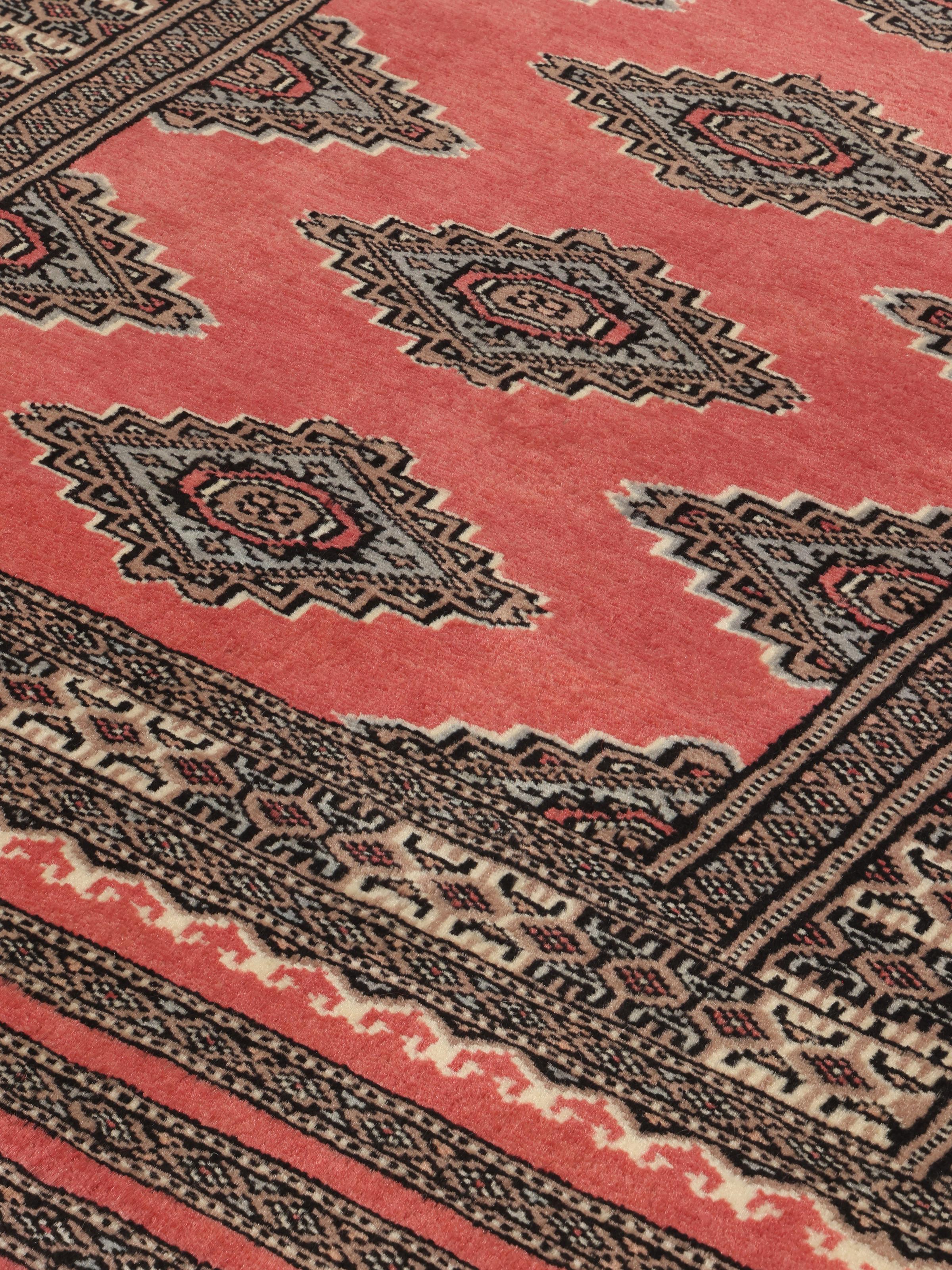
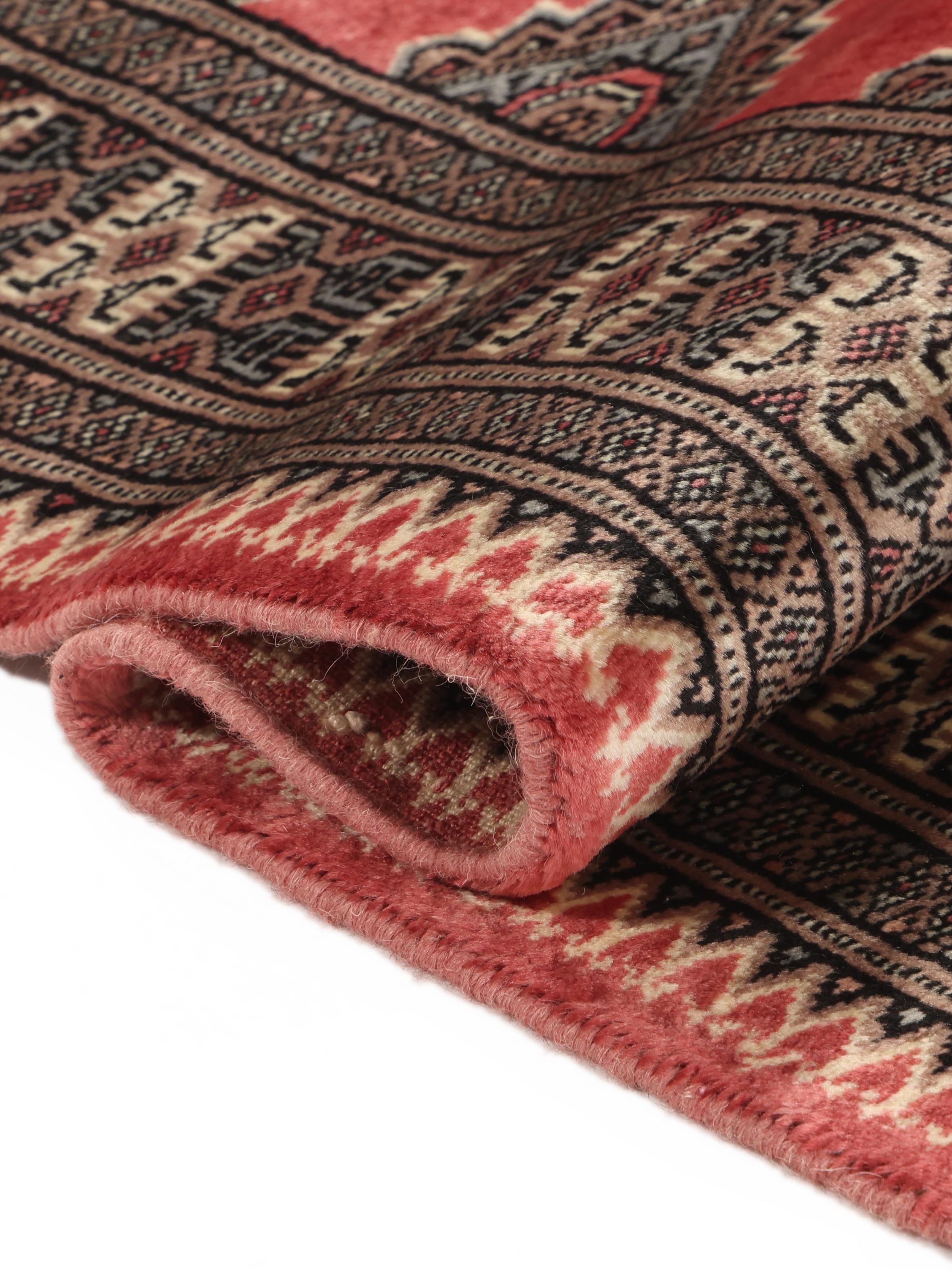
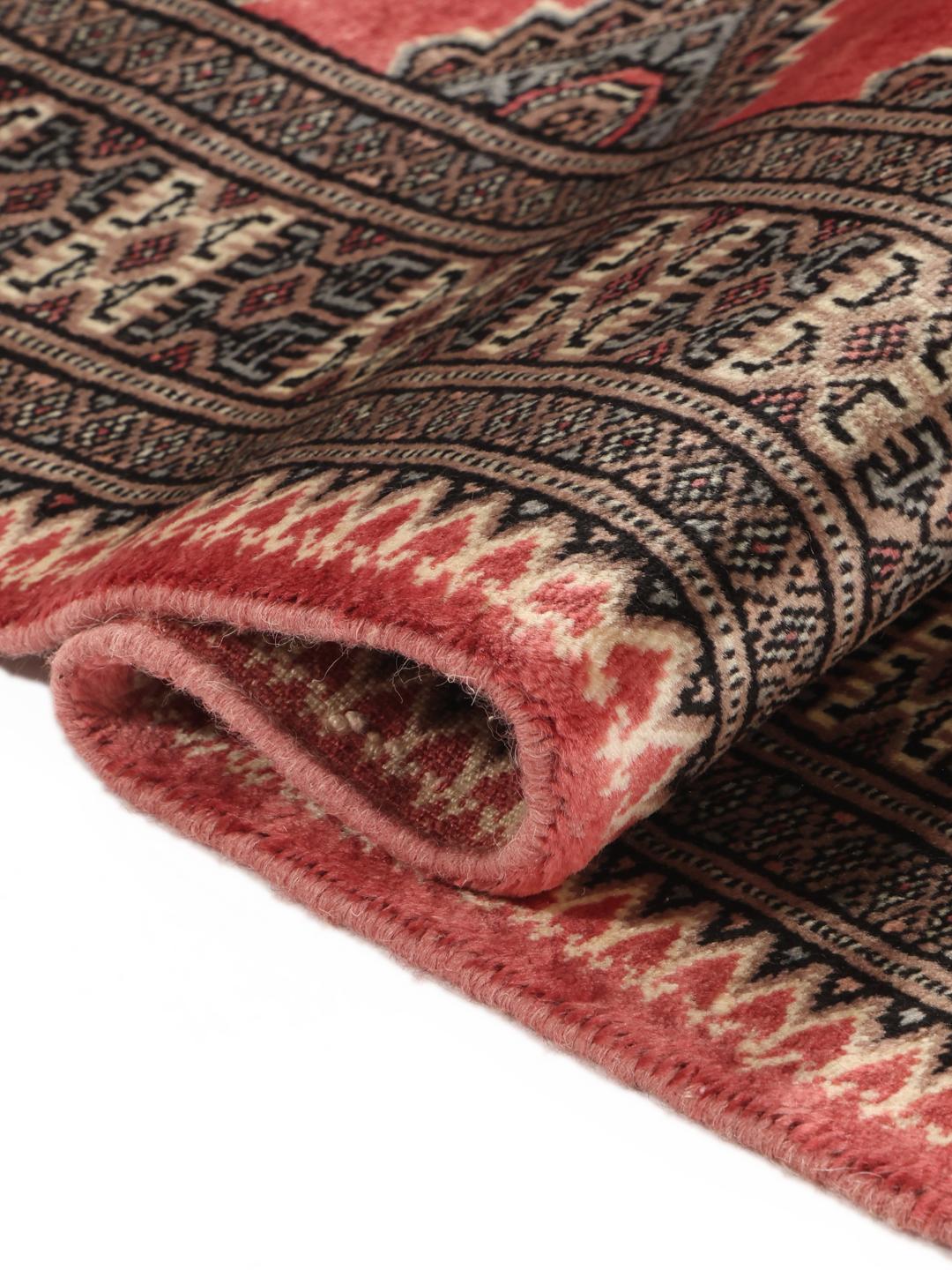
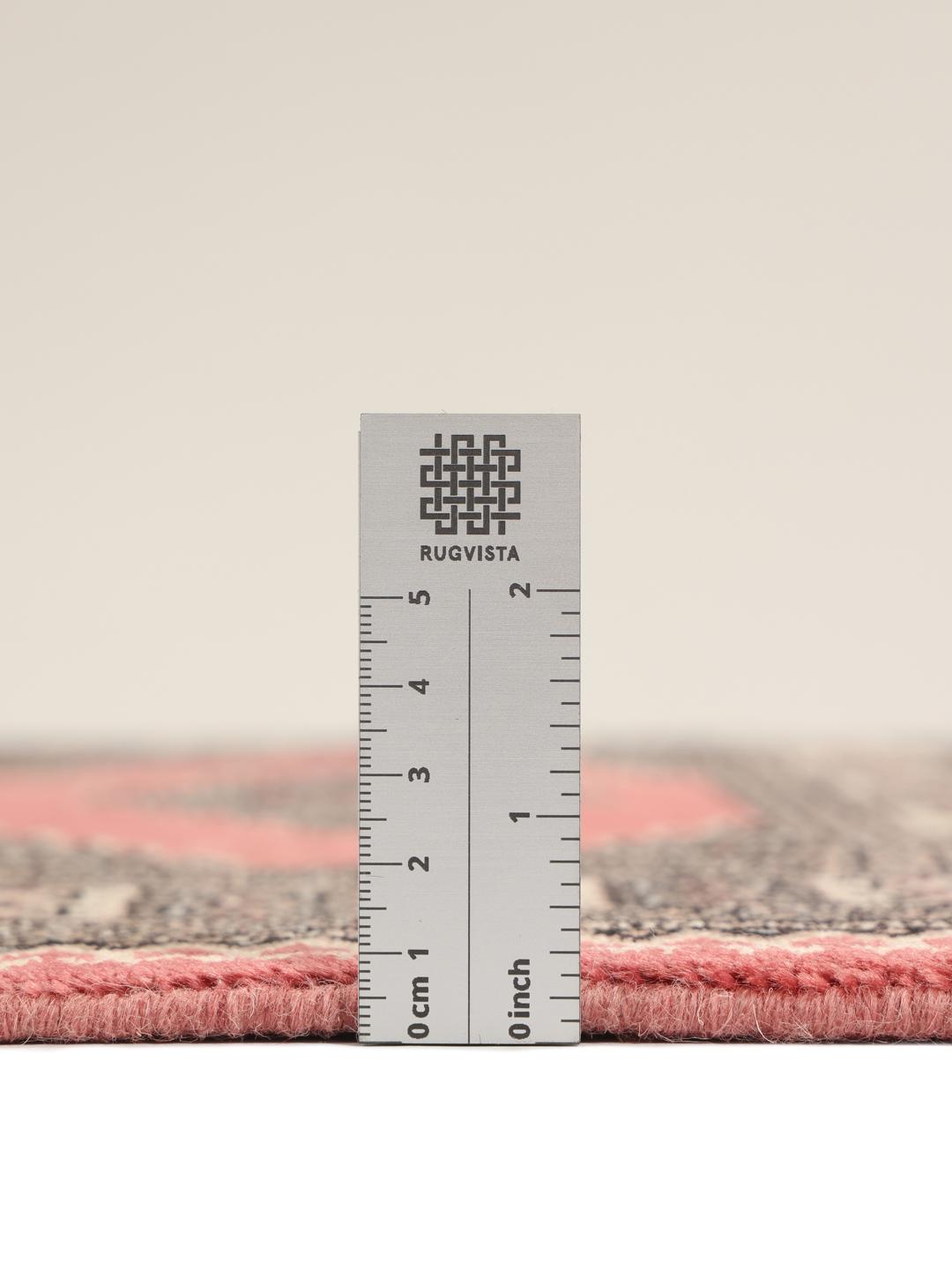
The term 3ply refers to the construction of the pile, where three strands of wool are twisted together before being knotted. This technical choice is significant because it produces a fuller, more substantial, and more lustrous pile than standard wool. The extra weight of the 3ply wool translates into a rug that is exceptionally durable and soft, offering a tactile quality that is immediately noticeable.
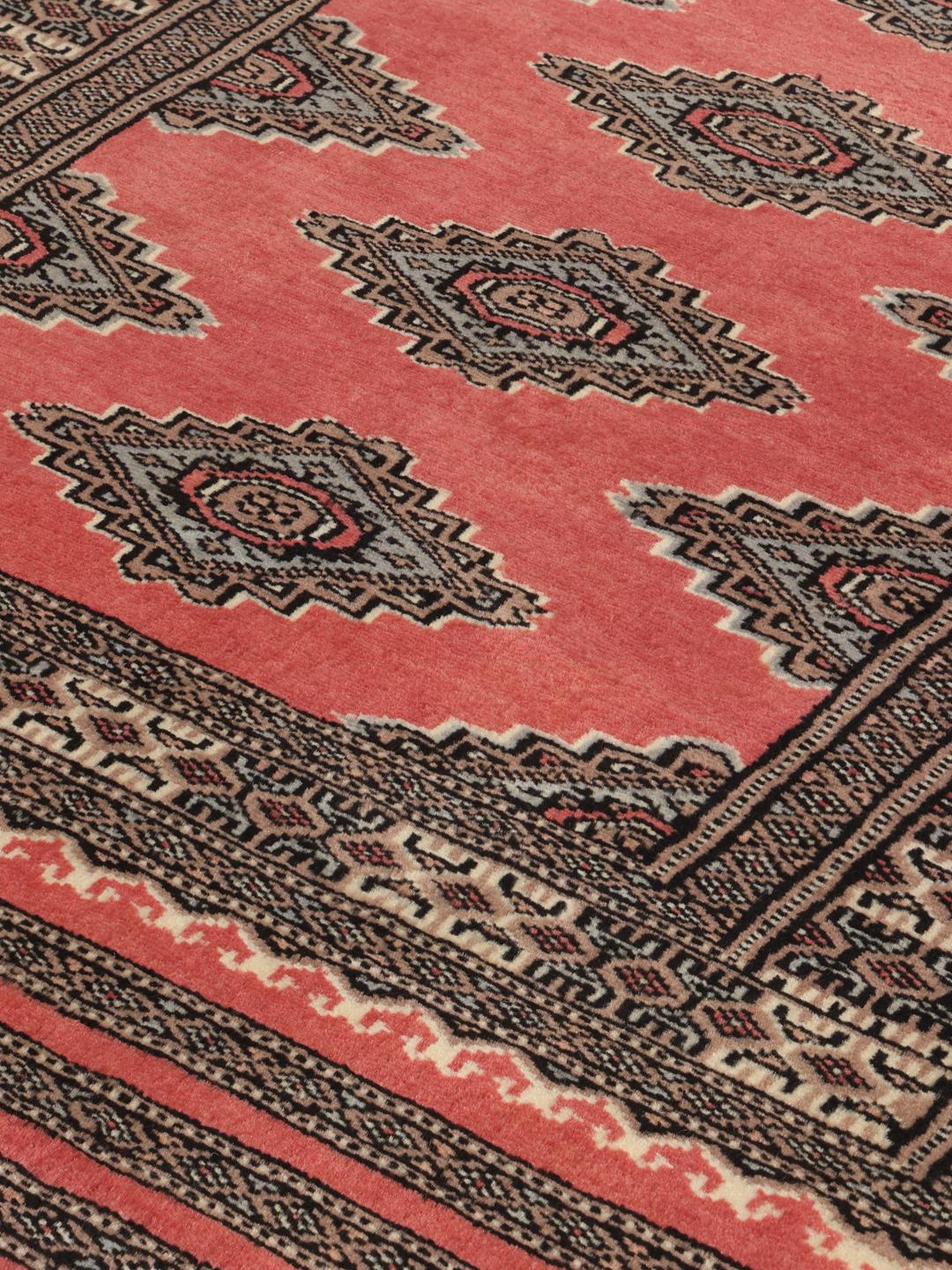
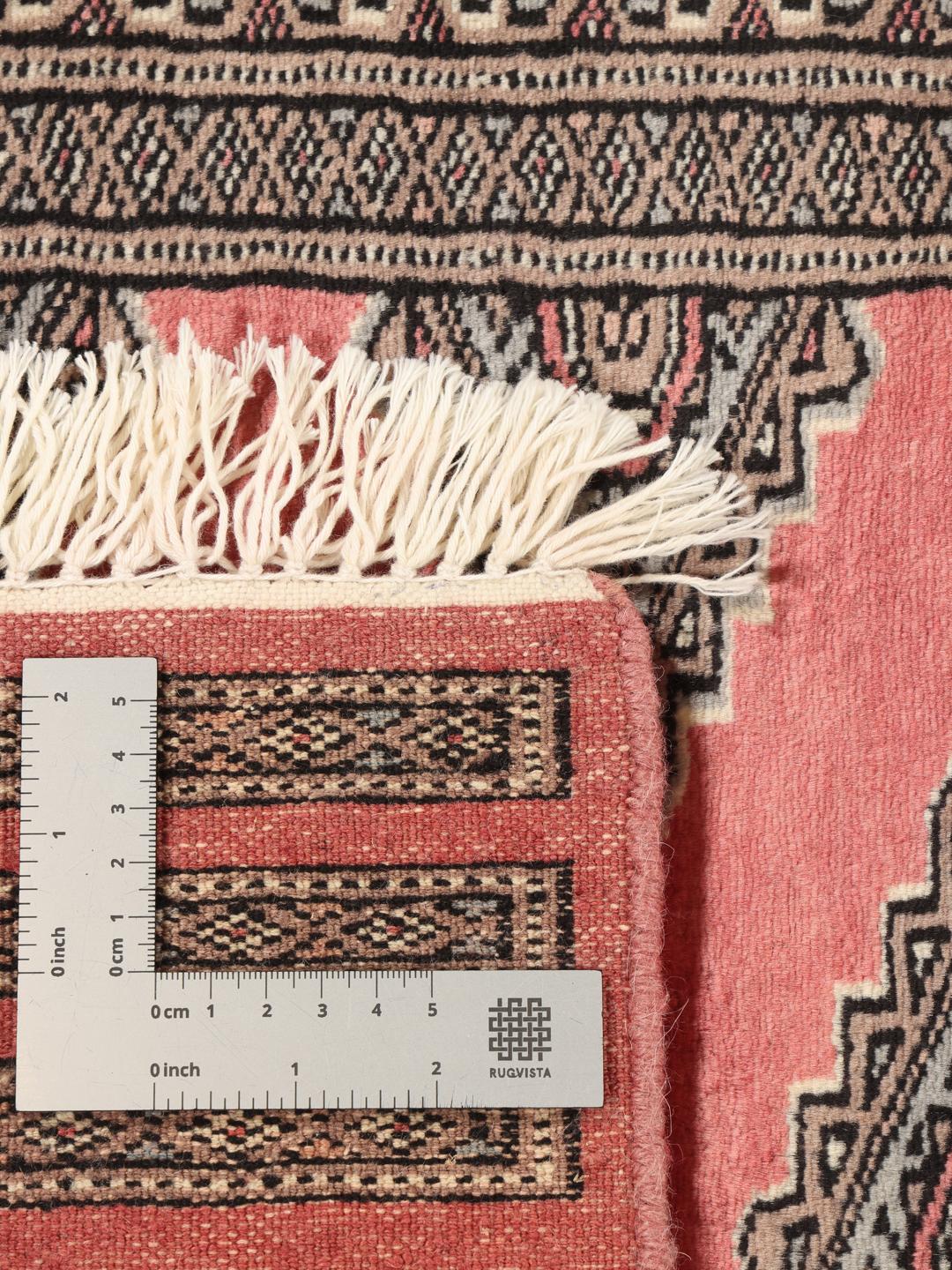
Visually, these rugs are defined by the repeating 'gul' motif, which often resembles elephant footprints or stylized octagons. These medallions are arranged in orderly rows across the field, framed by complex, decorative borders that showcase a mastery of geometric symmetry. The deep red colour palette is a hallmark of the tradition, symbolising warmth and hospitality in the cultures from which these patterns originate.
Collectors value these rugs not only for their visual harmony but for the immense skill required to produce them. Owning a piece from this tradition is an opportunity to connect with a long-standing heritage of craft. It represents a bridge between the ancient history of the Silk Road and the contemporary home, offering a level of quality and cultural weight that remains unmatched.