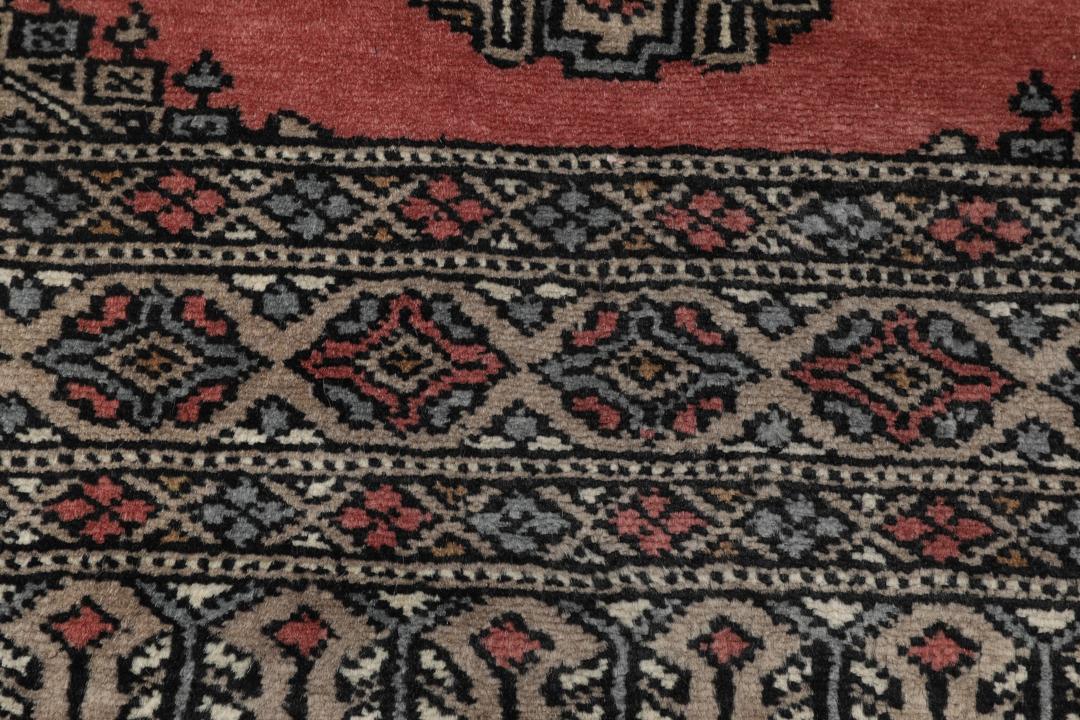
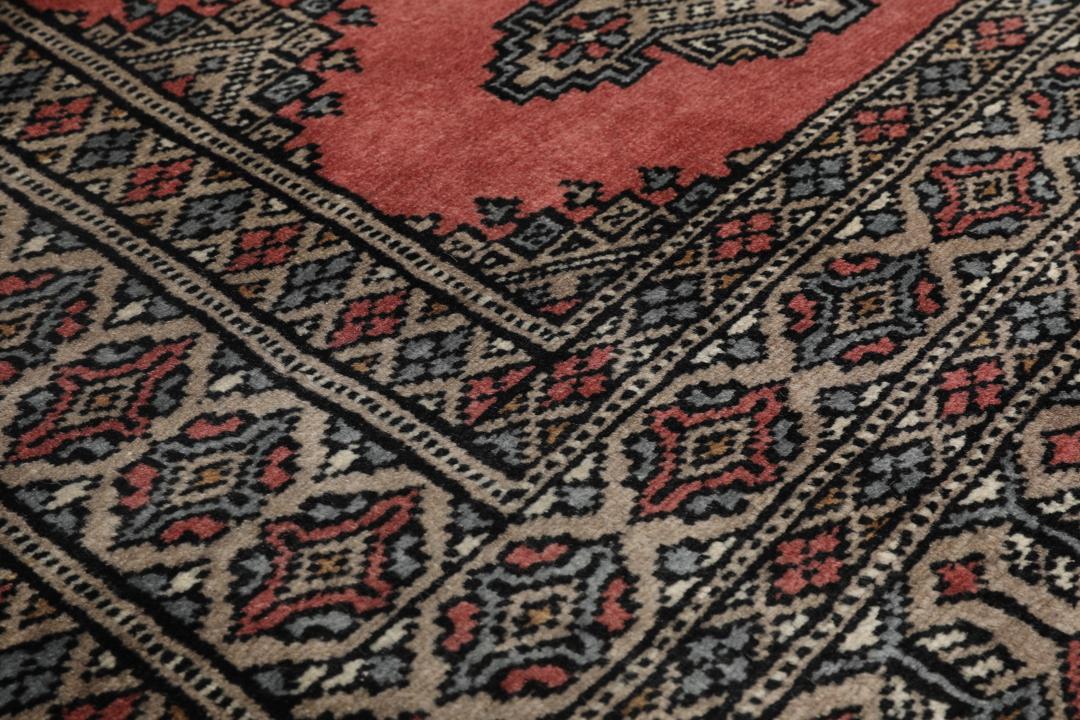
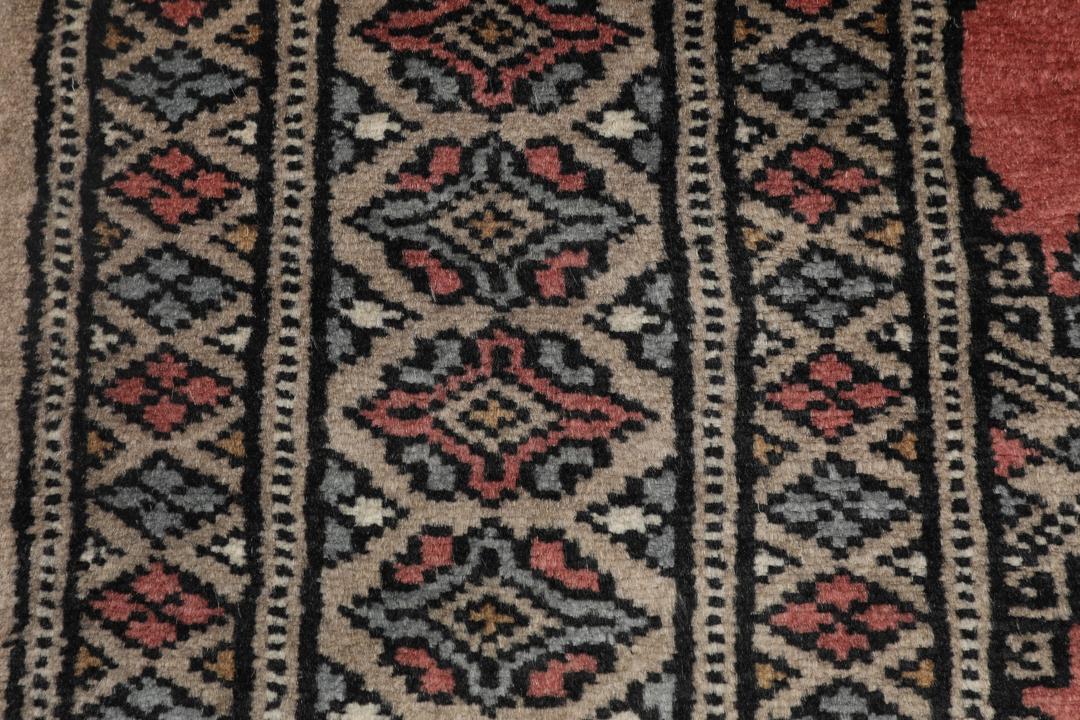
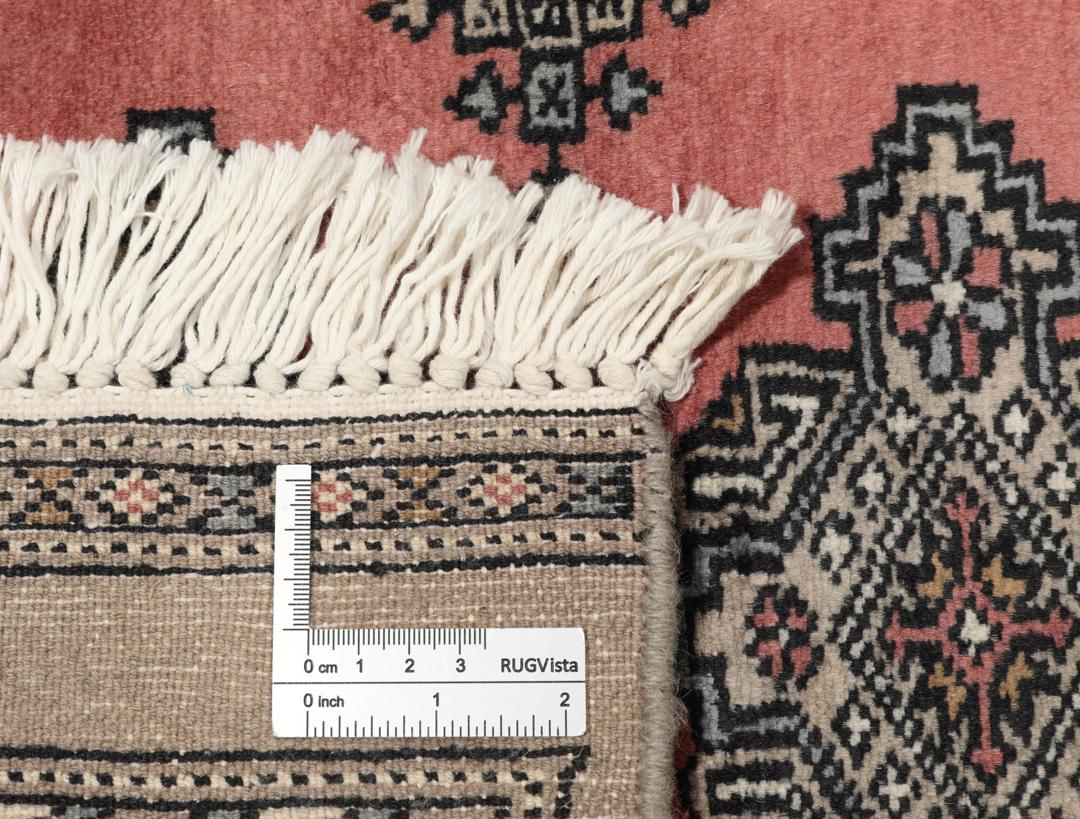
The Bokhara rug tradition finds its roots in the ancient Silk Road city of Bukhara, which served as a central hub for trade and cultural exchange between the East and West. Over centuries, these weaving techniques migrated across Central Asia and eventually found a new, flourishing home in Pakistan, where the tradition has been refined into the high-quality, recognisable style we see today.
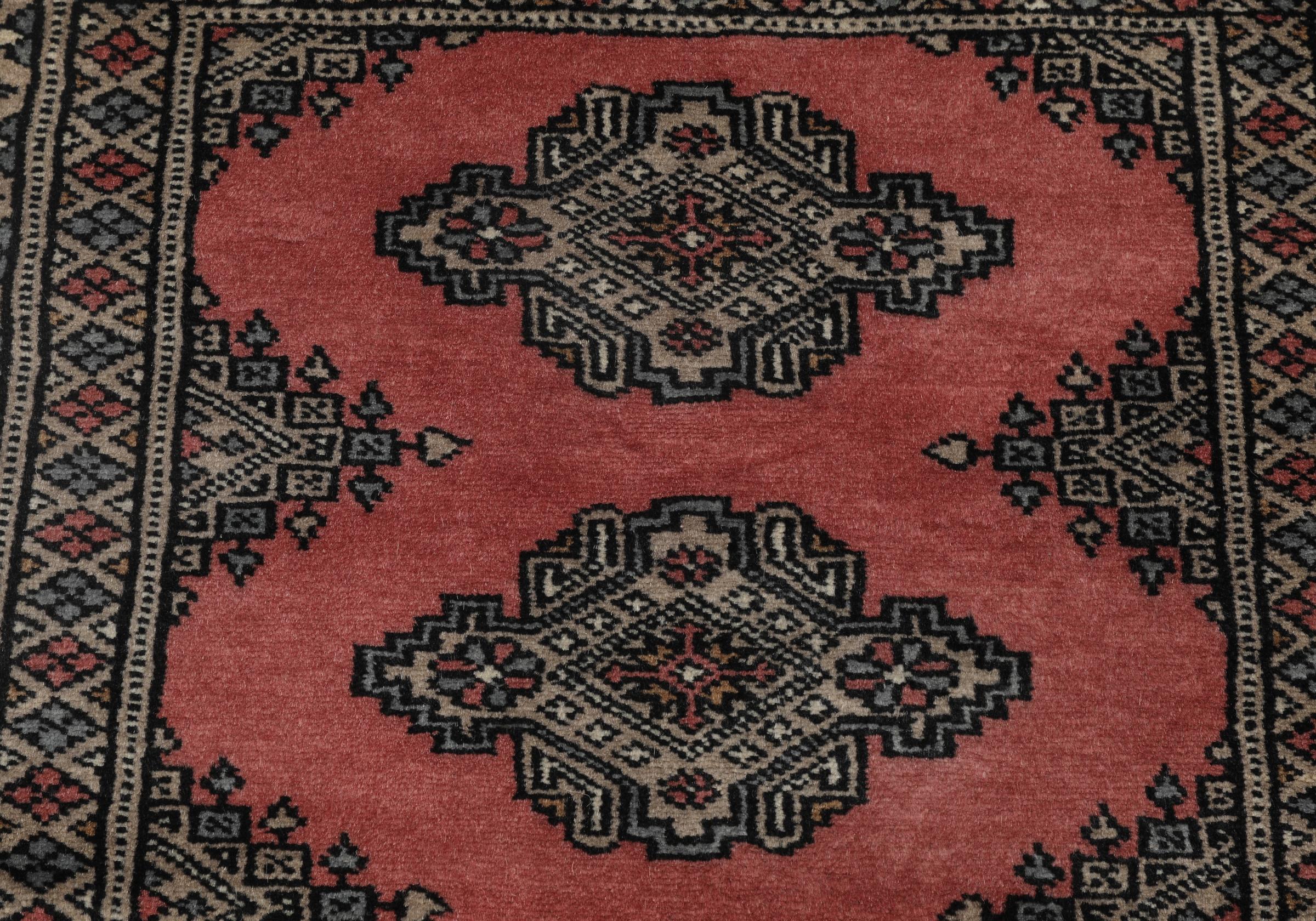
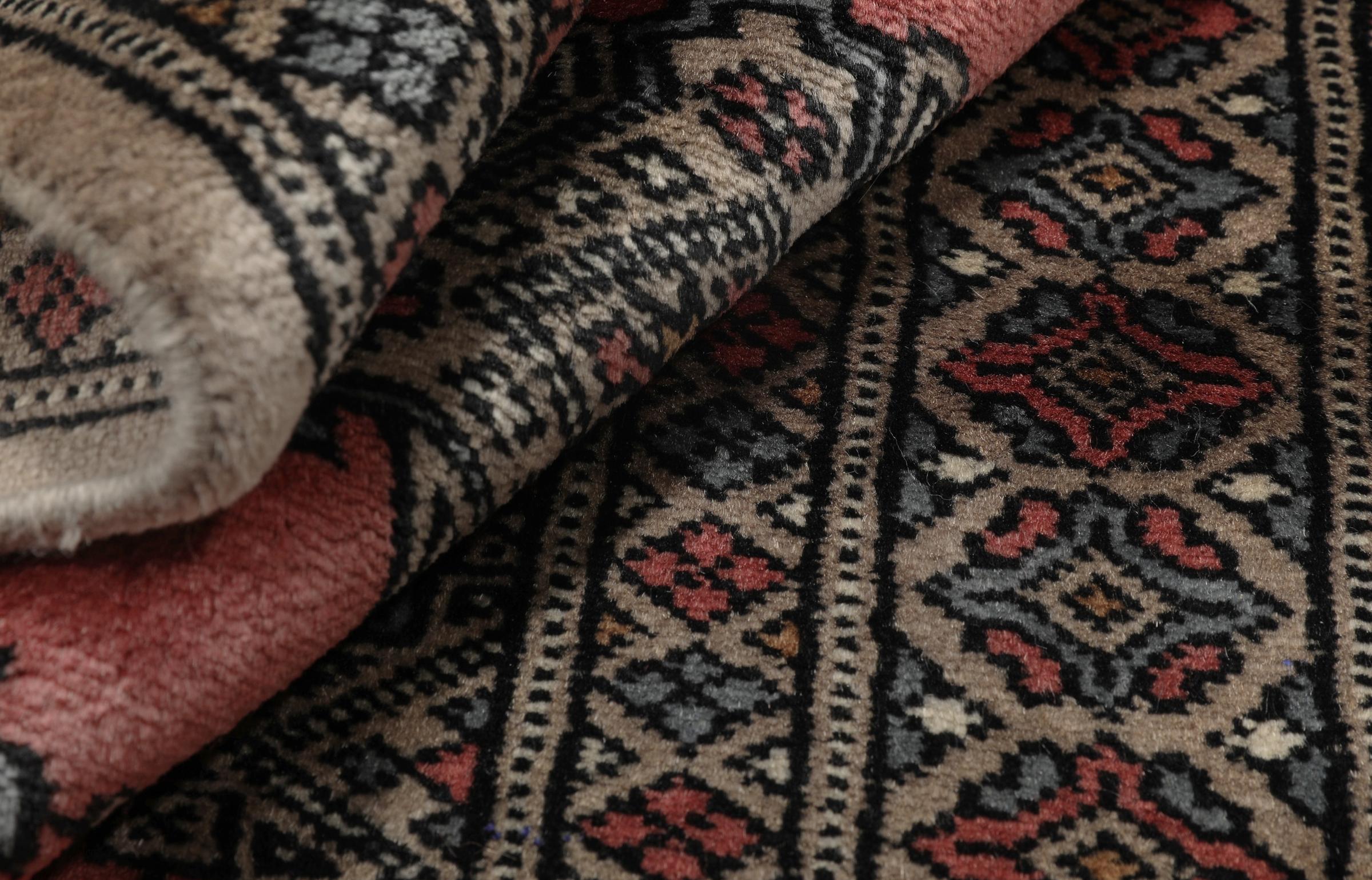
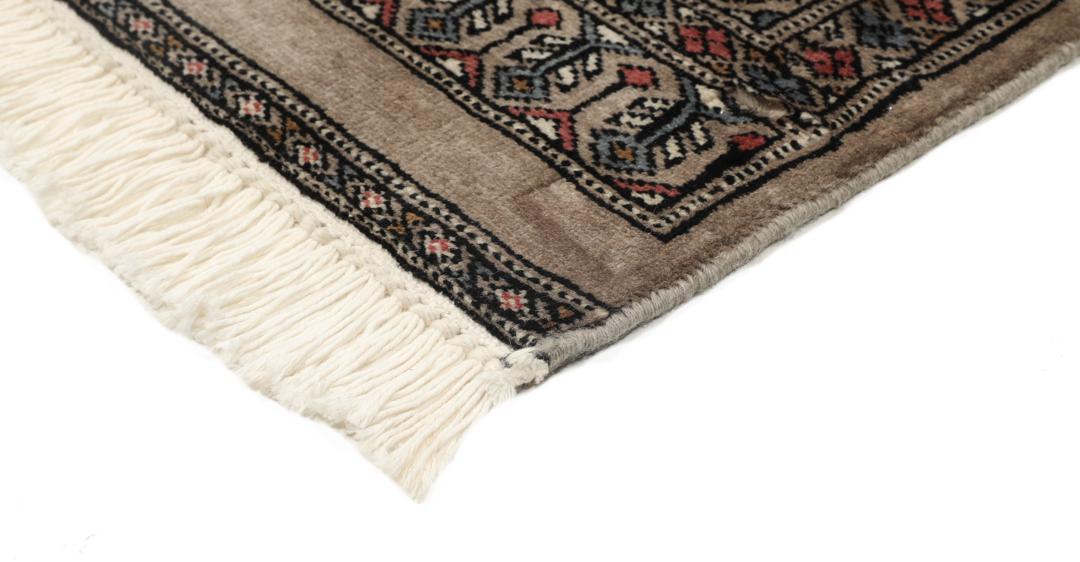
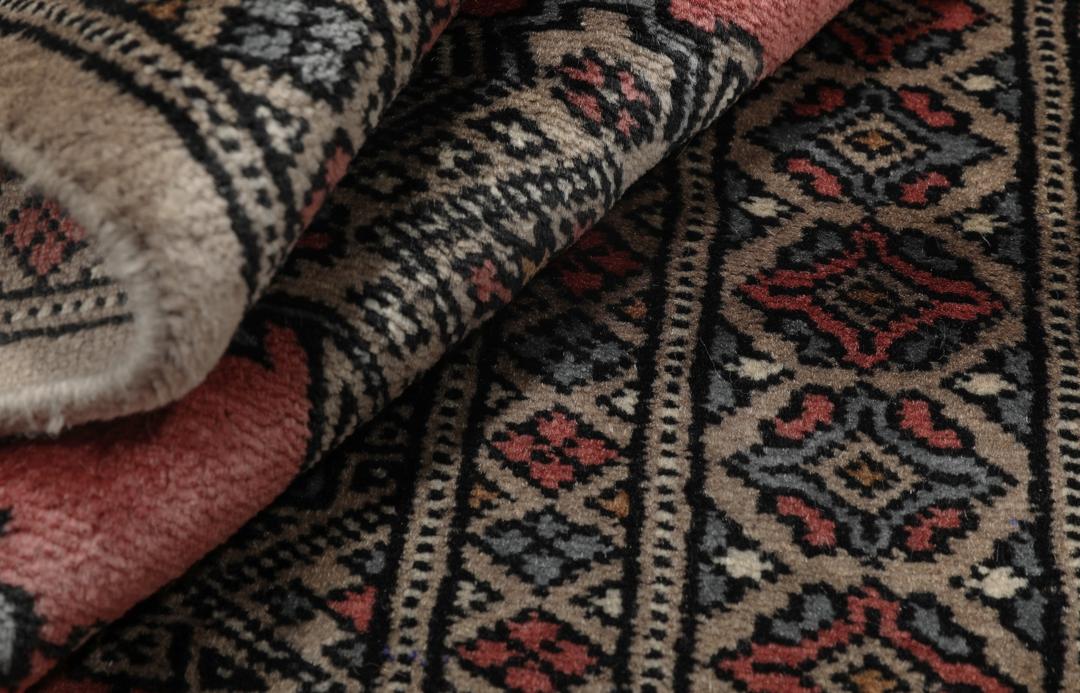
The term 3ply refers to the construction of the yarn, where three individual strands of Wool are twisted together before being knotted. This technical choice is significant because it produces a pile that is noticeably thicker, more lustrous, and more durable than rugs made with single-ply yarn, ensuring that the rug retains its plush feel and vibrant appearance over time.
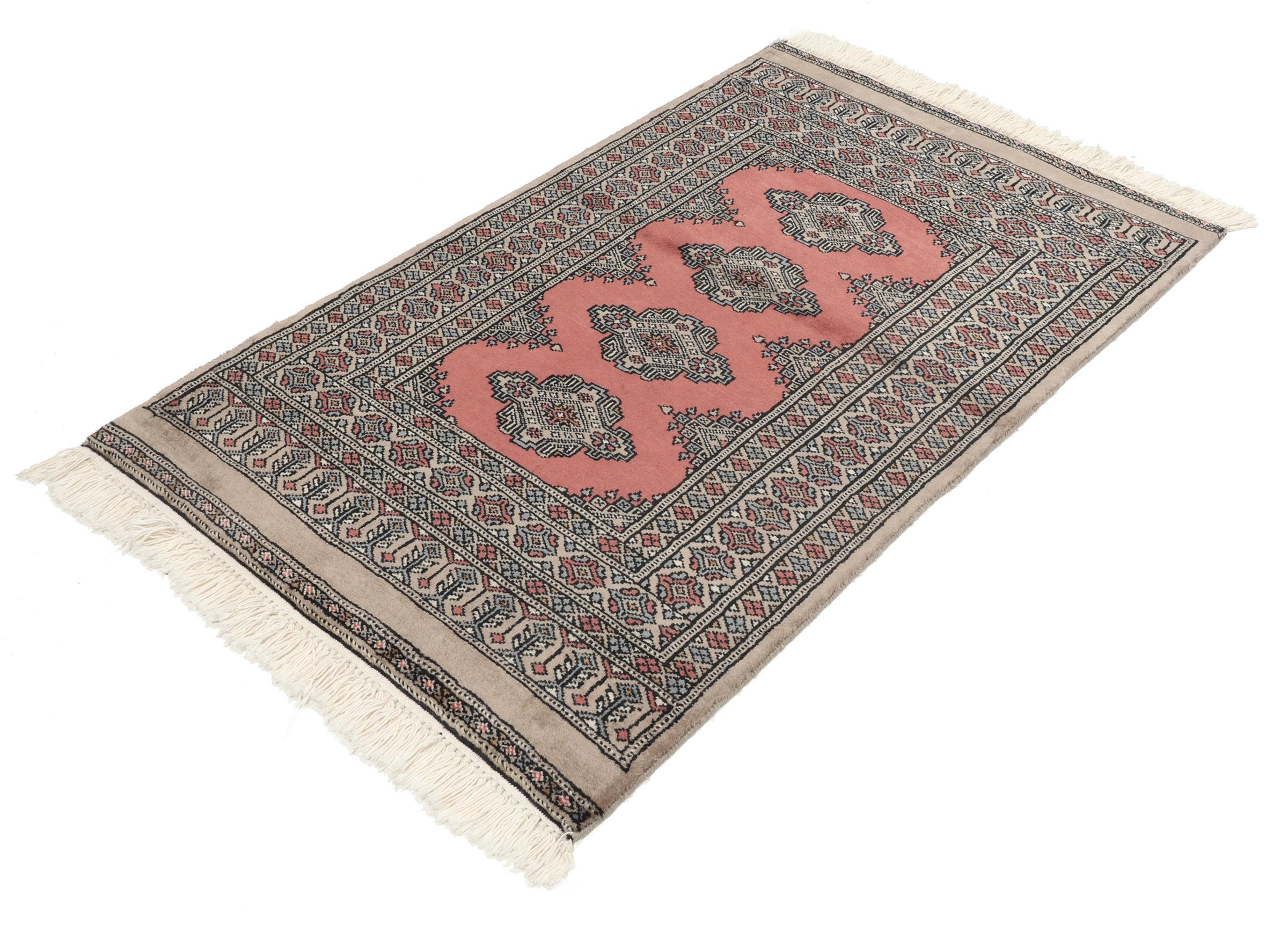
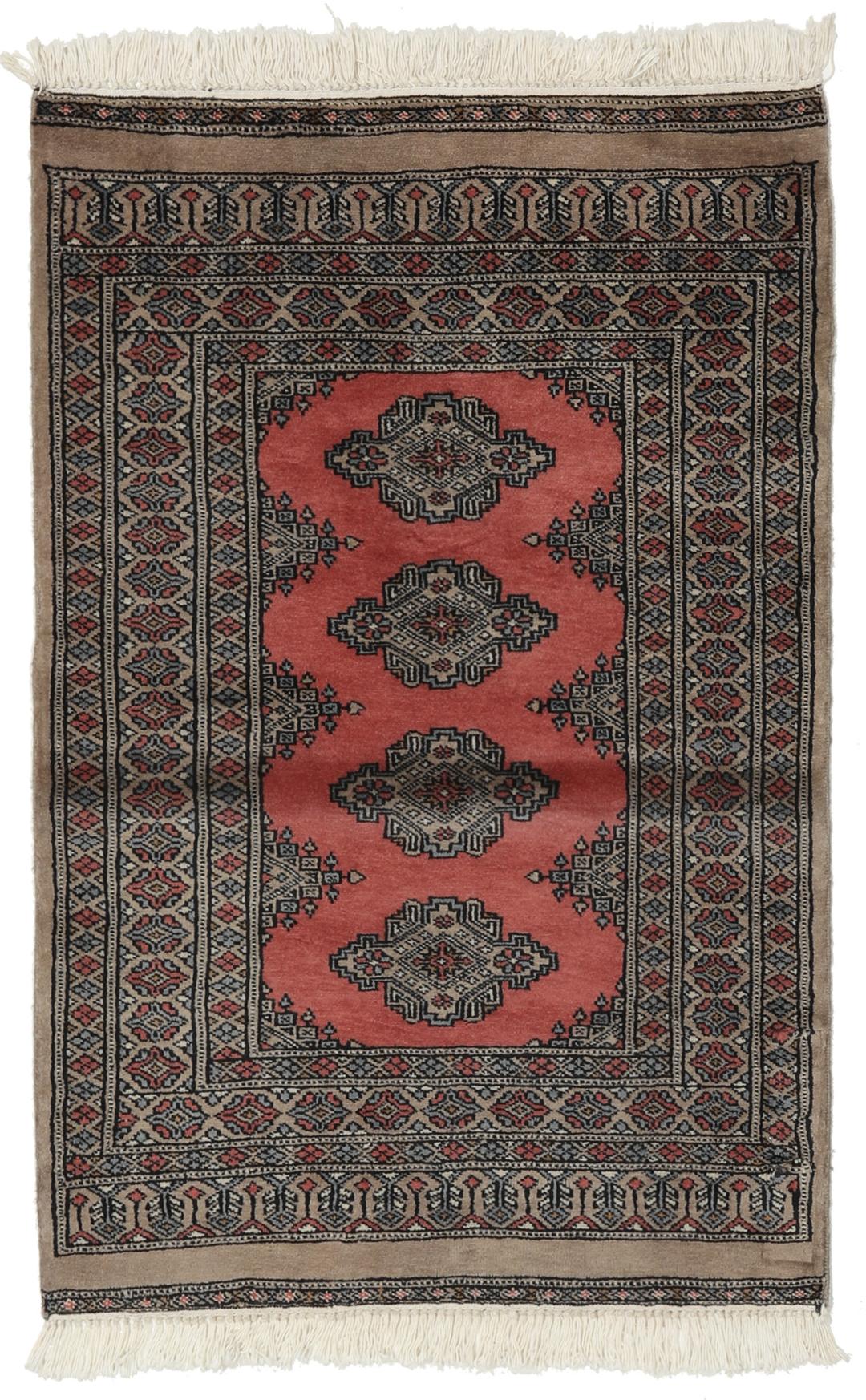
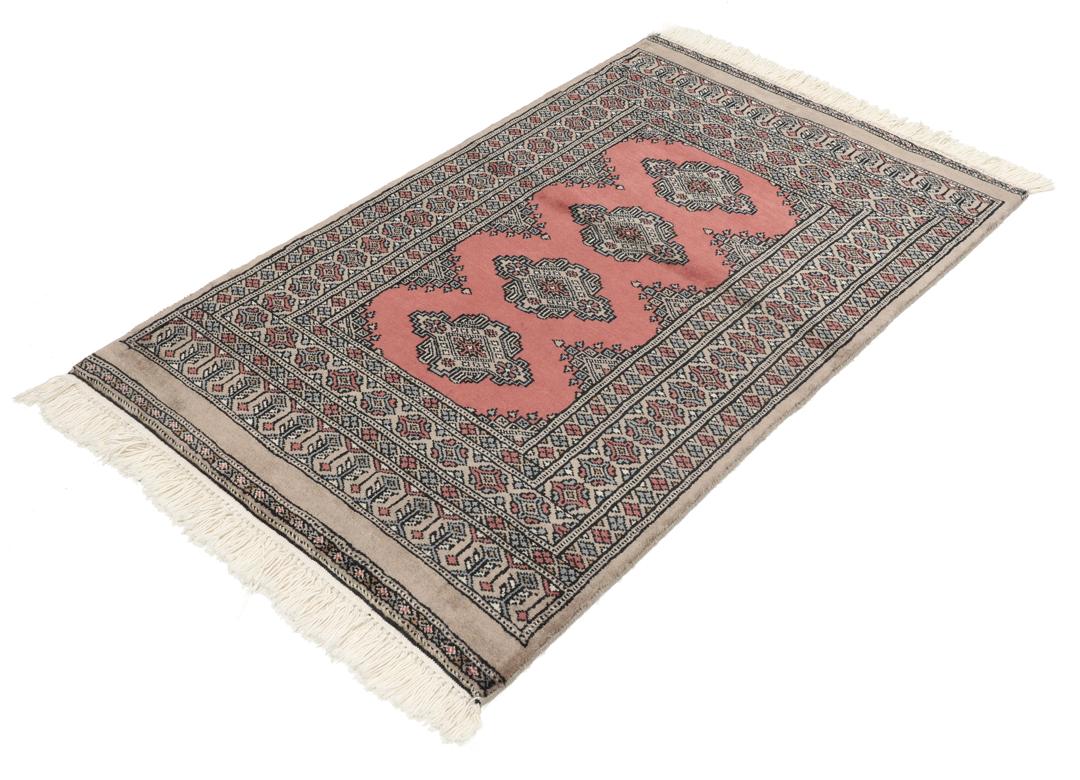
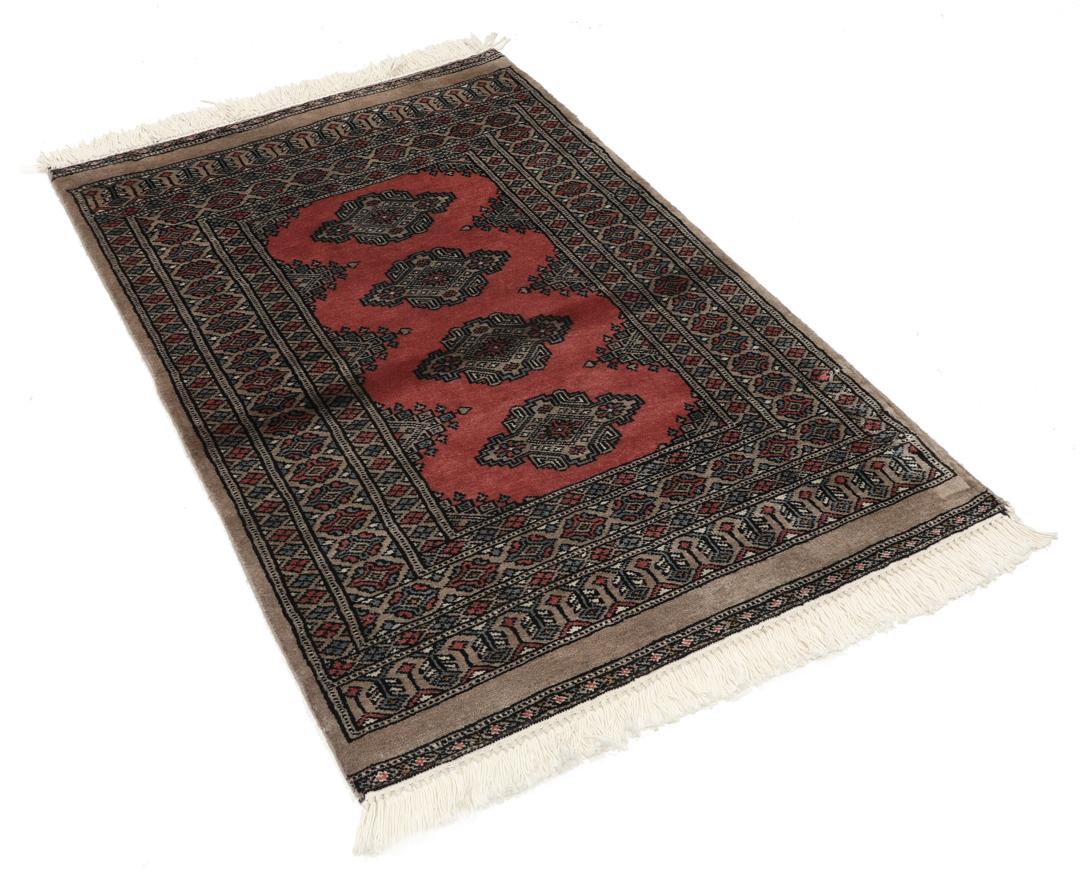
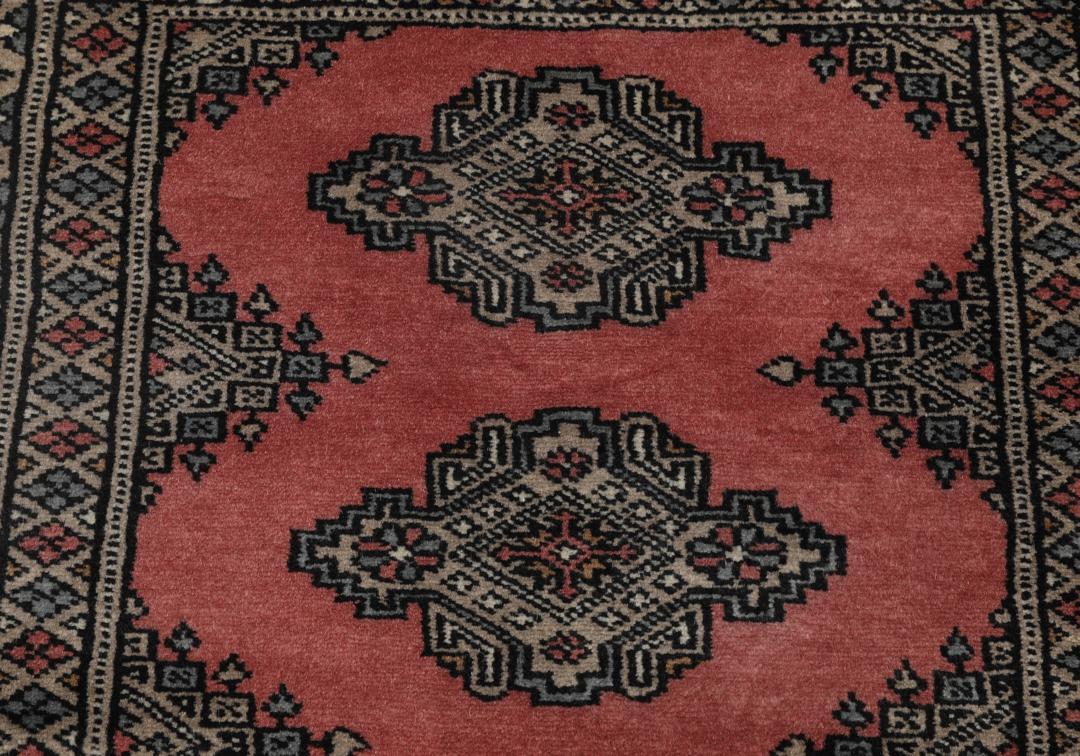
Visually, these rugs are defined by the repeating gul motif, which are stylised, octagonal medallions often described as elephant-foot prints. These motifs are typically arranged in orderly rows across the field and enclosed by intricate, geometric borders. This specific rug features a warm, balanced palette that honours the classic Bokhara aesthetic while maintaining a distinct, personal character.
Bokhara rugs are highly valued by collectors and homeowners alike for their combination of cultural heritage and technical excellence. Owning a piece from this tradition is an investment in a craft that has been passed down through generations, representing a level of skill and attention to detail that transforms a simple floor covering into a meaningful piece of art with lasting cultural weight.