Bokhara rugs are deeply rooted in the traditions of Central Asia, taking their name from the historic Silk Road city of Bukhara. While they originated from the nomadic tribes of the region, the finest examples today are primarily crafted in Pakistan. This evolution has allowed the traditional weaving techniques to flourish, blending ancient nomadic aesthetics with refined, contemporary production standards.
The '3ply' designation refers to the construction of the wool pile, where three individual strands are twisted together before being knotted into the foundation. This creates a thicker, more substantial pile that feels exceptionally soft and provides a rich, lustrous sheen. It is a technical choice that directly impacts the longevity and comfort of the rug, making it a preferred option for those who value both beauty and endurance.
Visually, these rugs are defined by the repeating 'gul' motif, which often resembles a stylised elephant foot or an octagonal medallion. These patterns are typically arranged in clean, symmetrical rows across the field and framed by intricate, formal borders. The deep red coloration is a hallmark of the tradition, symbolising warmth and vitality while grounding the complex geometry of the design.
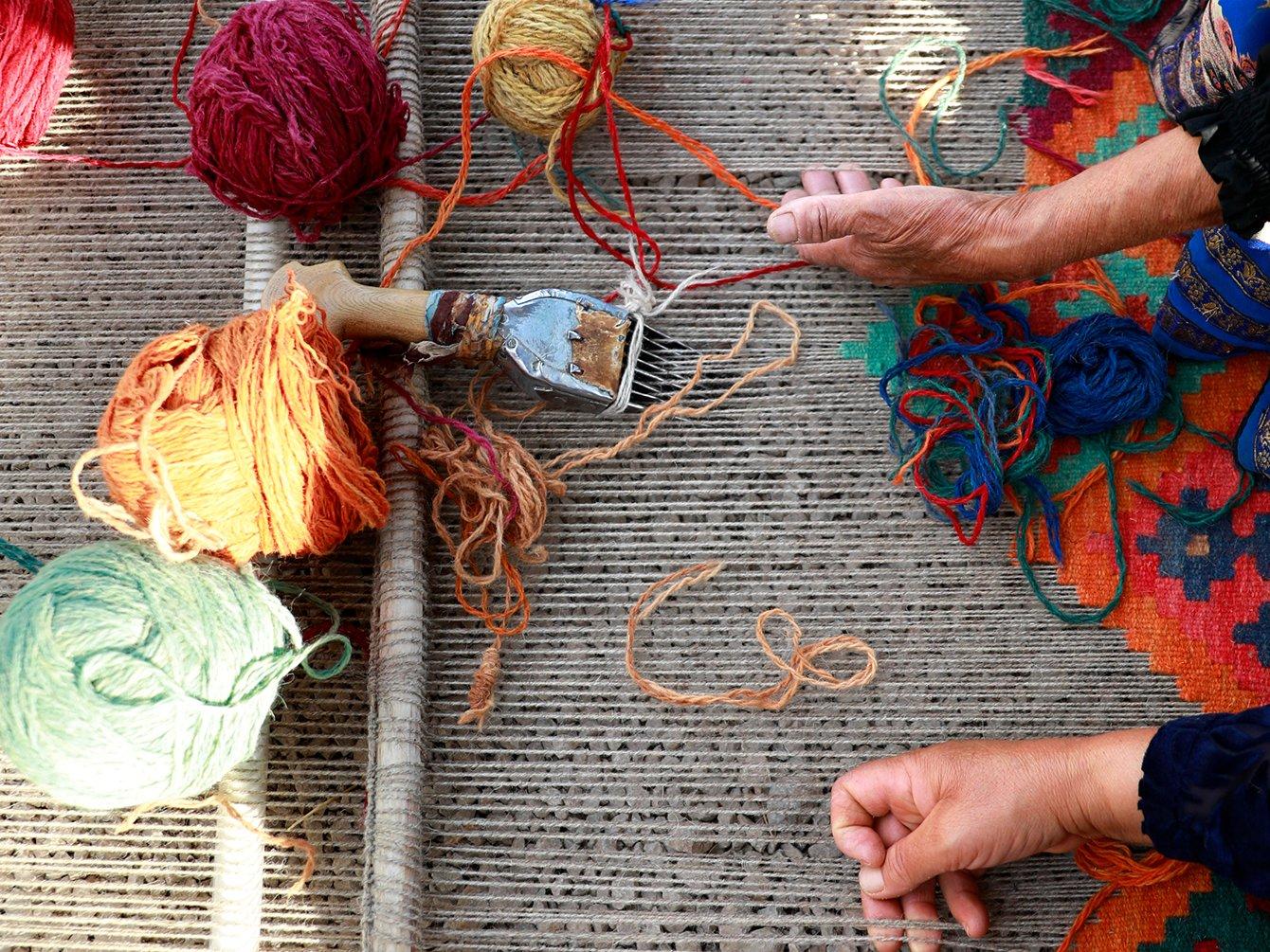
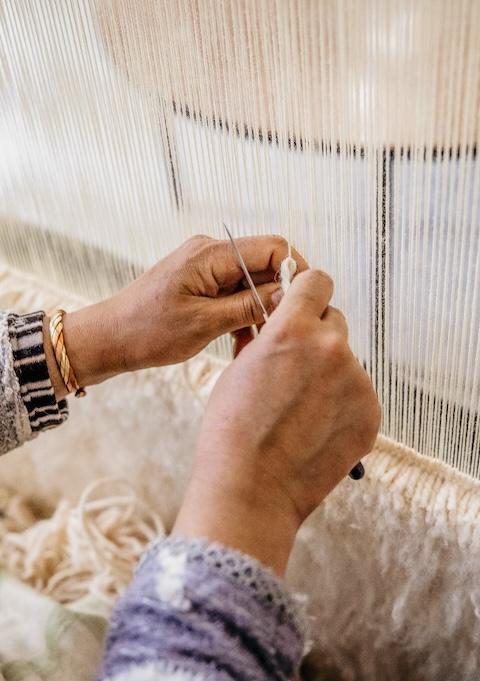
Owning a hand-knotted Bokhara is an investment in cultural heritage and skilled artistry. These rugs are highly valued by collectors and homeowners alike for their ability to bring a sense of history and human connection into a room. Because each piece is created by hand, it carries the unique signature of its maker, ensuring that you are acquiring a piece with genuine character that transcends fleeting design trends.