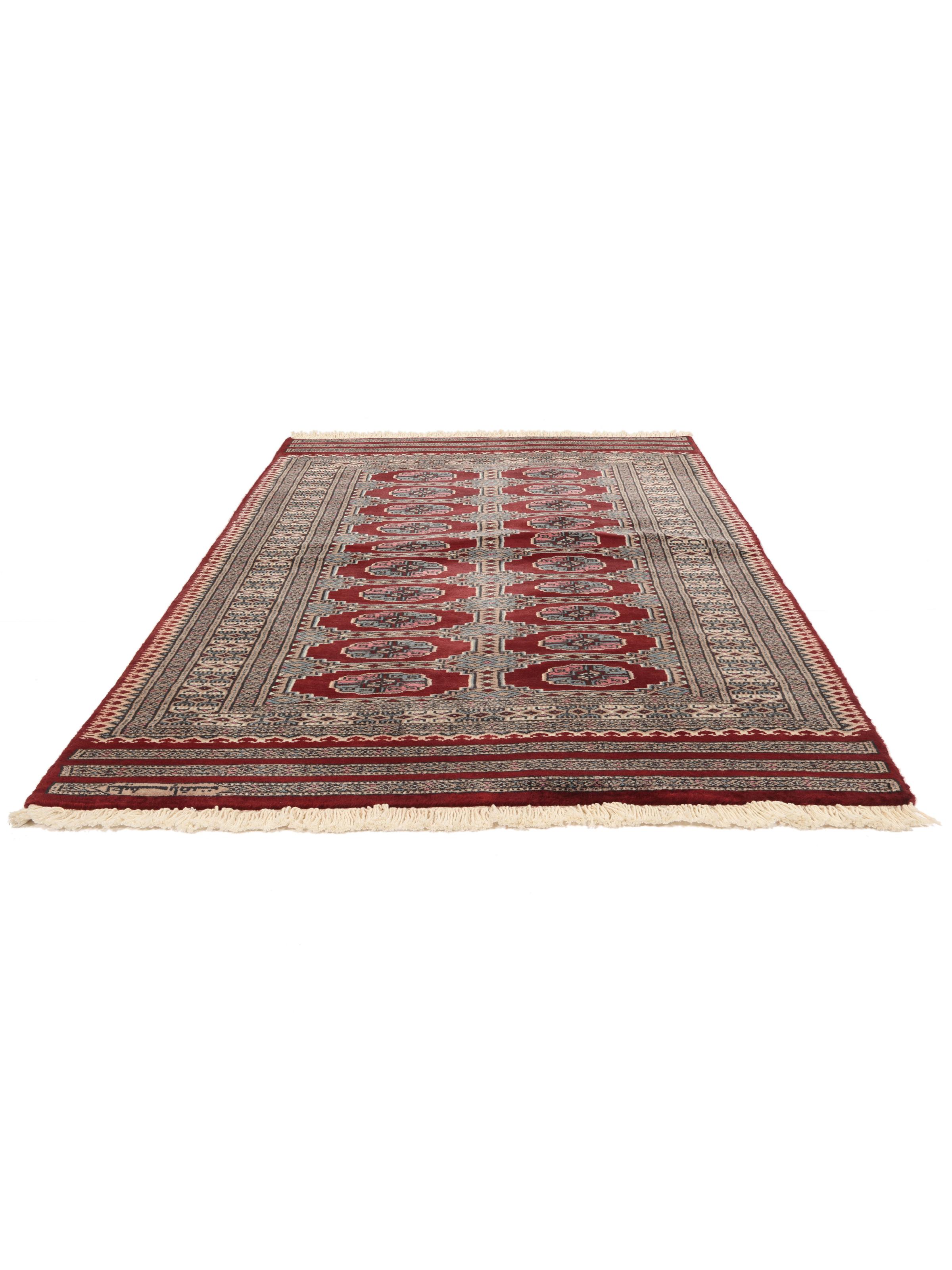
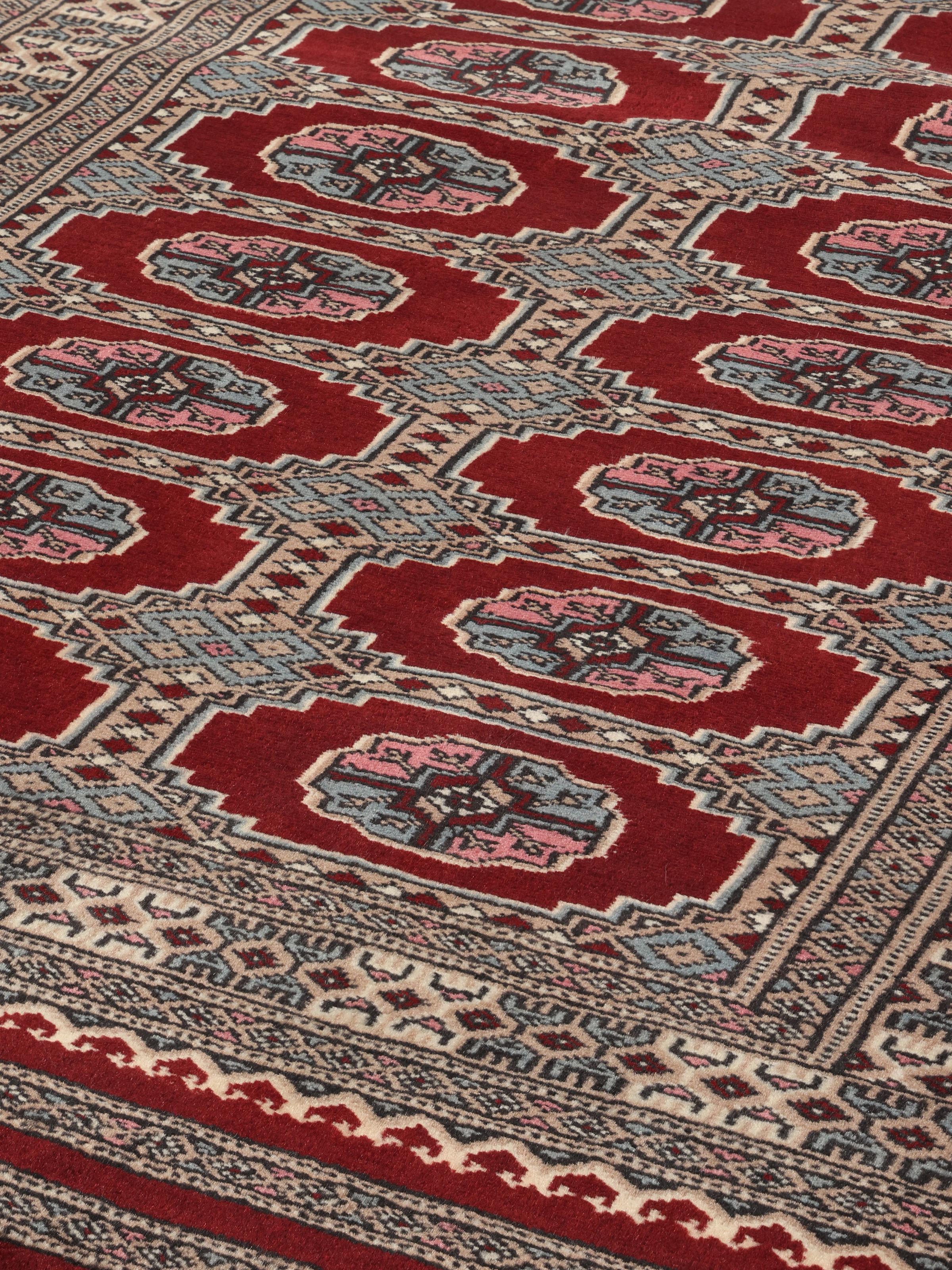
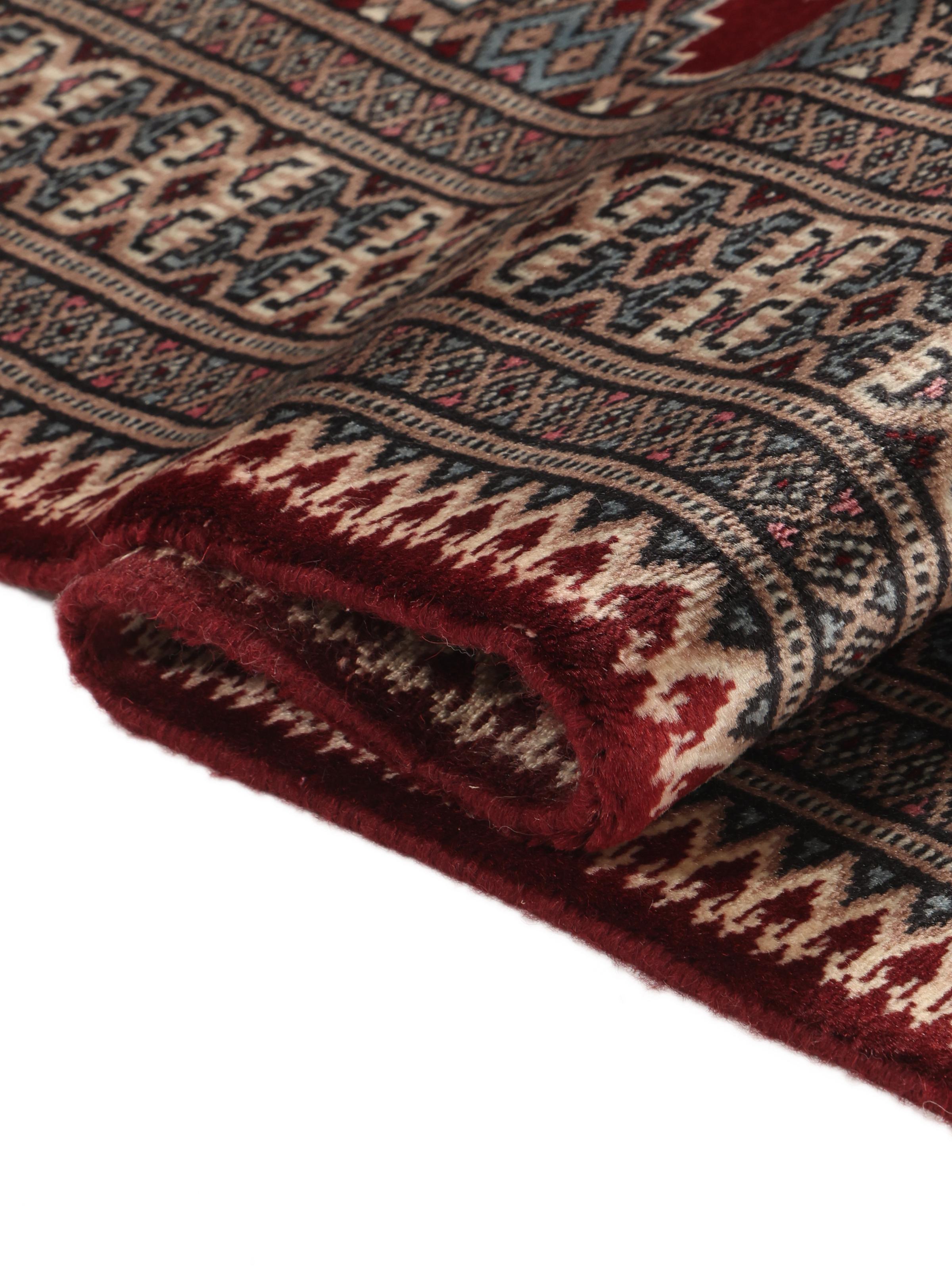
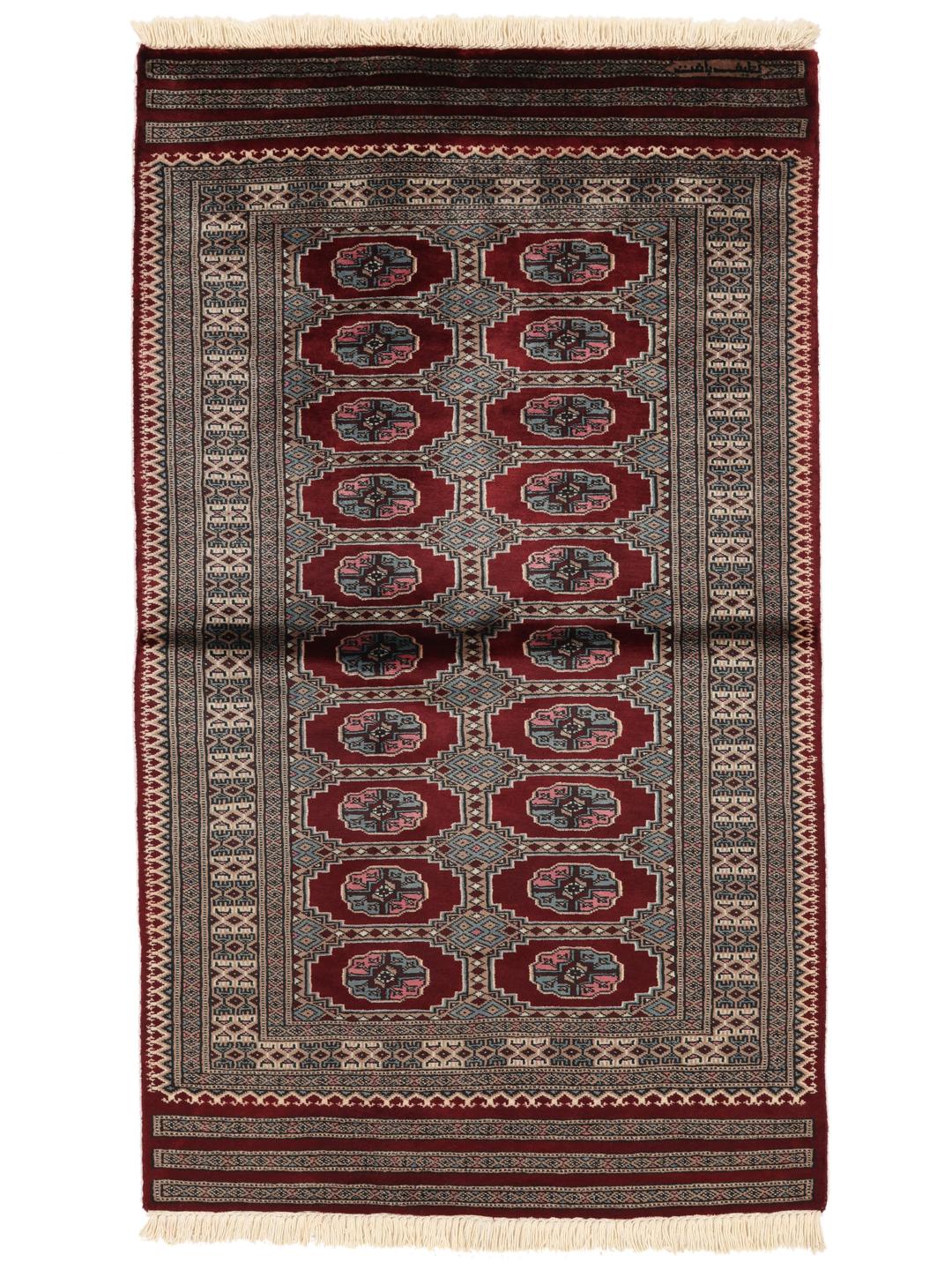
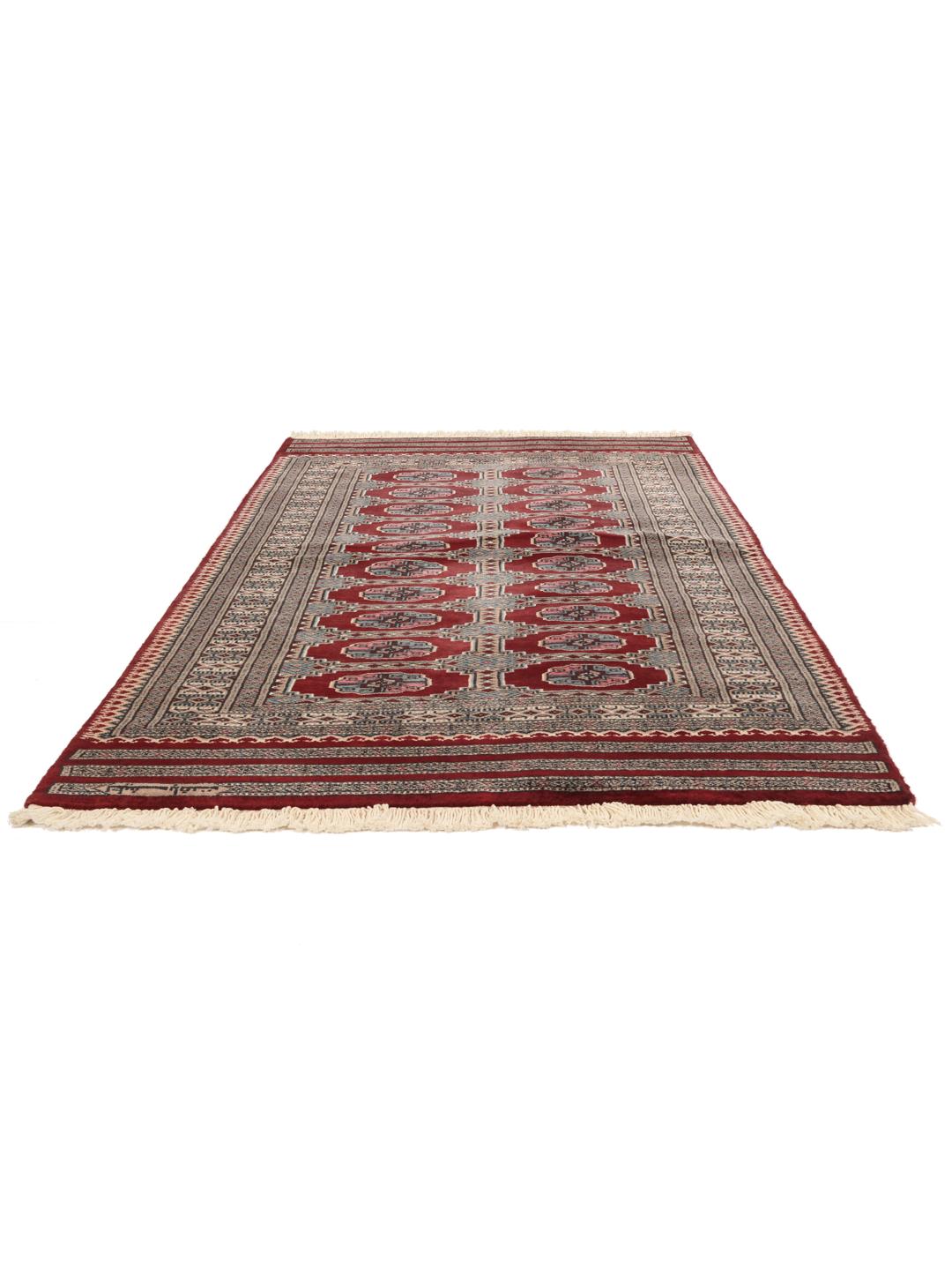
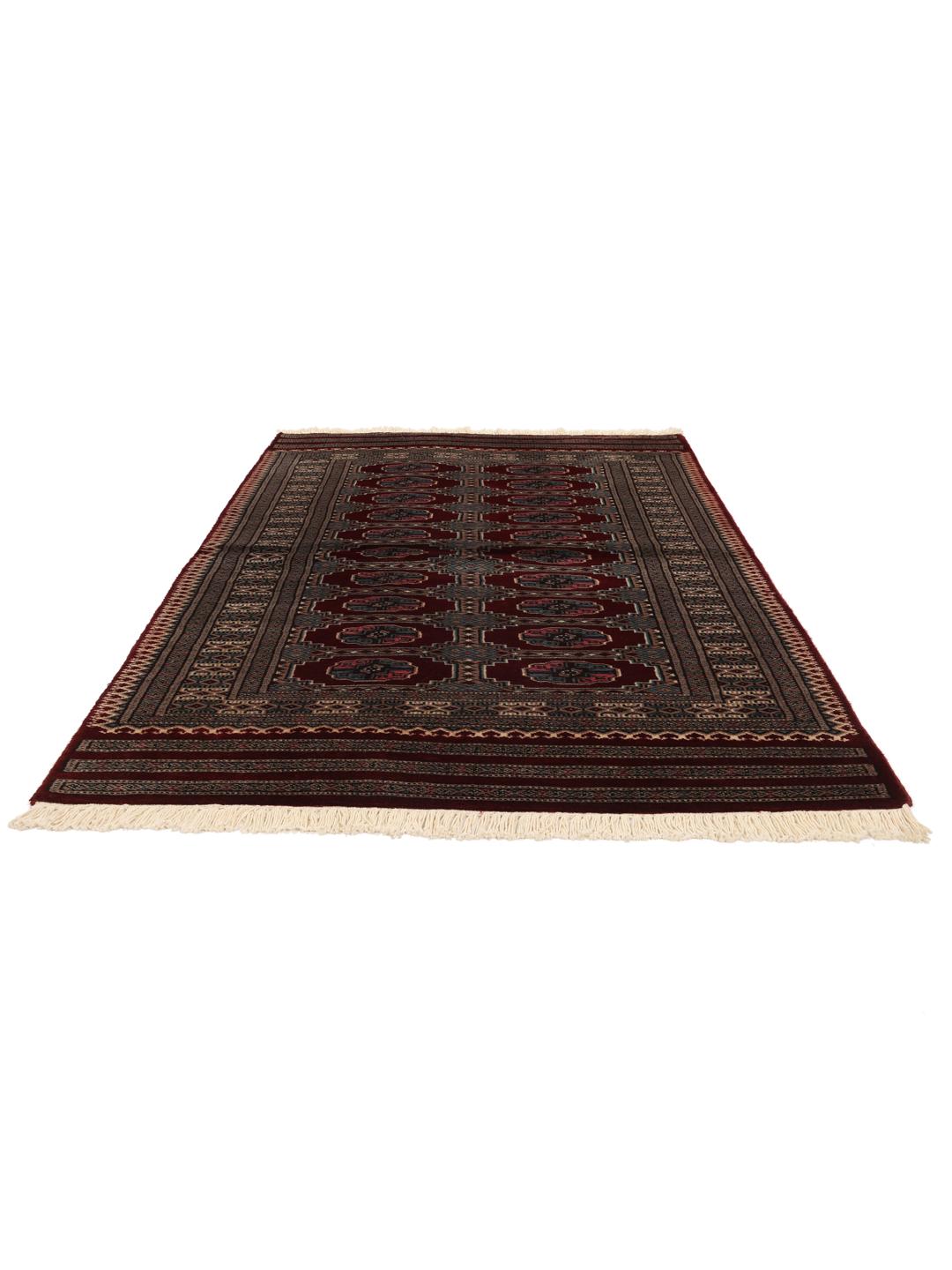
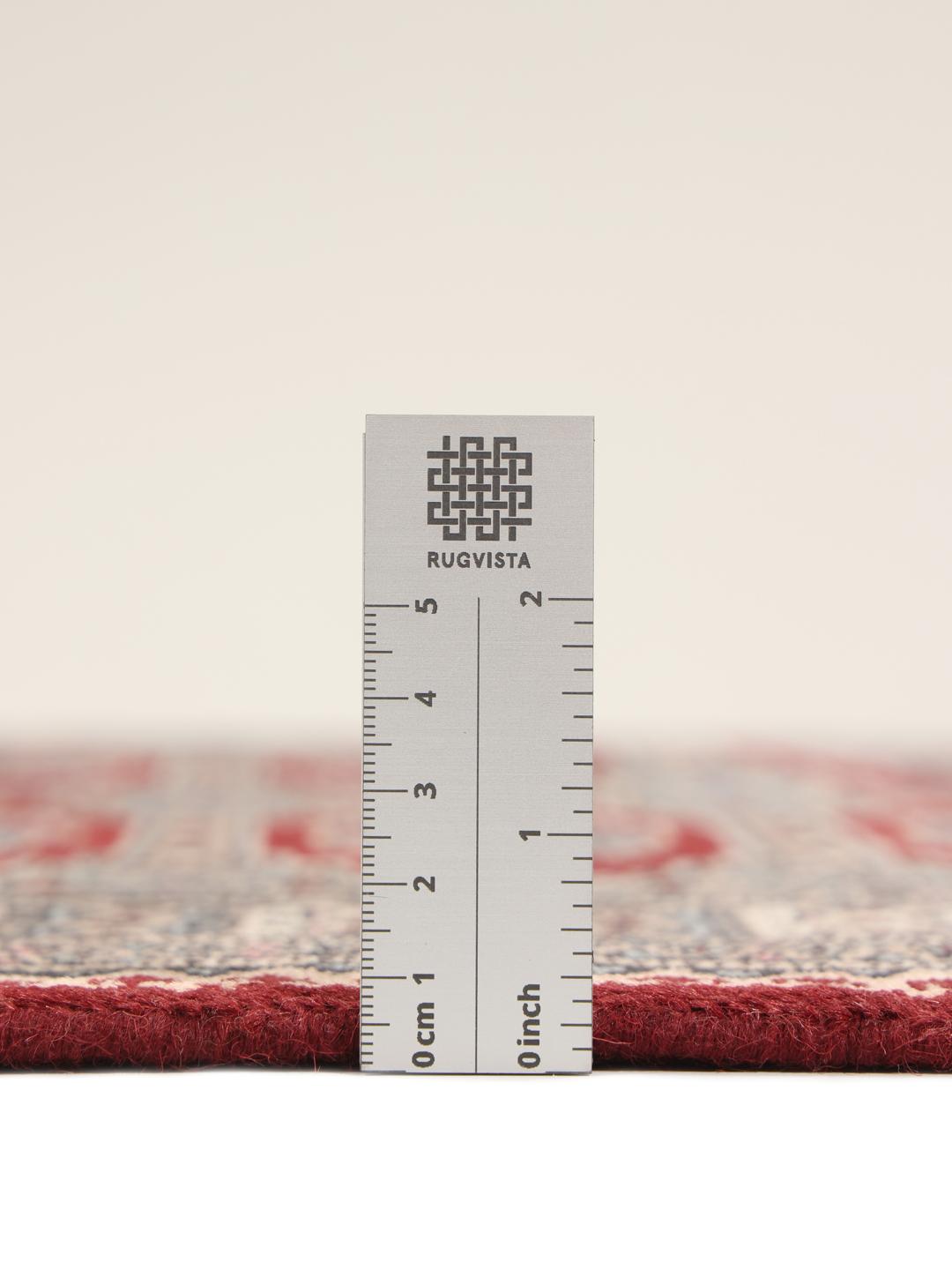
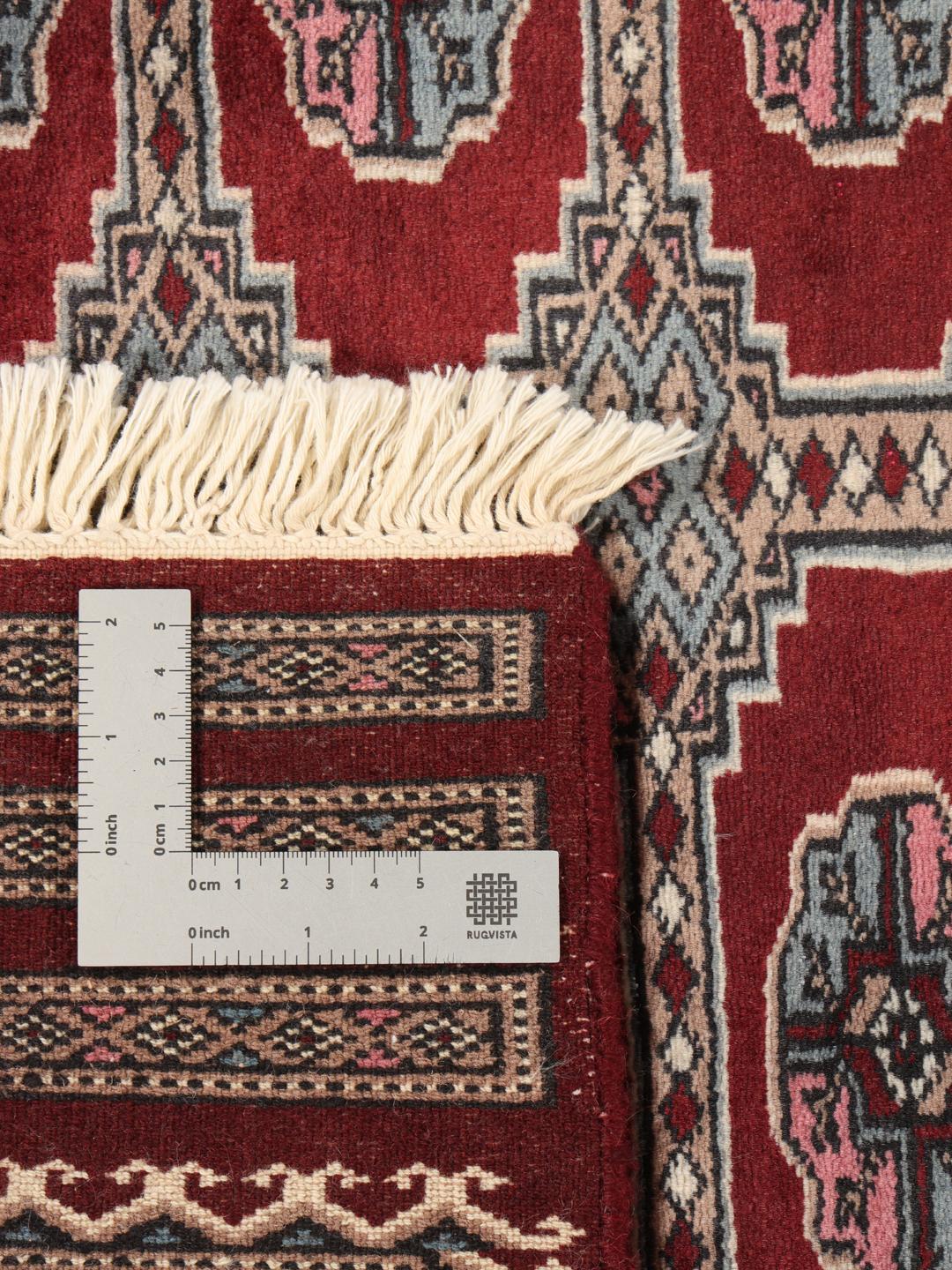
The Bokhara rug tradition is one of the most storied in the world of textiles, taking its name from the ancient Silk Road city of Bukhara. While its roots are deeply embedded in the nomadic cultures of Central Asia, the finest examples of these rugs have been produced in Pakistan for generations, where artisans have perfected the art of blending historical motifs with exceptional material quality.
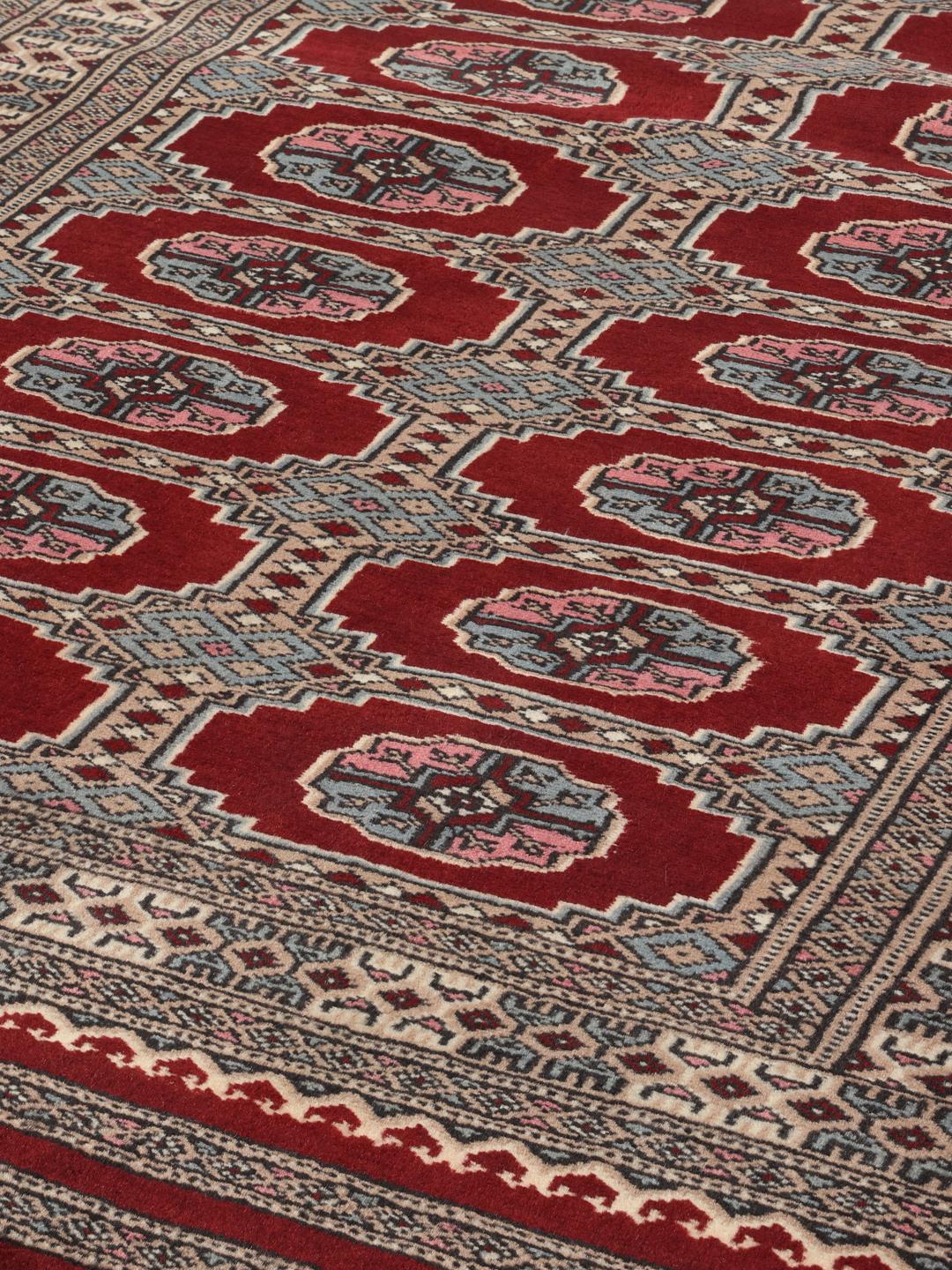
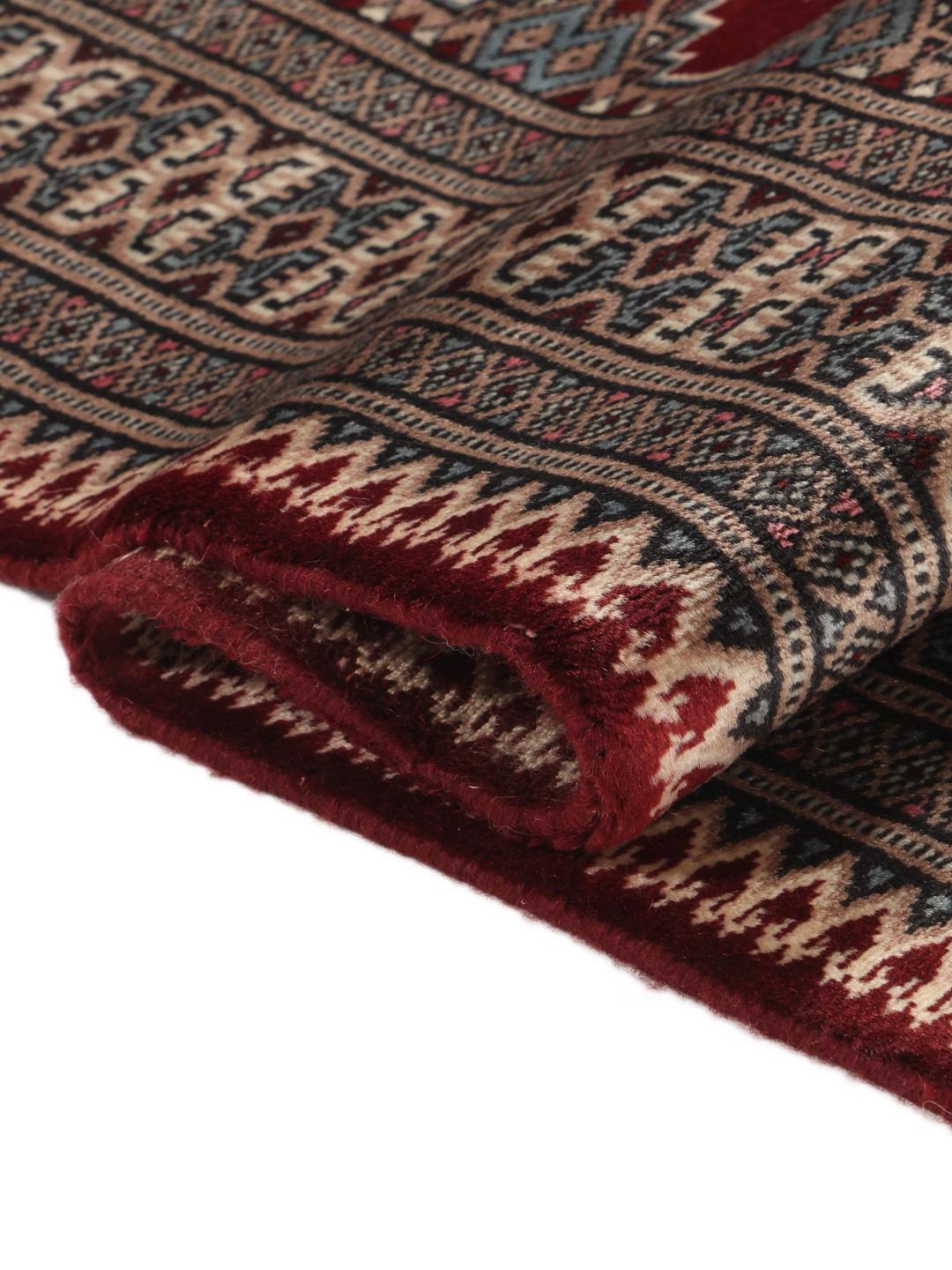
The term 3ply refers to the construction of the pile, where three strands of wool are twisted together before being knotted. This specific technique is highly valued because it creates a fuller, more substantial, and more lustrous pile than standard methods, providing a luxurious depth and increased longevity to the finished rug.
Visually, these rugs are defined by their iconic gul motifs, which are repeating, octagonal medallions often said to represent elephant tracks. These motifs are typically arranged in clean, structured rows and enclosed by complex, decorative borders that showcase the weaver's mastery of symmetry and balance.
Owning a hand-knotted Pakistan Bokhara is an investment in cultural heritage. These rugs are prized by collectors not just for their aesthetic beauty, but for the human effort and centuries-old expertise required to create them. They represent a bridge between the past and the present, bringing a sense of grounded, enduring quality to a modern home.