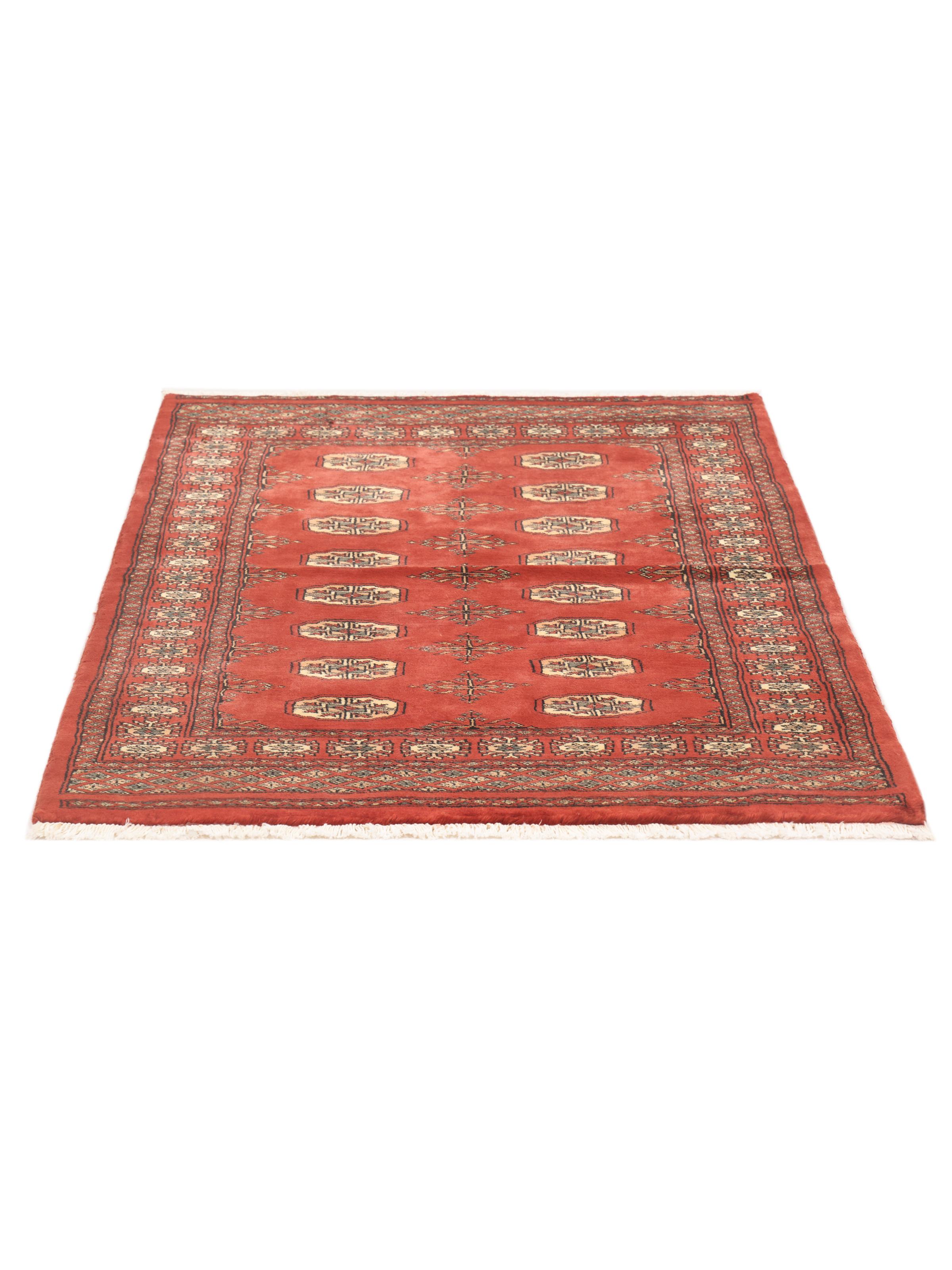
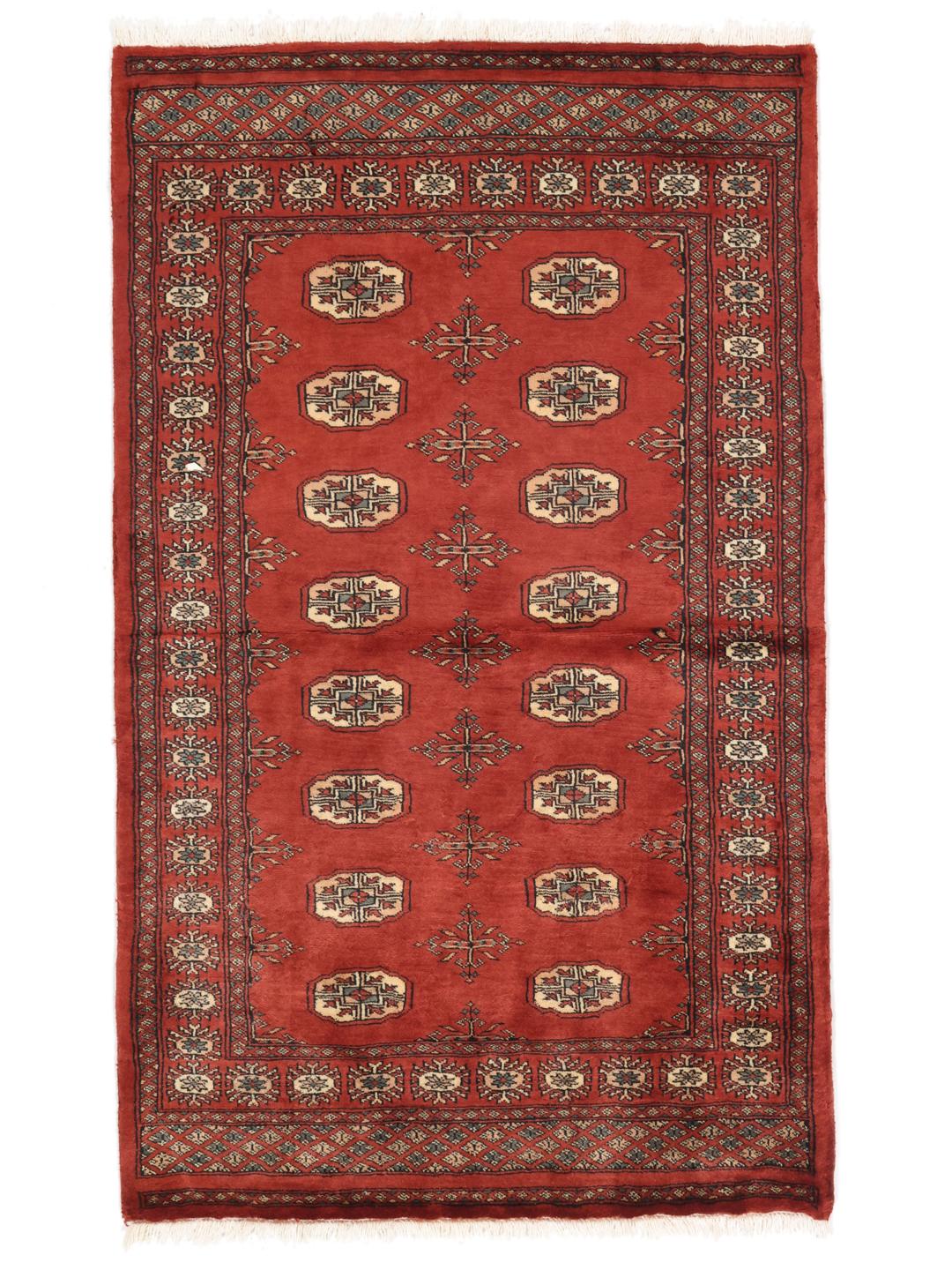
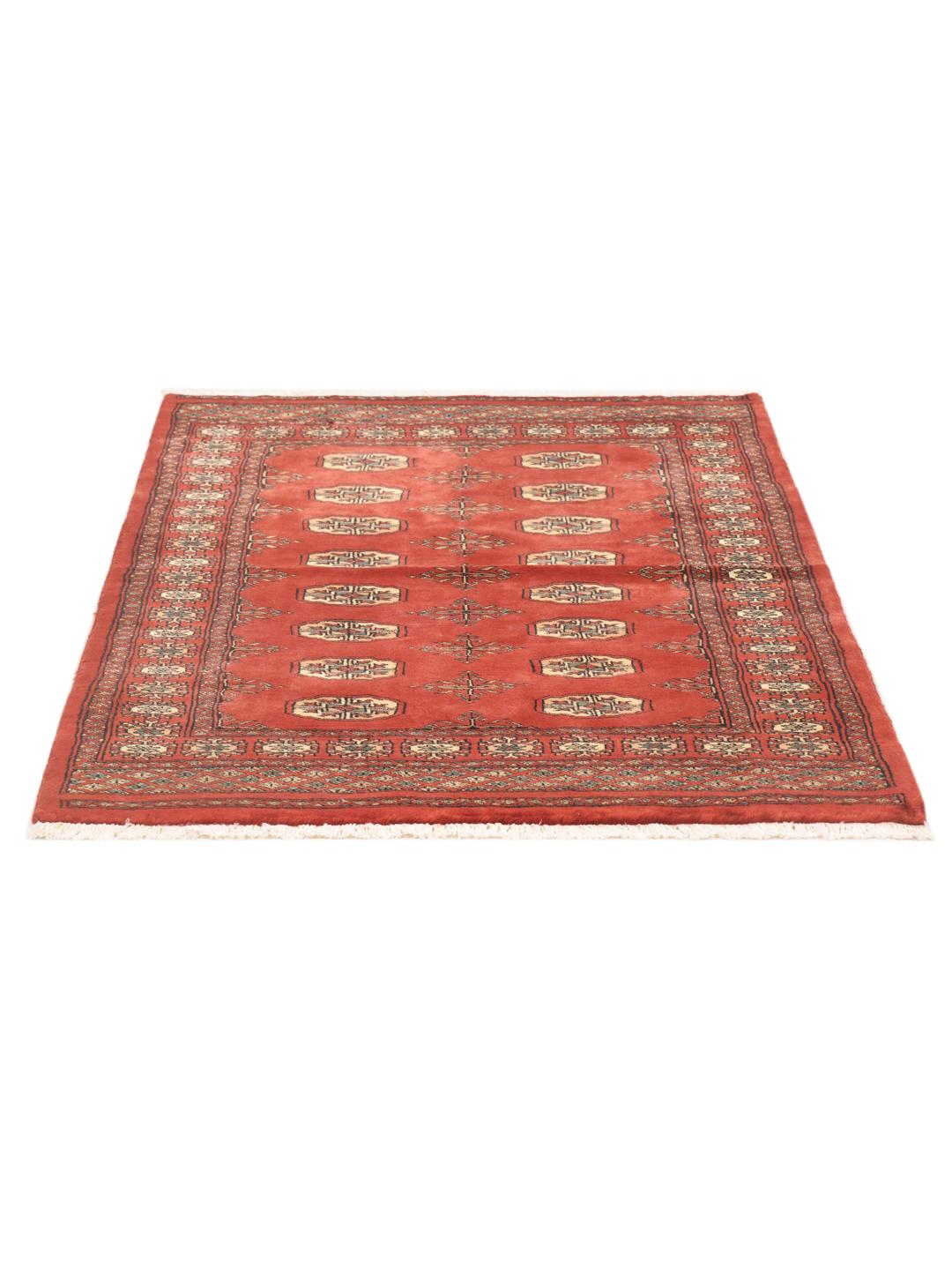
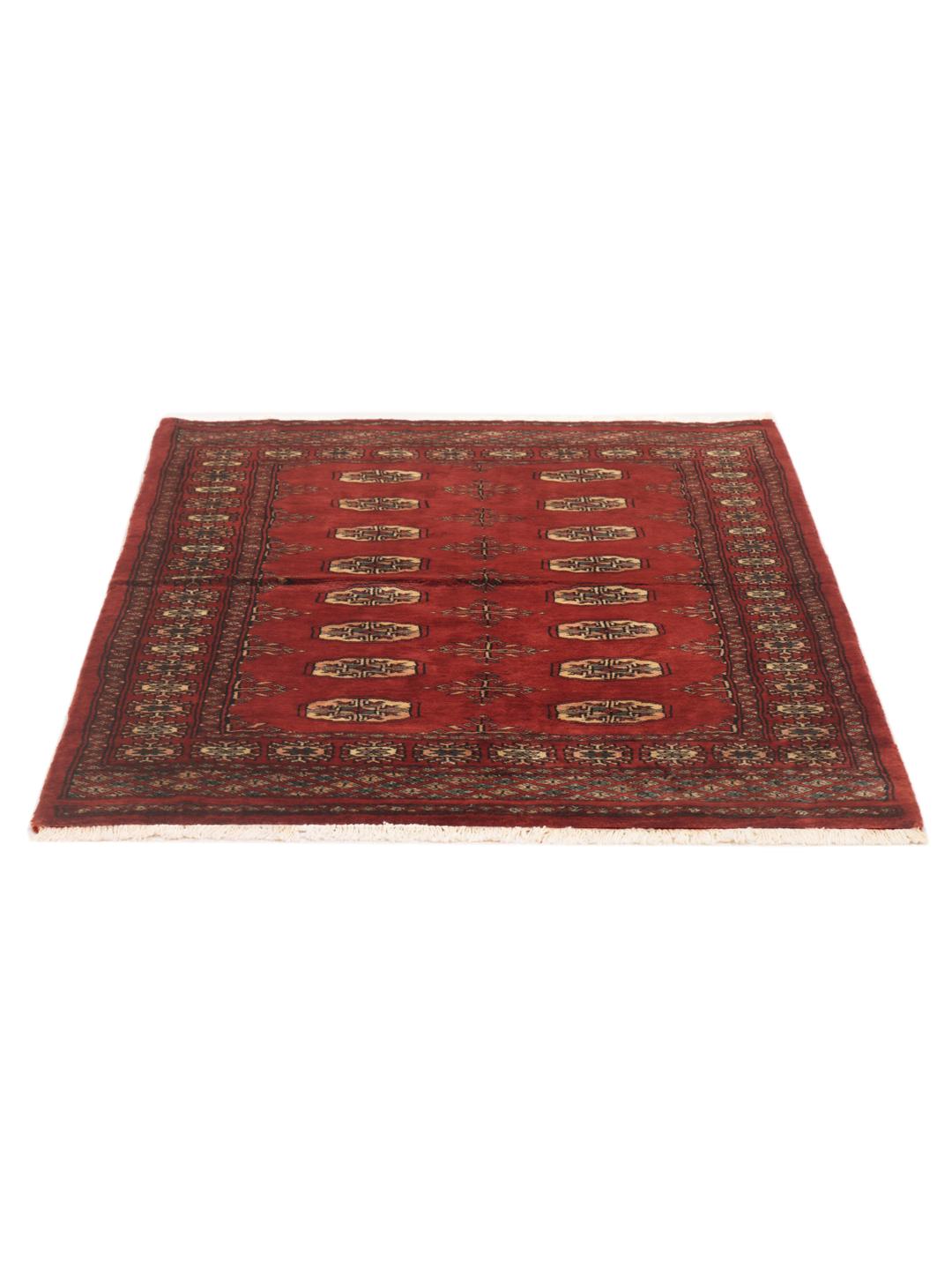
The story of the Bokhara rug is a fascinating journey along the ancient Silk Road. While the name originates from the historic city of Bukhara in modern-day Uzbekistan, the production of these iconic rugs migrated over generations to Pakistan. Today, Pakistan is renowned for maintaining and refining these traditional weaving techniques, producing some of the most sought-after examples of this style.
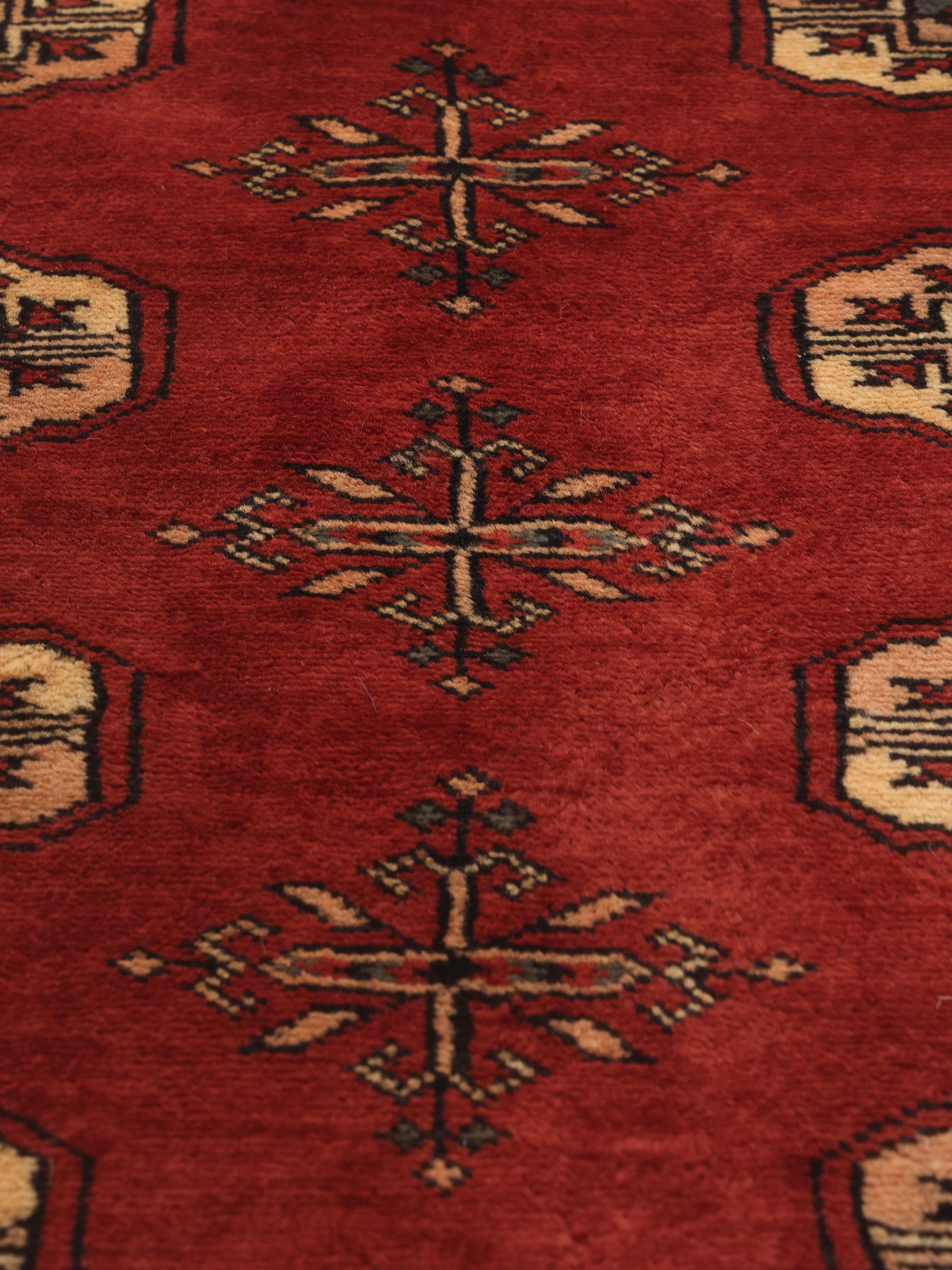
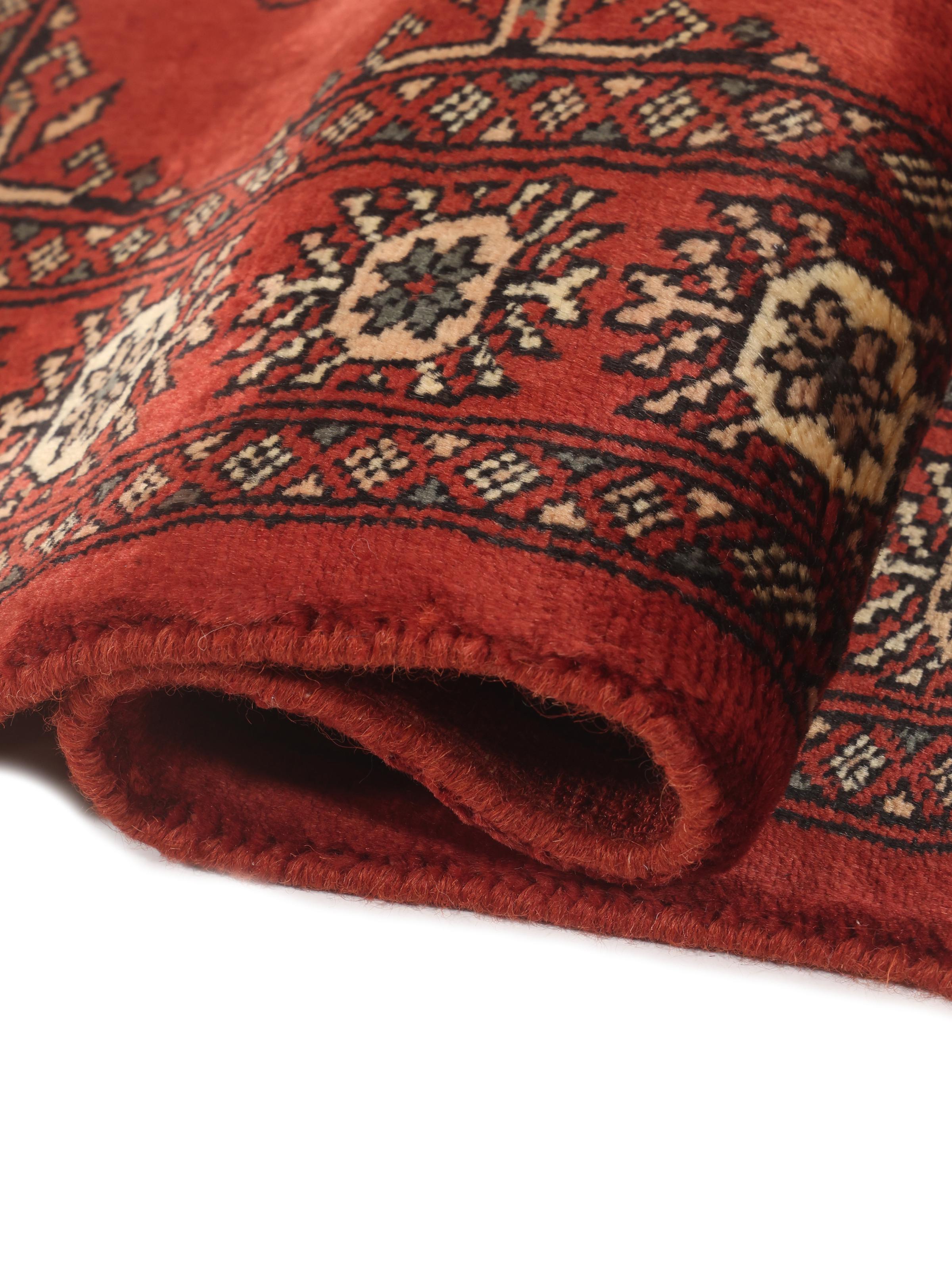
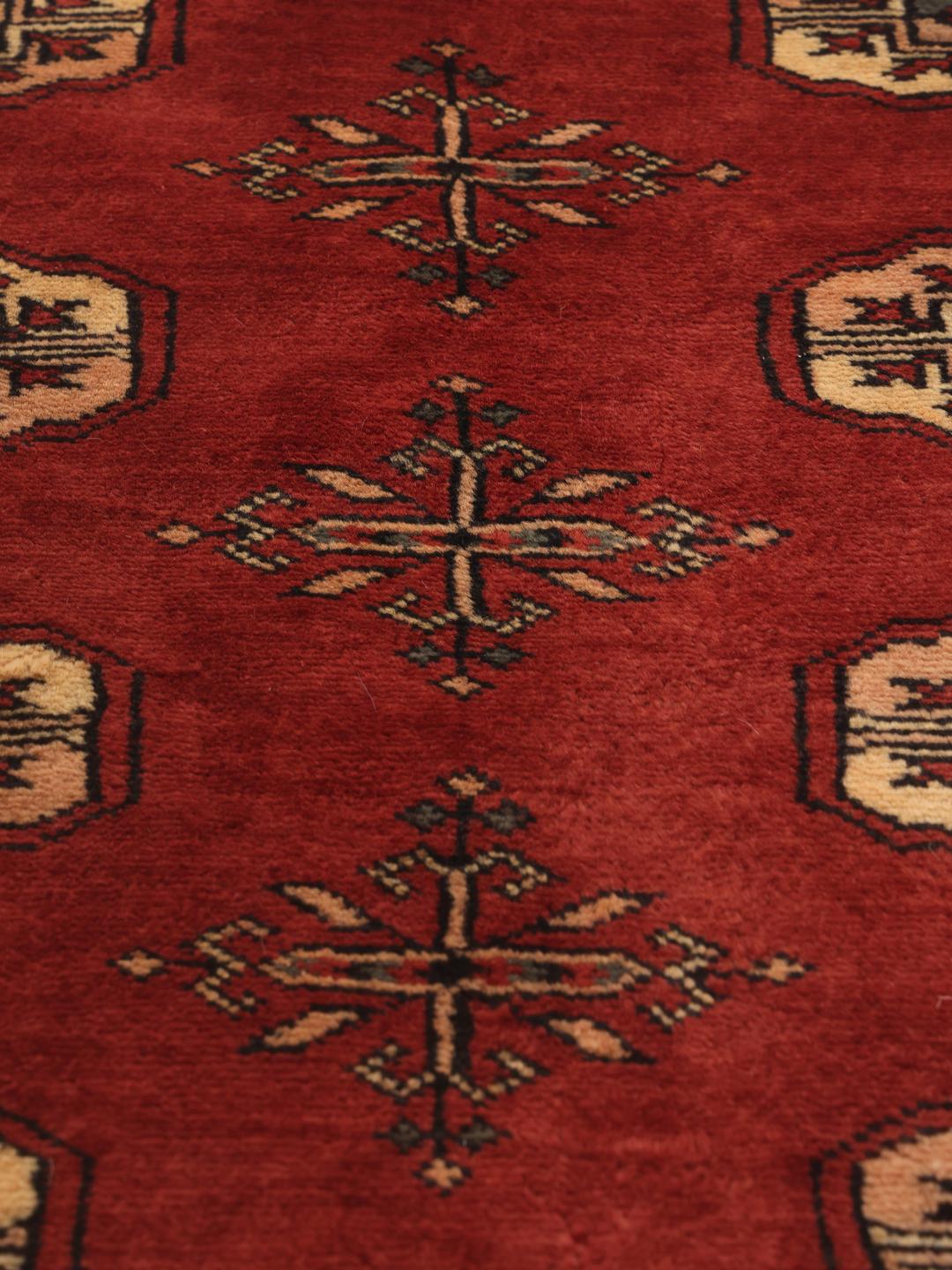
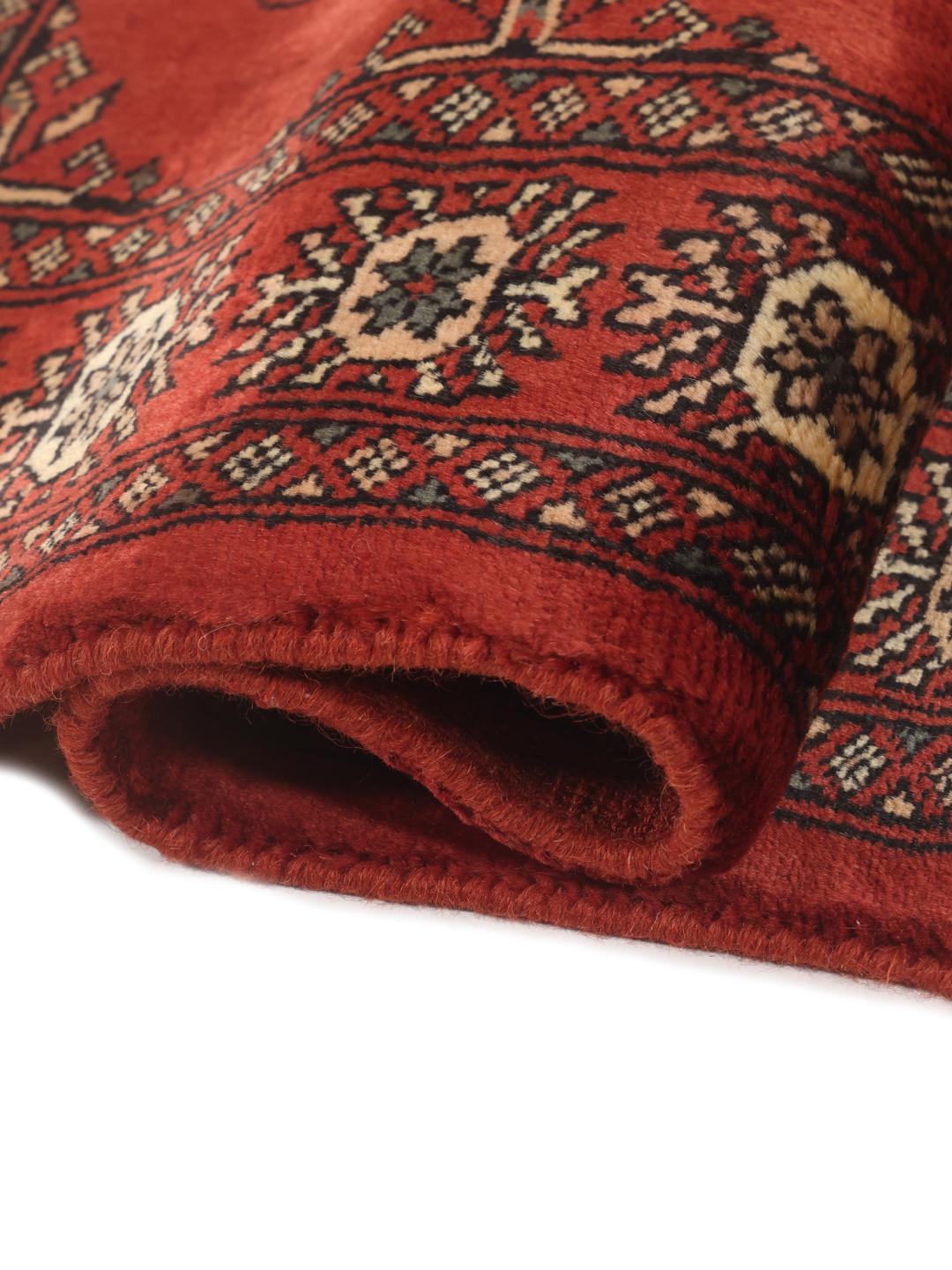
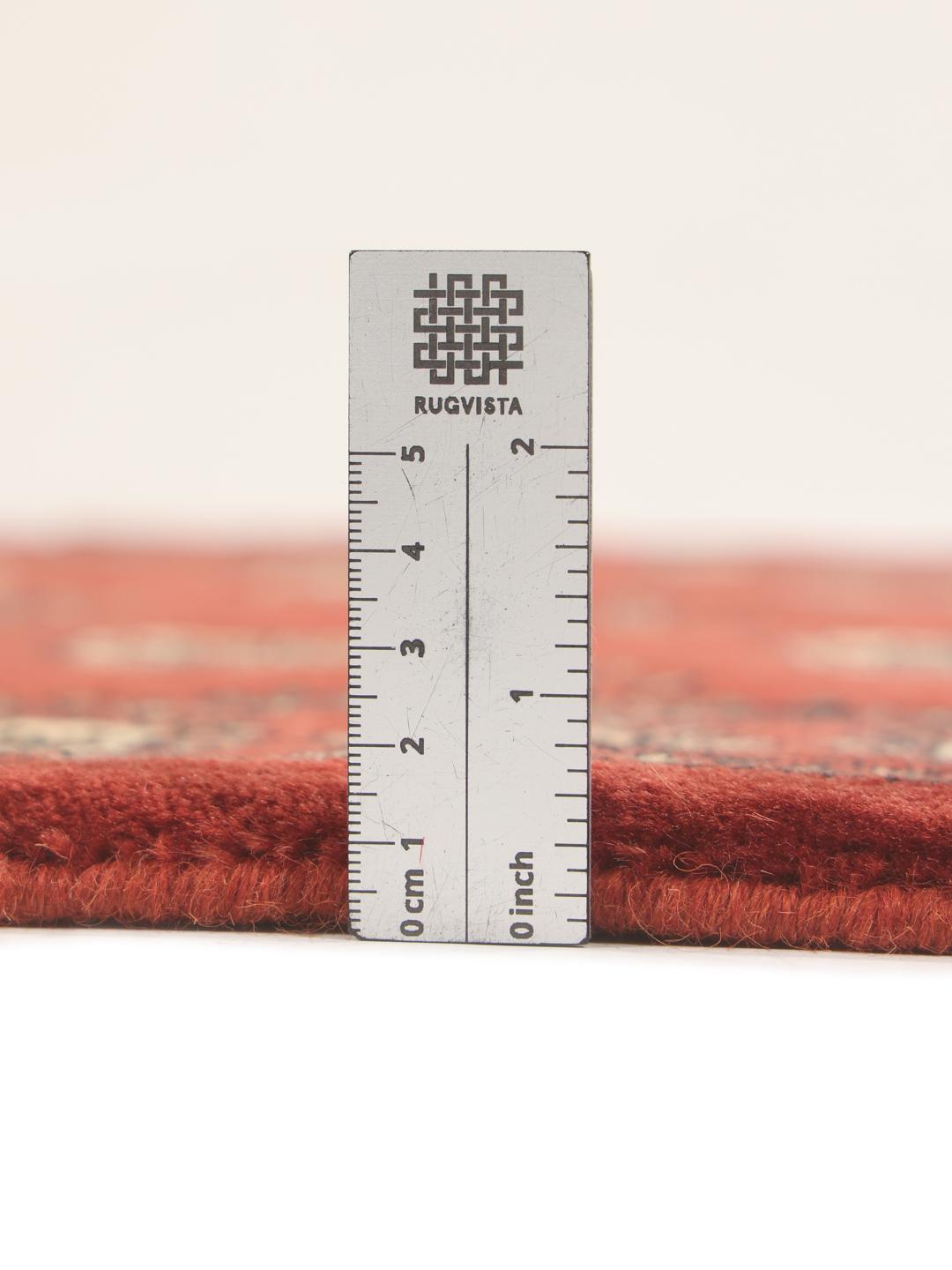
The term 3ply refers to the specific way the wool is prepared before weaving. By twisting three strands of wool together, the pile becomes noticeably thicker, more lustrous, and exceptionally durable. This technique not only enhances the physical longevity of the rug but also creates a deeper, more luxurious texture that catches the light beautifully.
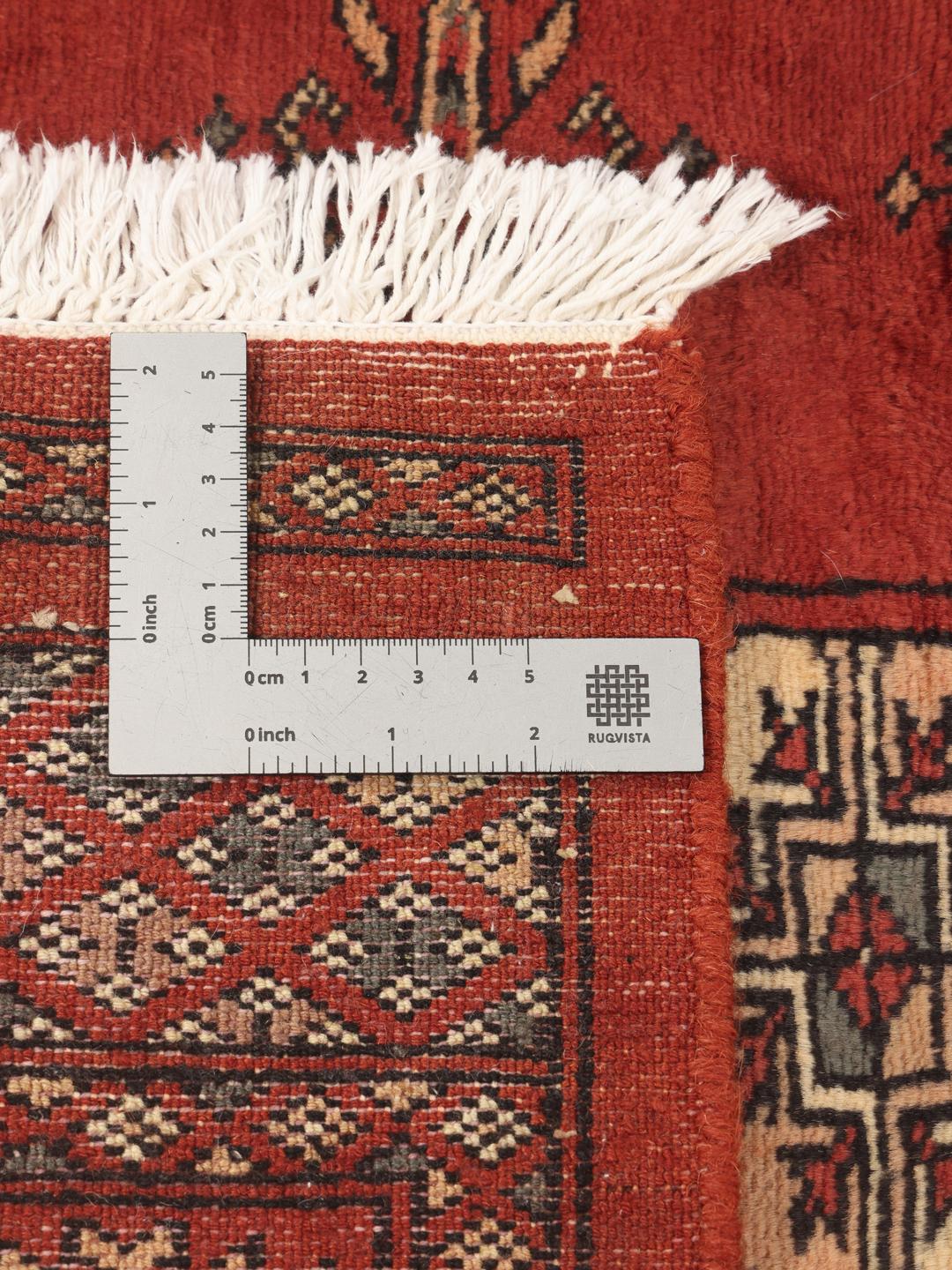
Visually, these rugs are defined by their repetitive, calming motifs. The field is typically adorned with rows of guls, which are stylised, octagonal elephant-foot medallions that represent a long-standing cultural design language. These are often framed by ornate, geometric borders that provide a sense of order and balance to the overall composition.
Owning a hand-knotted piece from this tradition is about more than just decor; it is about celebrating a heritage of skill. Collectors value these rugs for their ability to blend historical design with a level of craftsmanship that remains unchanged by time. By choosing this rug, you are preserving a legacy of artistry and bringing a piece of cultural history into your daily life.