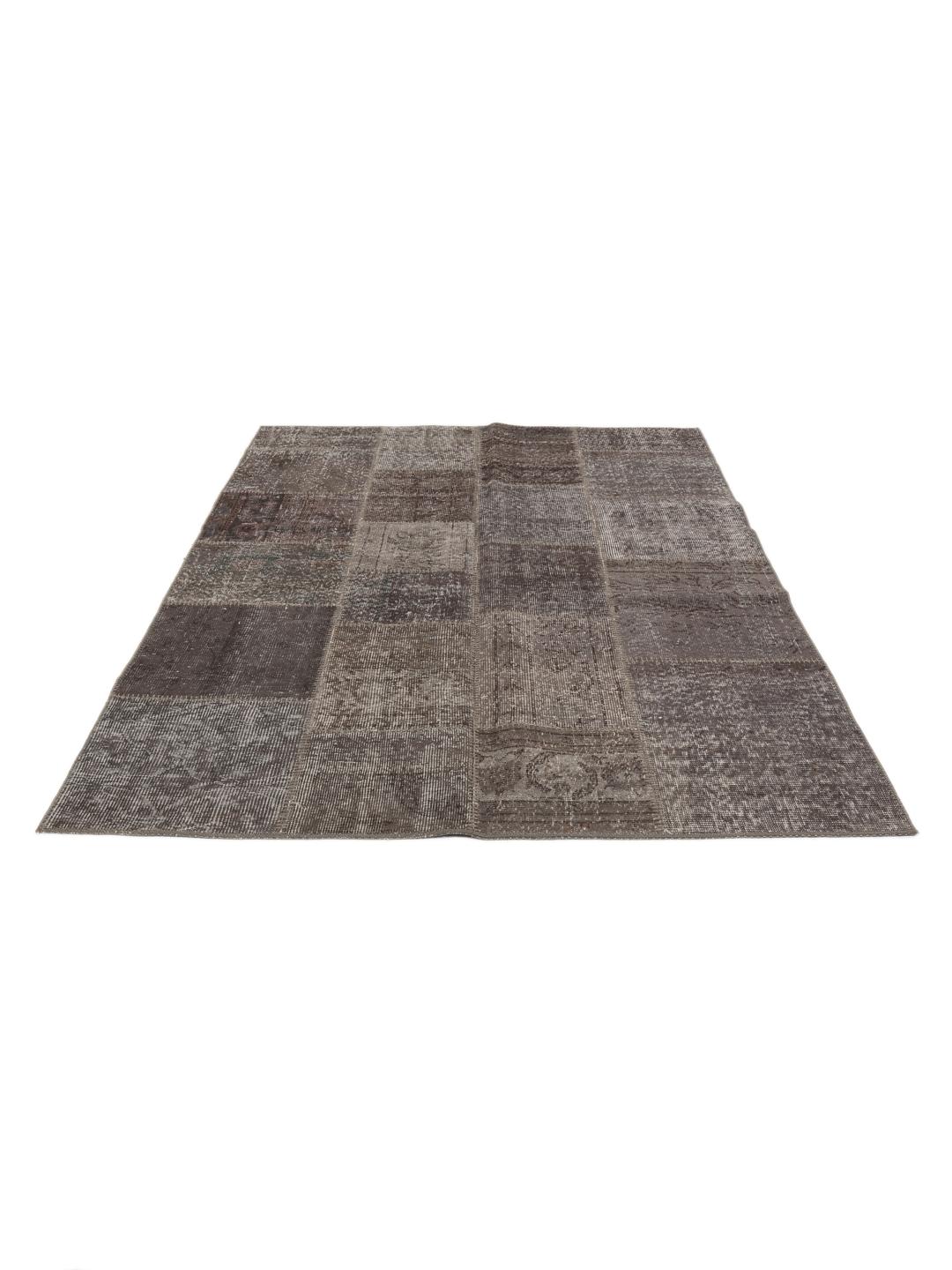
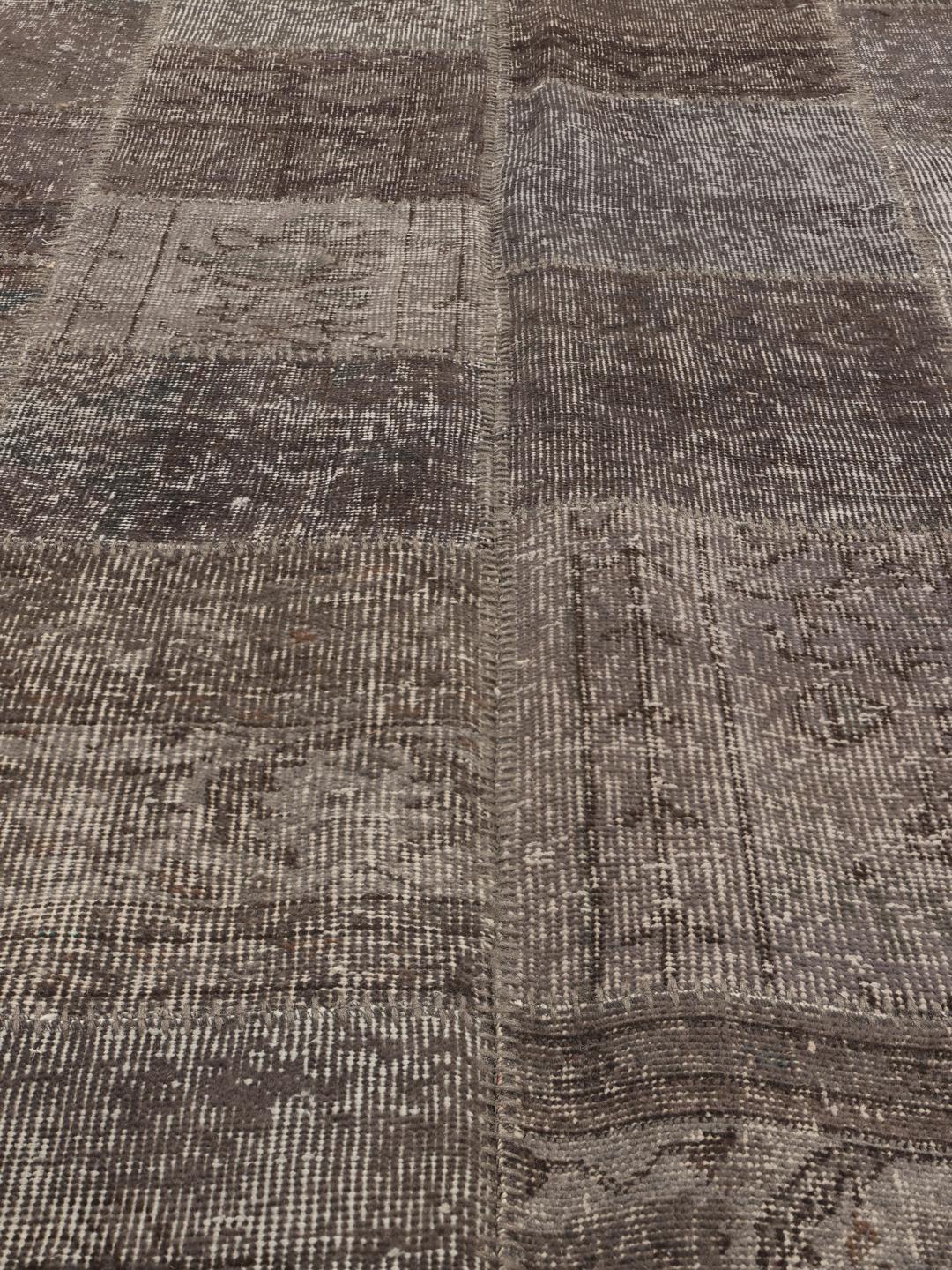
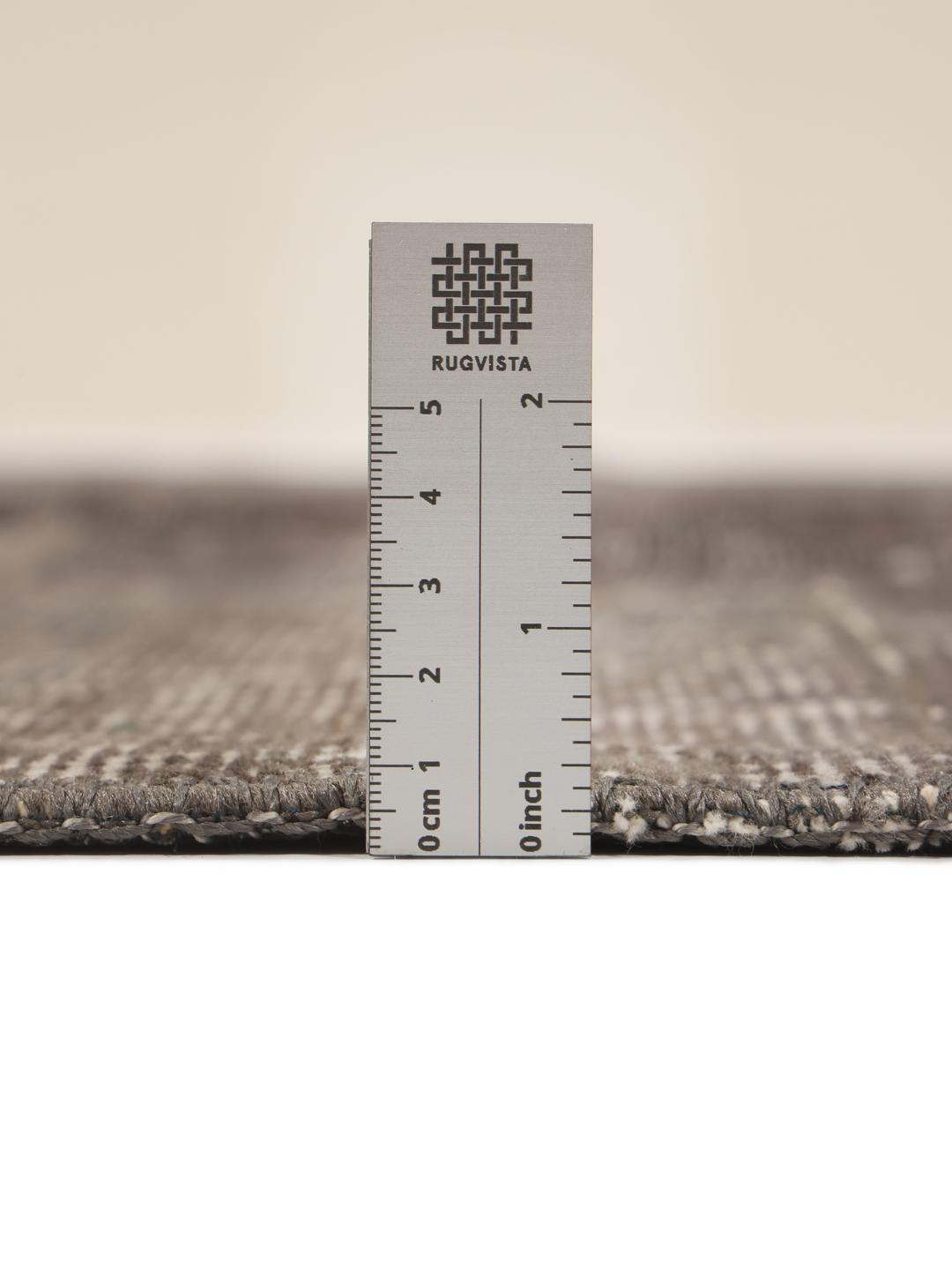
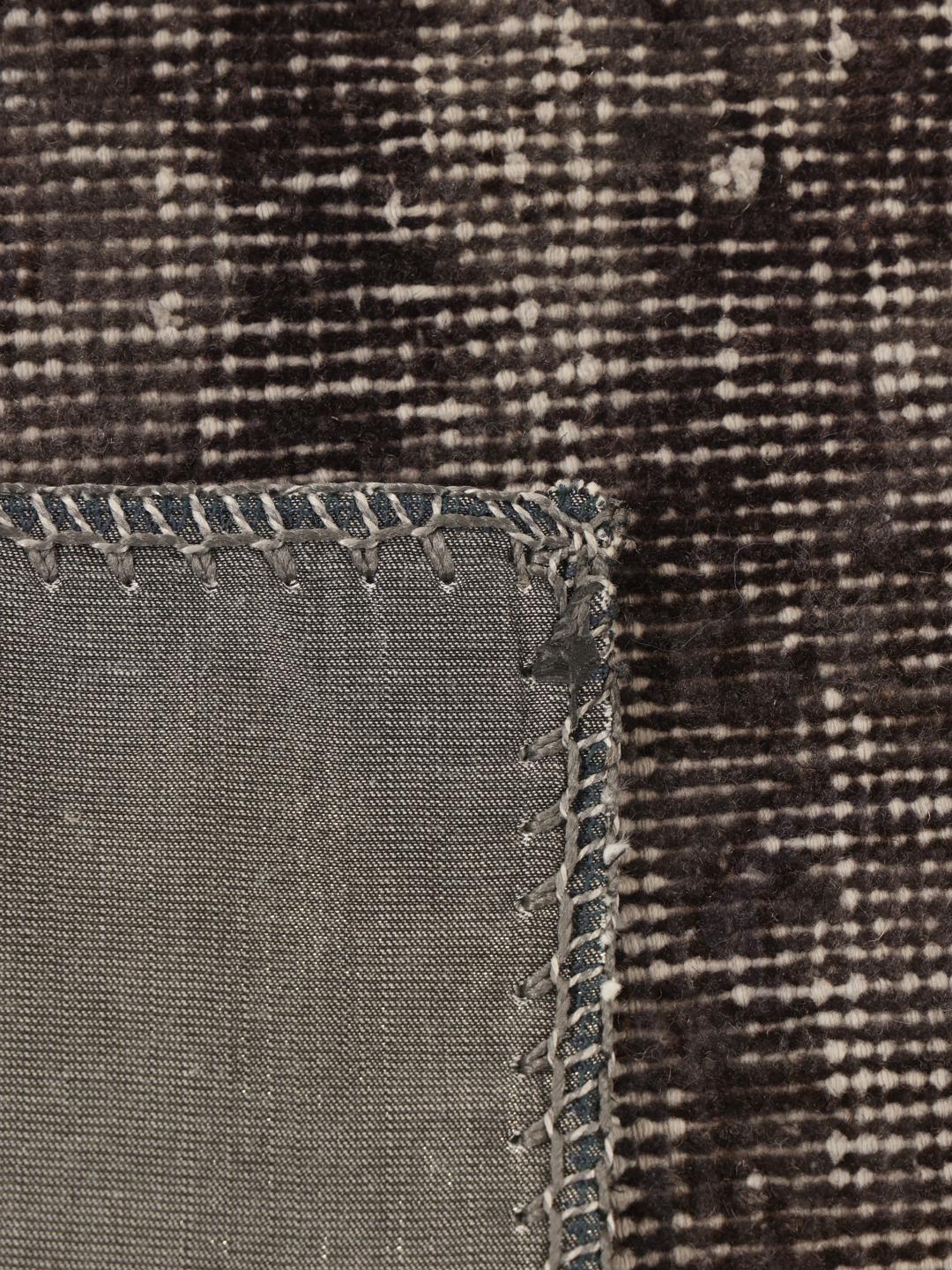
Patchwork rugs have emerged as a brilliant way to honour the tradition of Middle Eastern textile weaving while adapting to modern sensibilities. This practice involves salvaging sections of older, hand-knotted rugs that may have suffered wear in specific areas, effectively giving them a second life. By re-imagining these fragments, the craft preserves the artistic heritage of the region while creating something entirely new.
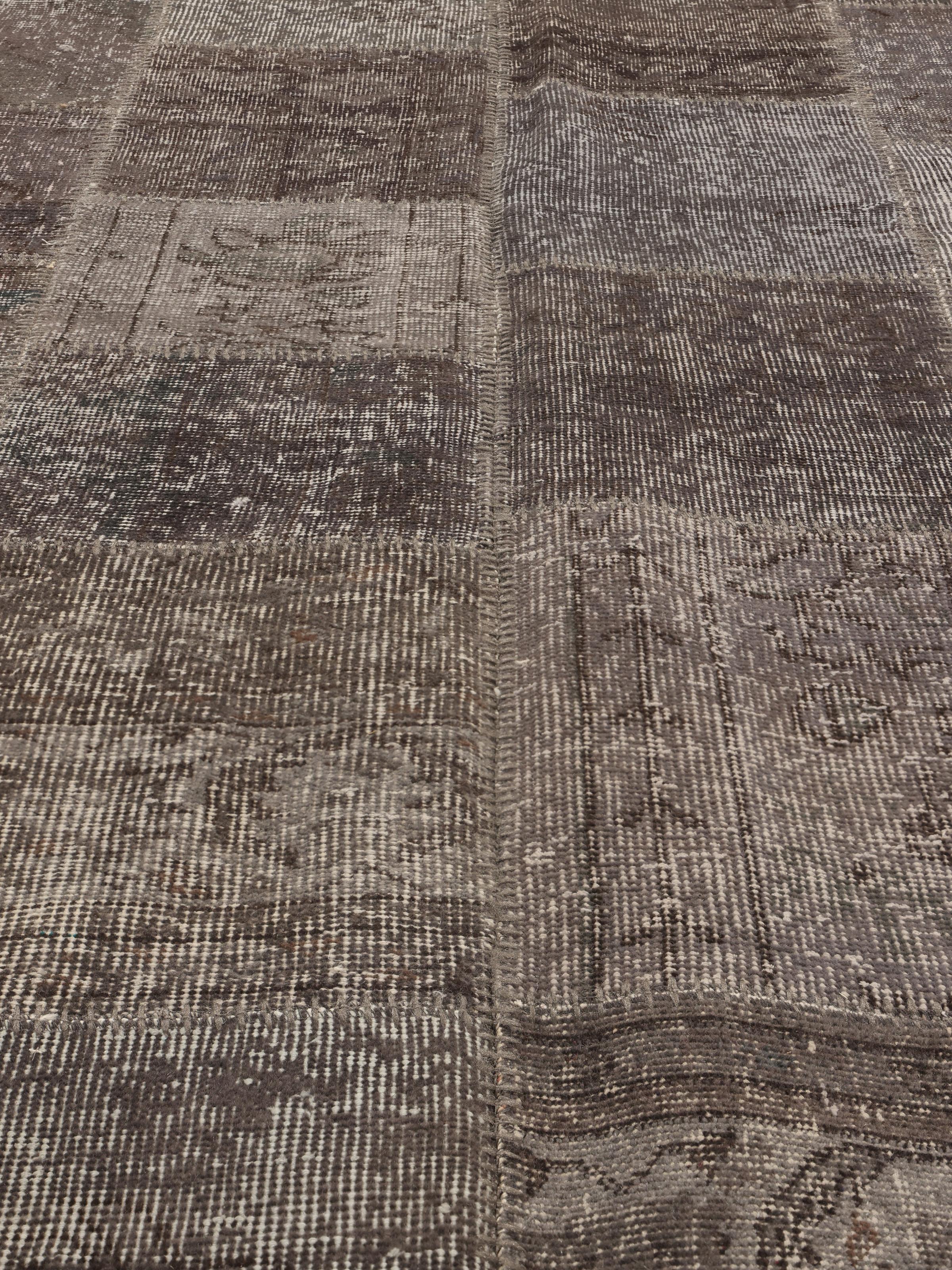
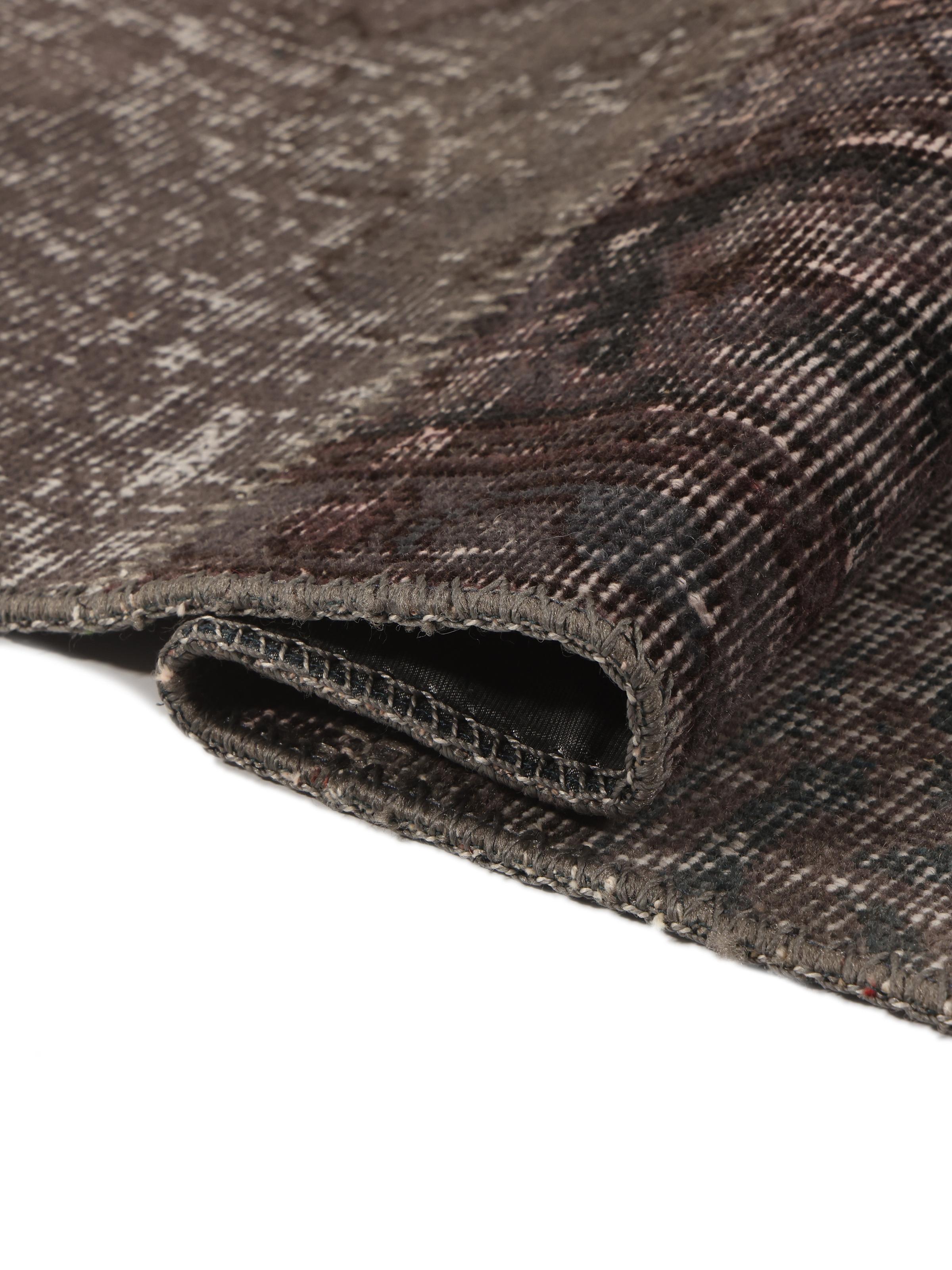
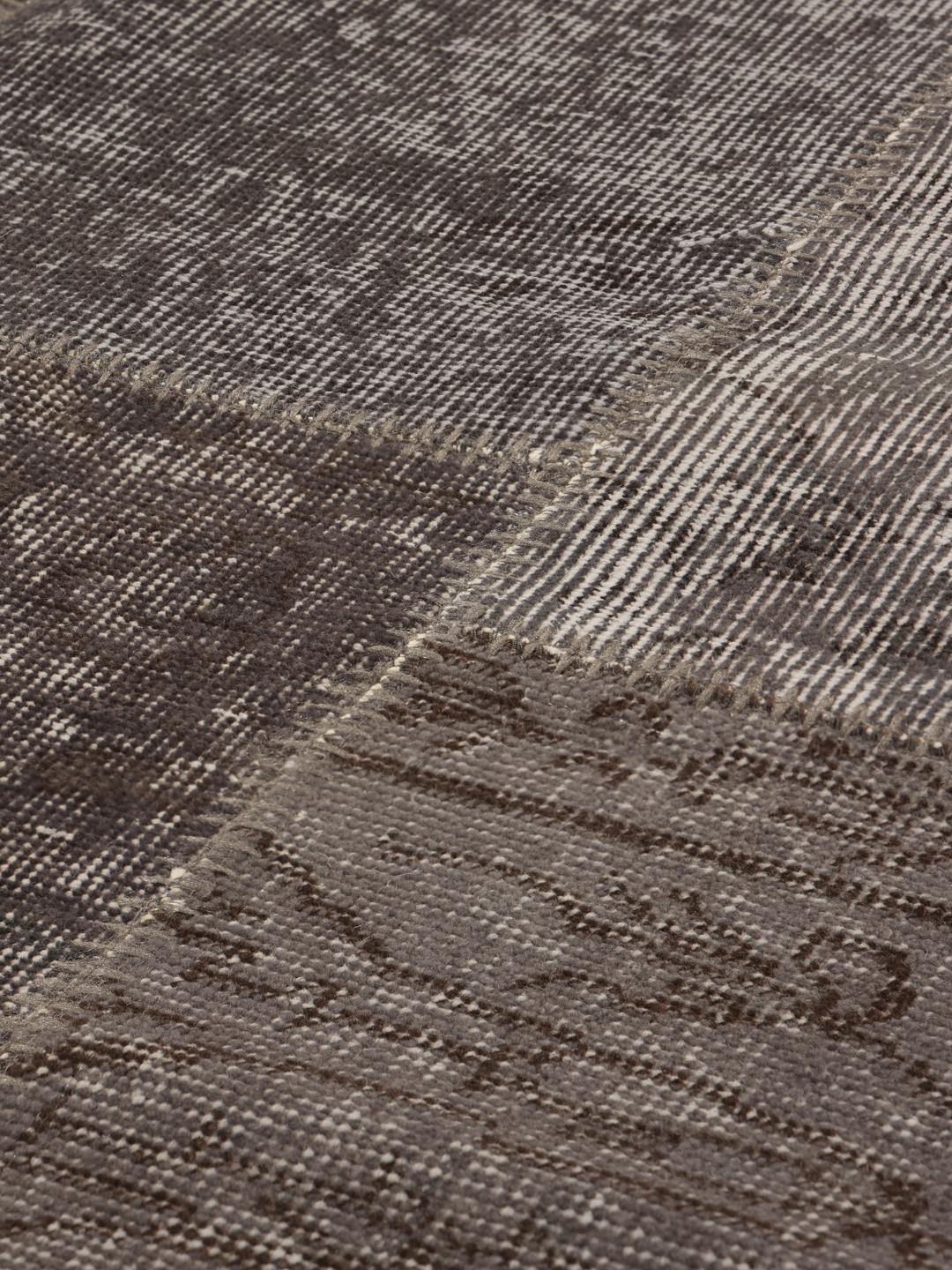
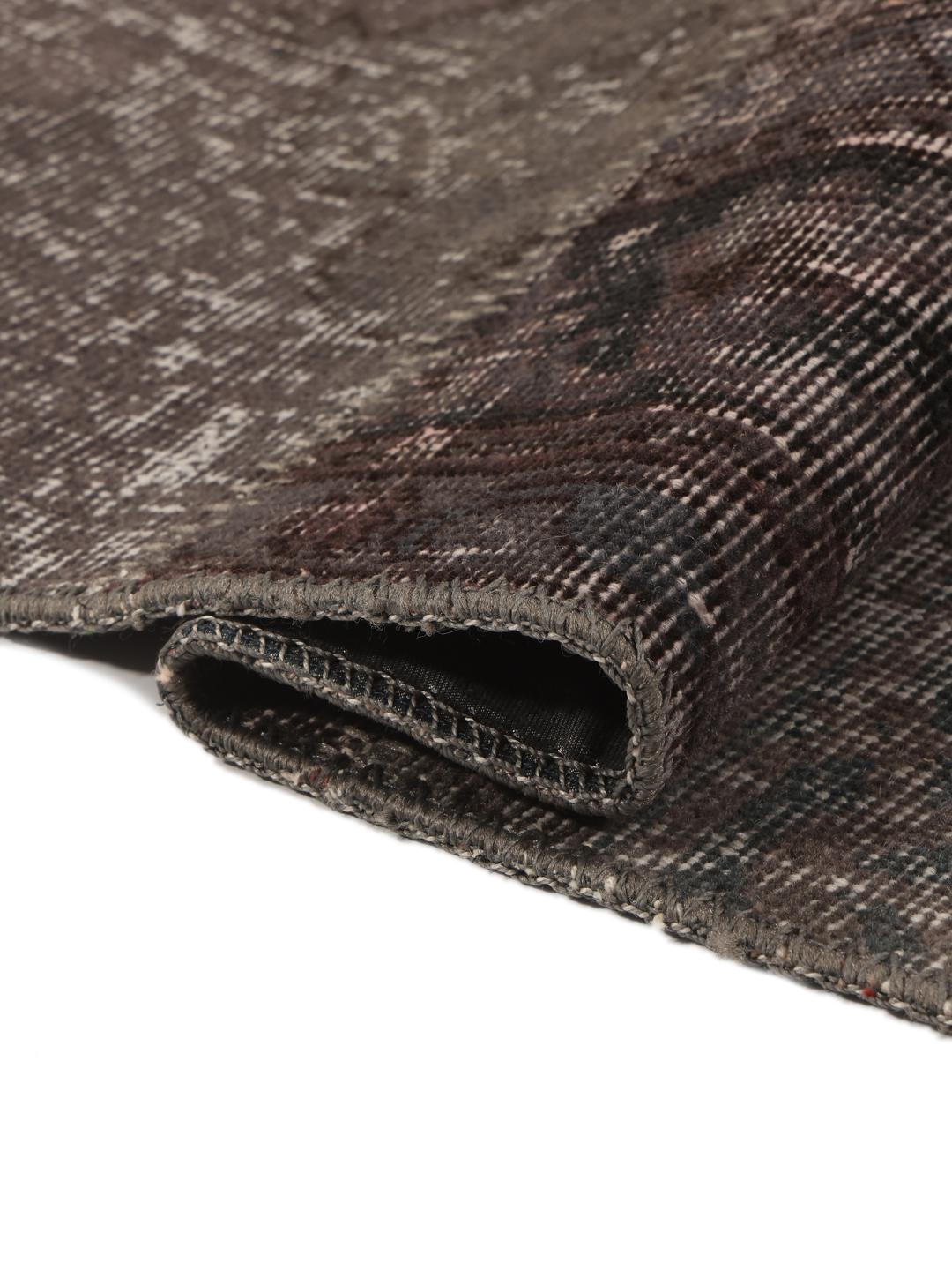
The process relies on the deep knowledge of traditional knotting techniques, where artisans must understand the structural integrity of every fragment. The term hand-knotted refers to the laborious process of tying individual knots around the foundation threads, a method that defines the longevity and quality of the final product. This technical precision is essential for ensuring that the various patches, once joined, function as a single, resilient unit.
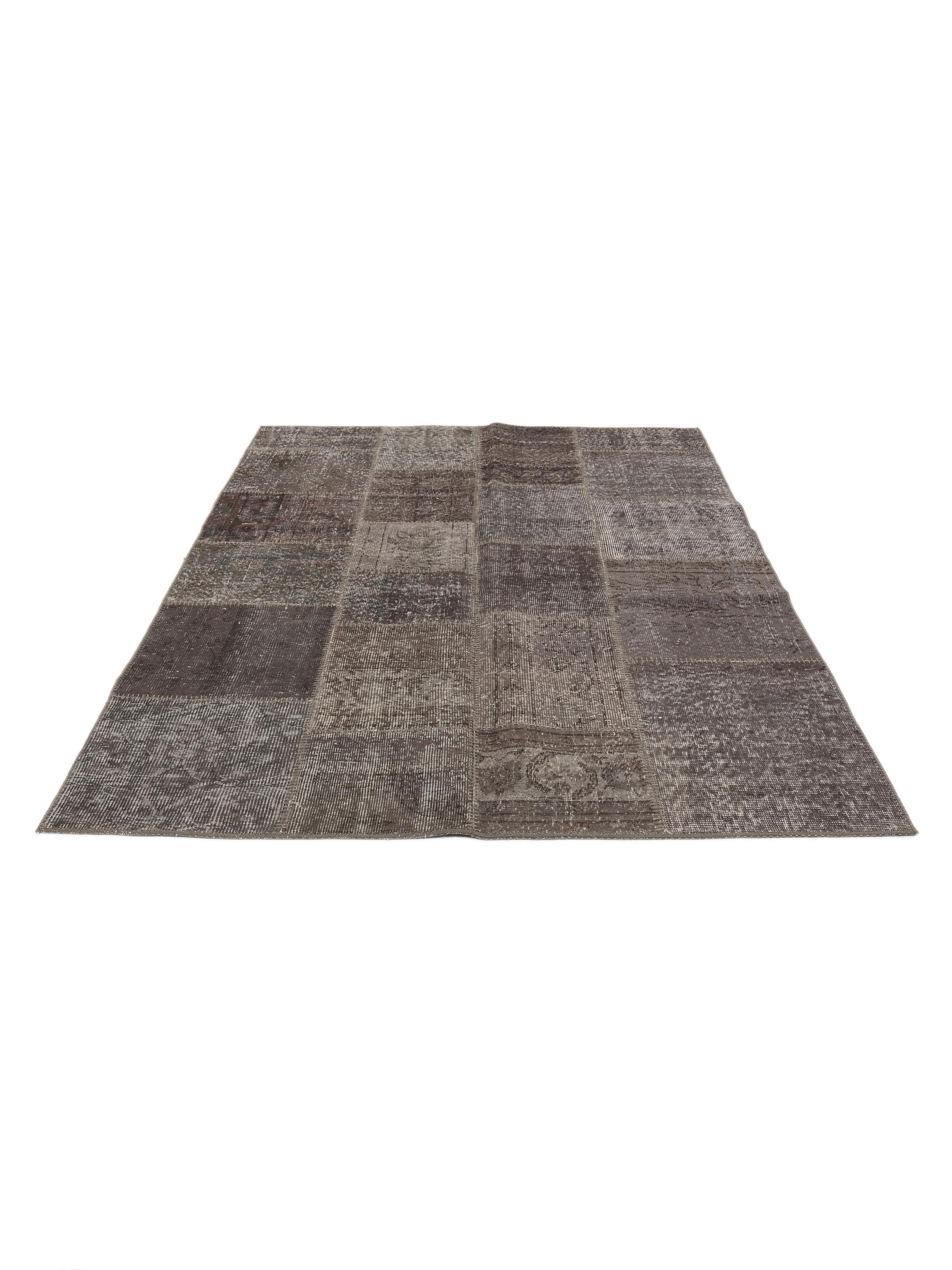
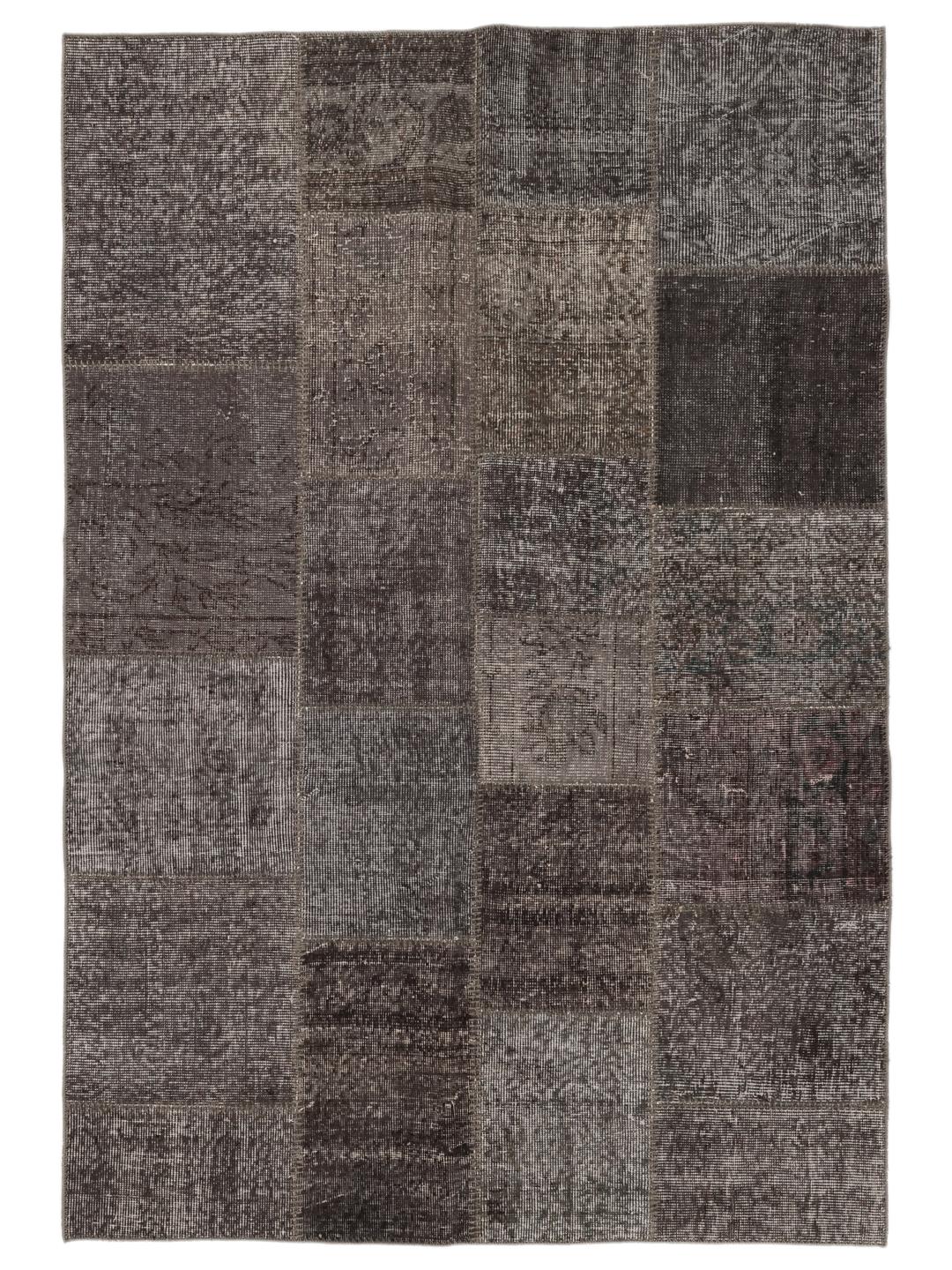
Design-wise, these rugs act as a bridge between the traditional and the abstract. While the individual patches often contain remnants of classic floral or geometric motifs, the act of combining them results in a contemporary visual language. The dark, tonal palette seen here is particularly prized for its ability to unify disparate patterns, creating a look that is sophisticated and cohesive rather than chaotic.
Valuing a patchwork rug means acknowledging the skill required to curate and assemble these pieces into a harmonious composition. It is a testament to the idea that beauty can be found in evolution and reuse. Collectors are drawn to these pieces not just for their aesthetic impact, but for the cultural weight they carry, representing a thoughtful, sustainable approach to high-end home decor.