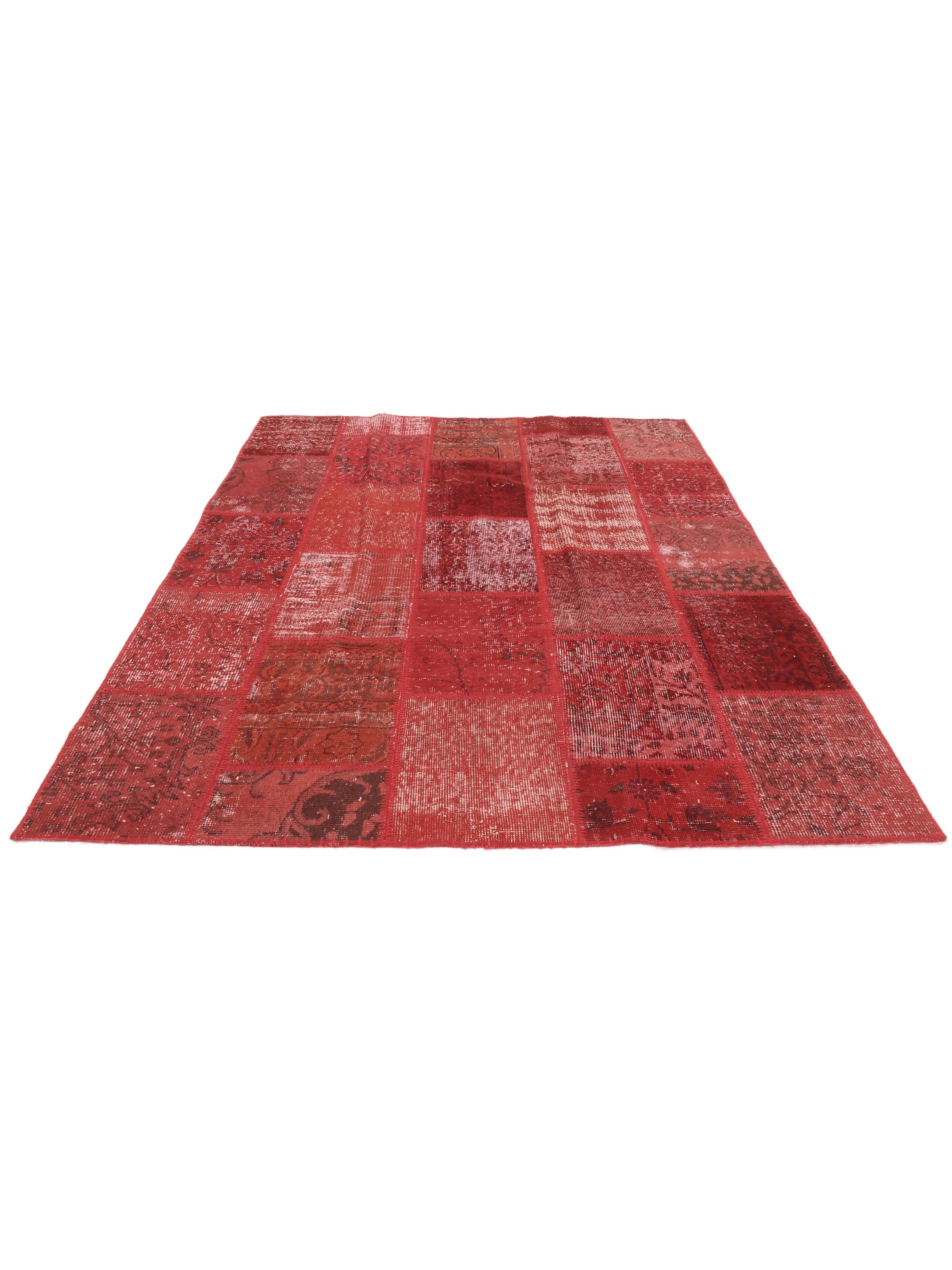
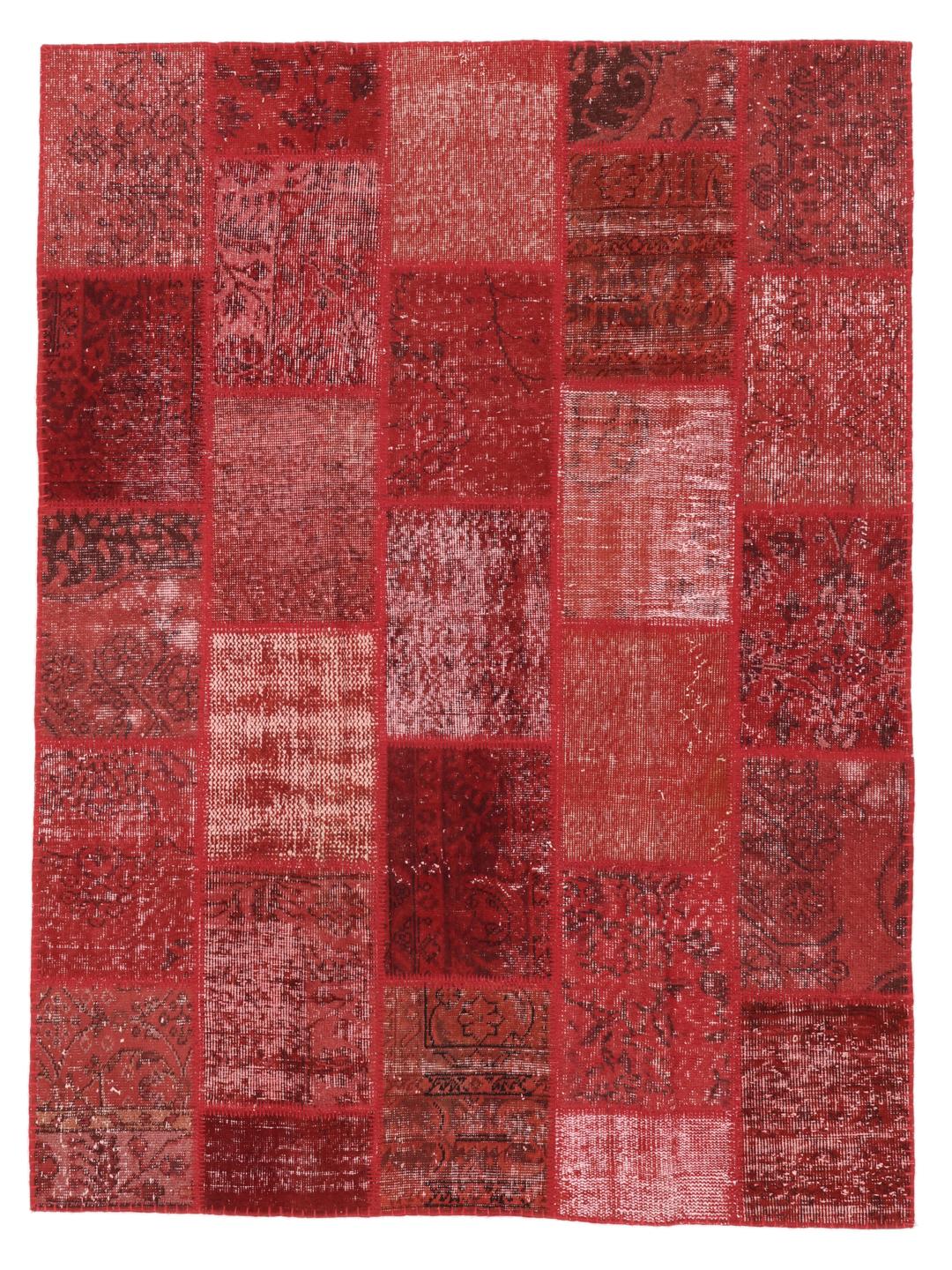
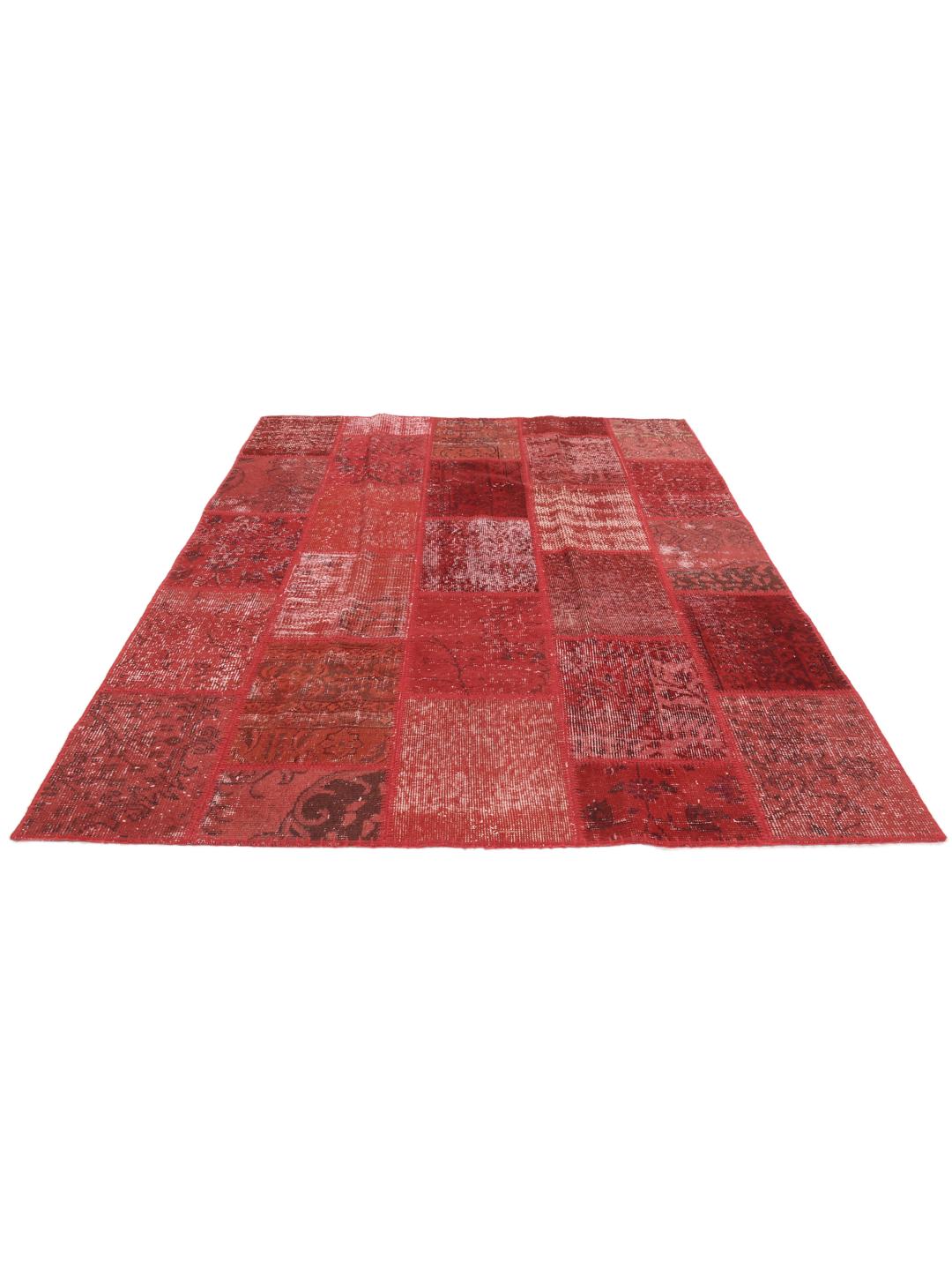
Patchwork rugs represent a modern evolution of Middle Eastern weaving traditions, where the concept of sustainability meets the preservation of craft. Historically, when older hand-knotted rugs suffered damage to certain areas, the remaining intact portions were often cherished and repurposed. This practice has grown into a sophisticated design movement that celebrates the beauty of existing textiles by reassembling them into new, vibrant compositions.
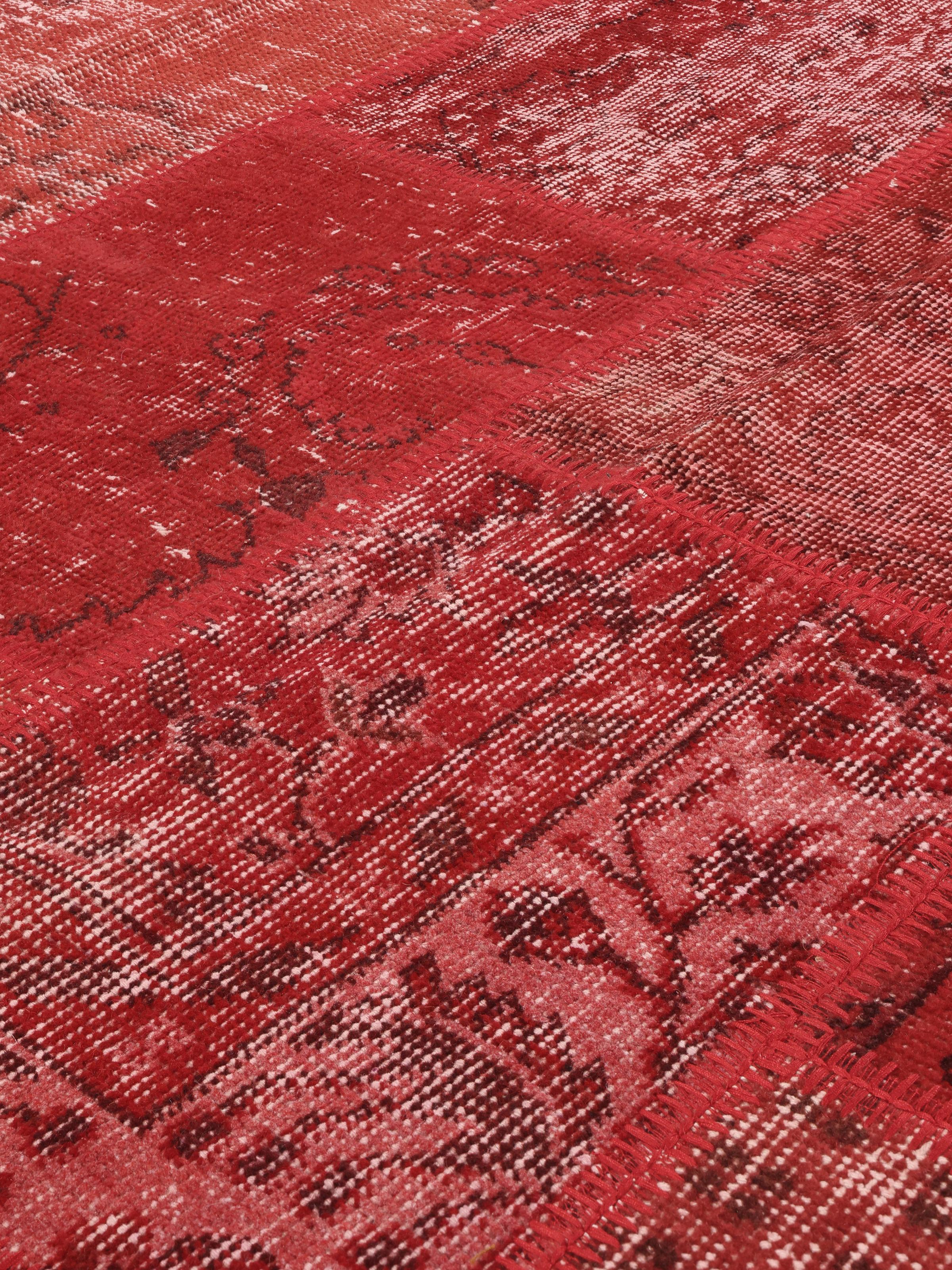
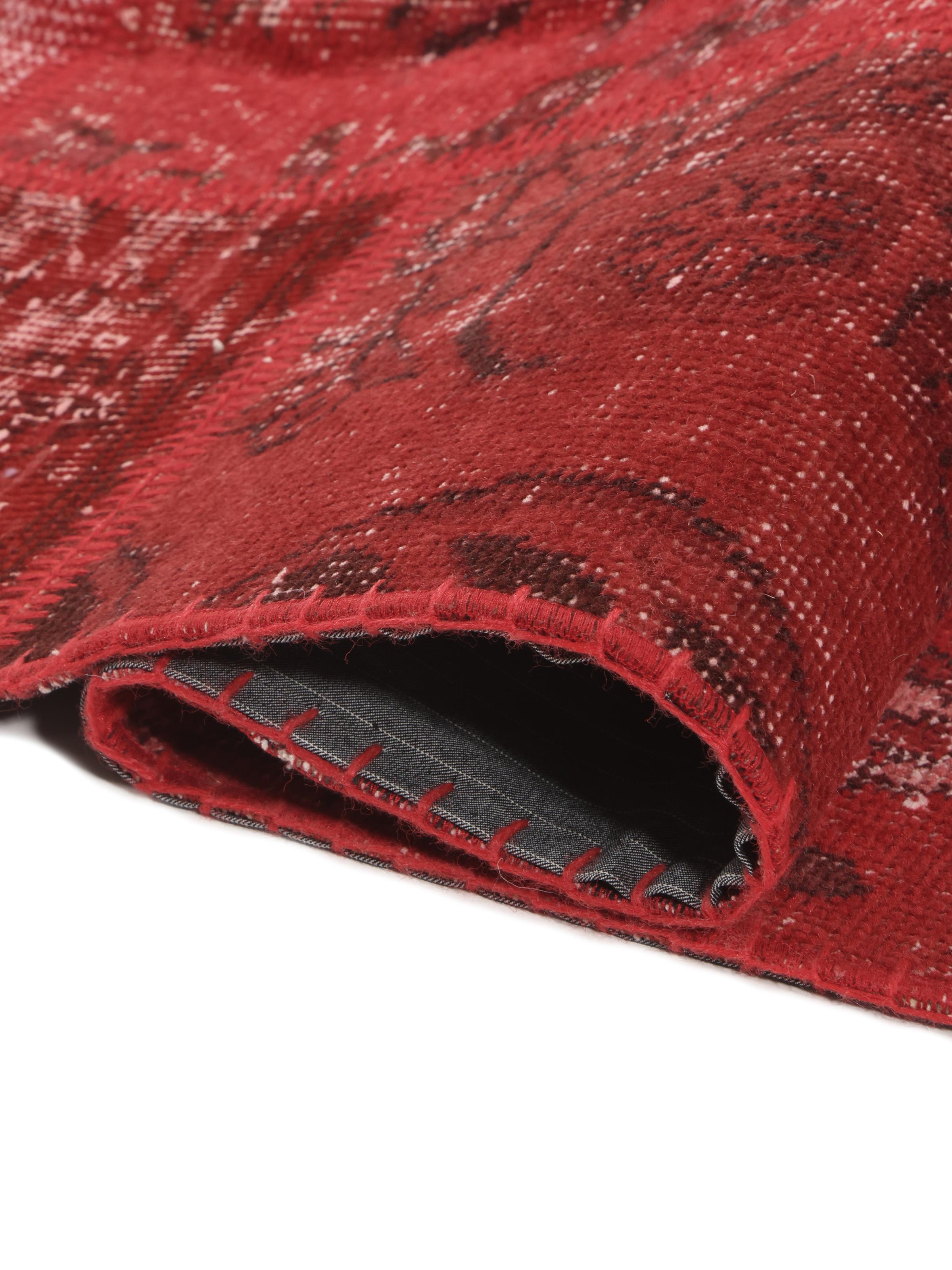
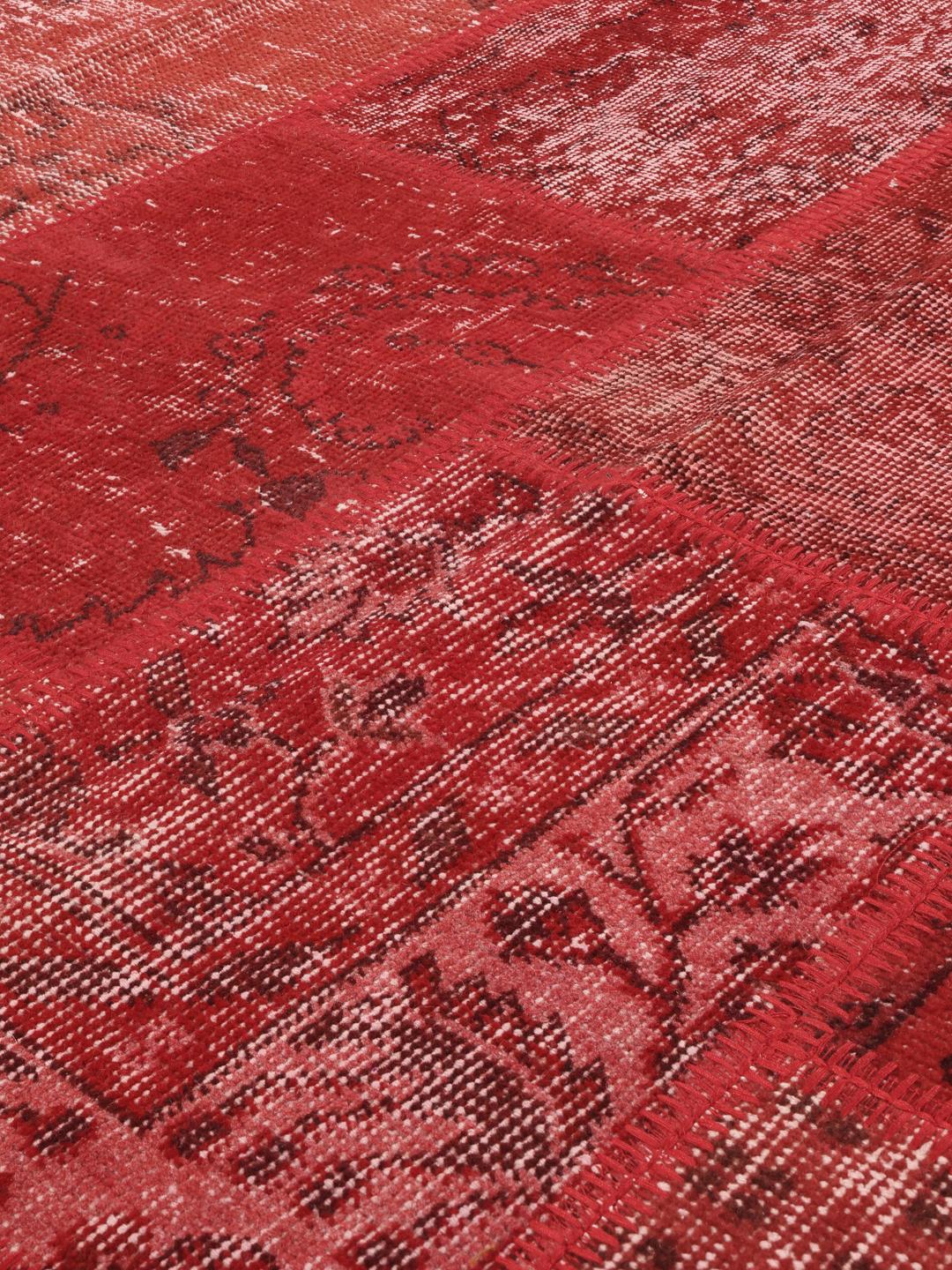
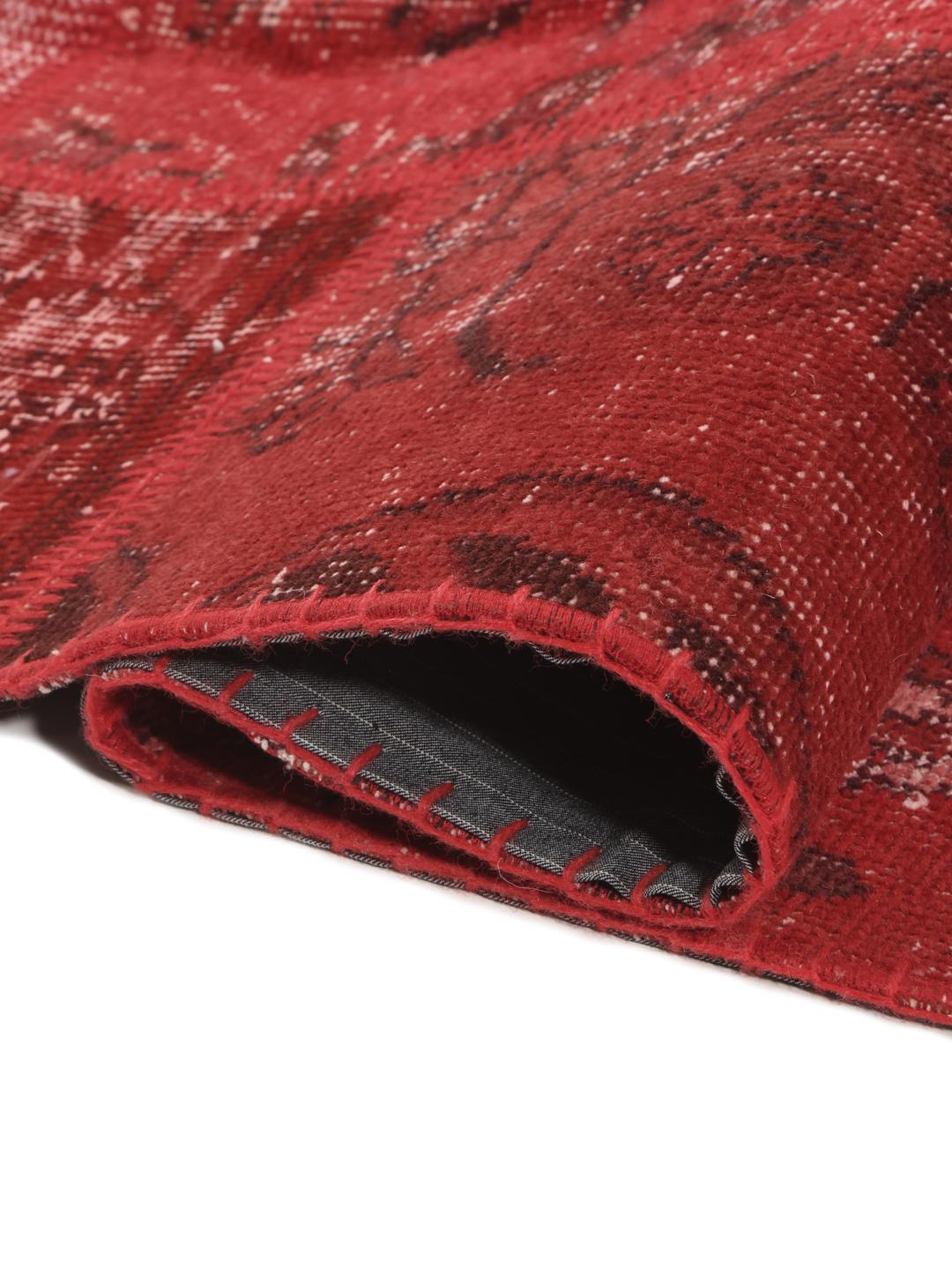
The technical quality of a patchwork rug is defined by the integrity of the original hand-knotted fragments. Each piece used in this construction was once a full-sized rug, knotted by hand using techniques that have been passed down through generations. These fragments are selected for their durability and the richness of their wool, ensuring that the final patchwork retains the lustre and depth of its original form.
Visually, these rugs act as a bridge between the old and the new, often blending various motifs and tonal variations into a single, cohesive field. While traditional rugs may focus on a single, symmetrical medallion, a patchwork design offers a more dynamic, rhythmic visual language. The variation in the red tones across this specific piece reflects the natural dyeing processes used in the original textiles, creating a depth of color that is difficult to achieve with modern, uniform dyes.
Collecting a patchwork rug is an act of preserving history. By giving these fragments a new life, the owner becomes part of a long lineage of craft, ensuring that the skill of the original weavers continues to be appreciated and utilised. These rugs are highly valued for their ability to carry the cultural weight of their origins while fitting seamlessly into a modern home, offering both heritage and unique personality.