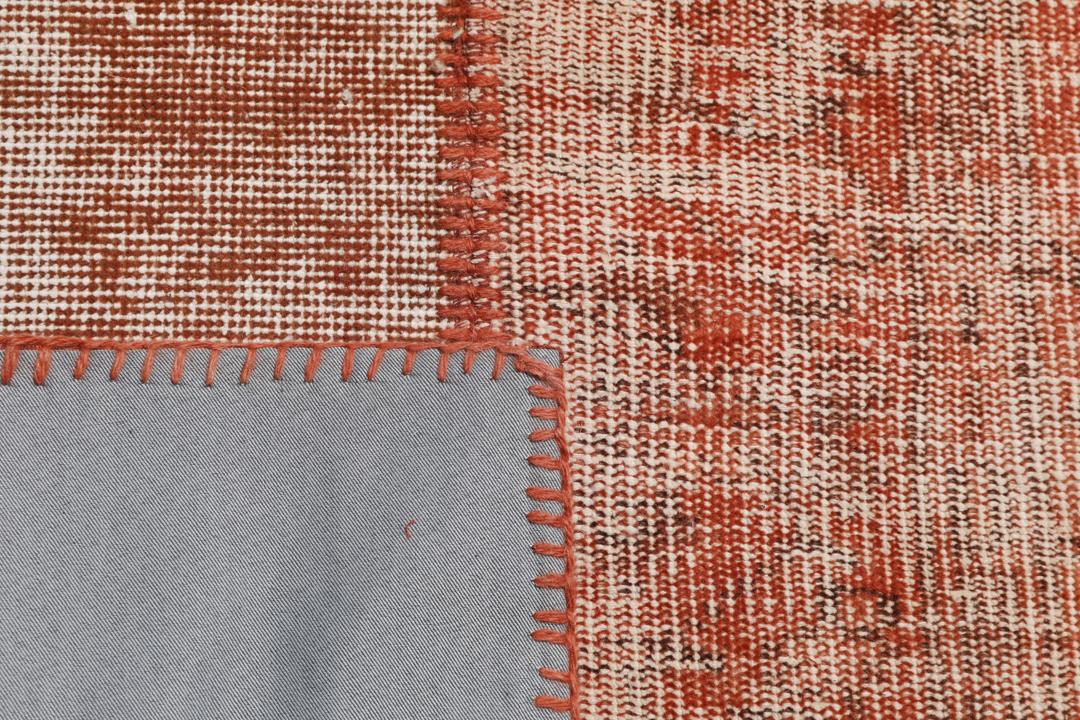
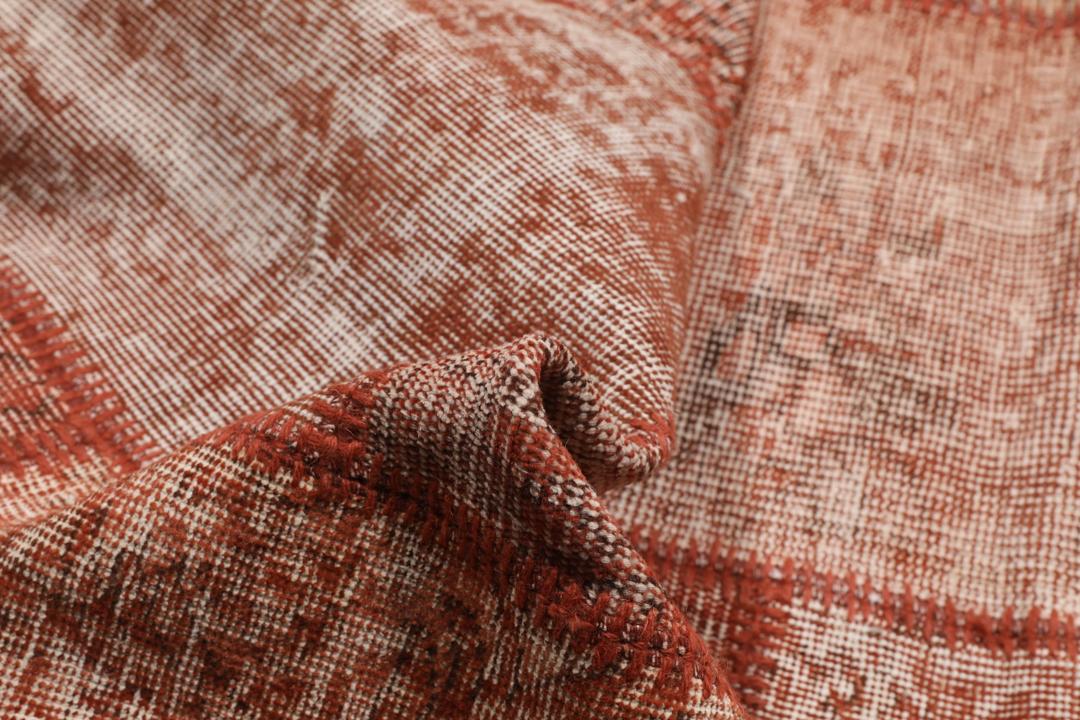
Patchwork rugs represent a brilliant evolution in the history of textile art, particularly within the rich weaving culture of Turkey. For centuries, Turkey has been a global centre for rug production, where the skills of weaving and knotting have been passed down through generations. In recent decades, the tradition has expanded to include the creative repurposing of older, worn-out rugs, giving them a vibrant second life through the patchwork process.
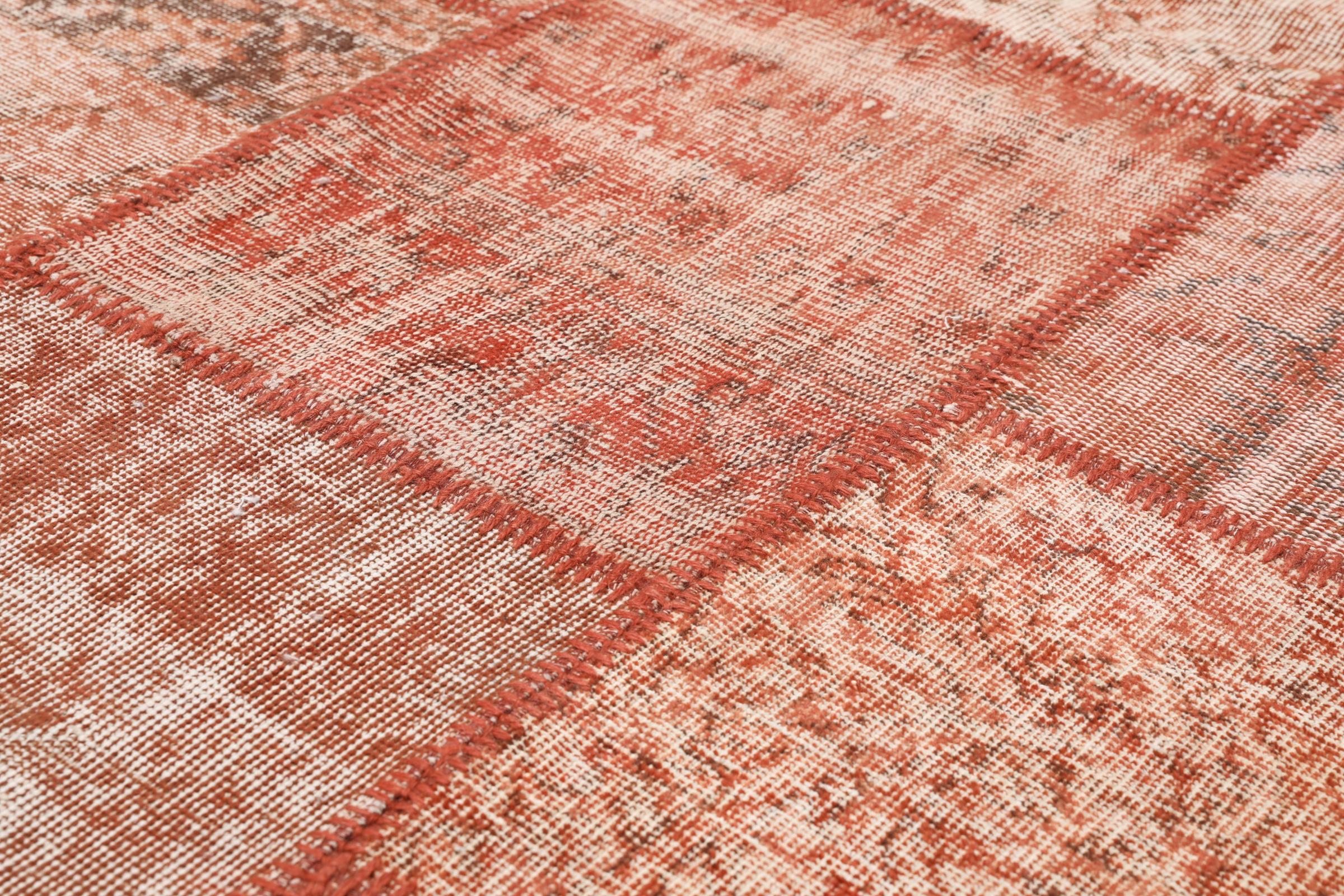
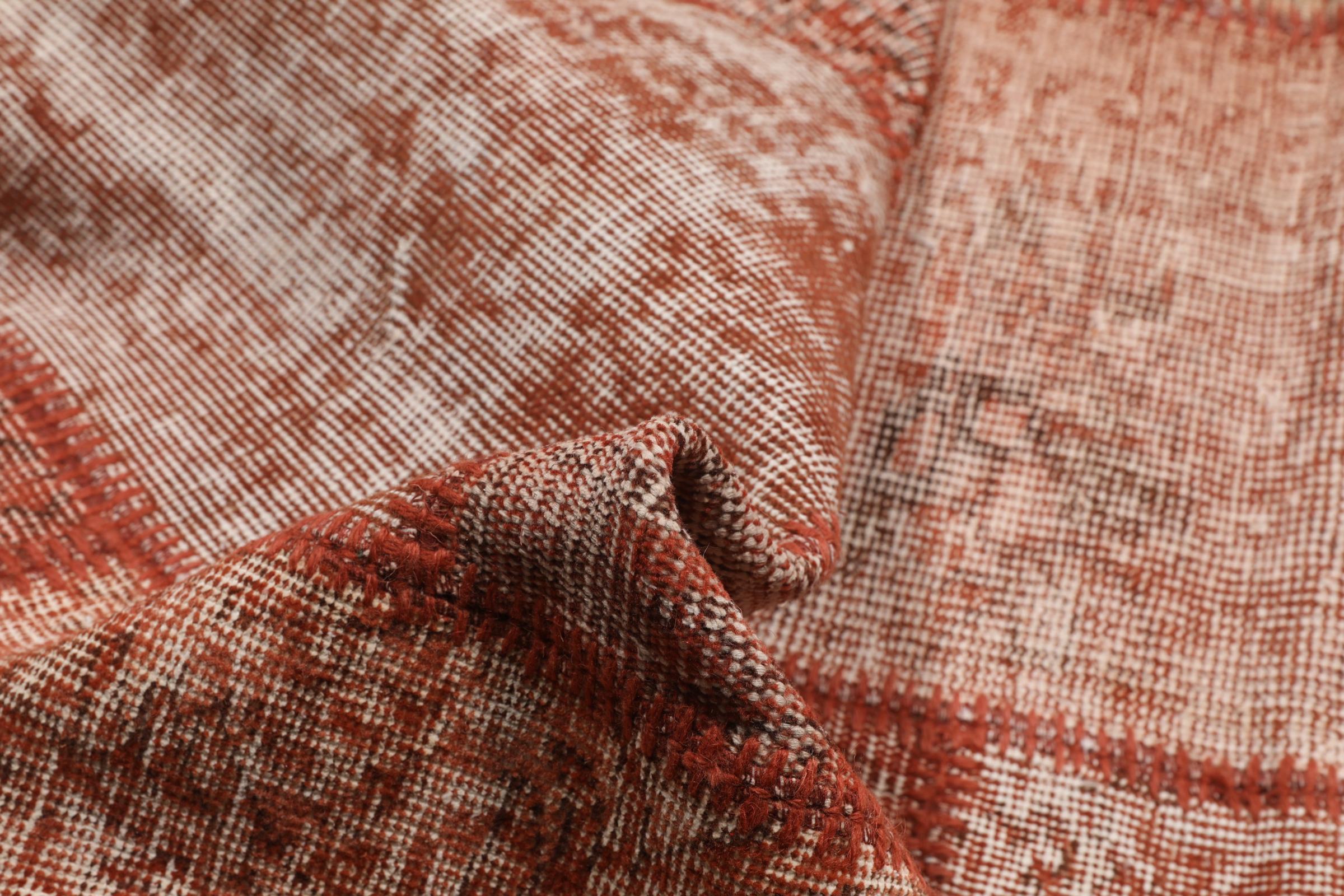
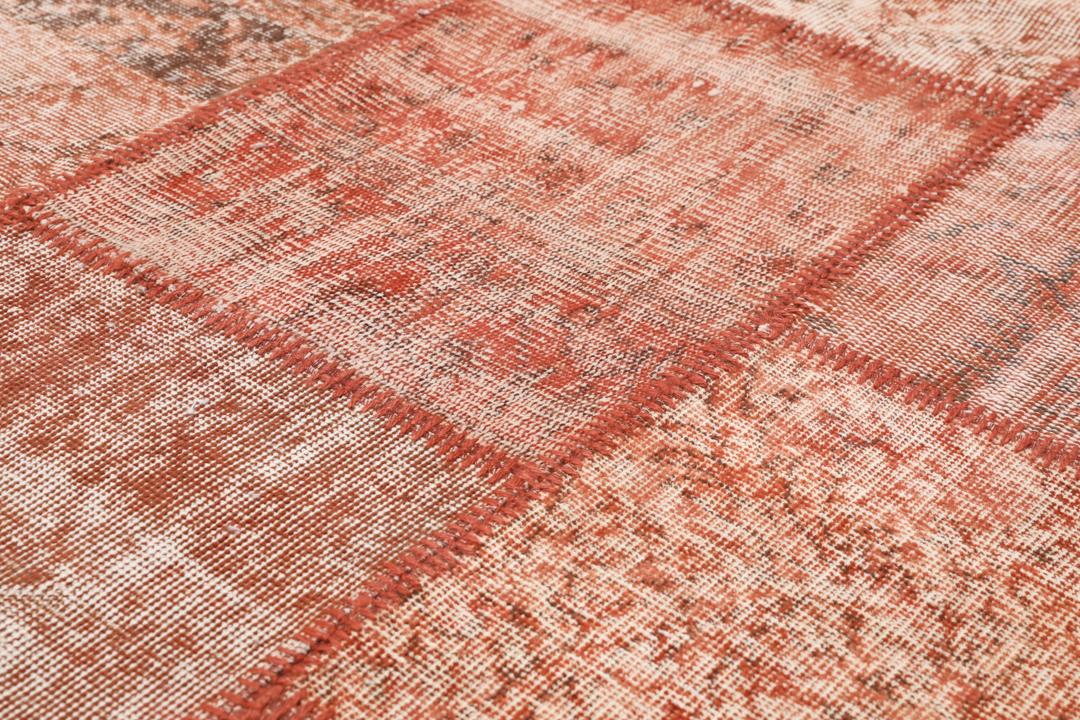
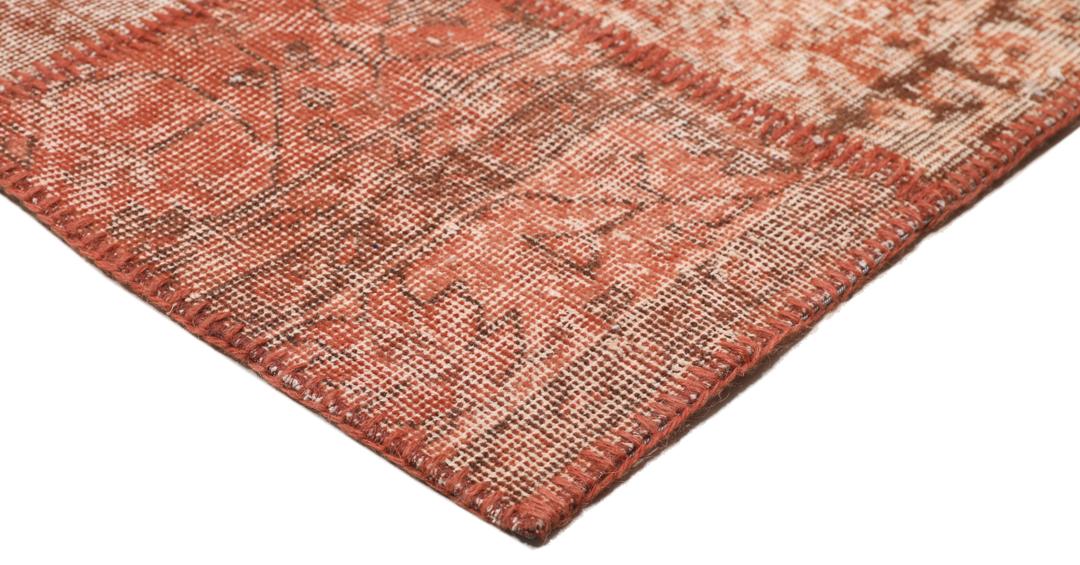
The terminology of patchwork refers to the intentional assembly of disparate elements into a unified whole. In this tradition, fragments of hand-knotted rugs are carefully cleaned, dyed, and reassembled to form a new, contemporary composition. This process is highly technical, requiring the artisan to understand the structural integrity of each fragment to ensure the final piece is as durable as it is visually striking.
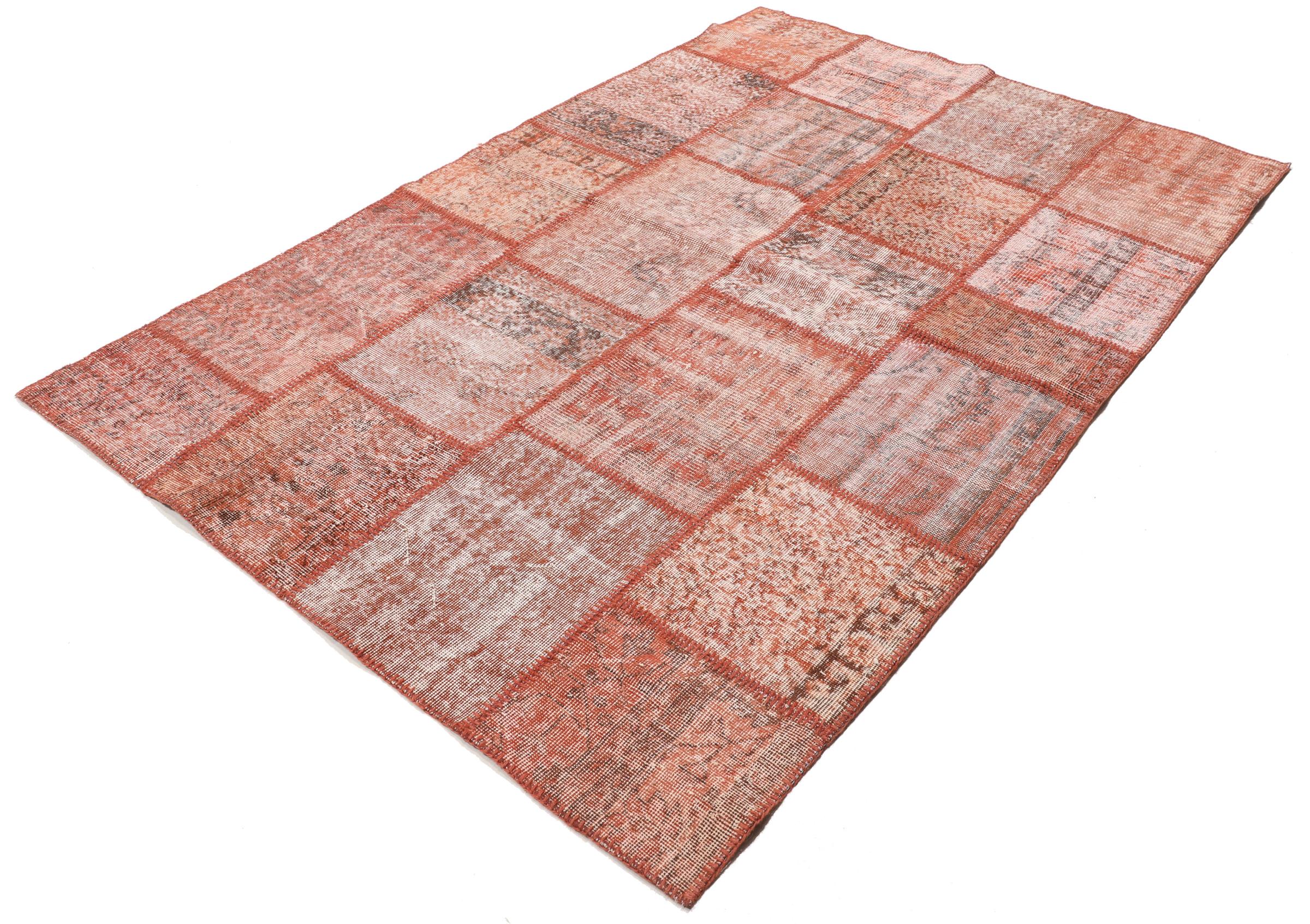
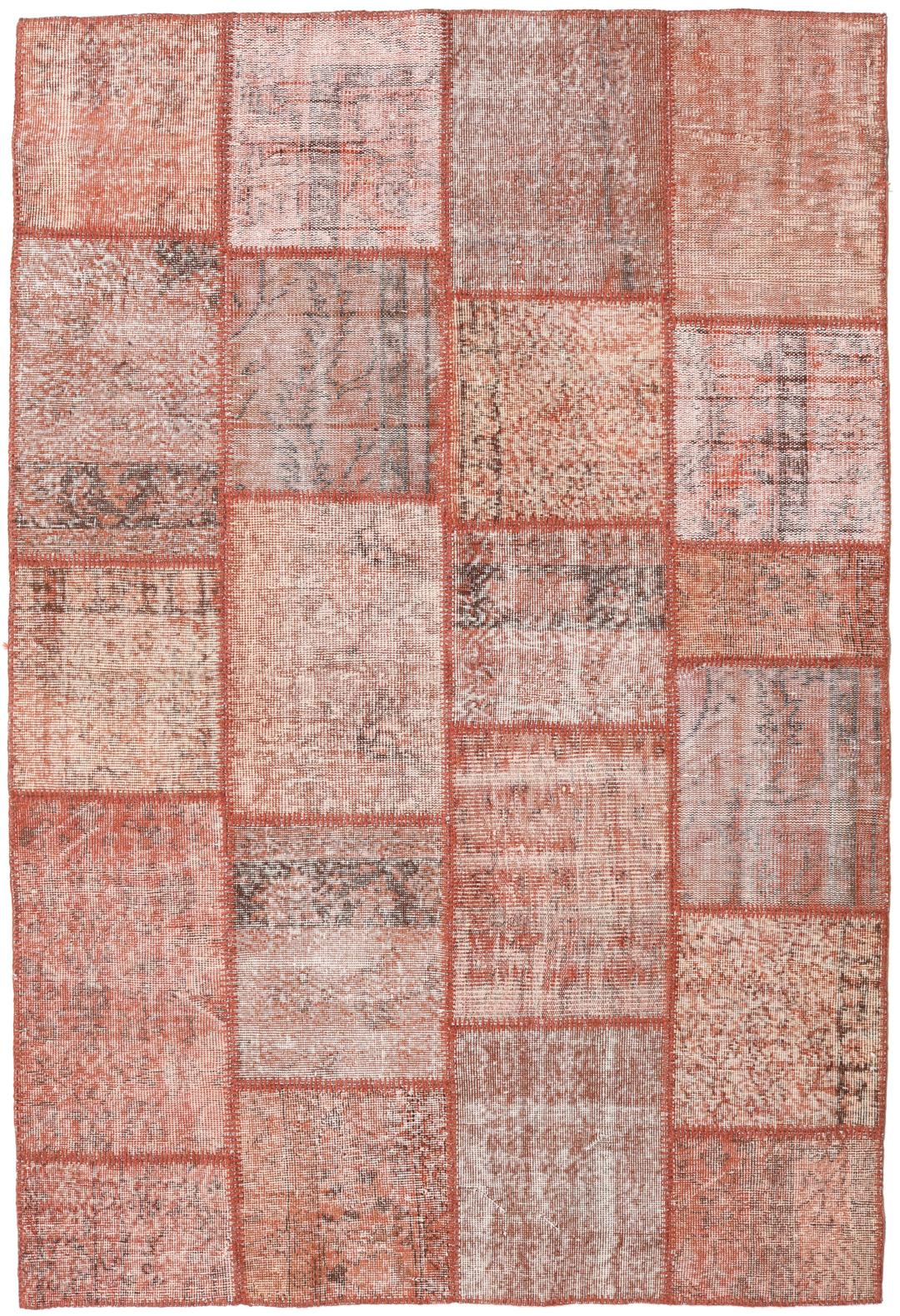
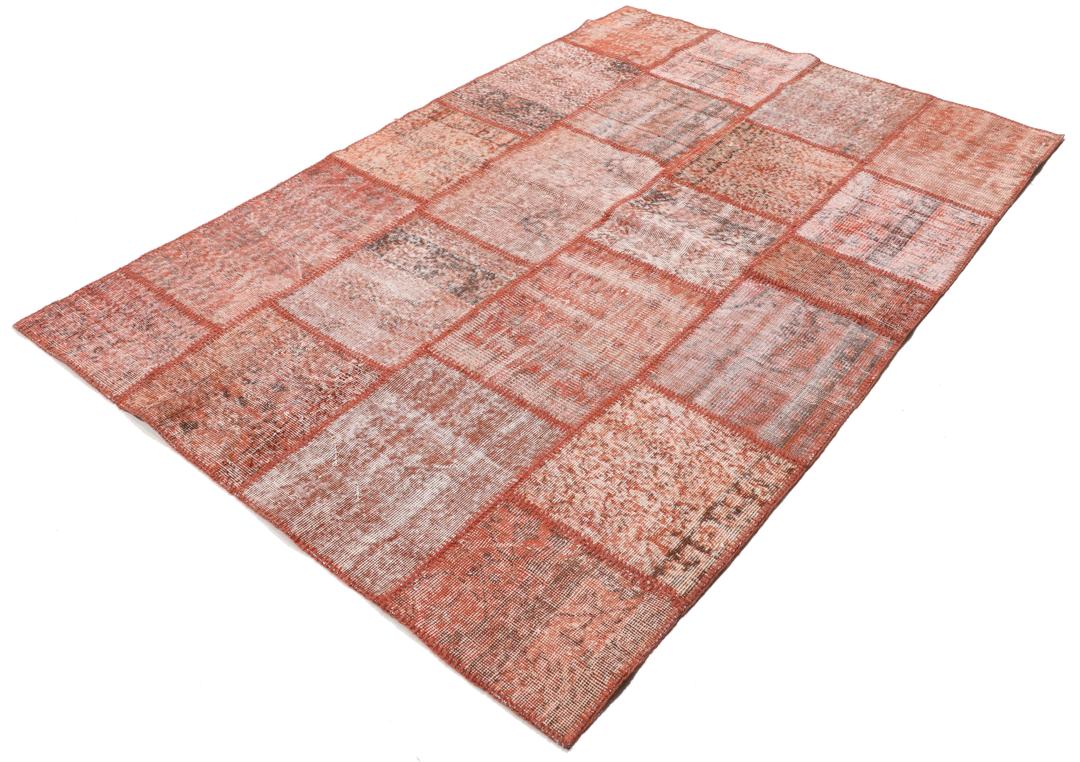
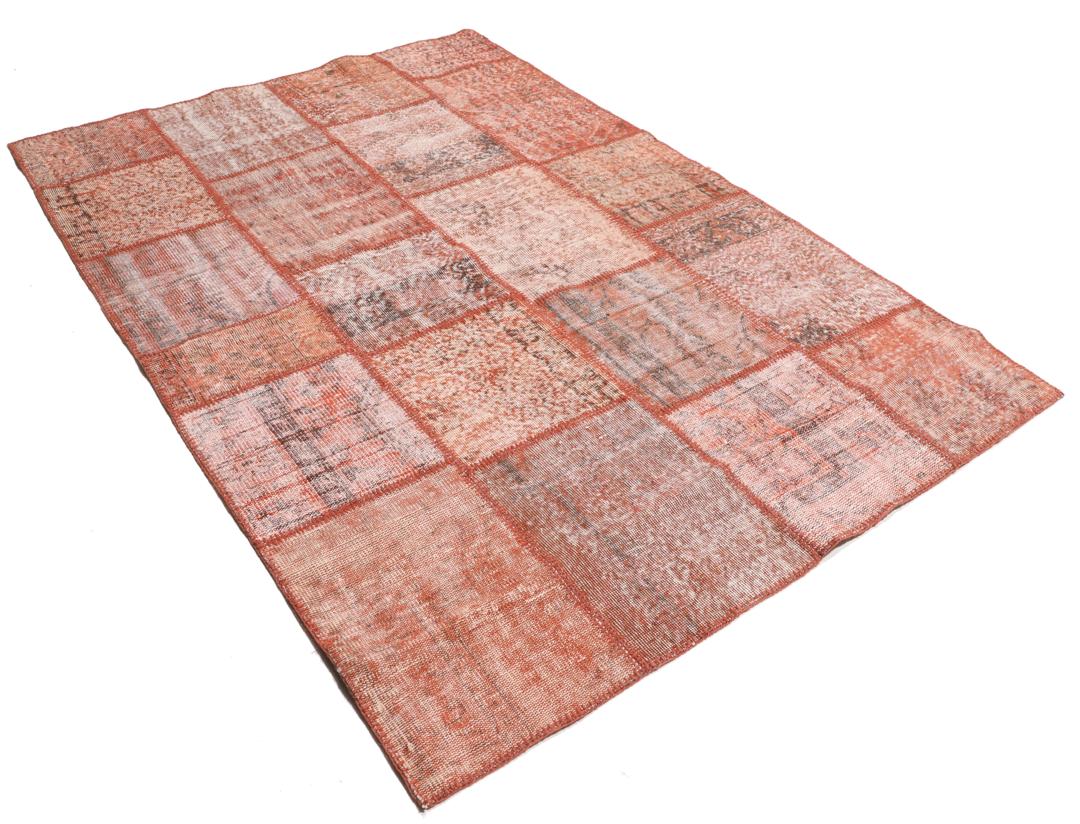
Visually, these rugs are defined by their eclectic yet harmonious appearance. They often feature a variety of motifs from the original rugs, ranging from geometric shapes to soft, faded floral patterns, all tied together by a consistent colour palette. This rug, with its rich red tones, showcases the depth of colour that can be achieved through time-honoured dyeing techniques, making it a masterpiece of colour and texture combination.
Collecting a patchwork rug is an act of preserving cultural heritage. By choosing a piece that repurposes authentic hand-woven fragments, you are participating in a cycle of sustainability and appreciation for traditional skill. These rugs are highly valued for their ability to tell a story of longevity, making them essential additions for those who appreciate the intersection of historical craft and contemporary interior design.