Patchwork rugs represent a brilliant evolution in textile history, emerging as a creative response to the desire to preserve and repurpose fragments of beautiful, older textiles. While the concept of piecing together different fabrics is an ancient practice found across many cultures, the modern patchwork rug tradition in Turkey has refined this into a sophisticated art form that honours the history of traditional weaving while embracing a contemporary aesthetic.
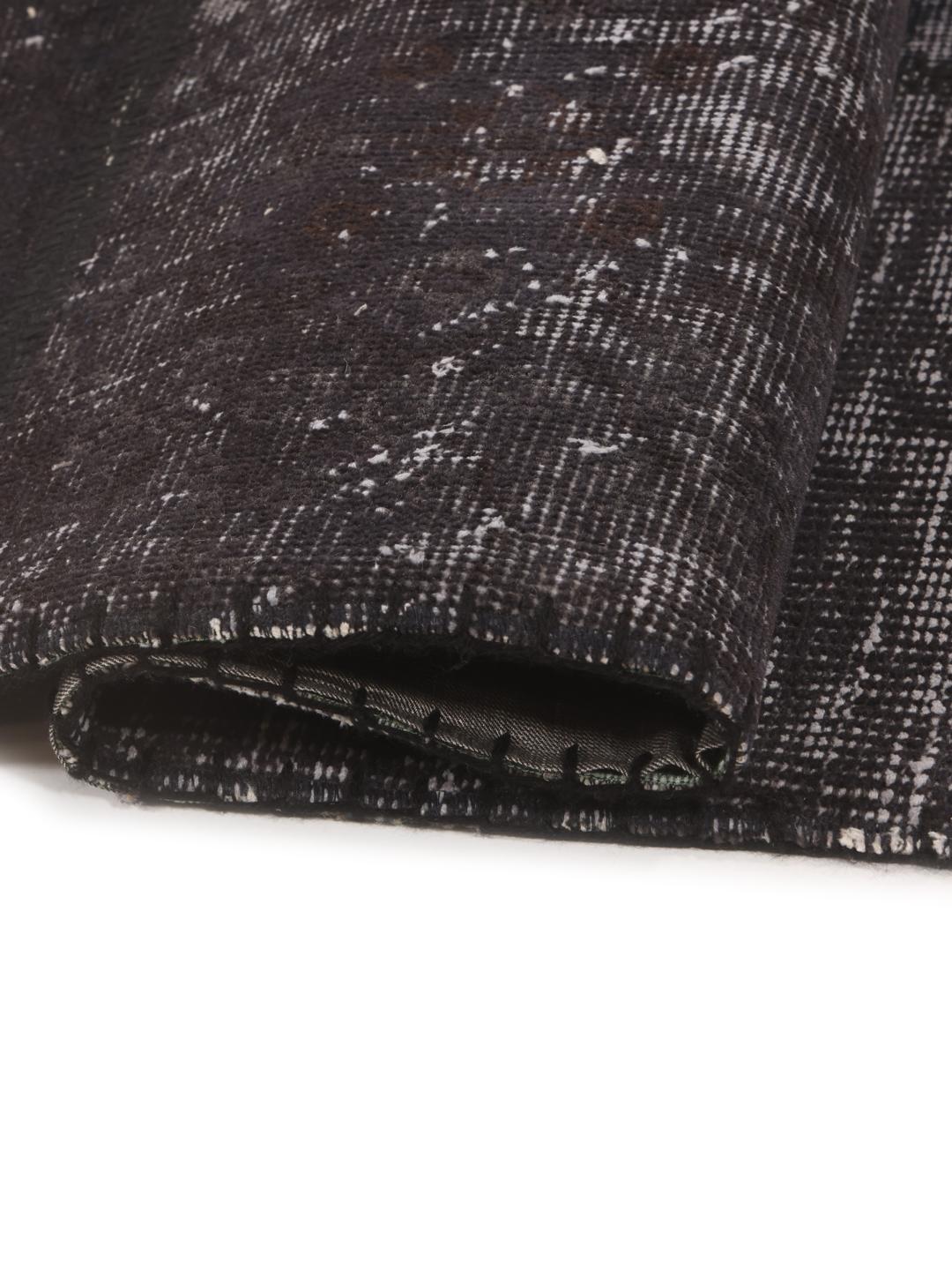
The process begins with sourcing segments of hand-knotted rugs, often pieces that have been carefully salvaged for their colour, texture, or pattern. These fragments are then cleaned, revitalised, and thoughtfully arranged to create a new, cohesive whole. This practice requires a deep understanding of textile design, as the artisan must balance the varying wear patterns and colour profiles of each piece to ensure a harmonious final result.
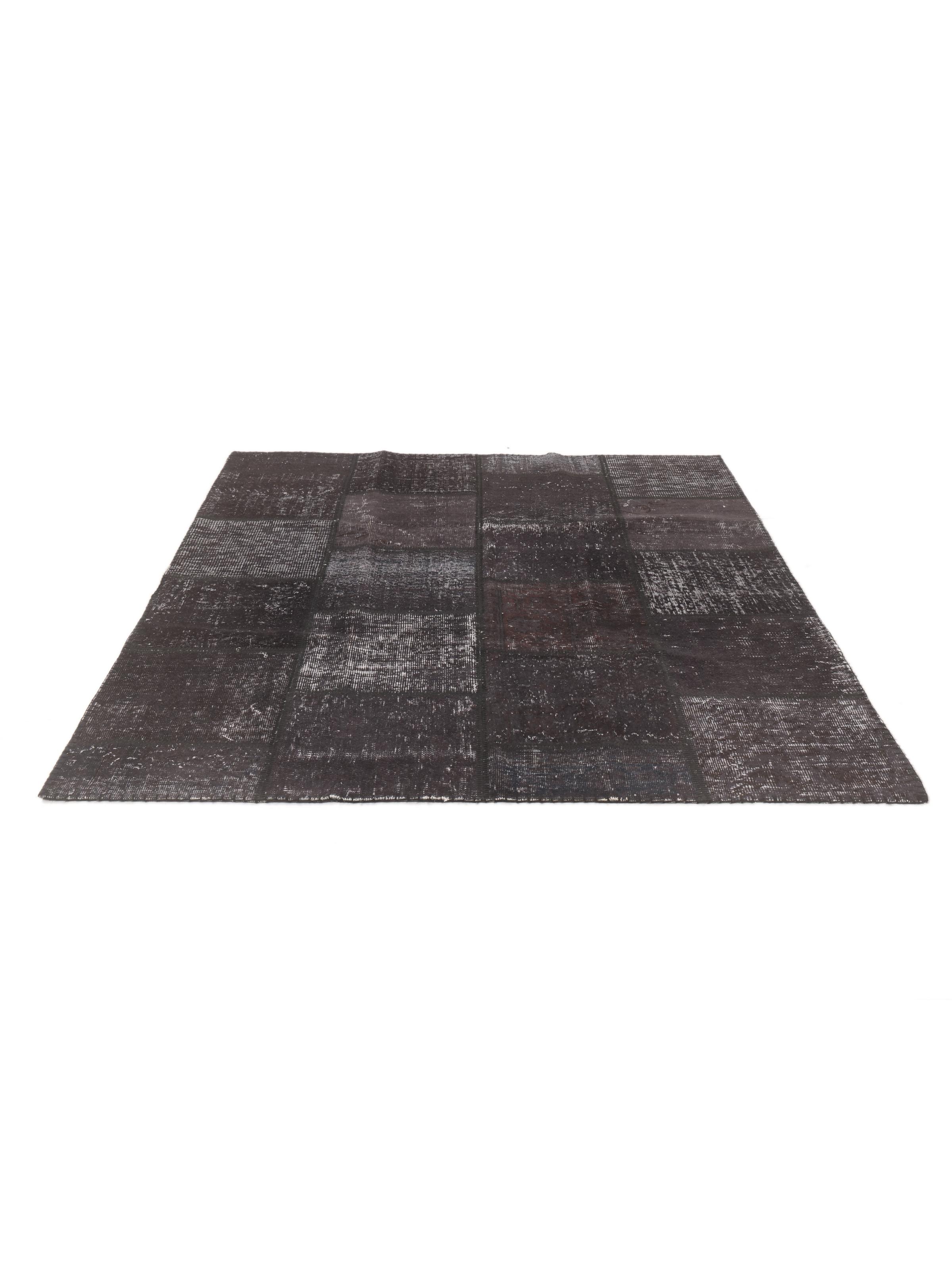
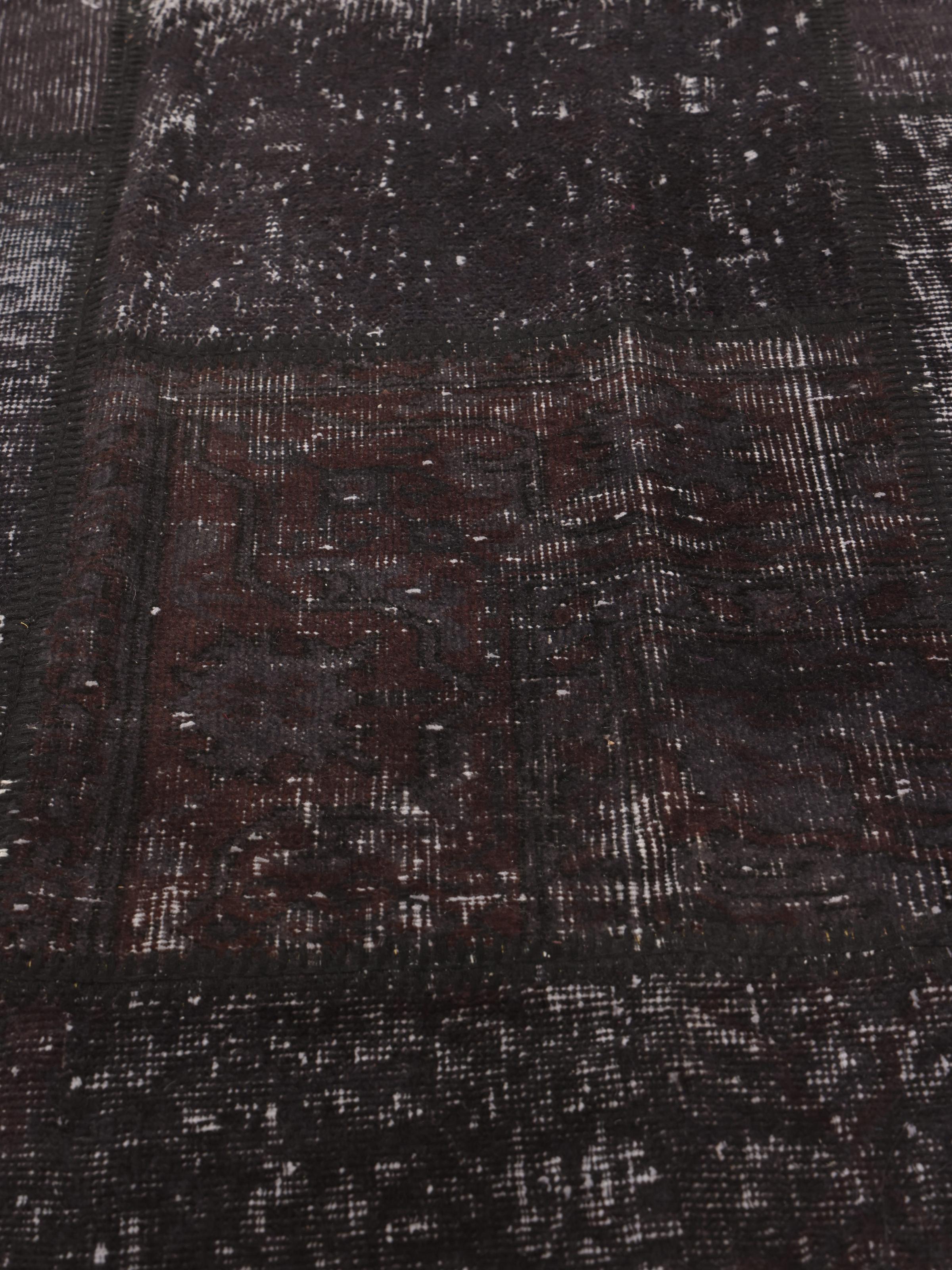
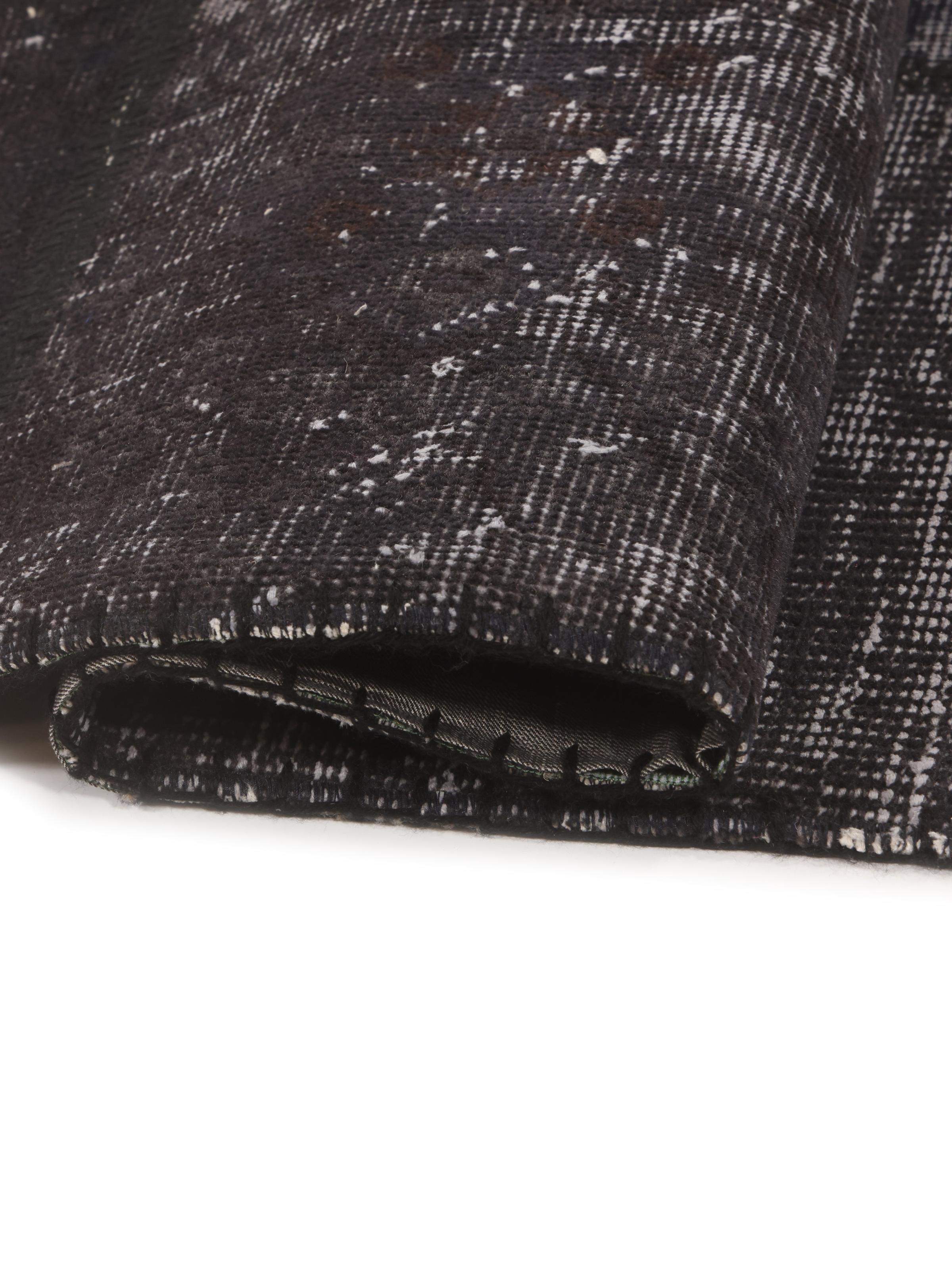
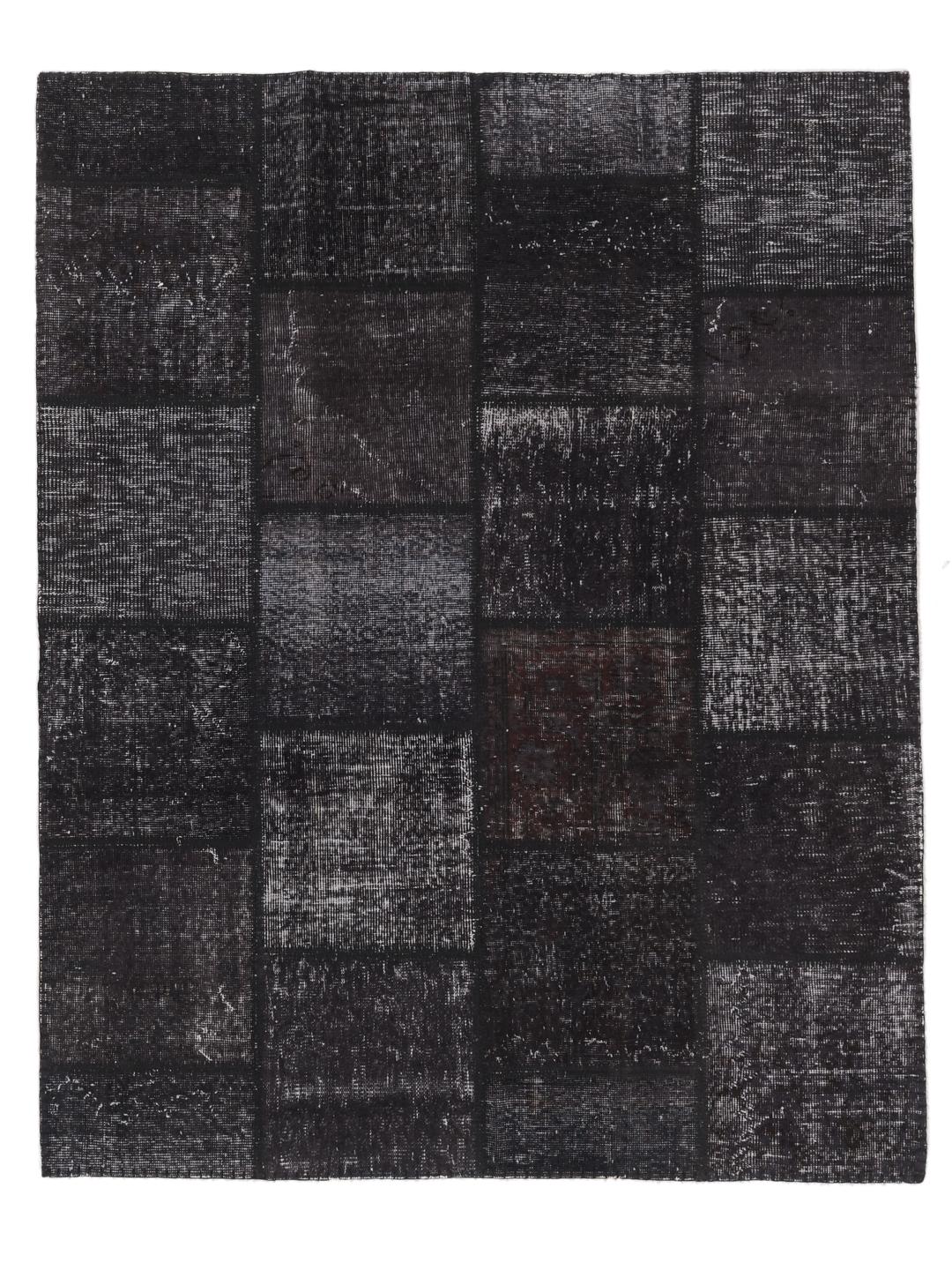
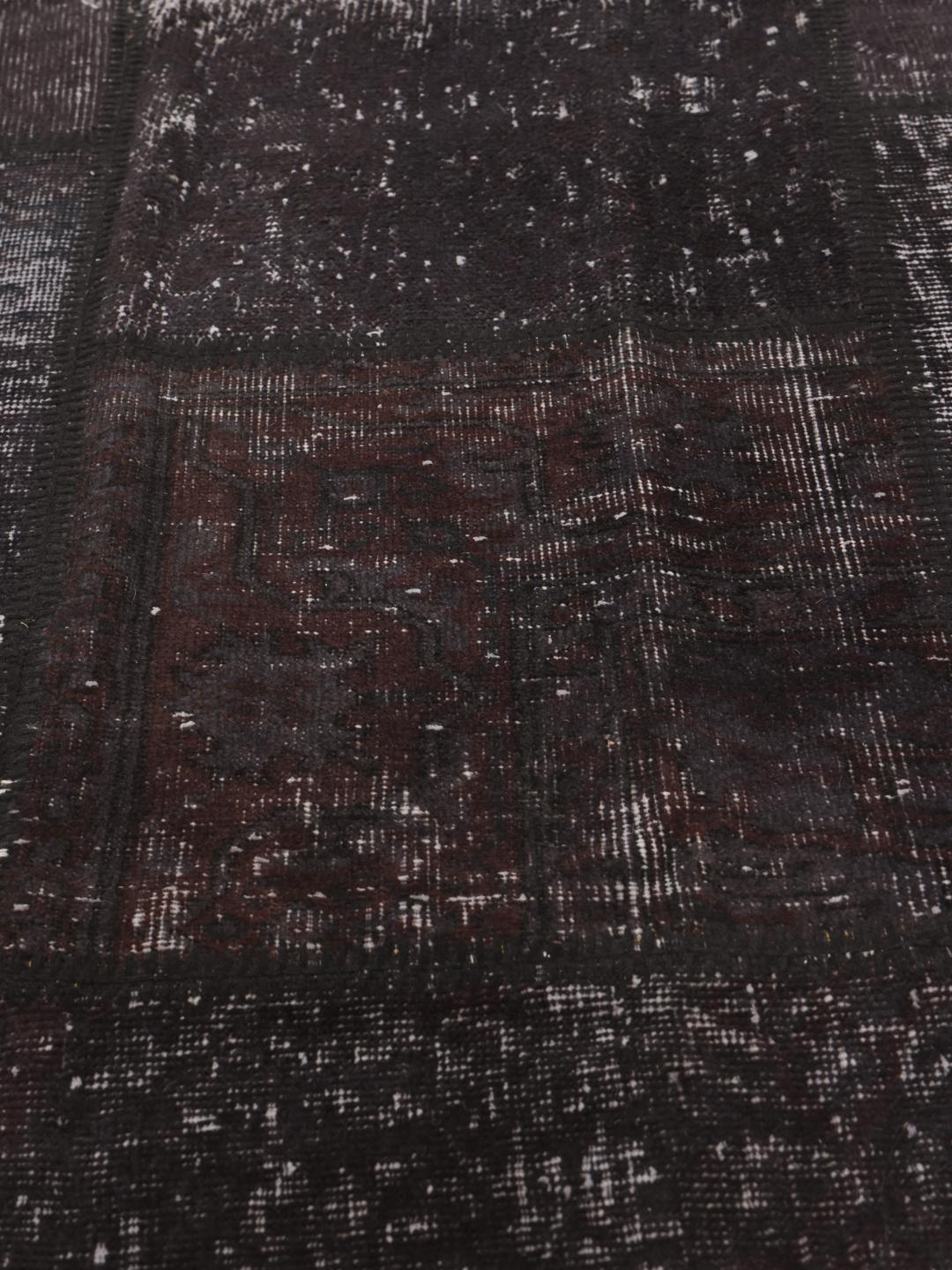
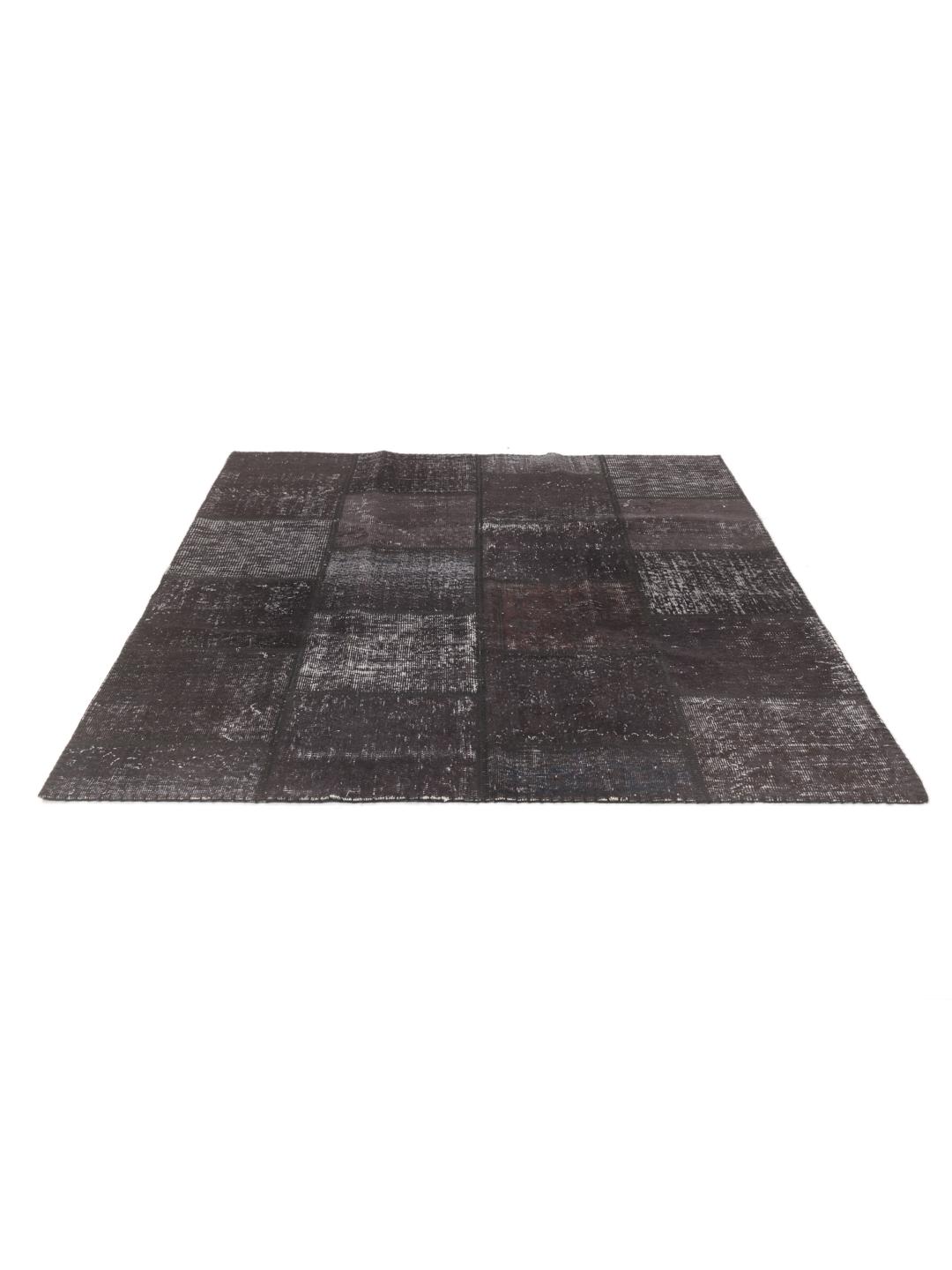
Visually, these rugs are defined by their modular nature. The grid-like arrangement of patches creates a rhythmic, geometric structure that is often softened by the organic, faded beauty of the individual fragments. In this particular piece, the dark, moody palette highlights the intricate textures of the weave, turning the rug into a complex, abstract landscape that draws the eye and invites closer inspection.
Collectors value these rugs not only for their striking modern appearance but for the way they bridge the gap between the past and the present. Owning a patchwork rug is a way of curating history, holding onto the skill of past weavers while enjoying a design that feels entirely current. It is a testament to the idea that beauty can be found in the combination of distinct parts, making each rug a cherished, singular addition to any home.