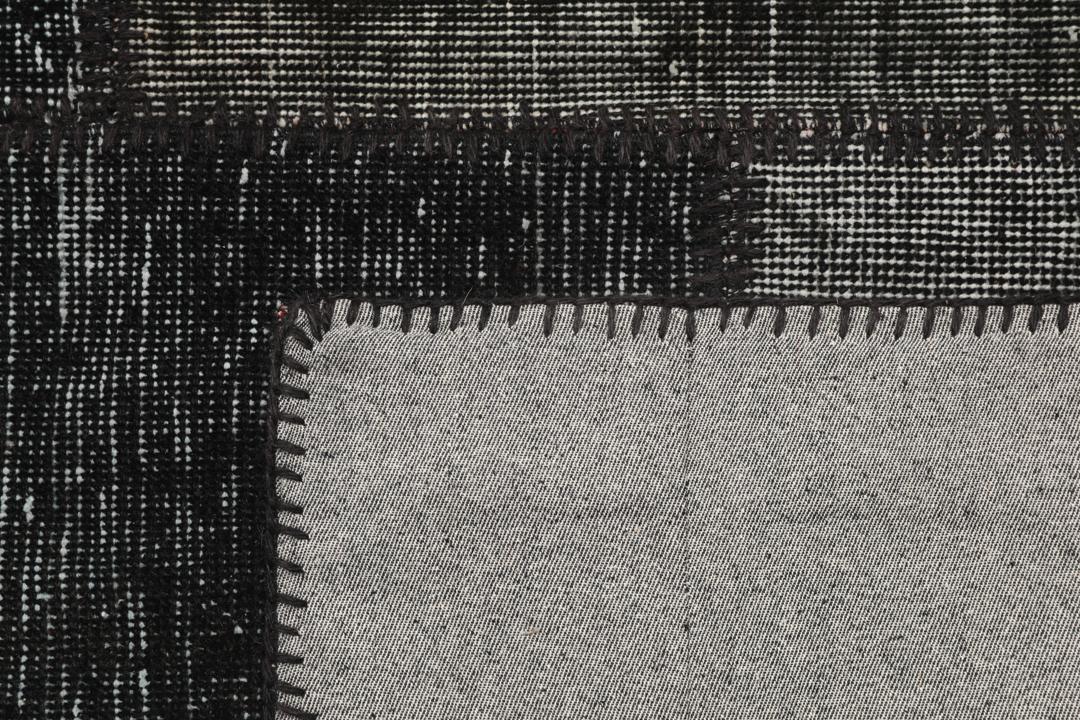
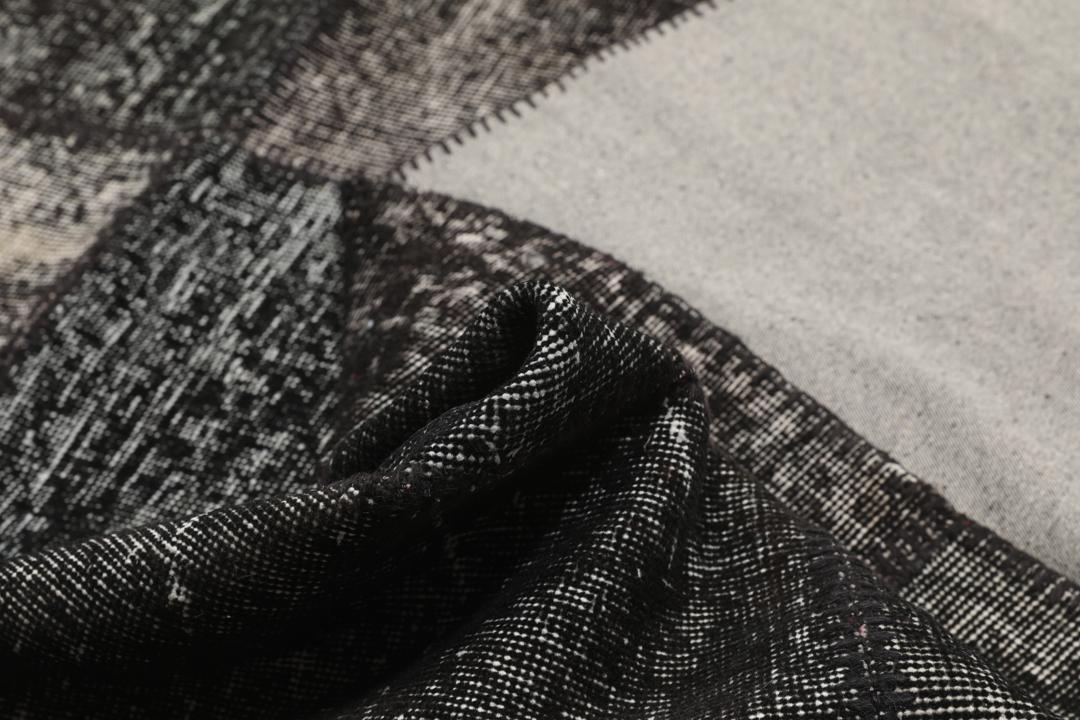
Patchwork rugs represent a fascinating evolution in textile history, emerging from the desire to honour and preserve the artistry of older, hand-knotted carpets. This tradition involves taking fragments of rugs that may have worn sections but still possess beautiful, intact areas, and carefully re-imagining them into a new, cohesive design. It is a practice that respects the original labour of the weavers while giving the materials a second life in modern homes.
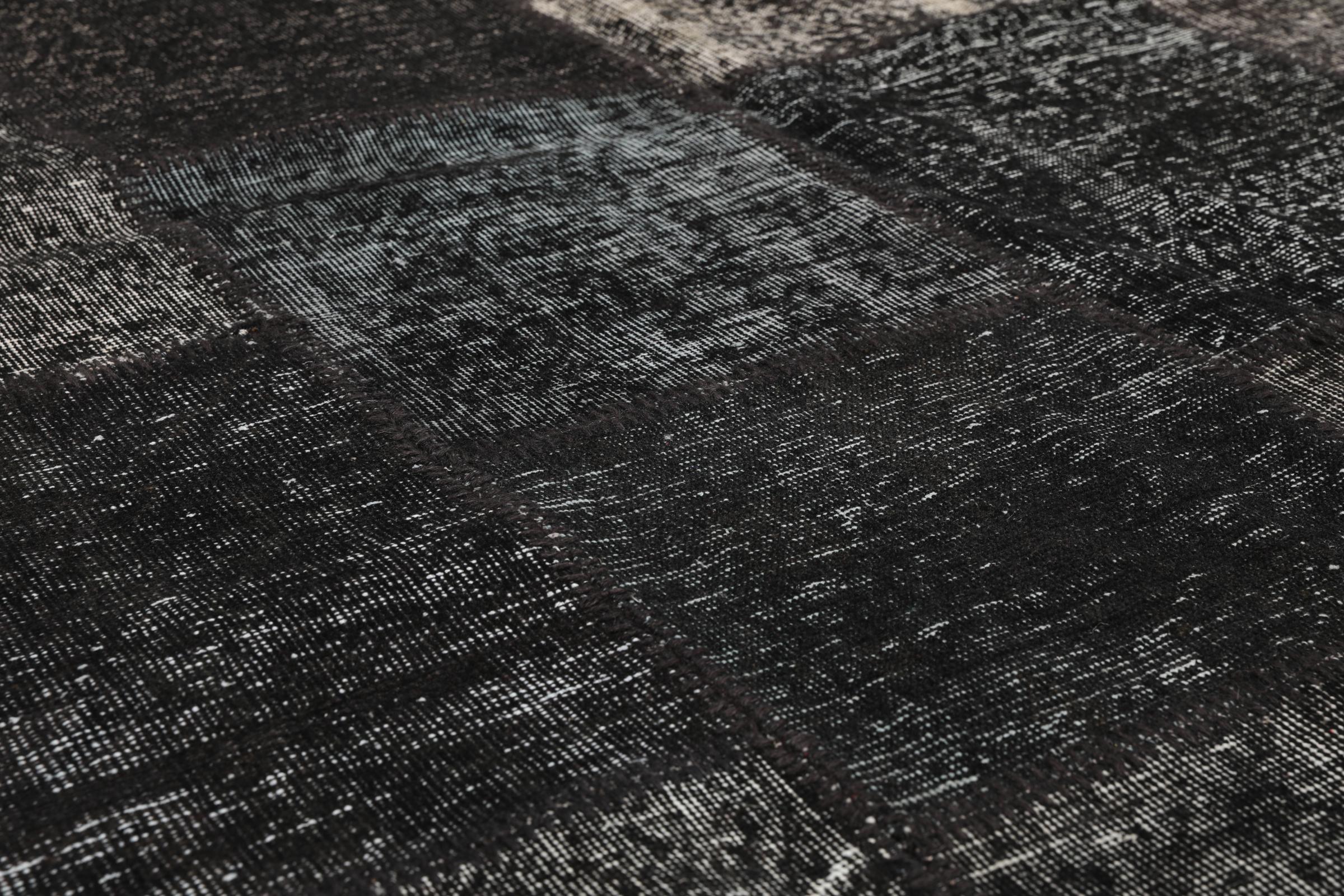
The technique requires a deep understanding of wool quality and colour harmony. Each fragment used in the patchwork is selected for its strength and its unique aesthetic contribution. By combining these disparate pieces, the resulting rug gains a depth of character that a single-weave piece cannot replicate. This process is highly valued in Turkey, where the history of carpet weaving is centuries old and where the skill of the artisan is measured by their ability to balance tradition with innovation.
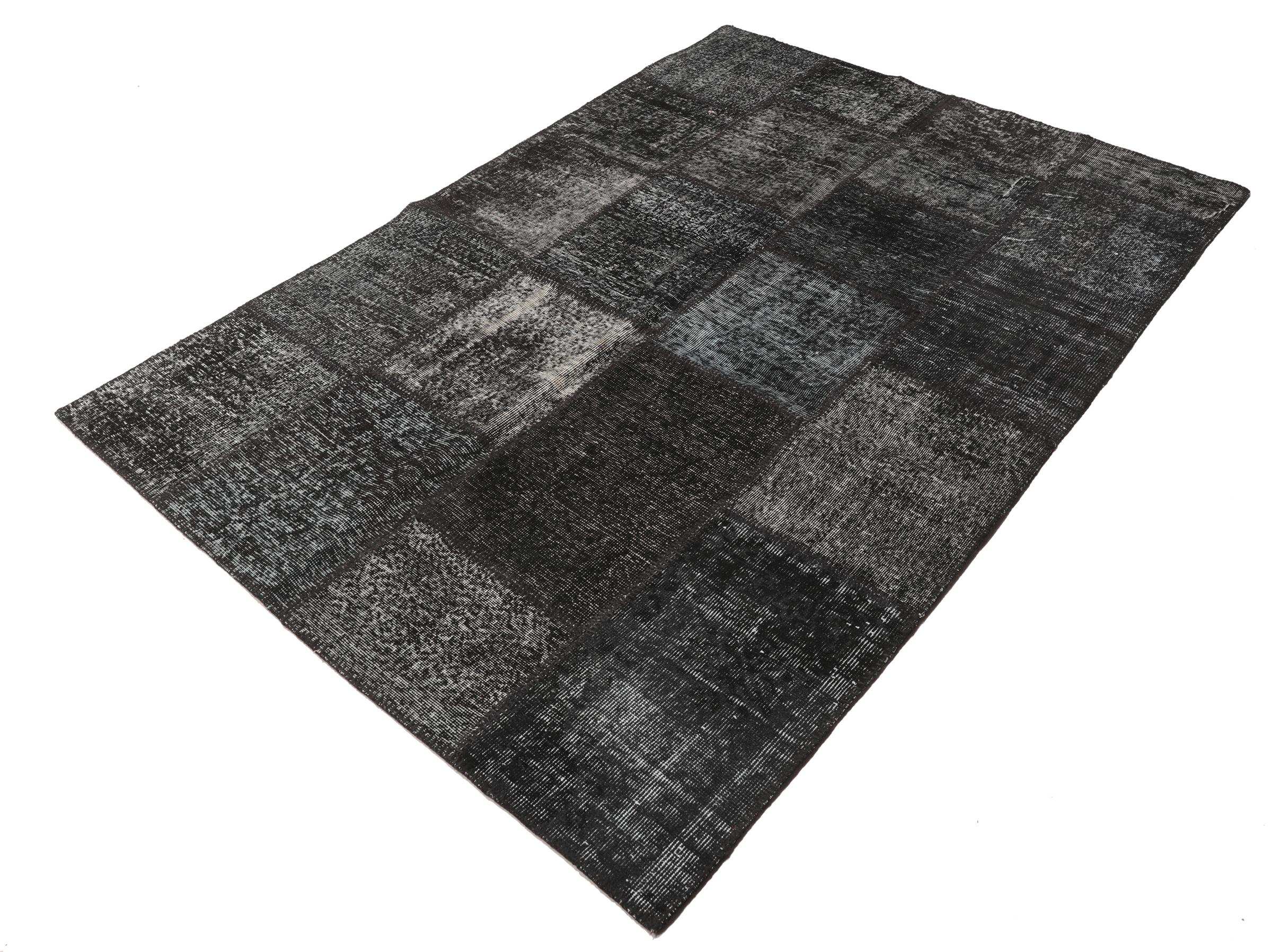
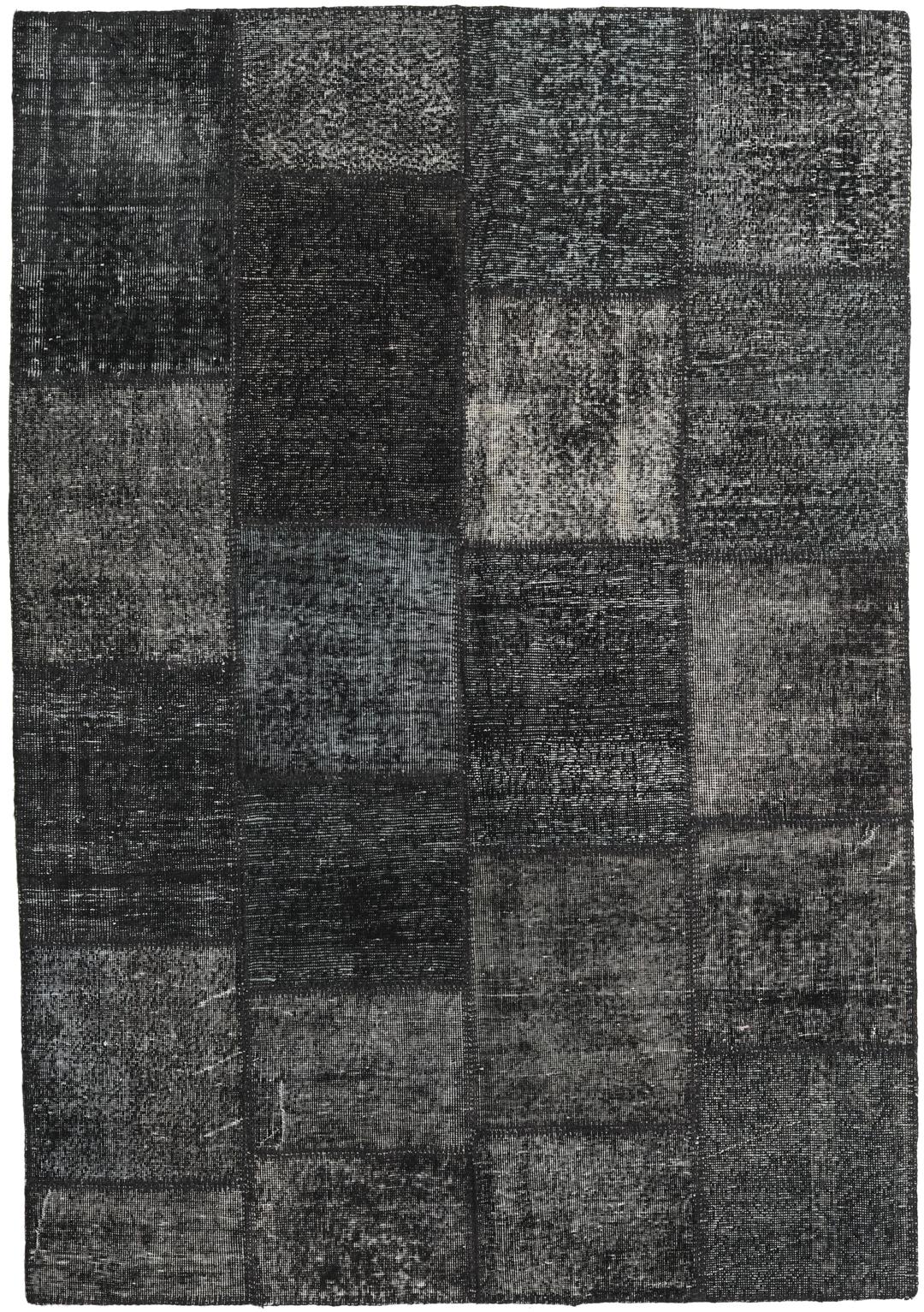
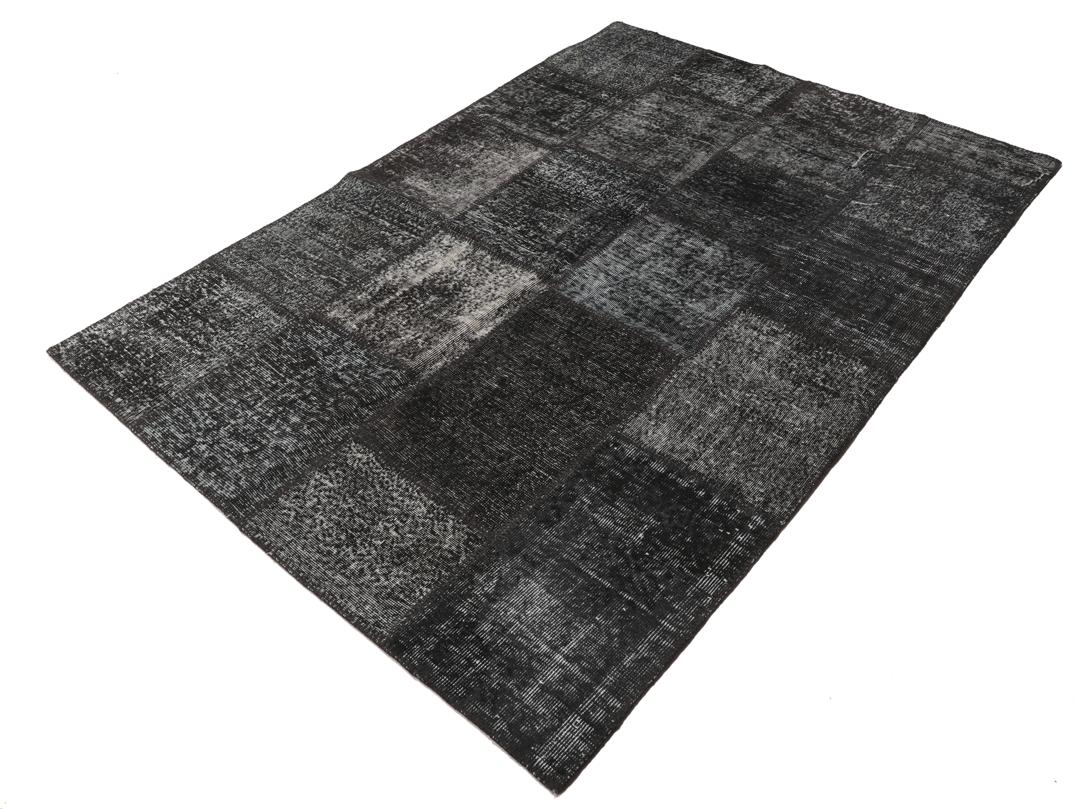
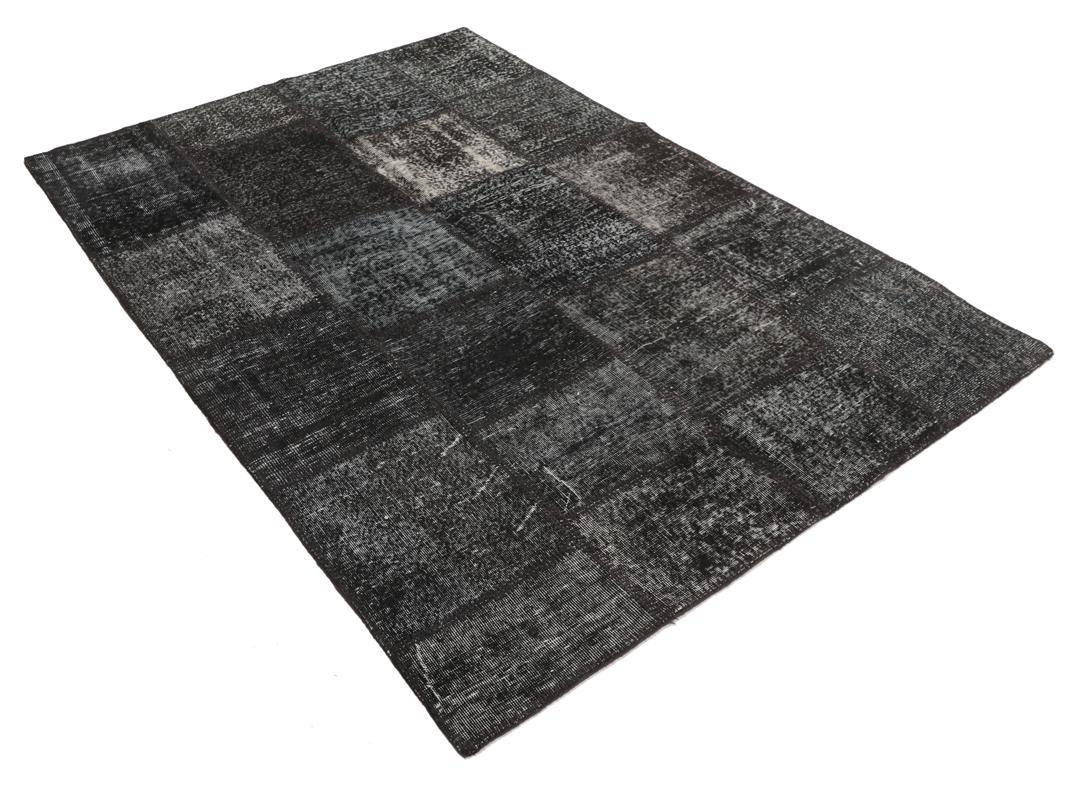
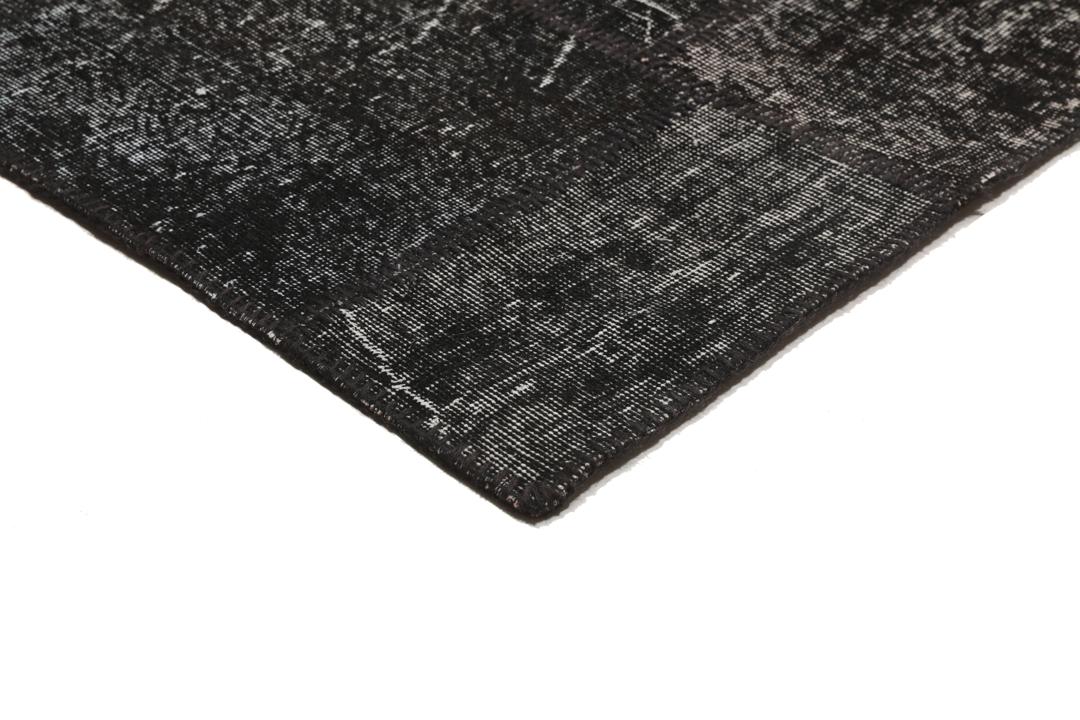
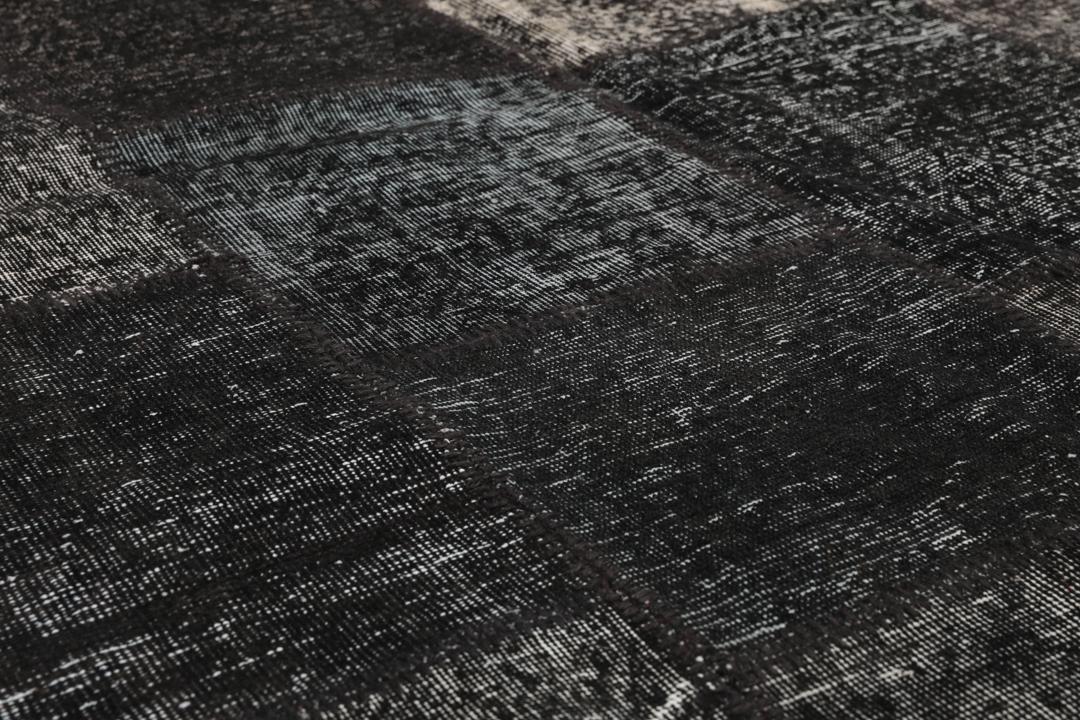
Visually, these rugs are defined by their grid-like structure, which highlights the variations in dye lots and wear patterns inherent in the original pieces. In this particular rug, the black and grey tones create a moody, monochromatic look that emphasises the texture of the weave. The formal border-like arrangement of the squares provides a structured frame, turning the rug into a complex tapestry of light and shadow.
Collecting a patchwork rug is an investment in both cultural heritage and sustainable design. It allows you to own a piece of history that has been thoughtfully curated for the contemporary interior. Because these rugs are composed of unique, individual elements, they possess a soul and a weight that mass-produced items lack. Owning one is a testament to an appreciation for skilled hand-craft and the enduring value of textile arts.