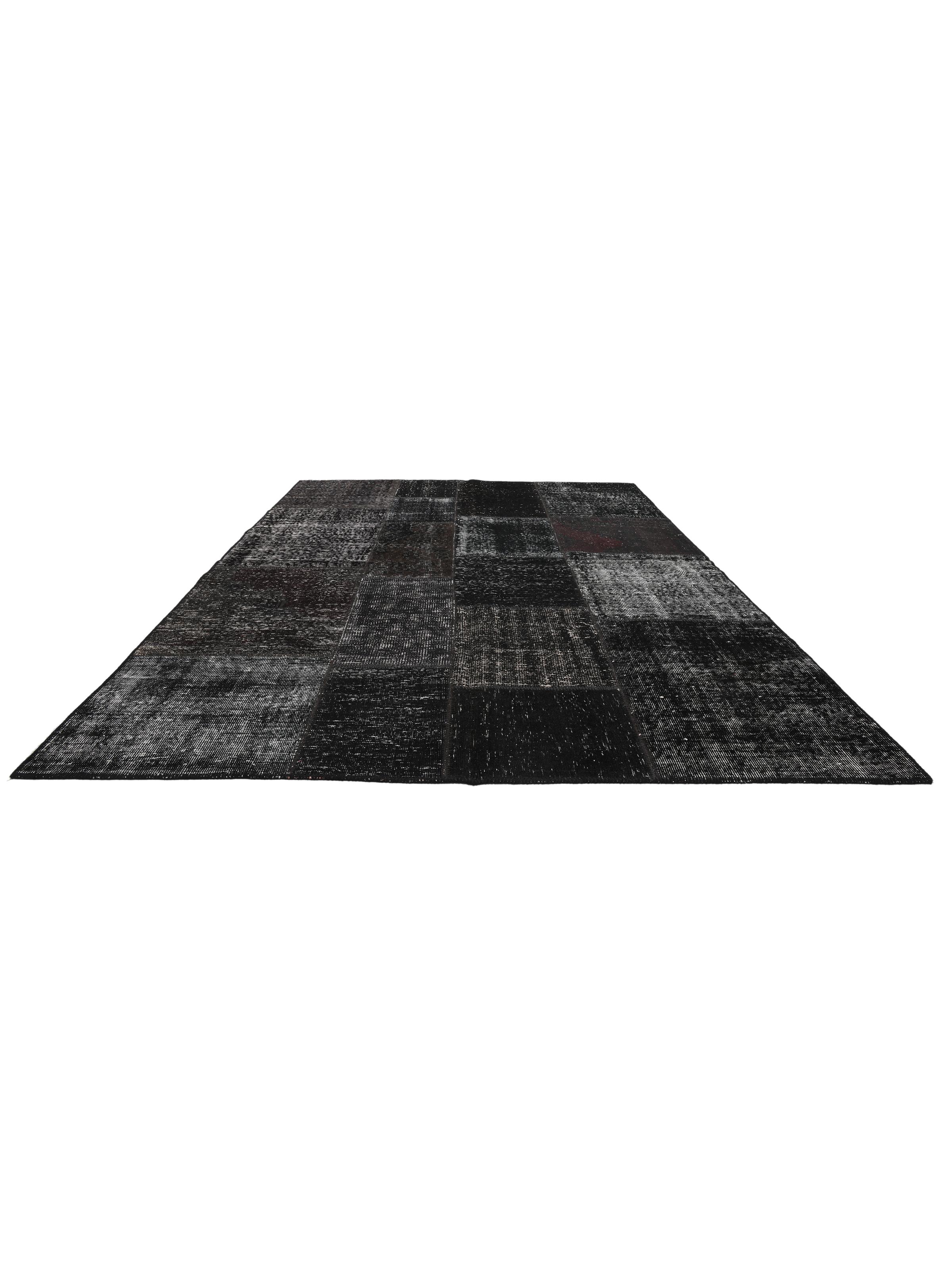
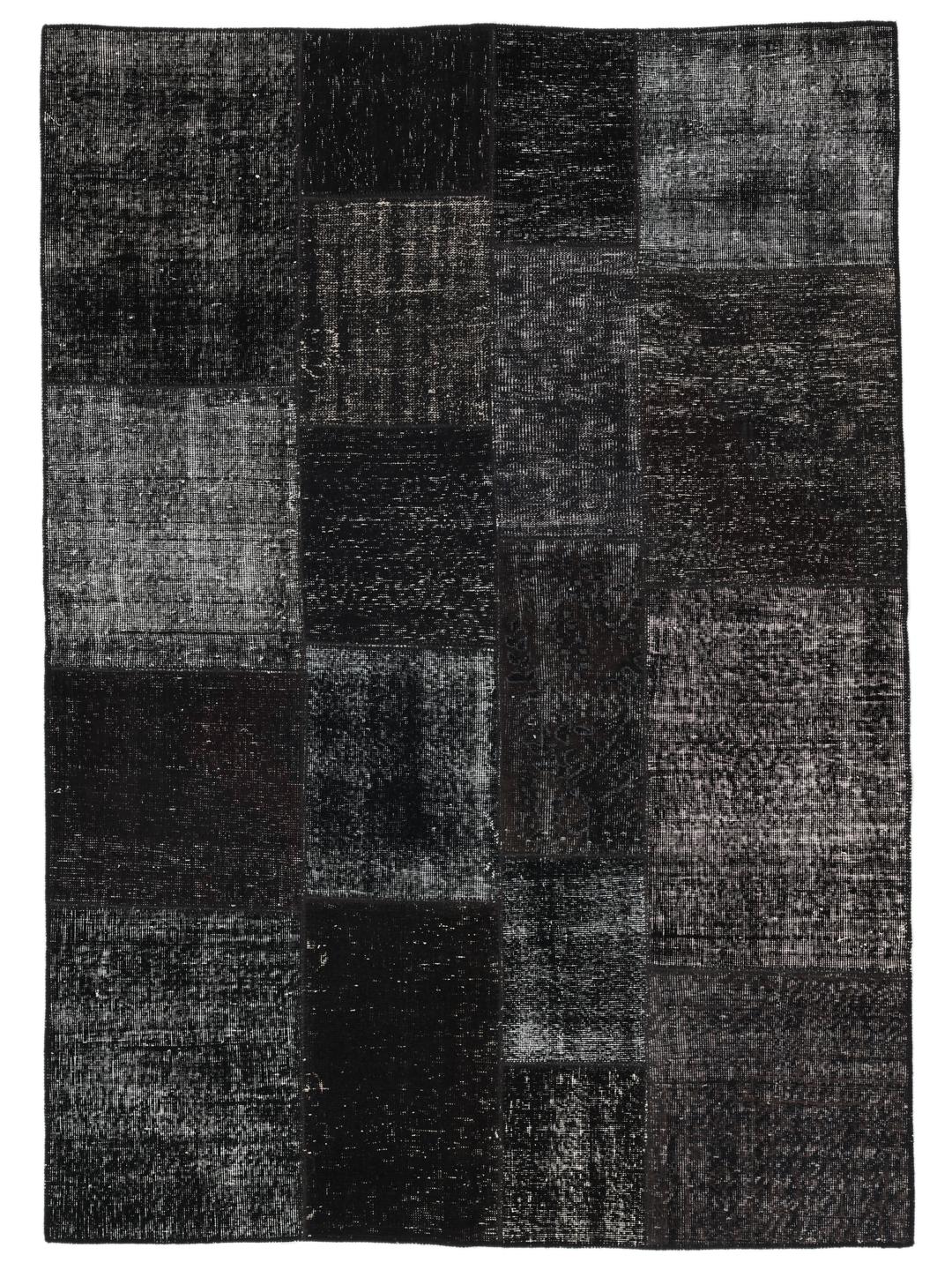
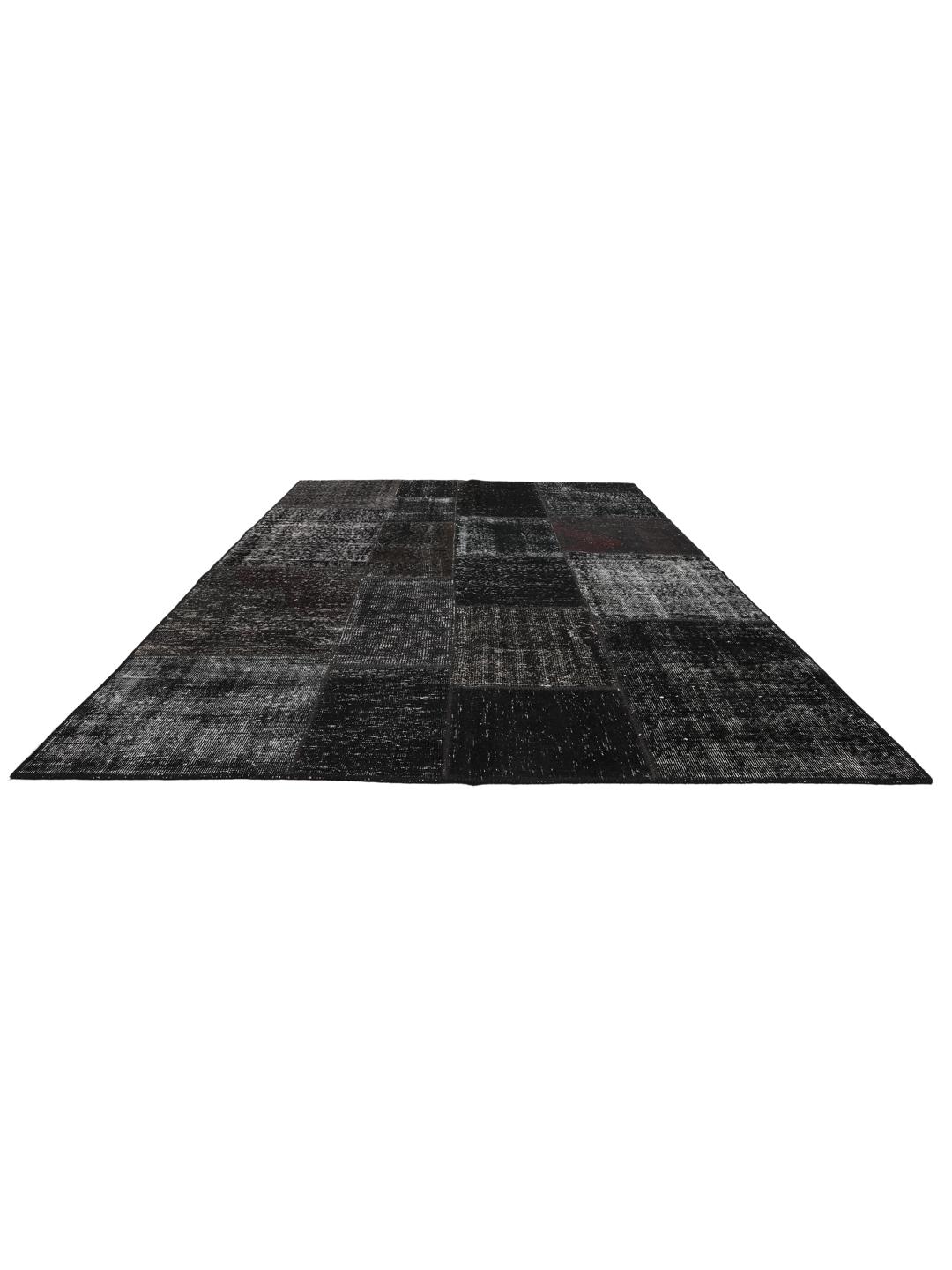
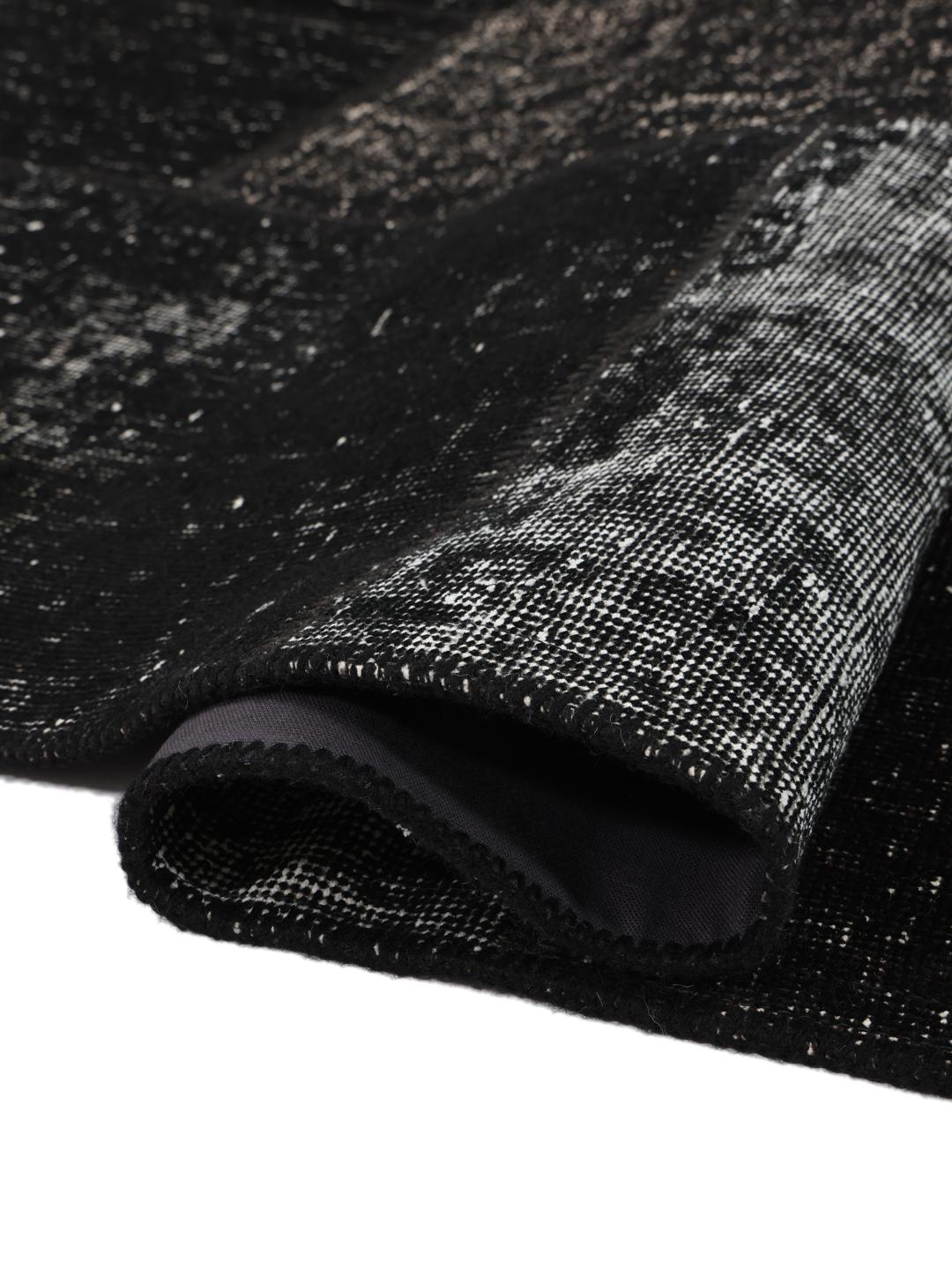
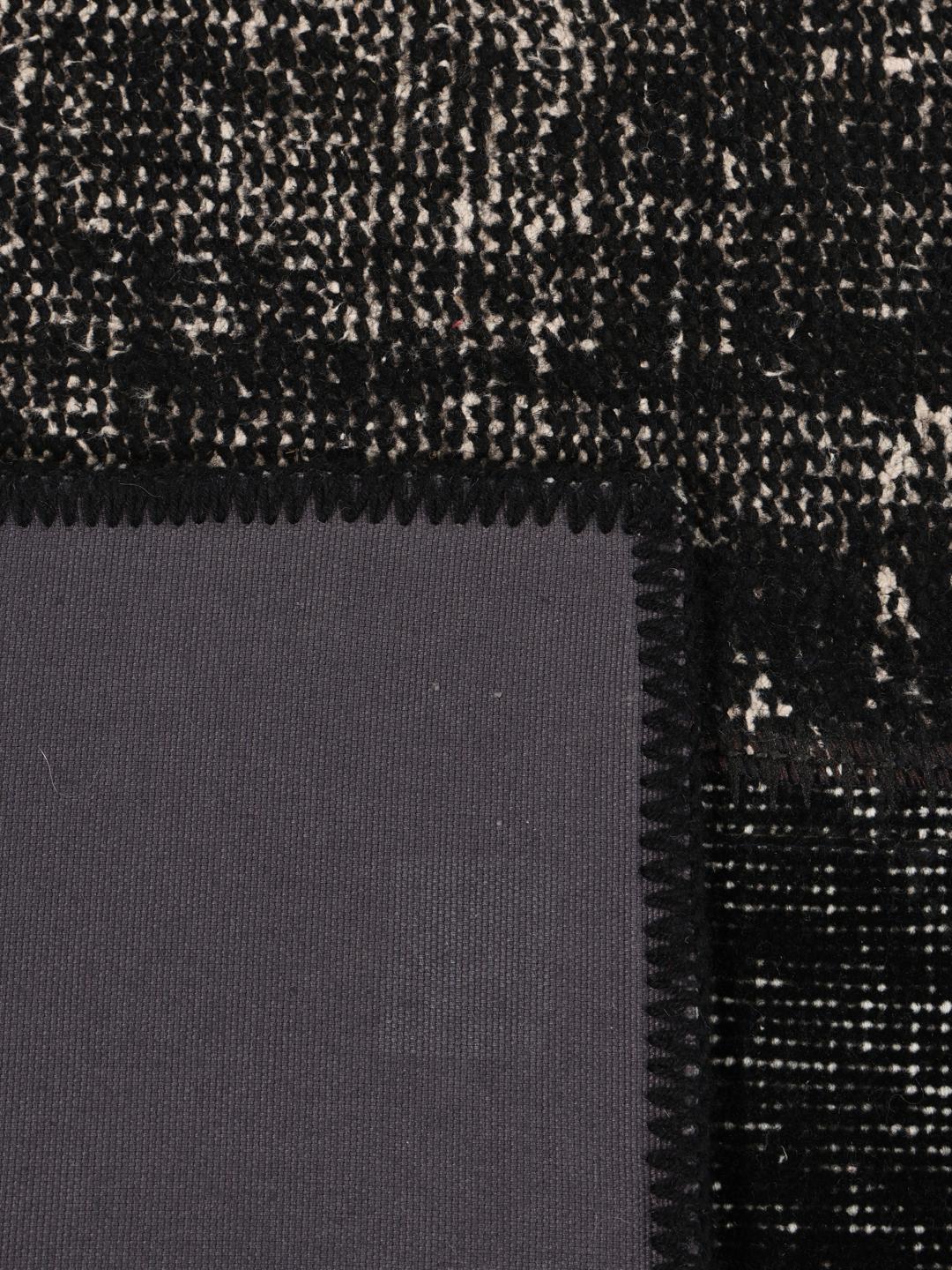
Patchwork rugs represent a fascinating evolution in textile history, emerging from the practical need to preserve and celebrate the beauty of older, cherished hand-knotted rugs. By carefully selecting sections from existing pieces that have weathered the years, artisans give these materials a second life in a new, contemporary form.
This tradition of upcycling is deeply embedded in the textile culture of Turkey, where the longevity of hand-knotted work is highly valued. Instead of discarding rugs that have suffered partial damage, craftspeople ingeniously reconfigure the best-preserved sections into new, cohesive designs that honour the original workmanship while adapting to modern tastes.
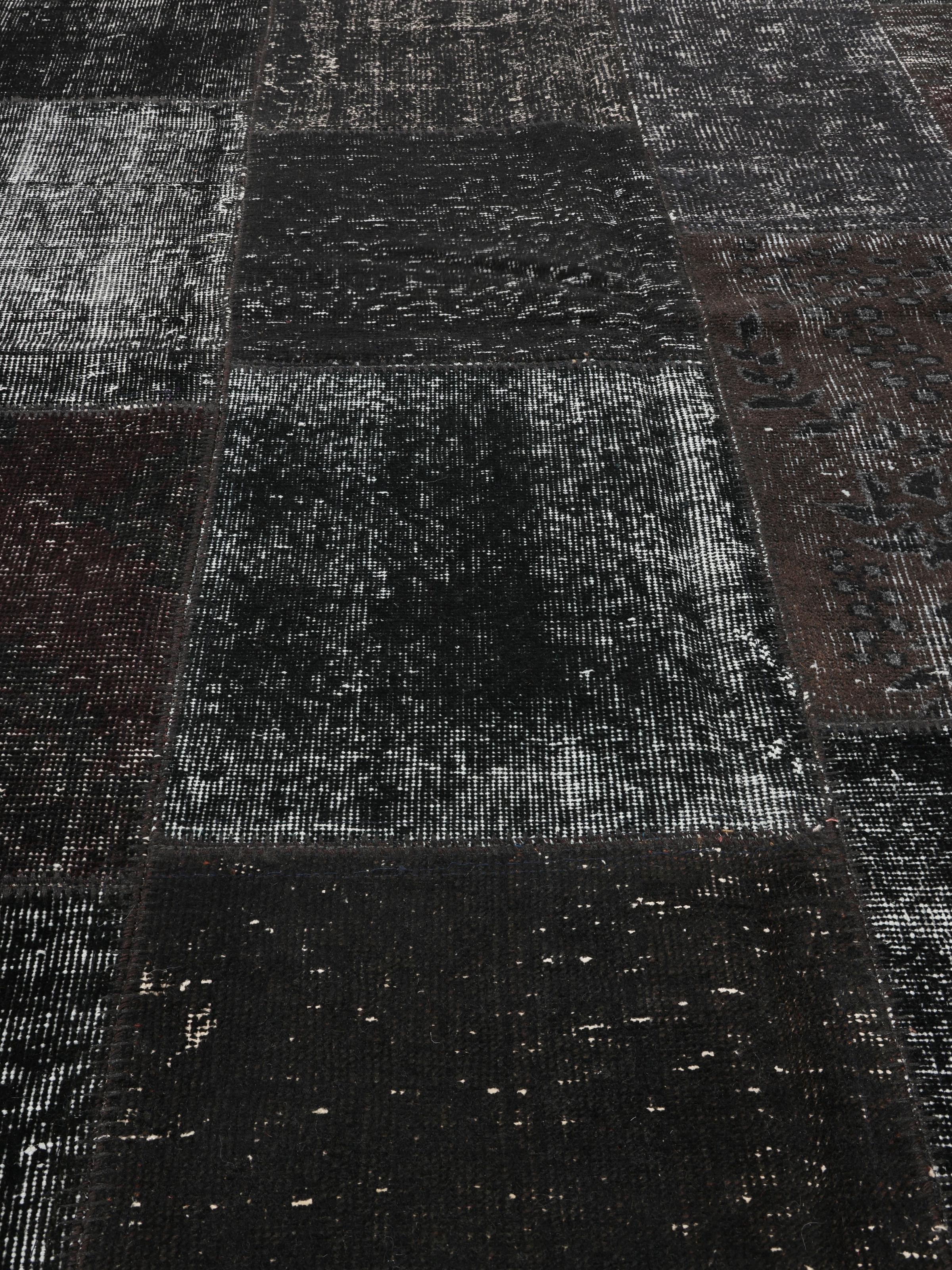
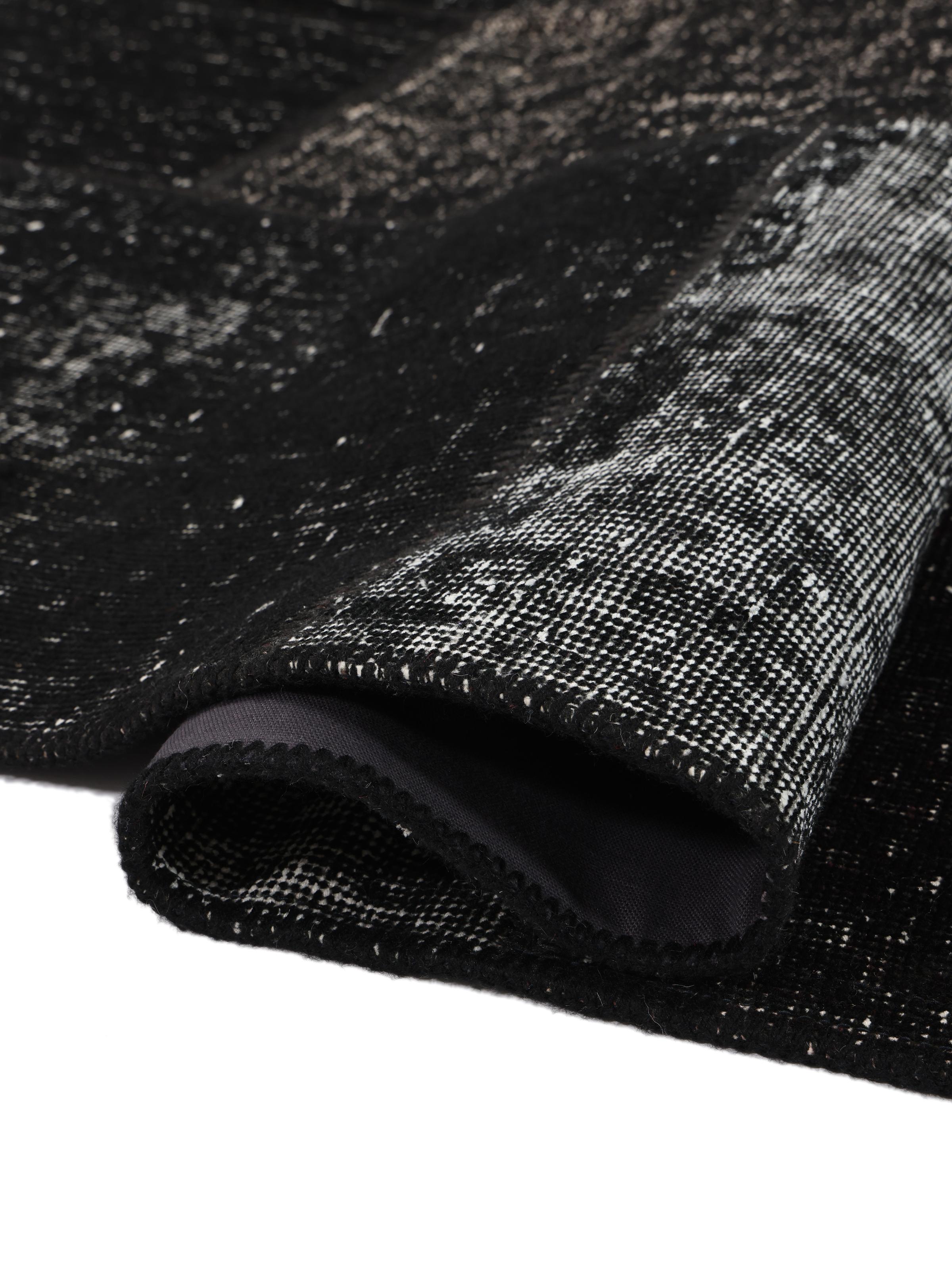
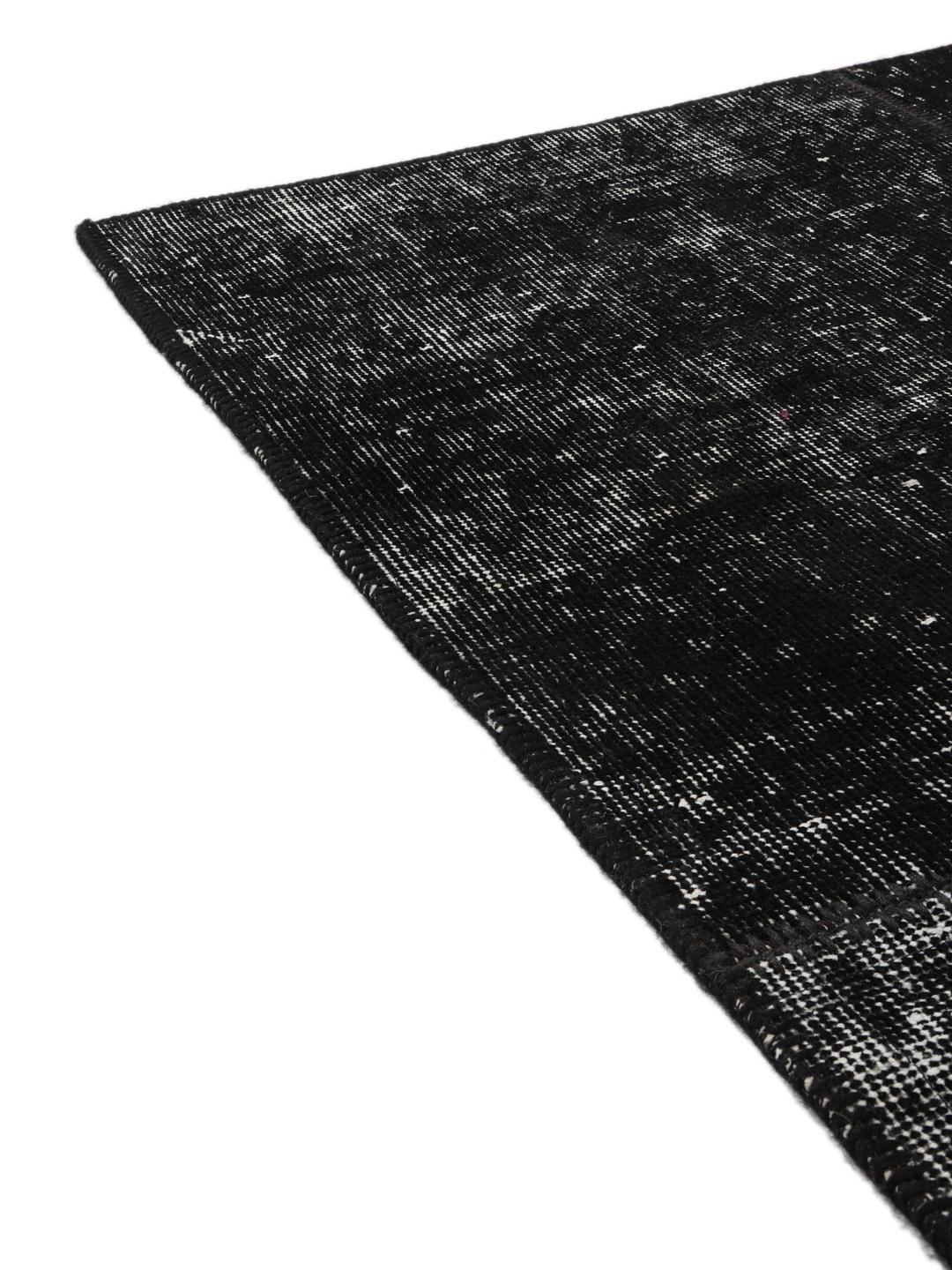
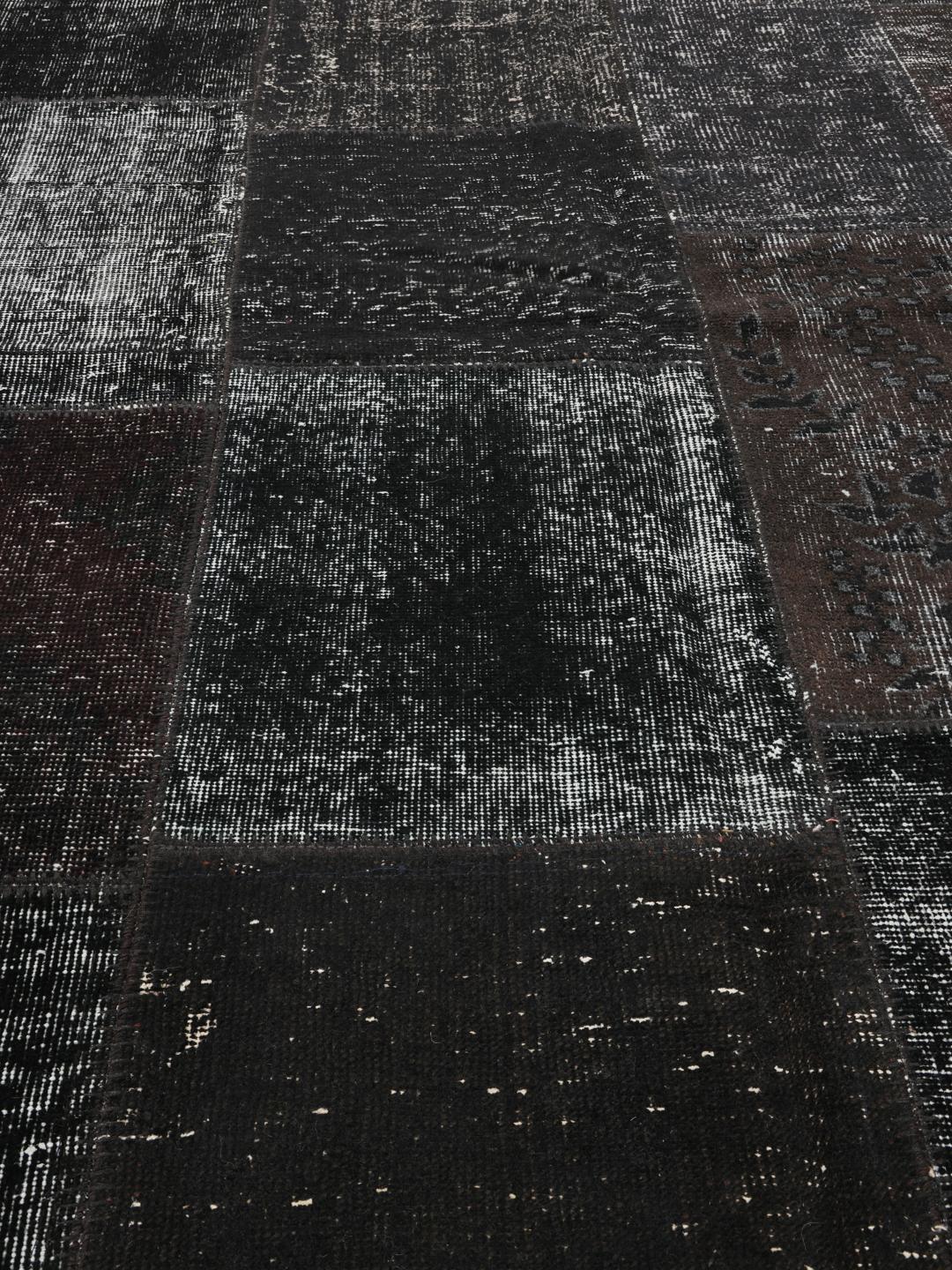
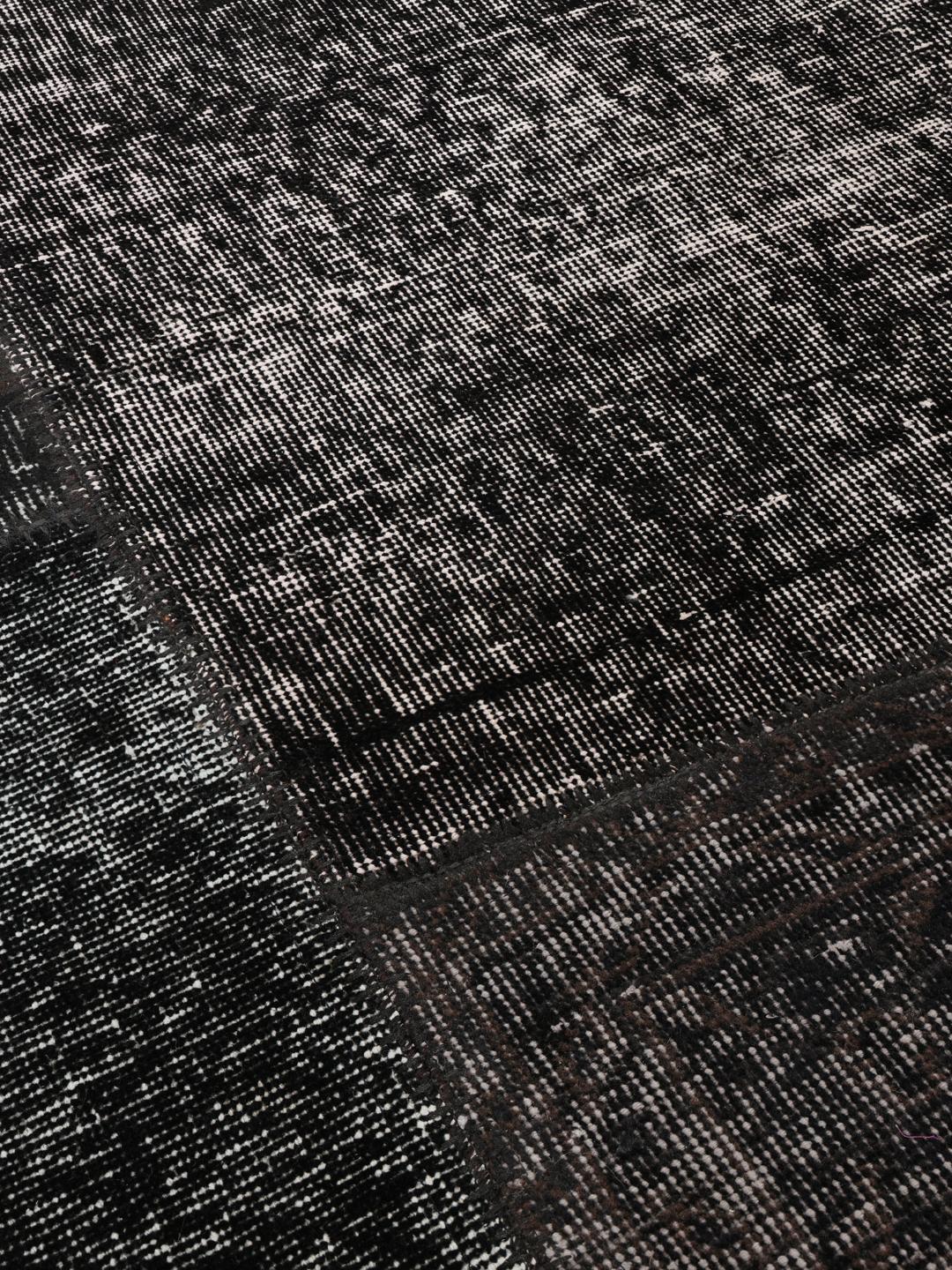
The visual language of a patchwork rug is defined by the interplay of varied pile heights, faded patterns, and tonal shifts. When pieces are combined, they create a mosaic-like effect where the history of each fragment remains visible, adding a layer of depth and narrative to the finished item that is impossible to achieve with new, uniform materials.
Owning a patchwork rug is an act of supporting sustainable craft and historical continuity. It is a way to appreciate the skill of generations of weavers, as each square tells a story of a different origin and era, resulting in a floor covering that serves as both a functional object and a piece of cultural history.