Patchwork rugs represent a fascinating evolution in textile history, rooted in the traditional Turkish practice of honouring and preserving high-quality materials. For generations, weavers in the Middle East have understood the value of hand-knotted textiles, and when a rug shows signs of age or wear, these fragments are carefully salvaged. This tradition of repurposing ensures that the skill and artistry embedded in the original weaves are celebrated rather than discarded.
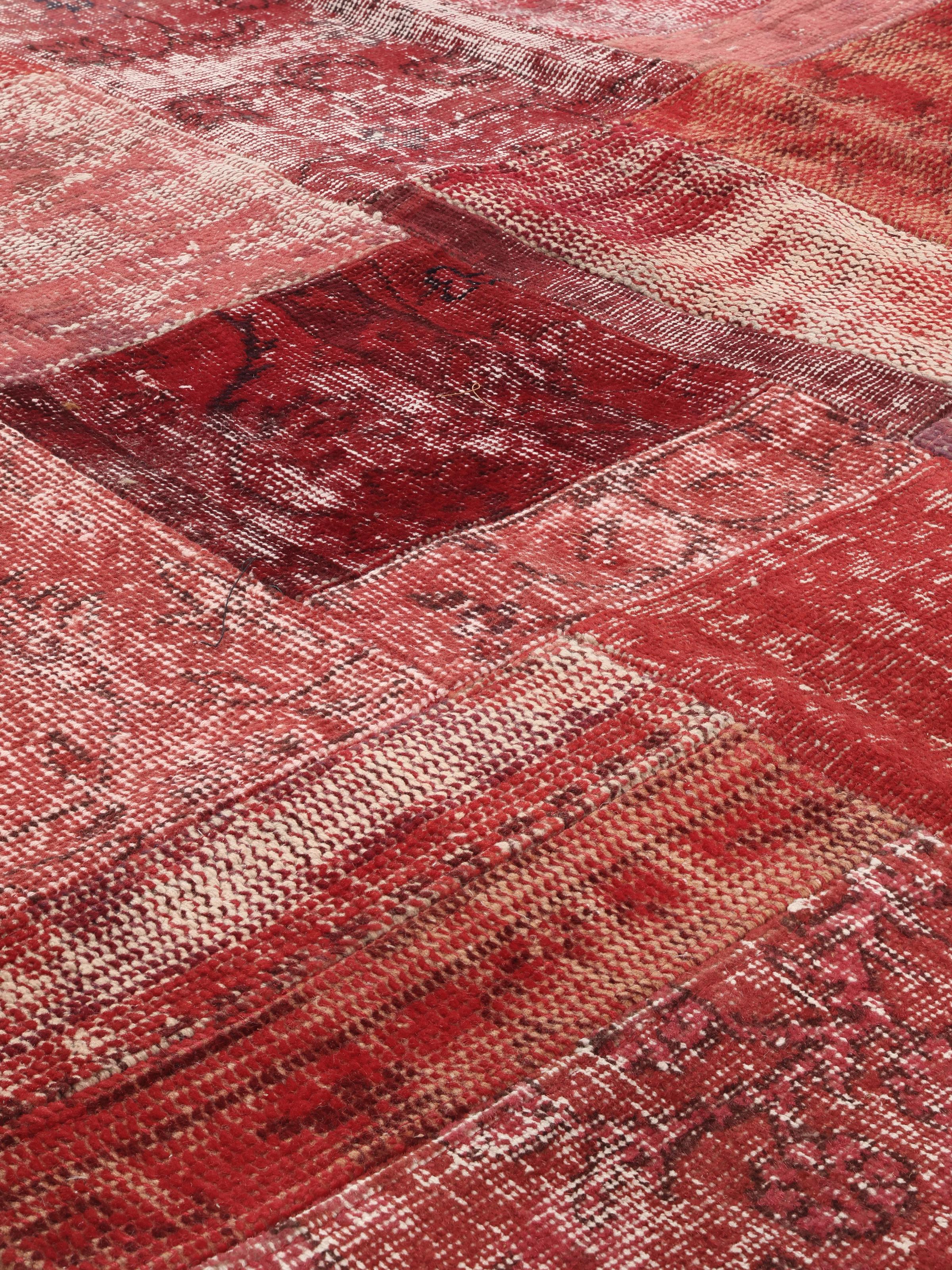
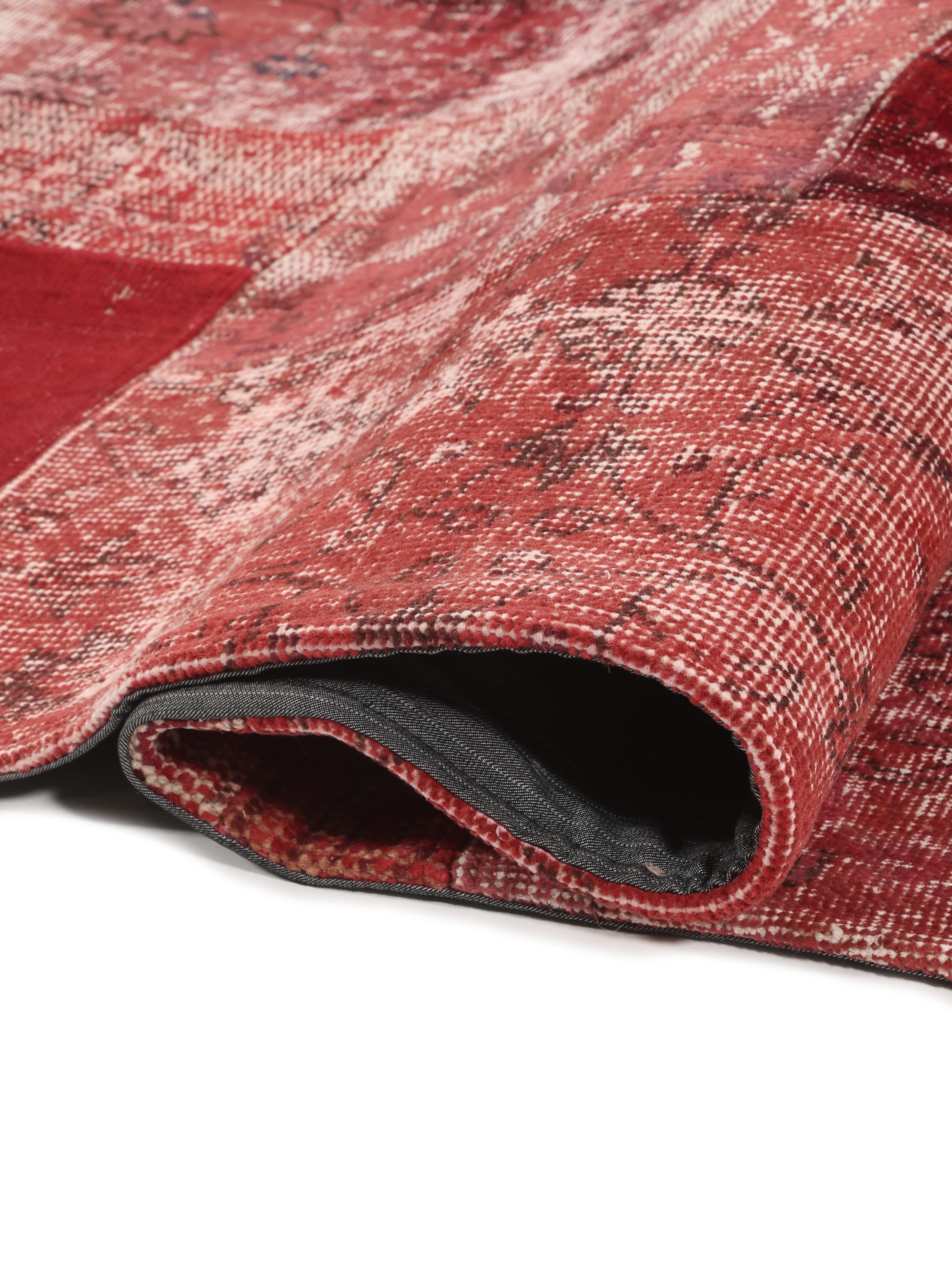
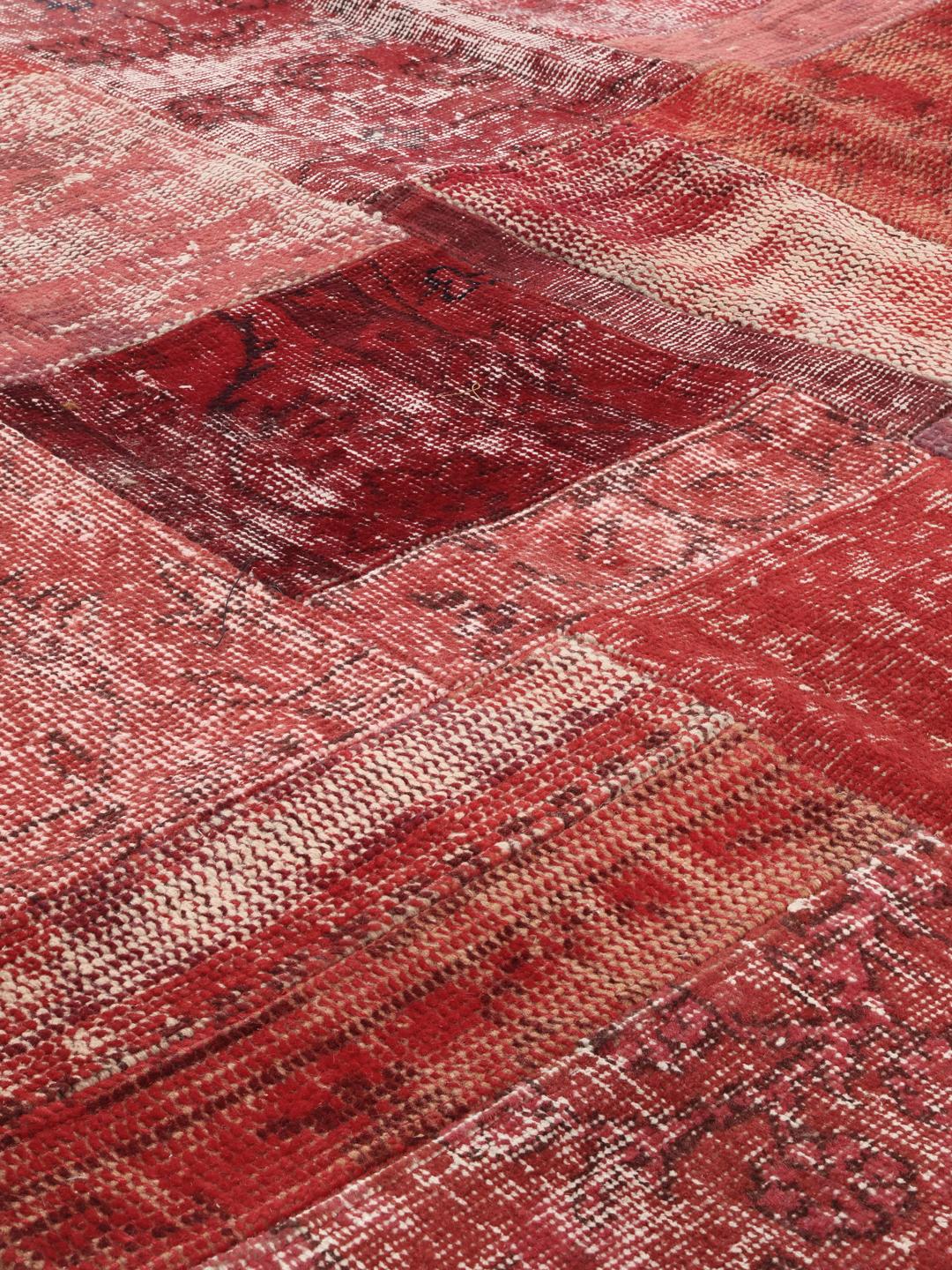
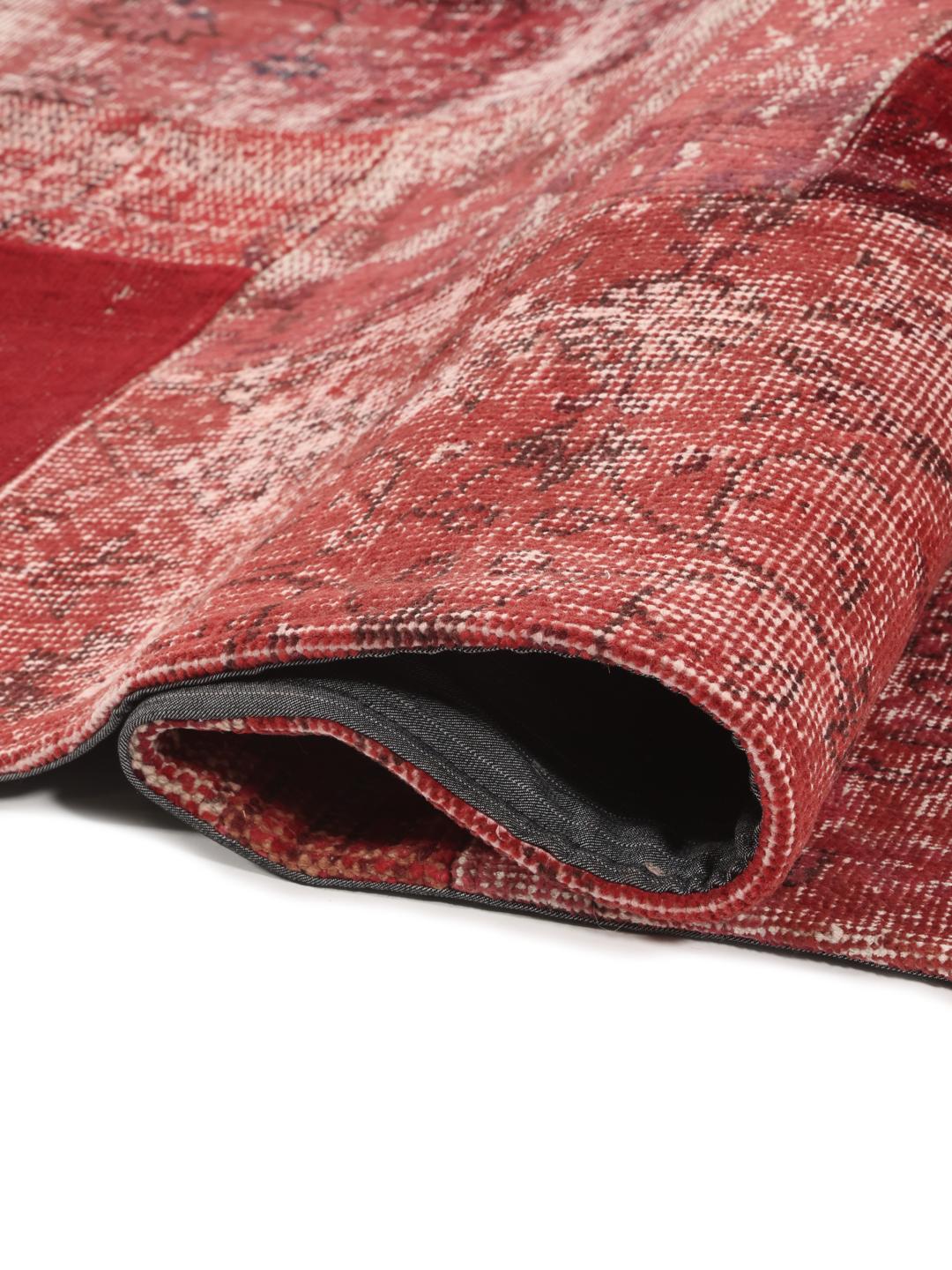
The technical mastery involved in creating a patchwork rug lies in the selection and assembly process. Artisans categorise fragments by colour, texture, and pattern, often using pieces from rugs that have been carefully washed and prepared to highlight their unique character. This process requires a deep understanding of textile construction, as each fragment must be reinforced to ensure the integrity of the new, larger rug, resulting in a product that is both structurally sound and aesthetically sophisticated.
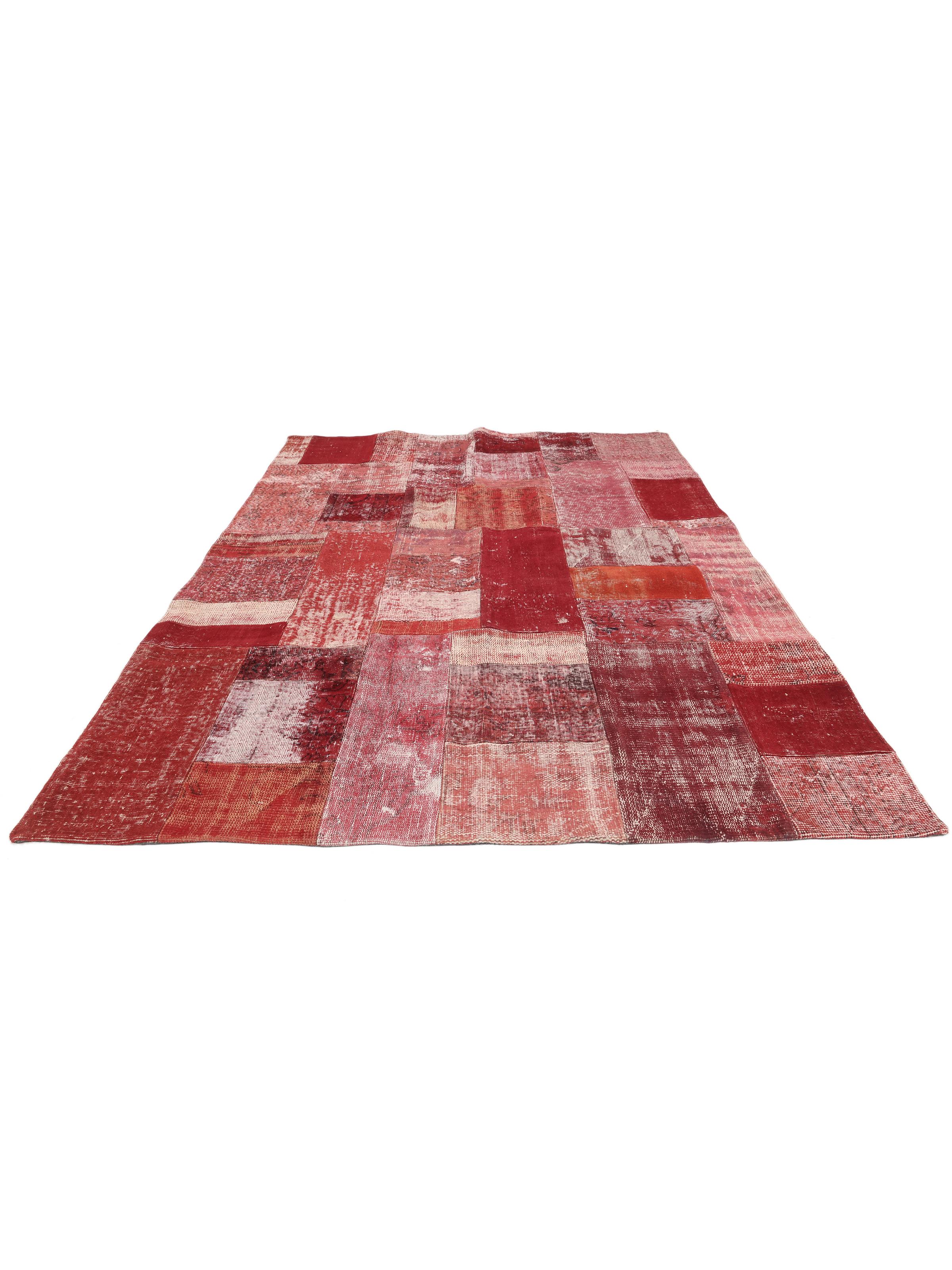
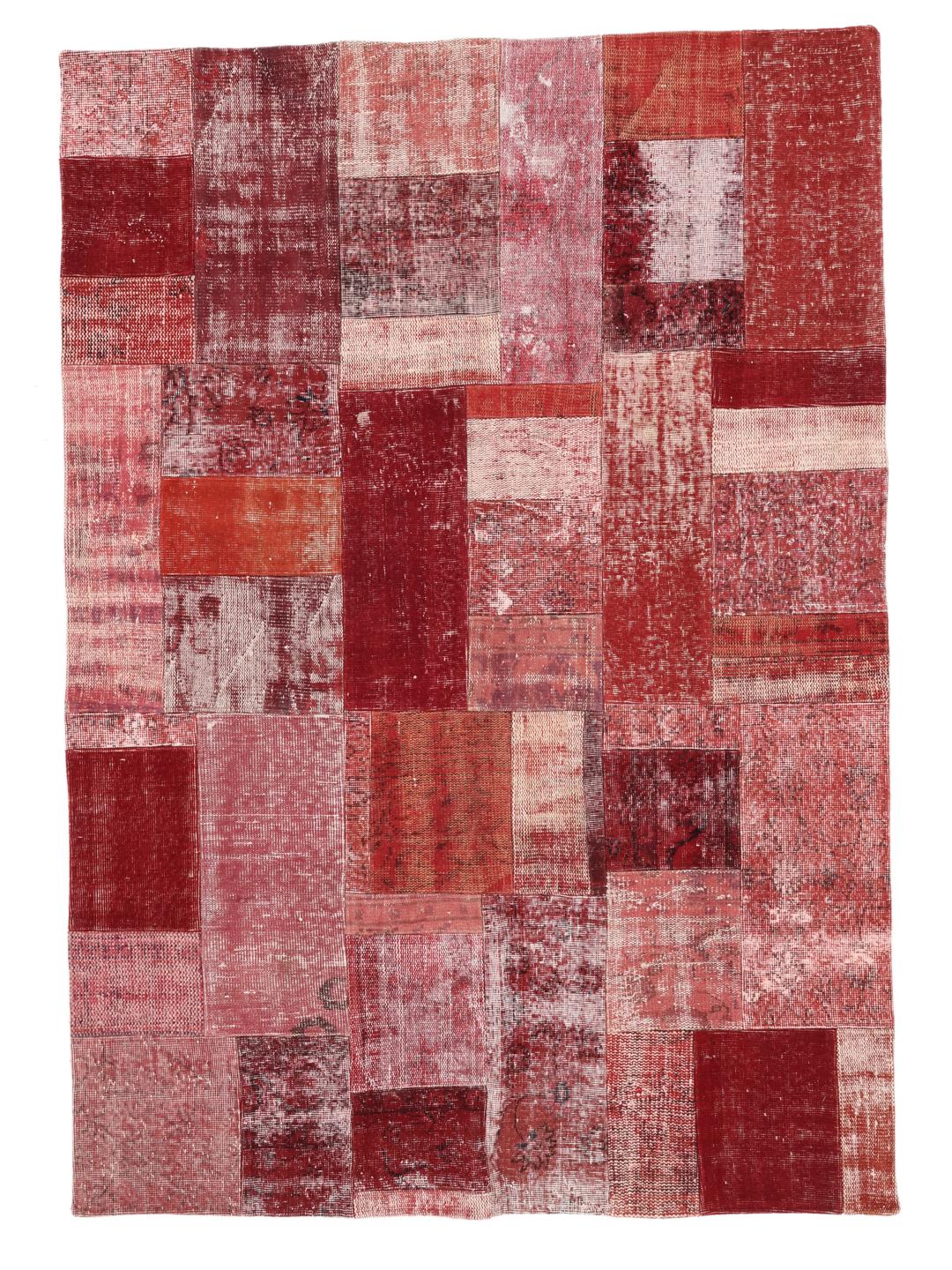
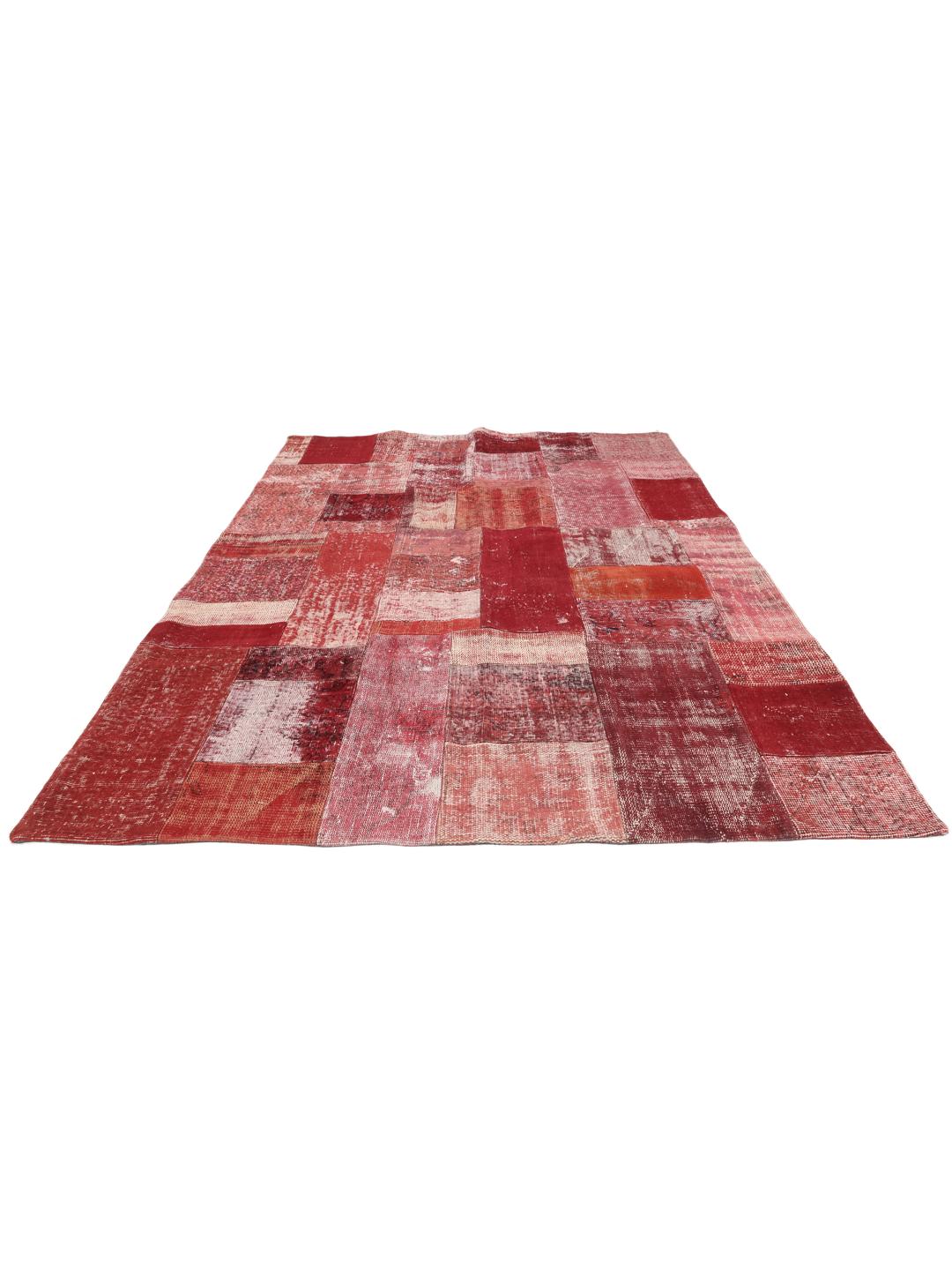
Visually, these rugs are defined by their eclectic and dynamic appearance. While traditional rugs often follow a single, symmetrical pattern, patchwork designs embrace the beauty of variation. You will find a blend of geometric motifs, faded floral elements, and varied pile heights, all unified by a cohesive colour palette. This rug, in particular, showcases a vibrant red theme that highlights the rich, organic dyes historically used in the region, creating a striking contrast between the different vintage sections.
Owning a patchwork rug is a way of connecting with a broader narrative of heritage and craftsmanship. These pieces are highly valued by collectors because they capture the essence of multiple textile traditions within a single, modern format. By bringing this rug into your home, you are not just choosing a floor covering, but a piece of cultural history that has been transformed through human ingenuity and a deep respect for the art of weaving.