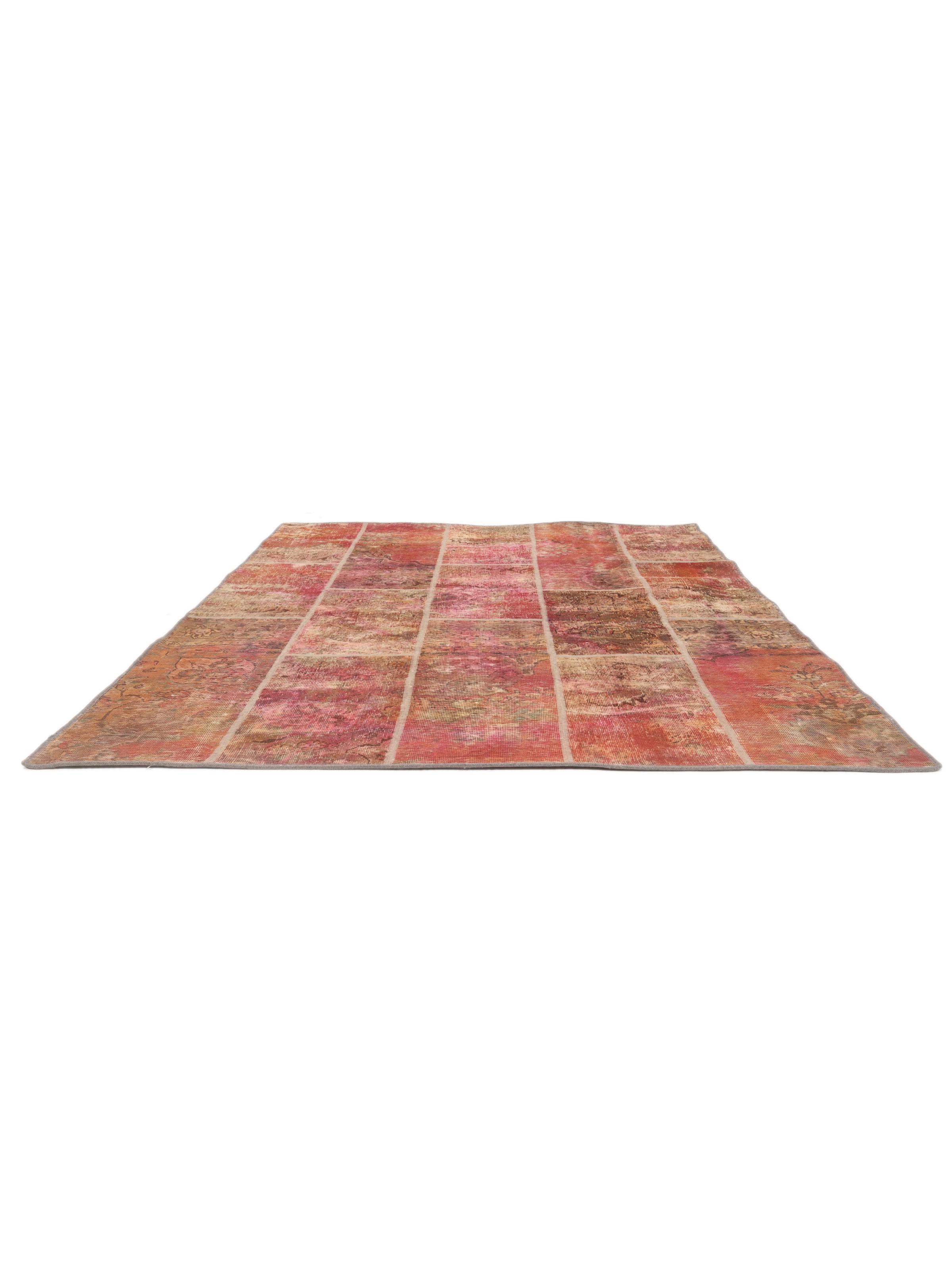
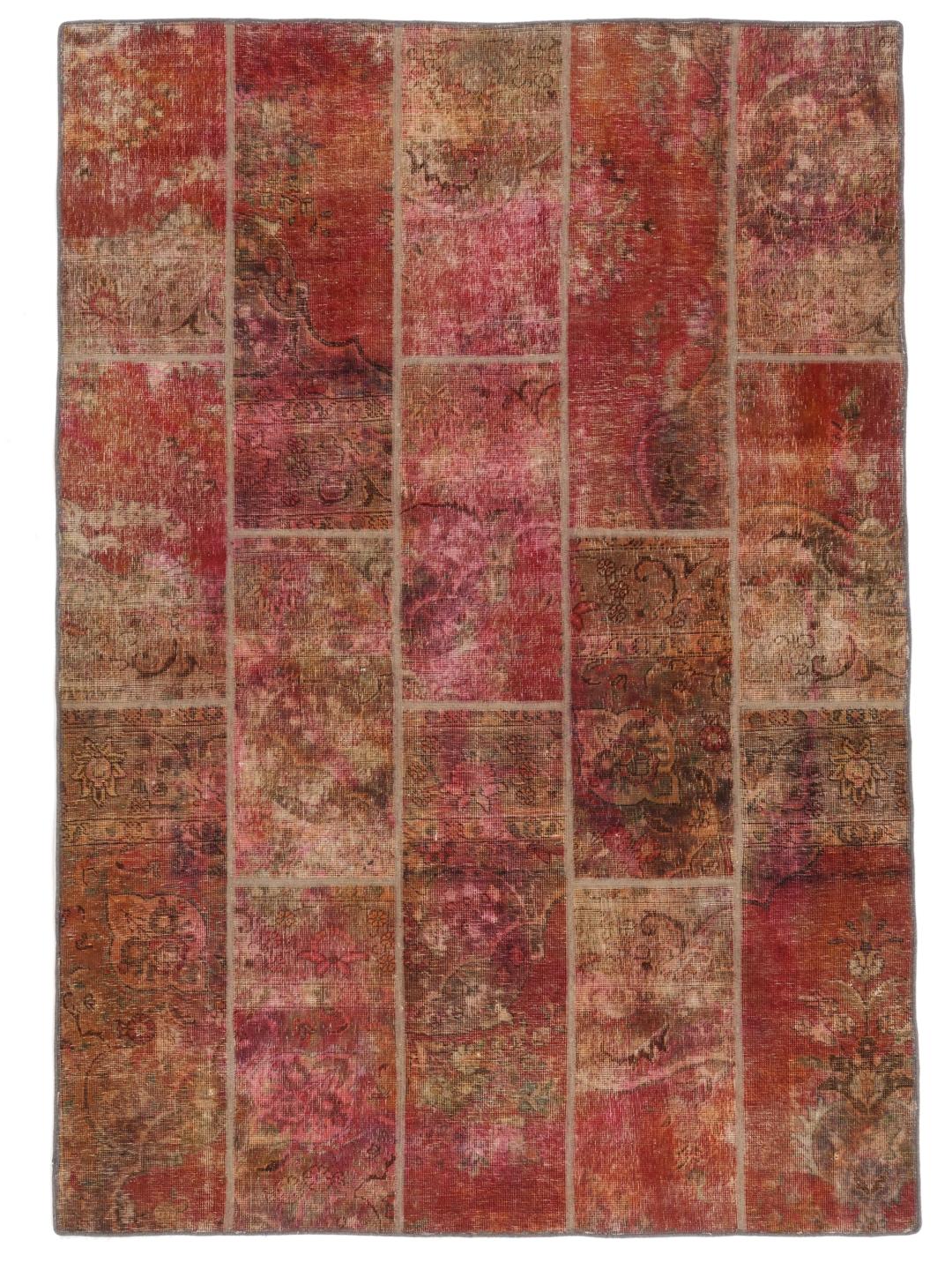
Patchwork rugs represent a fascinating evolution in the long history of Middle Eastern textile arts. By taking fragments from aged, hand-knotted rugs that might otherwise be discarded, artisans extend the life of these textiles, creating a new narrative. This practice honours the legacy of traditional weaving while embracing a contemporary design aesthetic that values sustainability and visual depth.
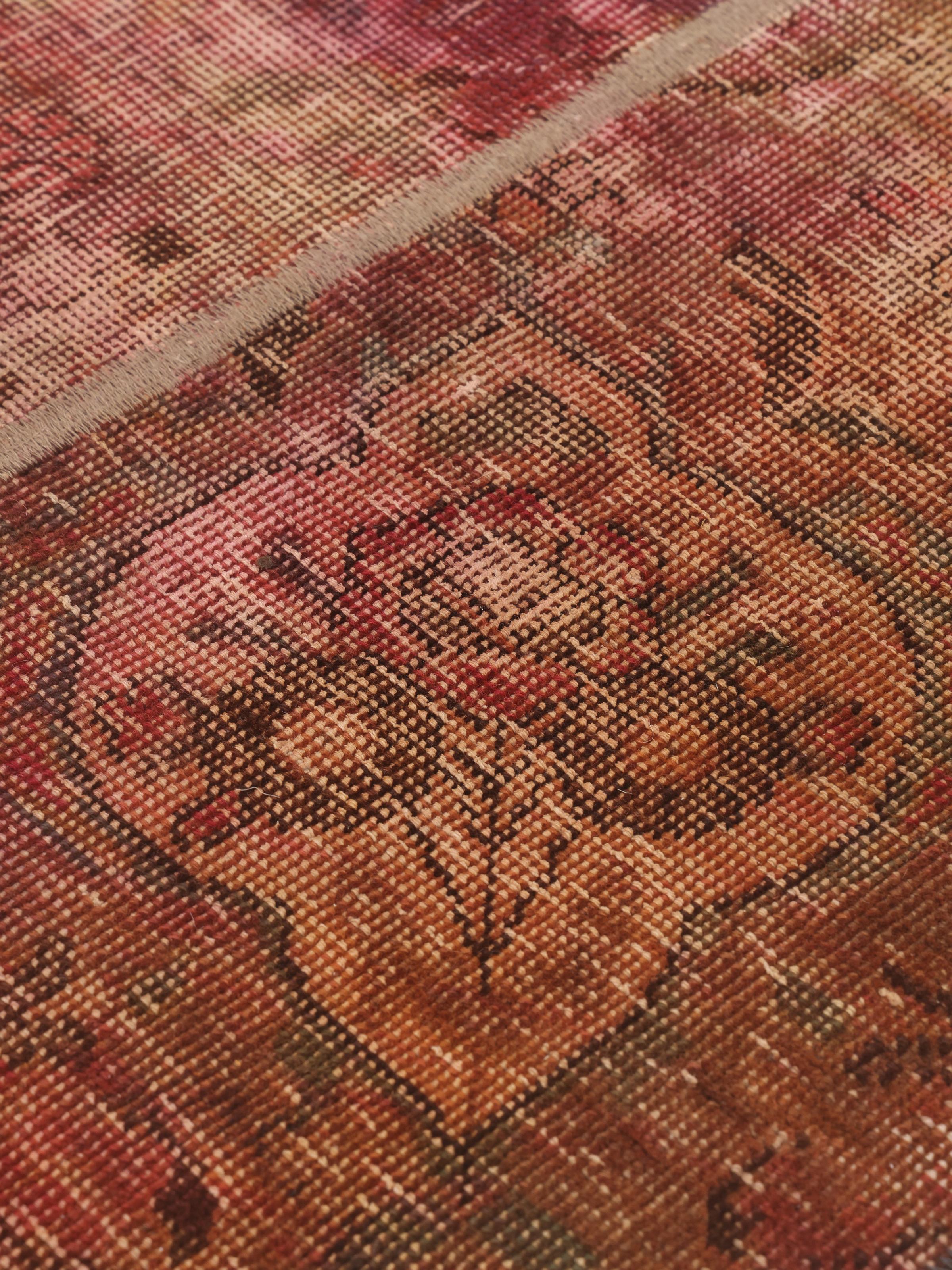
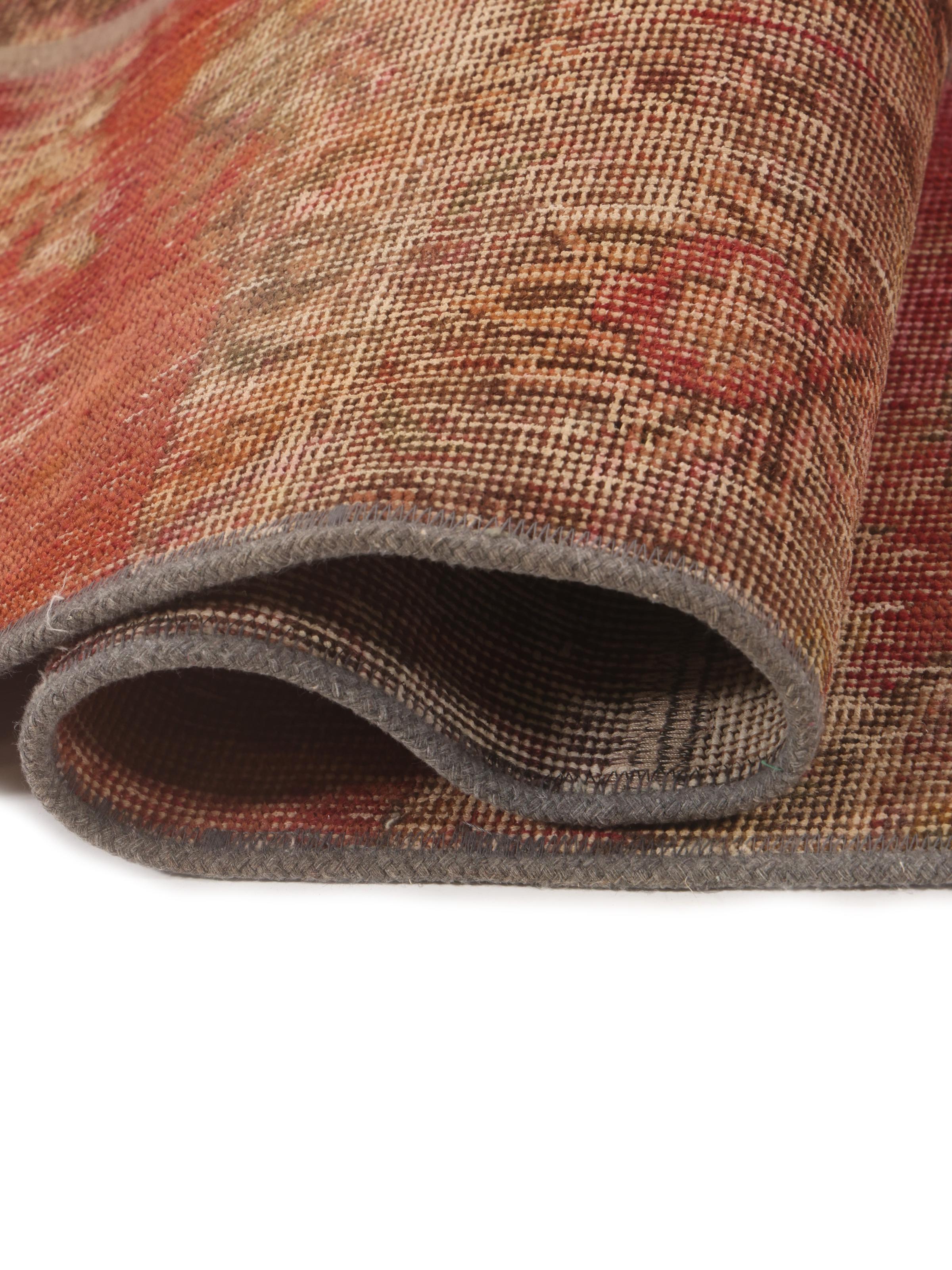
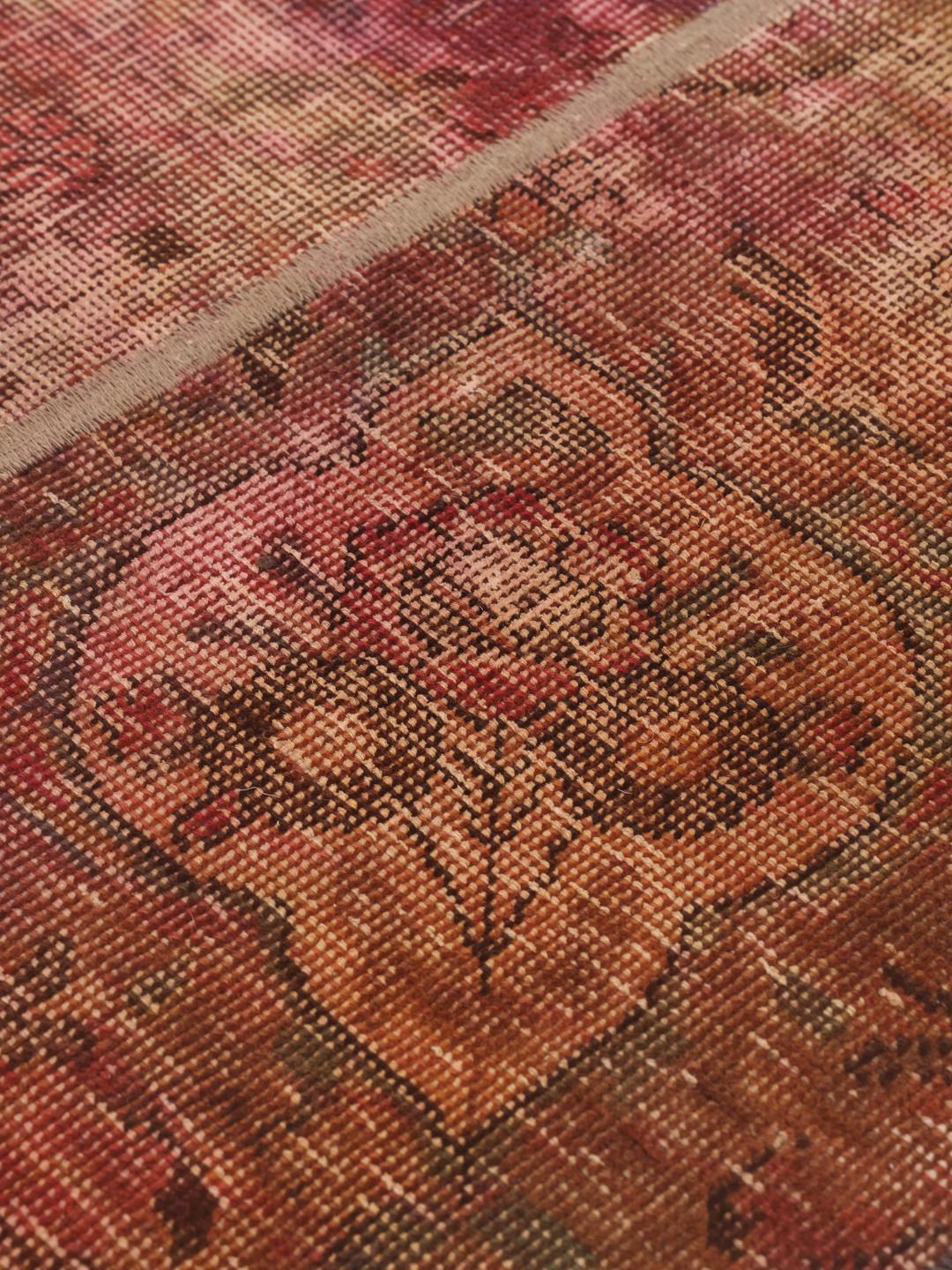
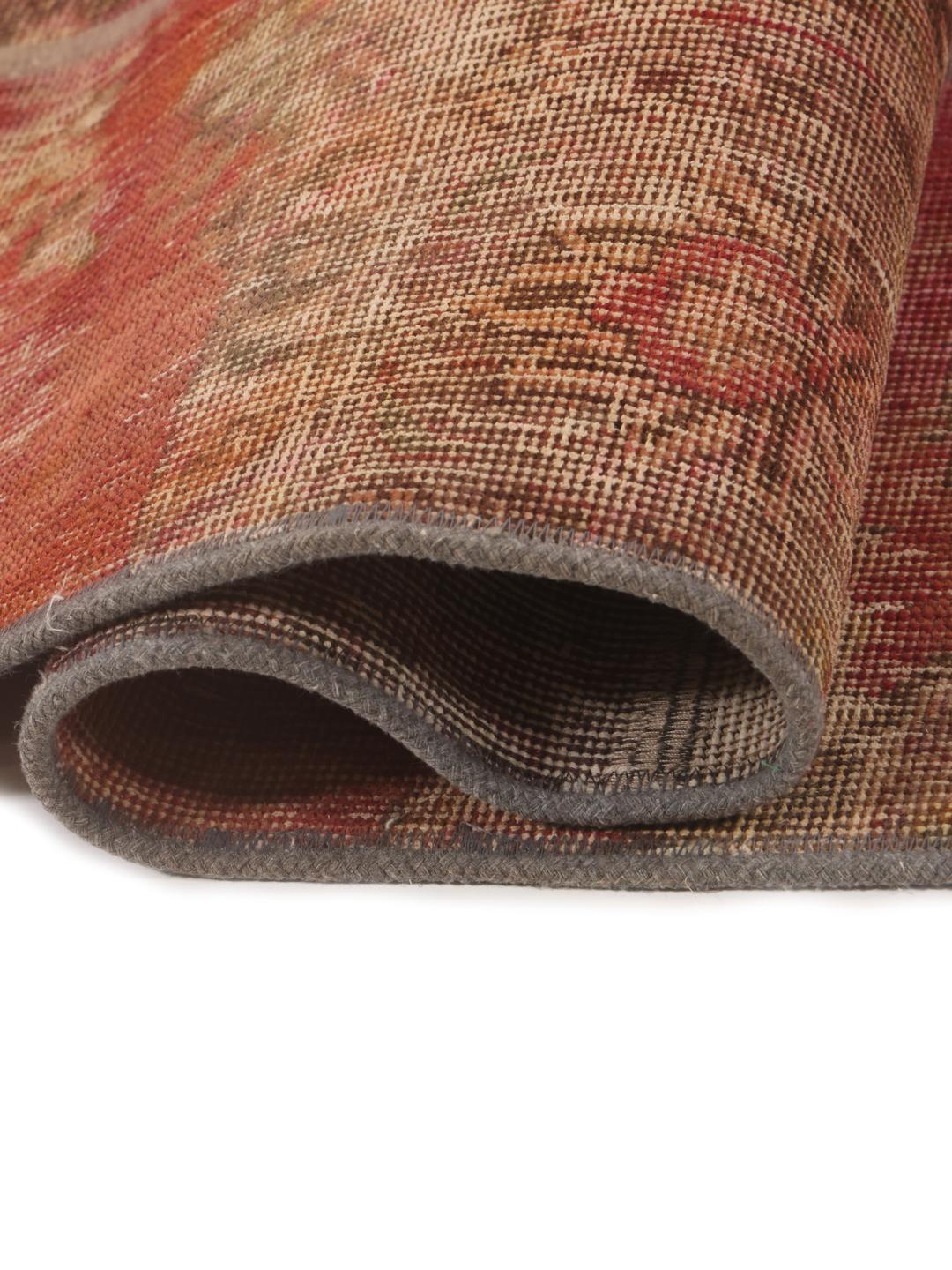
The fragments used in these pieces often come from rugs that have been carefully curated for their remaining pile height and pattern clarity. The term 'hand-knotted' refers to the traditional method where individual strands of wool are tied around the warp and weft threads. This technique is what gives these rugs their exceptional density, durability, and ability to hold intricate patterns, qualities that remain evident even in these repurposed segments.
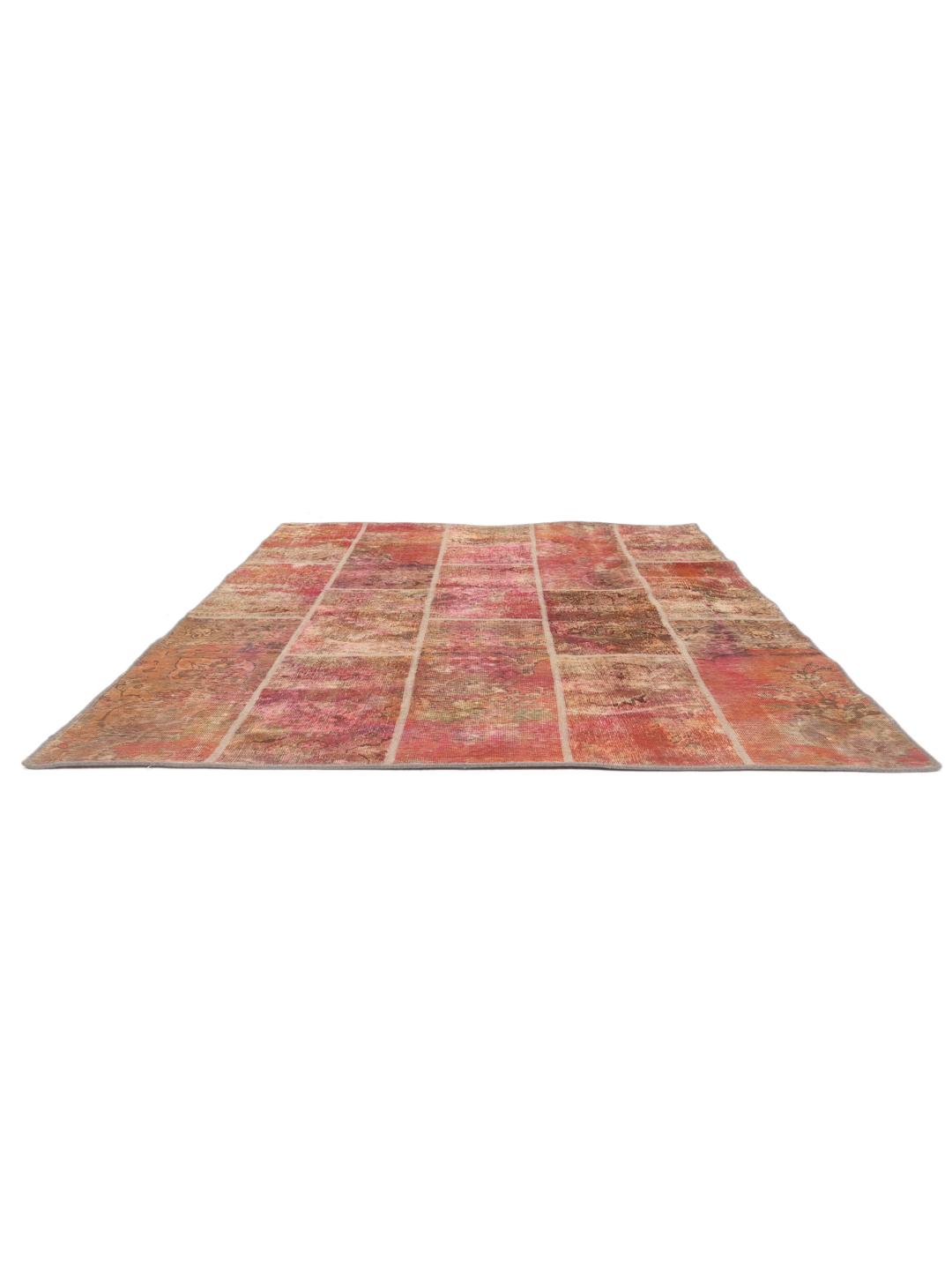
Visually, these rugs are a tapestry of history, often featuring a blend of geometric and floral motifs that reflect the regional styles from which they originated. You might see hints of tribal designs alongside more formal, court-inspired patterns. The colour palette, dominated here by warm reds and earthy browns, is characteristic of the organic, plant-based dyes used in many of the original vintage pieces, which mellow beautifully over time.
Collecting a patchwork rug is an act of preserving cultural heritage. It allows you to own a piece that connects you to the diverse weaving traditions of the Middle East. These rugs are highly valued for their unique character, as they represent a synthesis of different eras and styles. Owning one is a testament to an appreciation for fine craft and the understanding that beauty, when cared for, only improves with age.