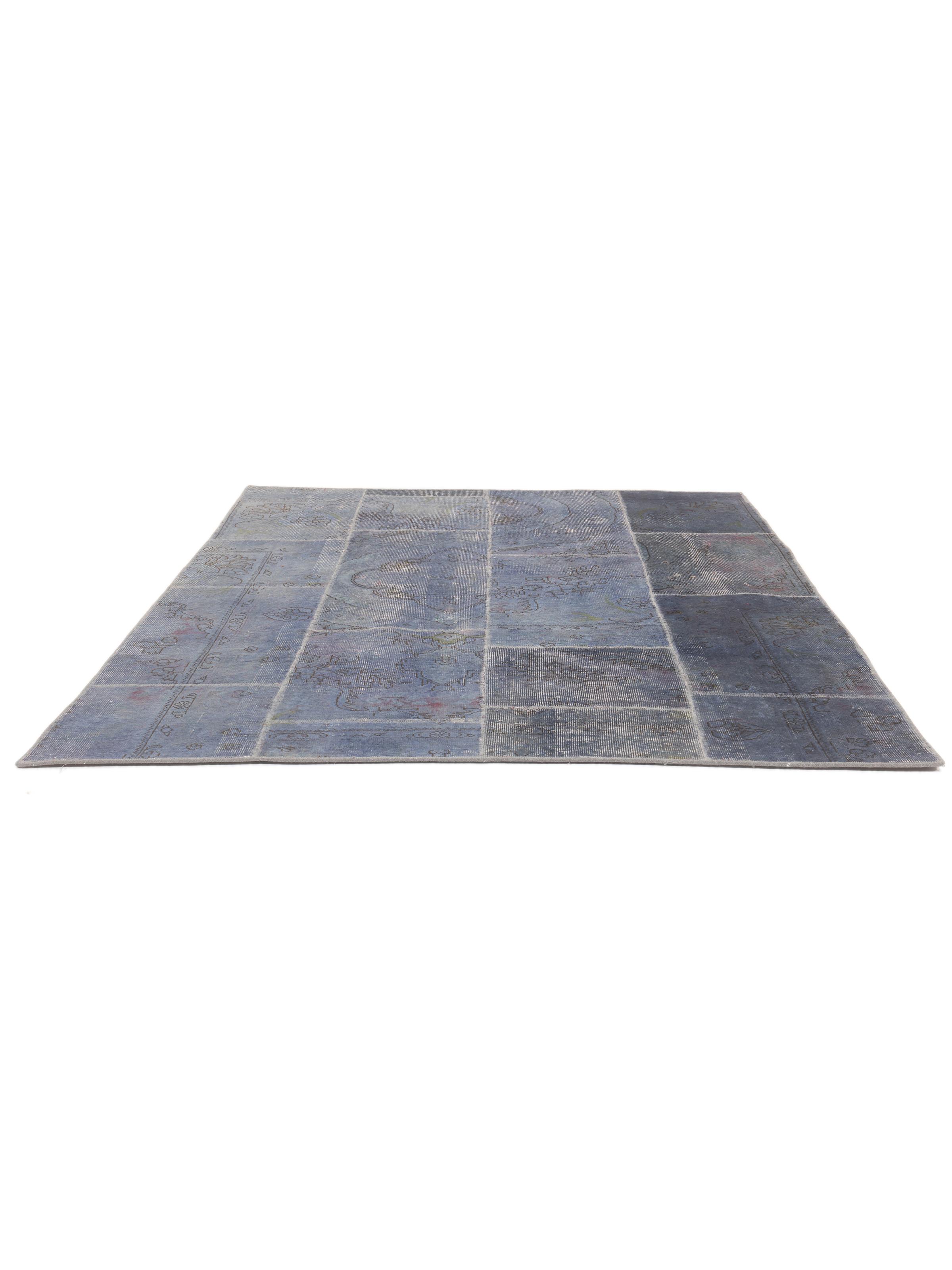
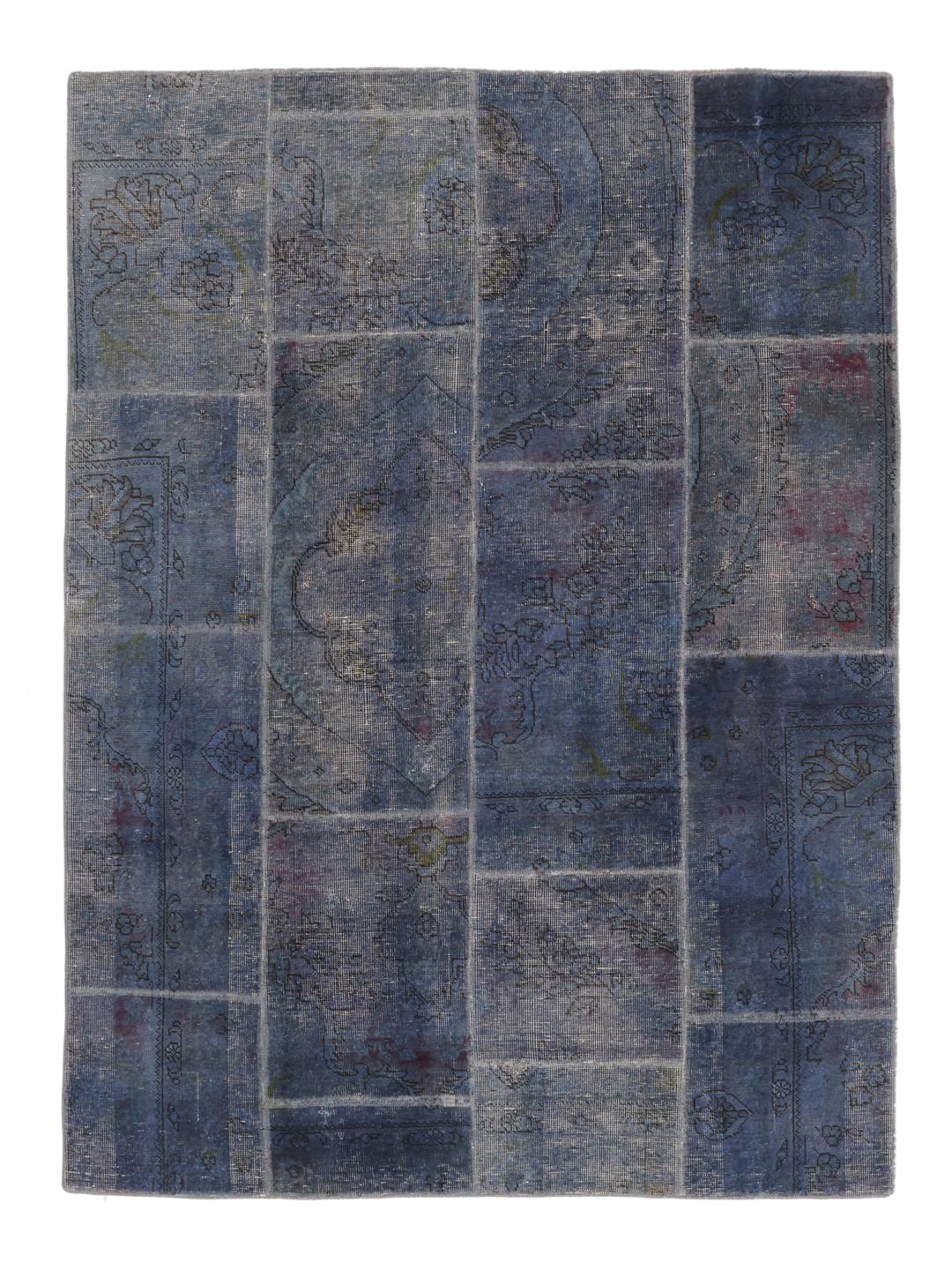
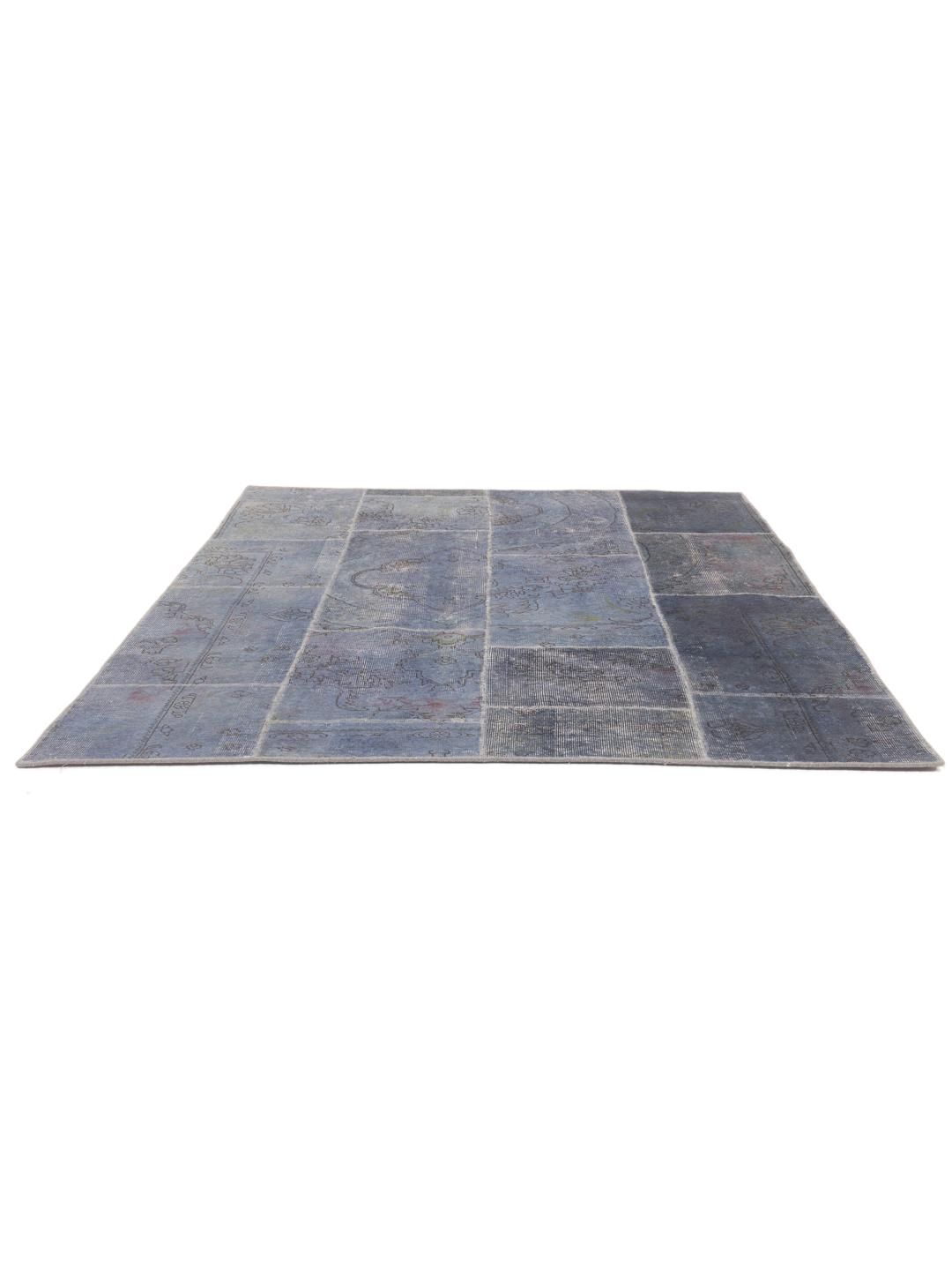
Patchwork rugs represent a fascinating evolution in the history of textile arts, born from the desire to honour and preserve traditional weaving techniques. While the individual fragments often originate from older, hand-knotted rugs from the Middle East, the patchwork style itself is a creative response to contemporary design needs. By giving these fragments a second life, weavers ensure that the intricate artistry of the past remains relevant and celebrated in modern interiors.
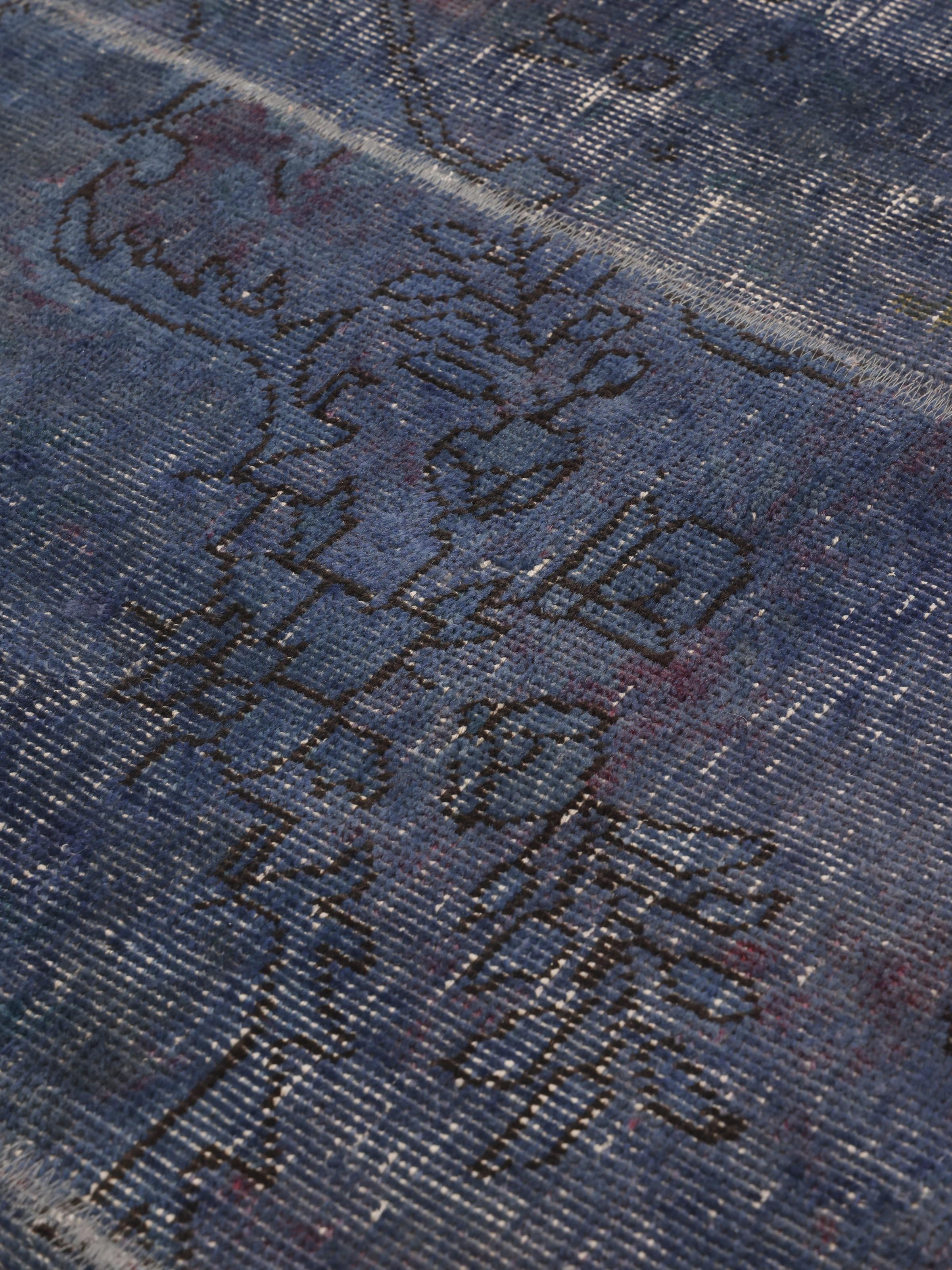
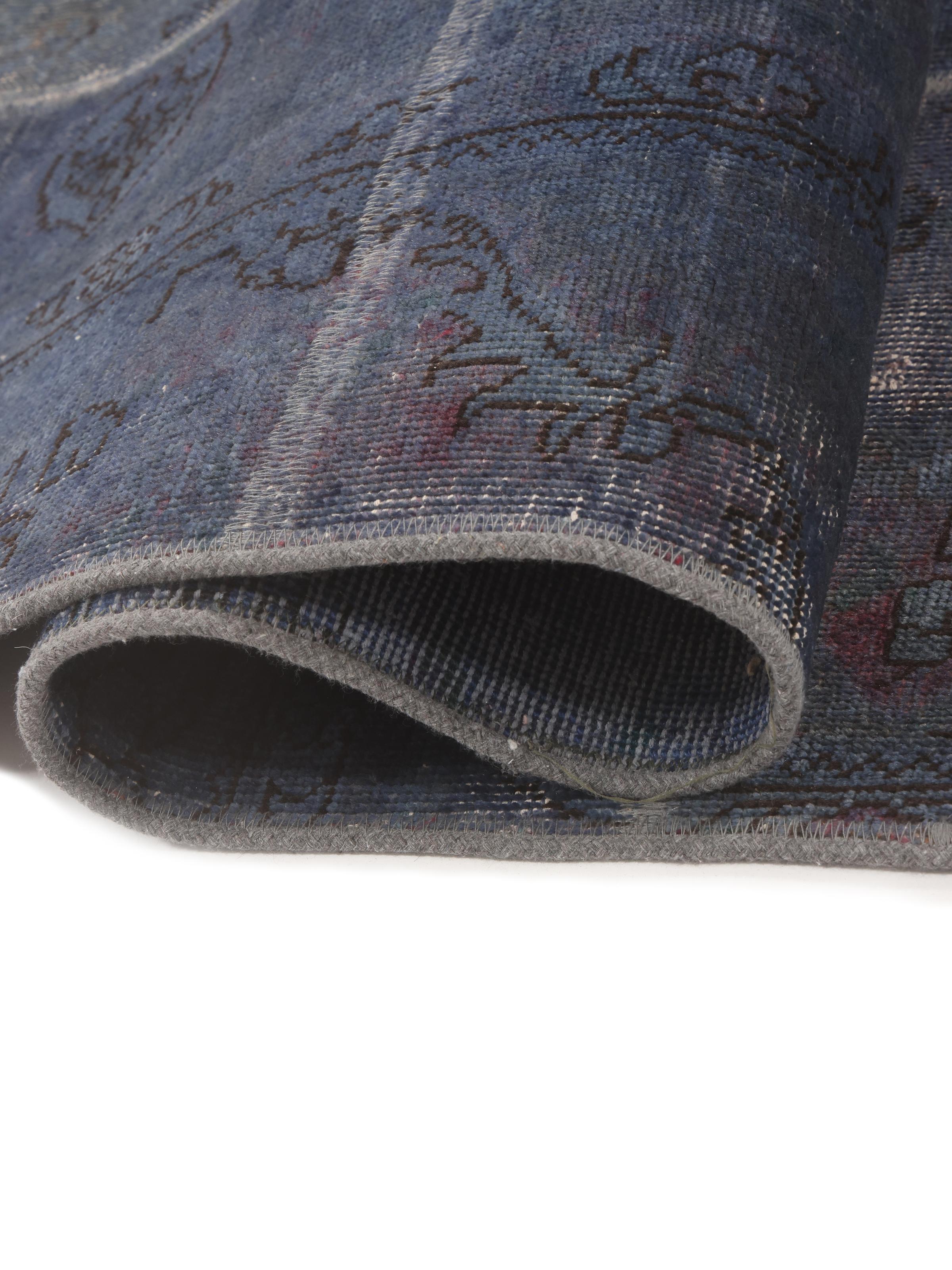
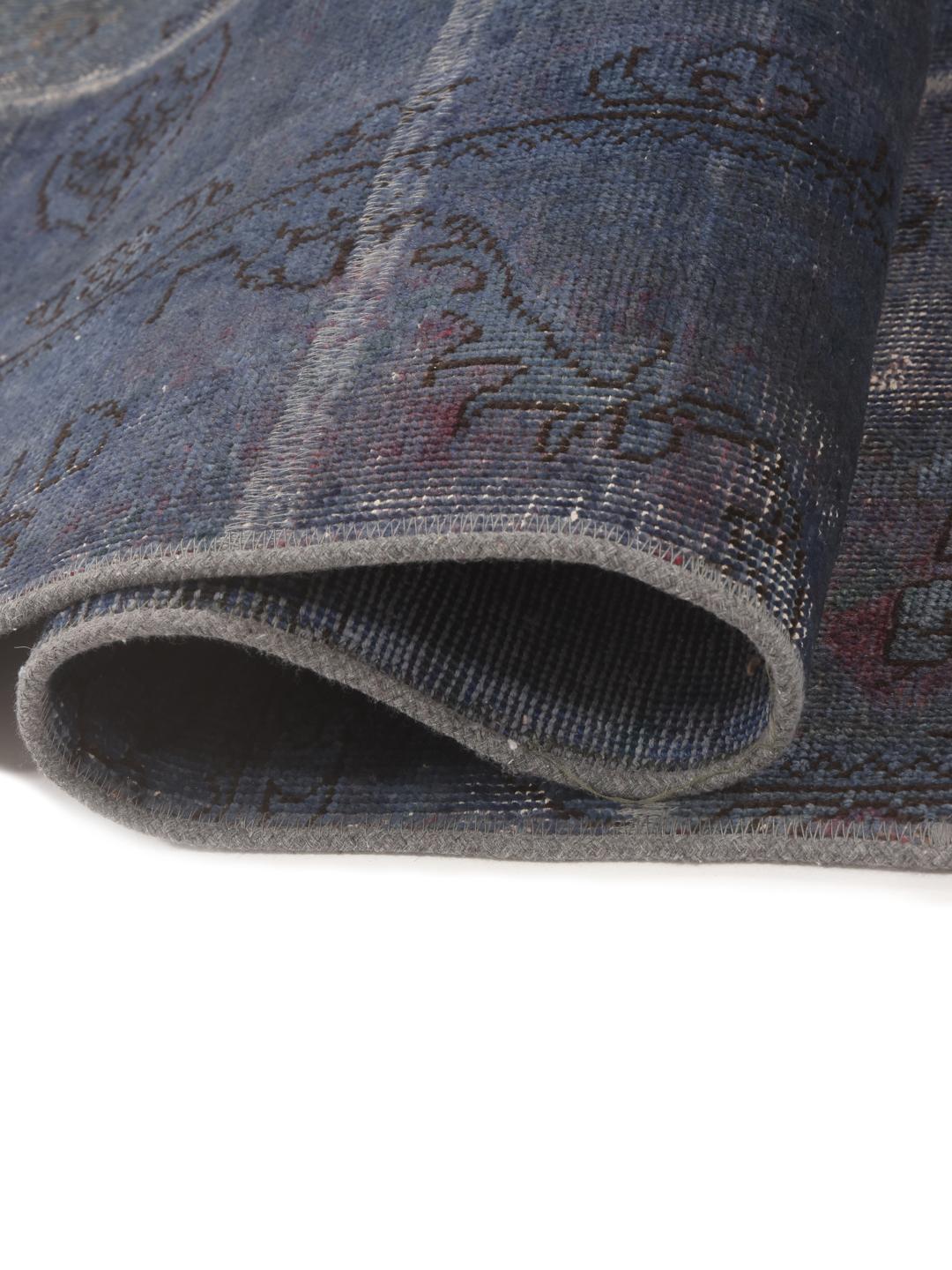
The art of hand-knotting is a cornerstone of this tradition, requiring a deep understanding of wool and tension. Each knot is placed by hand, a skill passed down through generations. In the context of patchwork, this dedication is multiplied, as it requires the artisan not only to appreciate the history of the original pieces but to skillfully reassemble them into a balanced and aesthetically pleasing design that feels intentional and harmonious.
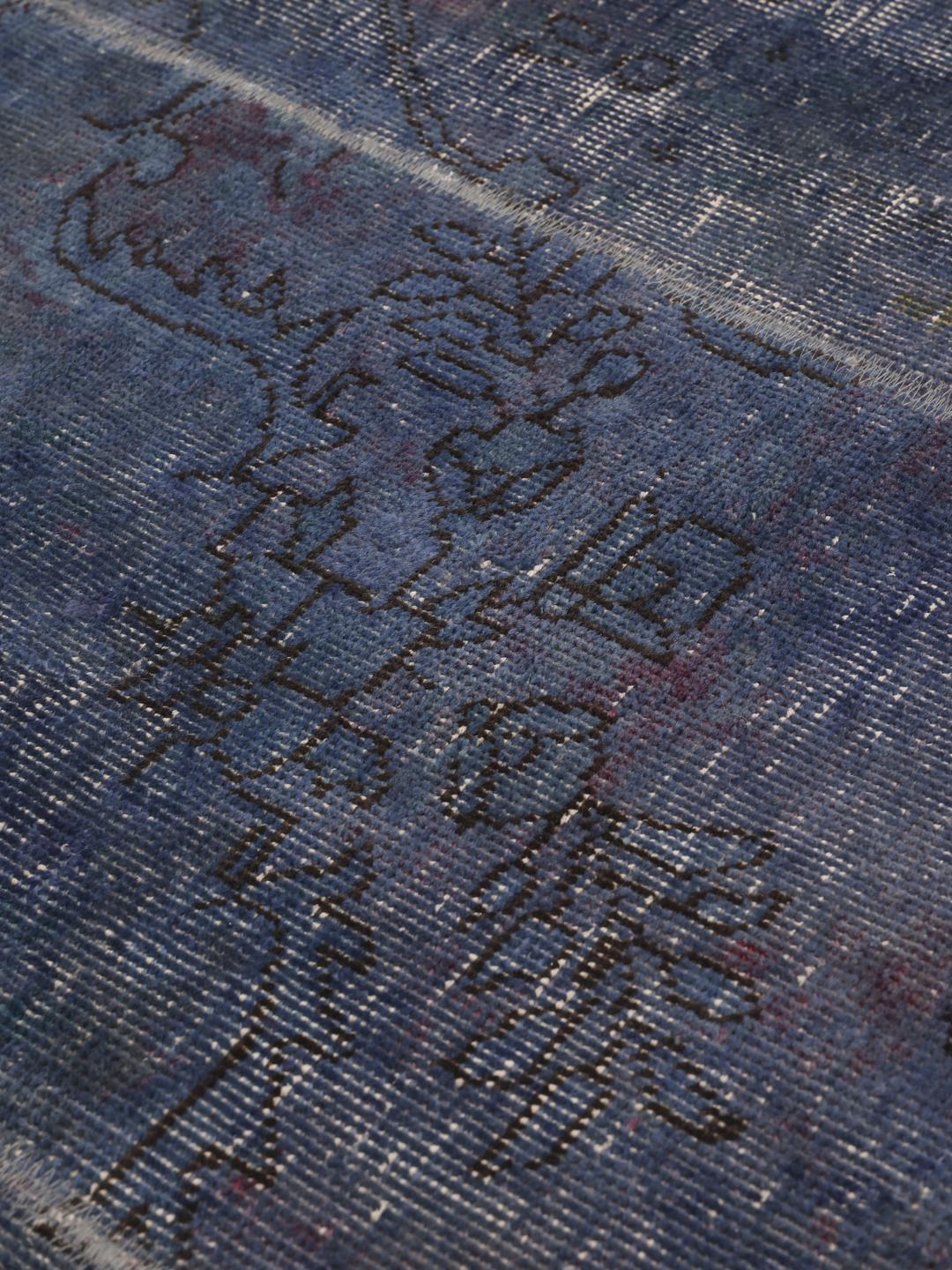
Visually, these rugs often incorporate a diverse array of motifs—ranging from floral patterns to geometric medallions—that were once part of larger, formal carpets. When reassembled, these disparate elements interact in unexpected ways, creating a new visual language. The faded, weathered appearance of the fragments adds a layer of depth and patina, telling a story of time and use that makes each rug feel like a collected treasure.
Owning a patchwork rug is a way to connect with a rich cultural legacy while embracing a modern, eclectic aesthetic. These pieces are highly valued by collectors and enthusiasts alike because they represent a marriage of sustainability and craftsmanship. Each rug is a testament to the skill involved in curating and reconstructing textile history, ensuring that the beauty of traditional weaving continues to have a place in our homes for years to come.