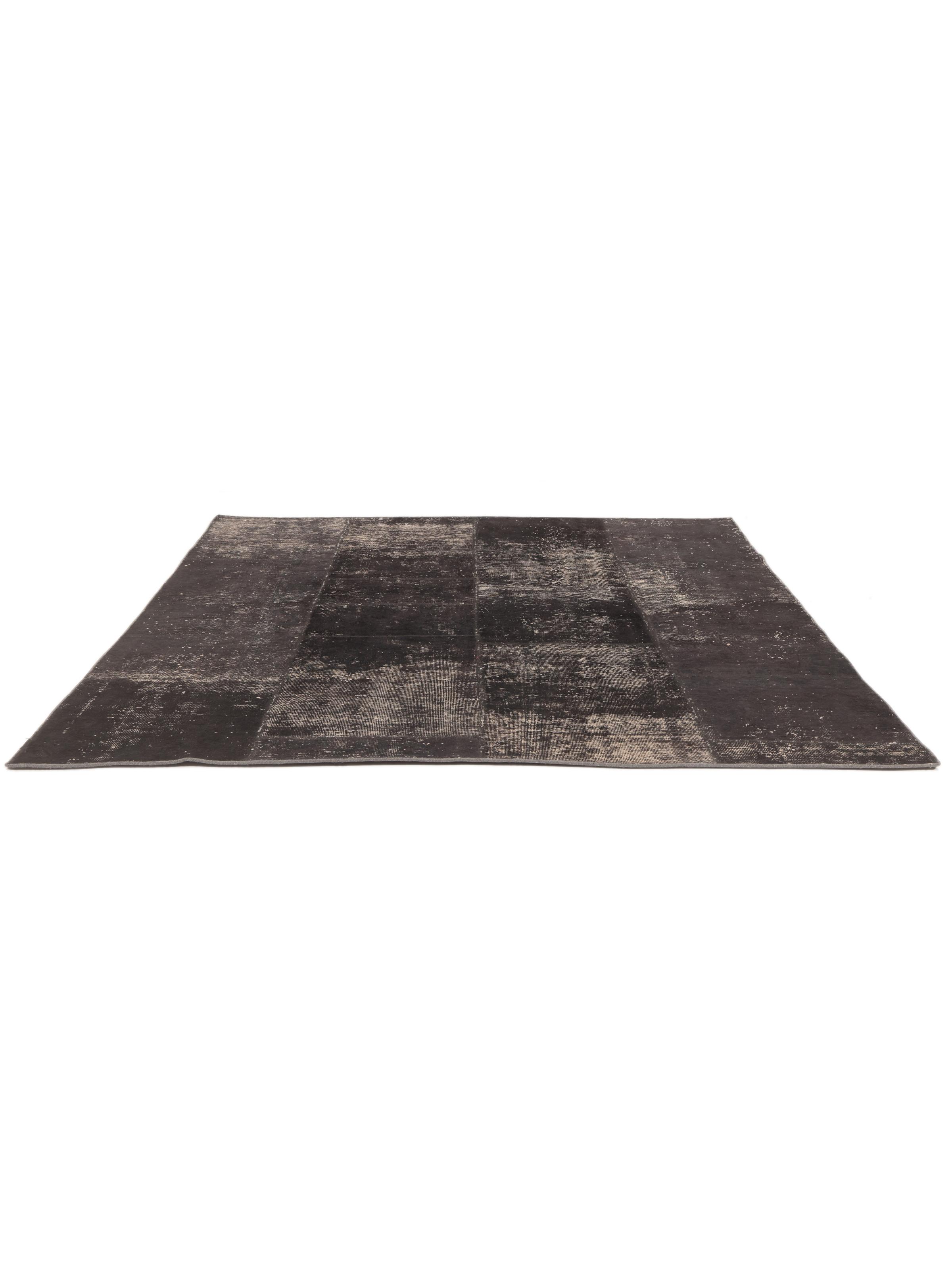
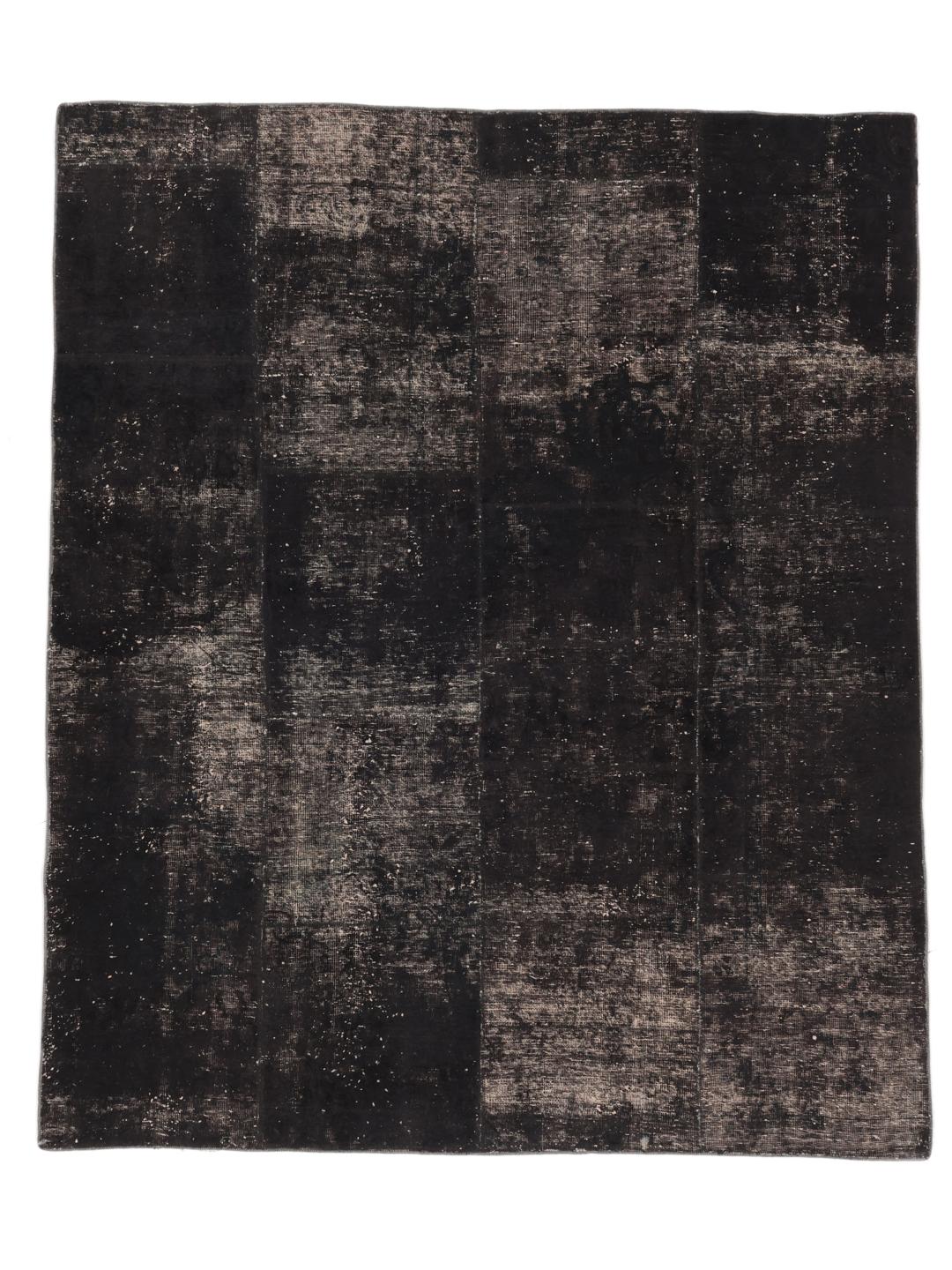
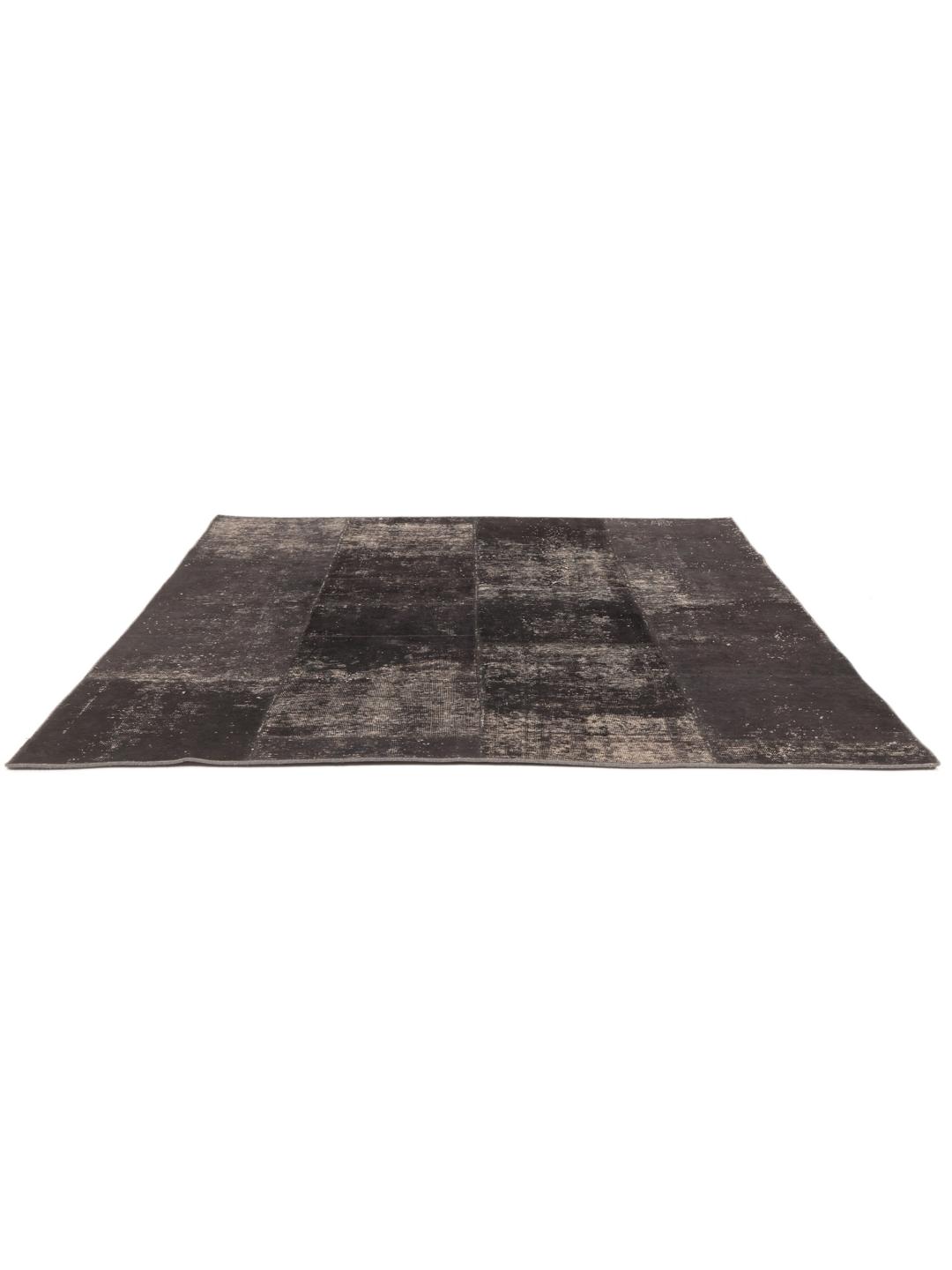
The tradition of patchwork rugs is a fascinating evolution within Middle Eastern textile arts. Historically, nomadic and village weavers would repurpose older, worn, or damaged rugs, cutting out the still-intact sections to create new, functional floor coverings. This practice was born out of both necessity and a deep respect for the materials and labour already invested in the wool.
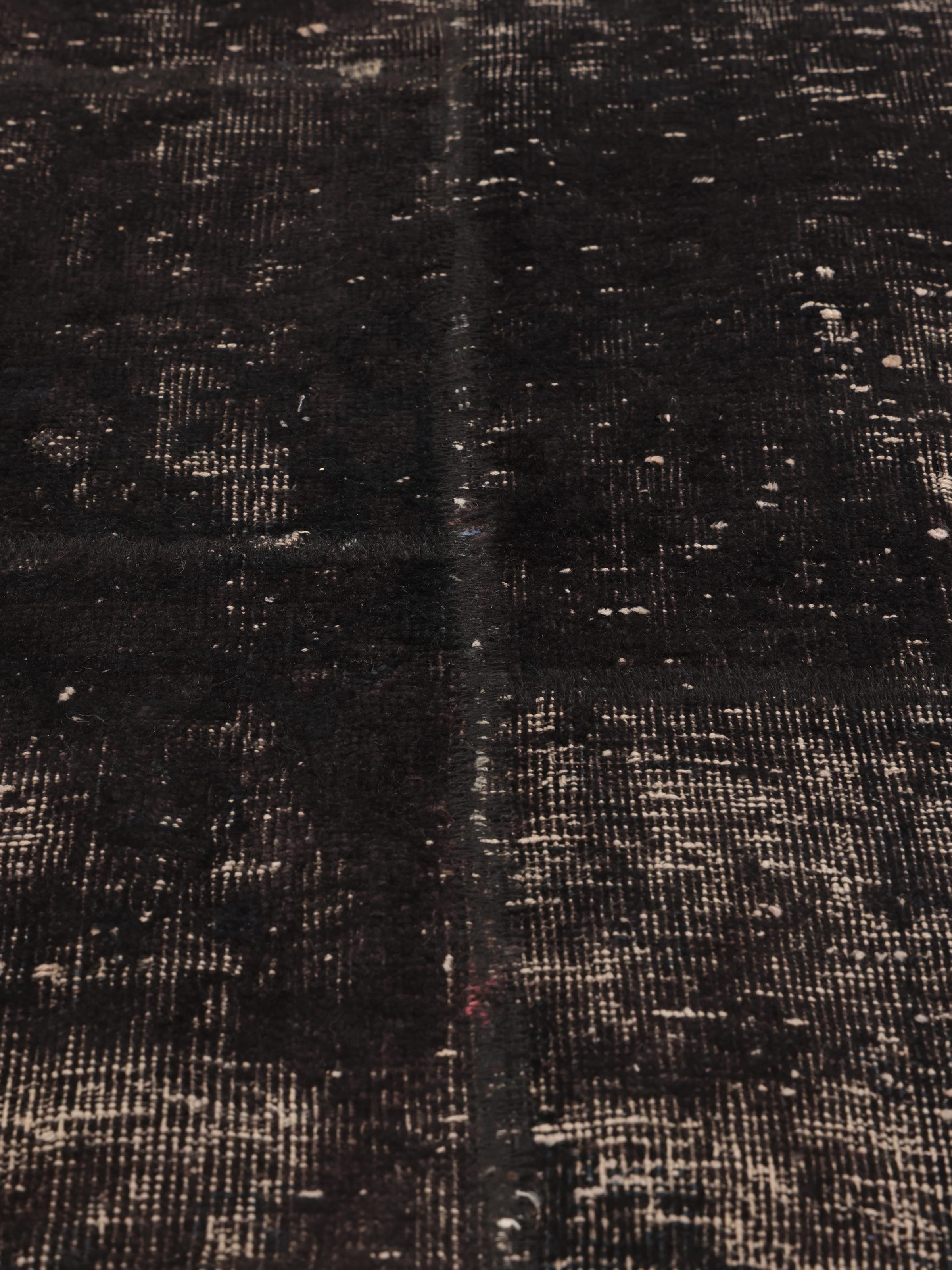
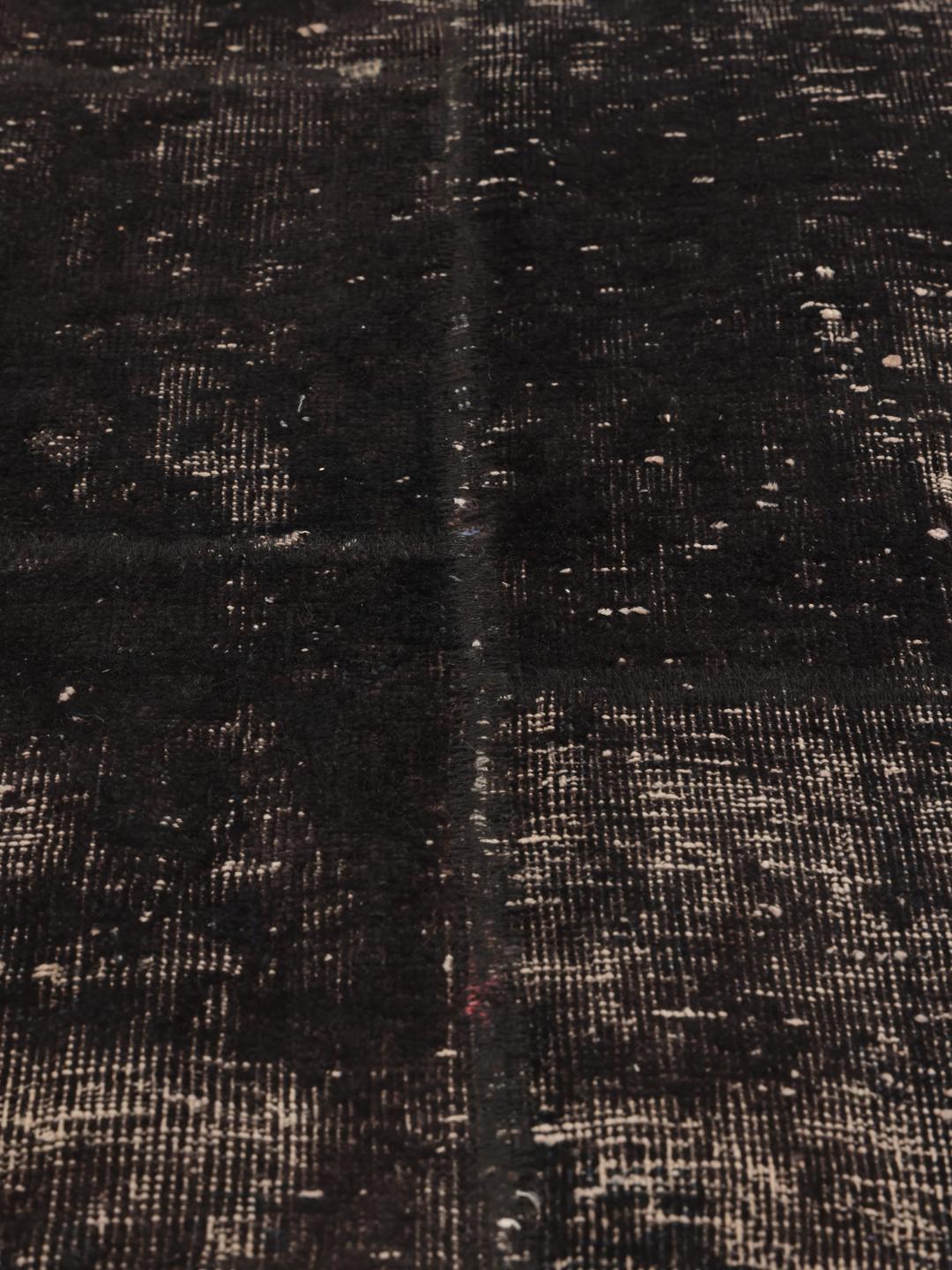
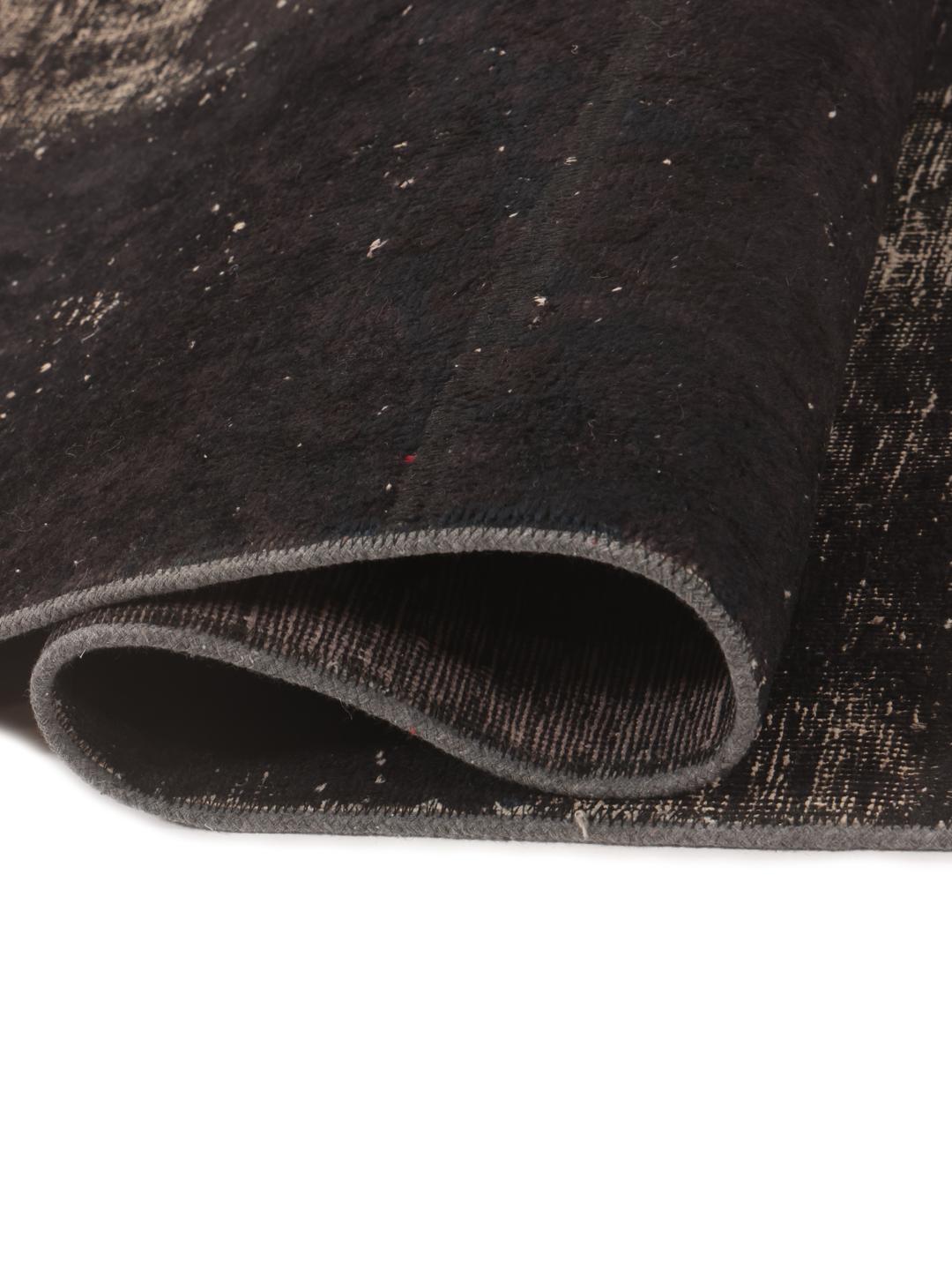
Technically, the quality of a patchwork rug depends on the integrity of the original pieces and the precision of the assembly. Modern patchwork techniques involve selecting segments that complement each other in tone and texture, ensuring that the resulting rug feels like a singular, unified design rather than a collection of scraps. This process requires a keen understanding of material density and pile direction.
Visually, these rugs often move away from traditional ornate borders and medallions, embracing a more abstract or tonal aesthetic. By focusing on the interplay of light and shadow across the various wool surfaces, the design highlights the beauty of the material itself. It is a departure from classical patterns, allowing the raw character of the wool to take centre stage.
For the modern collector, these rugs represent a bridge between the past and the future. They are highly valued because they preserve the history of older weaving traditions while offering a look that fits seamlessly into contemporary homes. To own one is to possess a piece of cultural heritage that has been reimagined for today.