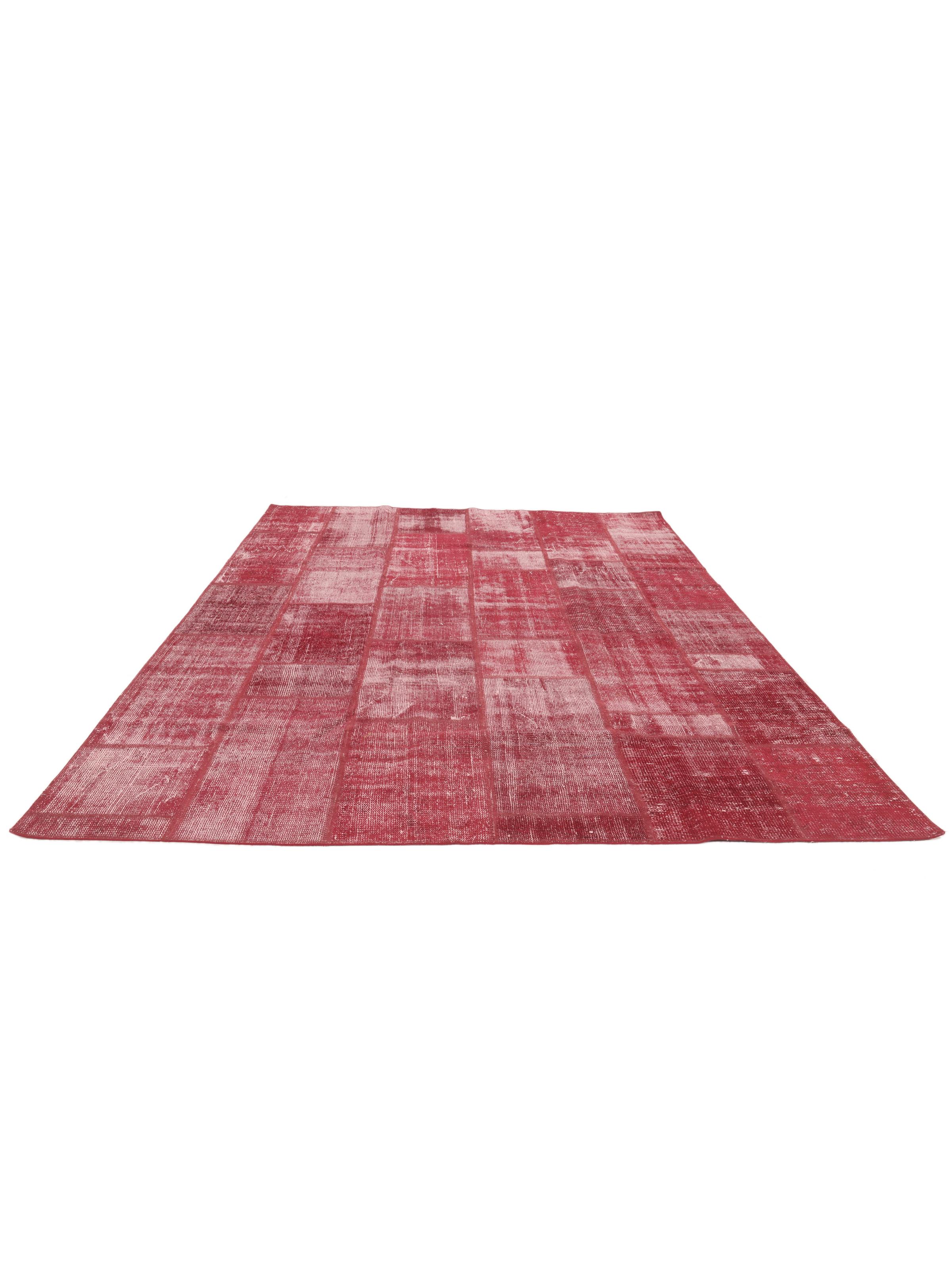
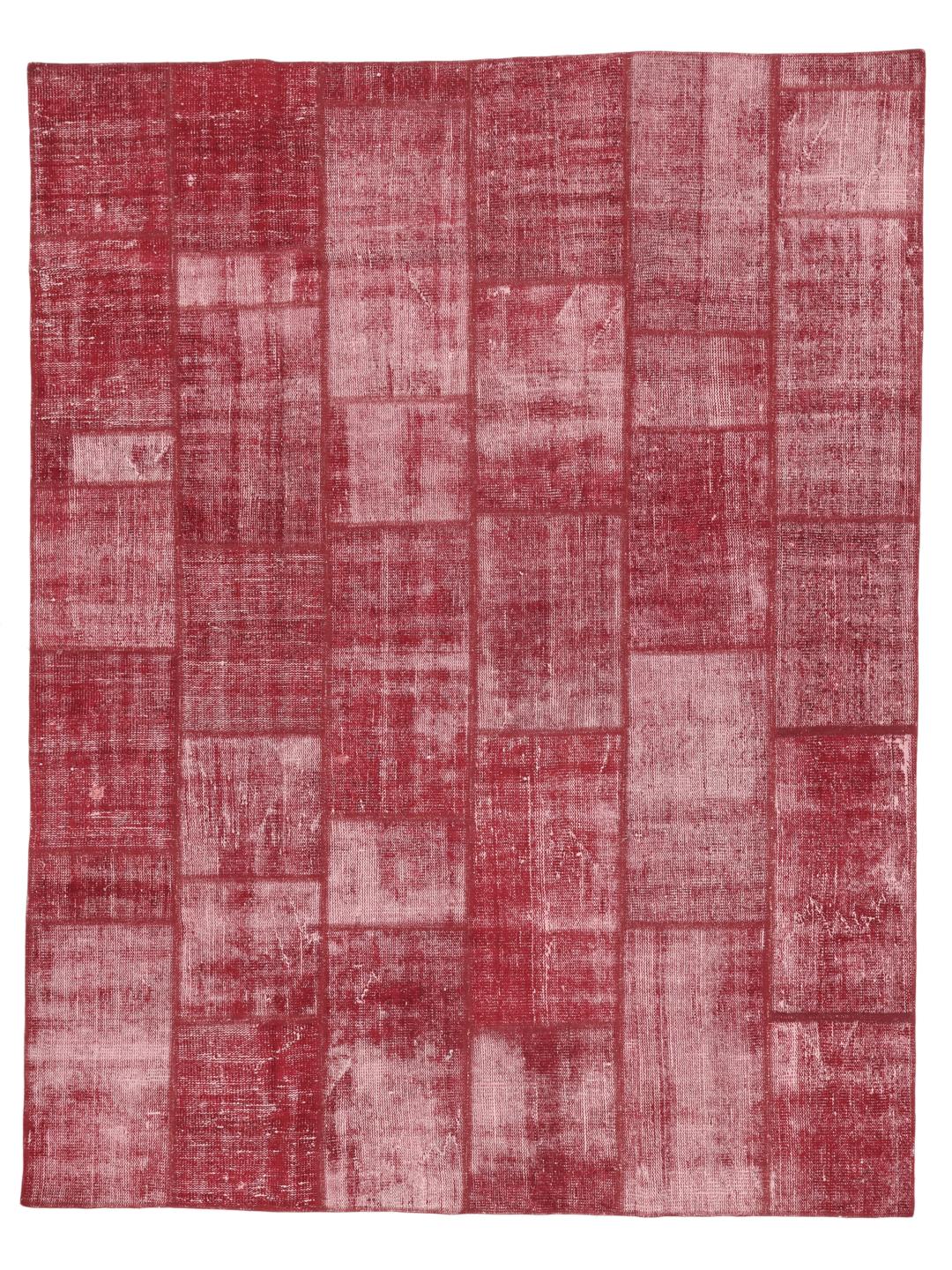
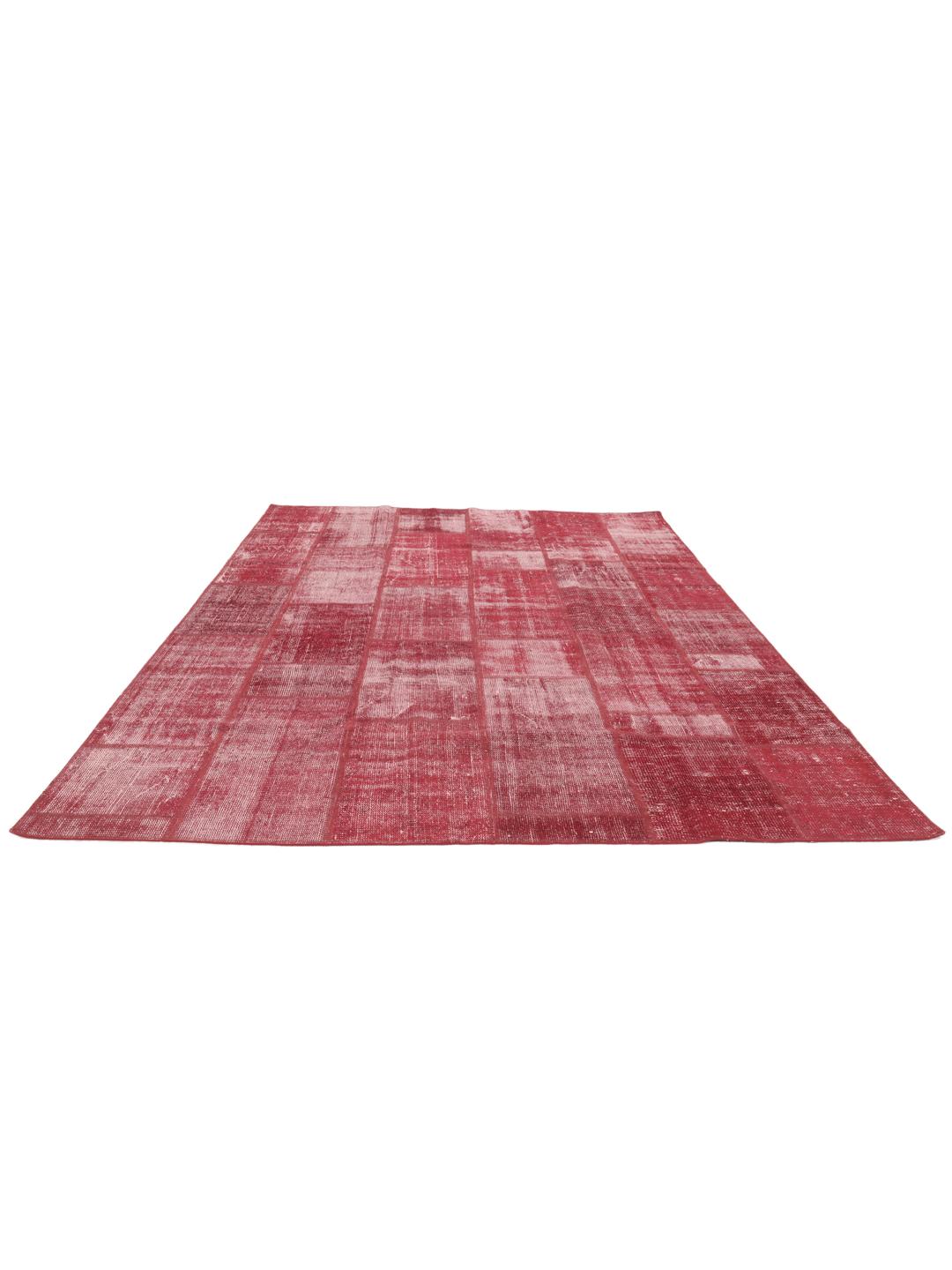
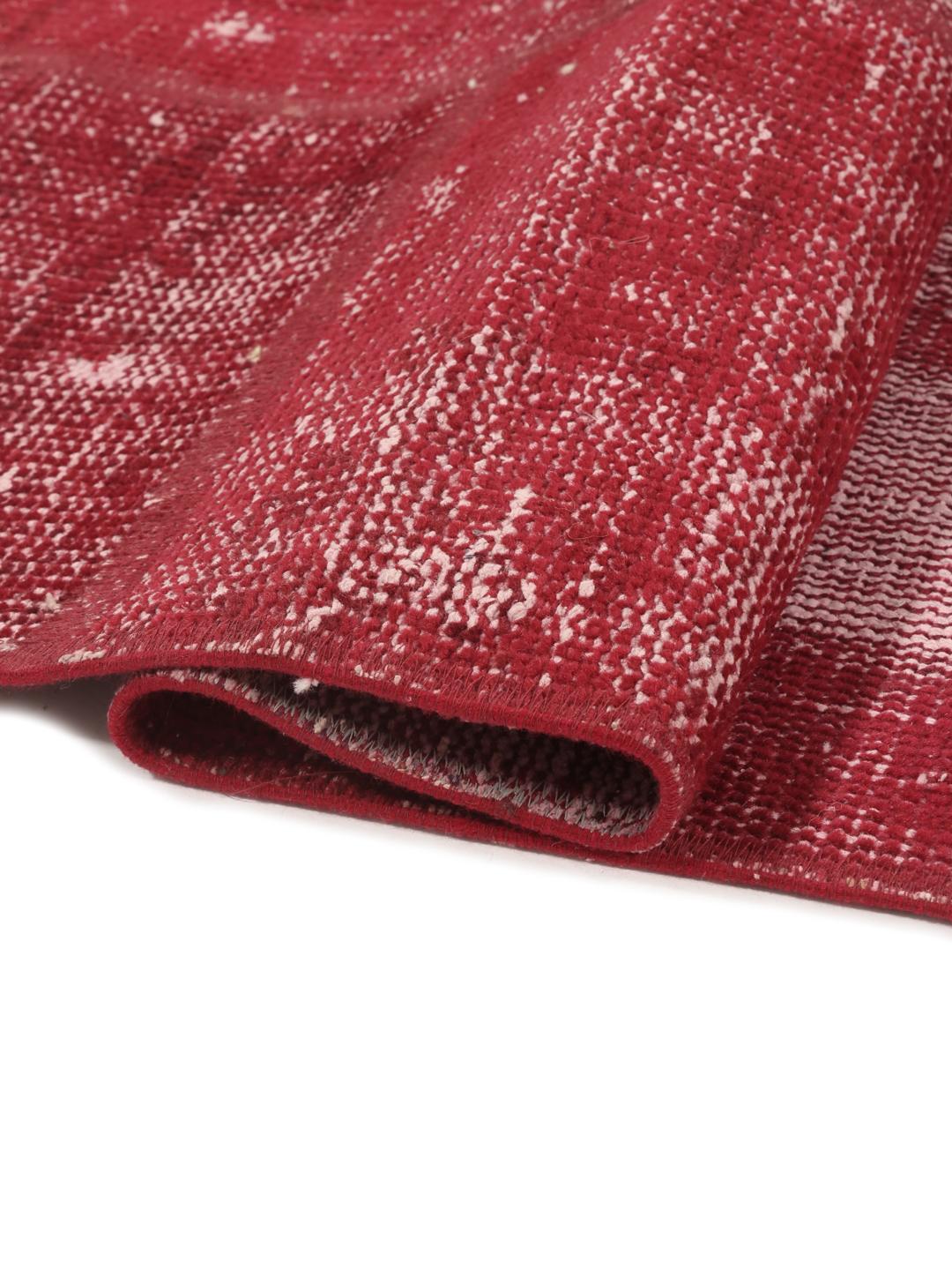
Patchwork rugs represent a fascinating evolution in the history of textile art, particularly within the weaving traditions of Turkey. This craft emerged as a creative way to honour and repurpose vintage, hand-knotted rugs that had reached the end of their original life cycle. By salvaging the most well-preserved sections of these older pieces, artisans are able to give new life to traditional patterns and colours, ensuring that the legacy of earlier weaving traditions continues in a contemporary format.
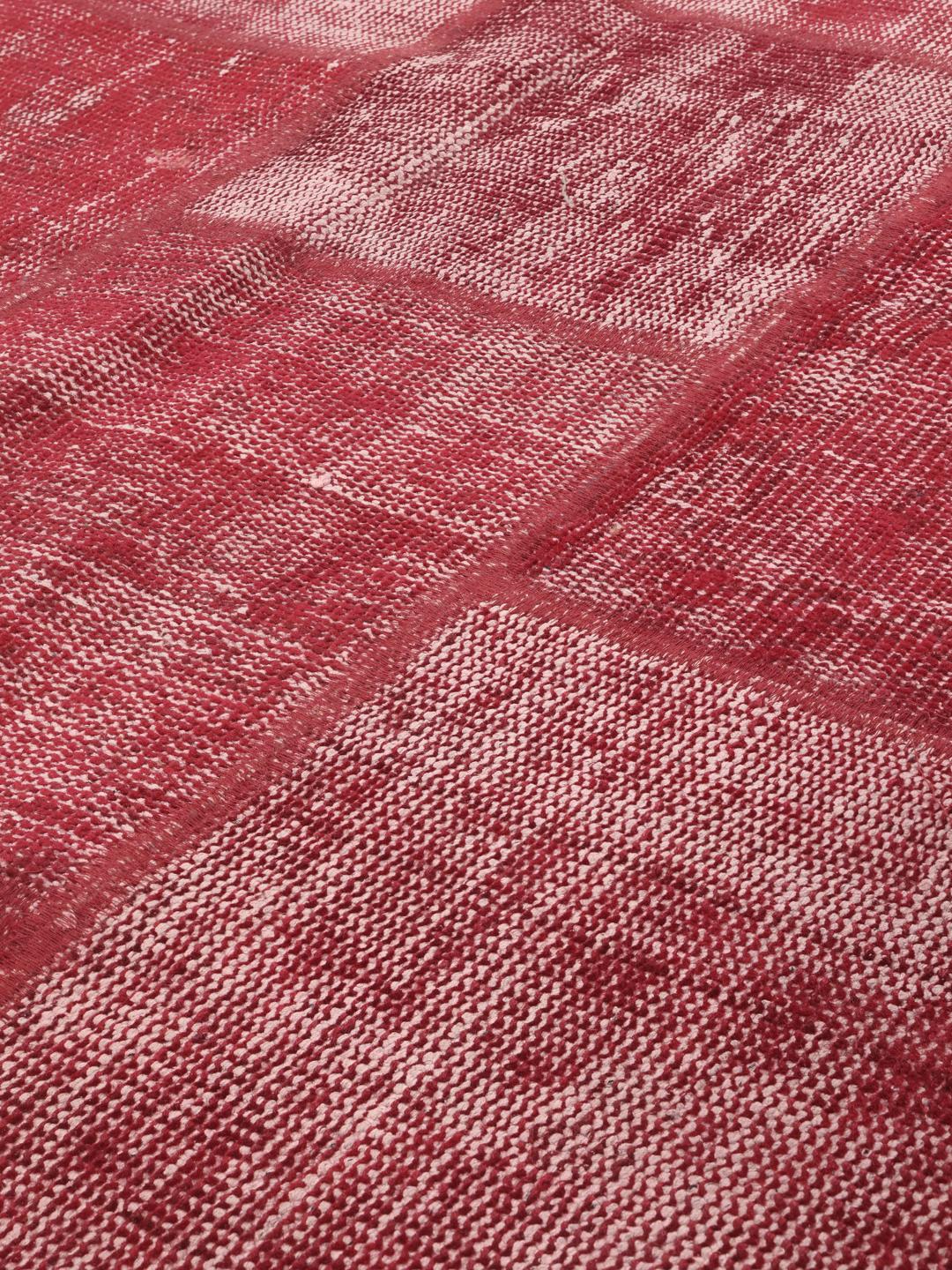
The process of creating a patchwork rug is rooted in the deep knowledge of textile history. Each fragment used is often a piece of a larger, older rug, which carries with it the stories of the region where it was originally woven. When these pieces are joined, the artisan must have an expert eye for colour harmony and texture, ensuring that the final composition feels balanced and intentional rather than haphazard.
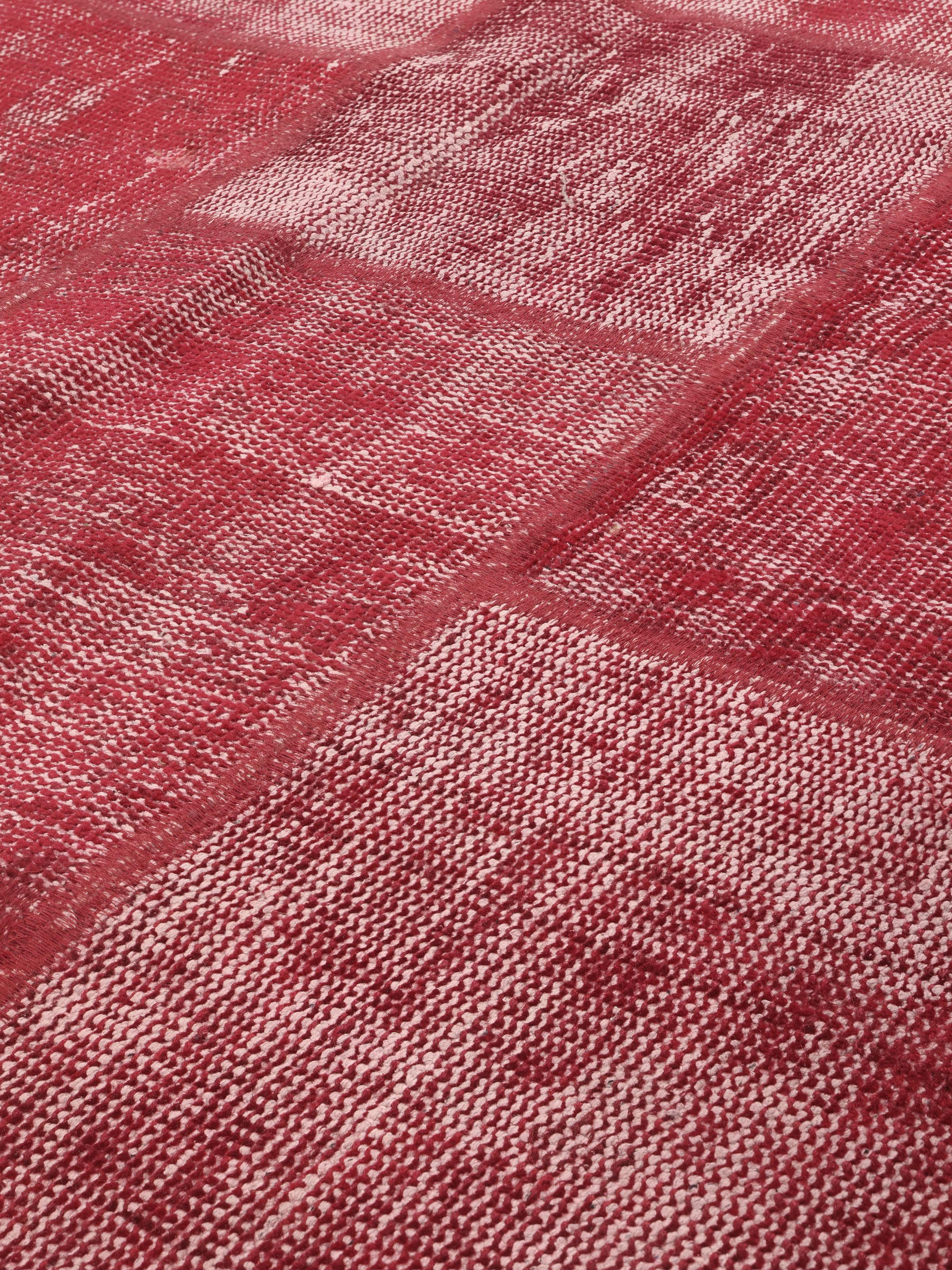
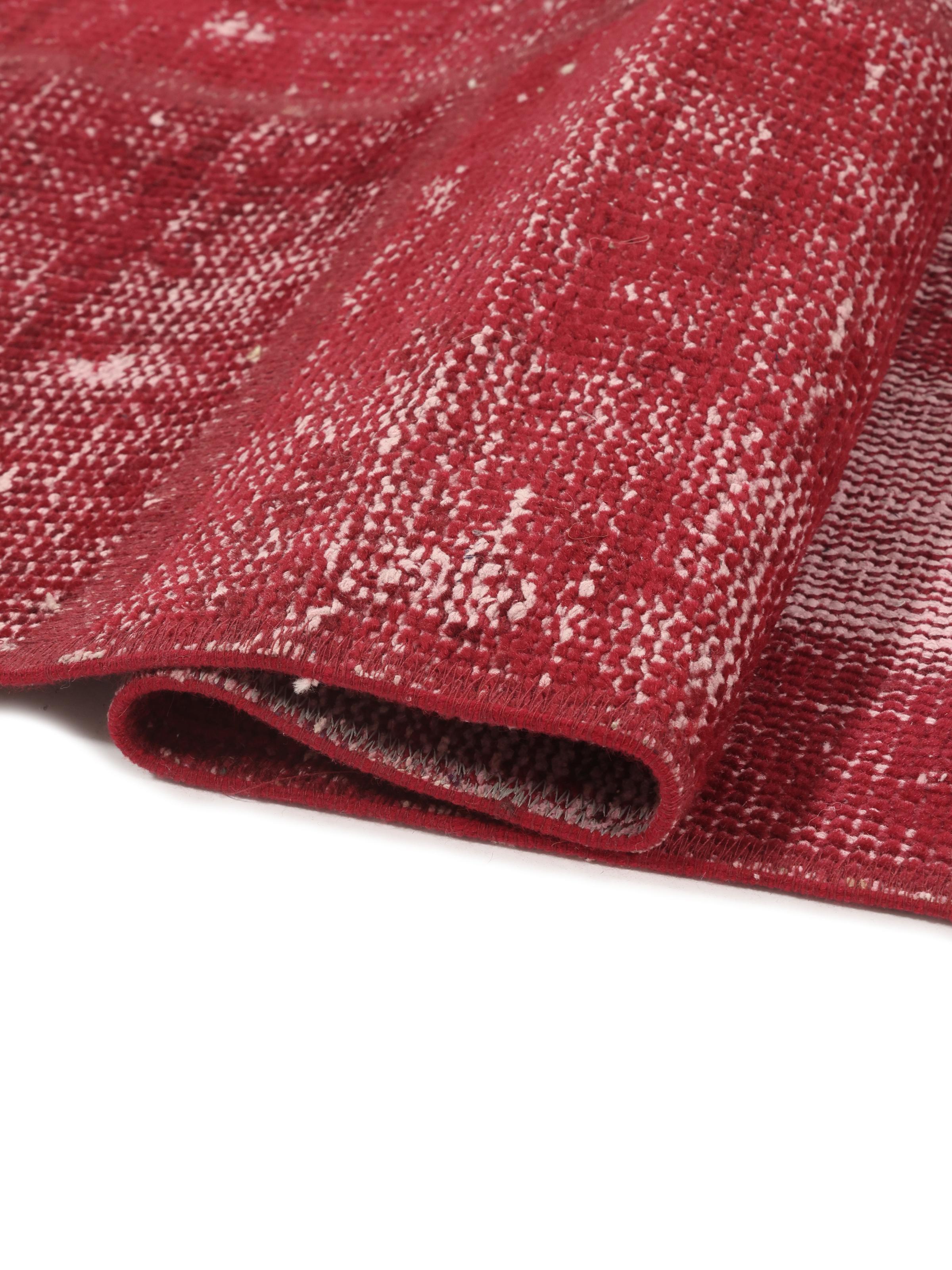
Design-wise, these rugs often act as a canvas for the evolution of regional styles. You will often see a mix of geometric motifs or subtle remnants of floral patterns that were once part of grander, traditional designs. This creates a visual depth where the eye is invited to explore the different textures and shades within each patch. The red colour palette, in particular, is a classic choice that reflects the traditional use of natural dyes in the region.
Owning a patchwork rug is an act of preserving cultural heritage while embracing a modern aesthetic. These pieces are highly valued by collectors and homeowners alike for their ability to bridge the gap between historical craft and modern interior design. By choosing a piece like this, you are participating in a tradition of sustainability and artistry that values the skill of the past while creating something entirely new for the future.