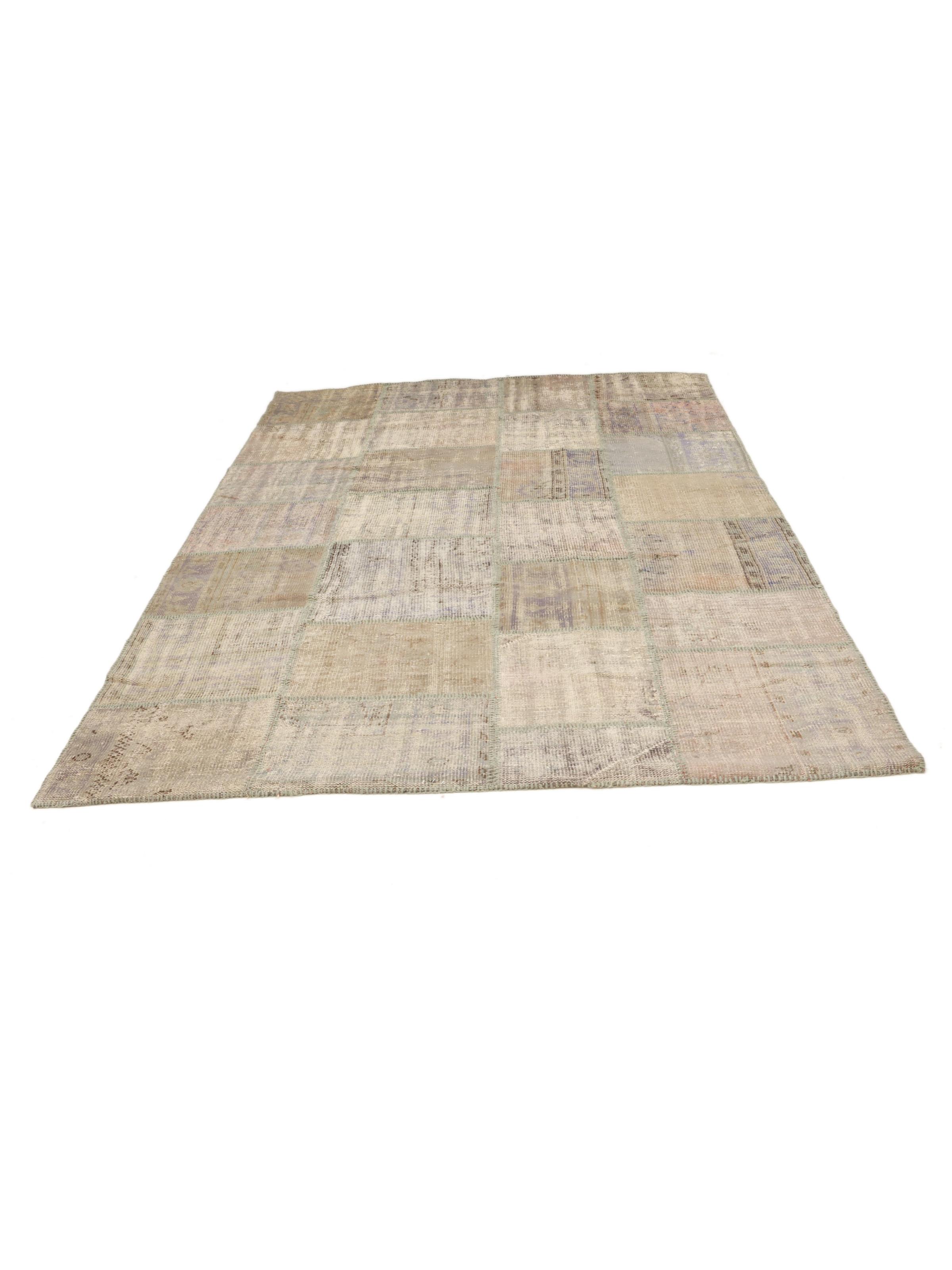
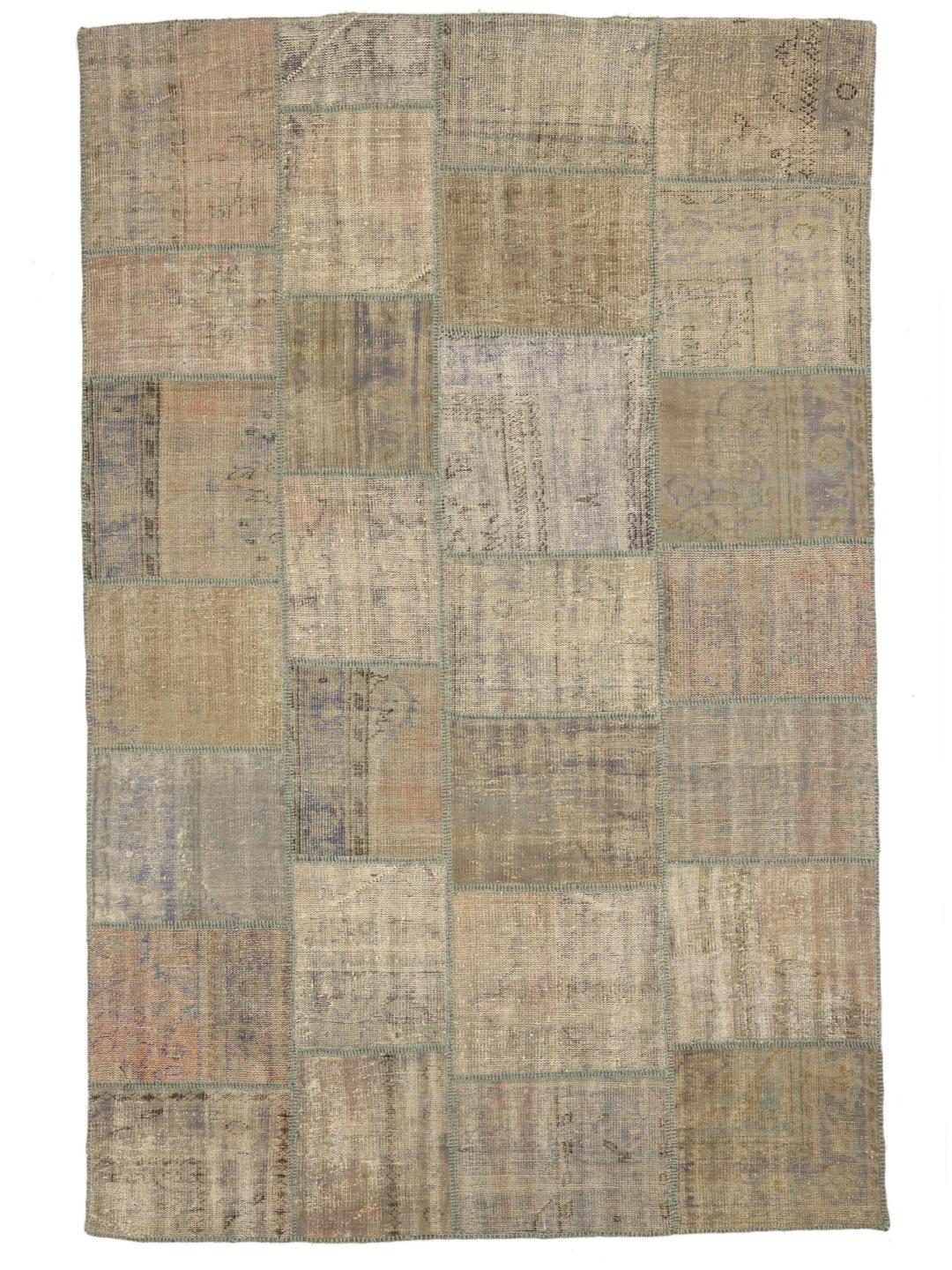
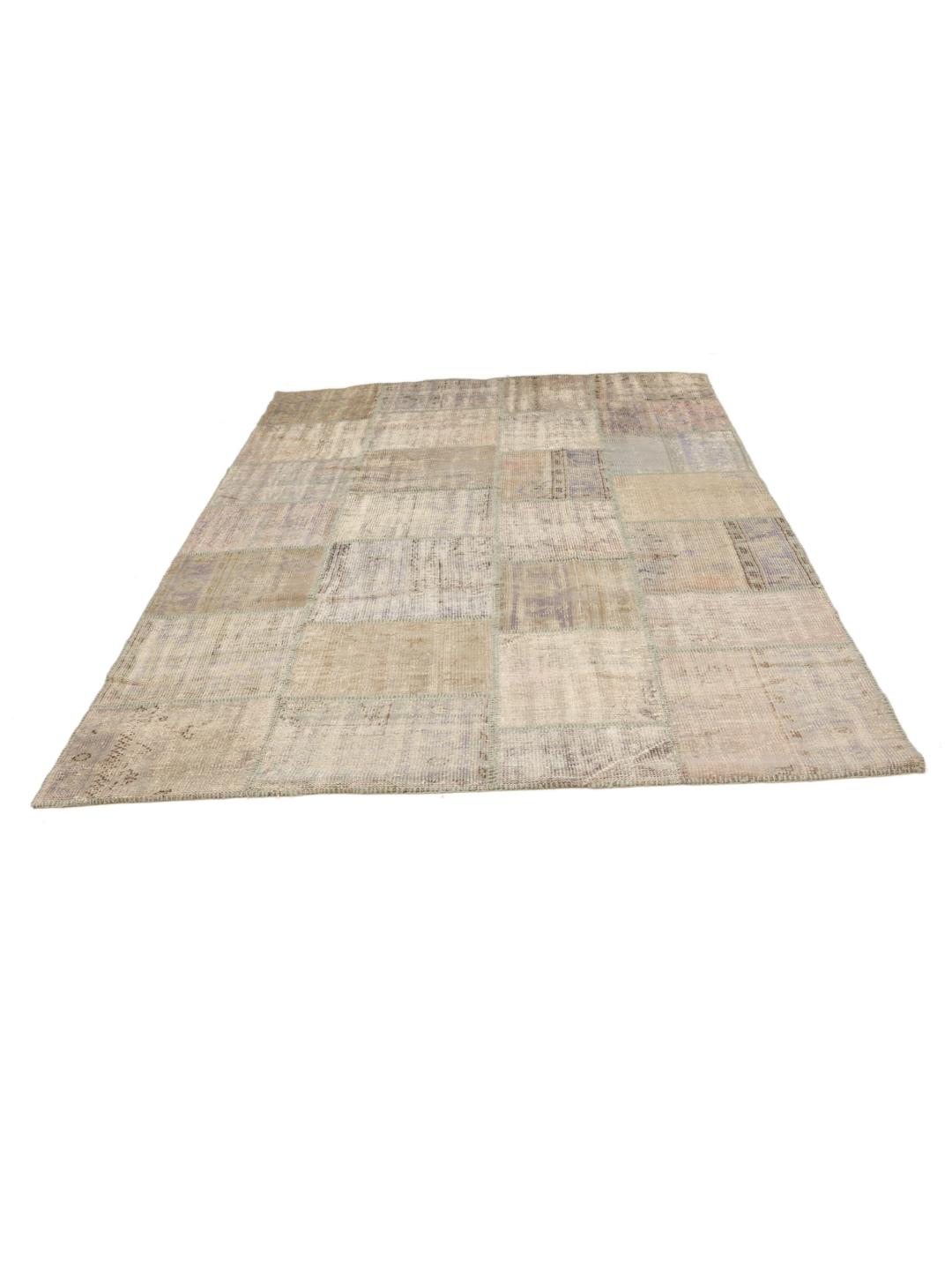
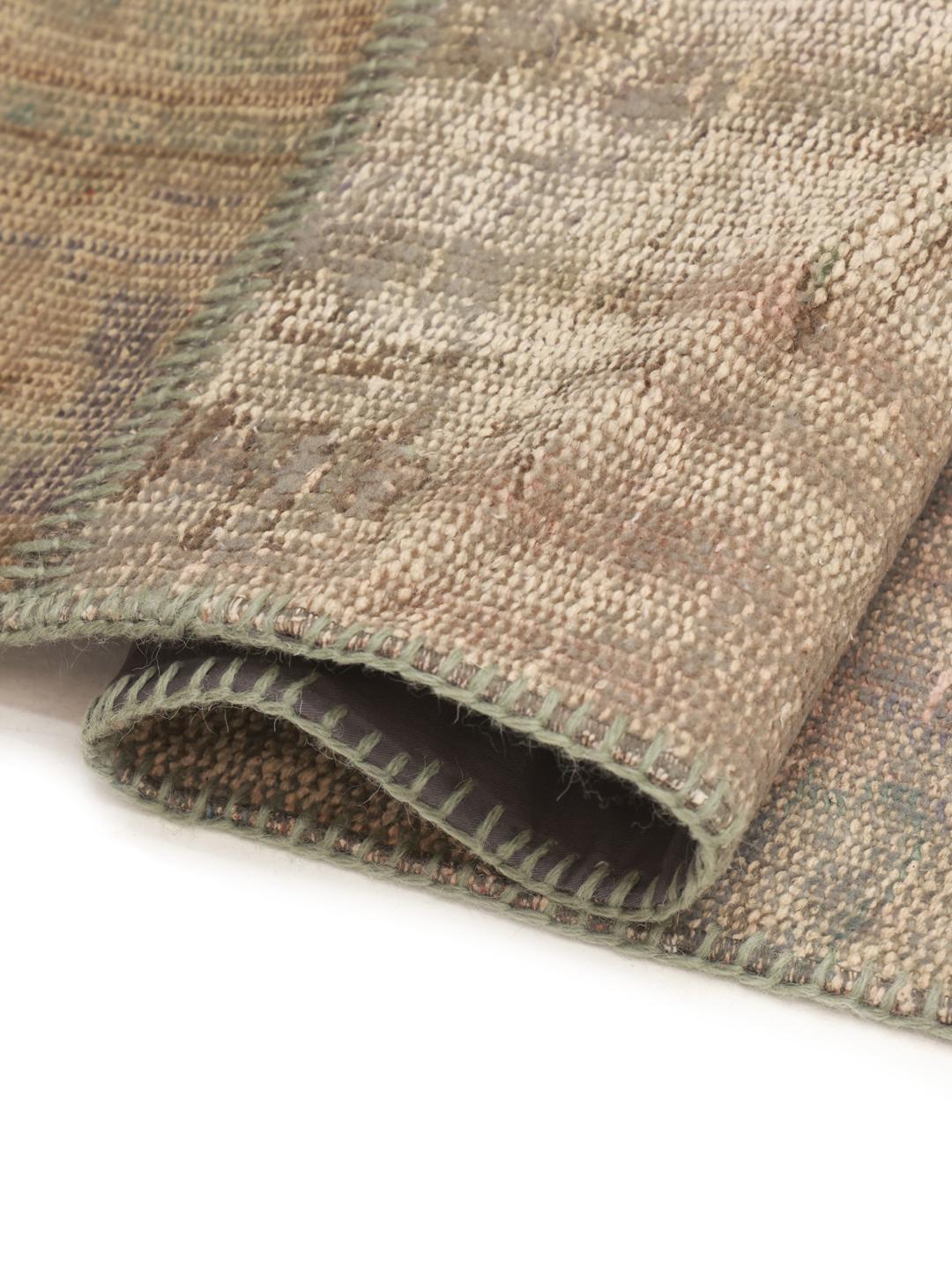
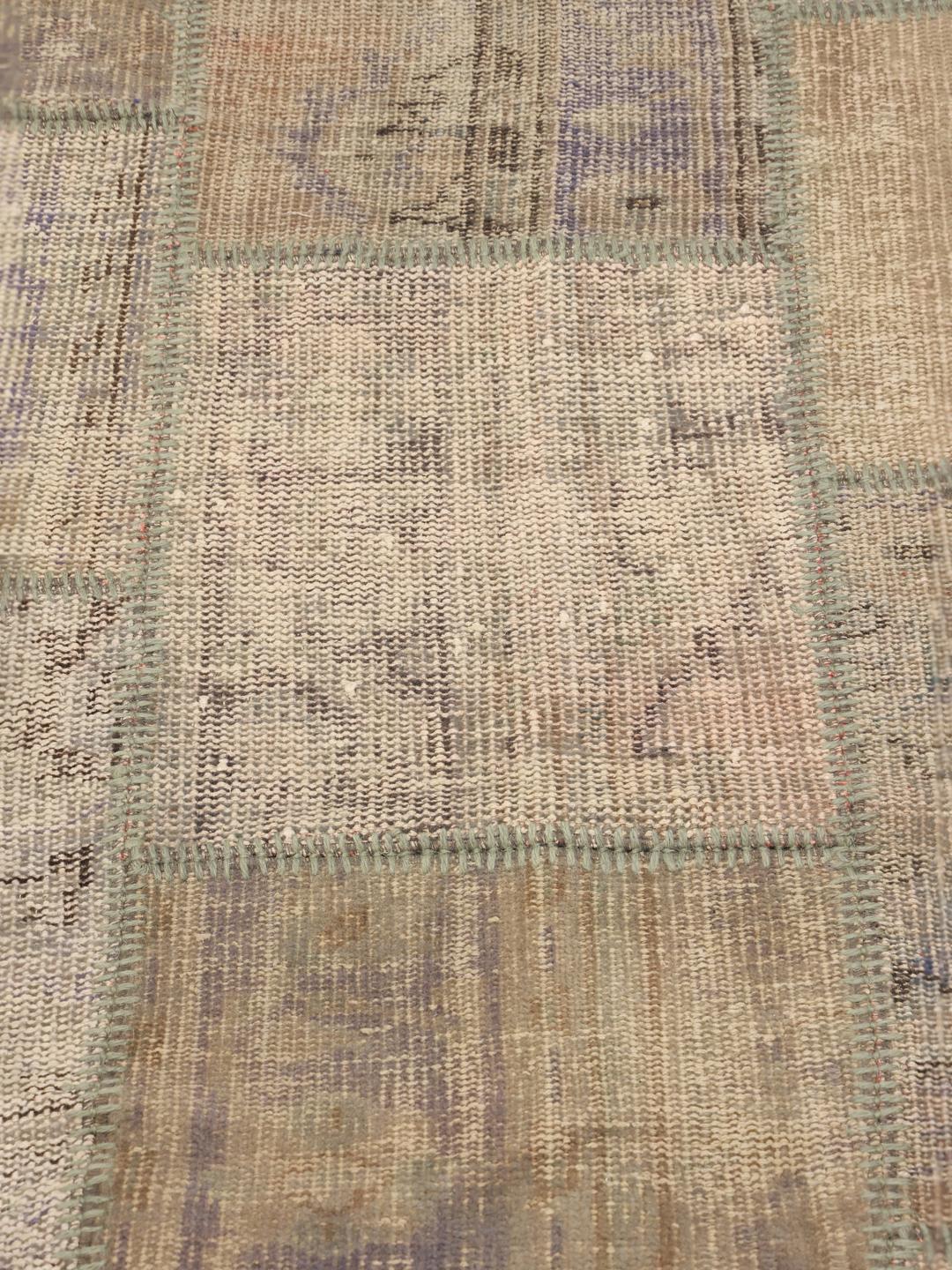
The art of the patchwork rug finds its modern expression in Turkey, a country with a long-standing heritage of weaving and textile preservation. These rugs represent a creative evolution of traditional carpet making, where older, worn-out rugs are not discarded but are instead given a second life. This practice reflects a deep-seated respect for the skill and materials of the past, ensuring that the legacy of earlier weavers continues to be celebrated in contemporary interiors.
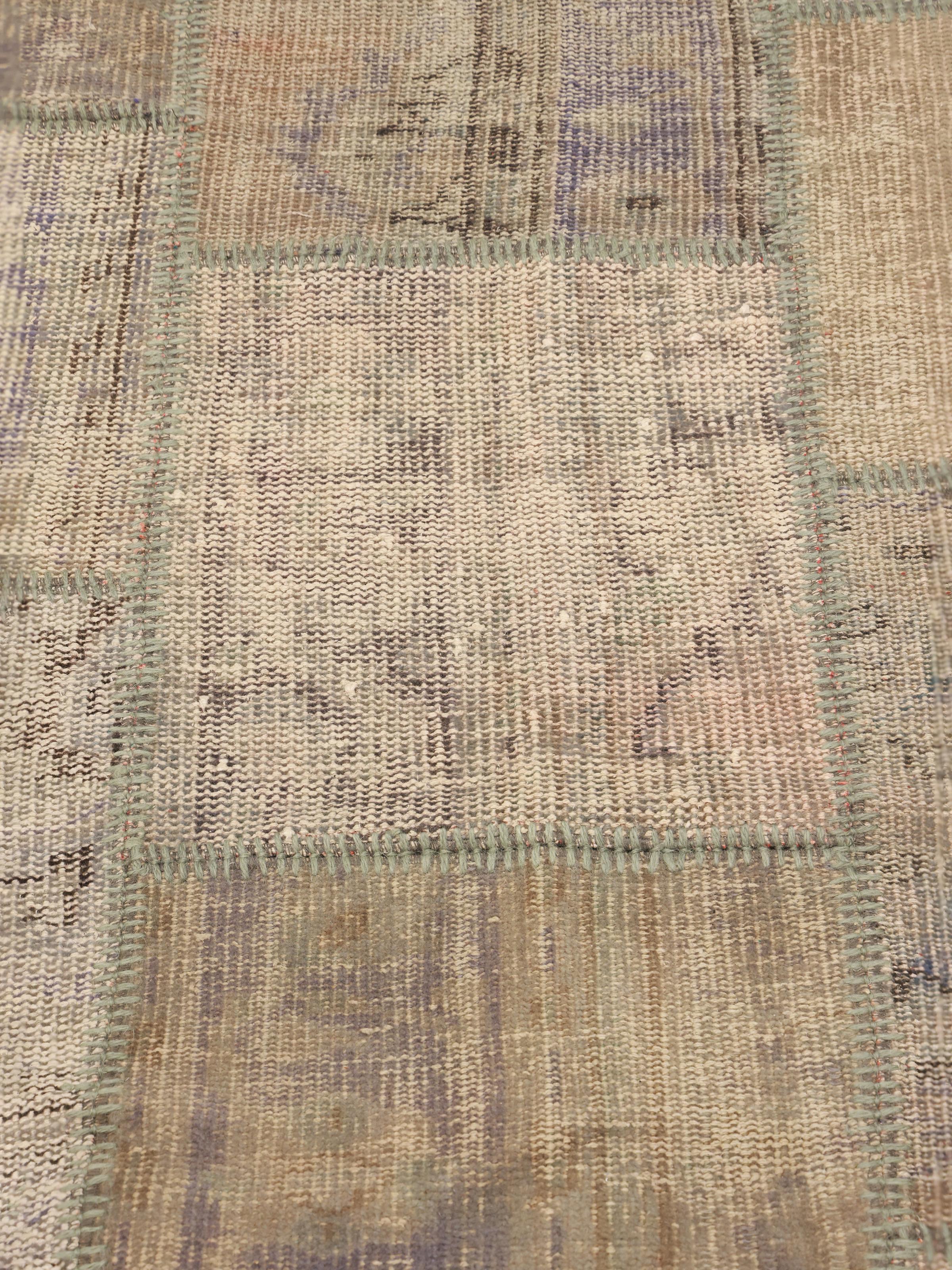
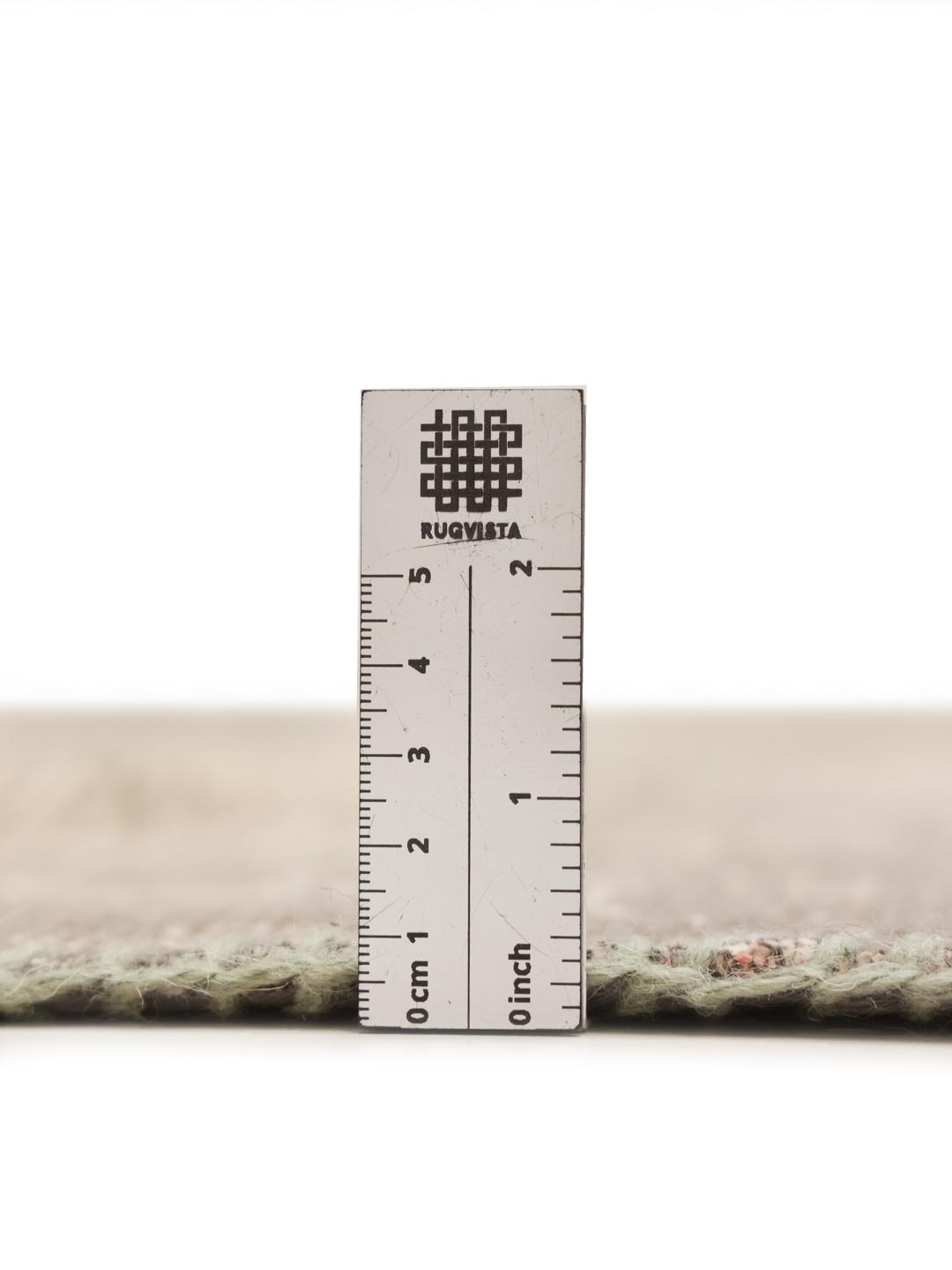
The terminology surrounding these pieces often highlights the 'fragmented' nature of their construction. By selecting specific, well-preserved sections from antique or vintage rugs, artisans create a new narrative. Each patch brings with it the quality of its original knotting and materials, which are then re-anchored to provide a stable foundation. This process is highly technical, as the tension and pile height must be balanced to create a uniform, comfortable surface.
Visually, these rugs are defined by their eclectic yet harmonious composition. The design language is one of contrast and continuity, where different motifs, borders, and colour palettes converge. Often, the patches reveal remnants of traditional Middle Eastern patterns, such as florals or geometric medallions, which become abstracted through the patchwork process. This results in a sophisticated aesthetic that feels both familiar and refreshingly new.
Collecting a patchwork rug is an investment in cultural continuity. These pieces are valued not only for their aesthetic appeal but also for what they represent: a bridge between generations of craft. Owning one means holding a piece of history that has been thoughtfully curated and expertly reconstructed. It is a choice that speaks to an appreciation for heritage, sustainability, and the unique beauty that comes from the passage of time.