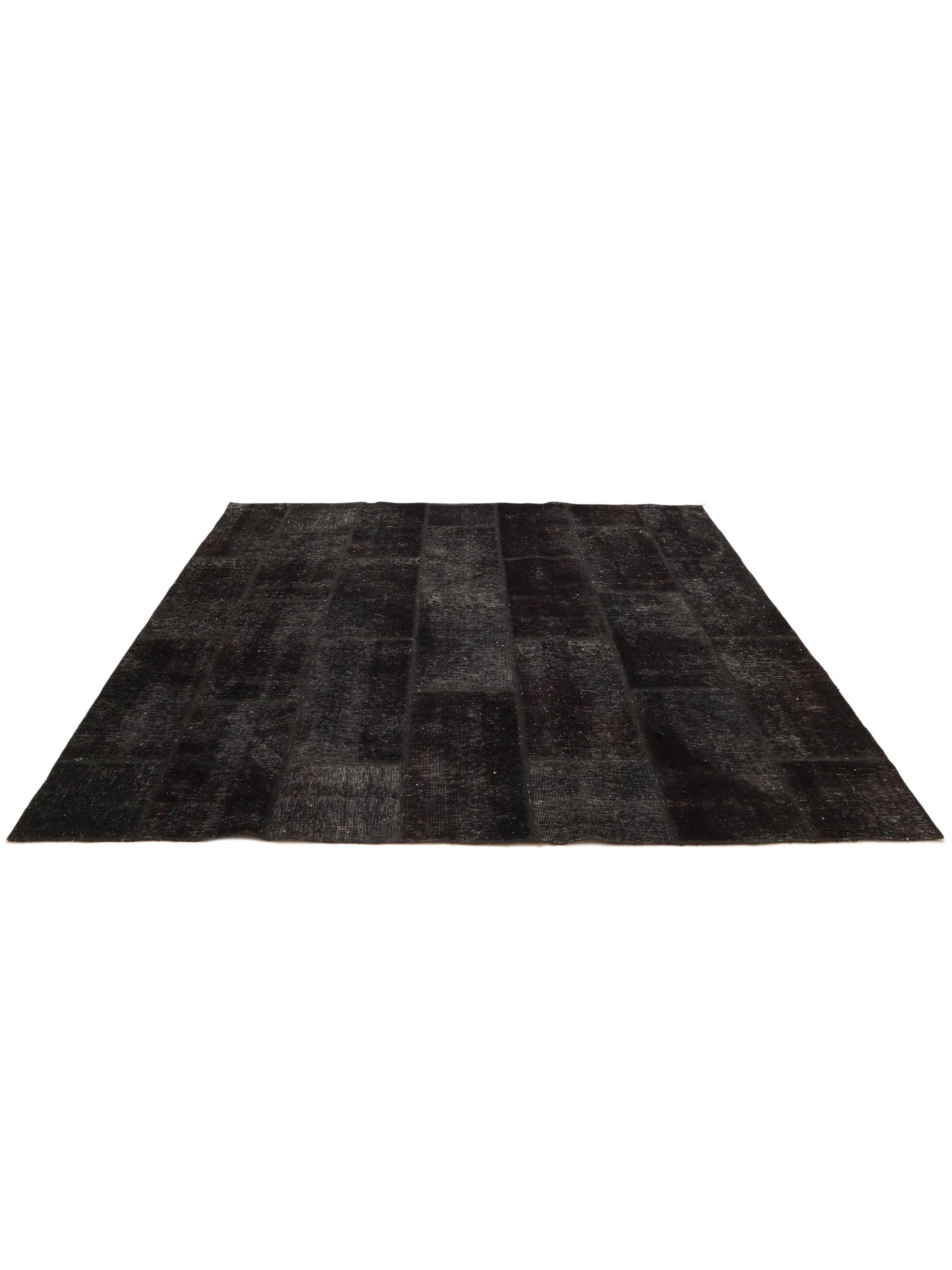
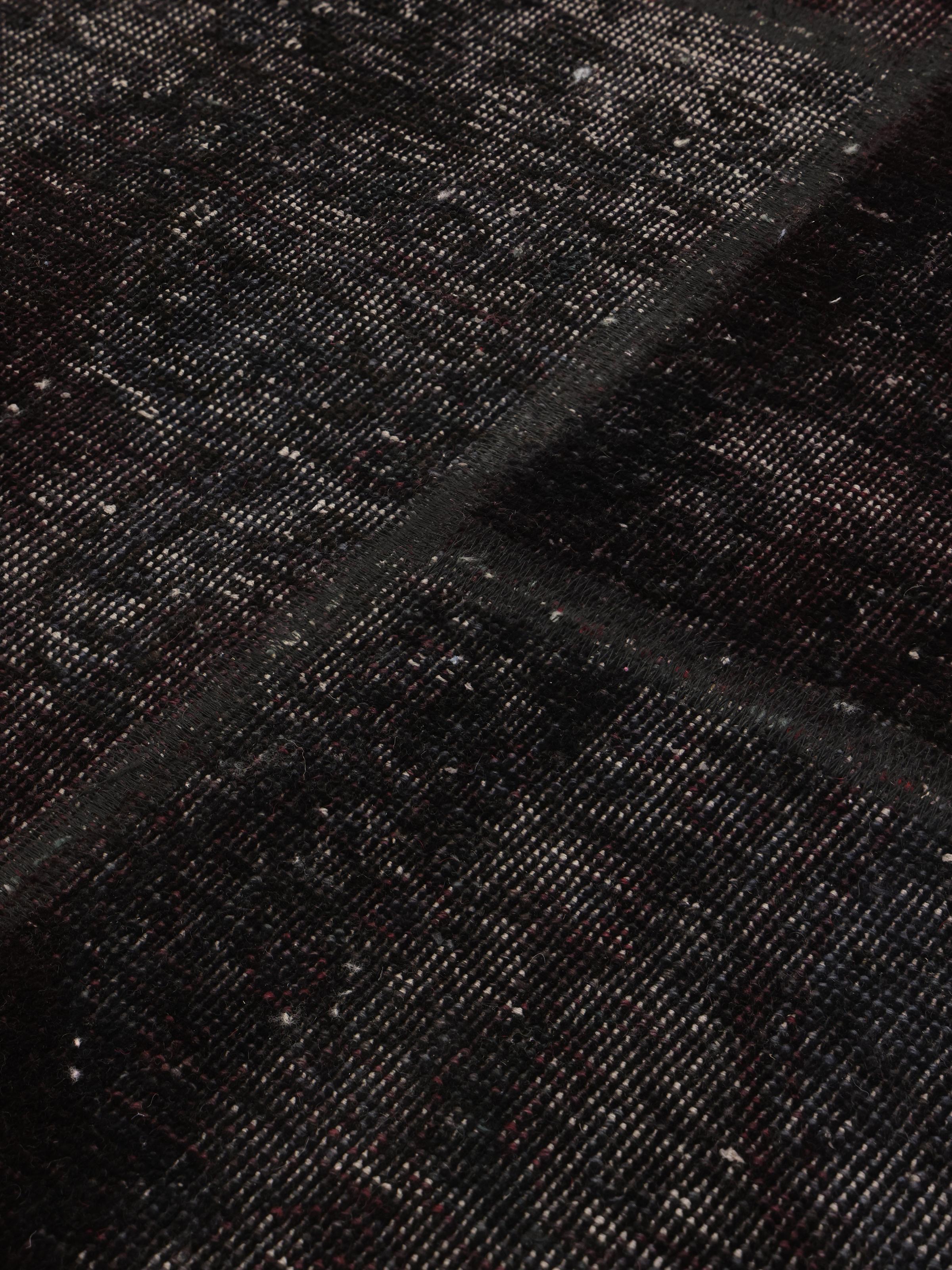
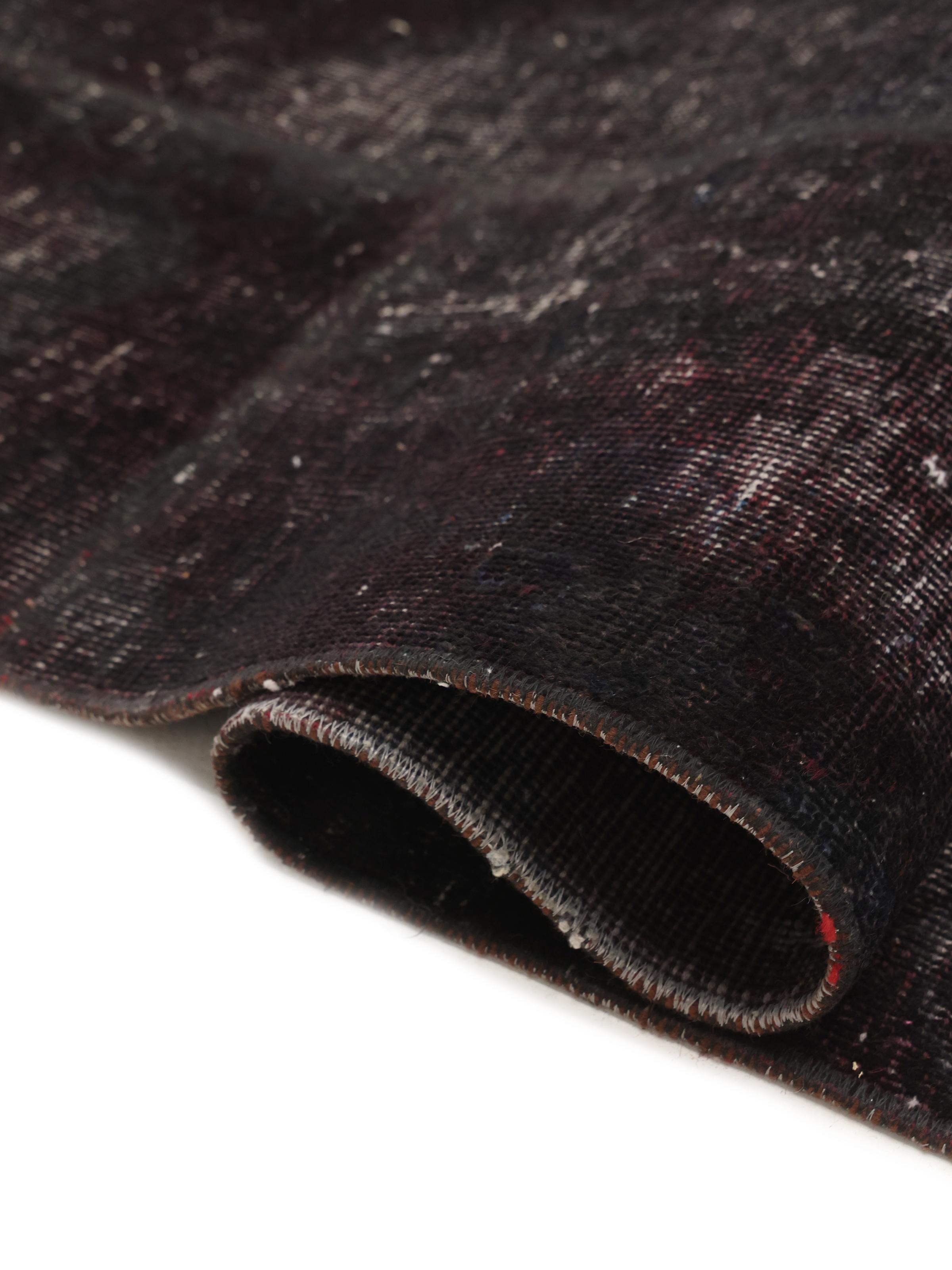
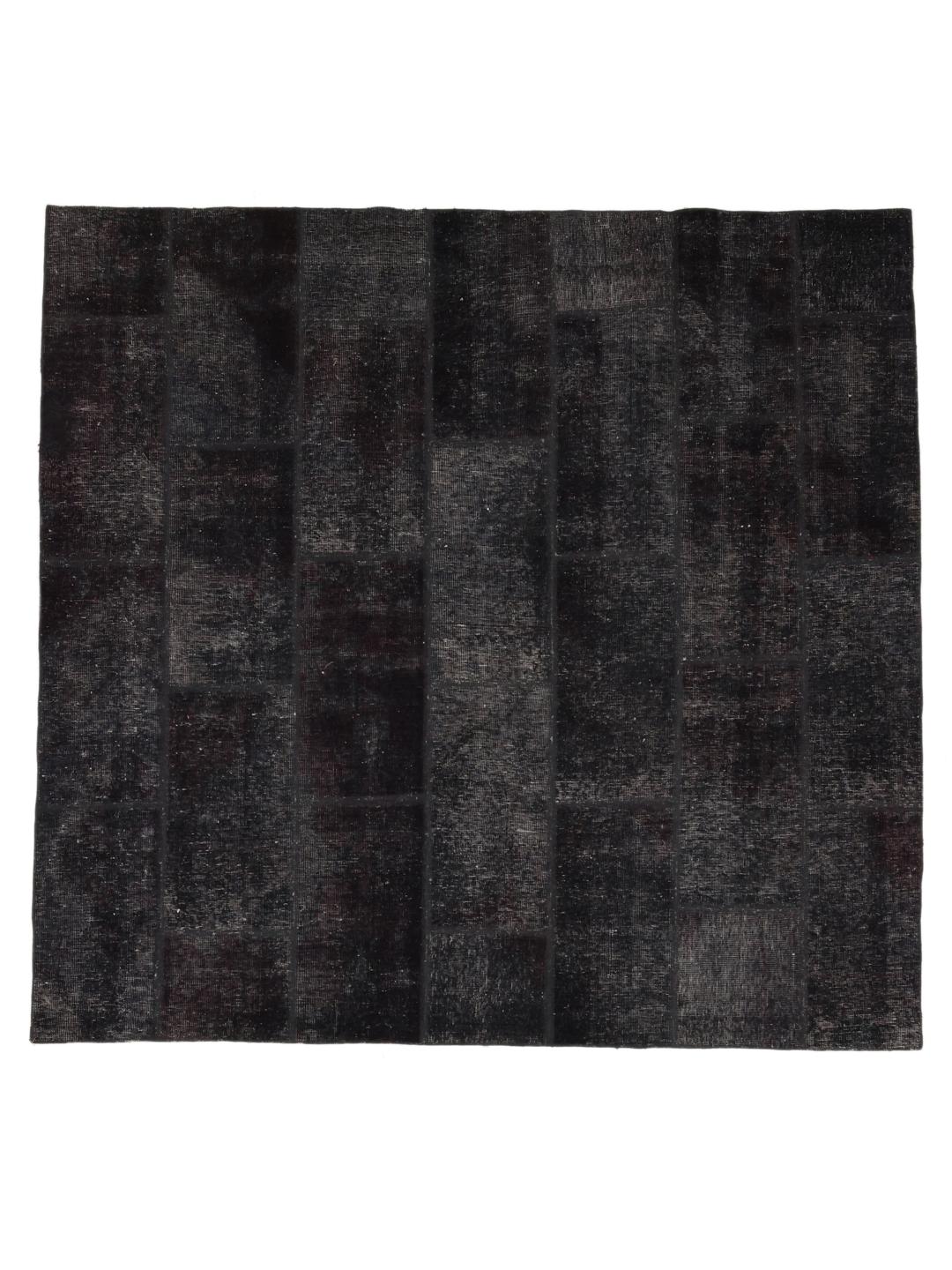
Patchwork rugs represent a fascinating evolution in the history of Middle Eastern textile craft. While traditional weaving focuses on creating a single, cohesive design from the loom, the patchwork tradition embraces the beauty of transformation. It involves taking fragments of older, hand-woven textiles—often rugs that have served families for generations—and breathing new life into them through a modern, curated arrangement.
This practice honours the longevity of wool, a material prized in the region for its resilience and ability to improve with age. By repurposing these fragments, artisans create a bridge between the past and the present, ensuring that the history woven into the original fibres is preserved in a new, contemporary format. It is a process that values sustainability and deep respect for the weaver's original intent.
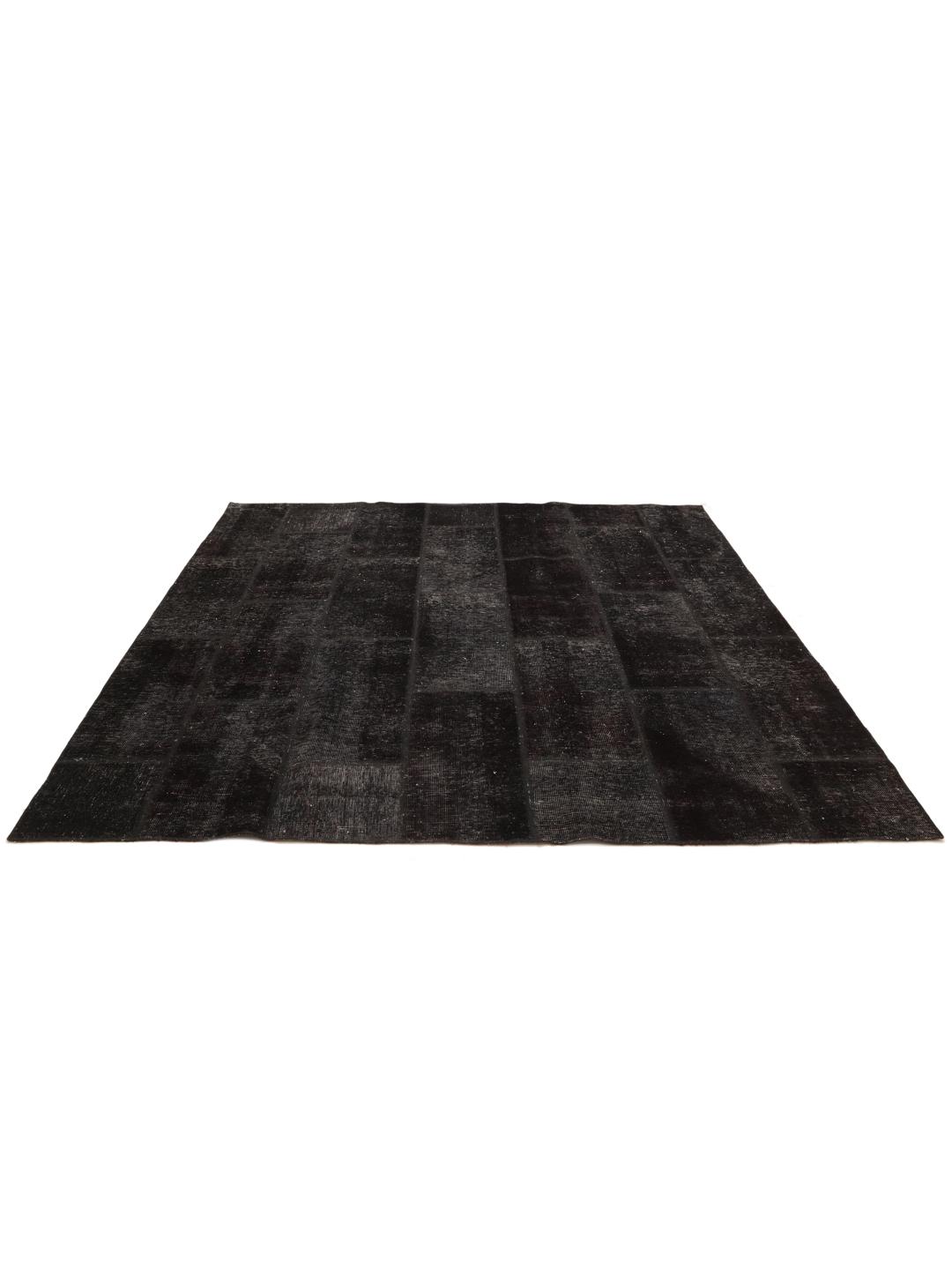
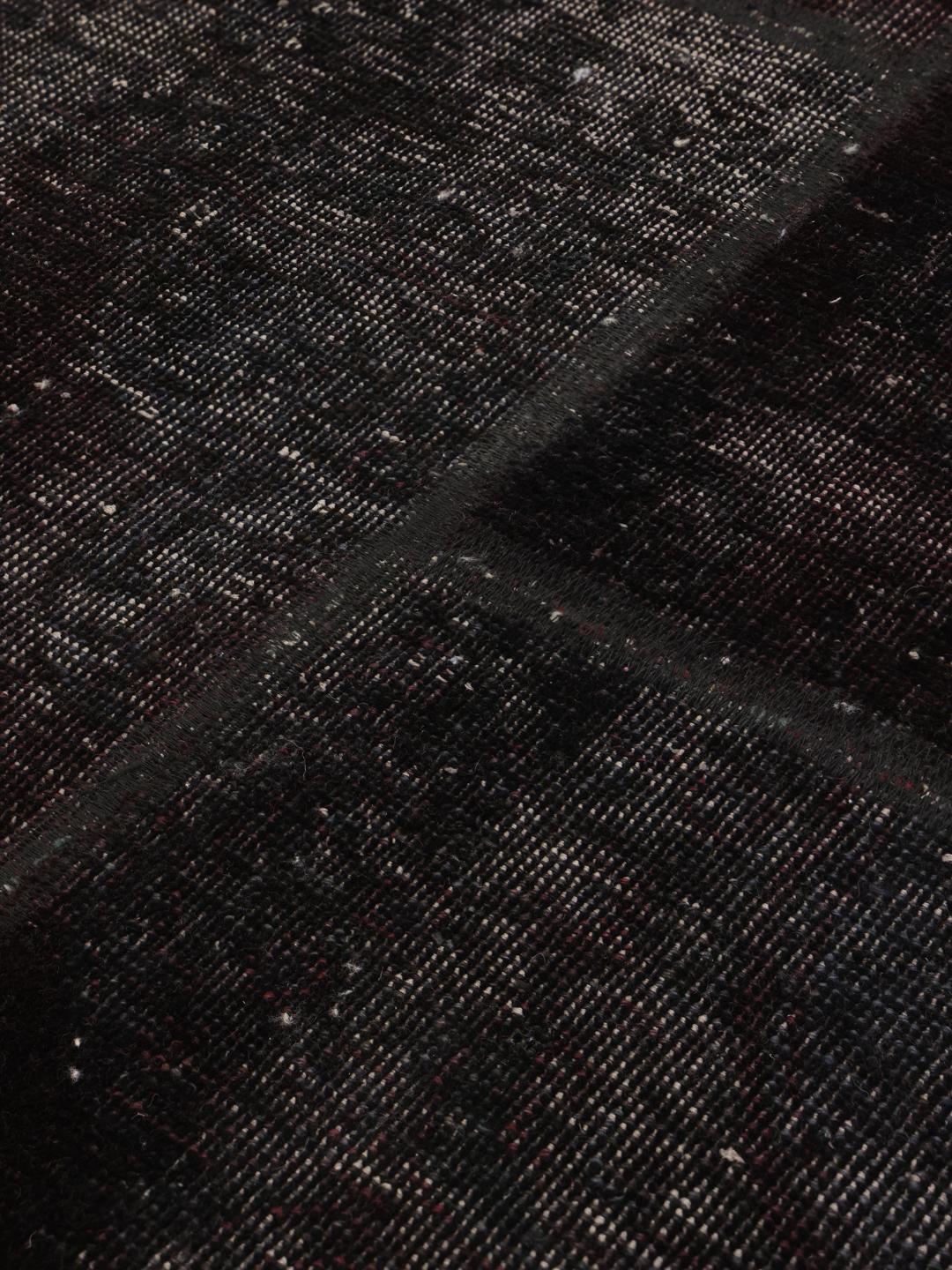
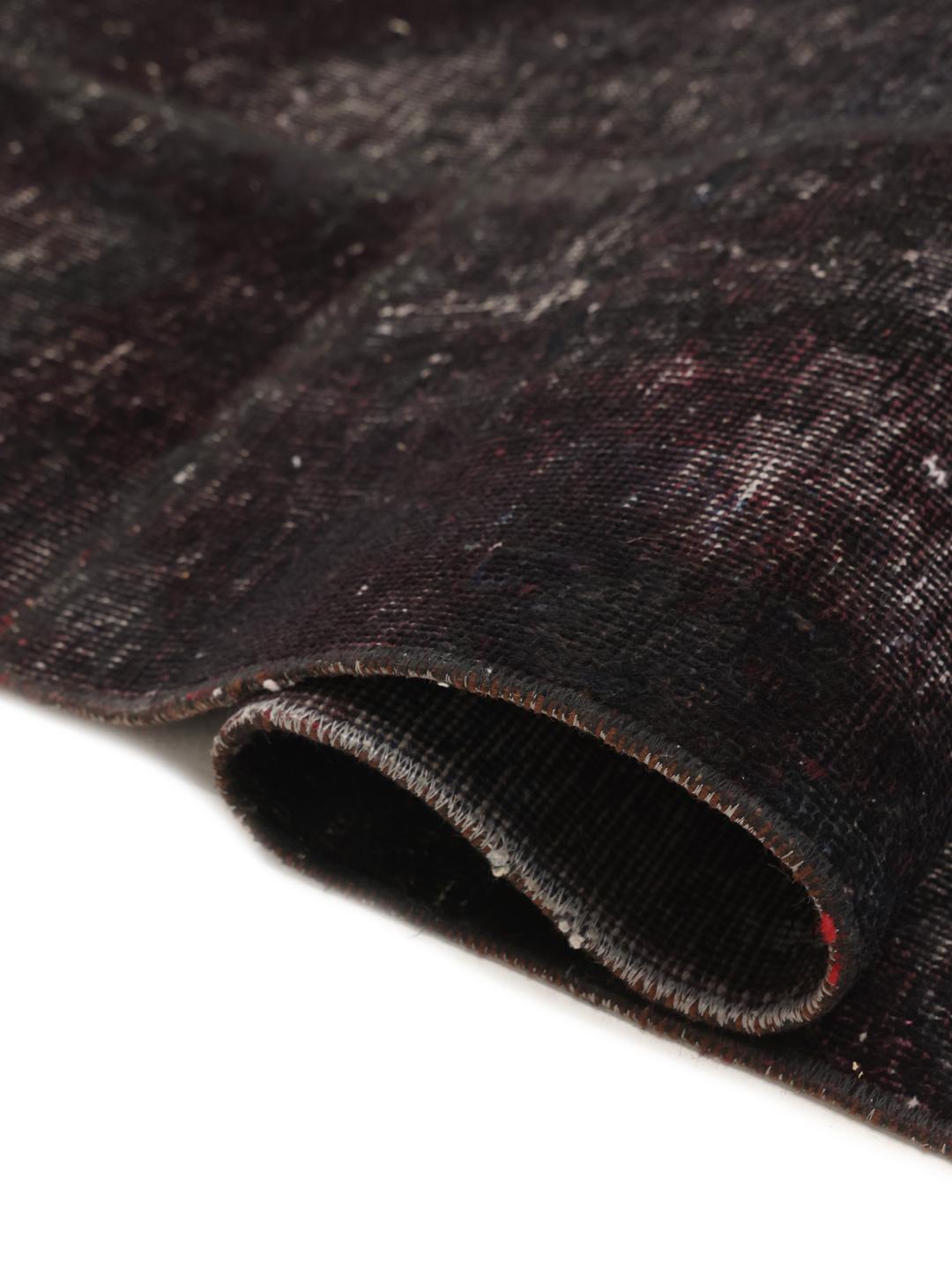
The visual language of these rugs is defined by their modular nature. Each patch acts as a window into a different design, often showcasing varying shades and textures that interact to create a rich, monochromatic or multi-tonal landscape. This specific piece, with its deep, dark tones, offers a sophisticated take on the tradition, providing a grounded and modern look that fits seamlessly into contemporary interiors.
Owning a patchwork rug is an act of supporting a living craft. It signifies an appreciation for the skill required to curate and assemble such complex designs, as well as a commitment to heritage. These rugs are highly valued by collectors for their narrative quality; they are not merely floor coverings, but pieces of cultural history that bring depth, warmth, and a sense of story to any modern home.