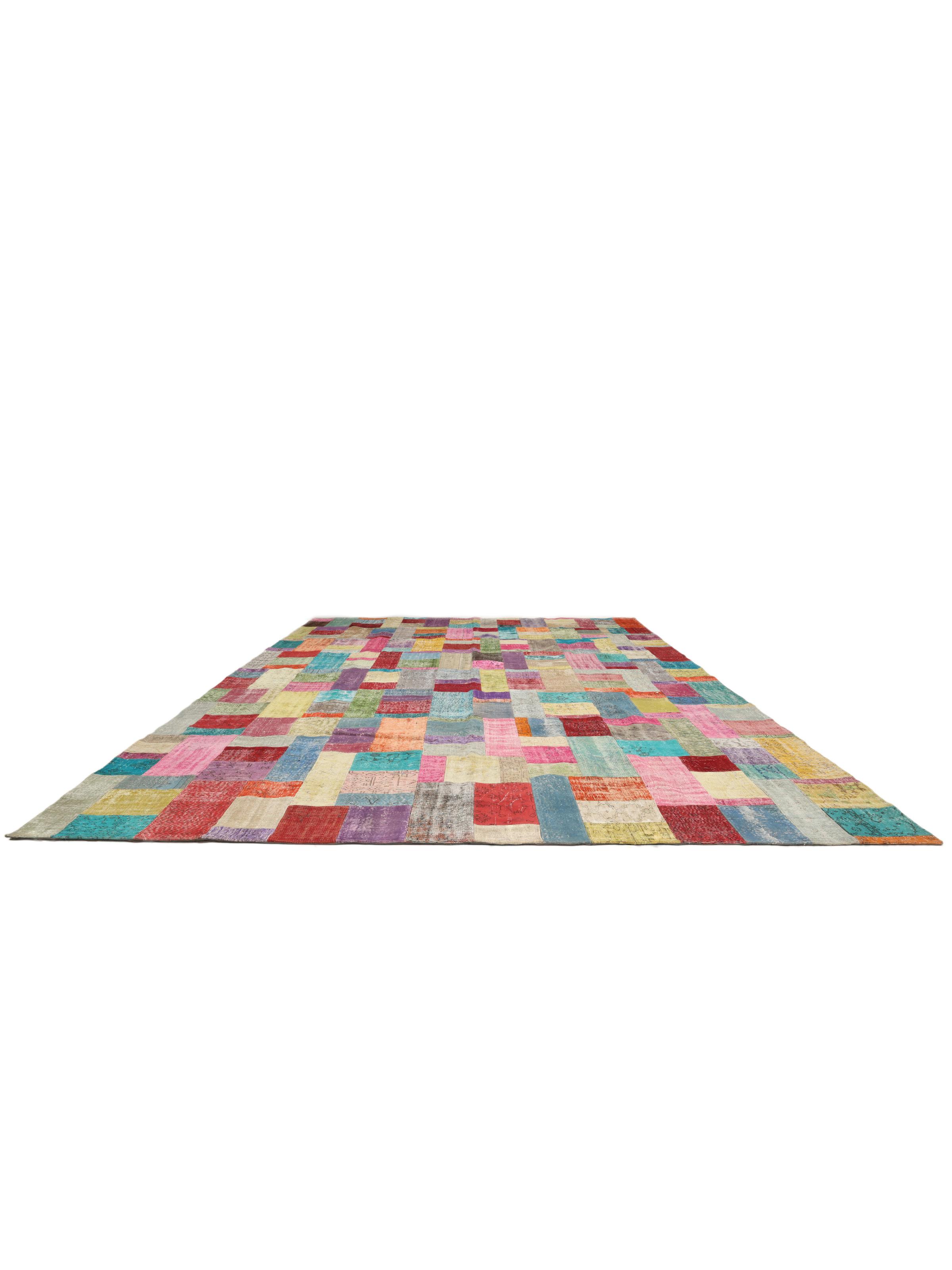
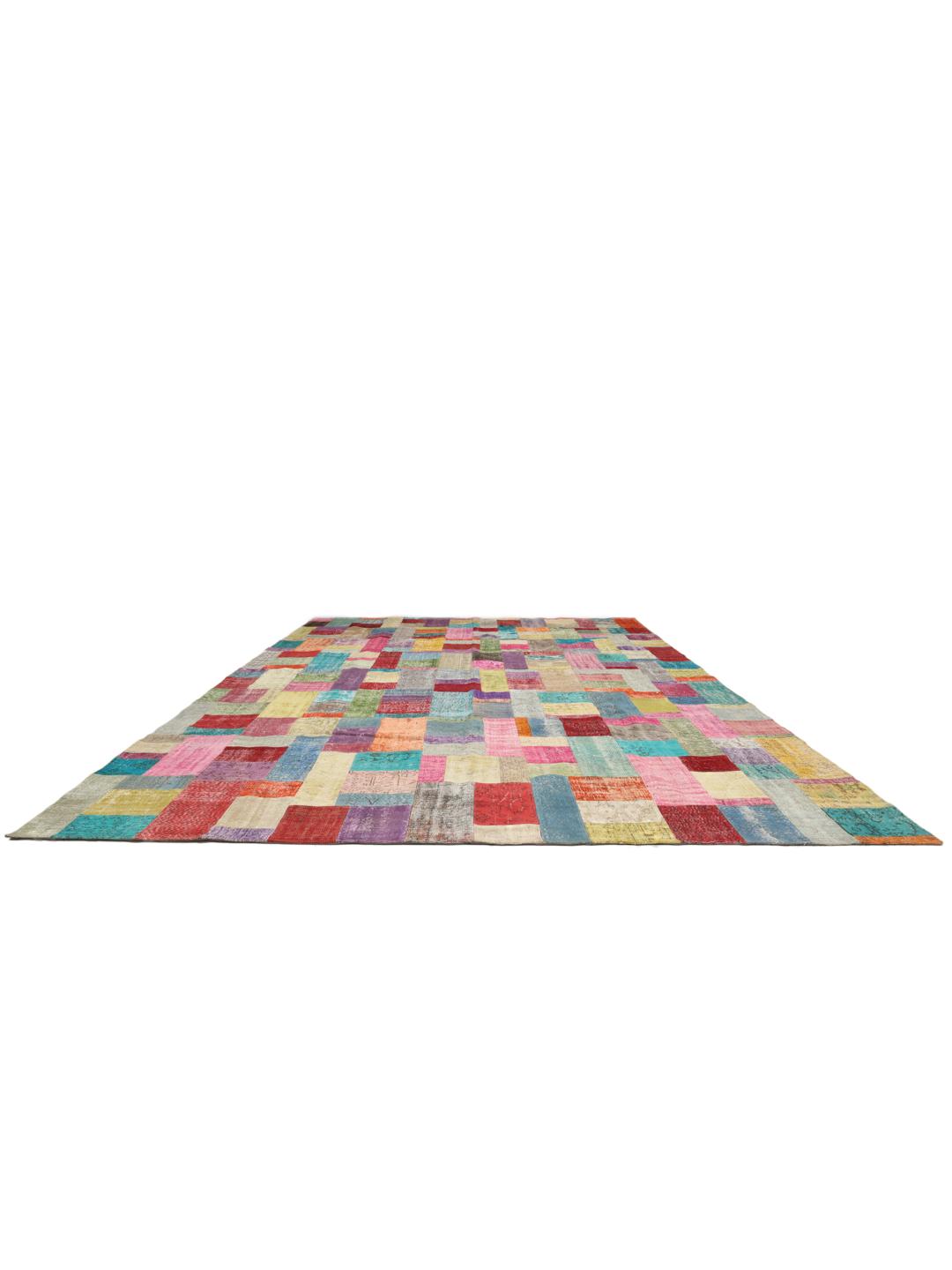
The art of the patchwork rug is a modern evolution of long-standing textile traditions found across the Middle East and Turkey. For generations, weavers have valued every scrap of wool, repurposing worn or damaged rugs into new, functional items. This approach to sustainability and creativity has blossomed into the contemporary patchwork style, where vintage pieces are meticulously salvaged and rearranged to celebrate their history while creating something entirely new.
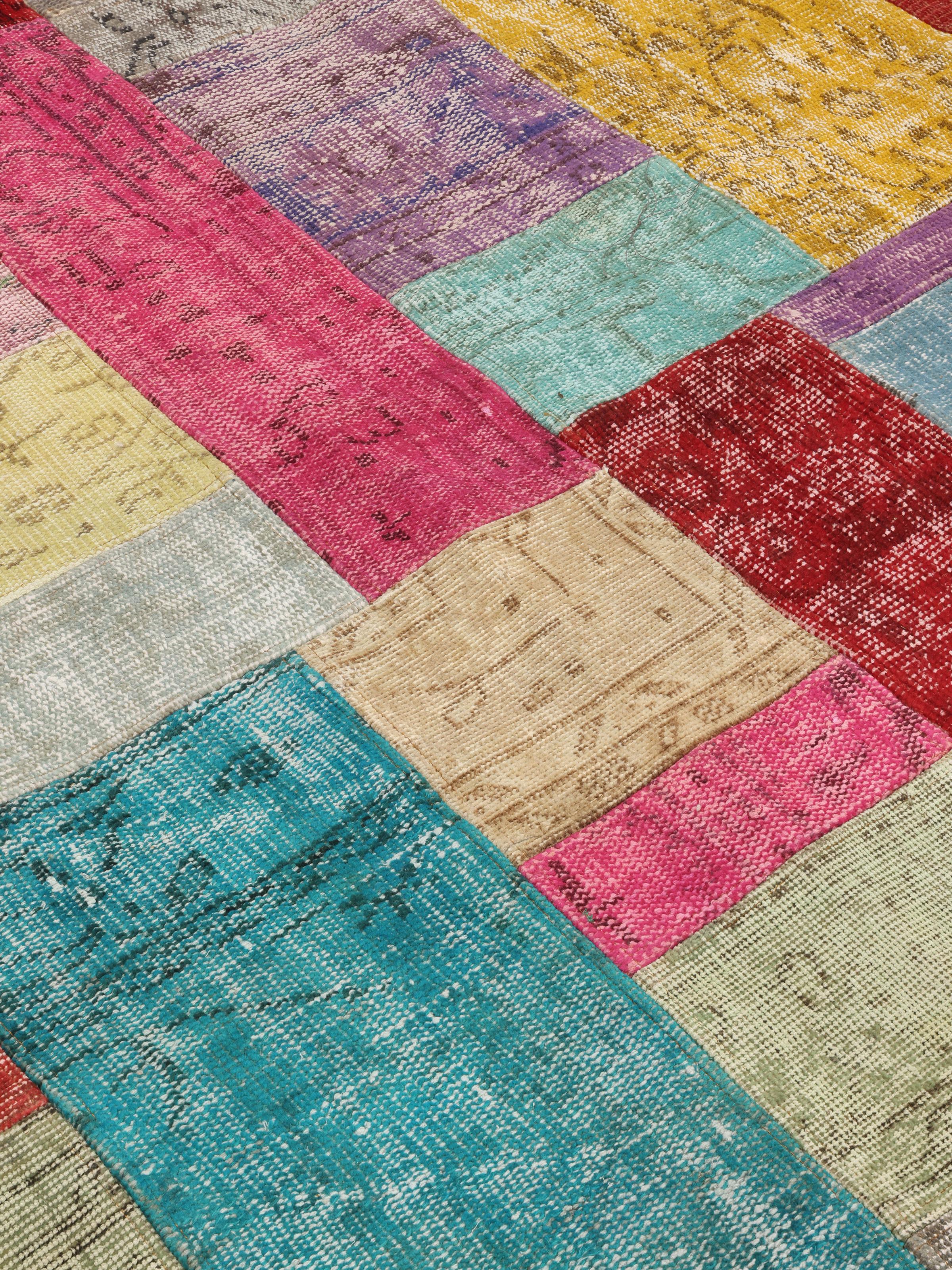
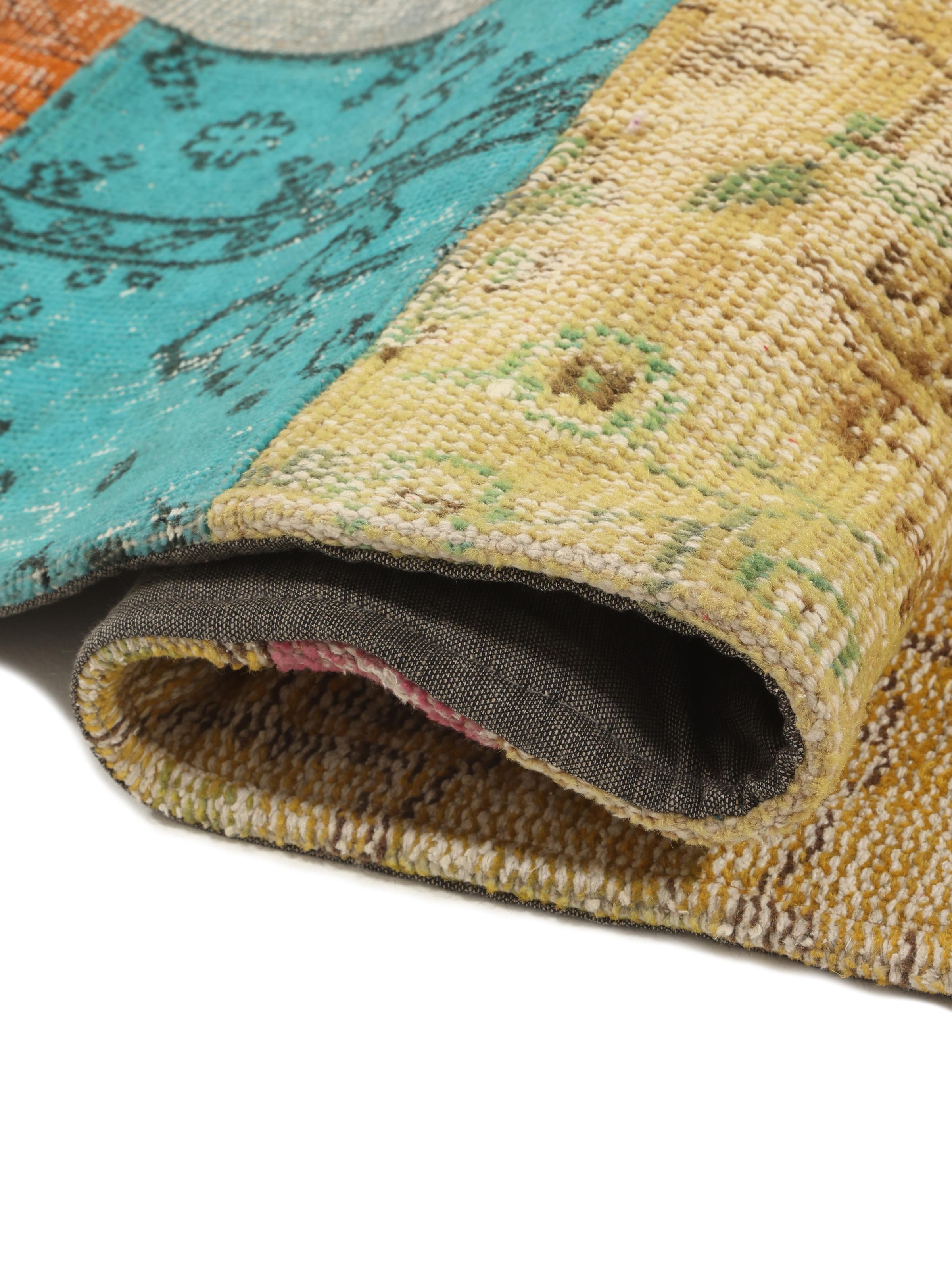
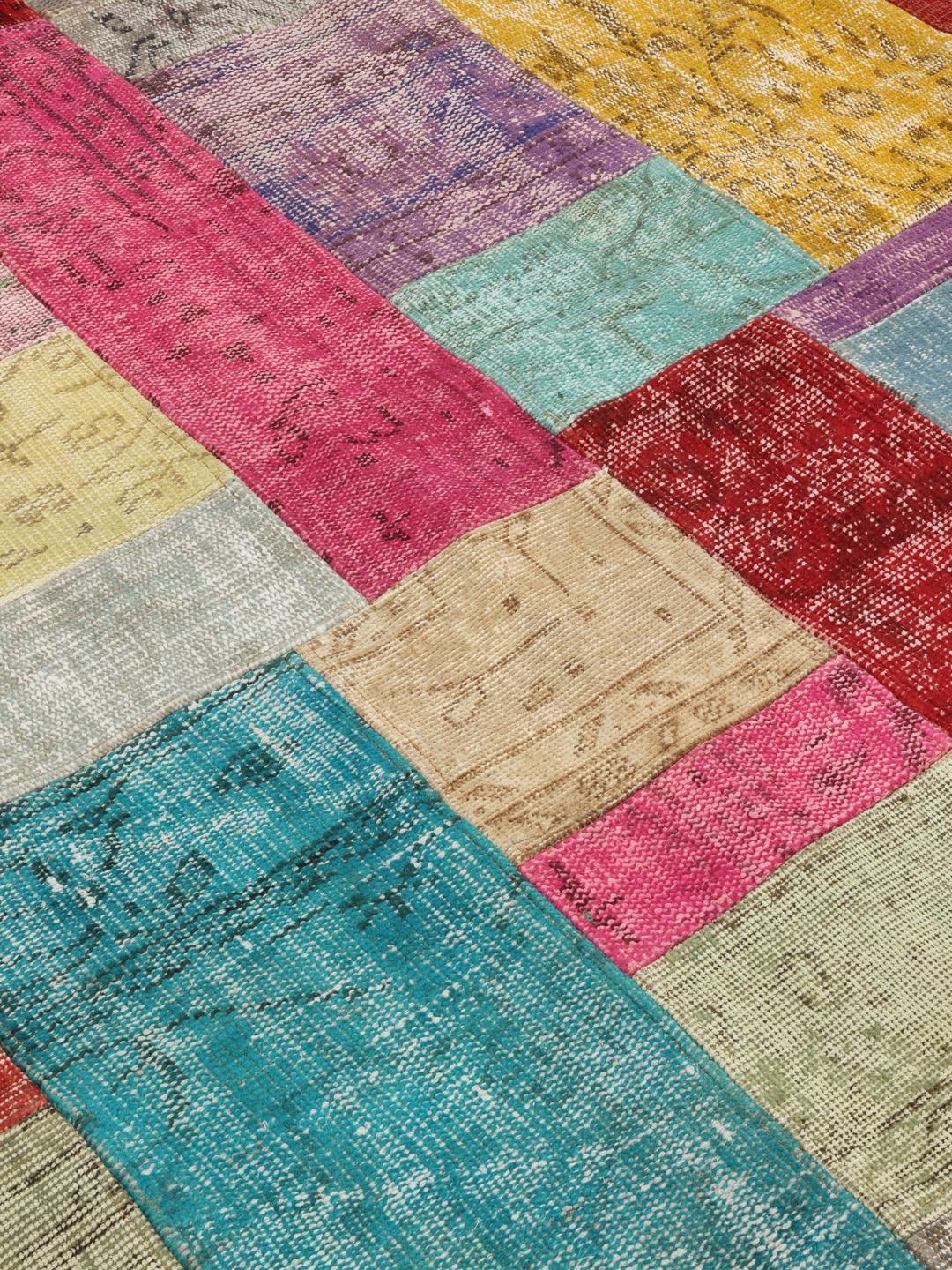
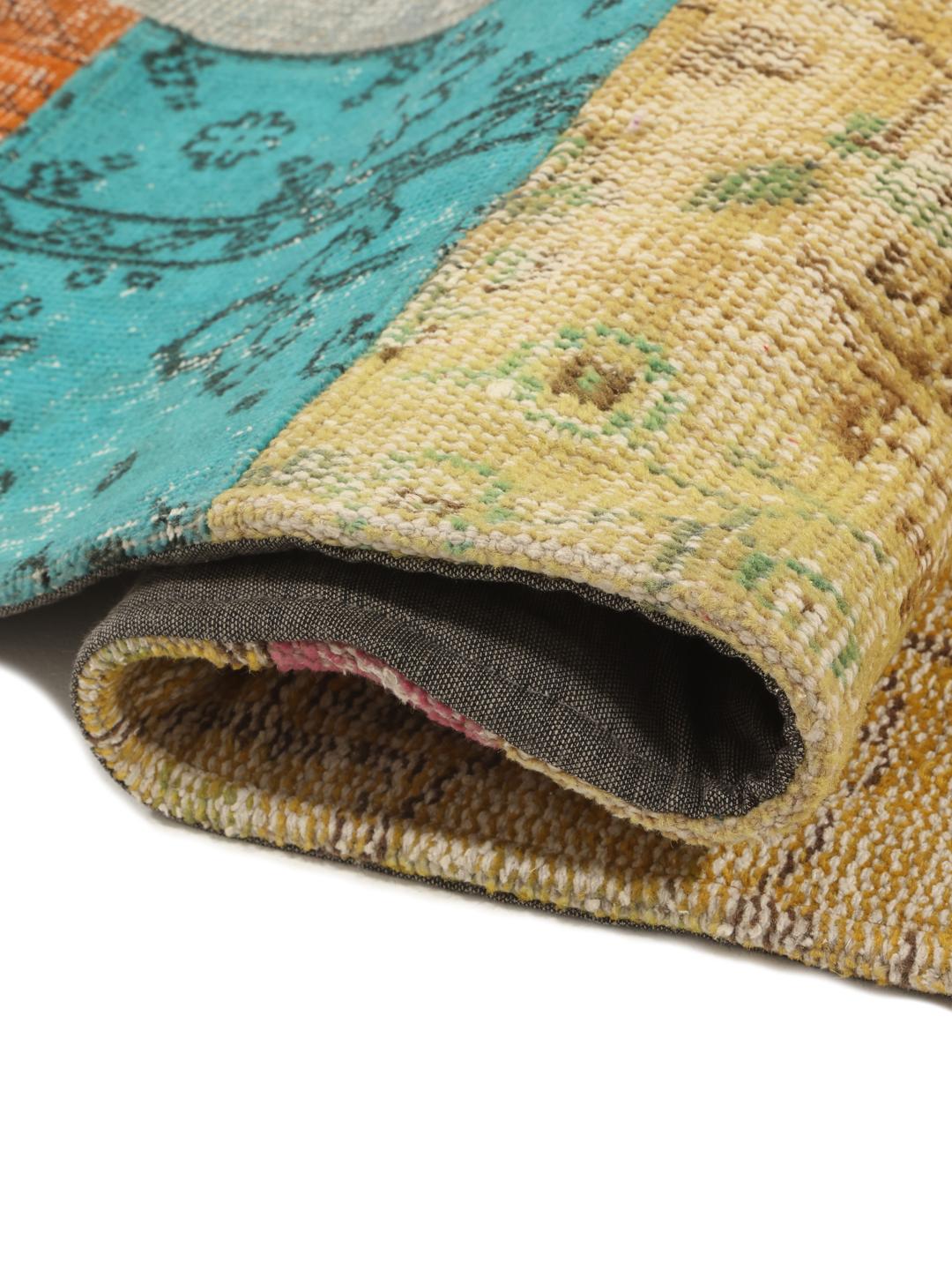
When we speak of patchwork construction, we are referring to the thoughtful selection of distinct textile sections that are professionally cleaned, dyed, and then hand-stitched onto a sturdy foundation. This process is not merely about joining pieces together; it is about finding a visual rhythm between different textures and ages of wool. The result is a rug that feels both nostalgic and modern, bridging the gap between historical weaving techniques and contemporary interior design.
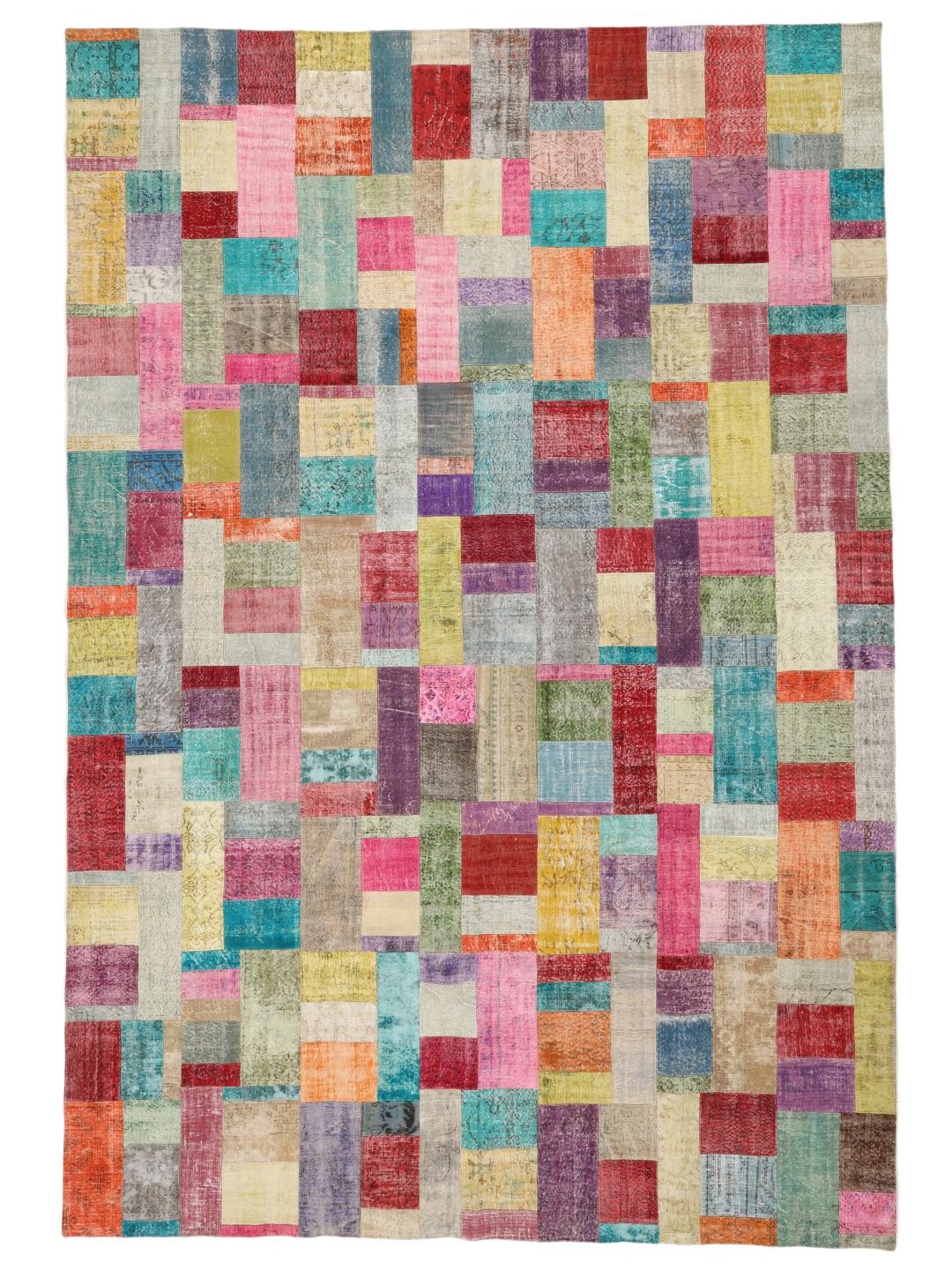
The signature design of this piece is defined by its vibrant colour blocking, where varying shades of red, blue, yellow, and green create a dynamic, artistic landscape. Unlike traditional rugs that rely on a single, symmetrical medallion or border, this patchwork style utilises the entire surface as a canvas. This approach turns the rug into a focal point, drawing the eye with its intricate, varied fragments that reflect the diverse colour palettes of the regions where the original wool was sourced.
These rugs are highly valued by collectors and enthusiasts because they represent a marriage of heritage and innovation. Owning a patchwork piece is a way of preserving the skill of past generations while enjoying a rug that fits perfectly into a modern, expressive home. Each piece serves as a cultural artifact, documenting the evolution of textile art and bringing a sense of depth, history, and unmatched personality to the spaces it inhabits.