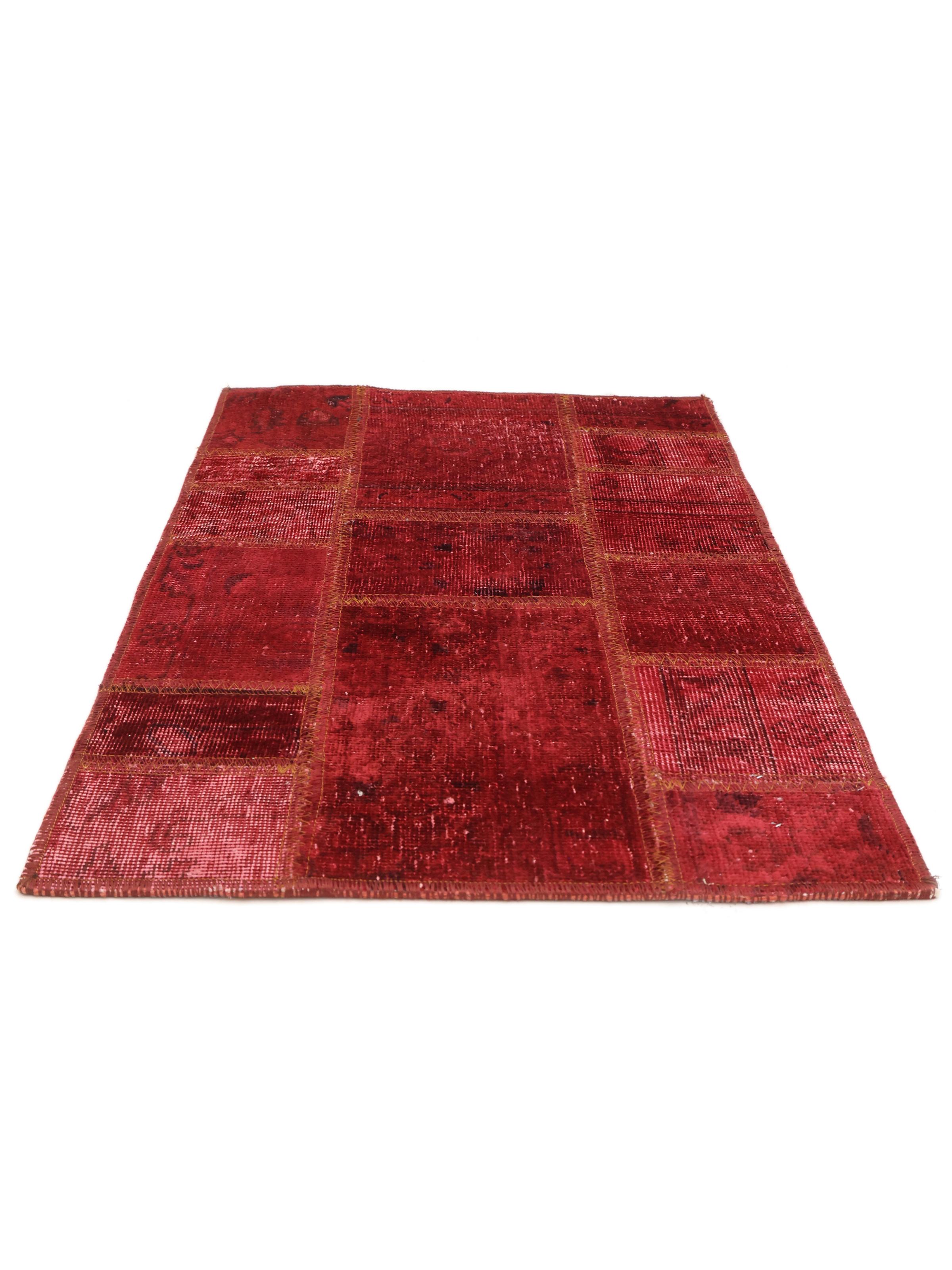
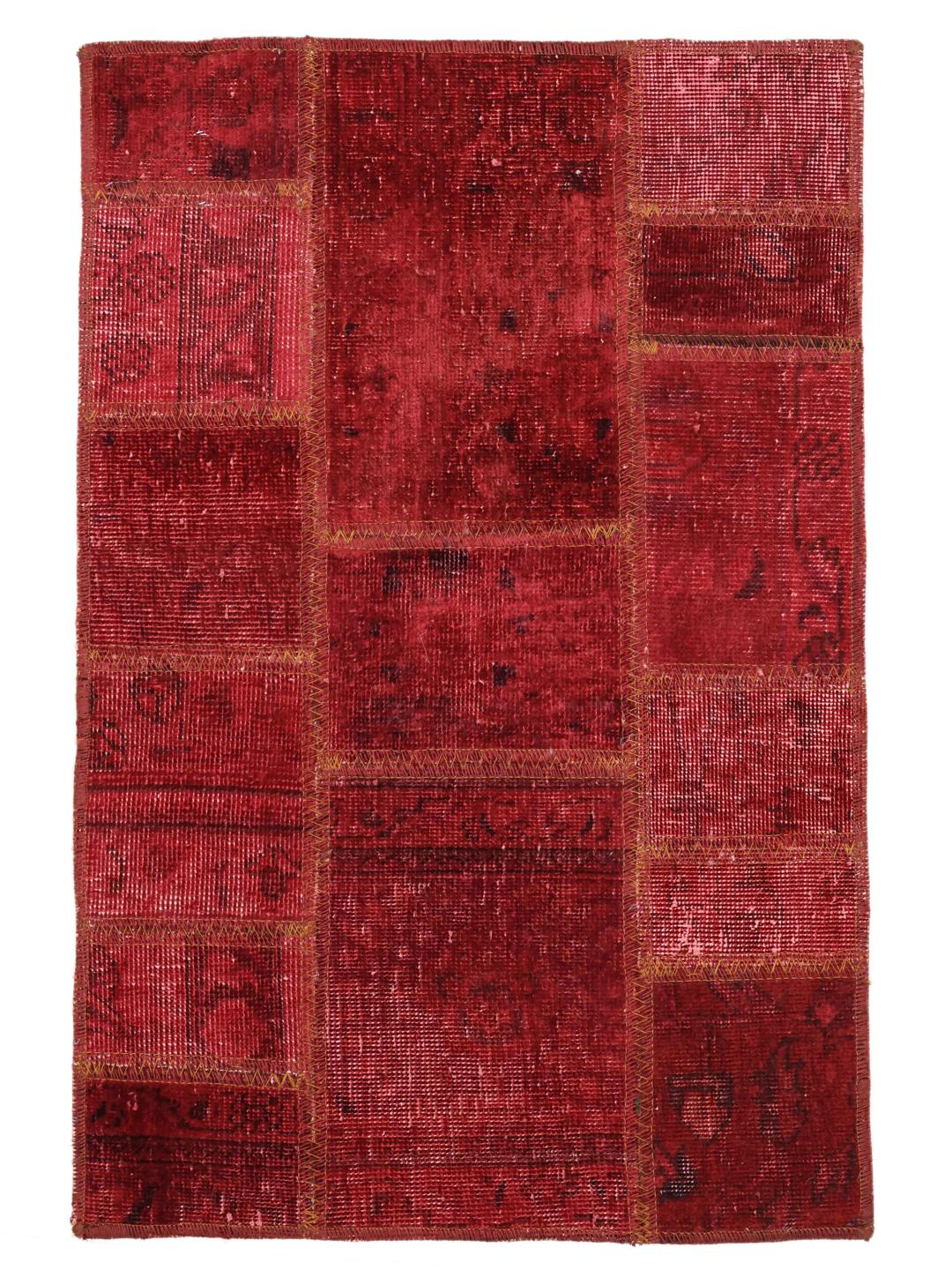
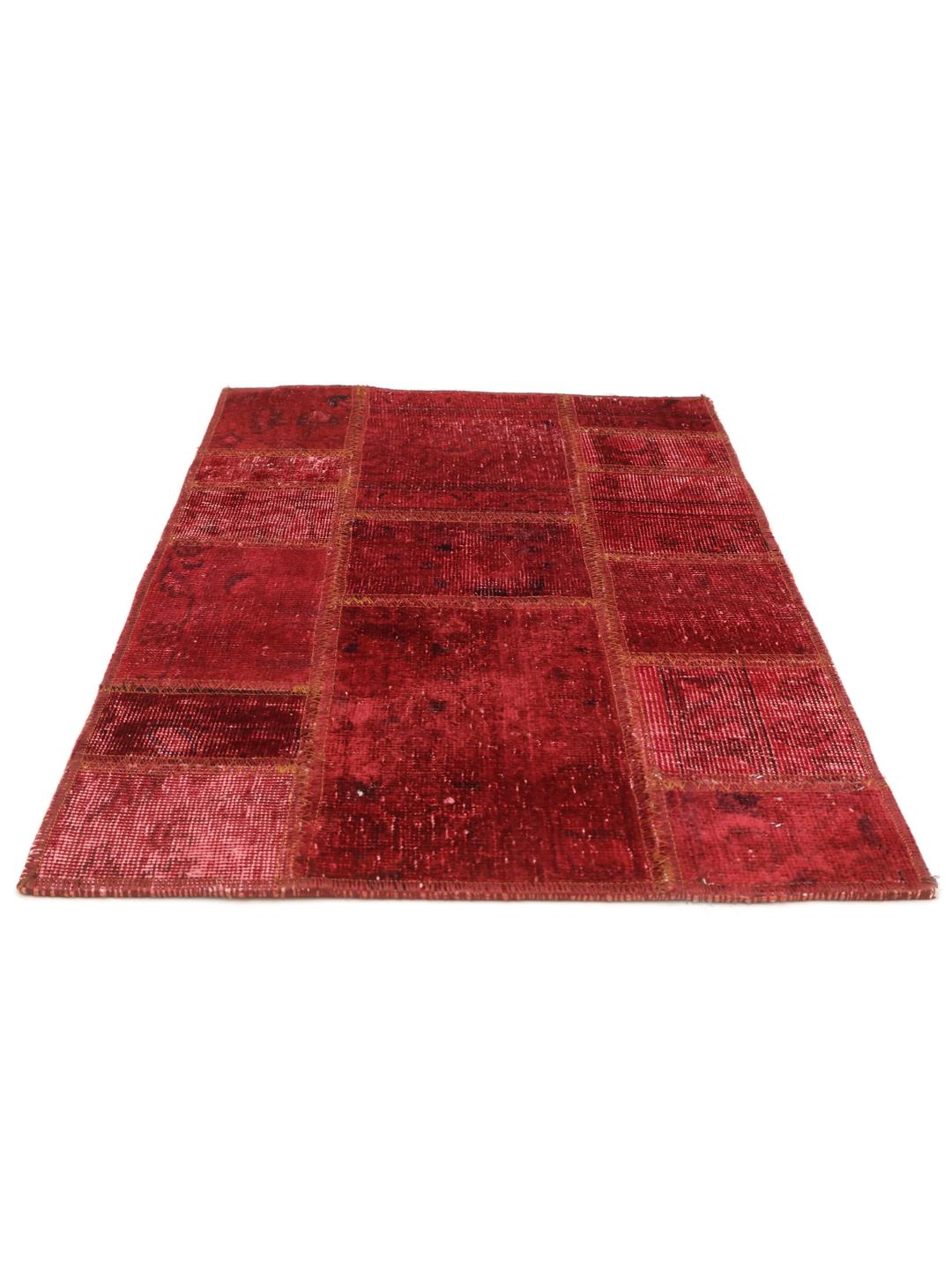
Patchwork rugs originated as a creative movement in Anatolia, transforming vintage hand-woven textiles into contemporary art pieces for modern living spaces. Traditional Turkish weaving centers across Anatolia have been famous for centuries for their wool rugs, which were originally created for domestic use, warmth, and tribal decoration.
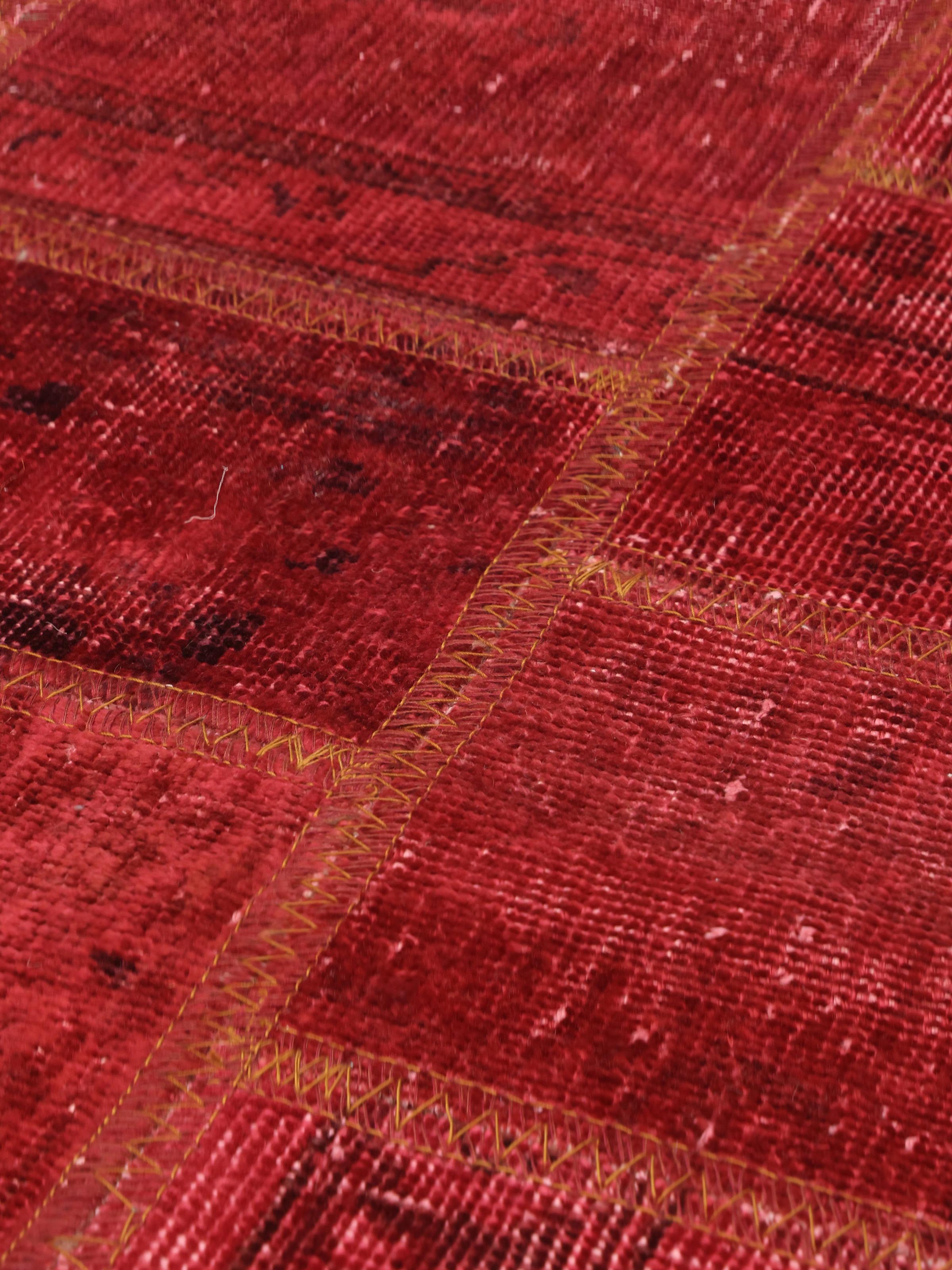
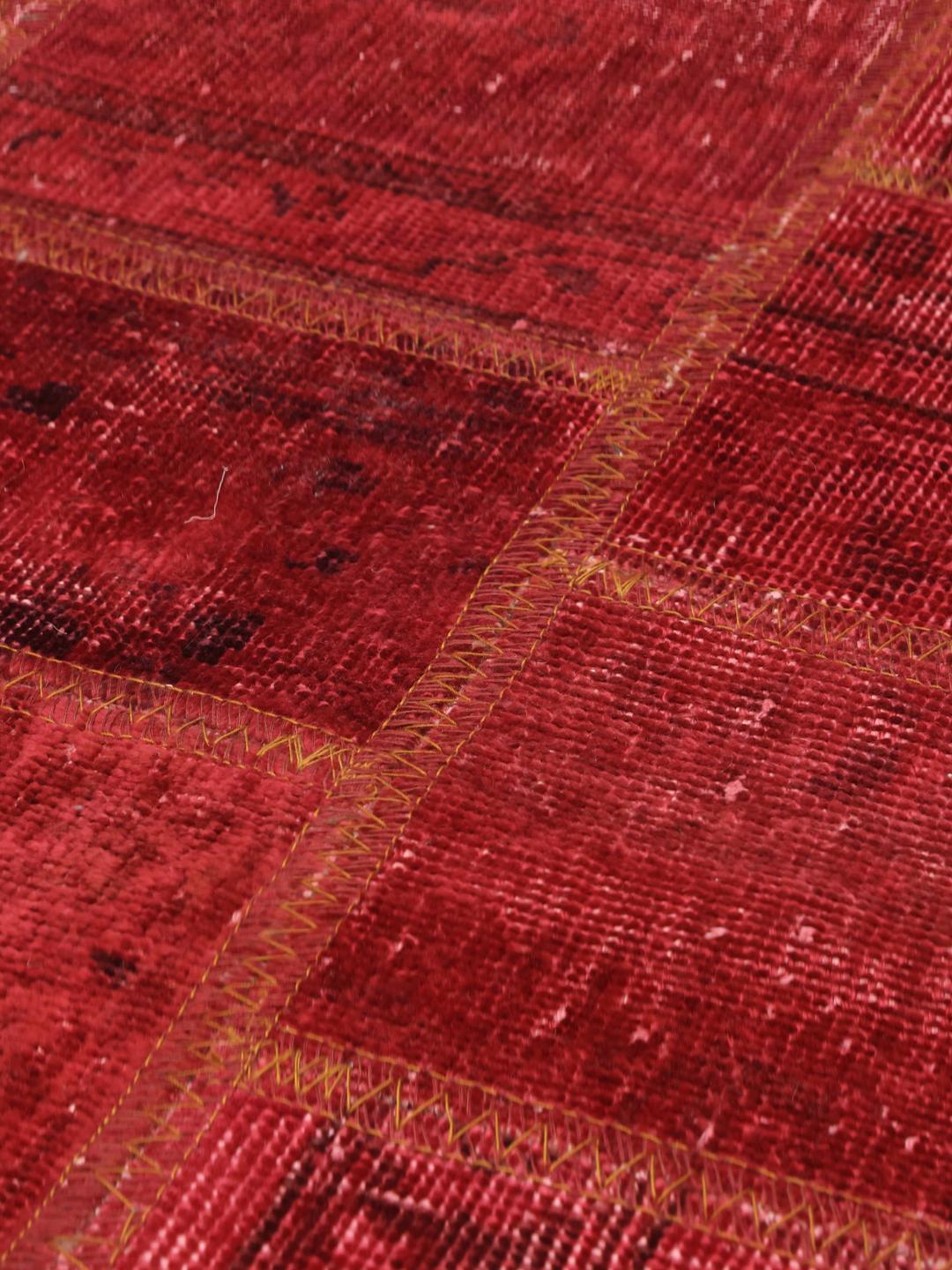
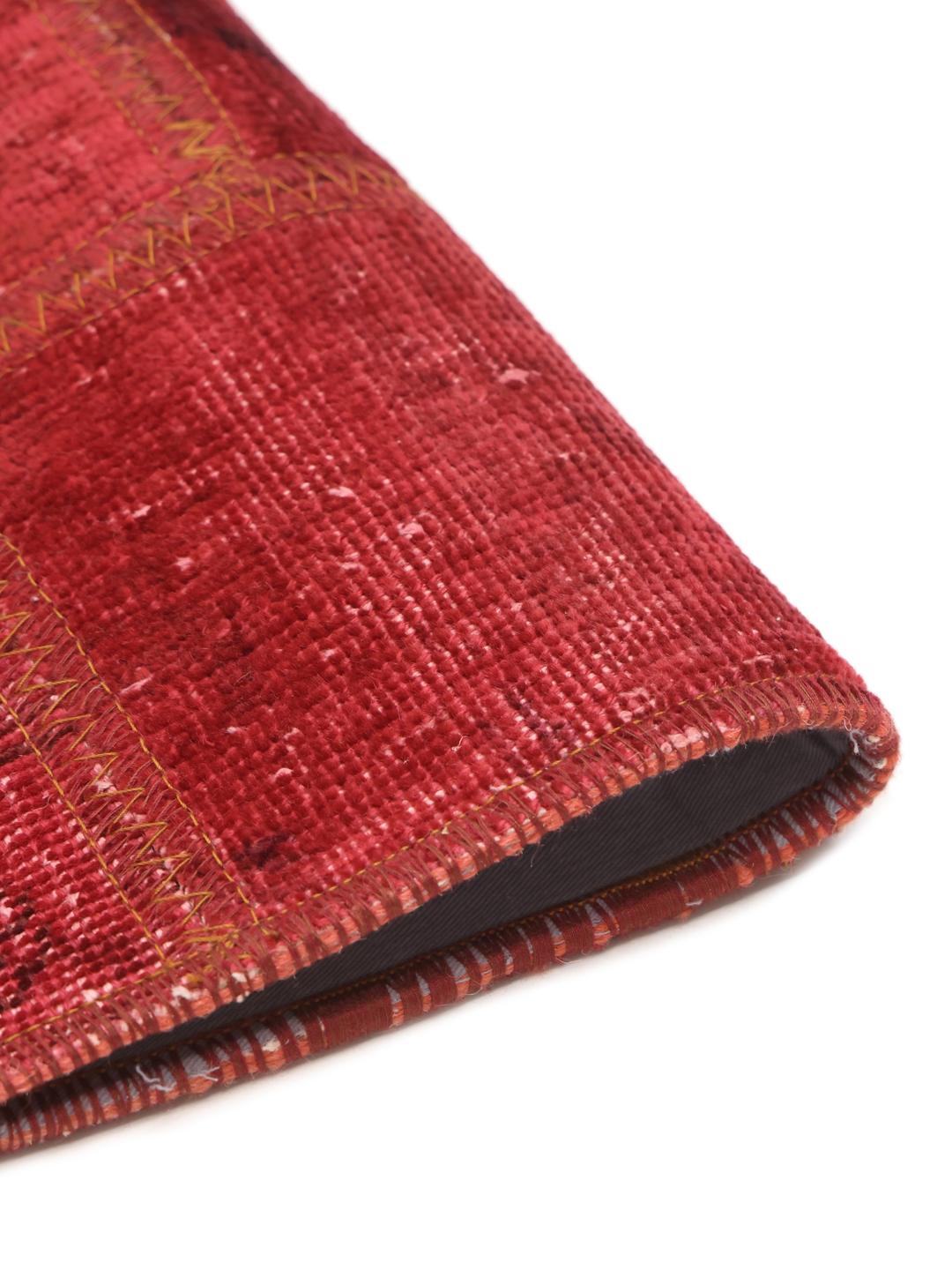
The term patchwork refers to the technique of selecting sections from older, authentic hand-knotted carpets and hand-stitching them together. This process preserves fragments of traditional weaving that might otherwise be lost, combining different regional motifs into a new, single composition that bridges heritage craft and contemporary design.
The panels used in this rug feature classic Turkish patterns, ranging from floral fragments to geometric medallions. Over decades of use, the original vegetable dyes soften, giving the wool a distressed, vintage character that highlights the texture of the original hand-placed knots.
Today, vintage Anatolian patchwork rugs are highly valued by collectors and design enthusiasts alike. Owning a reassembled vintage rug offers a sustainable way to enjoy authentic historic textile craft, carrying the skill of mid-twentieth-century artisans into contemporary interiors.