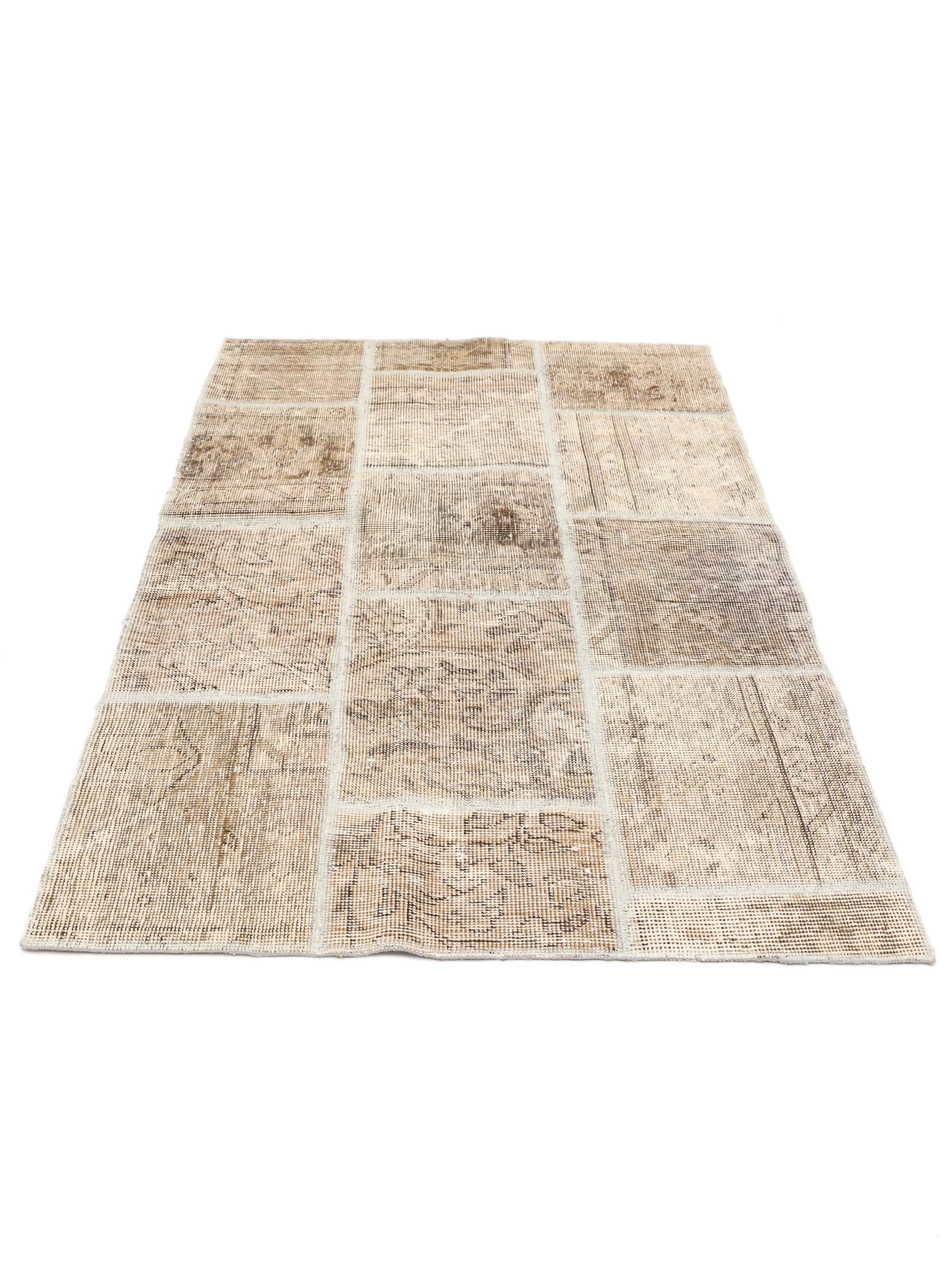
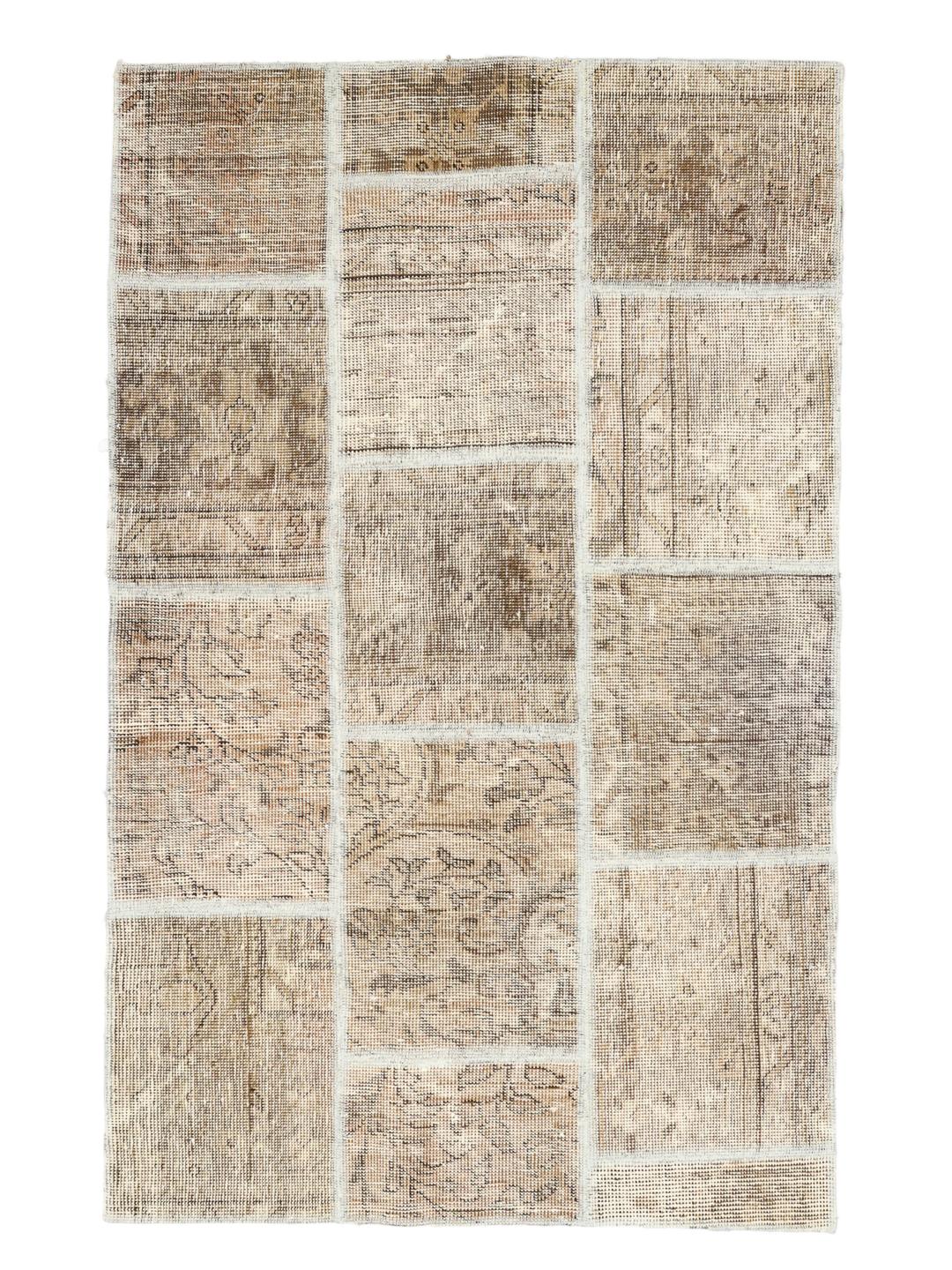
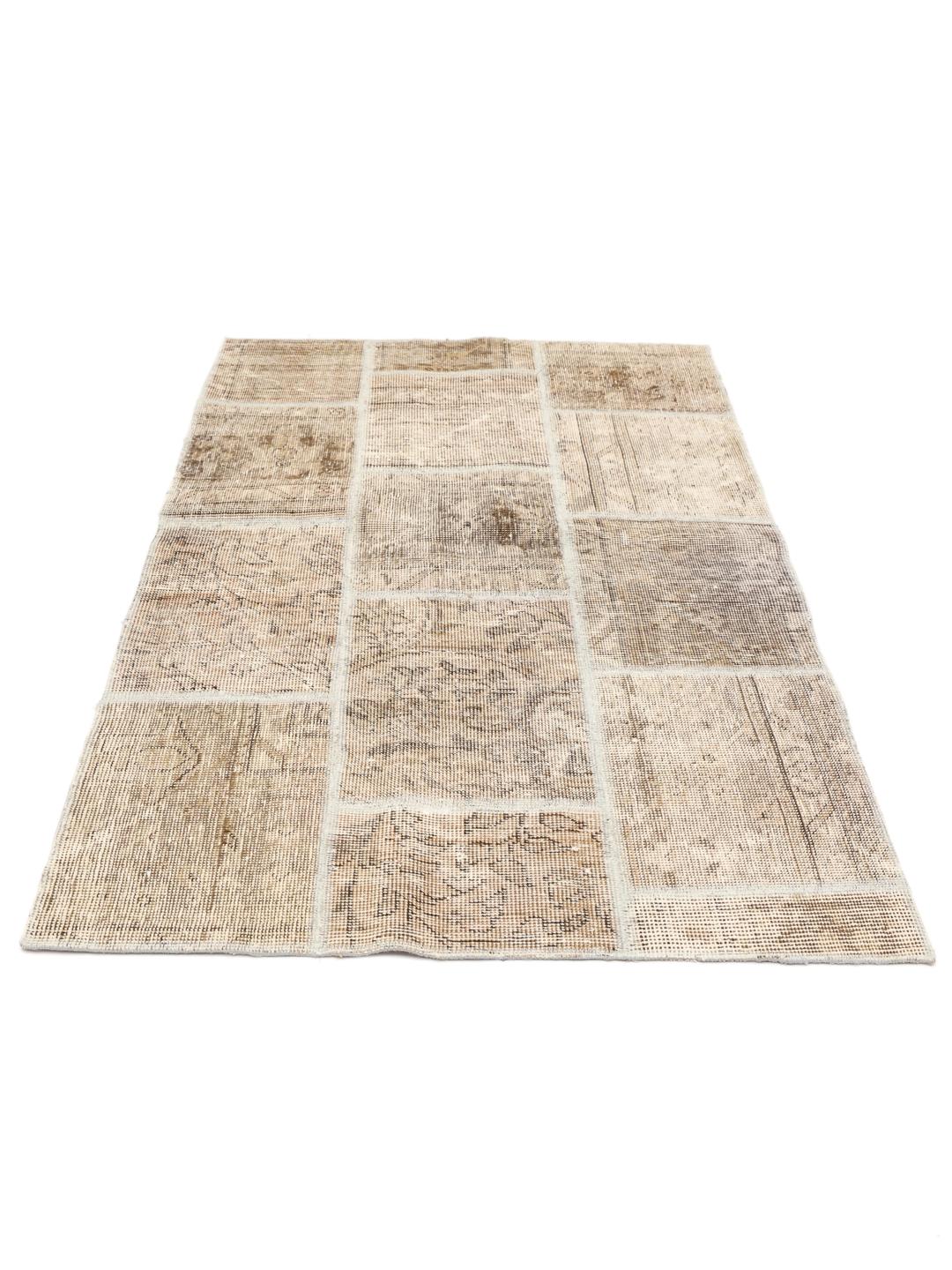
Patchwork rugs represent a fascinating evolution in textile history, emerging as a creative way to honour and repurpose older, hand-knotted rugs that have seen years of use. By salvaging the best-preserved sections of these traditional pieces, artisans in the Middle East have developed a style that celebrates the longevity and beauty of their craft. This practice ensures that the intricate patterns and rich materials of the past are not lost, but rather given a new, vibrant life in contemporary homes.
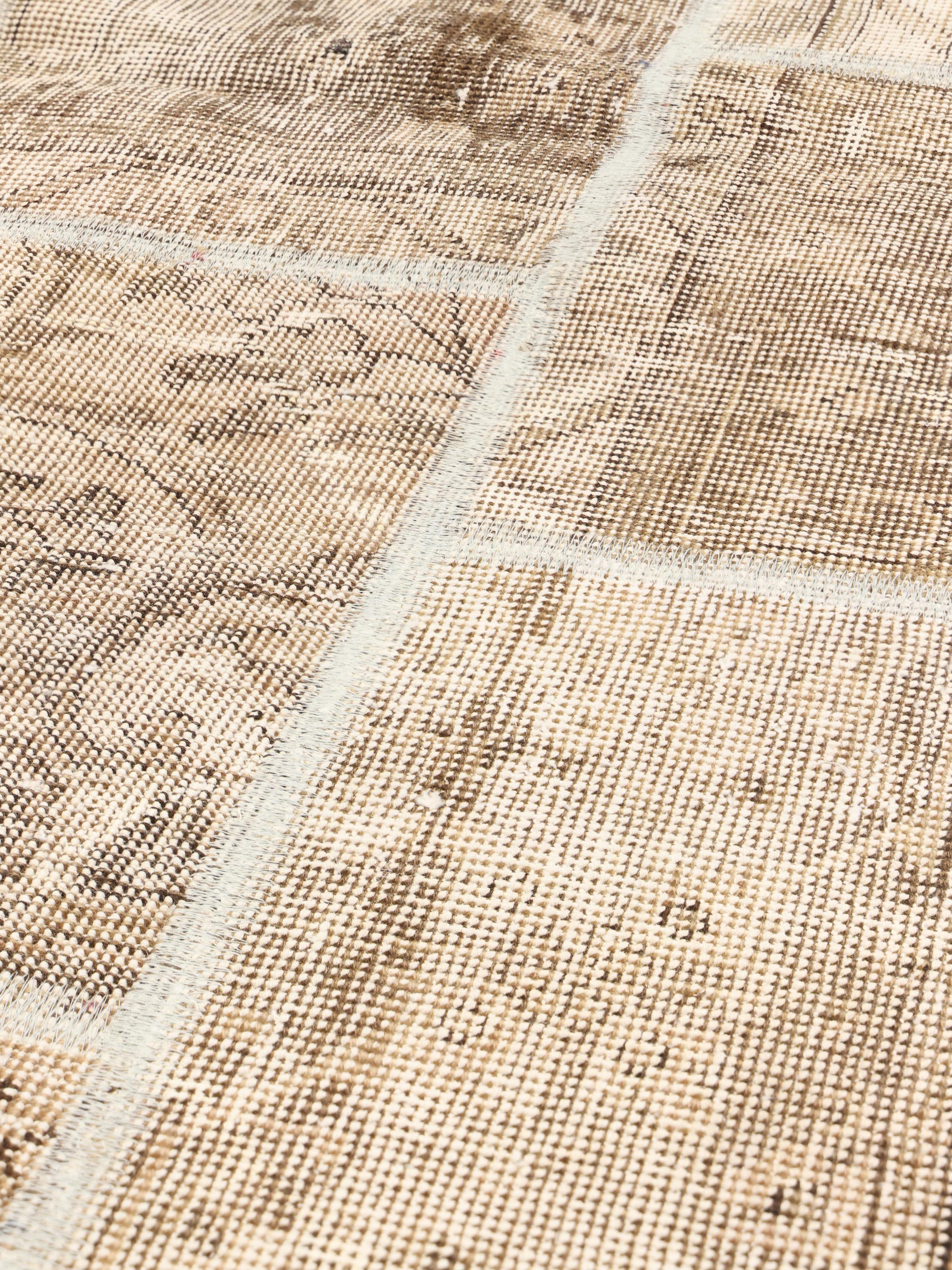
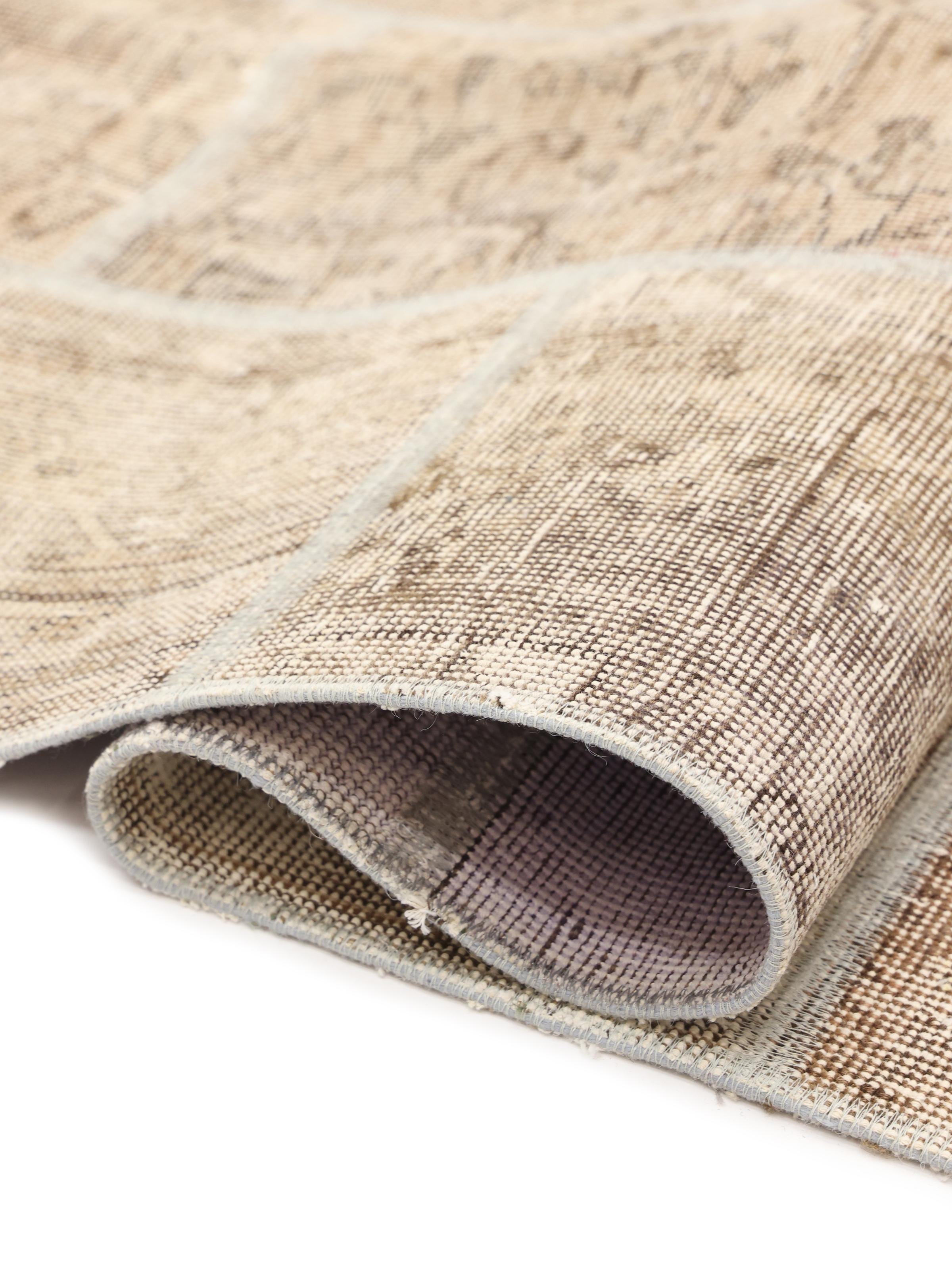
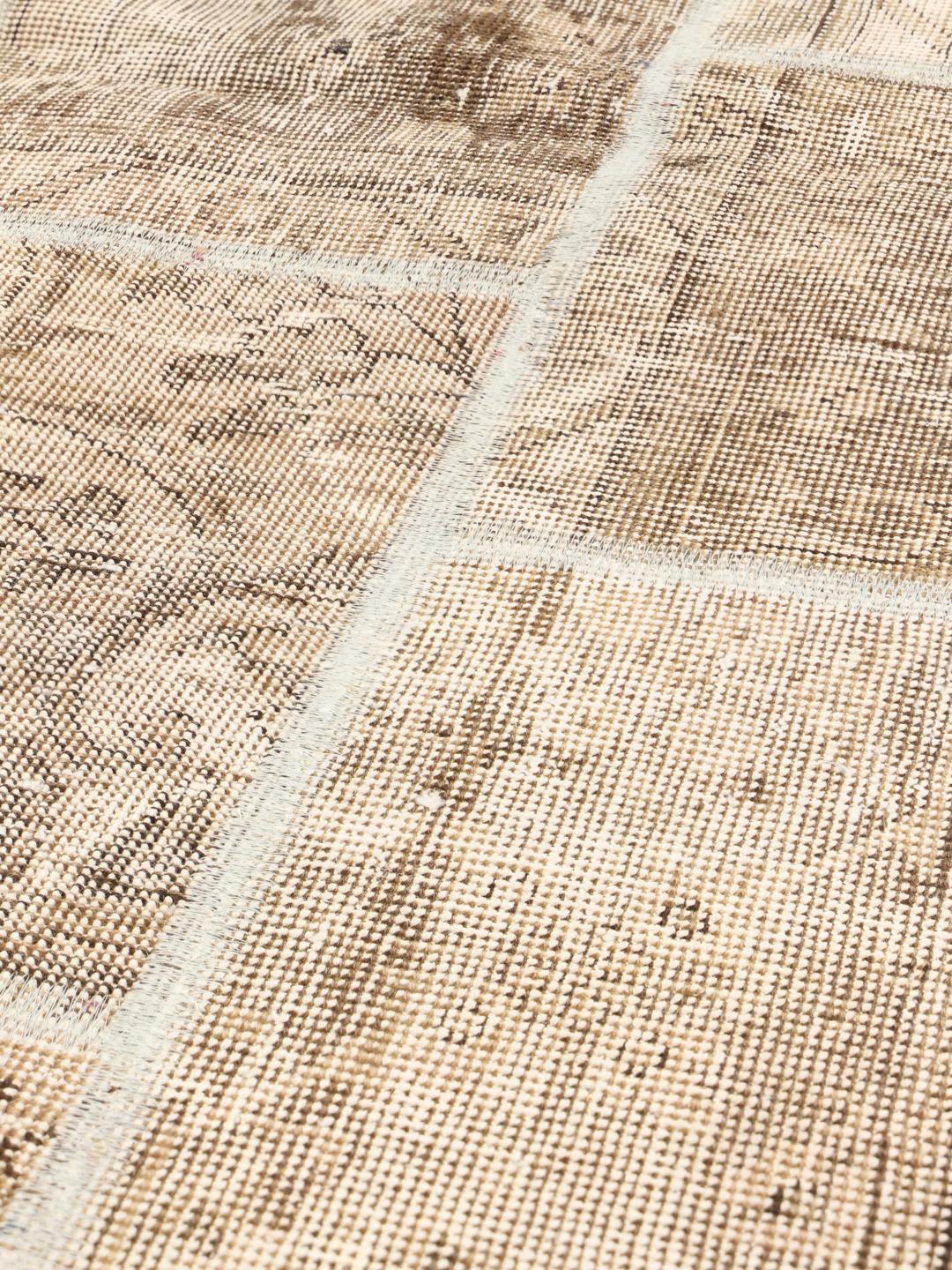
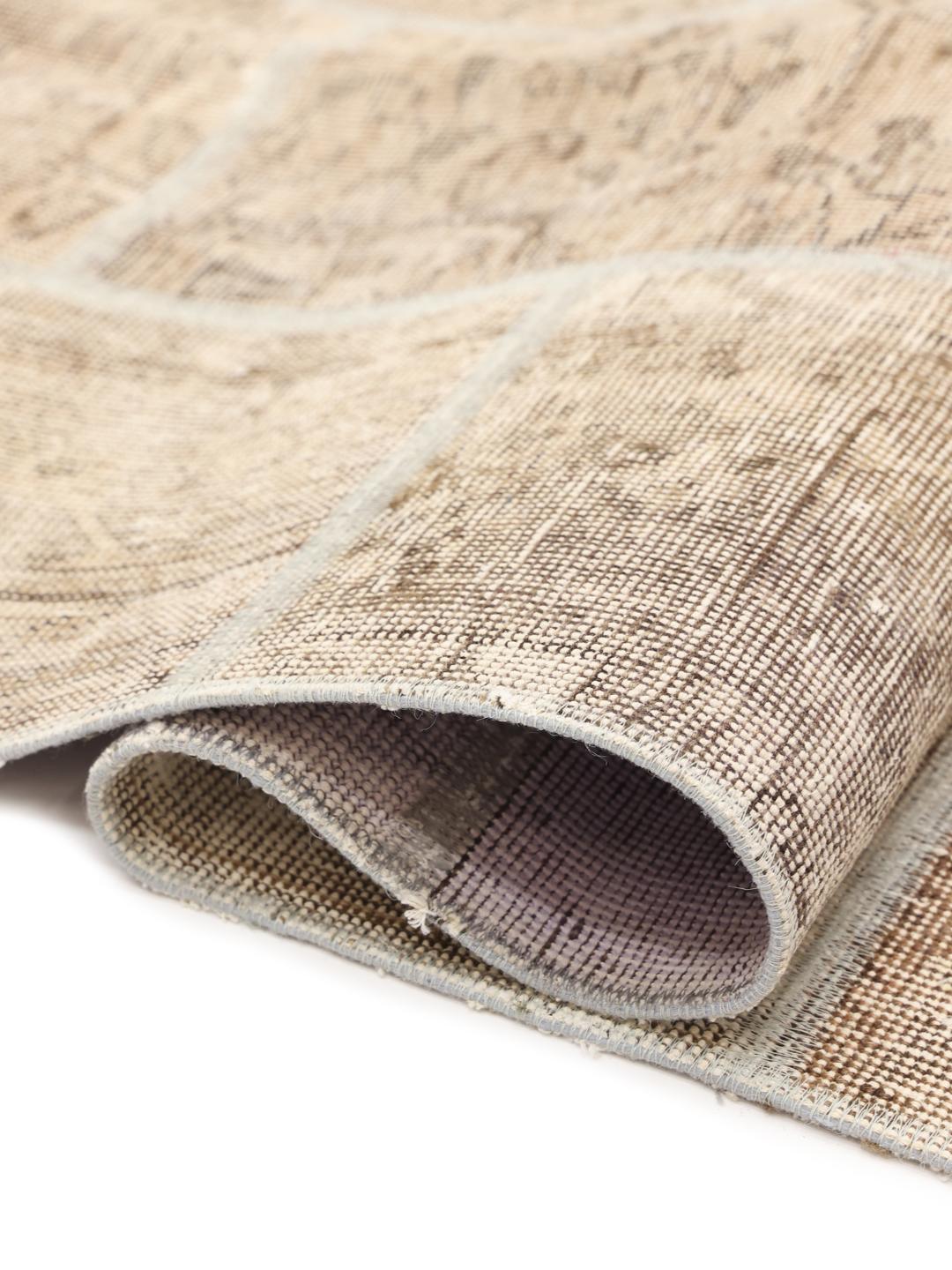
Technically, the quality of a patchwork rug depends entirely on the integrity of the original pieces used. The fragments are typically sourced from classic hand-knotted rugs, which were originally made with dense, resilient piles. When these pieces are integrated into a new layout, the result is a rug that retains the soft, lustrous feel of the original wool while gaining a modern, geometric character that traditional designs often lack.
The visual language of these rugs is defined by their modular nature. You will often see a variety of motifs, from floral elements to geometric borders, all appearing within a single composition. This juxtaposition of different styles and colour palettes creates a dynamic aesthetic. In this particular piece, the earthy brown and neutral tones ground the eclectic design, making it a sophisticated choice that bridges the gap between traditional heritage and modern interior design.
For the collector, a patchwork rug is a testament to the enduring value of human skill. Owning one is an act of appreciation for the countless hours of work that went into the original rugs, now combined into a single, cohesive statement. It is a way to bring a piece of cultural history into your home that is both sustainable and uniquely personal, offering a depth of character that mass-produced items simply cannot provide.