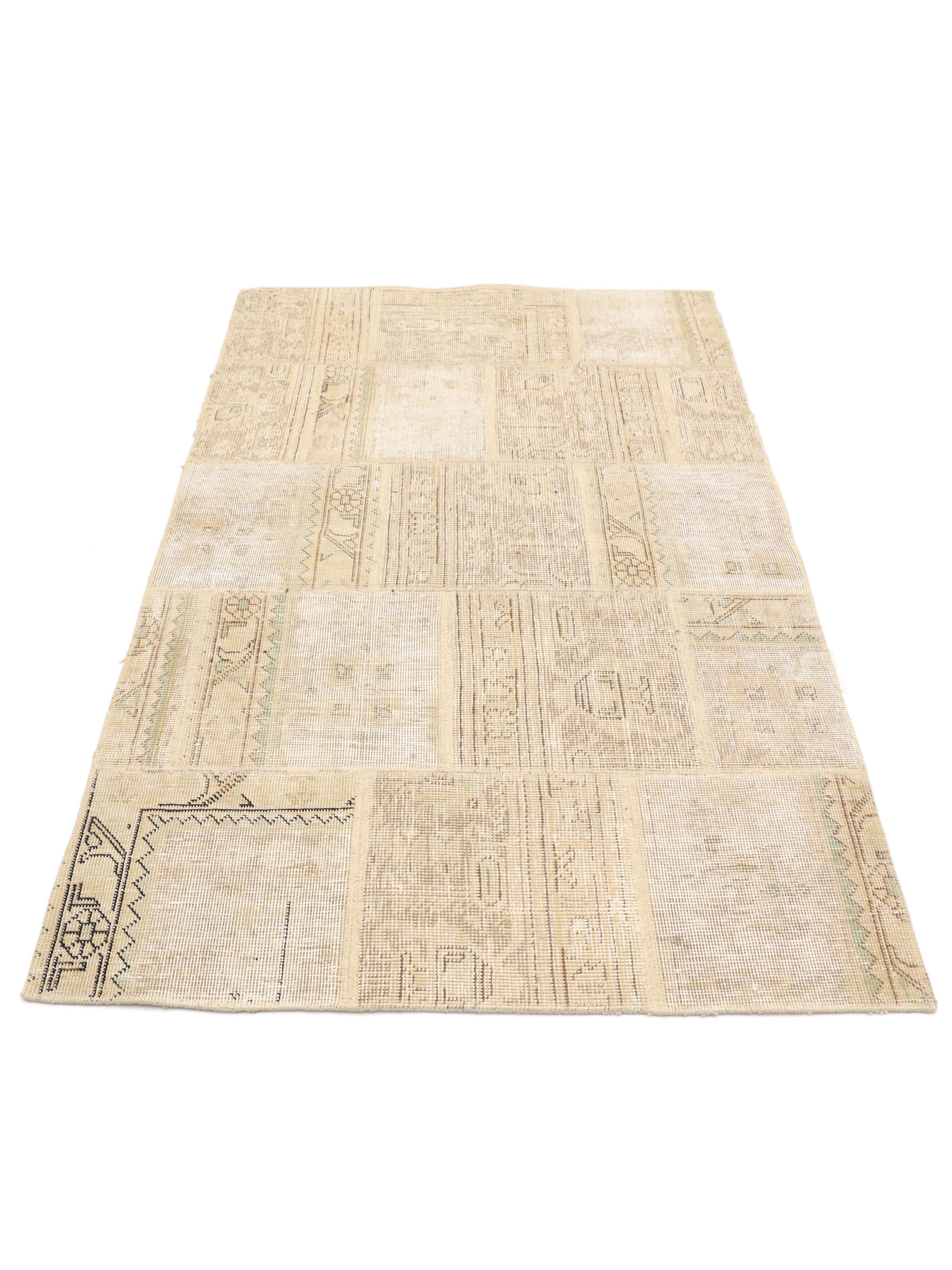
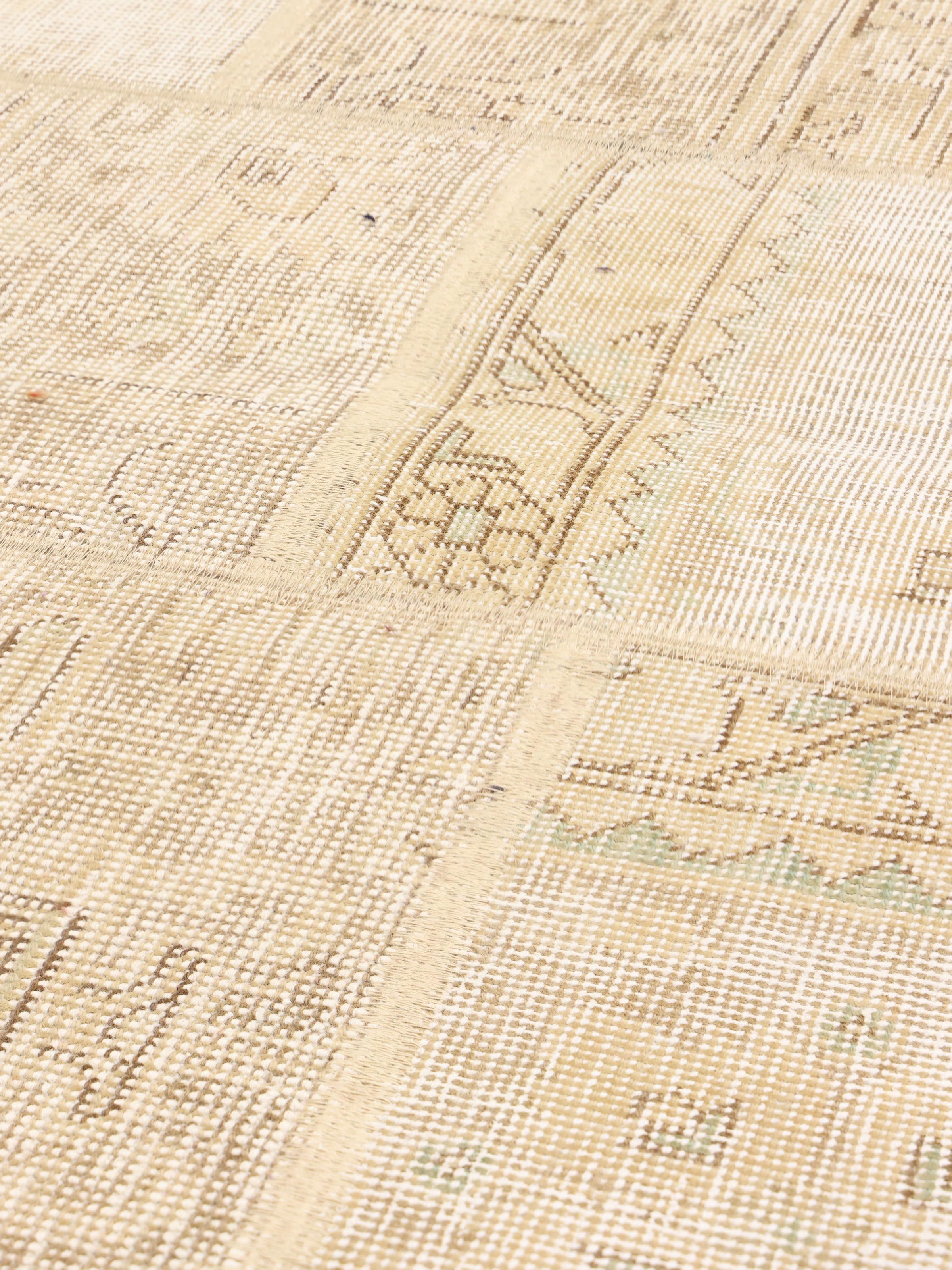
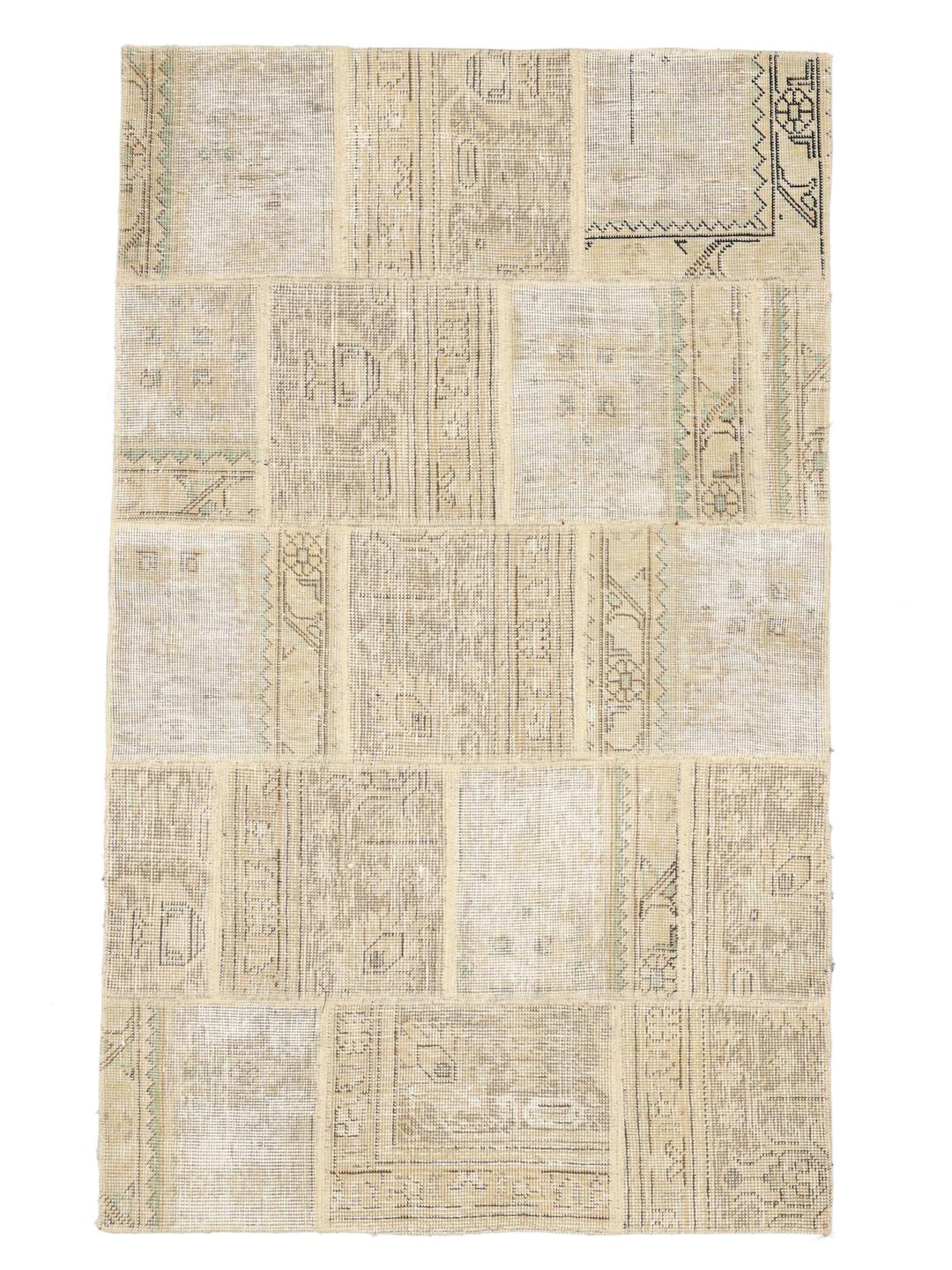
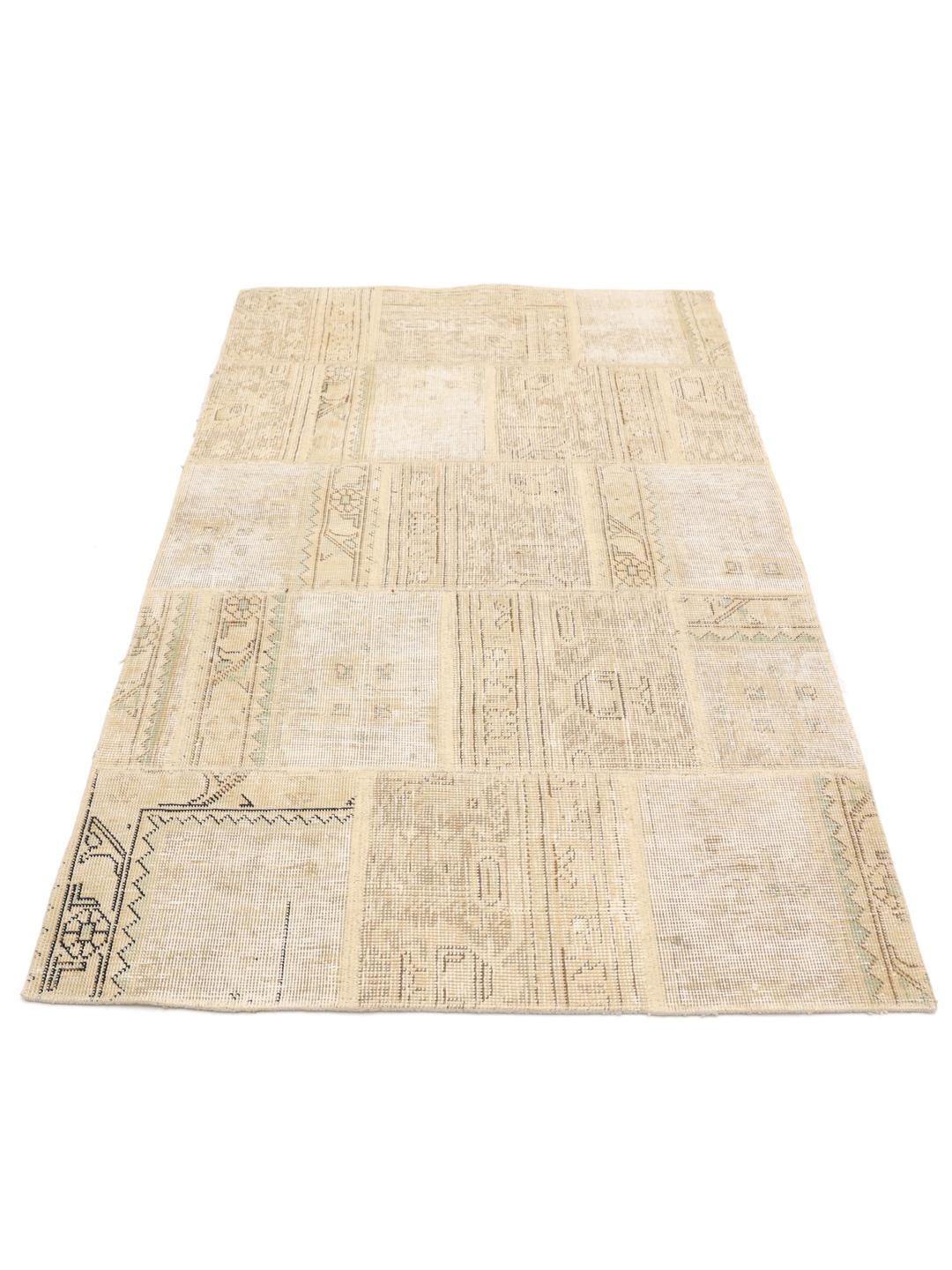
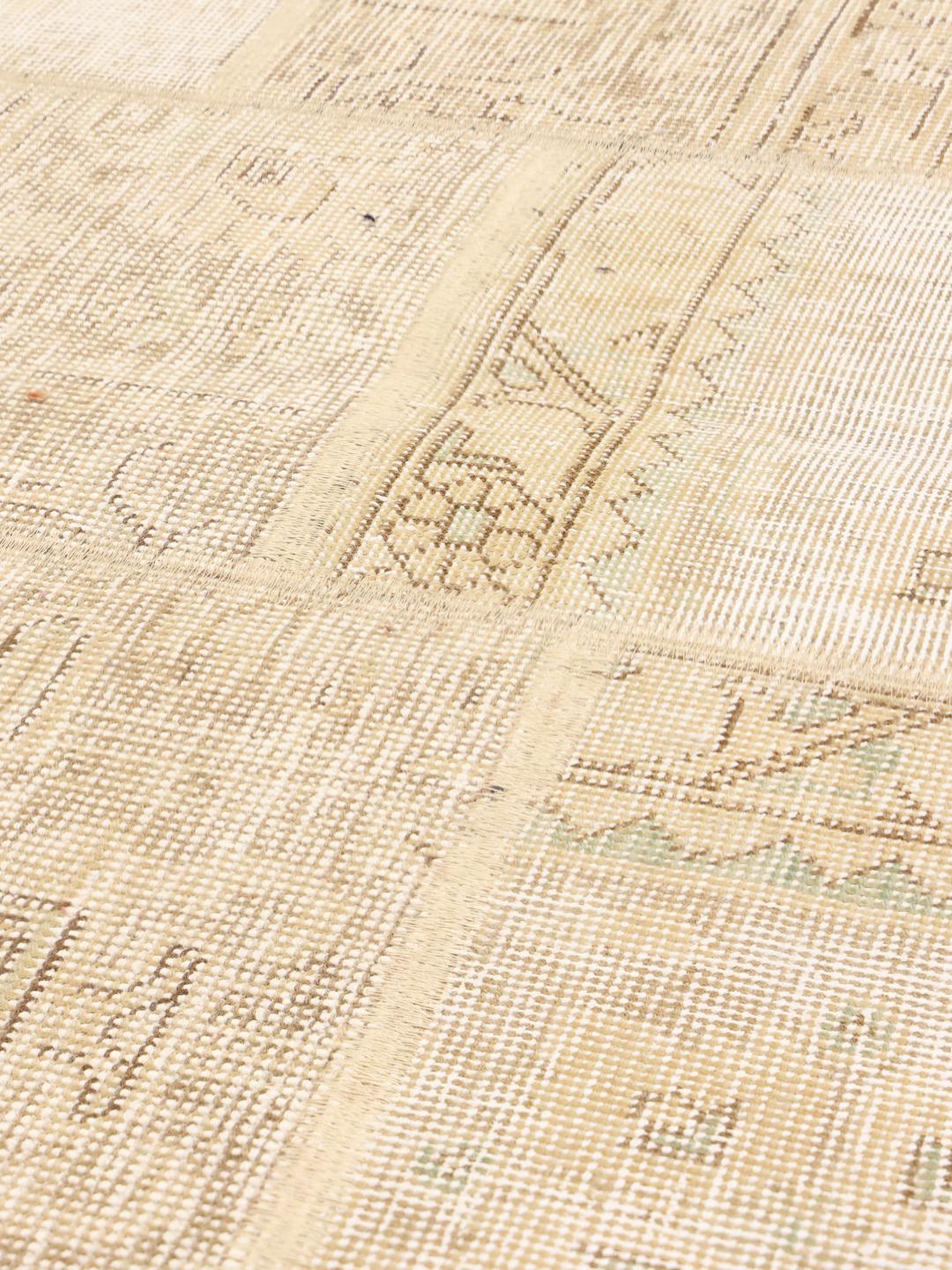
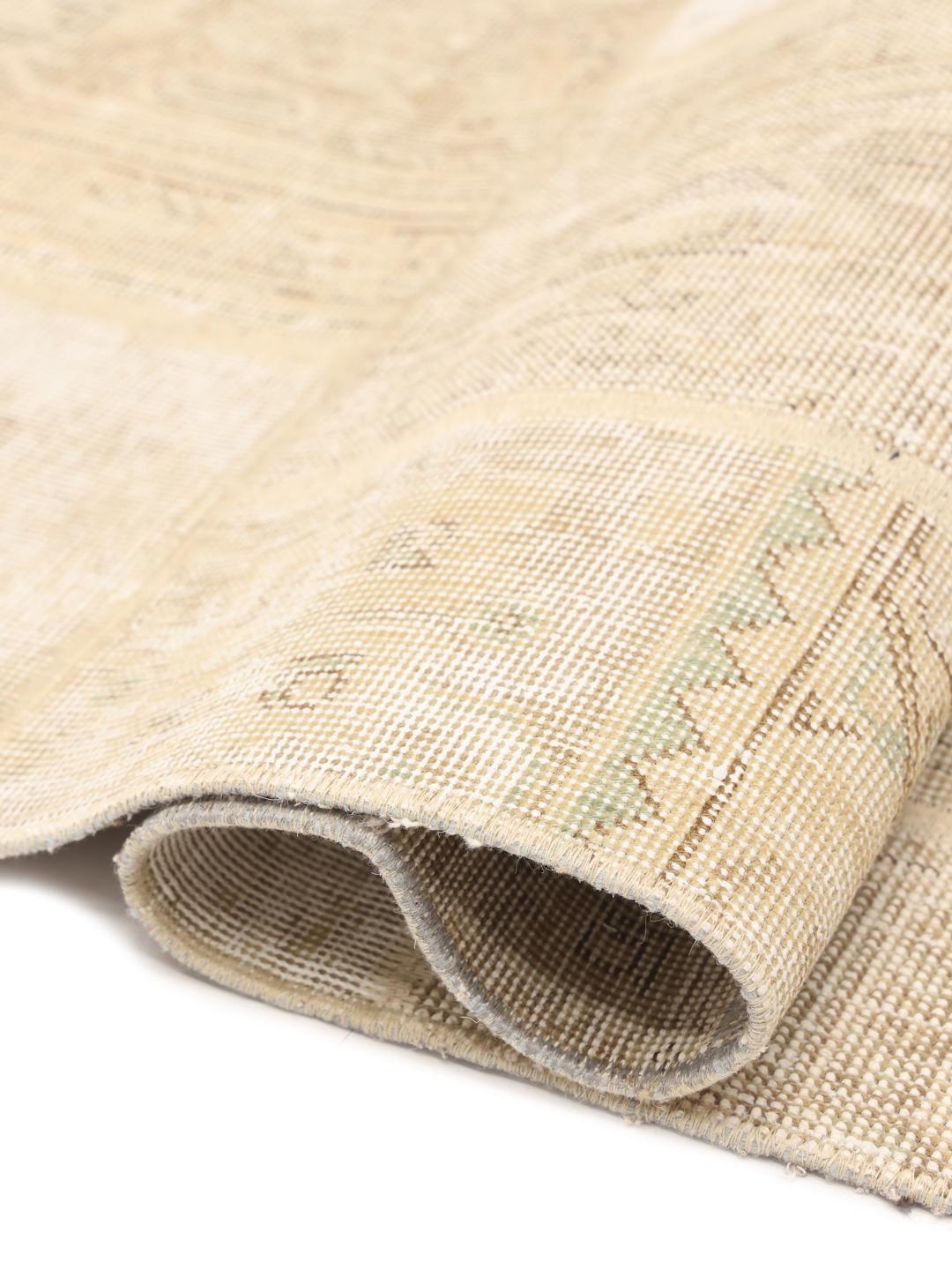
The tradition of the patchwork rug is a creative evolution within Middle Eastern textile arts. Historically, when a rug became worn or damaged, artisans would salvage the remaining intact sections, preserving the intricate knots and dyed Wool. These fragments were then thoughtfully combined into new, artistic compositions, ensuring that no part of the original craftsmanship went to waste.
This practice relies on the deep knowledge of regional weaving styles. Each segment represents a specific tradition, often featuring motifs and border designs that were once part of larger, formal rugs. Understanding these fragments requires an appreciation for the history embedded in every fibre, as each piece carries the distinct characteristics of its original provenance.
Patchwork rugs are defined by their visual complexity and the rhythmic interplay of different patterns. While traditional rugs are defined by a singular, symmetrical design, a patchwork piece offers a collage-like experience. This rug showcases a variety of textures and faded hues, which occur naturally through age and exposure, adding to the authentic and collected feel of the piece.
Owning a patchwork rug is an opportunity to curate a space with heritage and intention. These pieces are highly valued by collectors because they bridge the gap between historical craft and modern design. By choosing this rug, you are preserving a legacy of skill and sustainability, keeping the spirit of traditional hand-knotting alive in a unique, contemporary form.