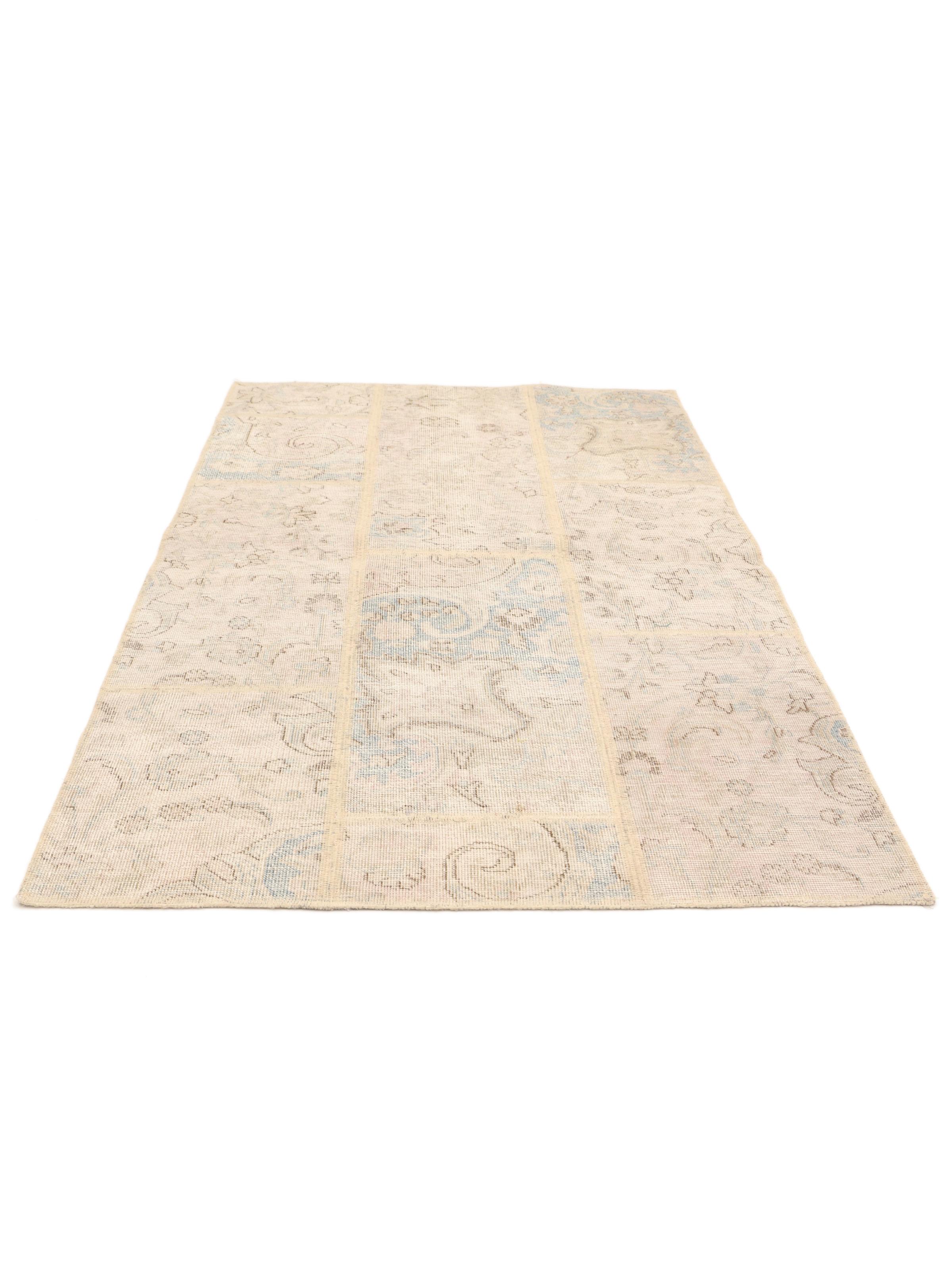
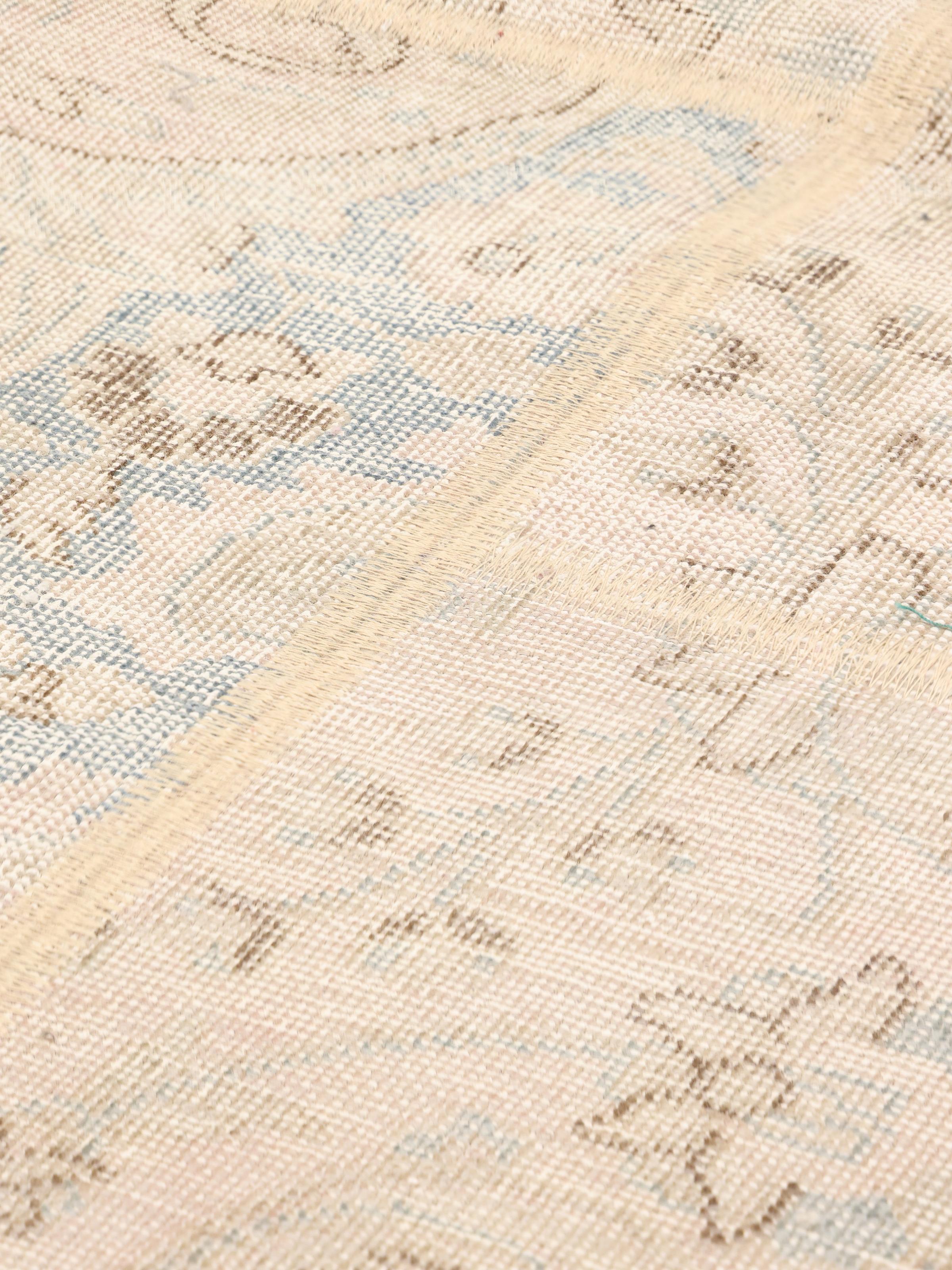
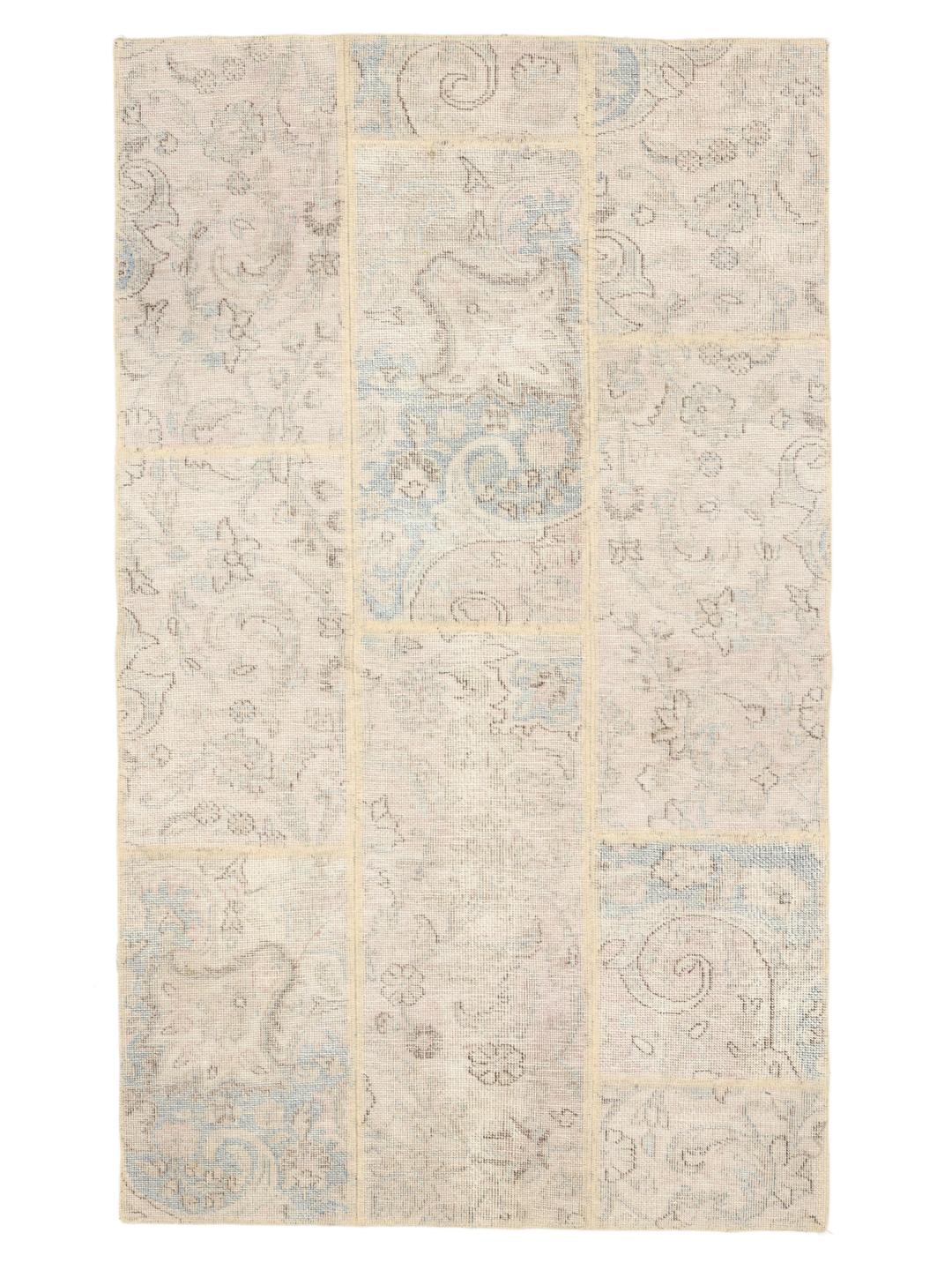
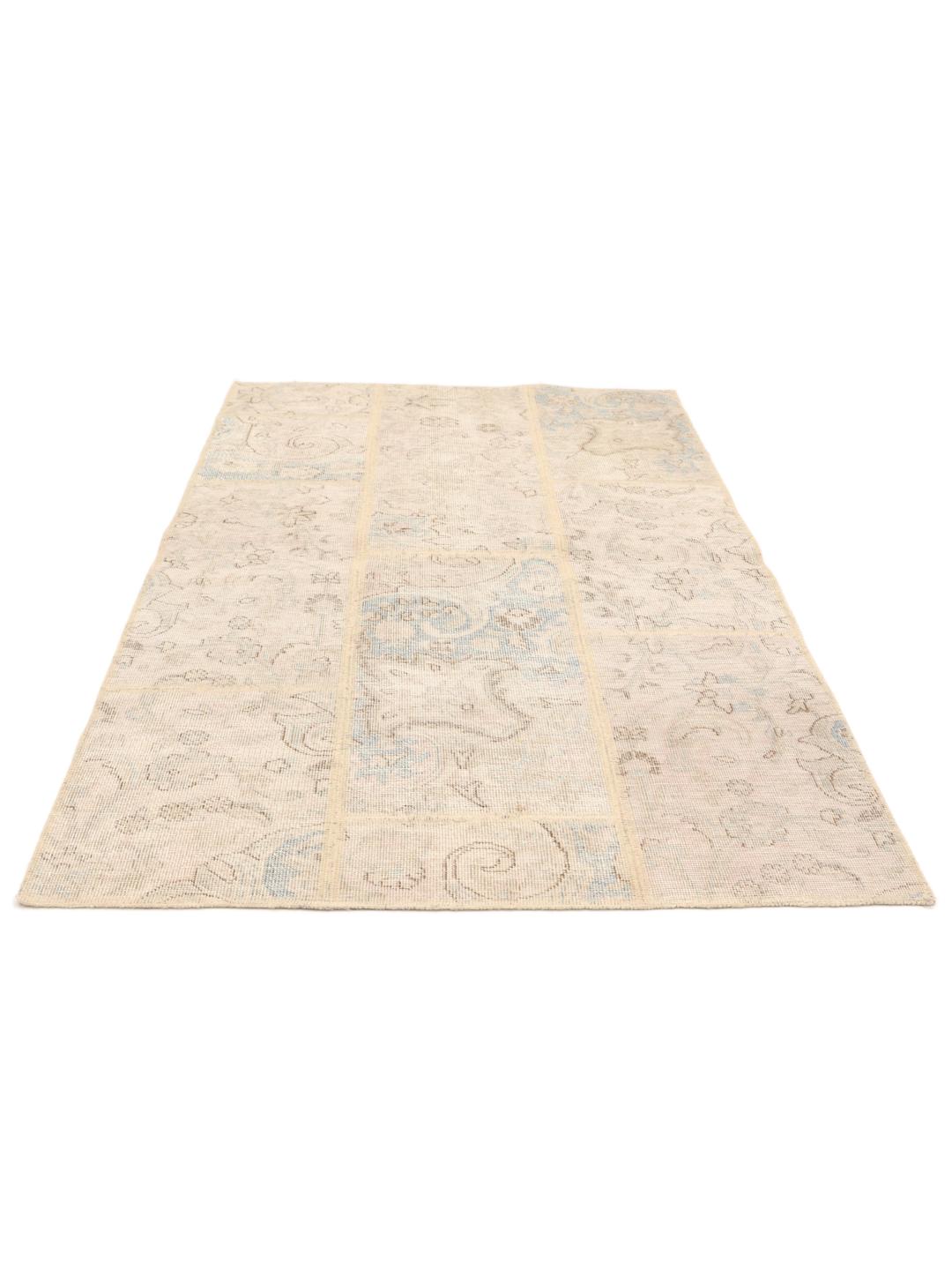
The story of Turkish Patchwork rugs is tied to the rich textile traditions of Anatolia, a region celebrated for centuries as one of the world's primary rug-weaving centers. Turkish weaving culture is famous for its double-knot technique, known as the symmetrical or Ghiordes knot, which creates exceptionally sturdy, long-lasting floor coverings.
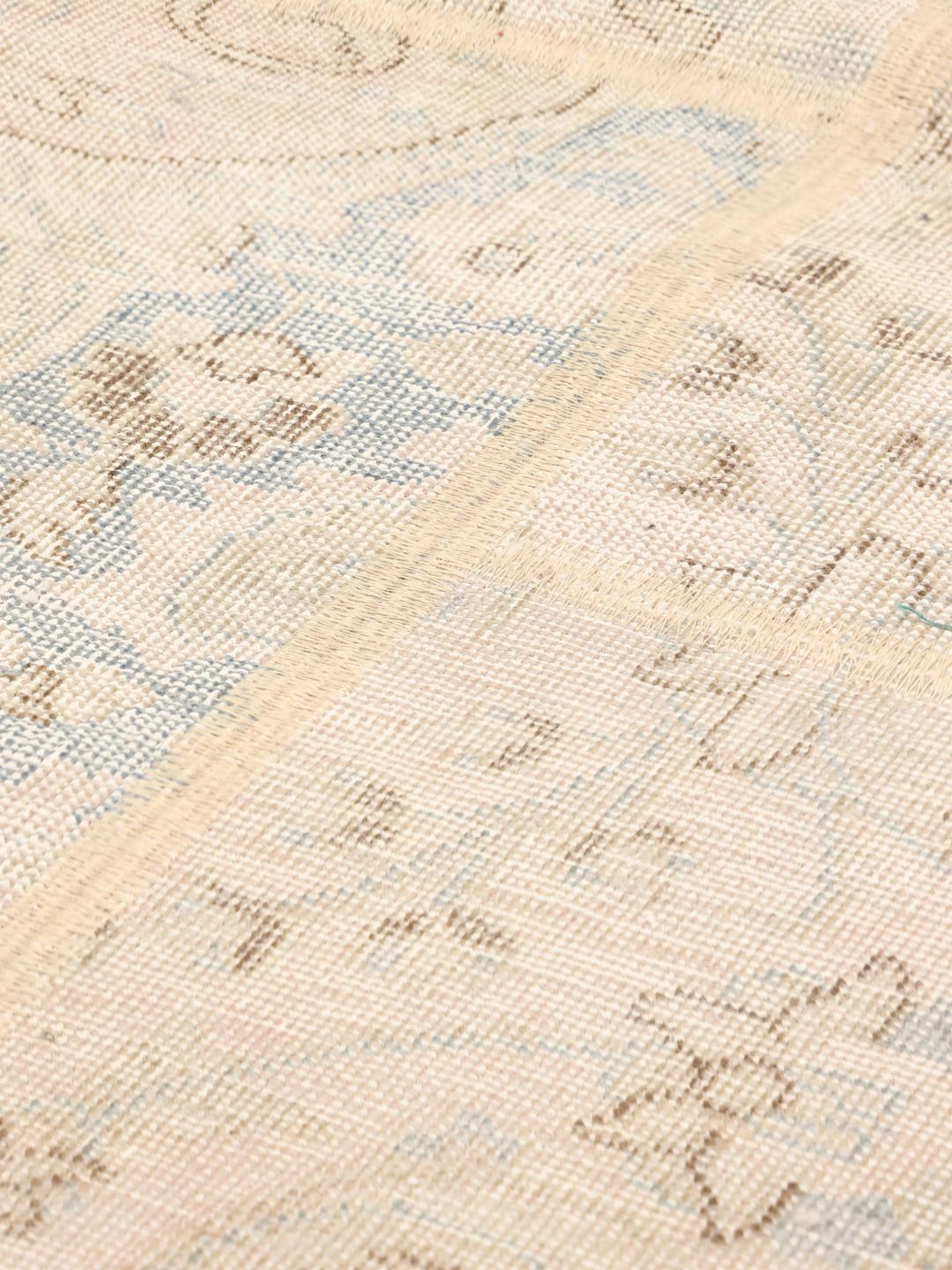
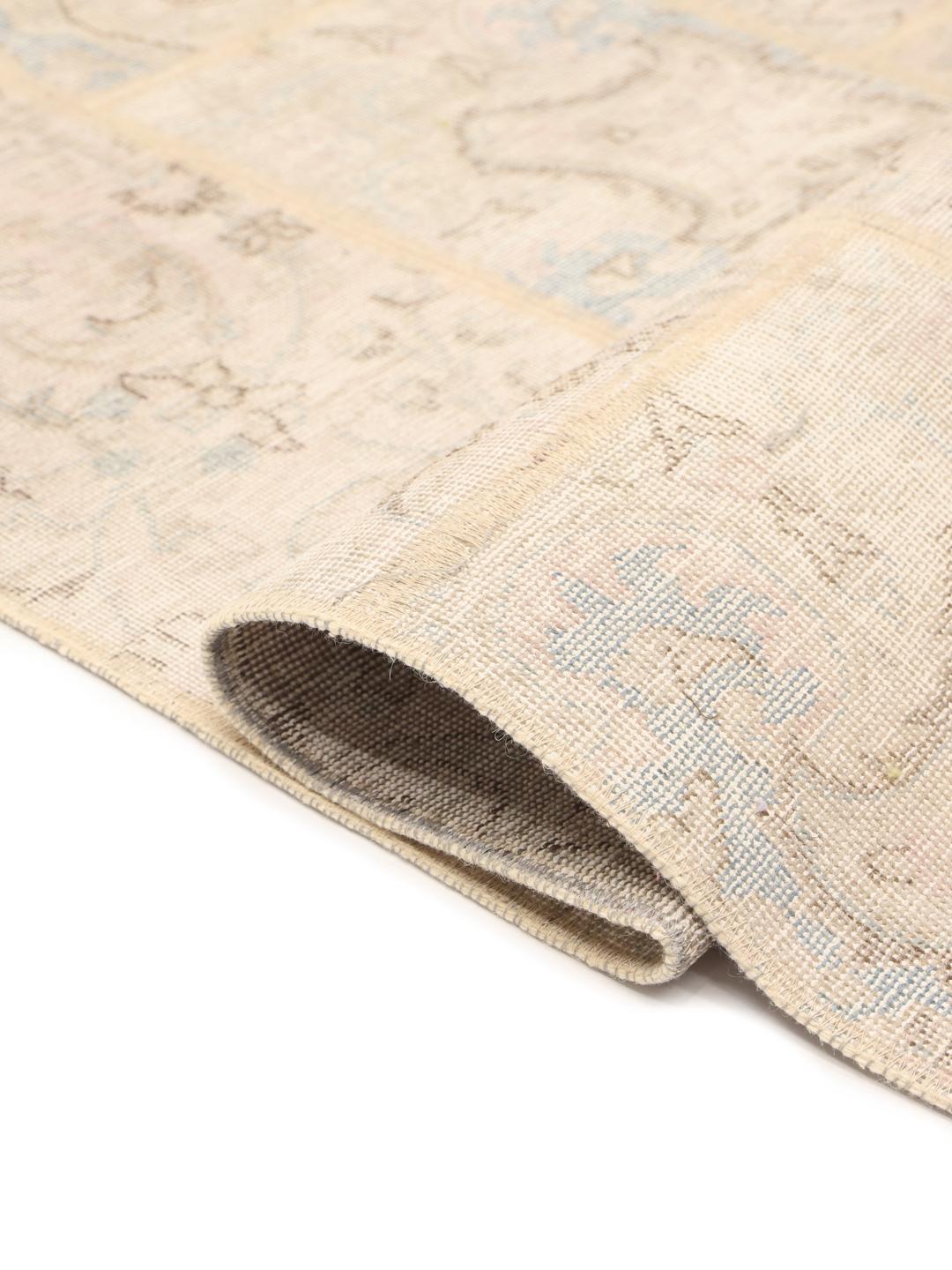
The term patchwork refers to the modern art of reinterpreting historic rugs. Vintage hand-knotted Turkish carpets that have aged gracefully over 20 to 50 years are gathered from regional villages. They are washed, trimmed into sections, and hand-stitched into new compositions, giving older craftsmanship a fresh, contemporary life.
Visually, these rugs balance traditional floral motifs, scrolling arabesques, and ornate borders with a modern collage structure. Softened over time by light and gentle wear, the original bold dyes fade into subtle beige, grey, and soft blue tones, creating a harmonious layout of mixed patterns.
Collecting a Turkish Patchwork rug means preserving regional history and handcraft heritage. Rather than letting old weaving disappear, this tradition values the labor of original artisans, offering home owners a meaningful design object filled with history.