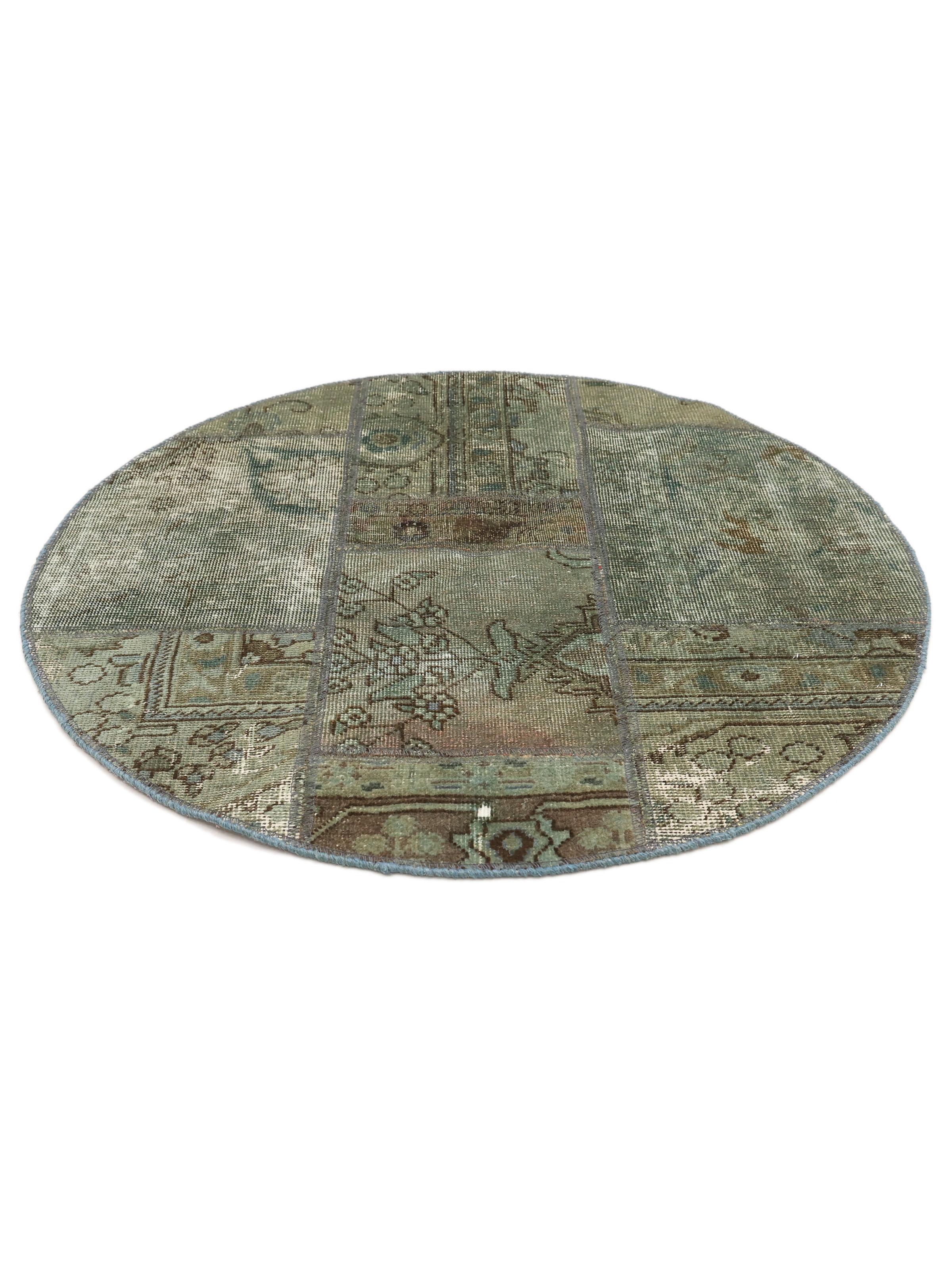
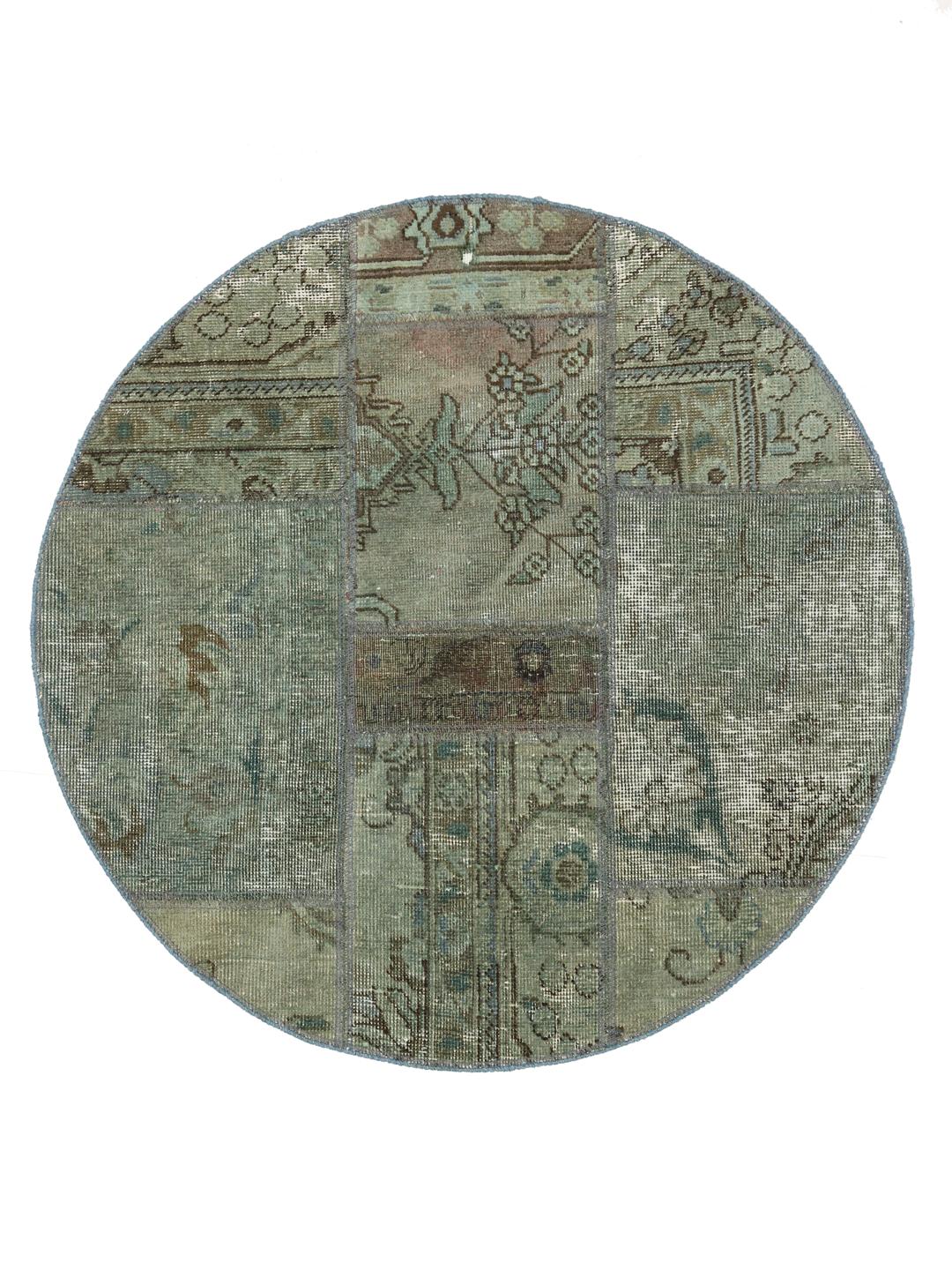
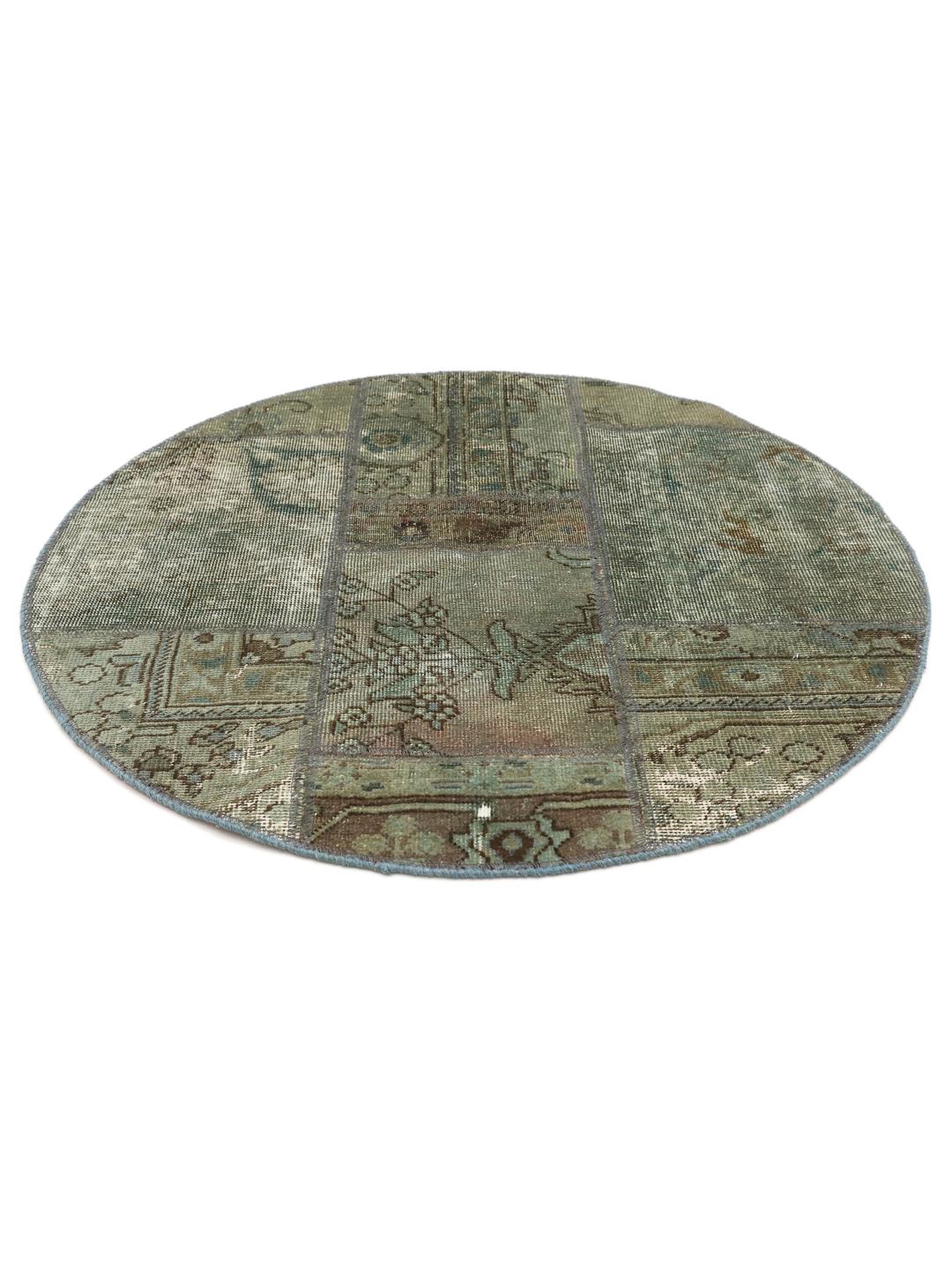
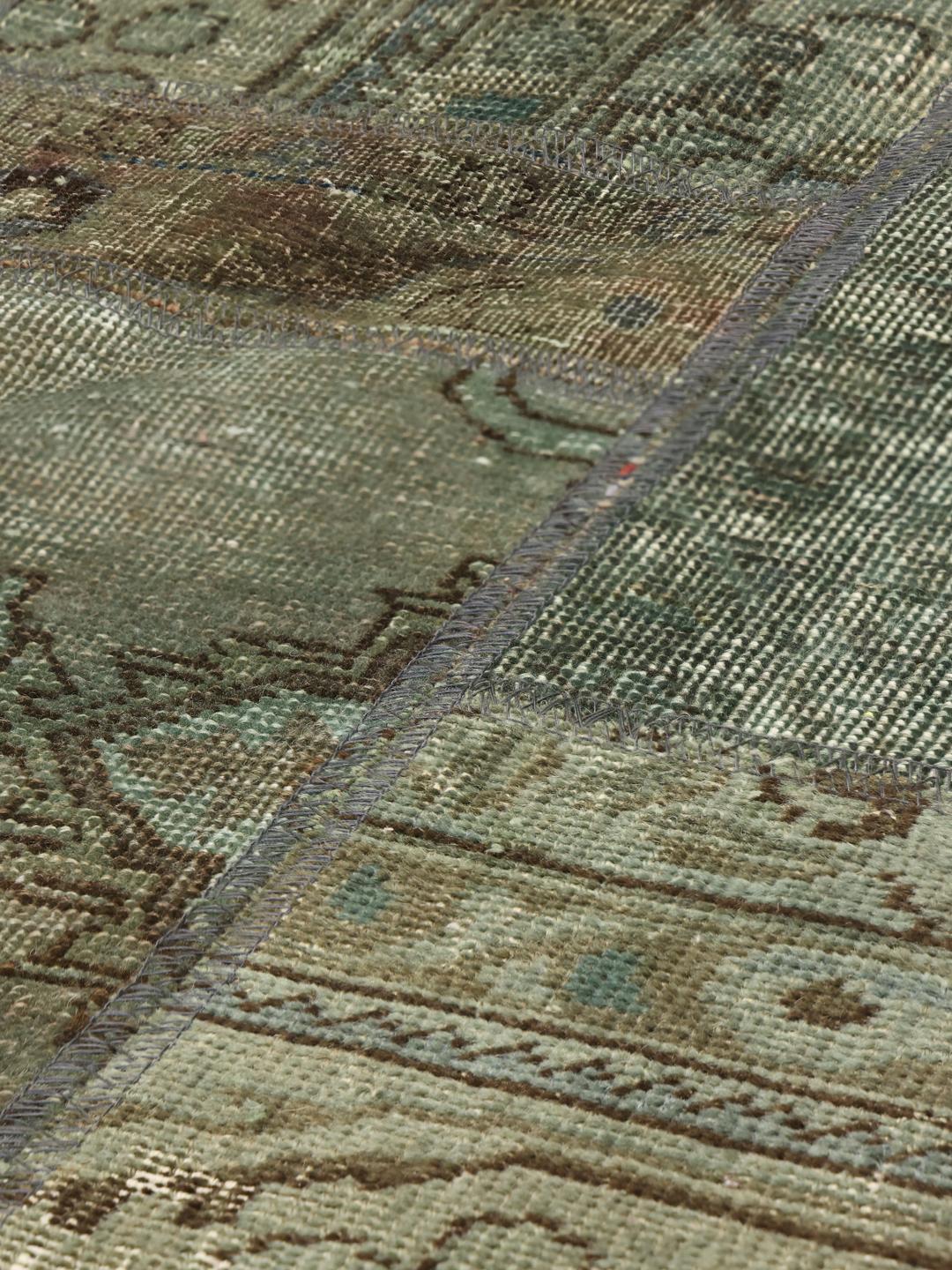
Patchwork rugs originated as a creative movement in Anatolia, Turkey, designed to preserve and celebrate historic hand-knotted carpets that were partially worn over decades of use. Rather than discarding these older textiles, artisans discovered that cutting intact fragments and reassembling them created a fresh, contemporary aesthetic rooted in history.
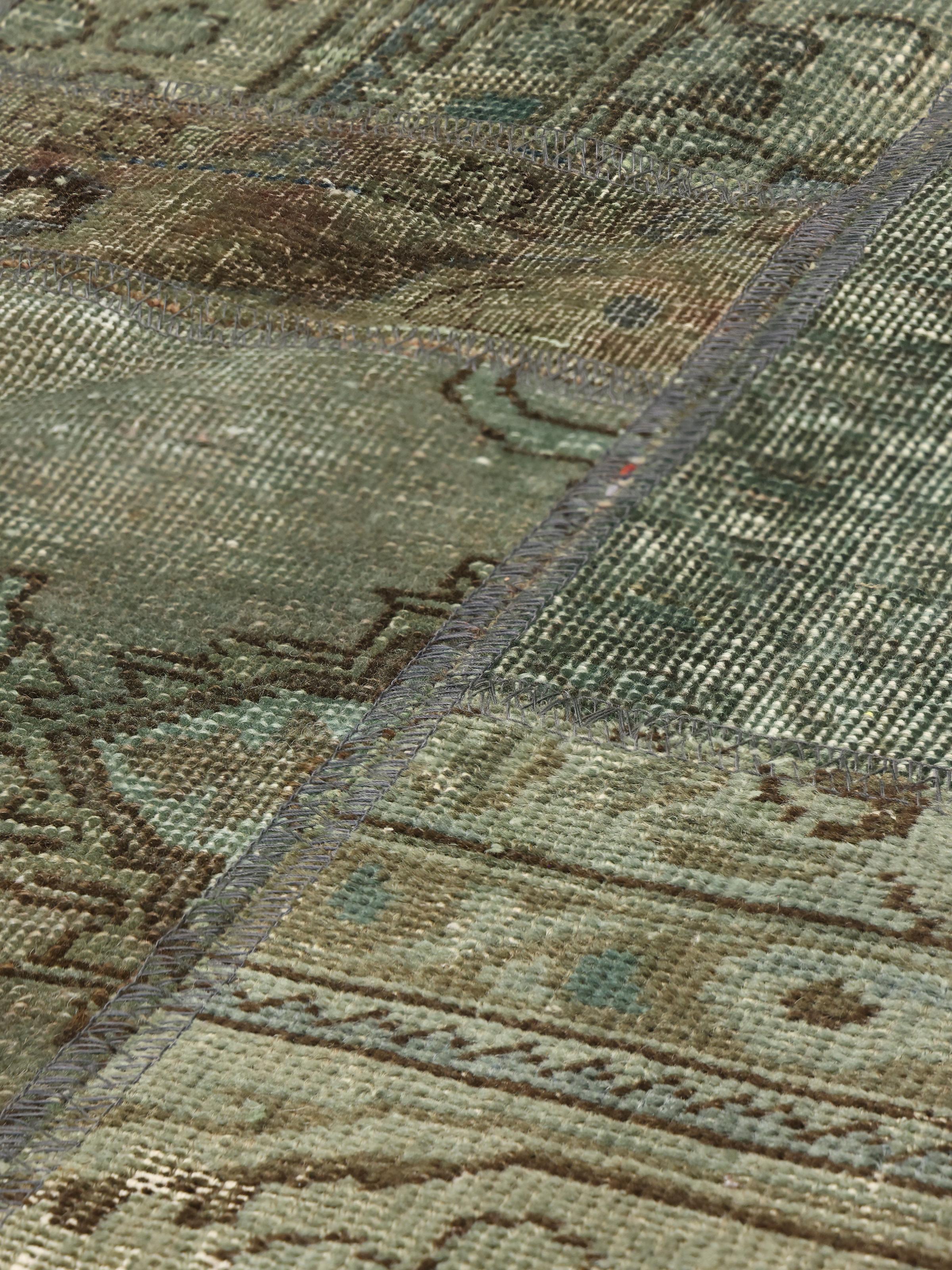
The process relies on traditional Anatolian rug-making knowledge. Anatolian hand-knotted rugs are famous for using the symmetrical double knot, often called the Turkish knot, which gives the original textiles their exceptional durability and longevity. By selecting sections from carpets aged between 20 and 50 years, artisans give these historic textiles a new life.
Visual language in Patchwork rugs is defined by contrast and balance. Individual panels showcase classic Anatolian motifs, such as stylized floral motifs, protective geometric borders, and traditional medallion segments. When combined, these varied fragments form an intriguing visual dialogue where different historical weaving styles sit side by side.
Today, Turkish Patchwork rugs are highly valued by collectors and design enthusiasts alike. They bridge the gap between traditional craft heritage and modern interior design, offering a piece of history that is both sustainable and culturally rich.