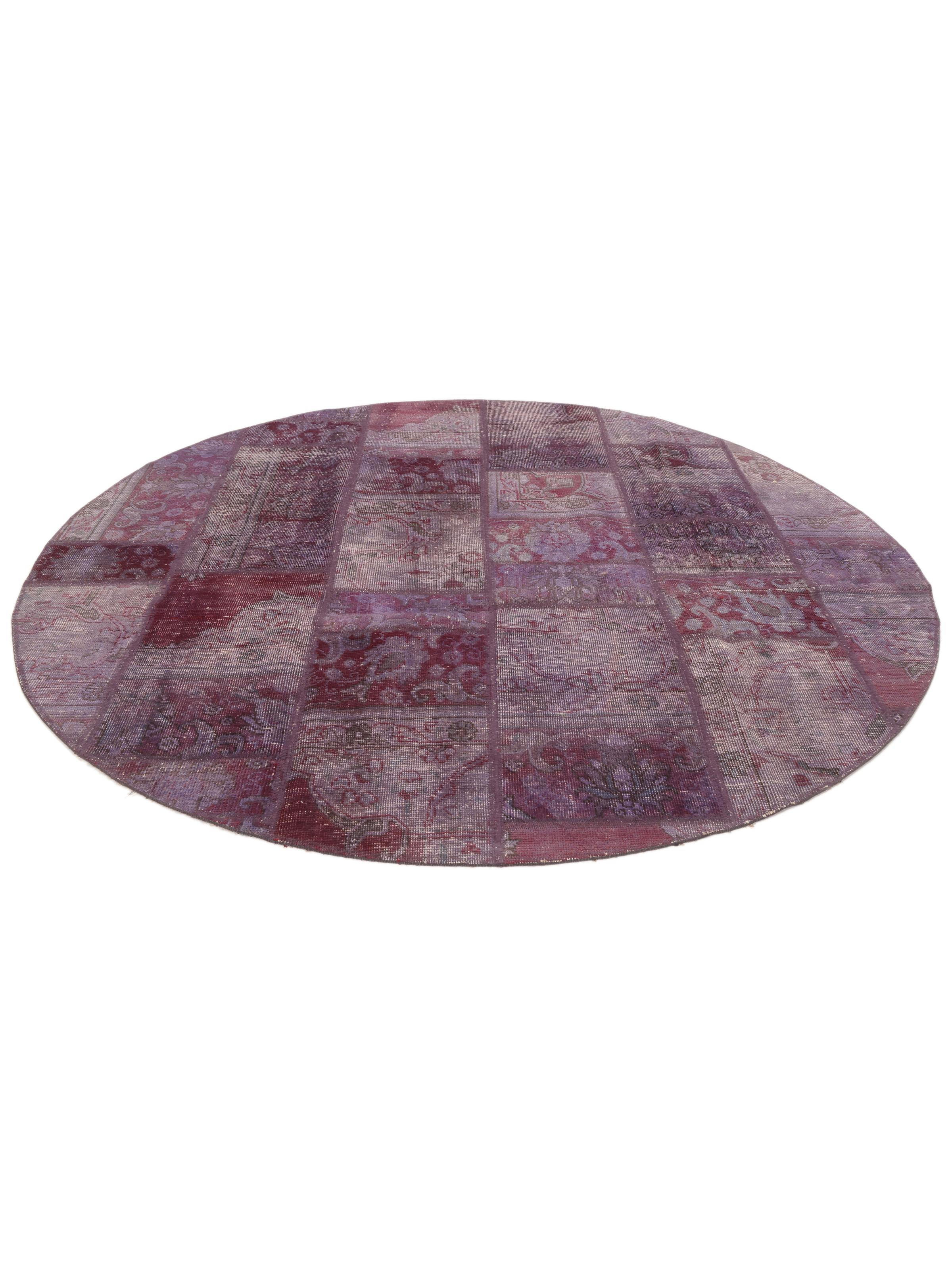
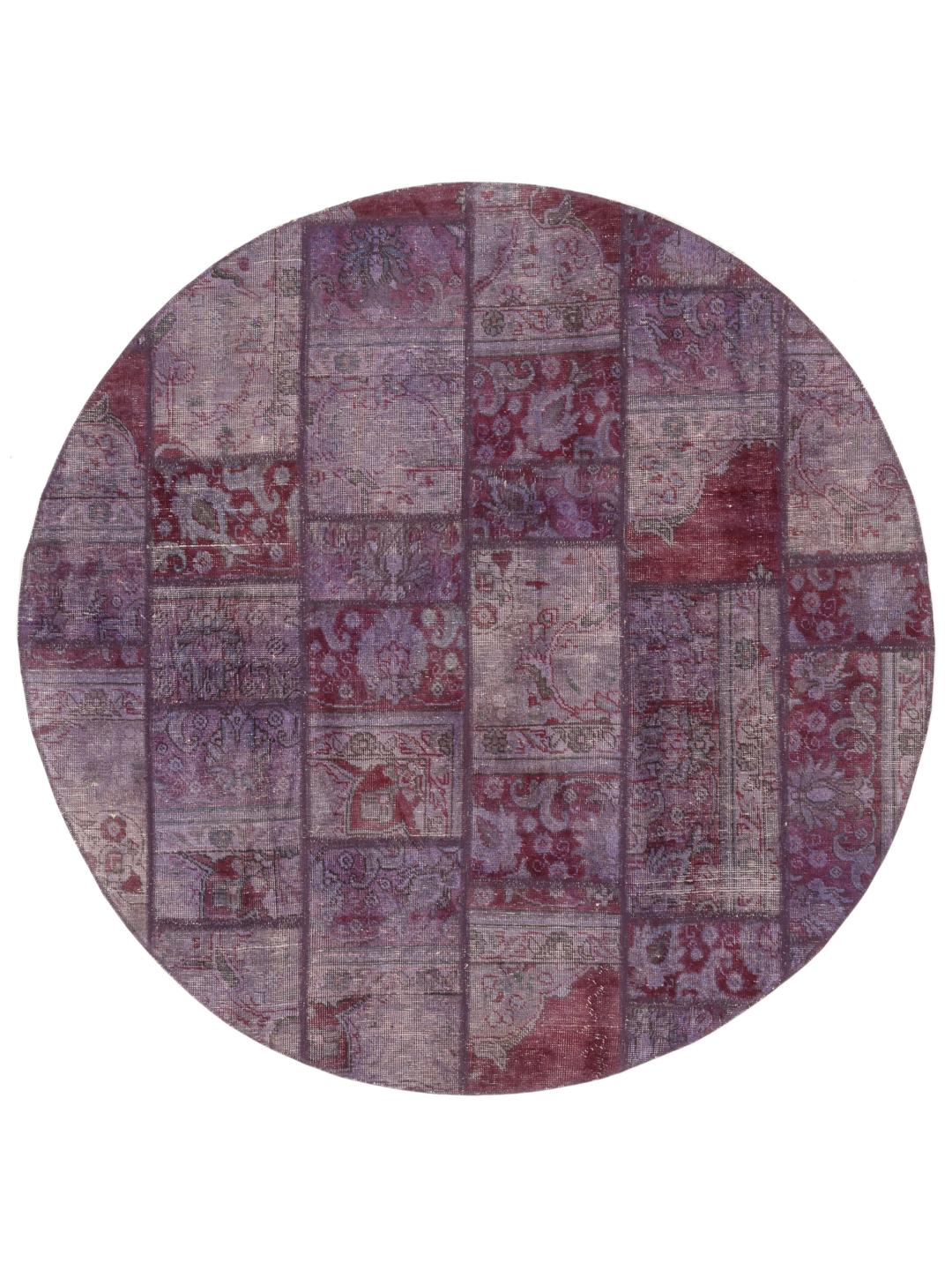
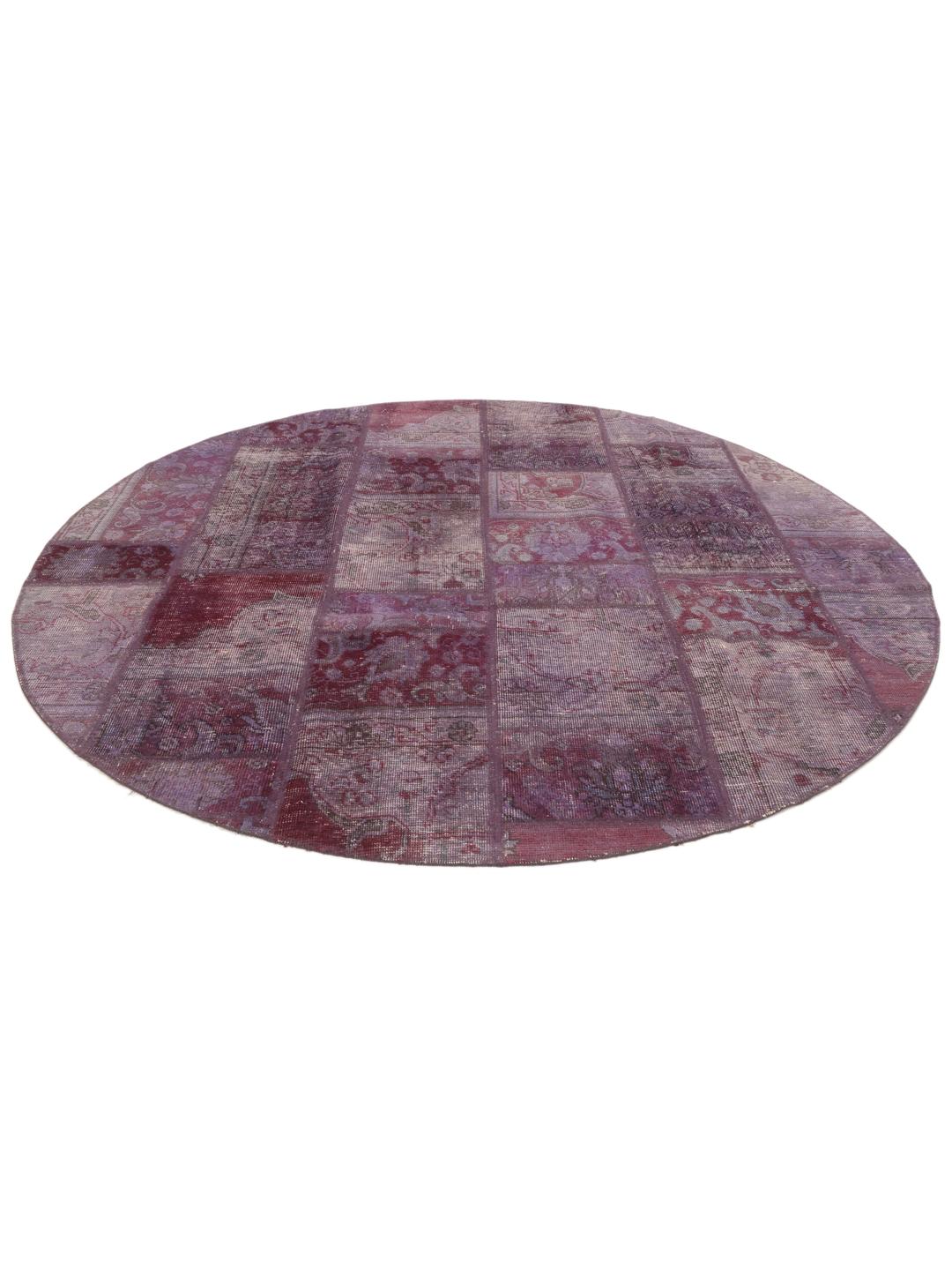
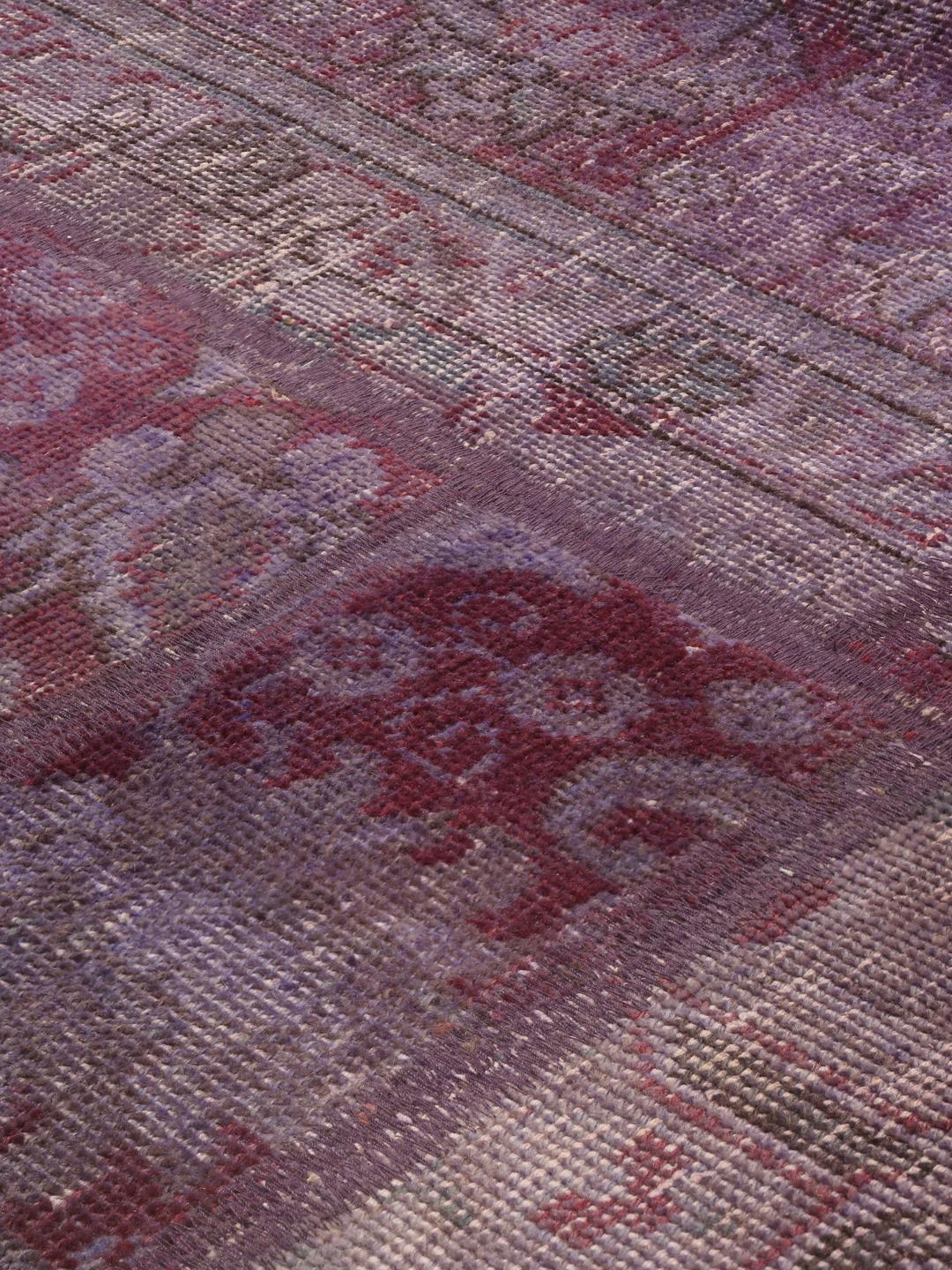
Patchwork rugs represent a fascinating evolution in the textile traditions of the Middle East. Historically, weavers in this region have always sought to maximise the utility of their materials, and over time, this led to the creative practice of repurposing older, well-loved hand-knotted rugs that had developed local wear. Instead of letting these beautiful textiles go to waste, artisans began to selectively cut them into panels, preserving the most vibrant and well-preserved sections to create entirely new, contemporary designs.
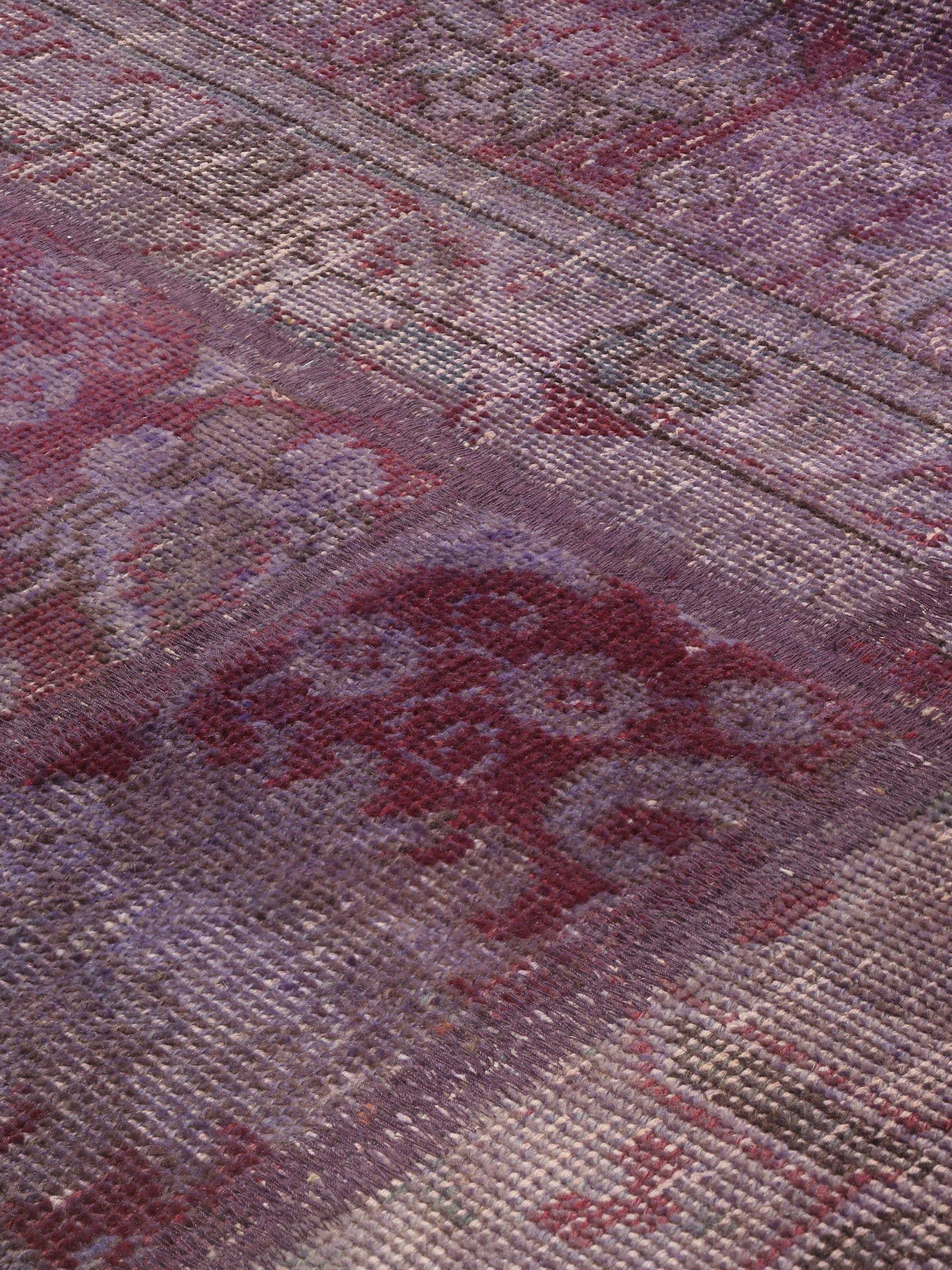
The craft of patchwork relies on the artisan's eye for colour and pattern balance. By stripping back the original foundation and carefully reconstructing the pieces, the weaver creates a new narrative. This process is highly technical, requiring an understanding of pile direction and knot integrity to ensure the final rug lies flat and wears evenly. It is a modern solution to honouring the longevity of traditional wool weaving while adapting to the aesthetic needs of contemporary homes.
Visually, these rugs are defined by their complex, multi-layered patterns. You will often see a mix of traditional motifs such as medallions, floral elements, and geometric borders, all stitched together in a way that feels intentional and artistic. The variation in tone, often achieved through natural aging processes, gives the rug a depth that is impossible to replicate in new, mass-produced items. This provides a rich, storied appearance that is highly sought after by collectors.
Owning a patchwork rug is an investment in a living tradition. It represents a bridge between the past and the present, where the skill of generations of weavers is combined with a modern sensibility for home design. These pieces are valued for their cultural weight and the tangible sense of history they bring into a space. When you choose a patchwork rug, you are not just buying a floor covering but a piece of heritage that has been thoughtfully reimagined for your home.